Sold For $499,363
*Includes Buyers Premium
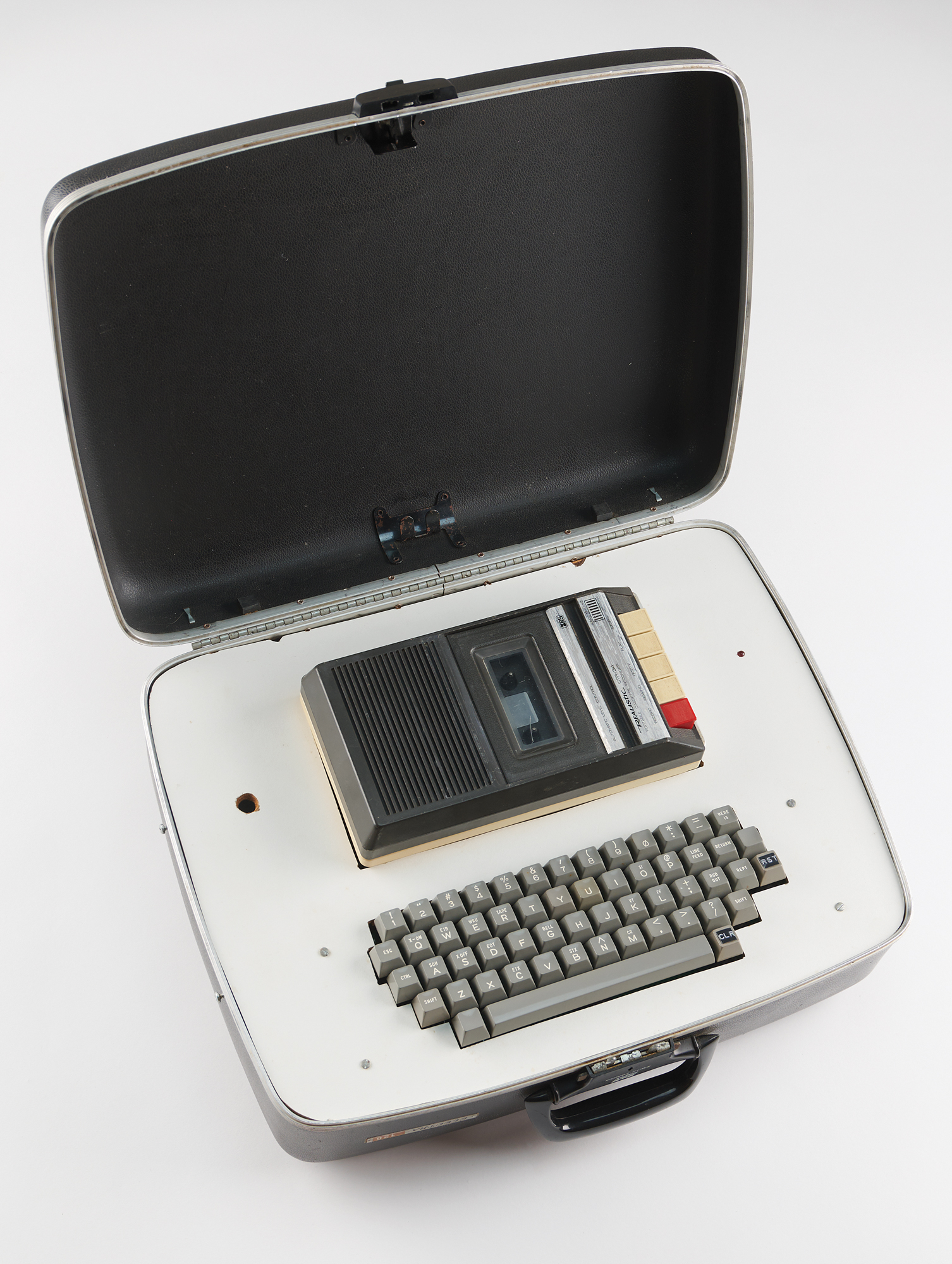
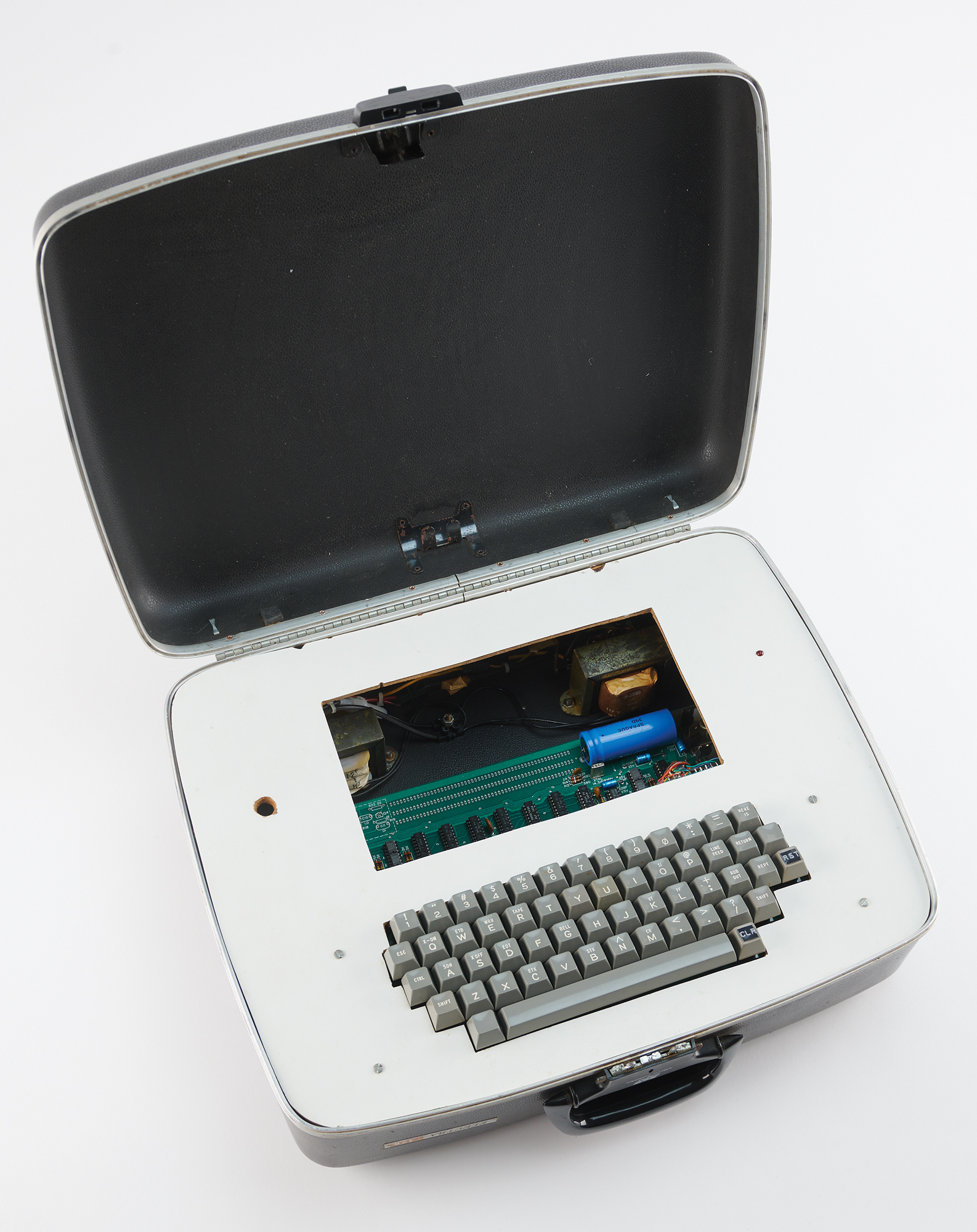
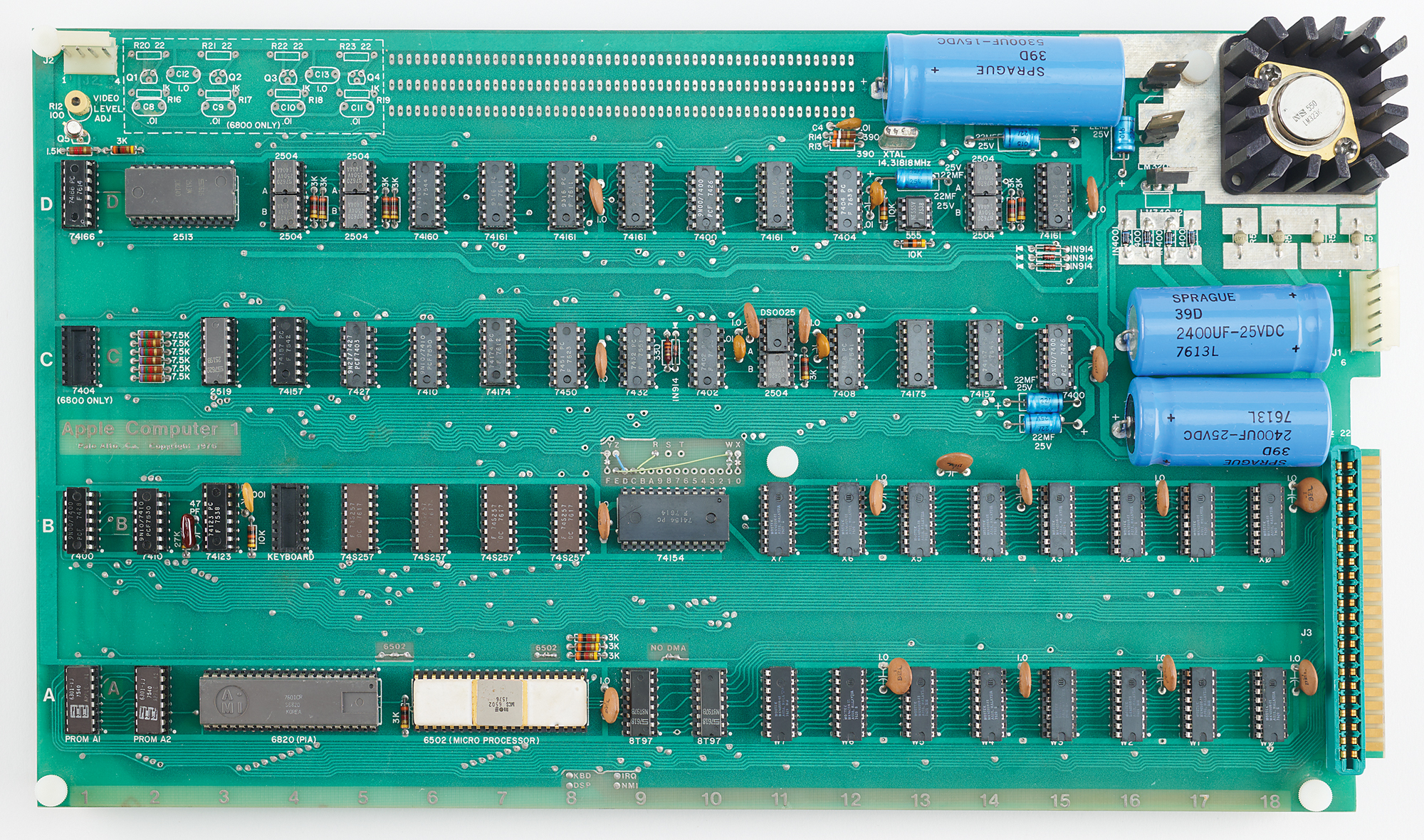
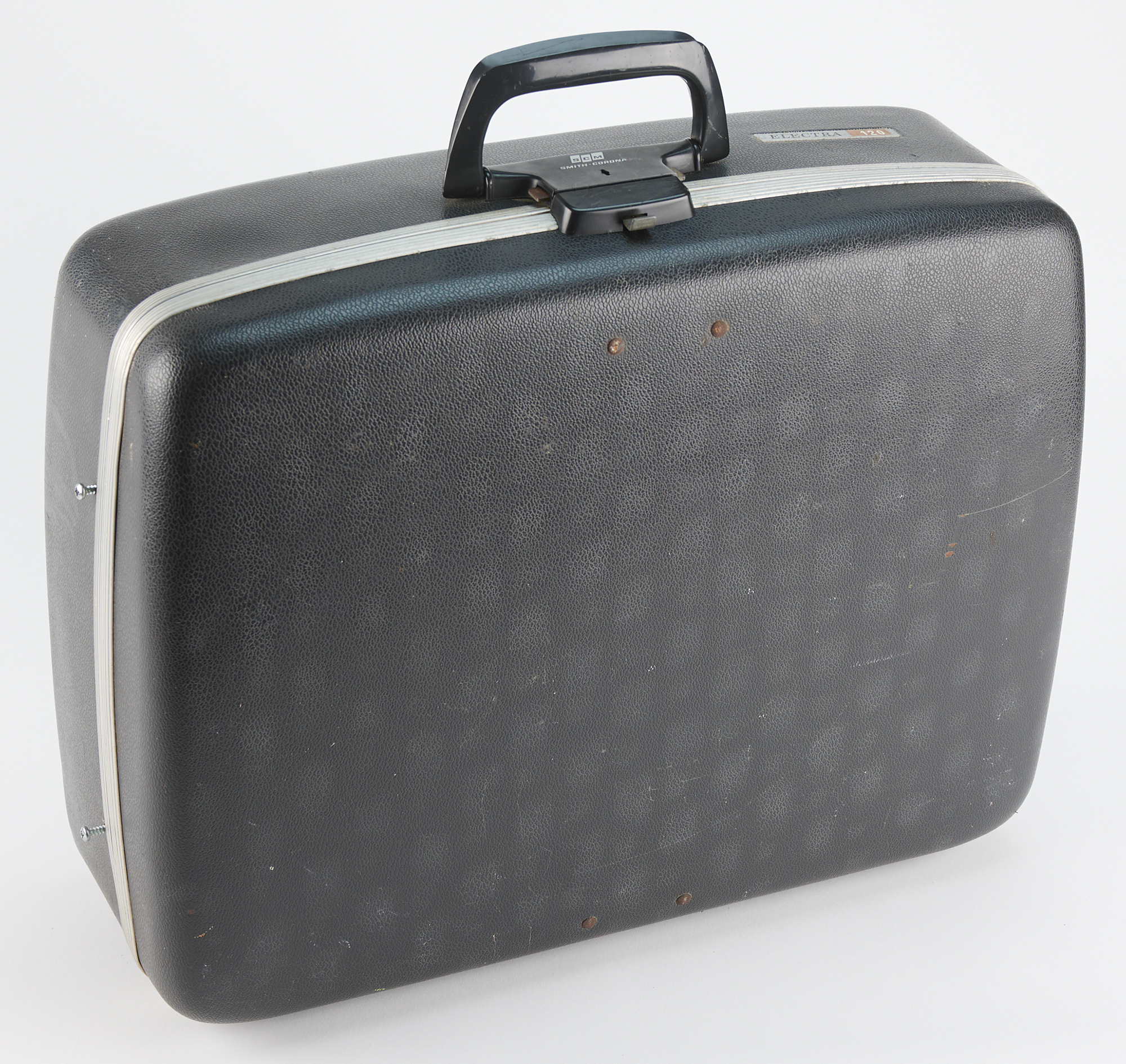
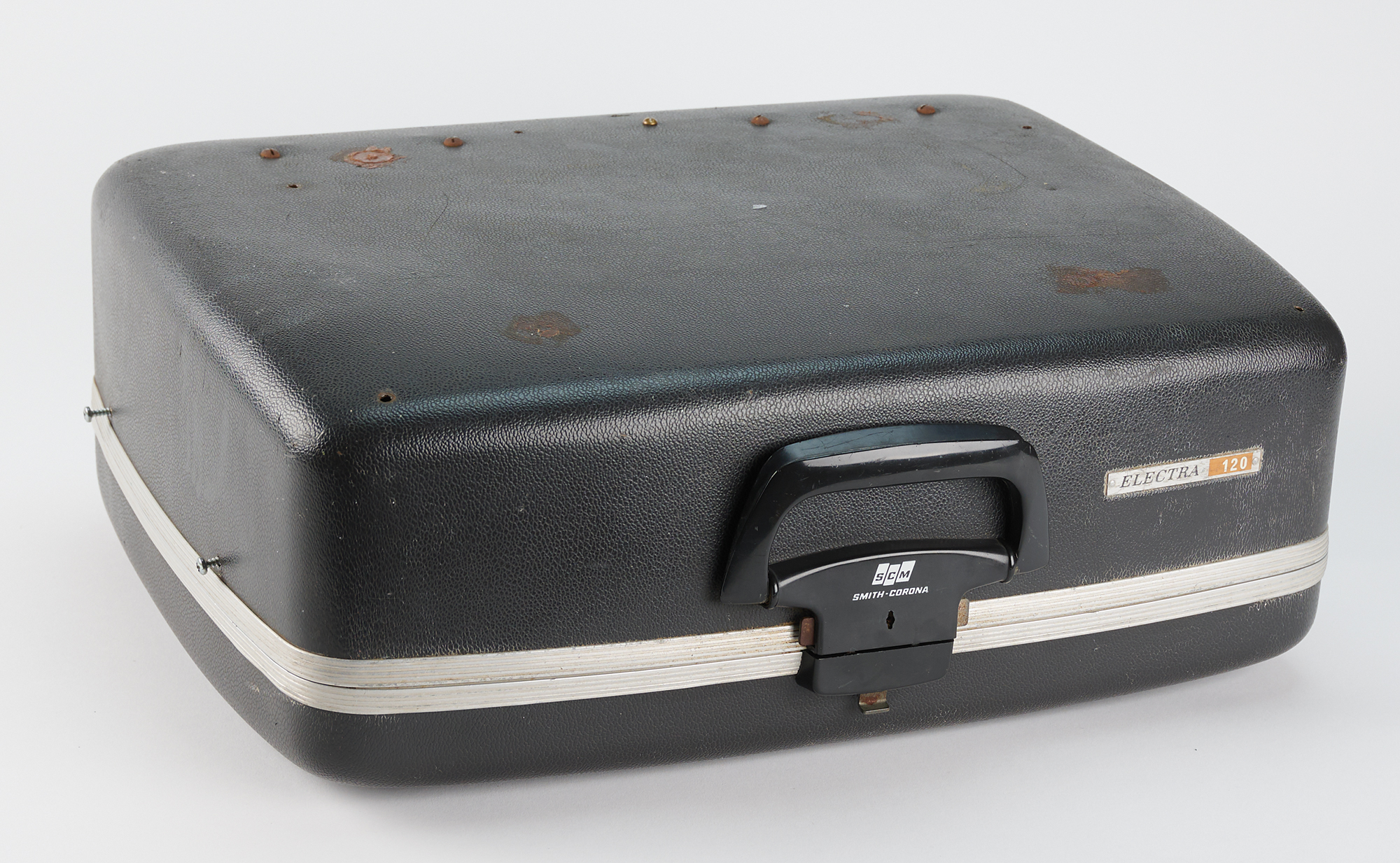
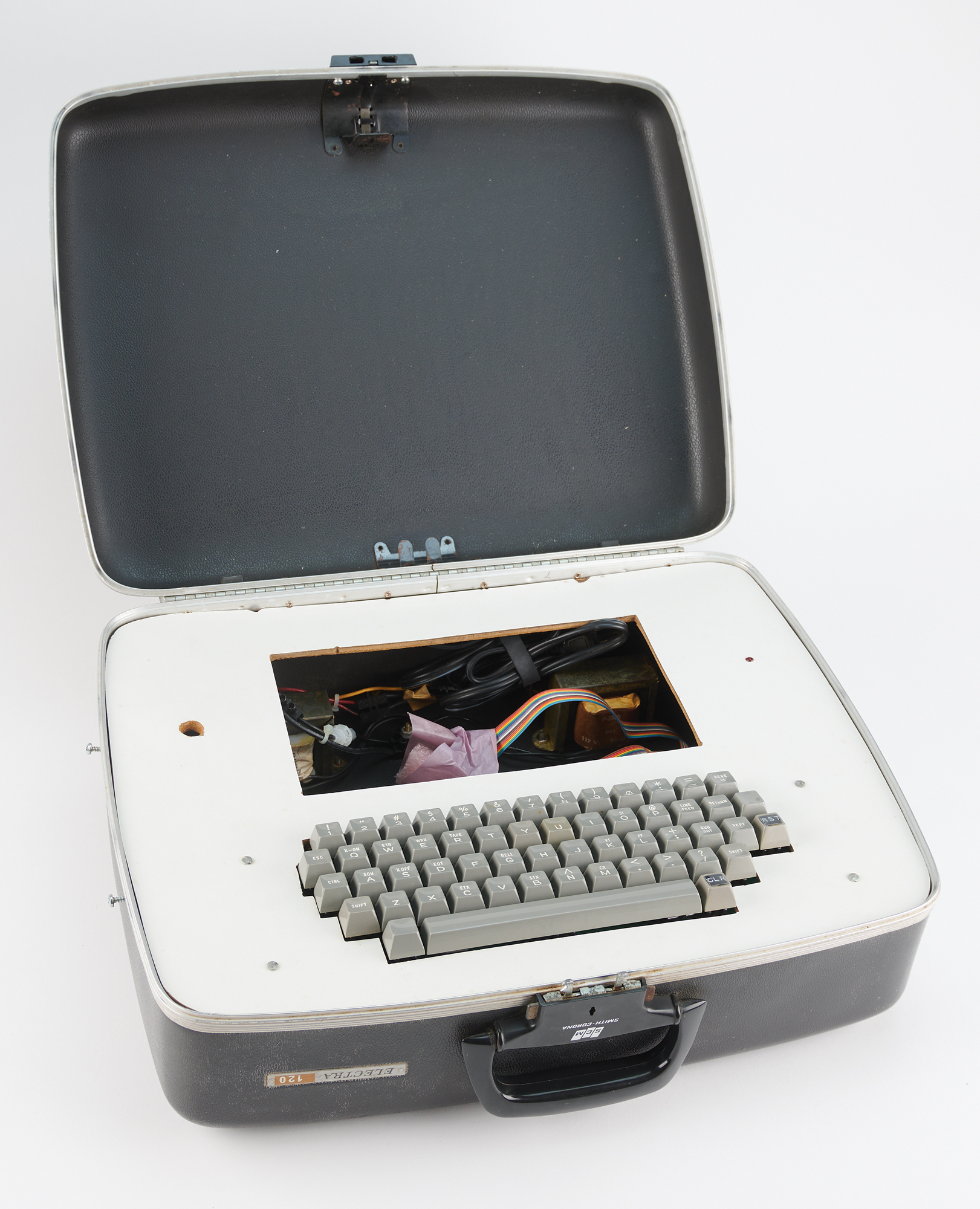
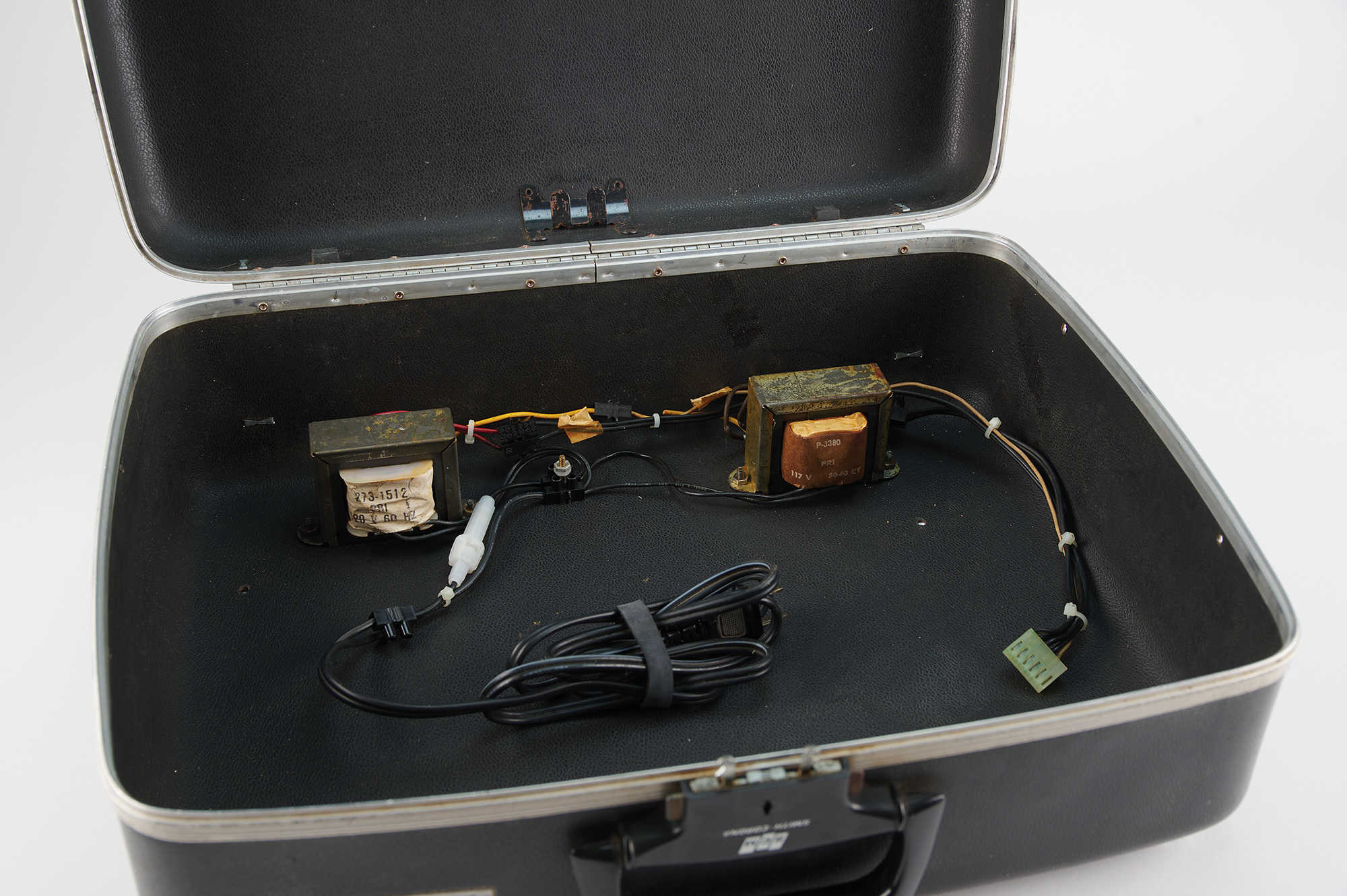
Well-preserved and fully functional 'Byte Shop'–style Apple-1 computer (also commonly known as the Apple I, or Apple Computer 1), complete with all components and accessories required for operation, housed in a unique Smith-Corona typewriter case modified to fit the Apple-1.
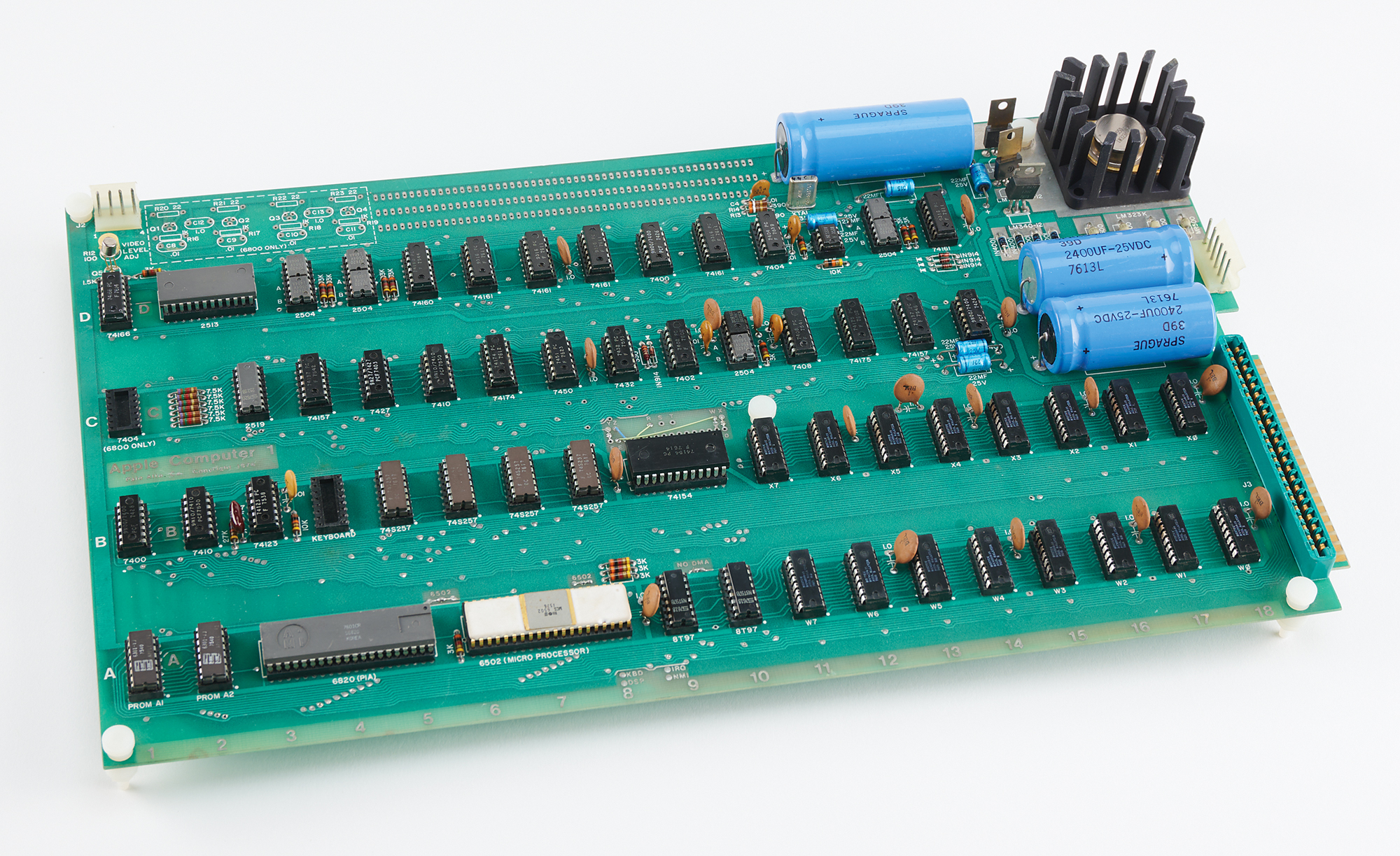
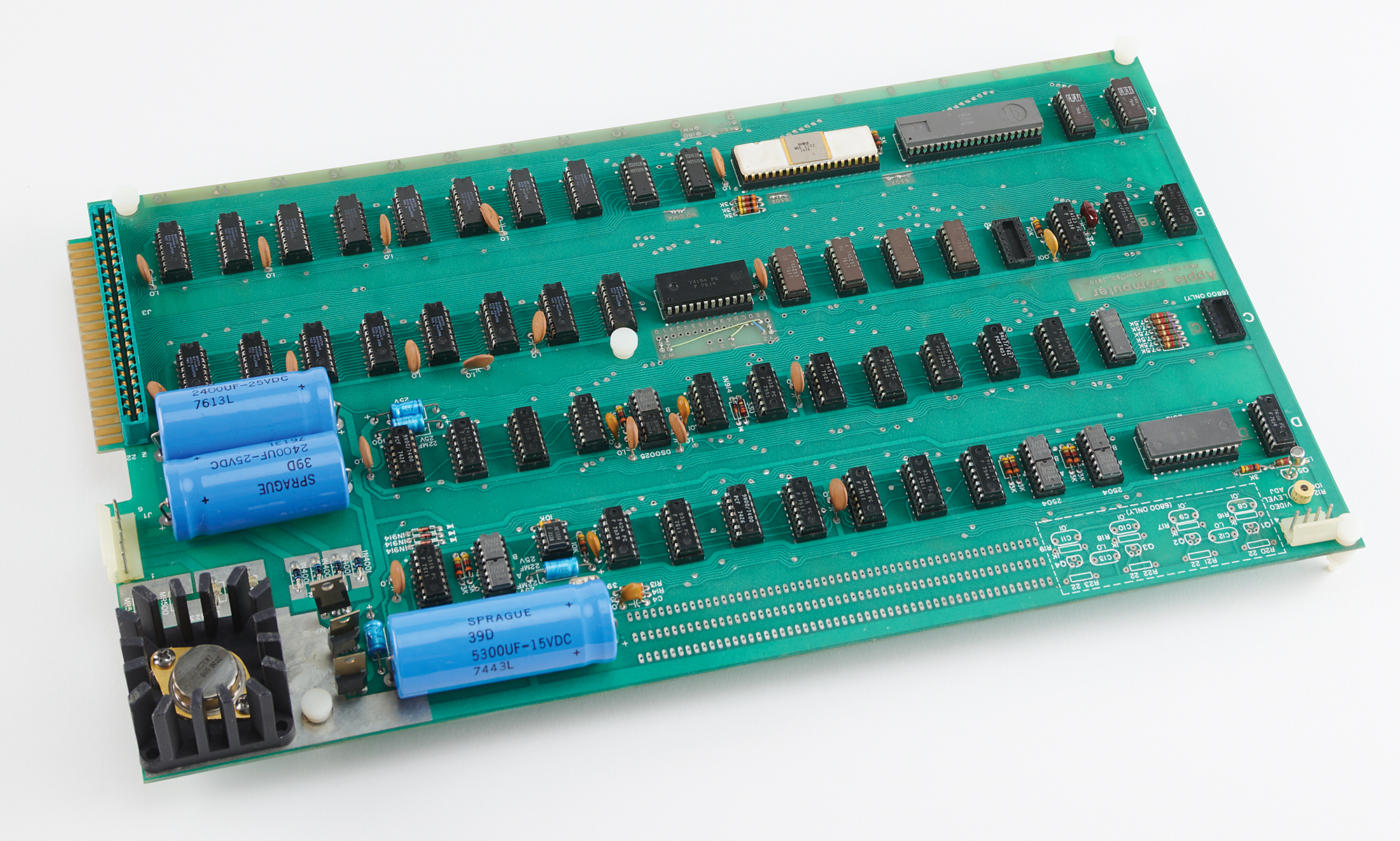
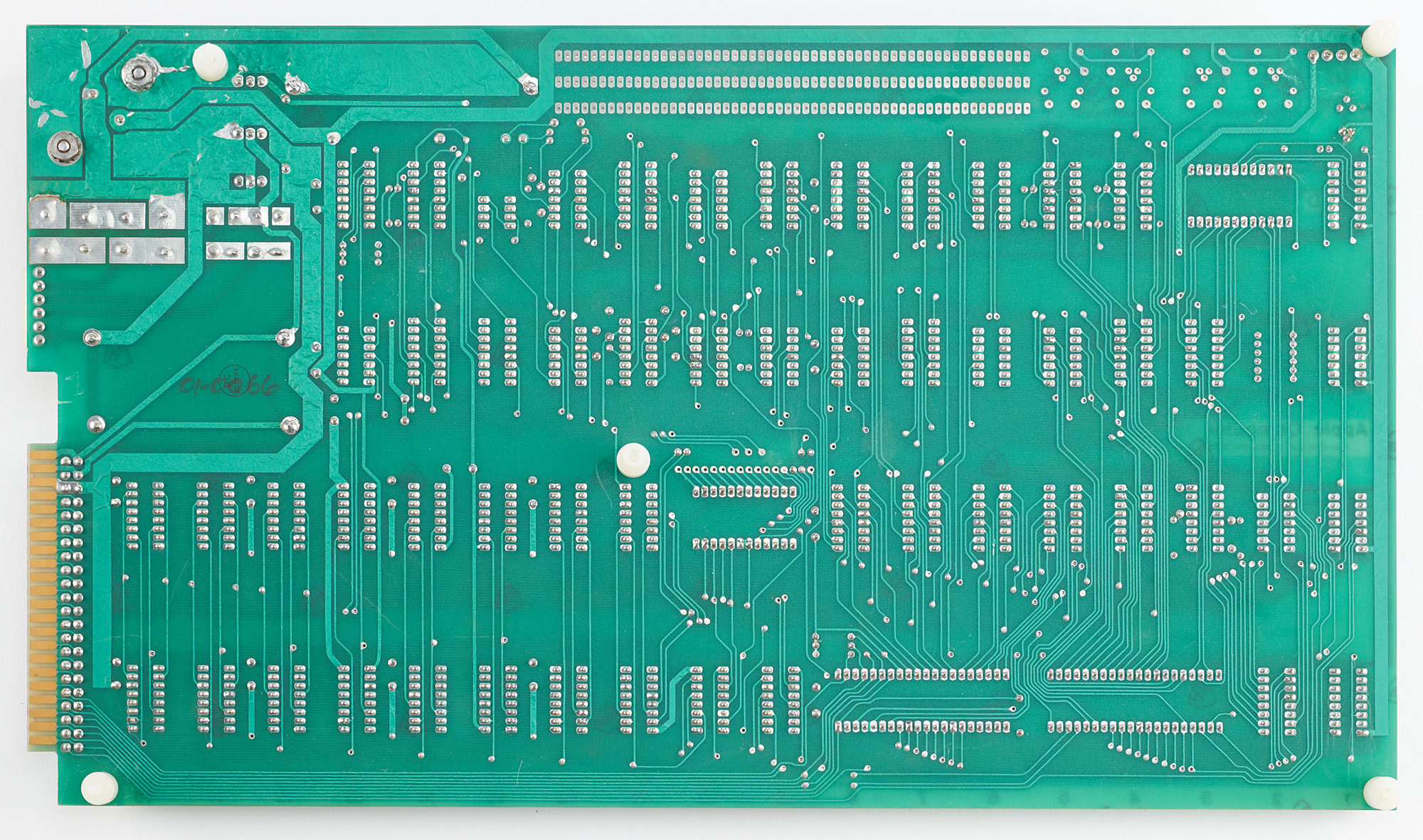
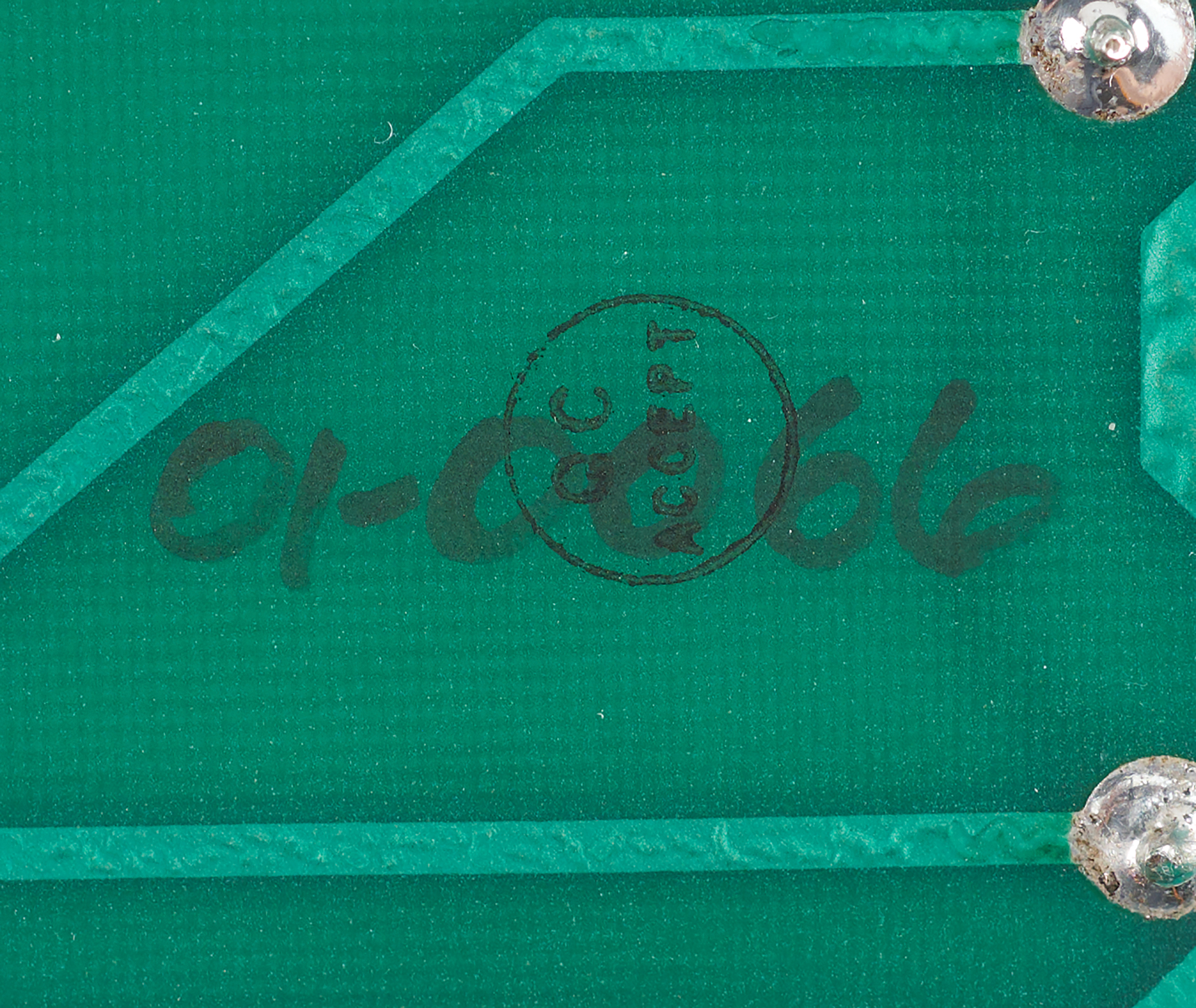
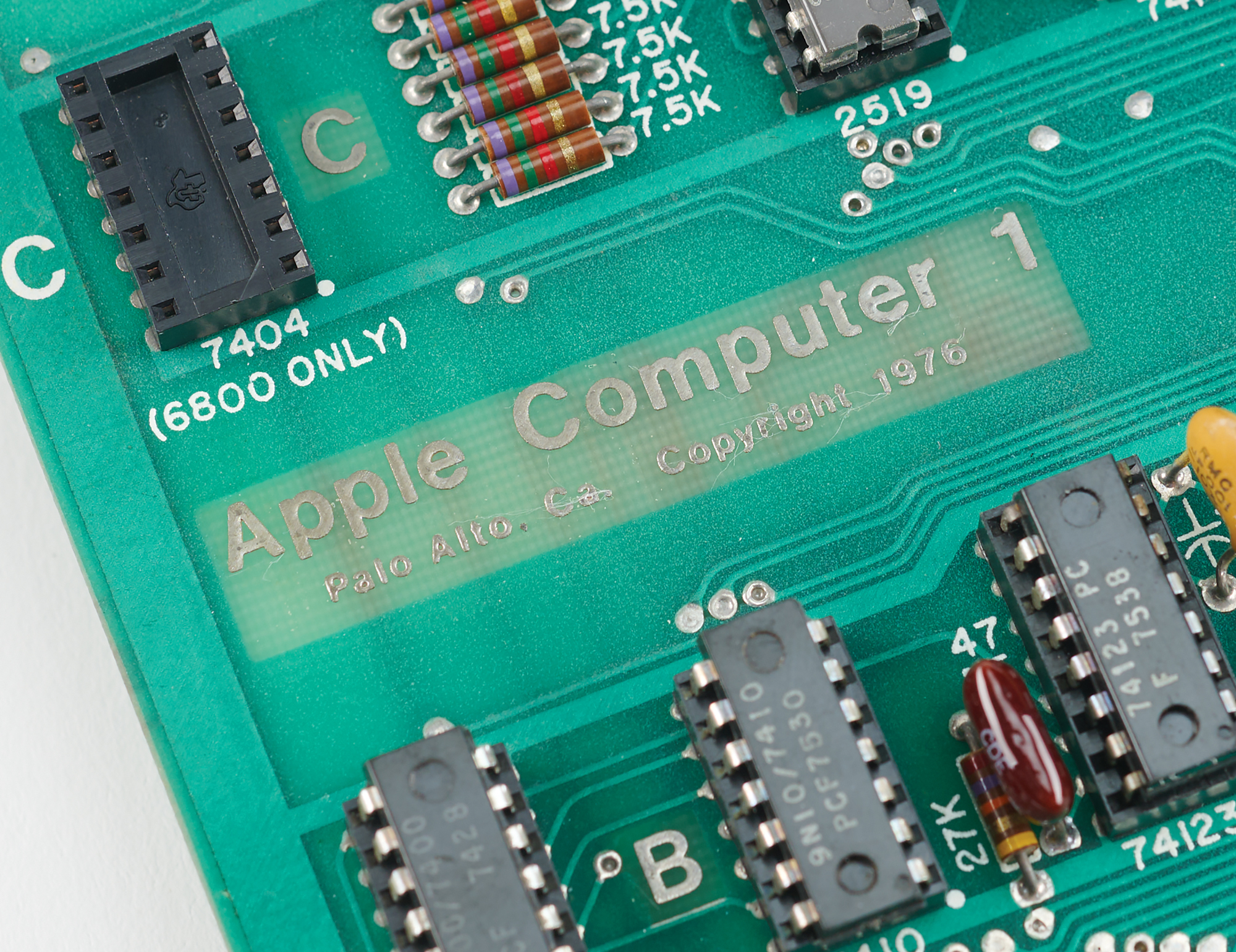
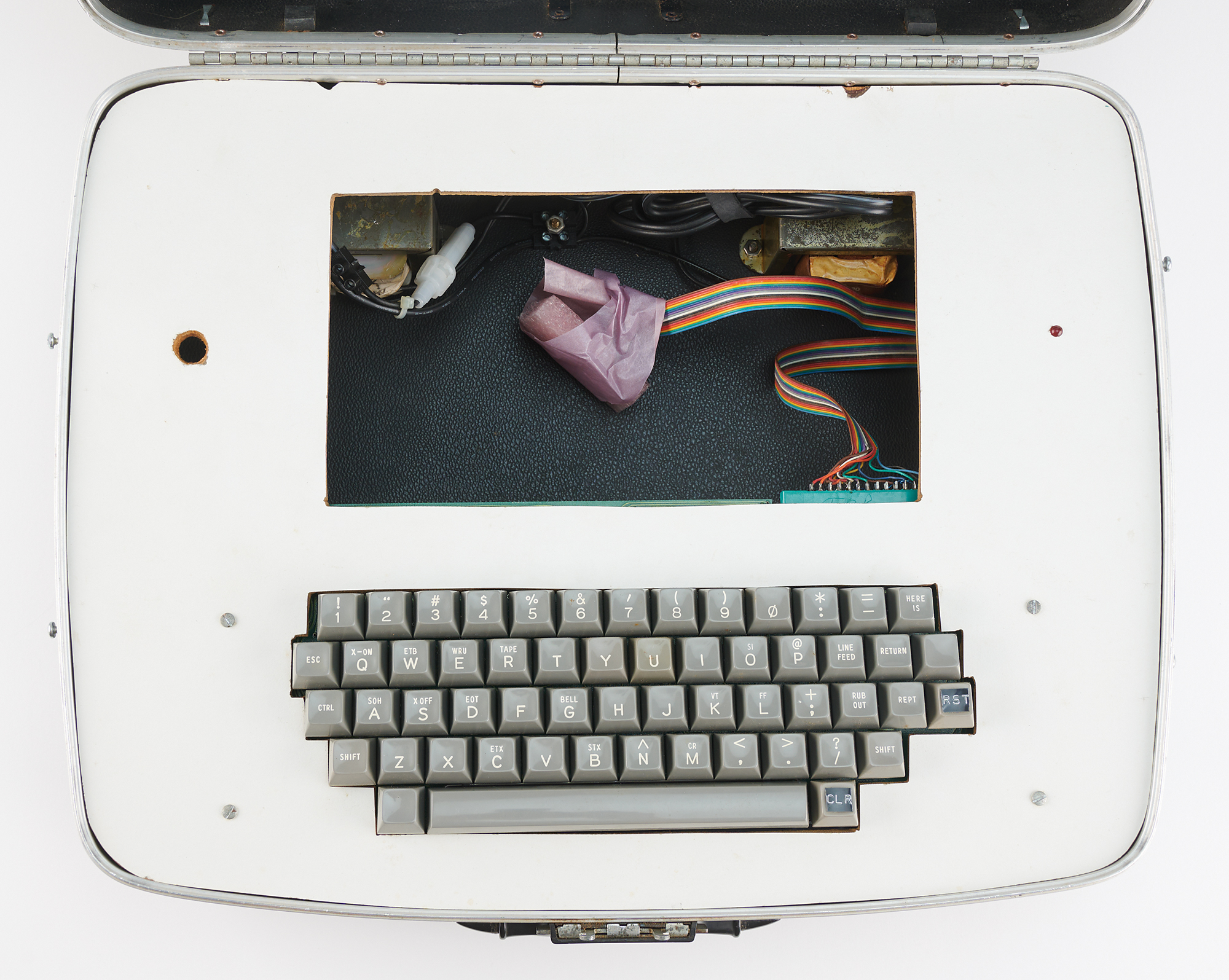
This remarkable Apple-1, marked “01-0066” on the reverse side in security marker, is a highly original 8K system from the second batch of 50 Apple-1 computers produced and sold. While the marking alone does not establish that the computer was originally sold directly by The Byte Shop, the system displays several important Byte Shop–style characteristics, including its stock-number marking, its 8K configuration, and its original Datanetics Rev D keyboard with custom wired Apple-1 cable—the same keyboard-and-cable arrangement seen on known Byte Shop Apple-1 systems.
The set includes:
• original Apple-1 board, marked with Byte Shop stock number “01-0066”
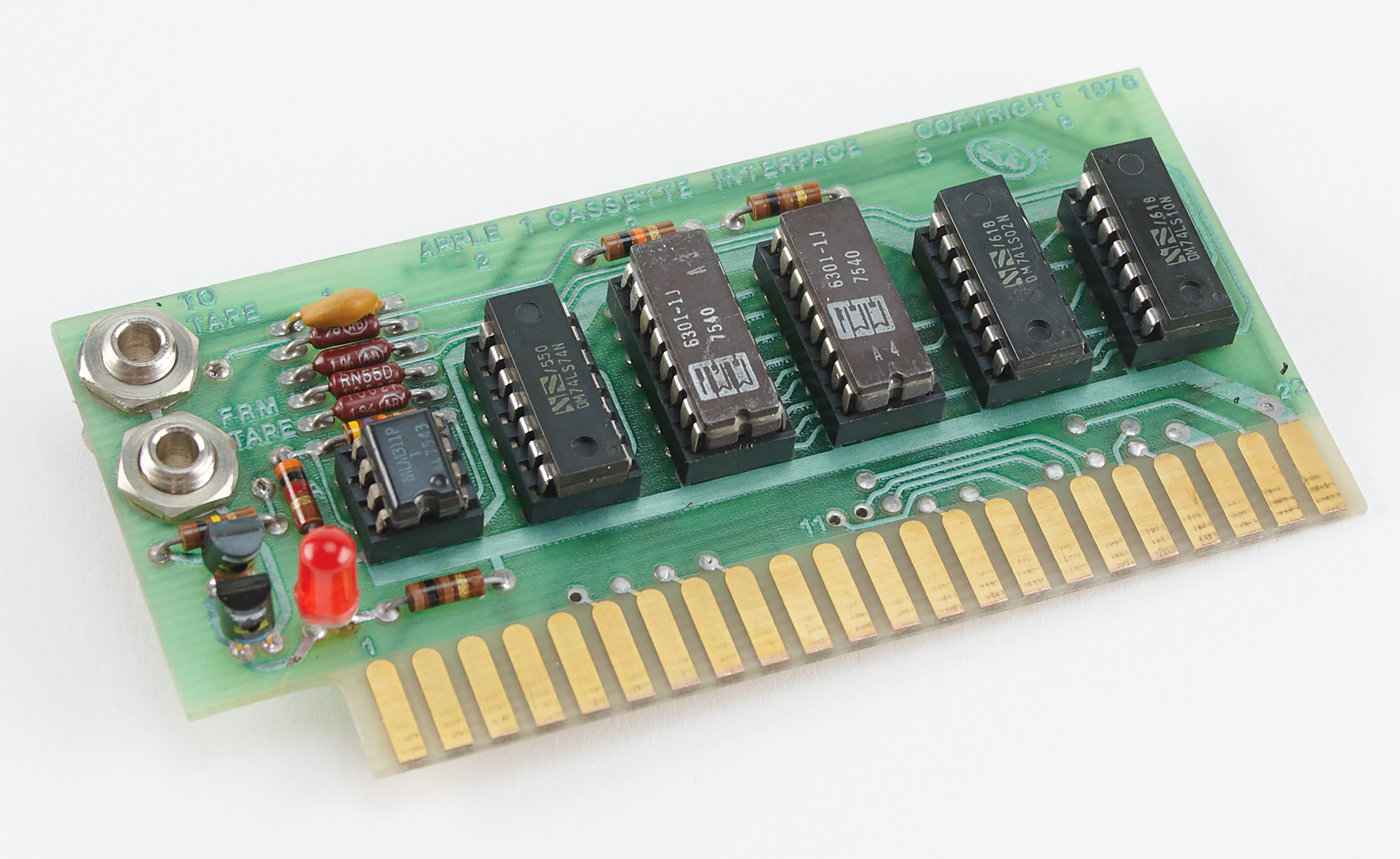
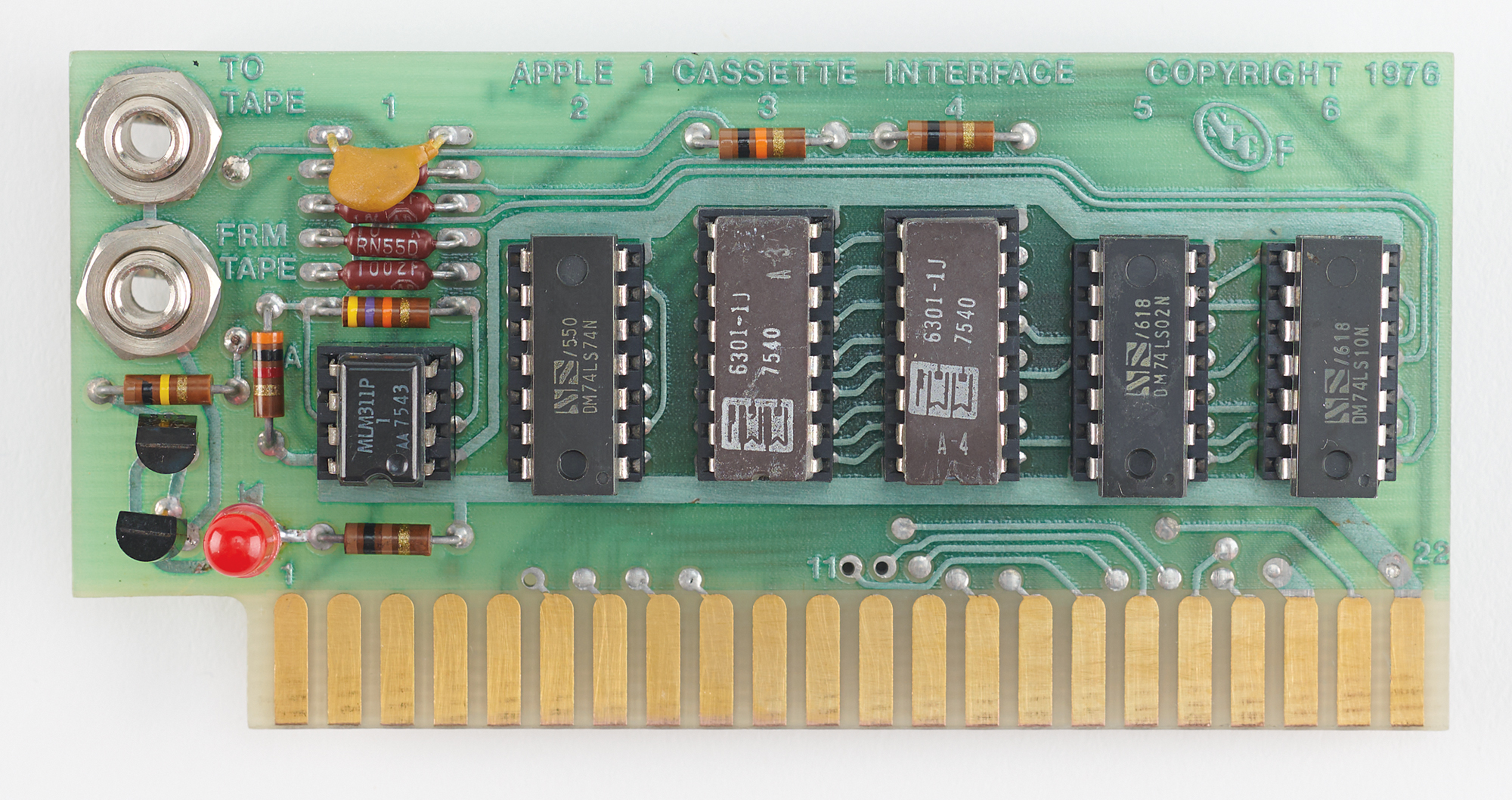
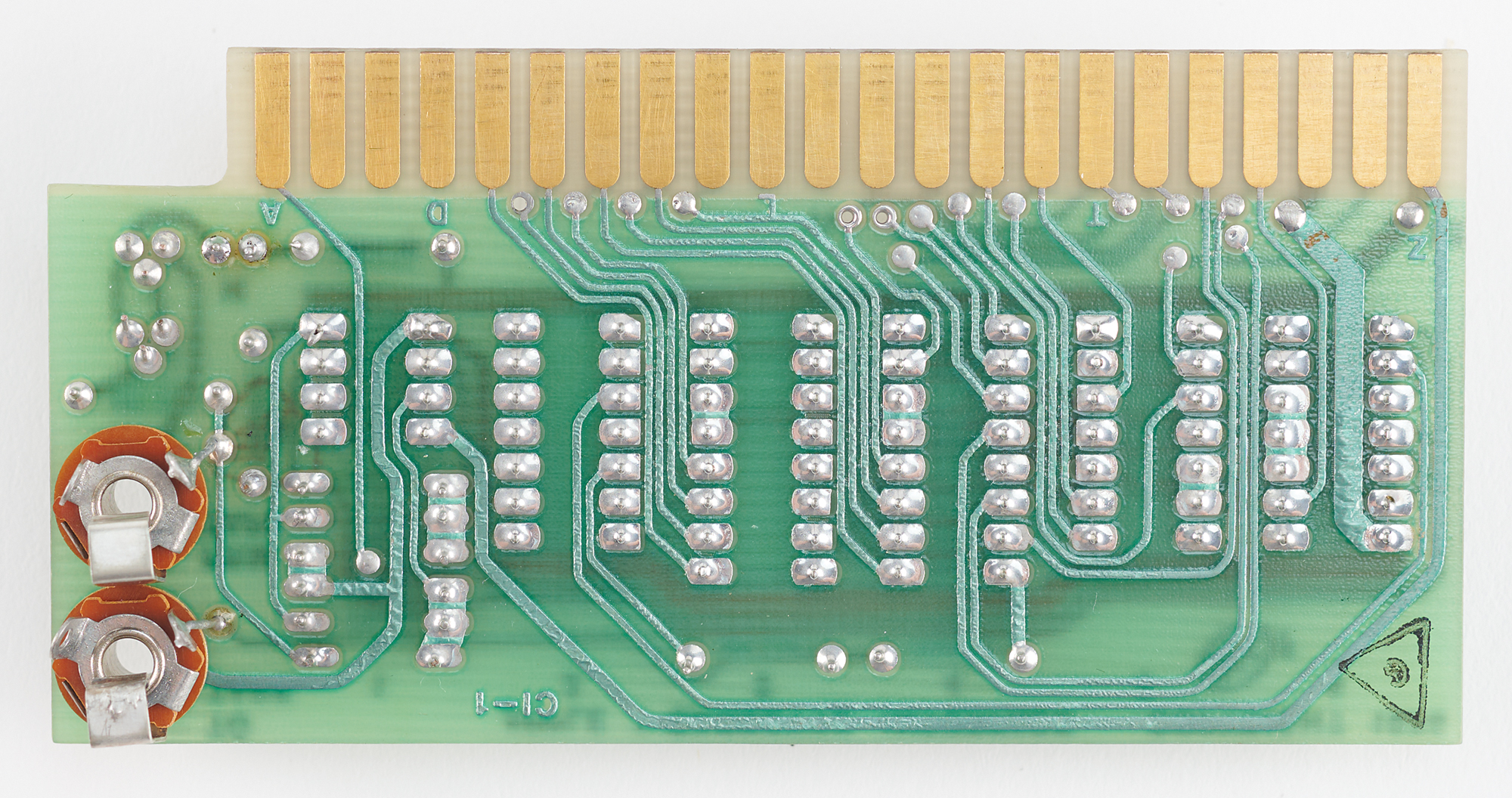
• original Apple Cassette Interface (ACI) board
• Smith-Corona Electra 120 Typewriter case (modified for Apple-1)
• Apple-1 Power supply (Stancor P8380, Radio Shack 273-1512)
• Datanetics Rev D keyboard with cable
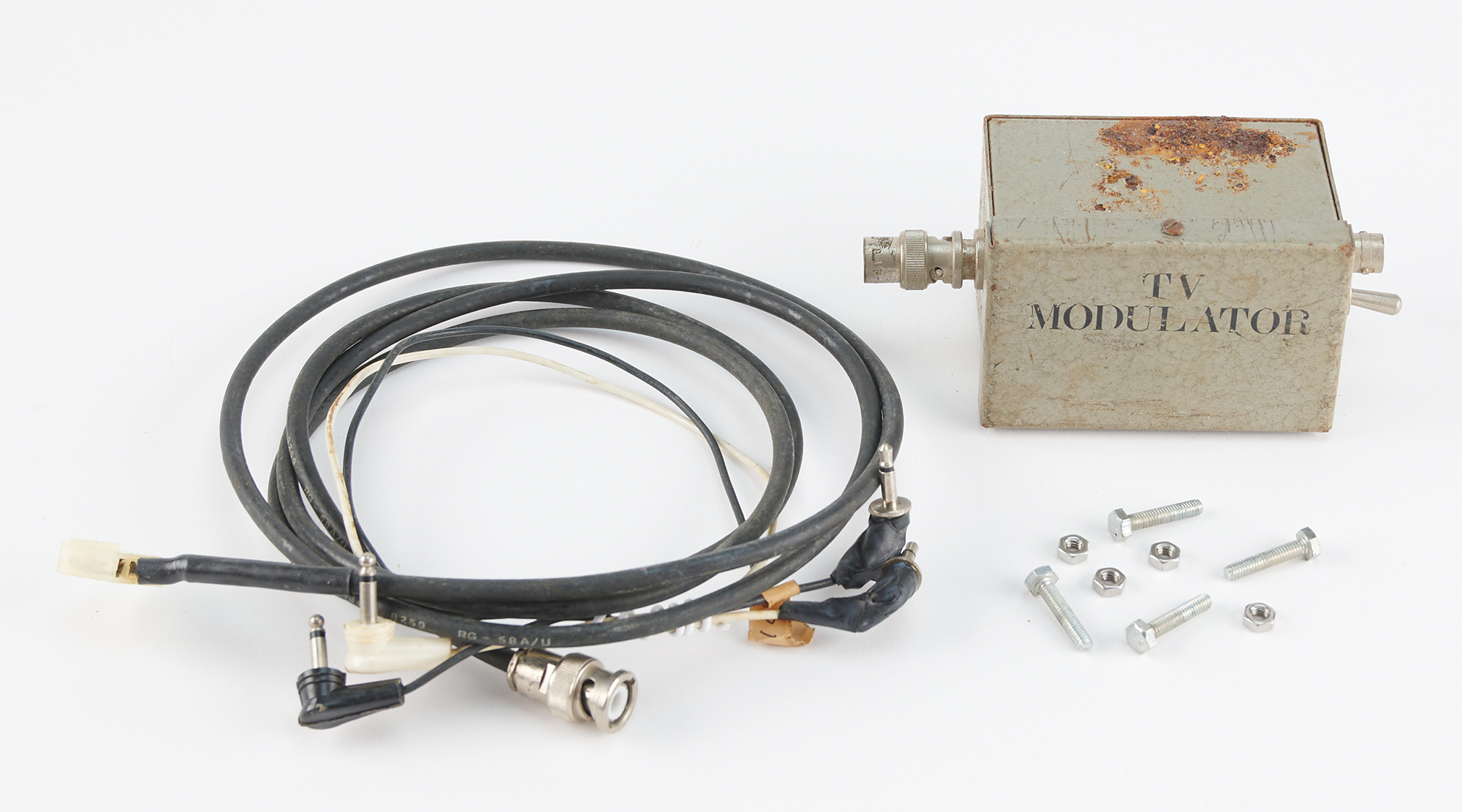
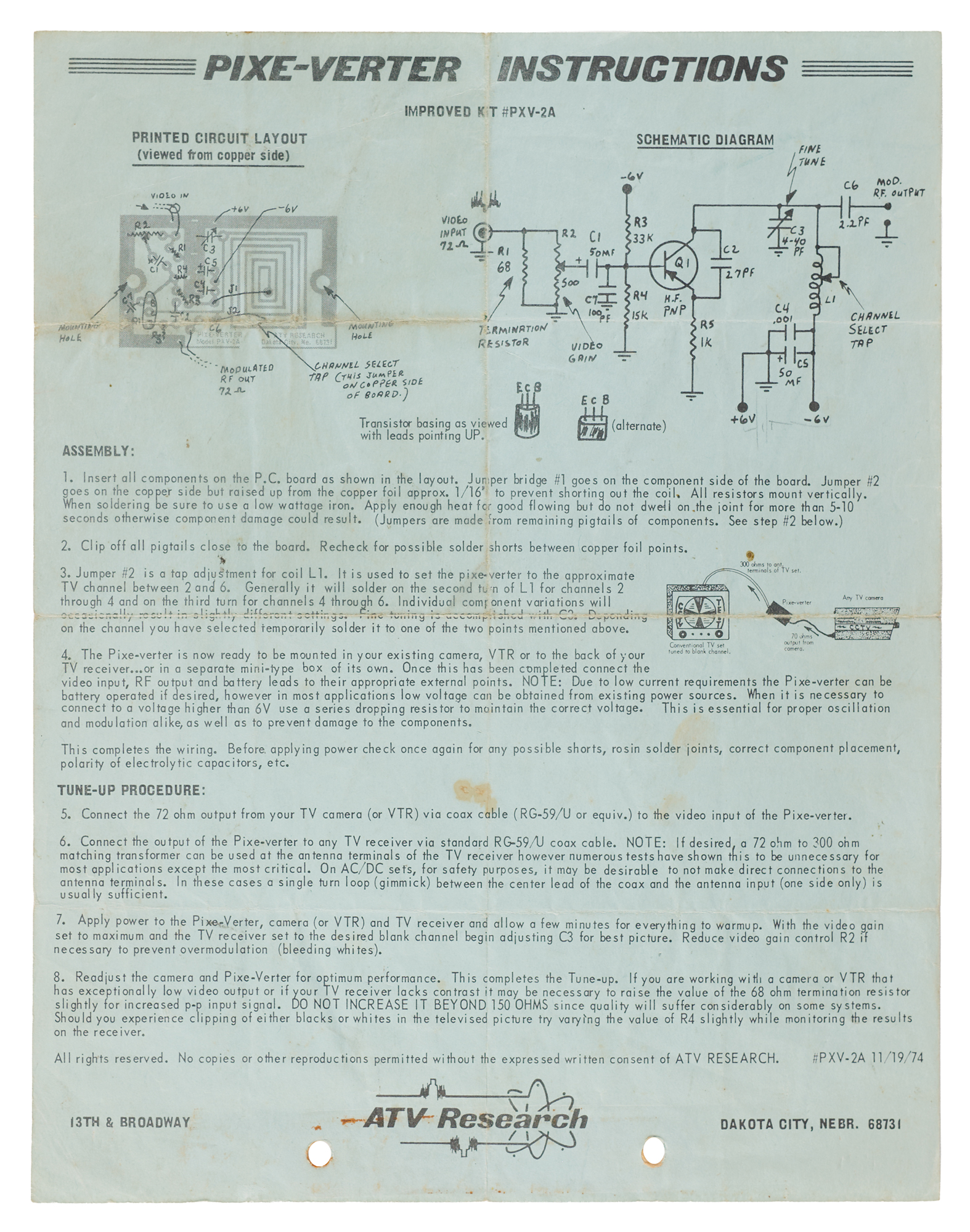
• Pixe-Verter TV Video Modulator and cables
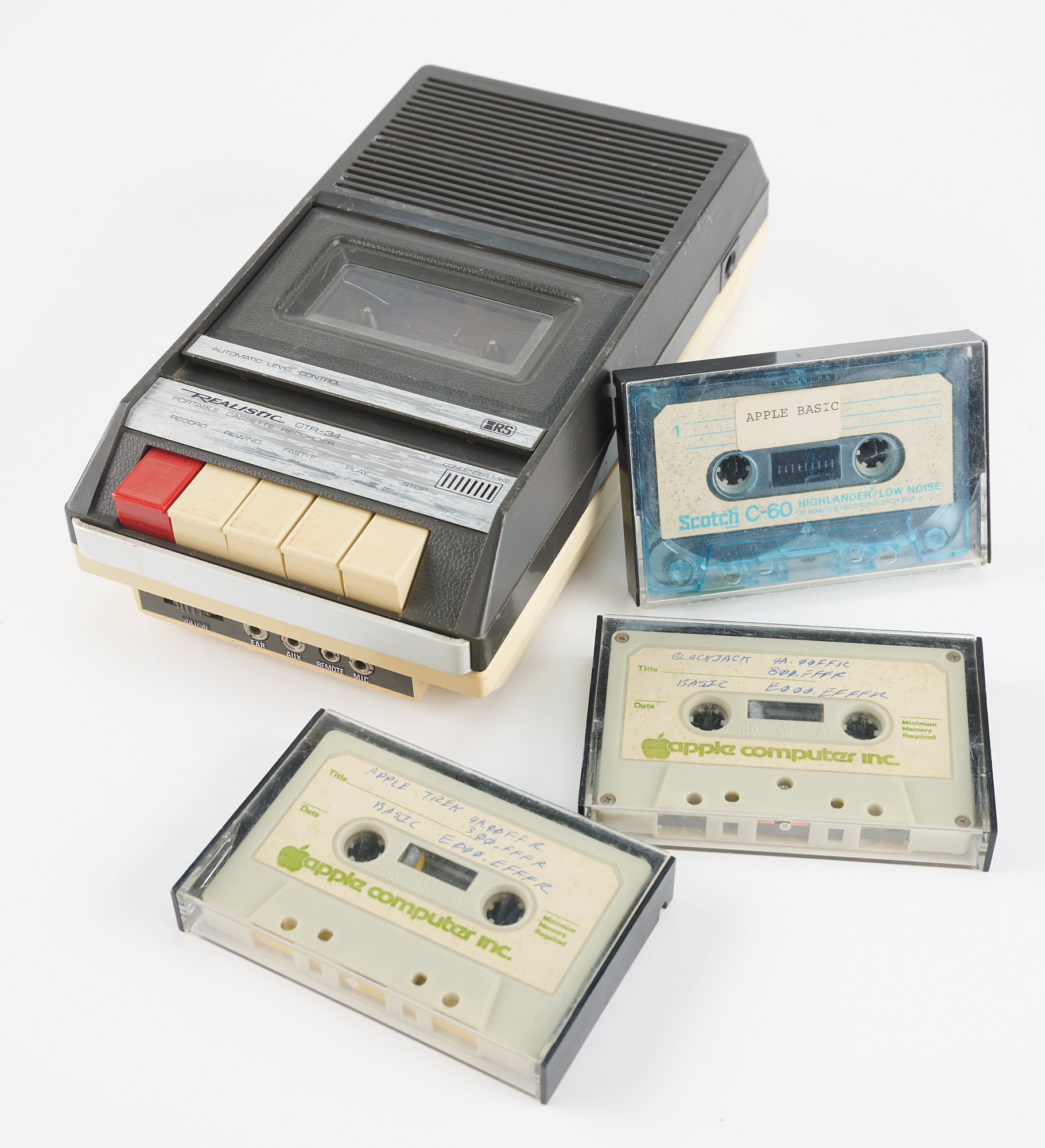
• Realistic CTR-34 shoebox style cassette player/recorder with cables
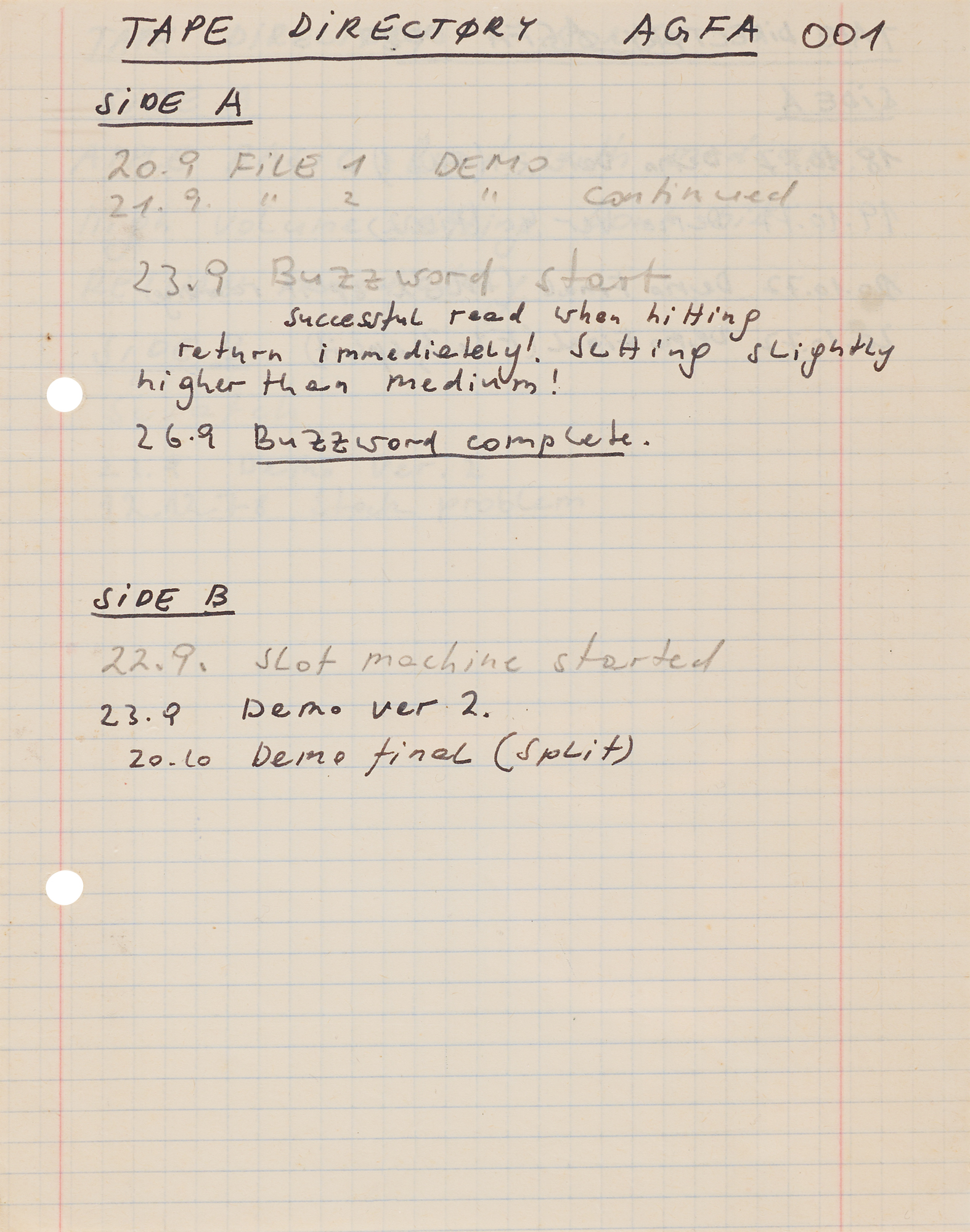
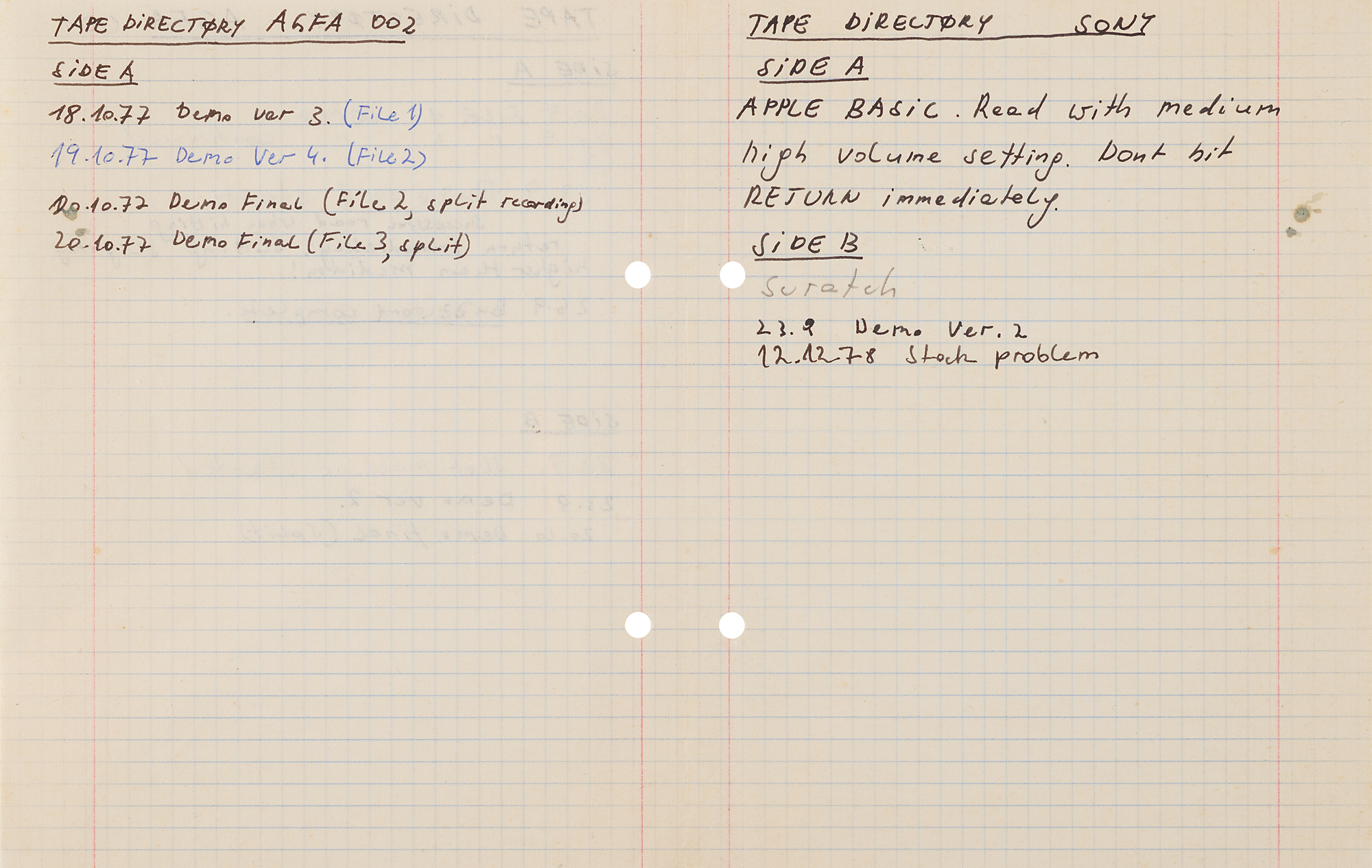
• Miscellaneous Apple-1 Cassette tapes
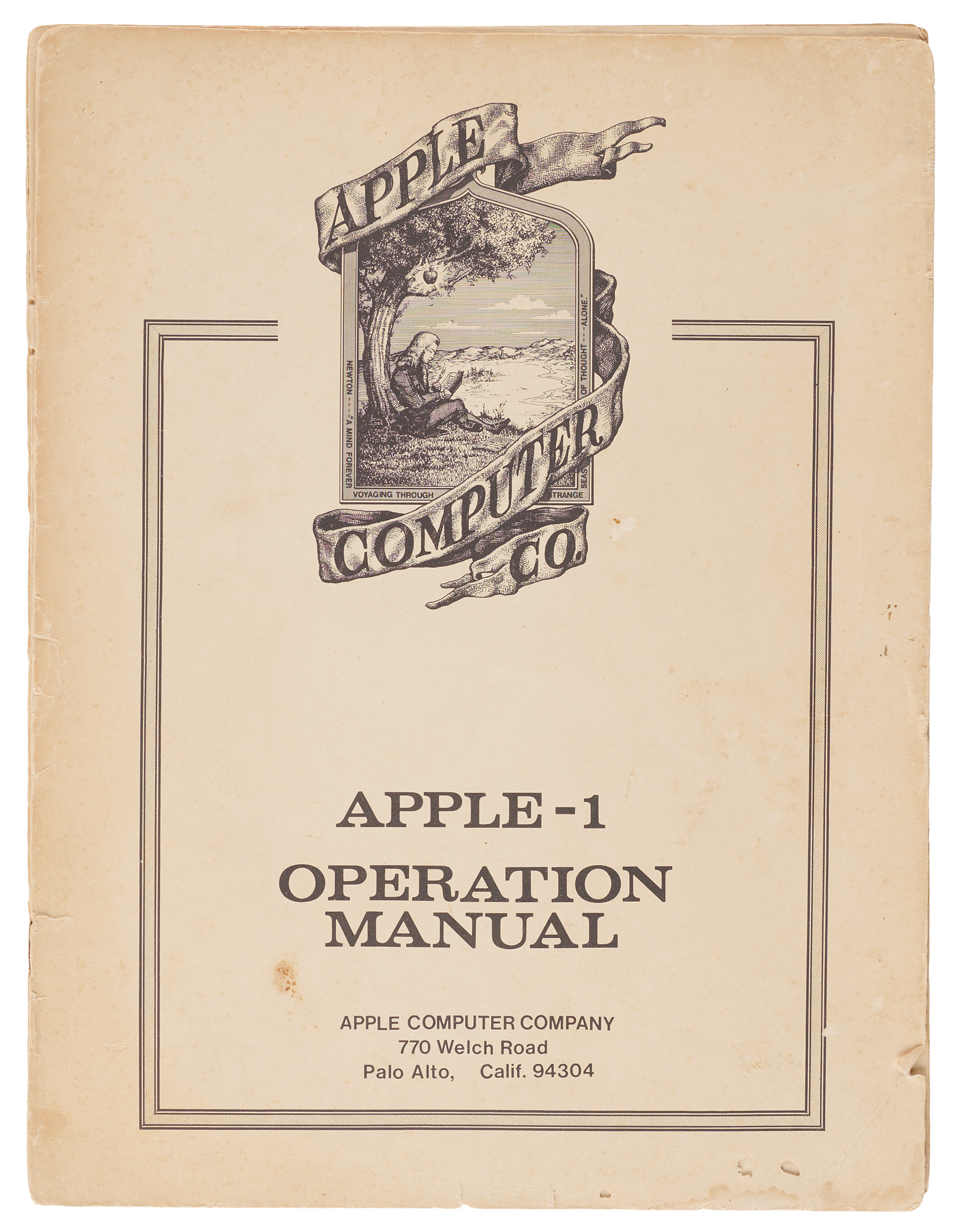
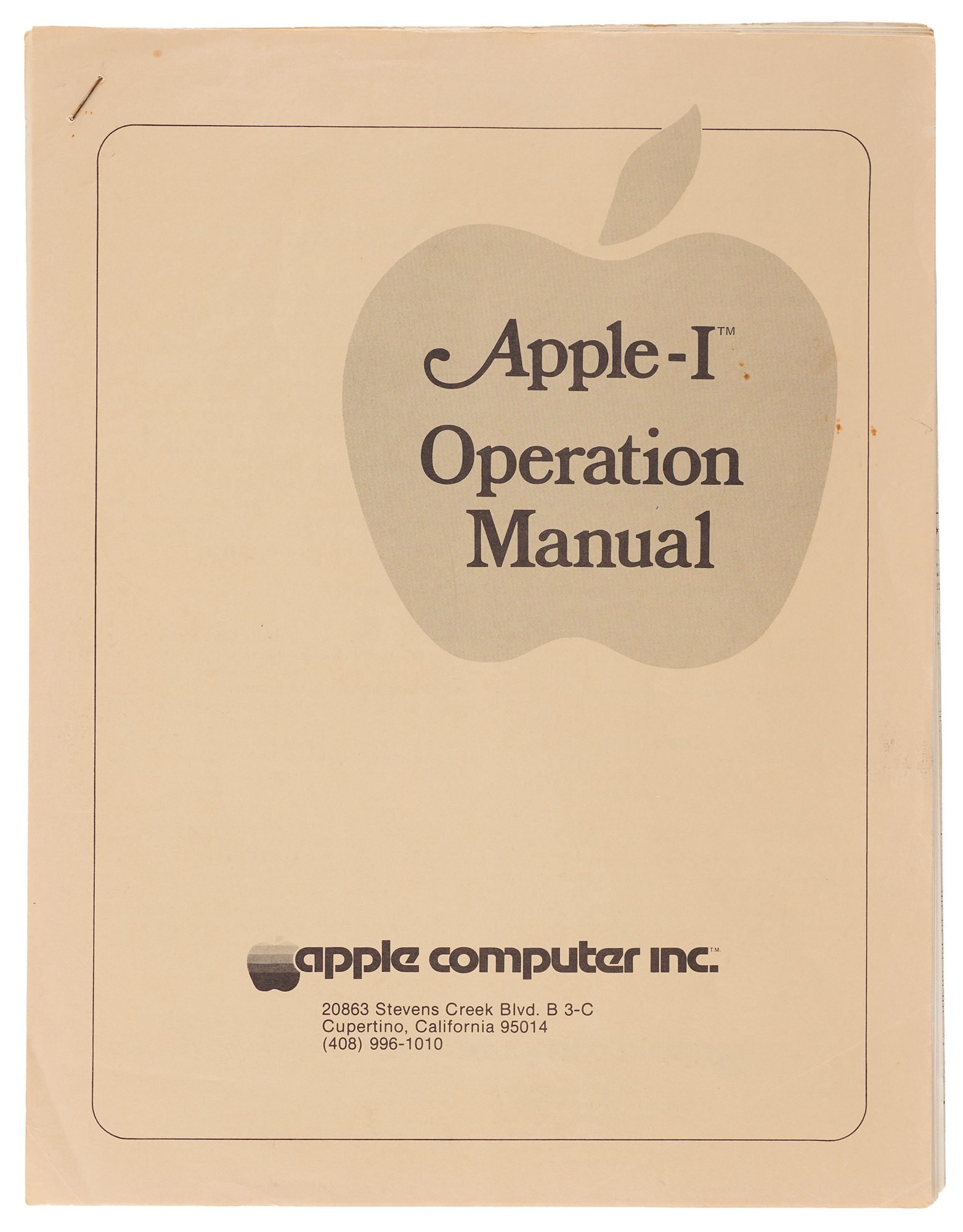
• Original Apple-1 Operation Manual, Early Release
• Original Apple-1 Operation Manual, Later Release
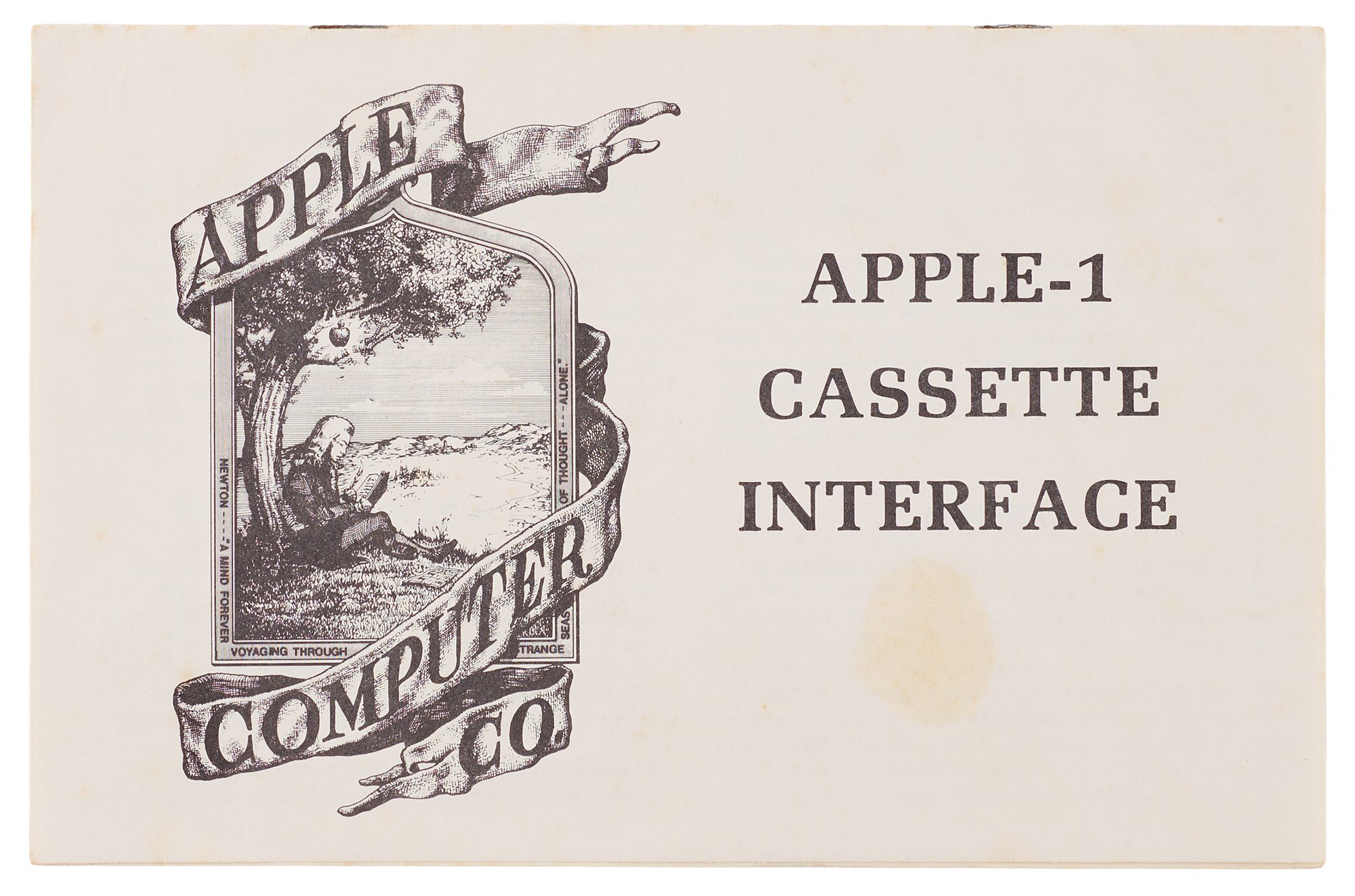
• Original Apple Cassette Interface Manual
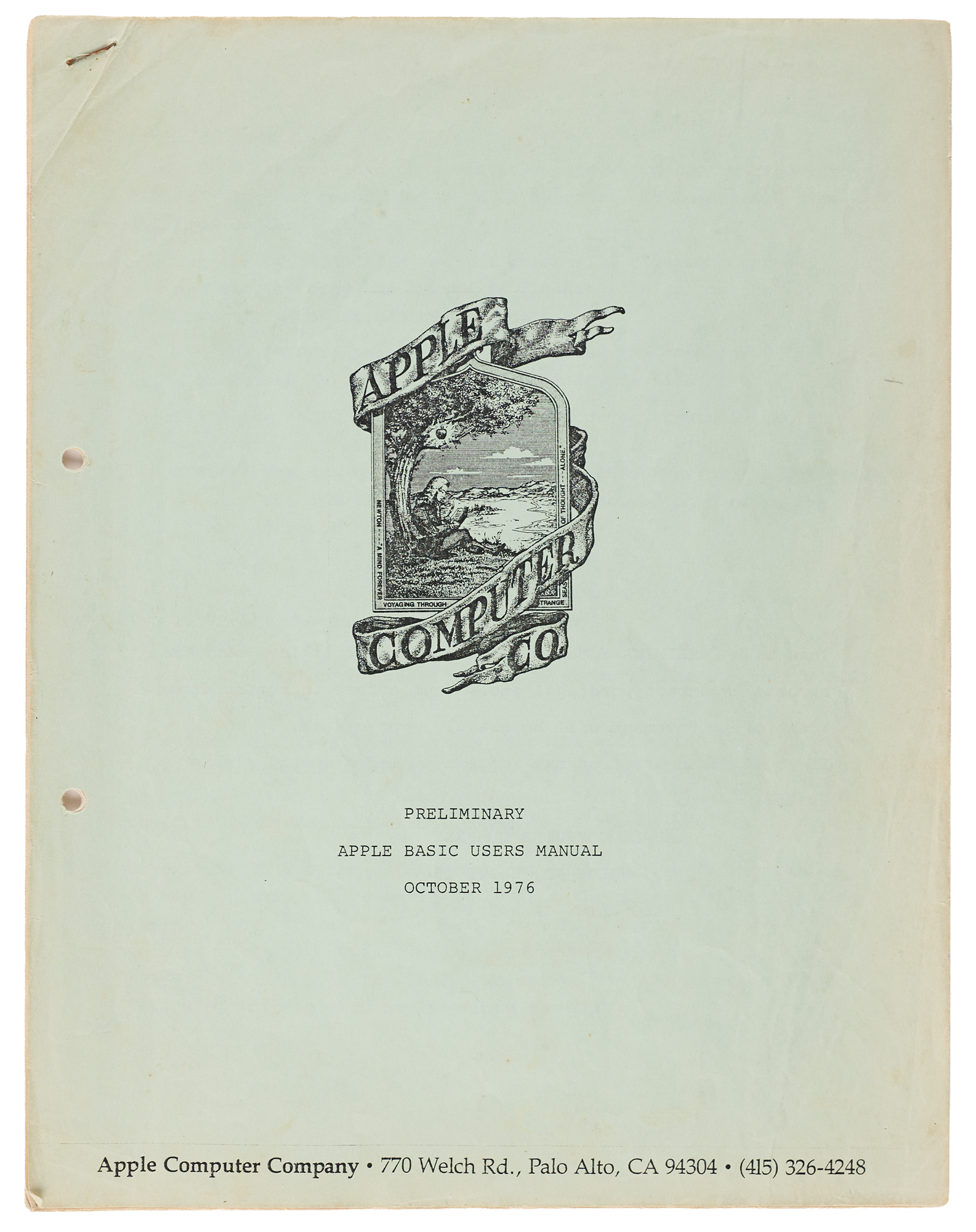
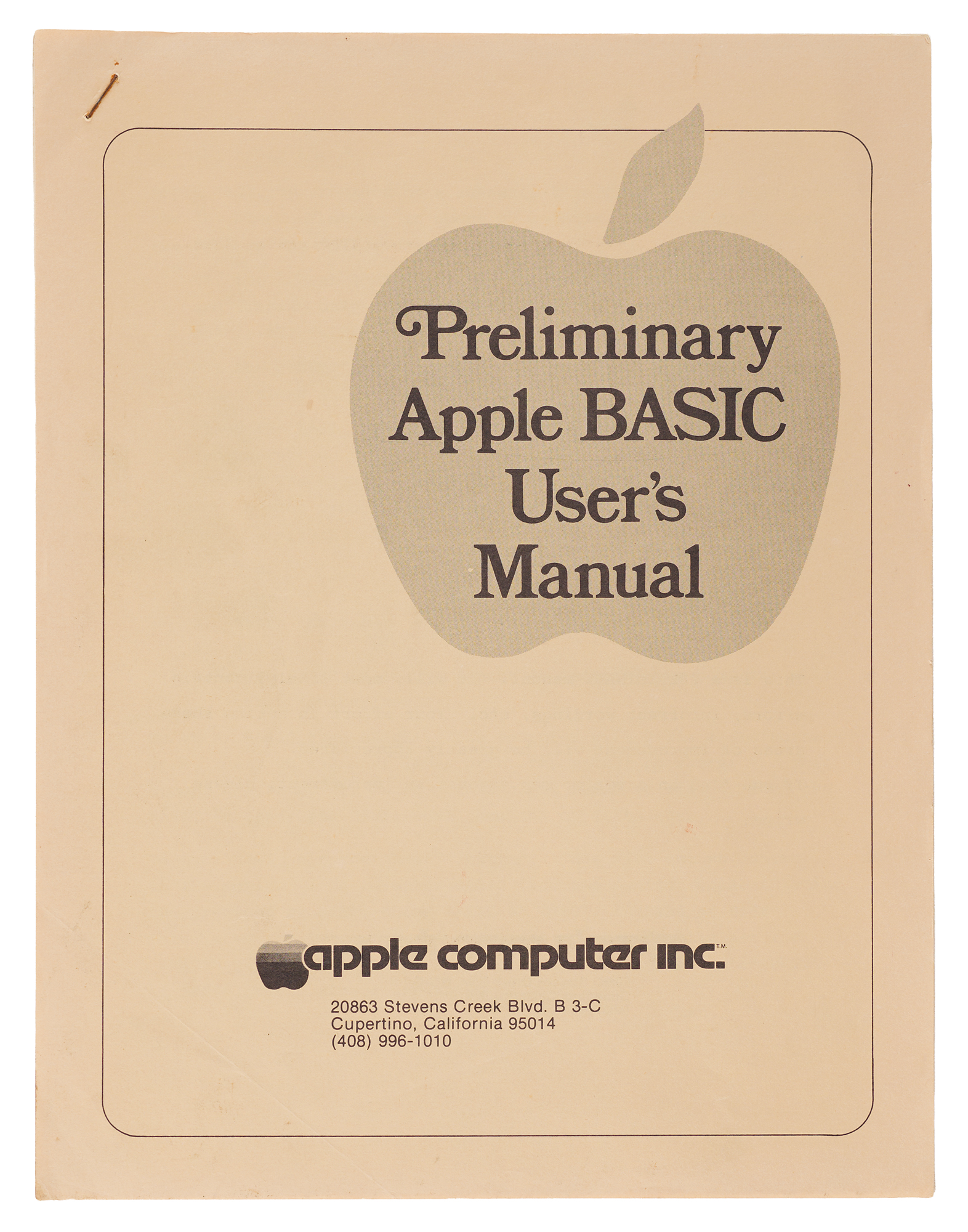
• Original Apple-1 Preliminary Apple BASIC User’s Manual, Early Release
• Original Apple-1 Preliminary Apple BASIC User’s Manual, Later Release
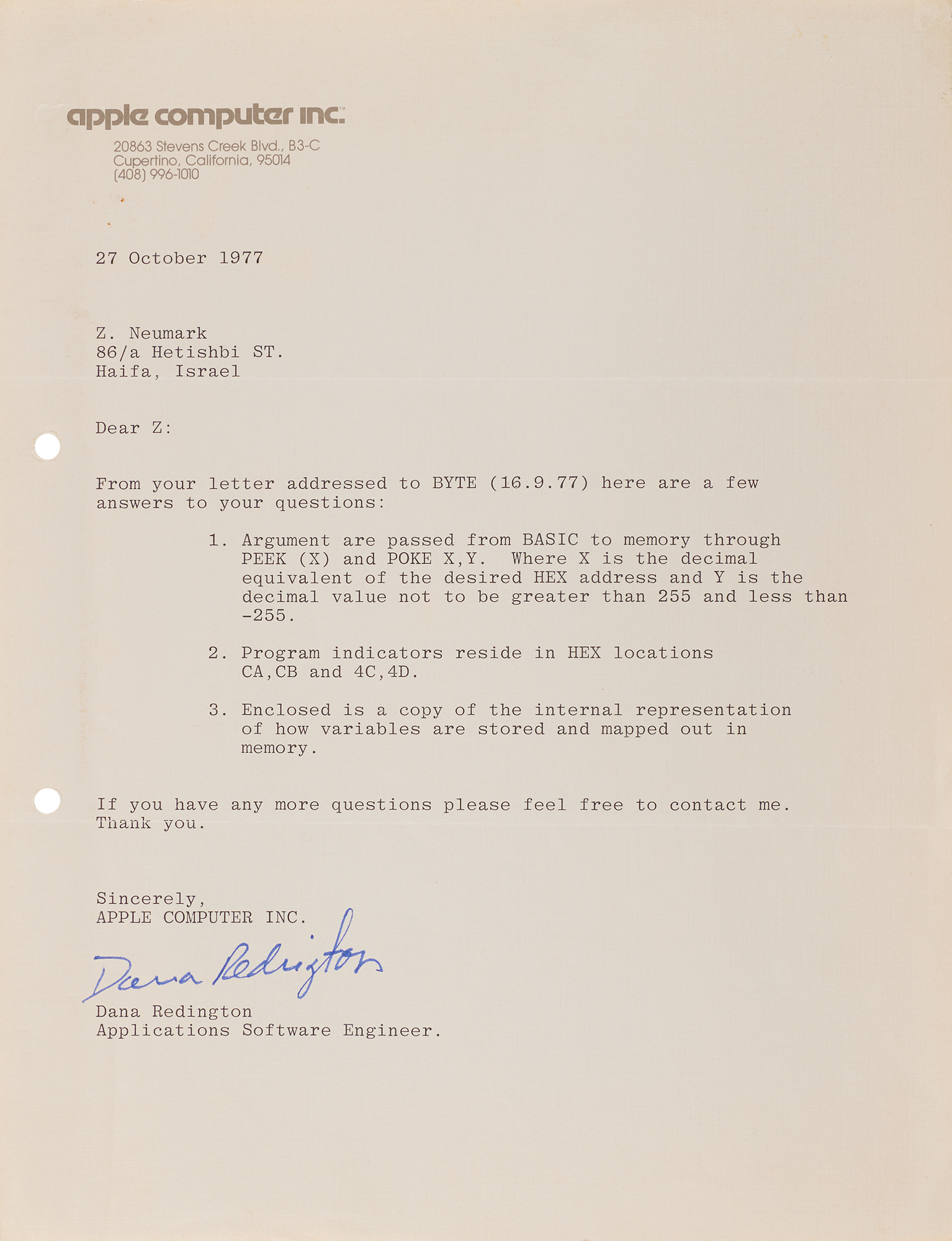
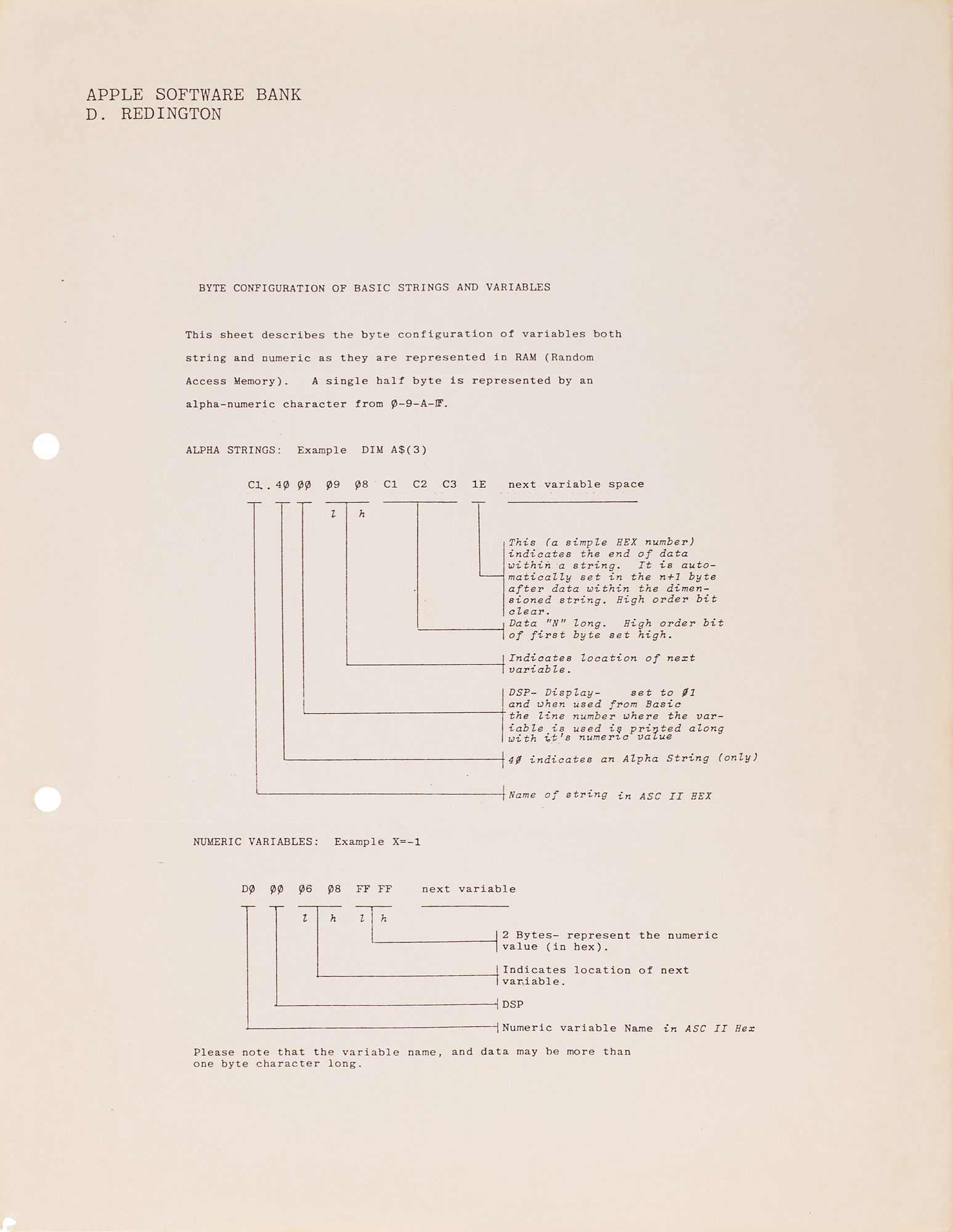
• Correspondence from Apple Computer, signed by Applications Software Engineer Dana Reddington, dated October 1977
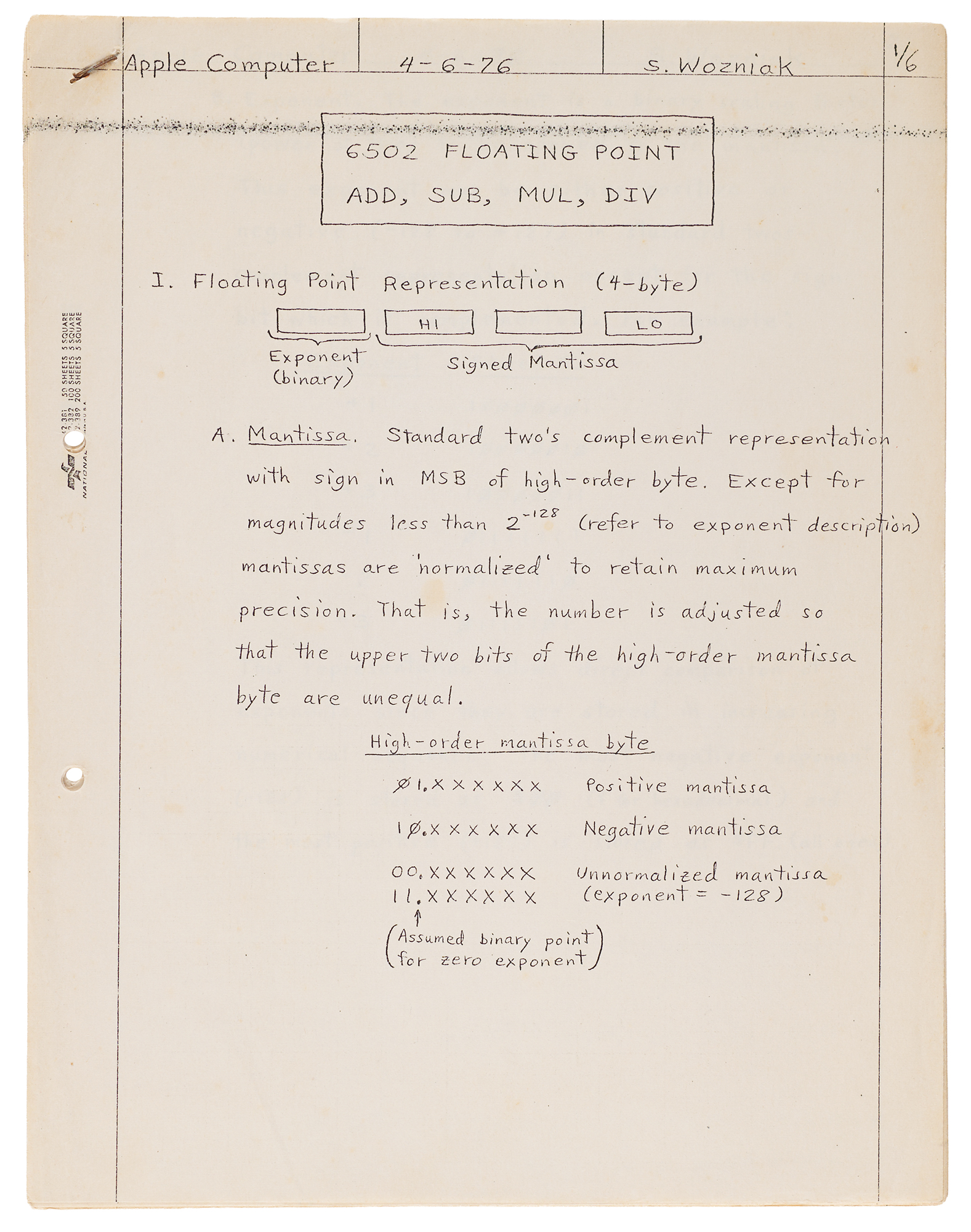
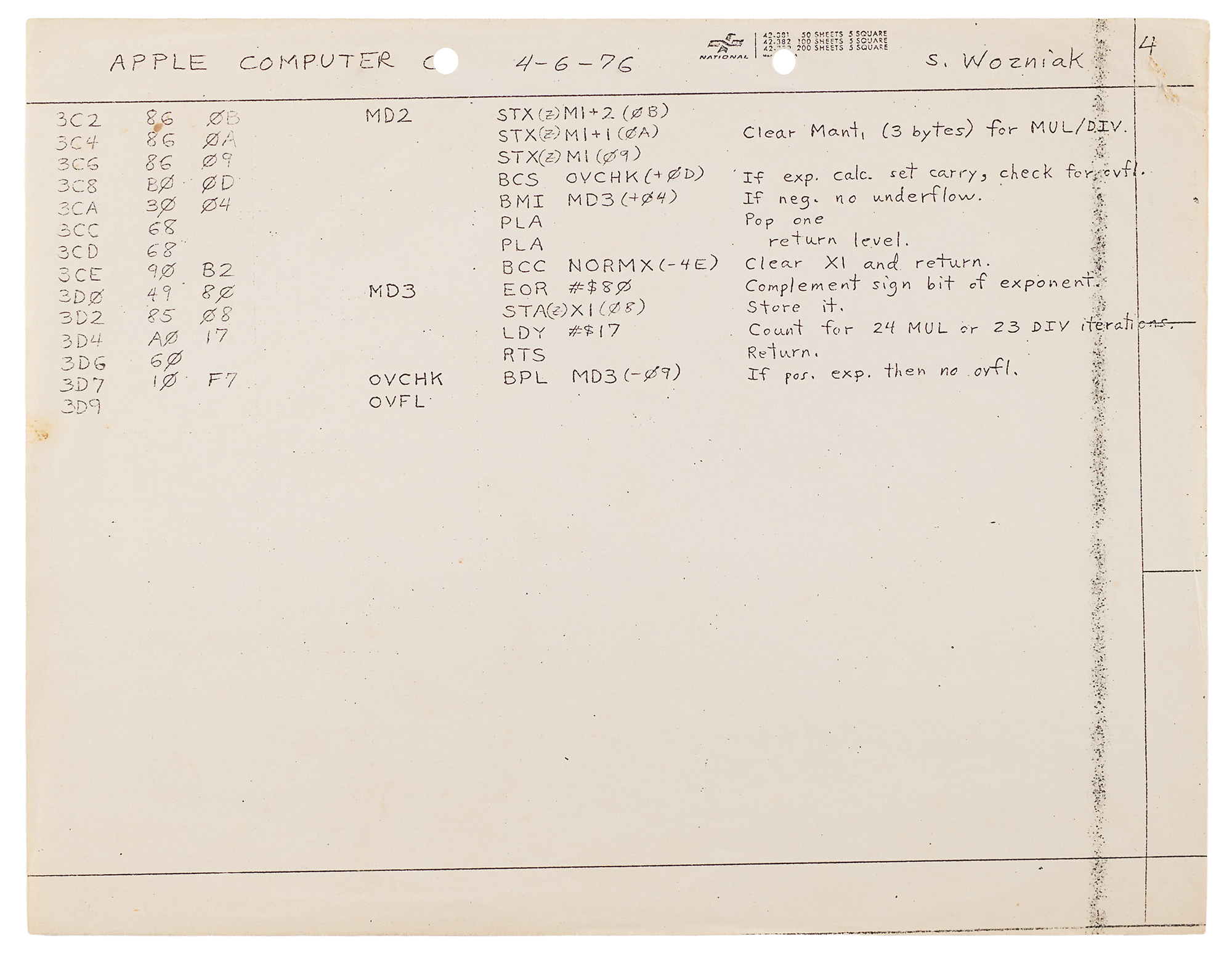
• Period Xerox copy of excerpt from WozPack related to floating point math functions
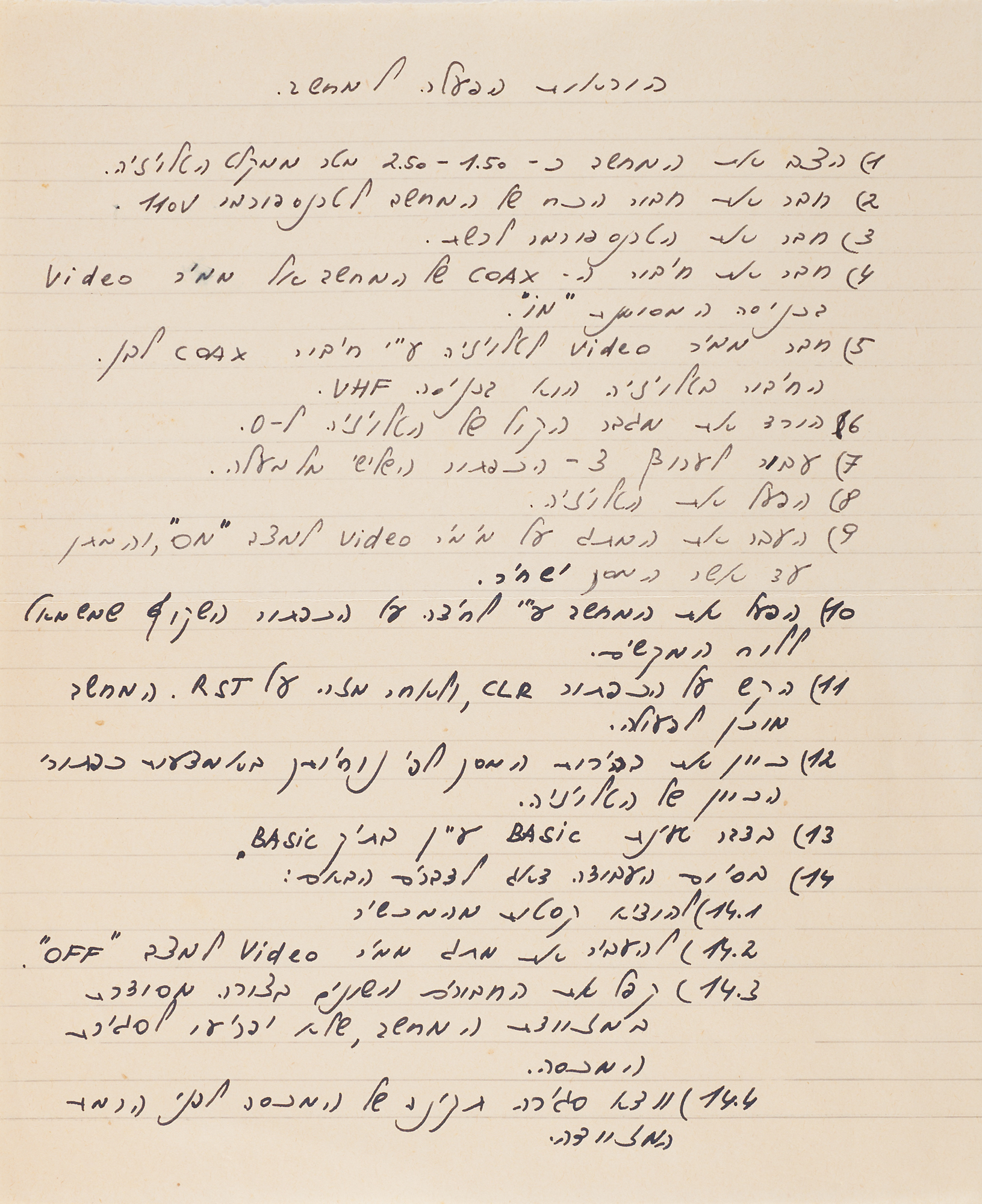
• Owner’s notes on Apple-1 operation
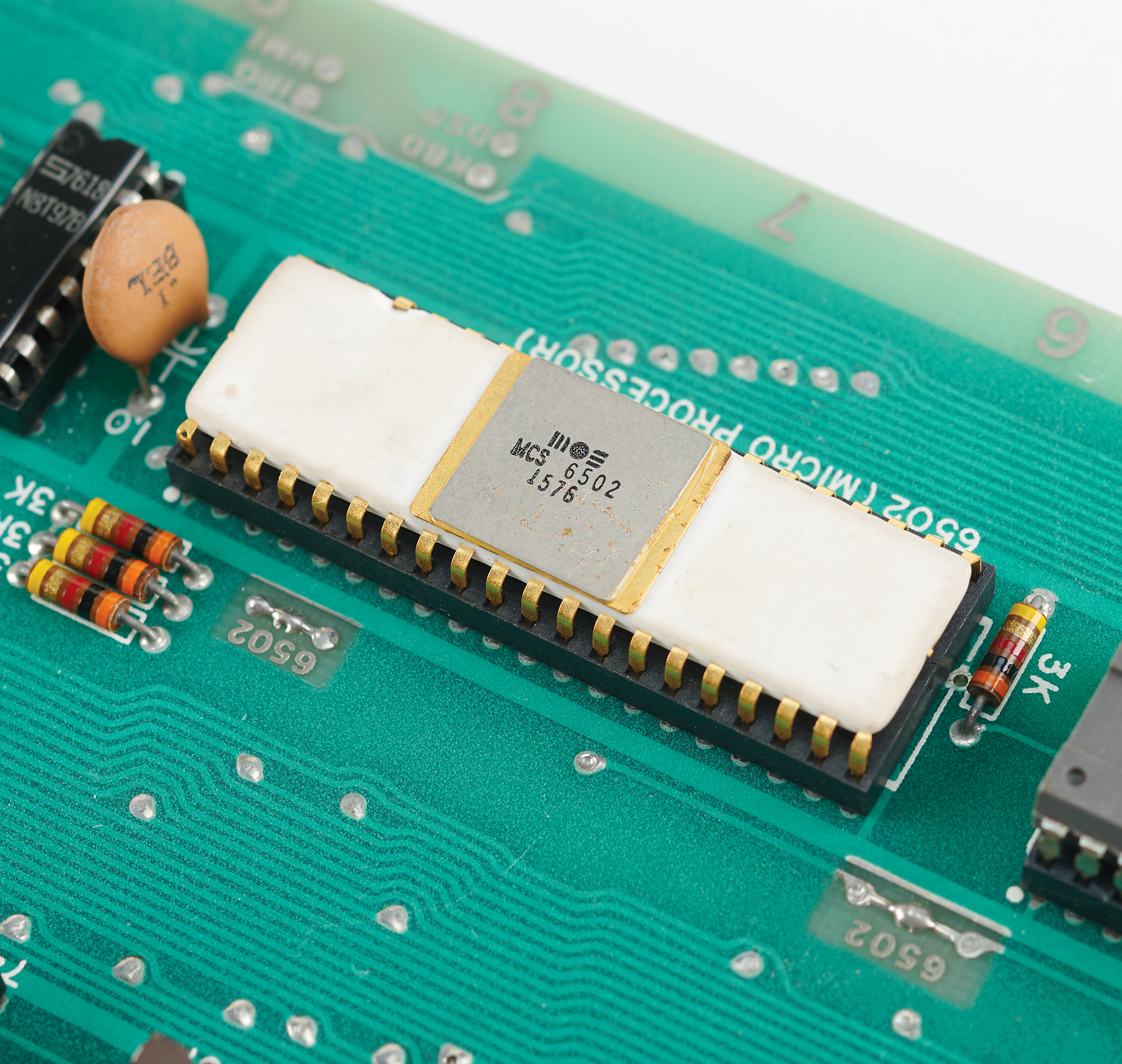
This Apple-1 computer was restored to operational condition in June 2026 by Apple-1 expert Corey Cohen, and a video of it running and functioning is available upon request. A comprehensive, technical condition report prepared by Cohen is available to qualified bidders; he evaluates the condition of the unit as 8.5/10 based on condition and originality. Cohen notes that the original plastic transistor used for the video output was upgraded in the past with a 2N2222 metal can version, supporting a higher video 'gain' current on the Apple-1 video output; the 2N2222 transistor is the only board level component that is not original. In June 2026, the system was operated for more than eight hours and successfully performed a series of full operational tests, including execution of the Apple-1 checkout program, loading Apple BASIC through the Apple Cassette Interface, running 'Hello World,' loading and running Star Trek and Checkers, and executing the 'Apple the 50th' ASCII demo.
A particularly appealing feature of this system is its ingenious period Smith-Corona Electra 120 typewriter case conversion. Rather than being housed in a conventional wooden case or simple mounting board, this Apple-1 was adapted into a portable, suitcase-style configuration, with internal mounting for the Apple-1 board, power-supply transformers, and keyboard. The keyboard mounting platform is made from custom-cut 1970s-style countertop material, supported by wooden side braces, with a central opening for airflow and cooling, and for placing the cassette player while loading the computer's software. The case also incorporates an LED connected to the Apple Cassette Interface, placing the cassette audio signal level indicator in a visible position for the operator. The power supply consists of period-correct Stancor P8380 and Radio Shack 273-1512 transformers with an inline fuse, wired to match the specifications of the Apple-1 Operation Manual and mounted directly inside the modified case.
The system’s provenance is especially evocative. According to the family history, the owner’s father was a mathematician and statistician who became fascinated with computers through his work with IBM mainframes and avidly followed the professional and popular computer press of the era. In 1977, while in Israel, he was introduced to Jules H. Gilder, an American computer consultant and author from Brooklyn, New York, who had brought with him an Apple-1 computer housed in a metal briefcase with a power supply, keyboard, cassette recorder, TV video adapter, and a 220-to-110VAC transformer for use overseas. Gilder sold the computer to the Neumark family on July 6, 1977, together with the original Apple manuals and BASIC programming cassettes. For the next several years, the Apple-1 was set up in the family living room, where the owner’s father taught himself BASIC programming, played games, explored the machine’s capabilities, and promoted the future of 'home computers' in seminars at work. By 1981 or 1982, as more advanced machines became available, the Apple-1 was set aside, remaining preserved within the family until its recent rediscovery.
The documentary archive accompanying the computer is unusually rich. The early Apple-1 Operation Manual includes full fold-out schematics and has the name “Steven Jobs” written in pencil on the reverse of the title page near Apple Computer’s original Welch Road mail-drop address, apparently as a note identifying whom to contact at Apple. The Apple Cassette Interface manual, two versions of the Preliminary Apple BASIC User’s Manual, owner’s notes, cassette tapes, and Apple correspondence all help document the computer as a working, lived-with personal system rather than an isolated board.

