Sold For $6,816
*Includes Buyers Premium
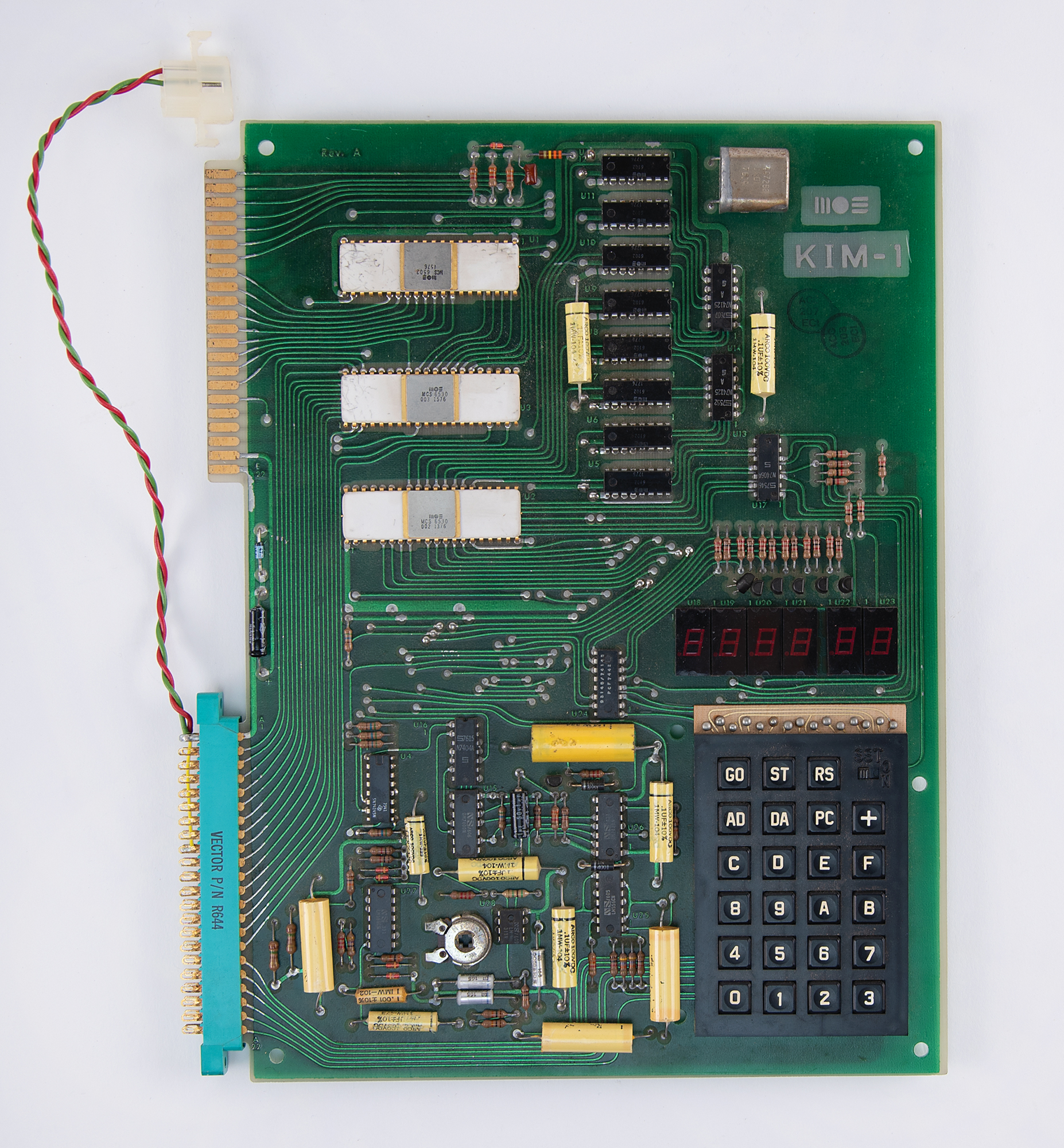
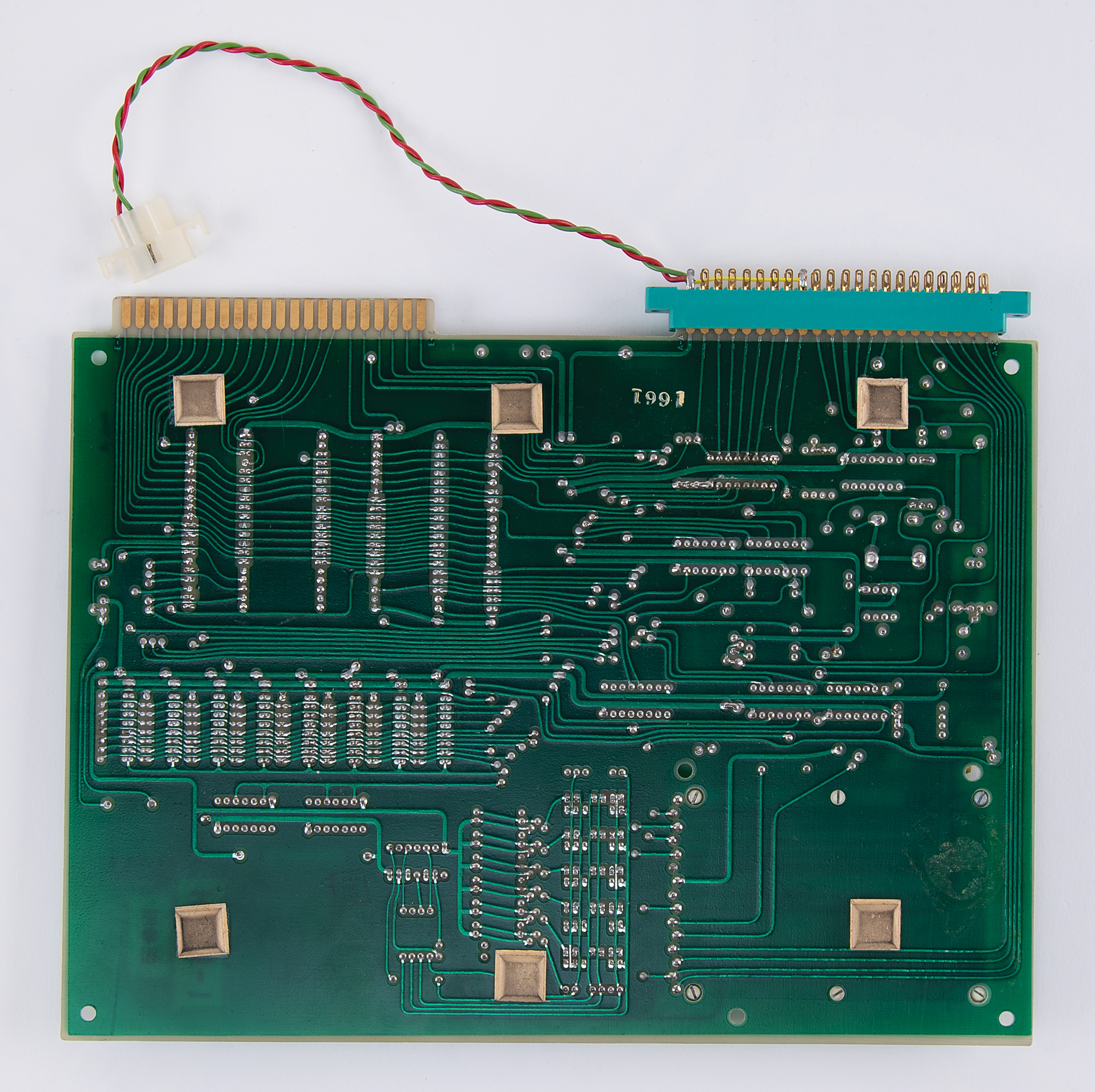
MOS Technology KIM-1 single-board computer, serial number 1661, one of the most historically important early microcomputers ever produced. Introduced in 1976 and designed by Chuck Peddle around the MOS Technology 6502 microprocessor, the KIM-1 features its original hexadecimal keypad, six-digit LED display, original edge connector, and original white ceramic MOS Technology integrated circuits with gold lids and gold-plated leads, including the MCS 6502 CPU and MCS 6530 RIOT chips. Created as an affordable development system for engineers and hobbyists, the KIM-1 introduced countless programmers to the 6502 architecture and helped establish the software and hardware ecosystem that would later power landmark systems such as the Apple II, Commodore PET, Atari 400/800, BBC Micro, and Nintendo Entertainment System. An exceptionally well-preserved, unmodified example of one of the defining machines of the 1970s microcomputer era.
Released in 1976 for just $245, the KIM-1 (Keyboard Input Monitor) transformed the emerging microcomputer market by providing hobbyists, engineers, and software developers with an inexpensive computer built around the revolutionary MOS Technology 6502 microprocessor. Designed by Chuck Peddle, the KIM-1 combined a hexadecimal keypad, six-digit LED display, ROM monitor, and expansion capabilities on a single circuit board, making it an ideal platform for learning assembly language and developing software. Its success helped establish the 6502 software and hardware ecosystem that would underpin many of the most influential computers of the late 1970s and 1980s, including the Apple II, Commodore PET, Atari 400/800, BBC Micro, and the Nintendo Entertainment System. Today, the KIM-1 is widely regarded as one of the seminal machines of the personal computer revolution.

