The 30 Minute Rule begins October 14 at 7:00 PM EDT. An Initial Bid Must Be Placed By October 14 at 6:00 PM EDT To Participate After 6:00 PM EDT
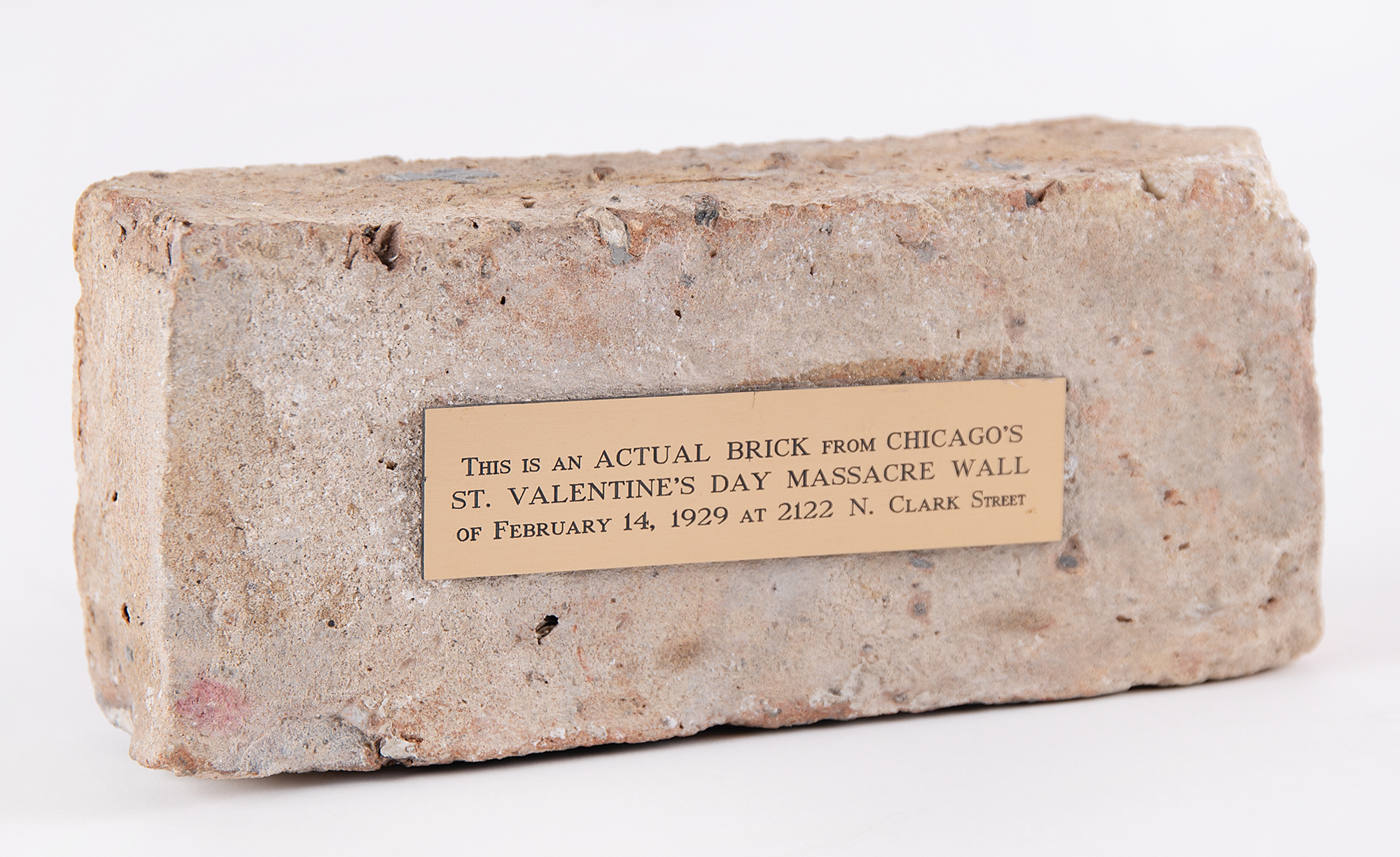
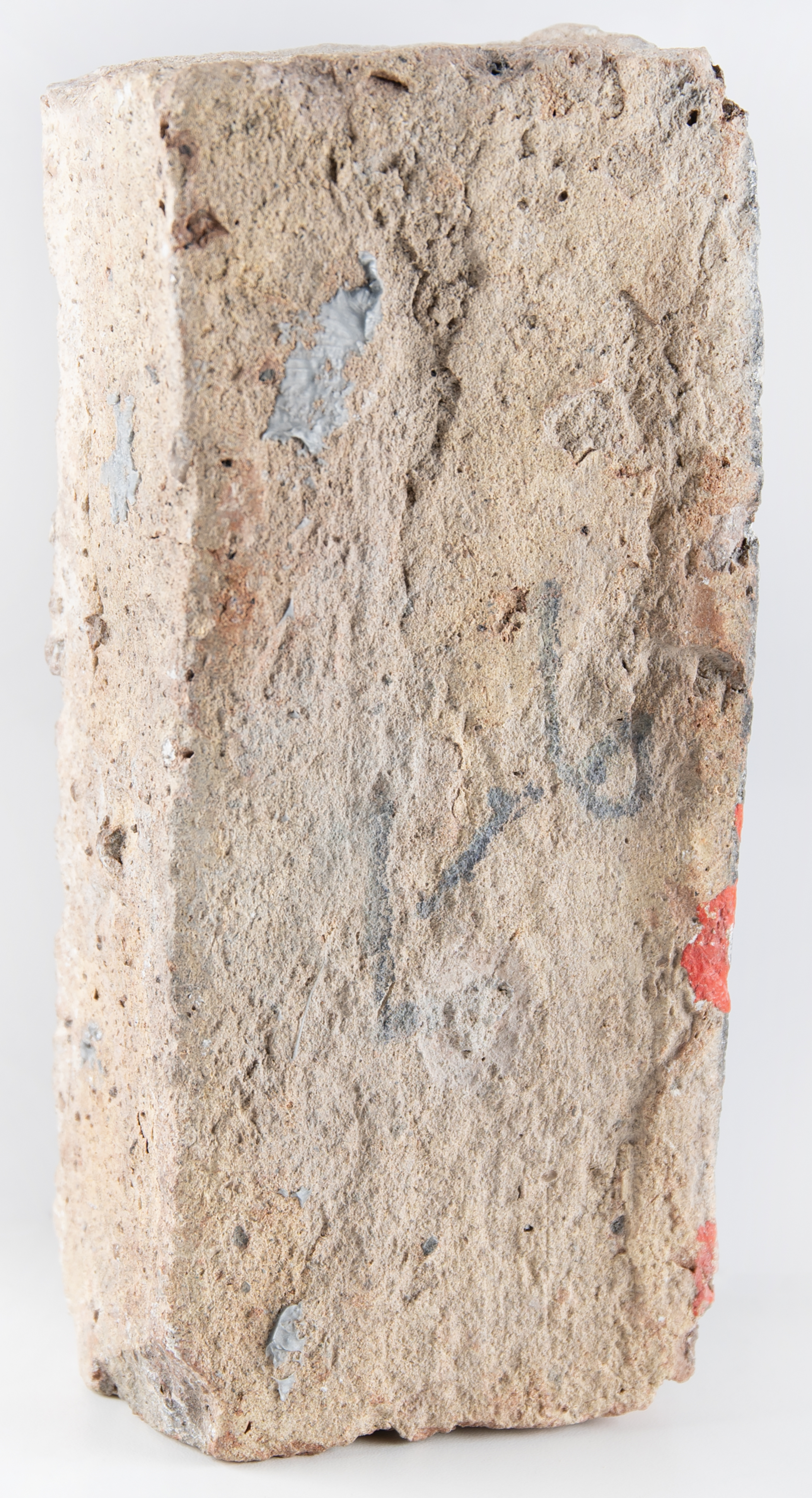
Brick removed from the wall of the garage that stood at 2122 N. Clark Street, where the Saint Valentine's Day Massacre took place, during which seven Chicago gangsters were lined up against the wall of a garage and shot to death. The brick, which measures 8.5˝ x 3.5˝ x 2.75˝, bears an engraved plaque reading: "This is an actual brick from Chicago's St. Valentines Day Massacre Wall of February 14, 1929 at 2122 N. Clark Street." The bottom of the brick is labeled “I-6.”
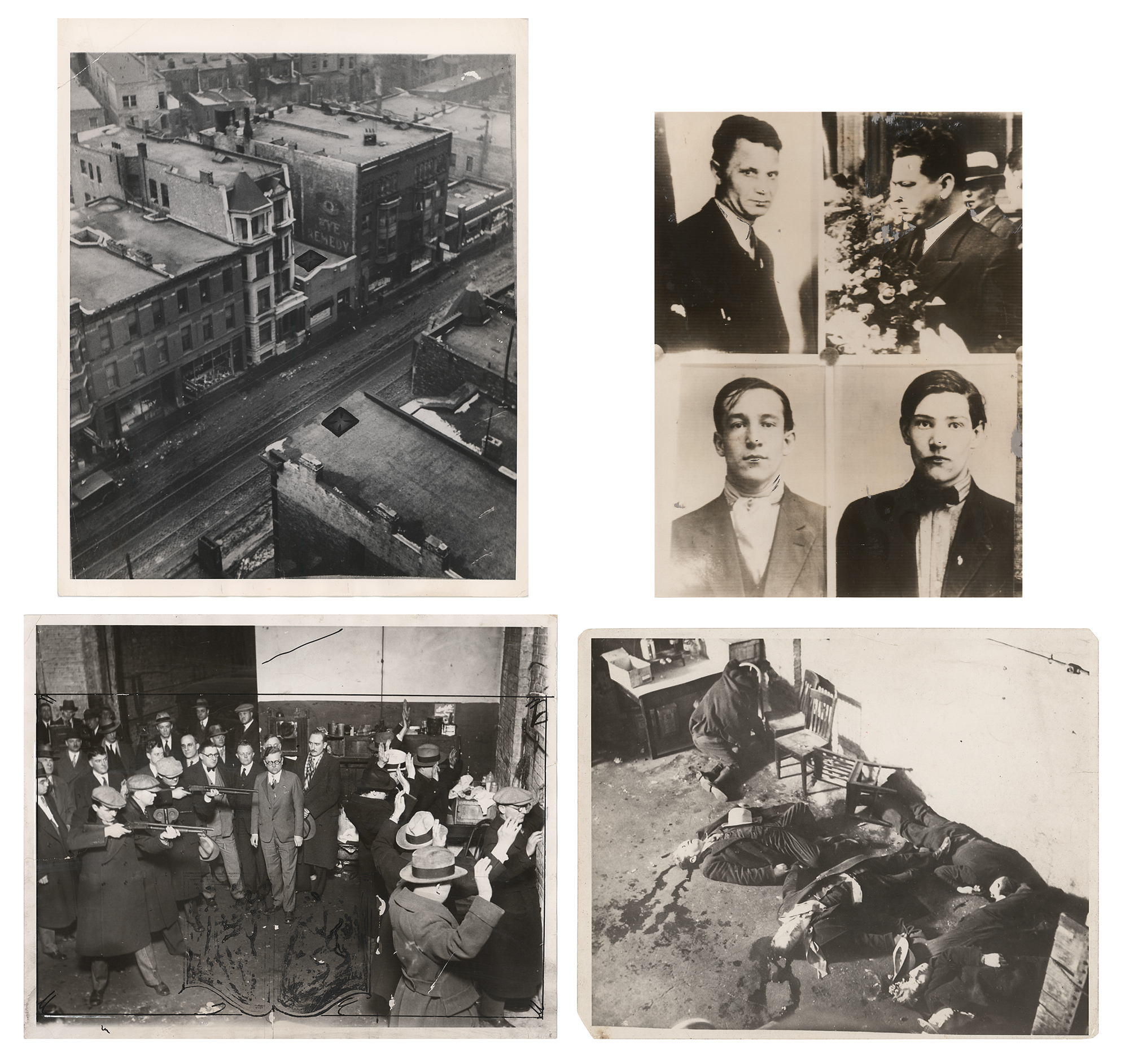
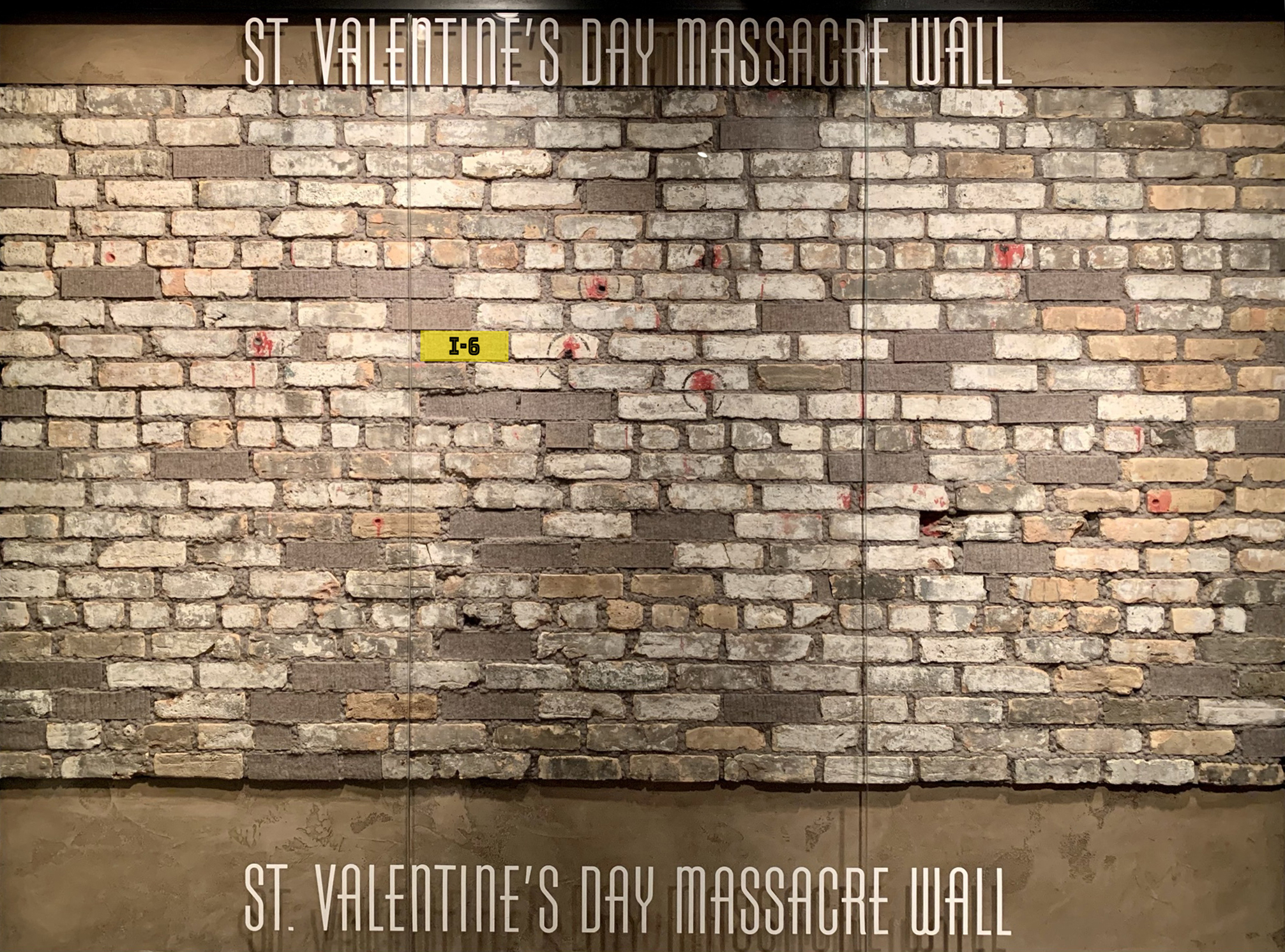
Included is a photograph documenting the exact original placement of the offered “I-6” brick within the massacre wall, locating it in a central area amid numerous bricks bearing apparent bullet impacts. Also includes four scarce original period press photographs directly related to the St. Valentine’s Day Massacre, including images of the slain victims at the crime scene, a police re-enactment of the shooting, and an aerial view of the massacre location. Sought after as historical artifacts in their own right, original contemporary press photographs of the massacre are seldom encountered, adding a substantial photographic record to the offered brick. The brick is in fine condition. The photographs are in overall very good condition, with varying degrees of wear, including trimmed edges, clipped corners, crazing, creasing, surface impressions, and tape-repaired tears.
Accompanied by a certificate of authenticity signed by George M. Patey, who originally acquired the full brick wall when the garage was being demolished; also accompanied by the original envelope from Patey, a second letter from Patey, and a related ‘Al Capone’s Famous Wall’ booklet. The massacre wall originally contained 414 bricks, of which the Mob Museum purchased 331 from Patey’s family and has subsequently acquired additional examples in an effort to recover as much of the original wall as possible. Based on those figures, an estimated 50–70 bricks remain in private collections, with examples from the Patey collection seldom appearing on the market.

