The 30 Minute Rule begins August 20 at 7:00 PM EDT. An Initial Bid Must Be Placed By August 20 at 6:00 PM EDT To Participate After 6:00 PM EDT
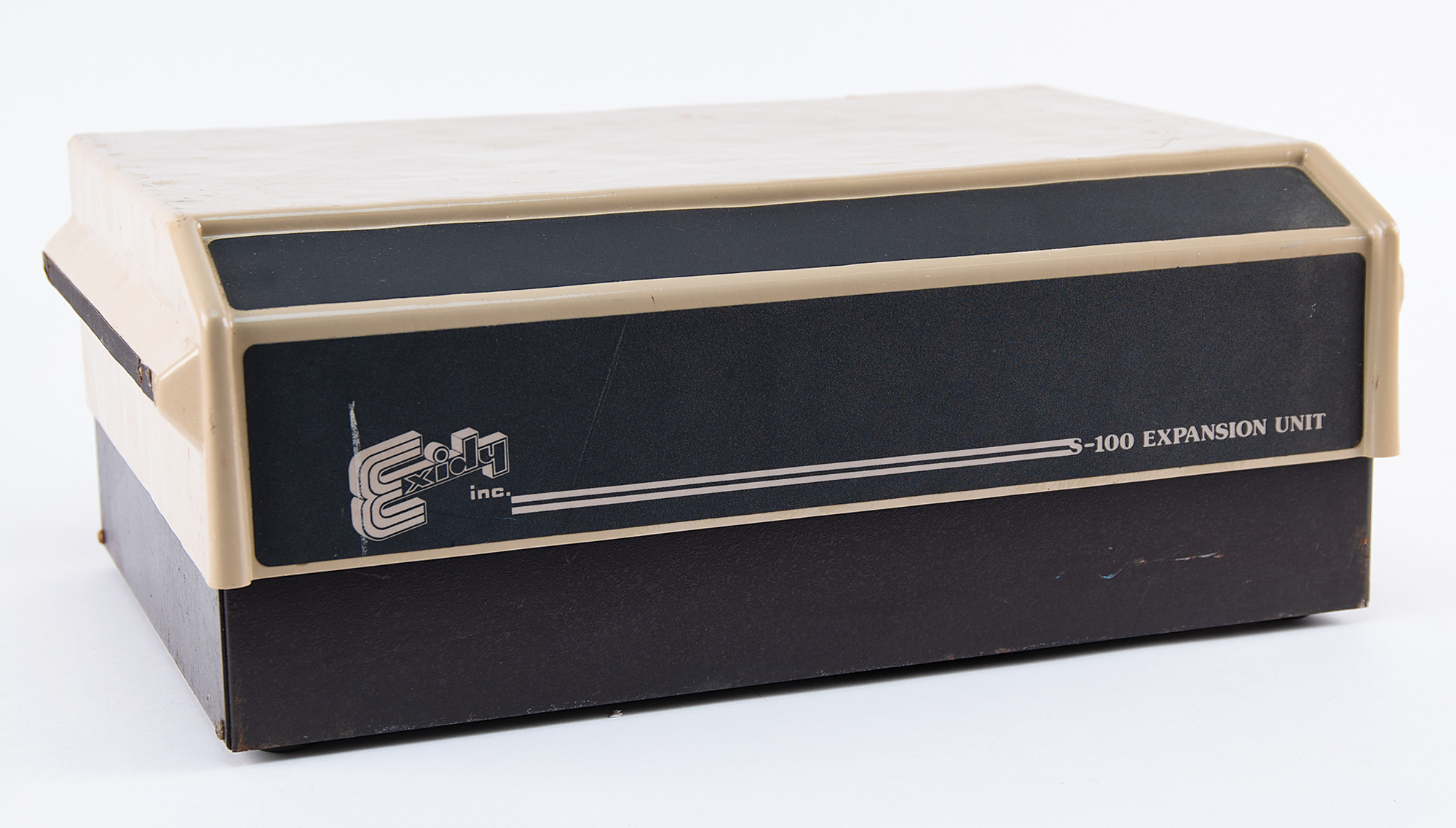
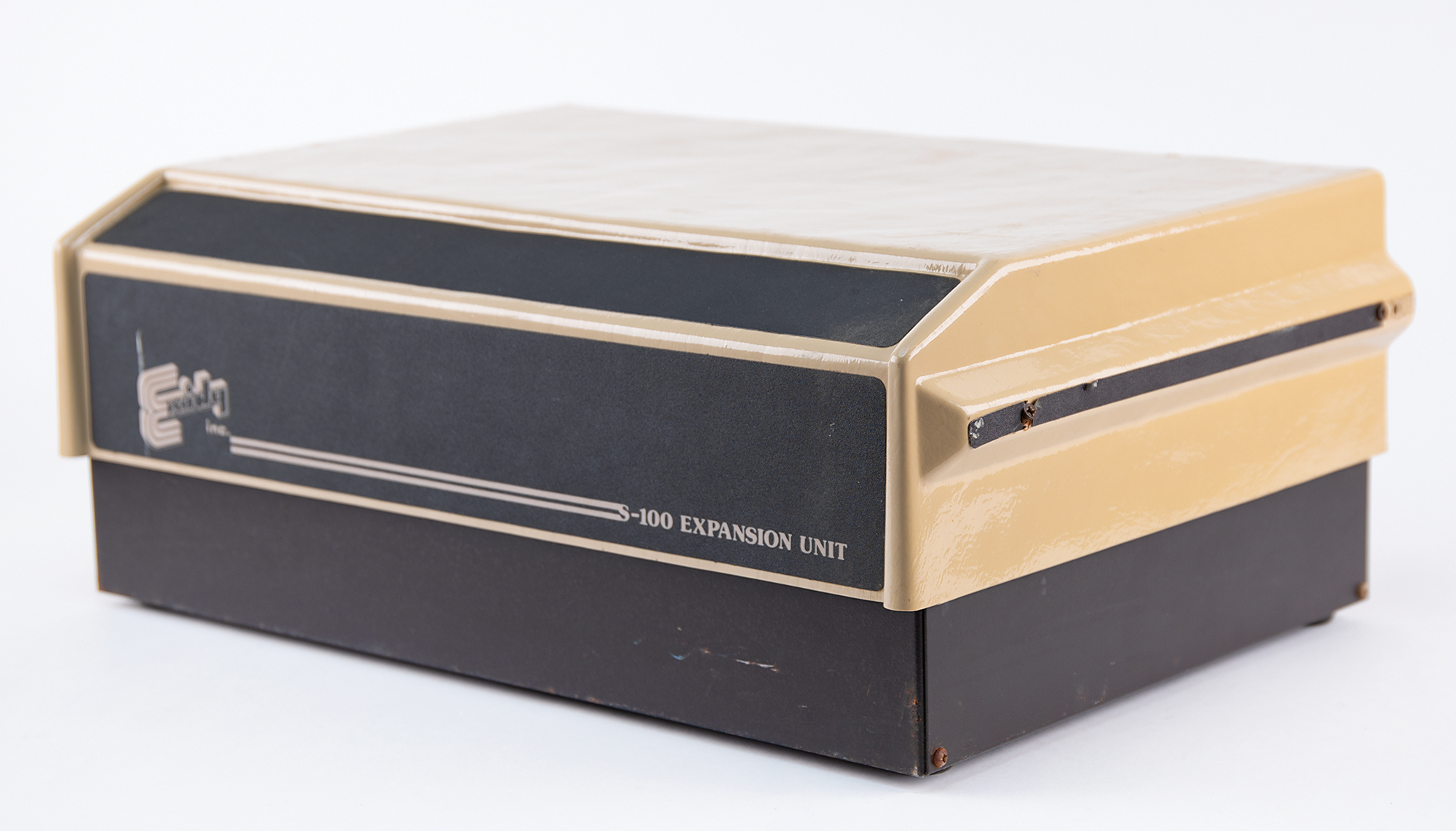
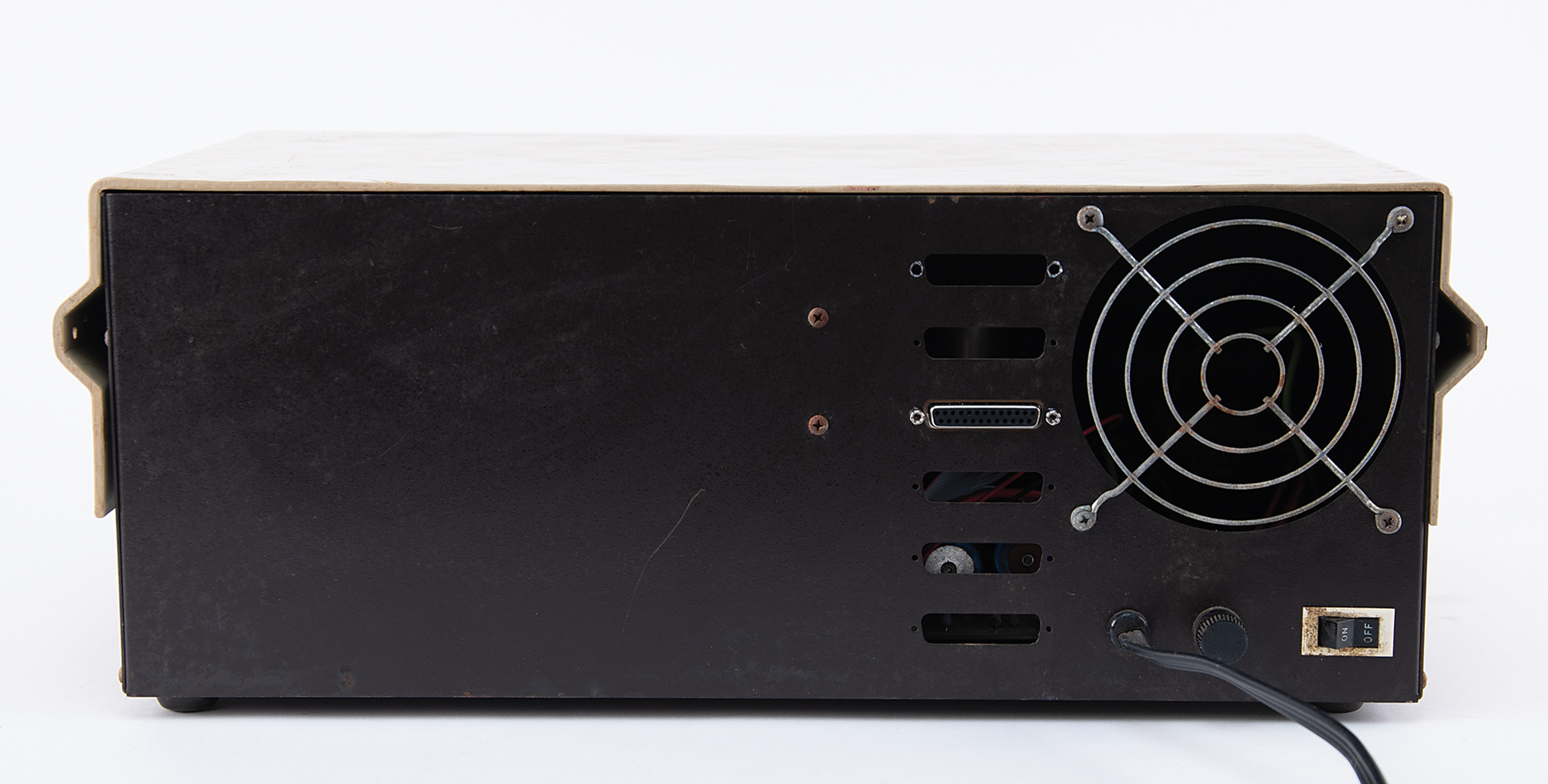
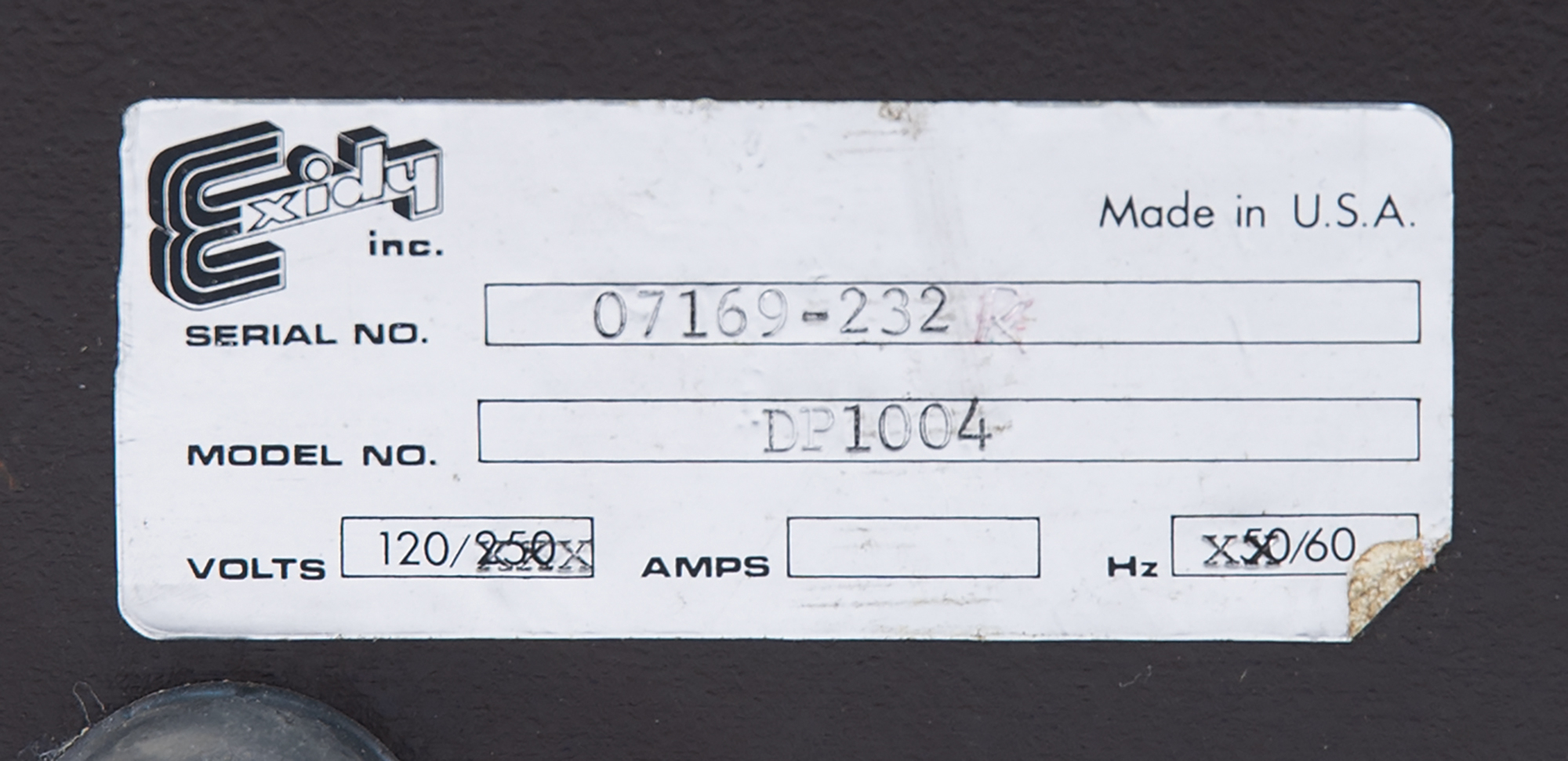
Exidy Sorcerer S-100 Expansion Unit from the personal collection of Byte Shop founder Paul Terrell, an exceptionally scarce vintage hardware bridge designed to extend the capabilities of Exidy’s Z80-based Sorcerer microcomputer. Manufactured by Exidy, Inc. of Sunnyvale, California, the expansion unit connected to the Sorcerer’s proprietary edge connector and added an industry-standard S-100 bus backplane with its own internal power supply, allowing users to incorporate disk controllers, additional memory, and other expansion boards from the broader S-100 ecosystem. The unit measures 19˝ x 8˝ x 12˝ and bears the Exidy Inc. label affixed to the bottom, identifying it as "Serial No. 07169-232R, Model No. DP1004." Untested and in very good cosmetic condition.
Introduced for the Exidy Sorcerer in the late 1970s, the S-100 Expansion Unit transformed the compact, cartridge-based home computer into a more capable development or small-business workstation. With access to S-100 peripherals—the same bus architecture used by influential systems such as the Altair 8800, IMSAI 8080, Cromemco machines, and Byte Shop’s own BYT-8—the Sorcerer could be adapted for CP/M-based applications, business software, and more advanced programming environments.
While Exidy Sorcerer computers are highly prized by collectors today, the official S-100 Expansion Unit is exponentially scarcer. Because it was an expensive, industrial add-on aimed strictly at power-users, programmers, and small businesses, production numbers were remarkably low compared to the core computer.
From the Paul Terrell Collection

