The 30 Minute Rule begins August 20 at 7:00 PM EDT. An Initial Bid Must Be Placed By August 20 at 6:00 PM EDT To Participate After 6:00 PM EDT
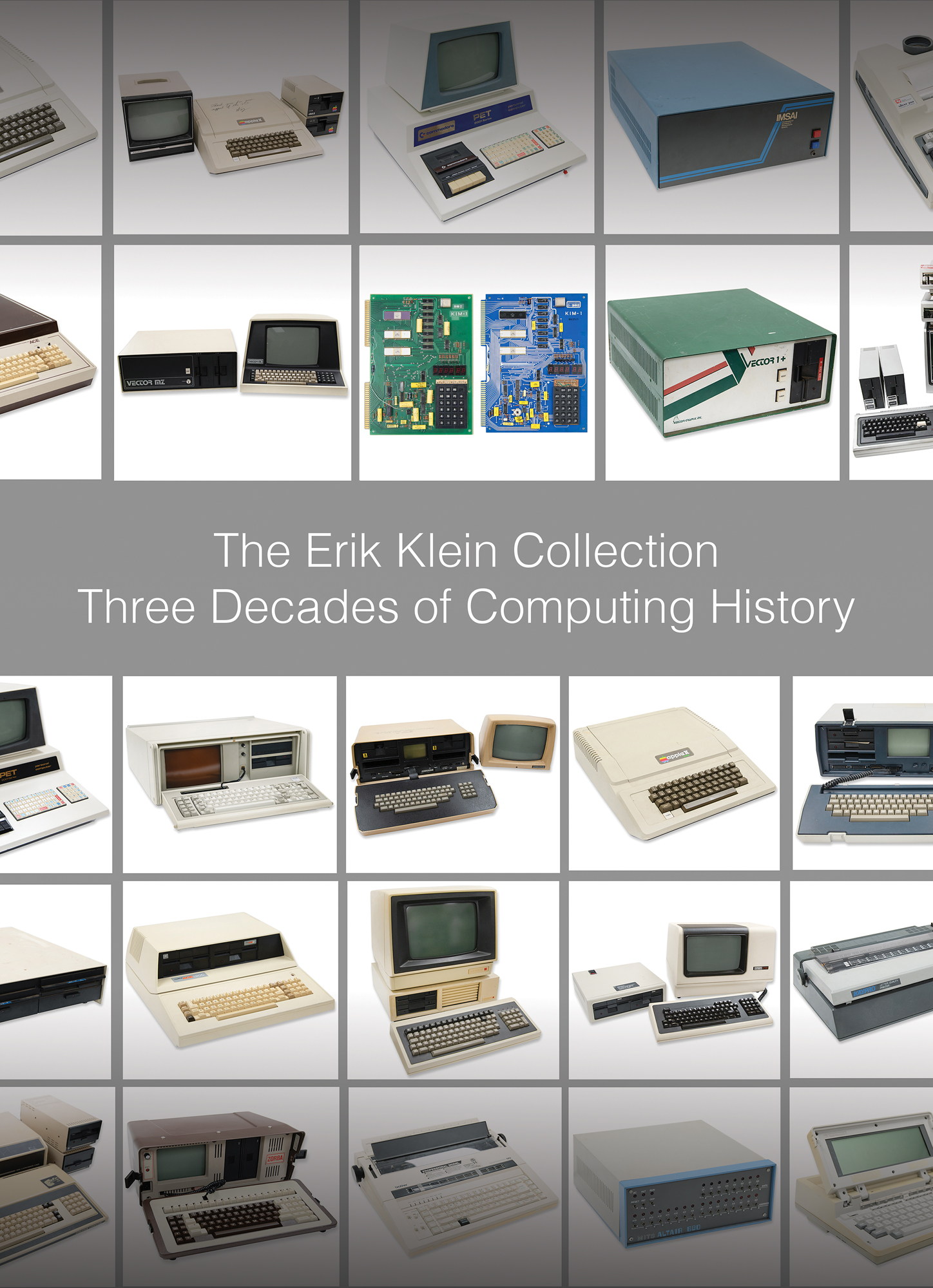
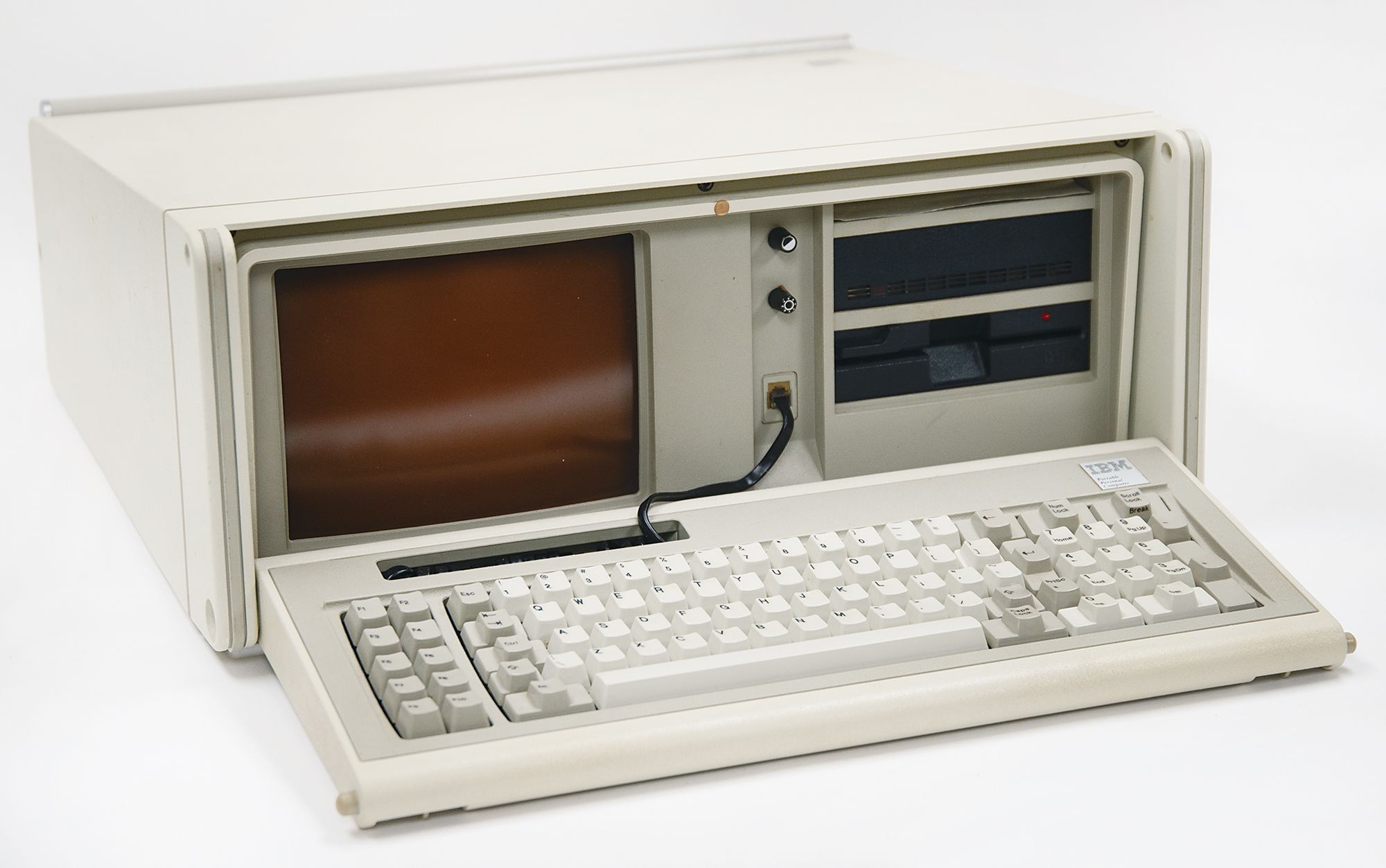
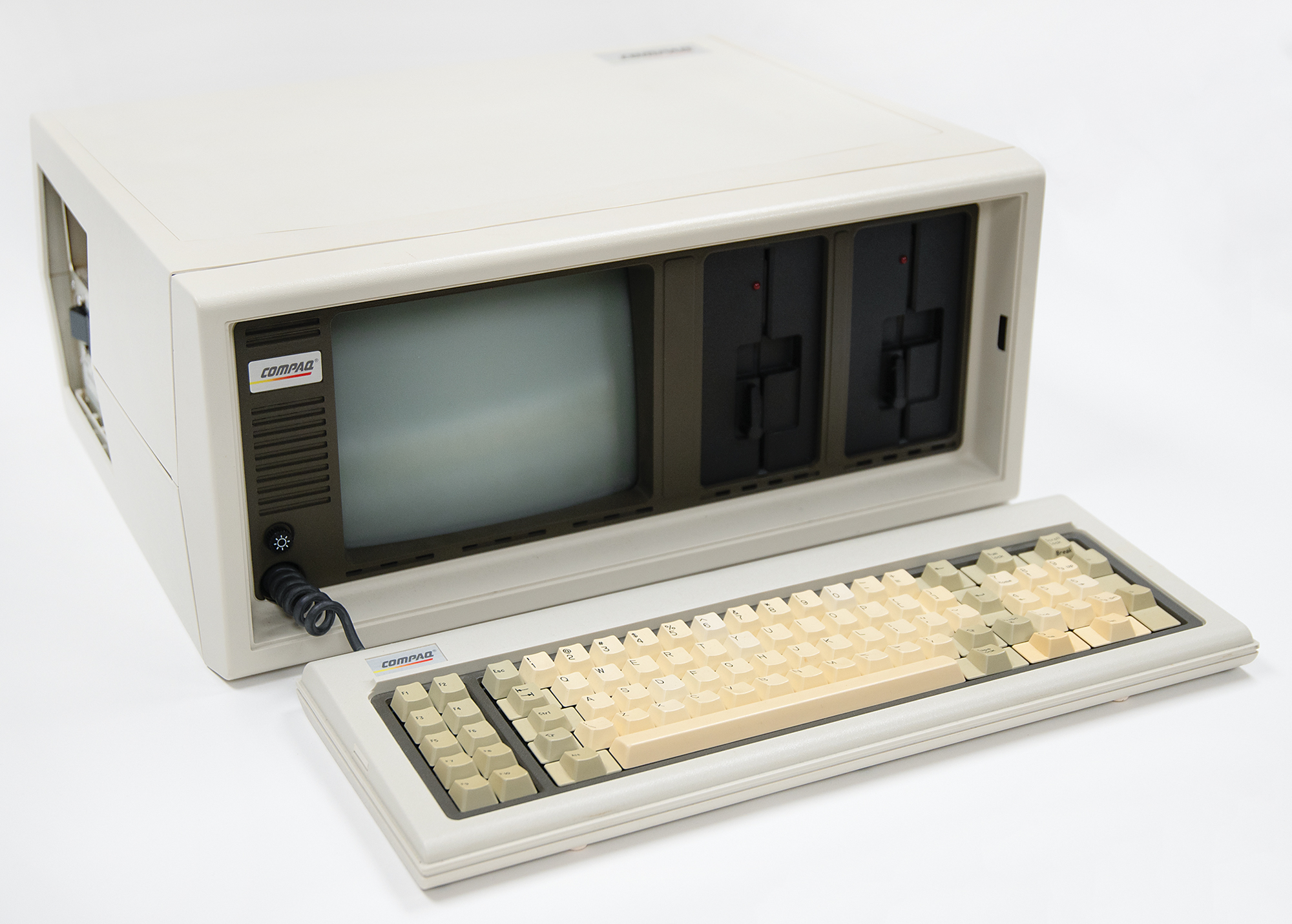
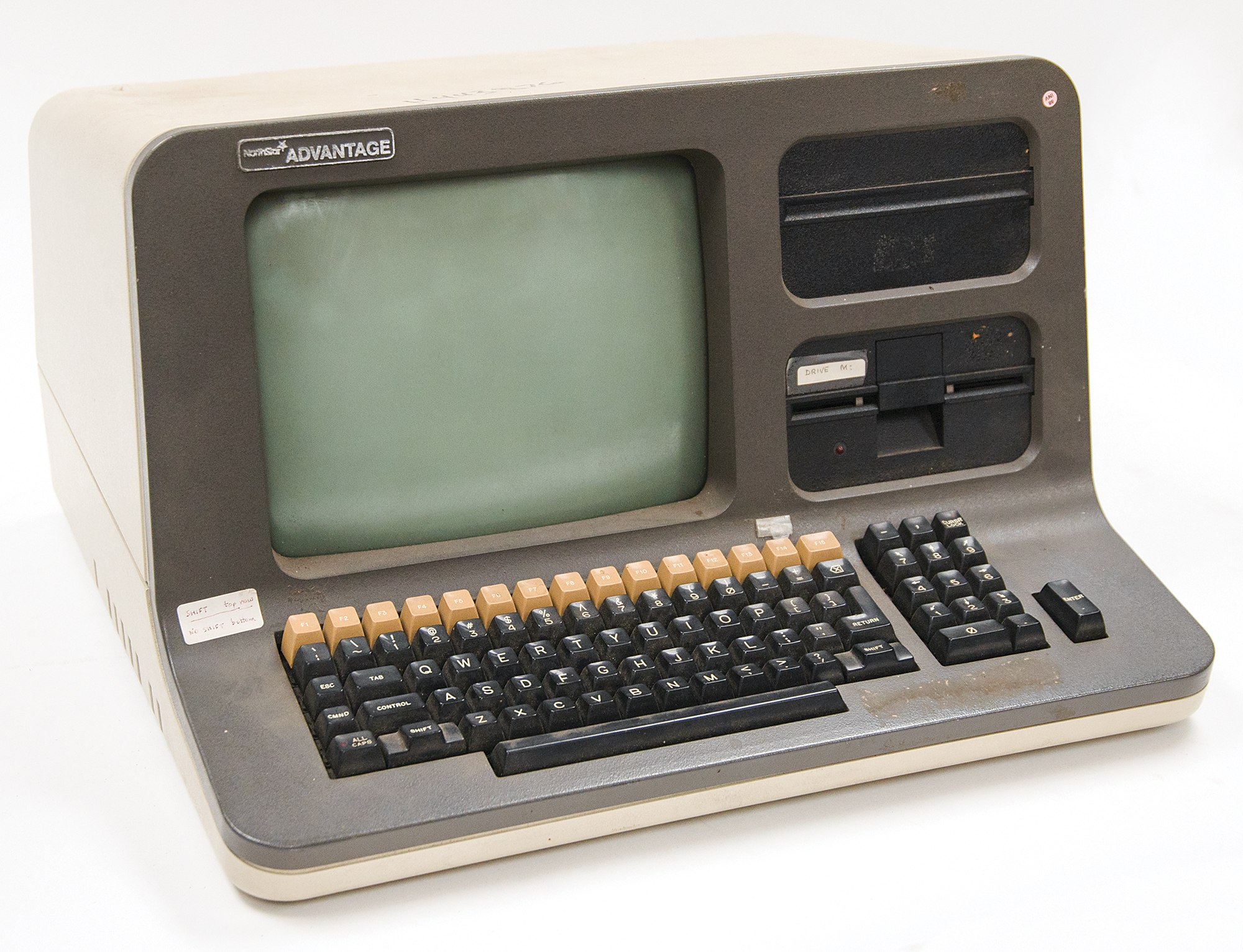
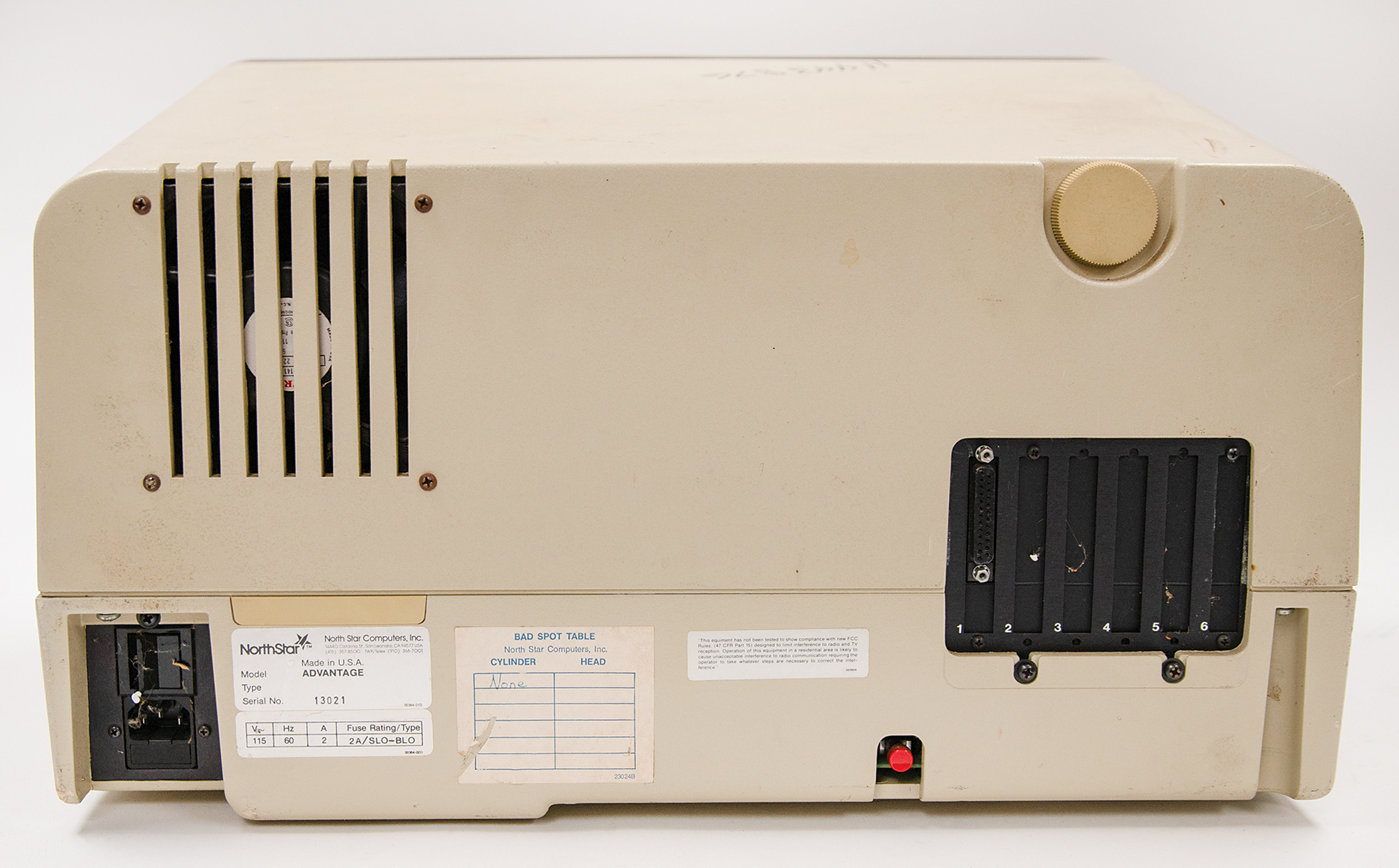
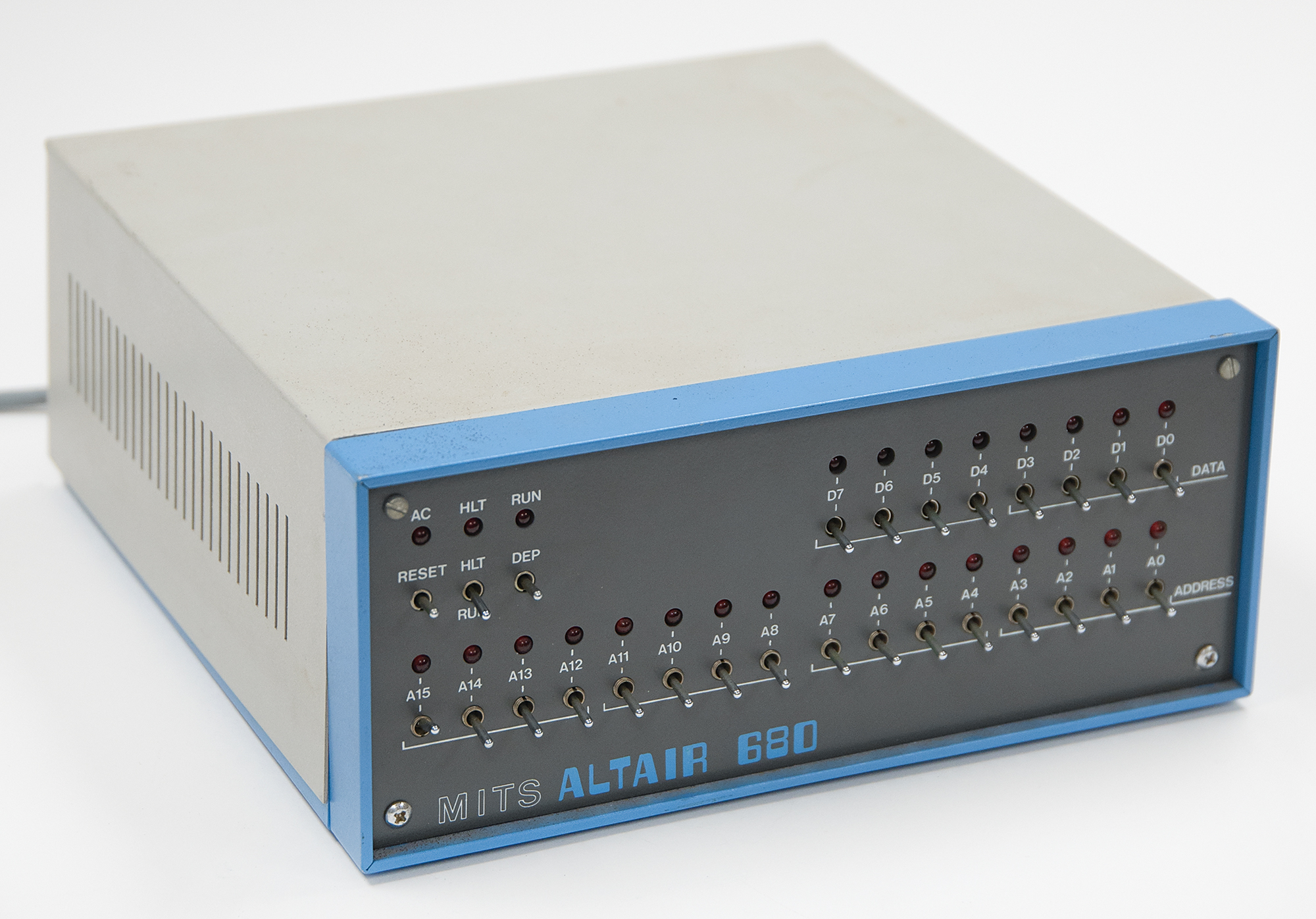
Extensive collection of 47 vintage microcomputers, terminals, and peripherals assembled by Erik Klein, computer historian and founder of the Vintage Computer Forum. Spanning the formative years of personal computing from 1969 to 1999, the collection traces the evolution of the microcomputer from pioneering kit-built systems to early portable computers. Highlights include a MITS Altair 8800b and Altair 680, a restored and fully functional Processor Technology SOL-20 signed by designer Lee Felsenstein, an IMSAI 8080, two Commodore PET 2001-8 computers with early serial numbers, two TRS-80 Model I systems, multiple Apple II computers—including an example signed by Steve Wozniak—and two Commodore KIM-1 single-board computers representing both Revision A and Revision E. Additional notable systems include a Heathkit H11A based on DEC's LSI-11 processor, Vector Graphic's first computer, the Vector 1, two GRiD Compass 1101 portable computers, a Compaq Portable, an Apple Macintosh 128K, and an IBM Portable PC. Reflecting Klein's commitment to preserving computing history, many systems retain their original monitors, disk drives, manuals, software, and accessories, with numerous examples restored to working order.
Computers and equipment (chronological):
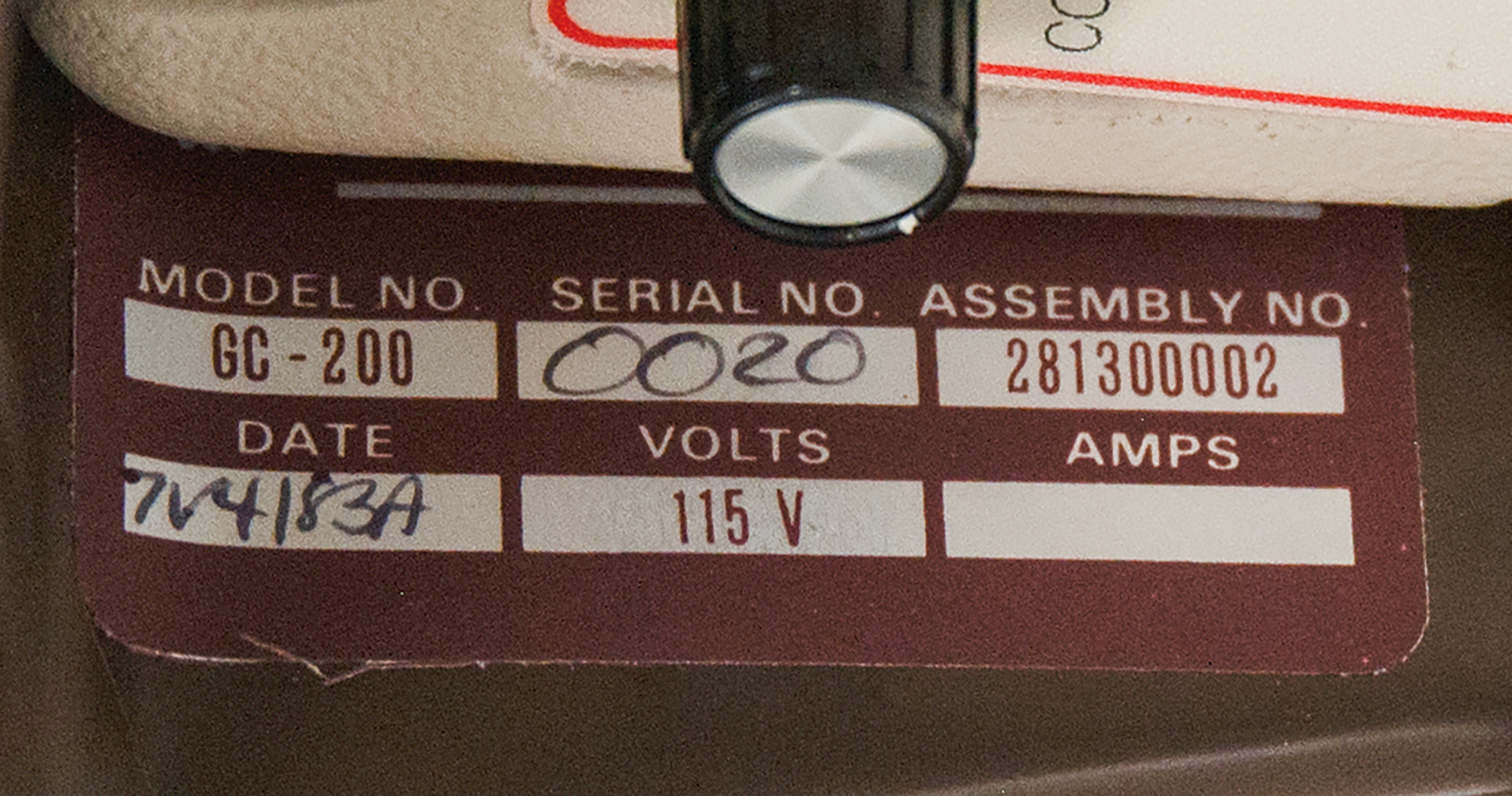
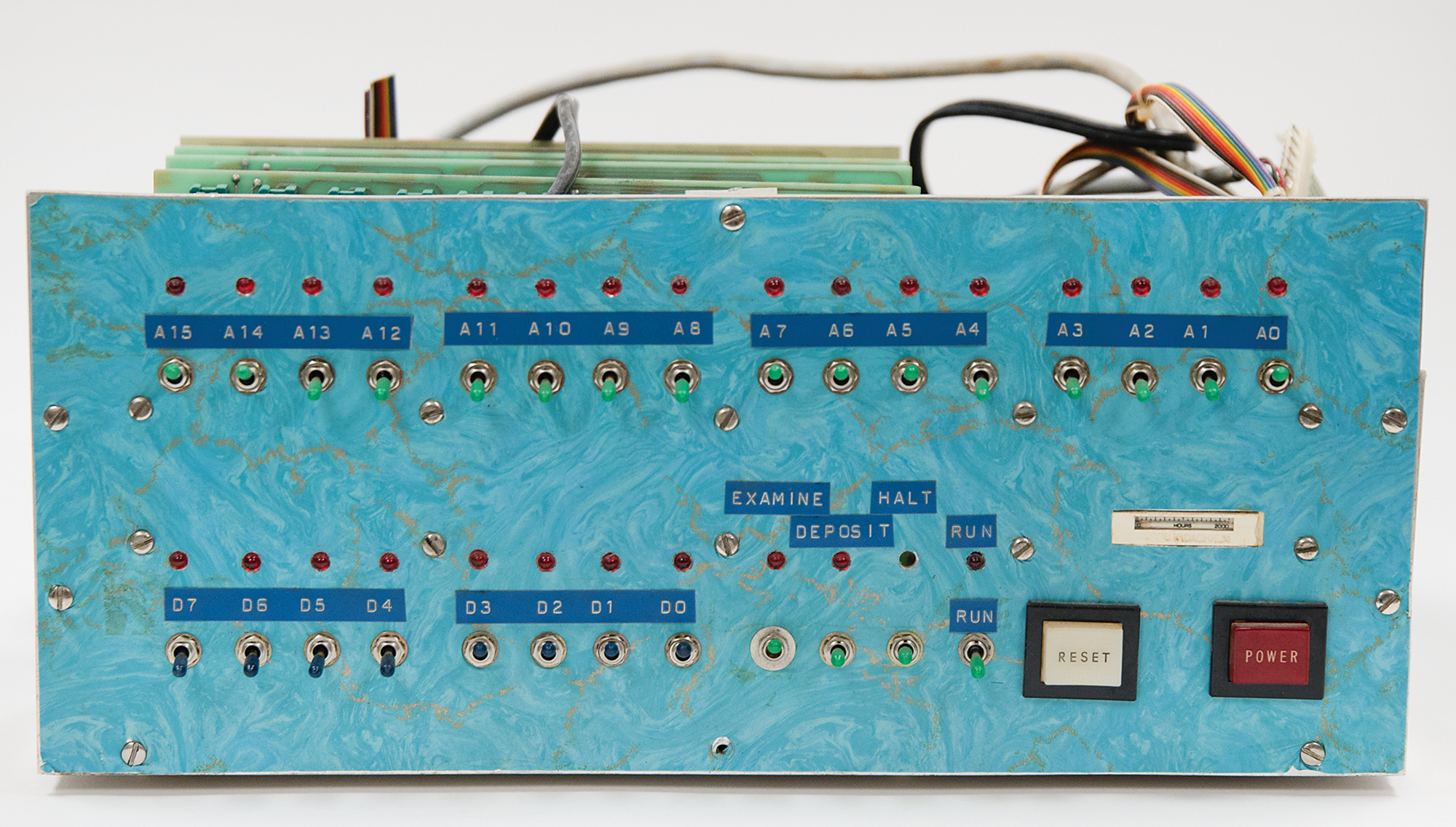
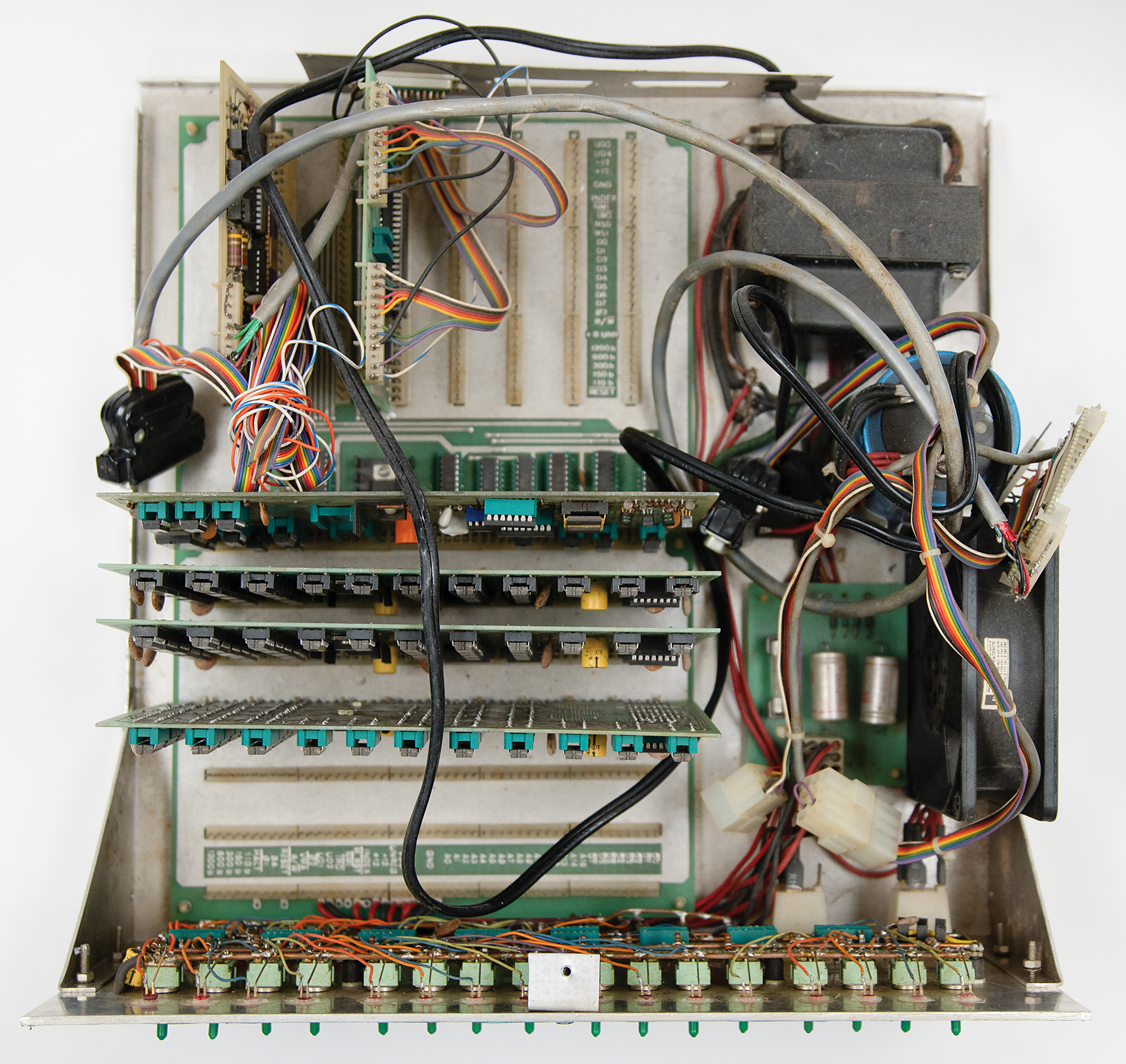
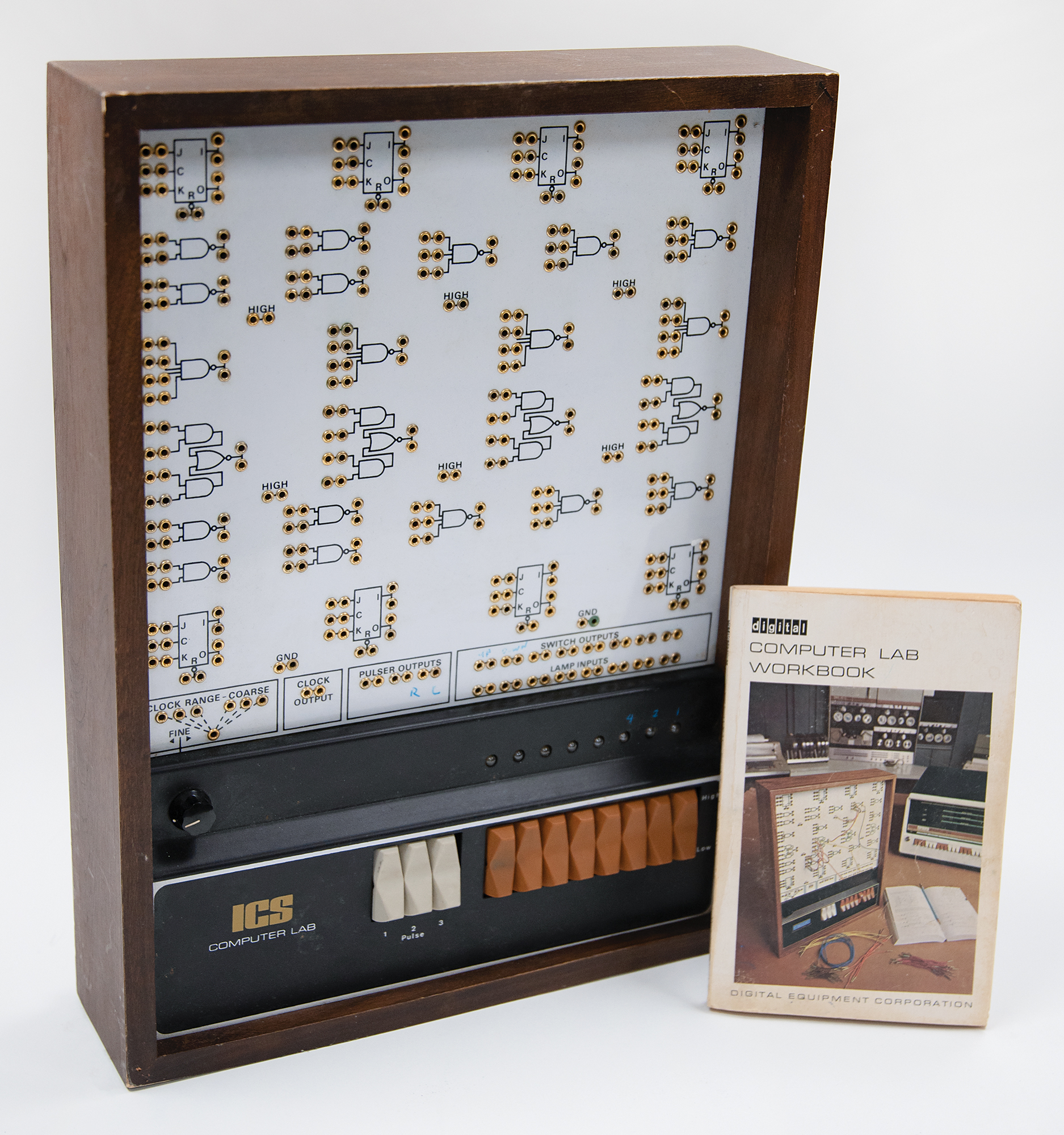
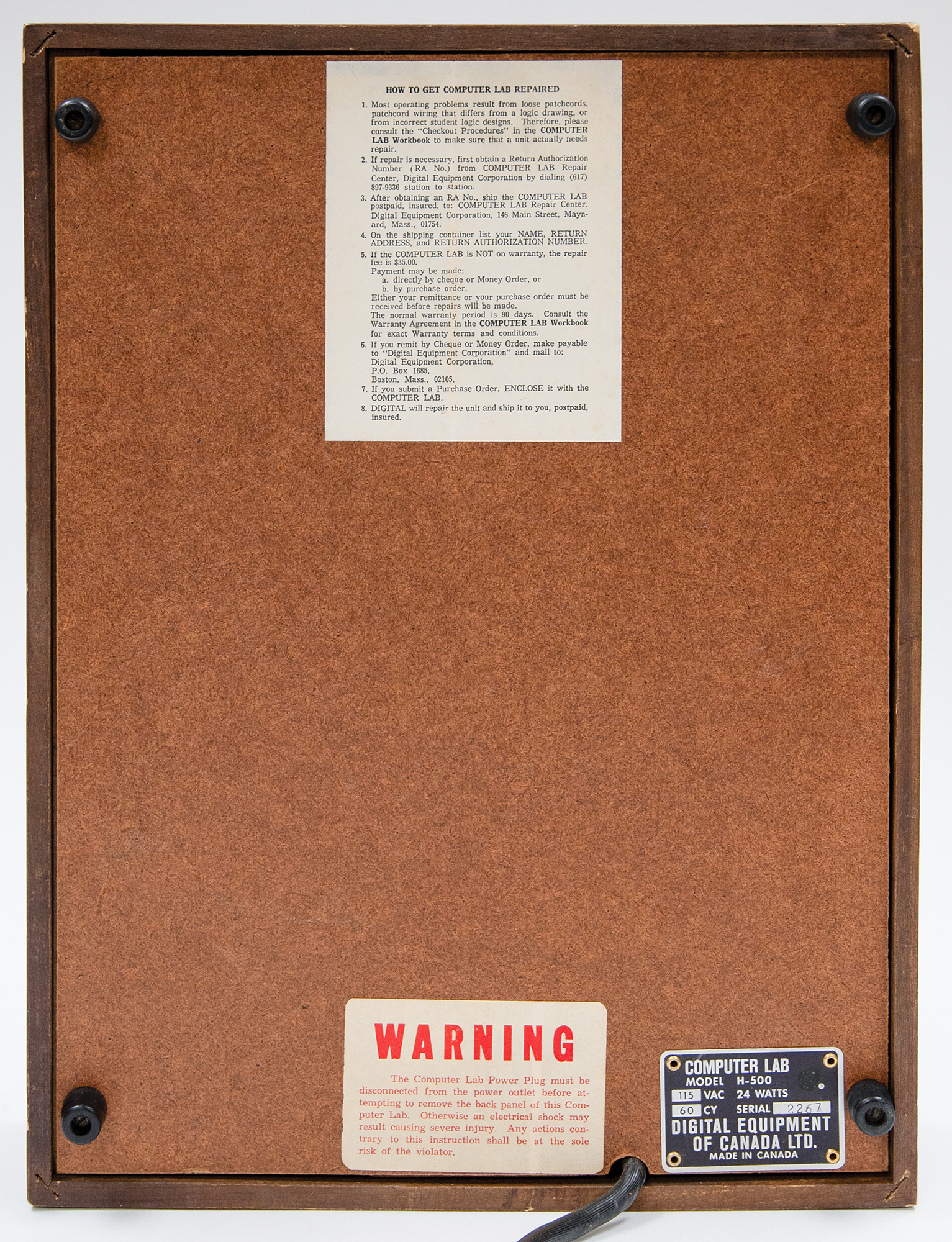
- DEC Computer Lab (c. 1969) – Untested
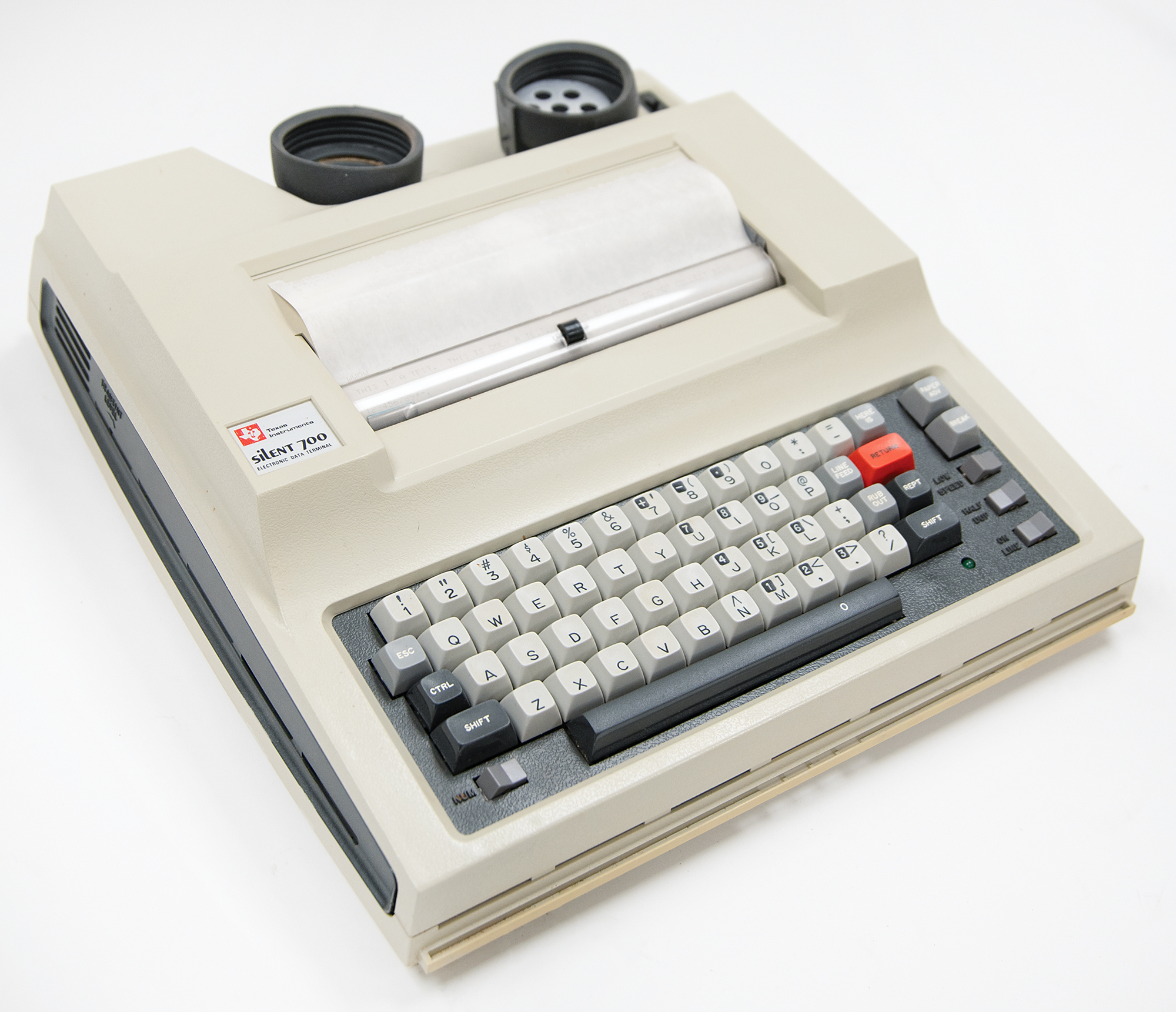
- Texas Instruments Silent 700 printer (c. 1971) – Untested
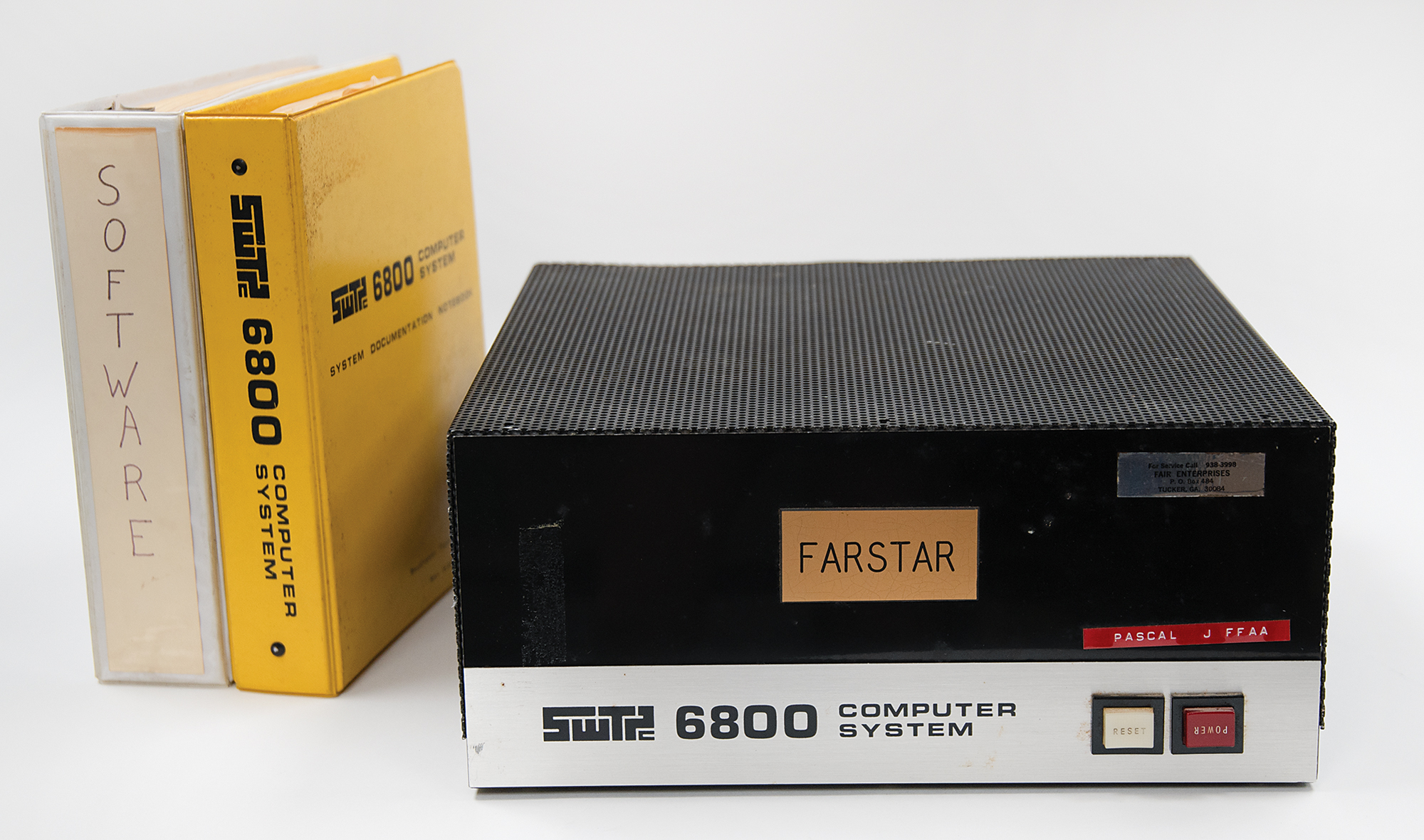
- SWTPC 6800 (1975), with manuals – Untested
- SWTPC computer (homebuilt), c. 1975 – Untested
- MITS Altair 680 (1975) – Failed power supply, otherwise untested
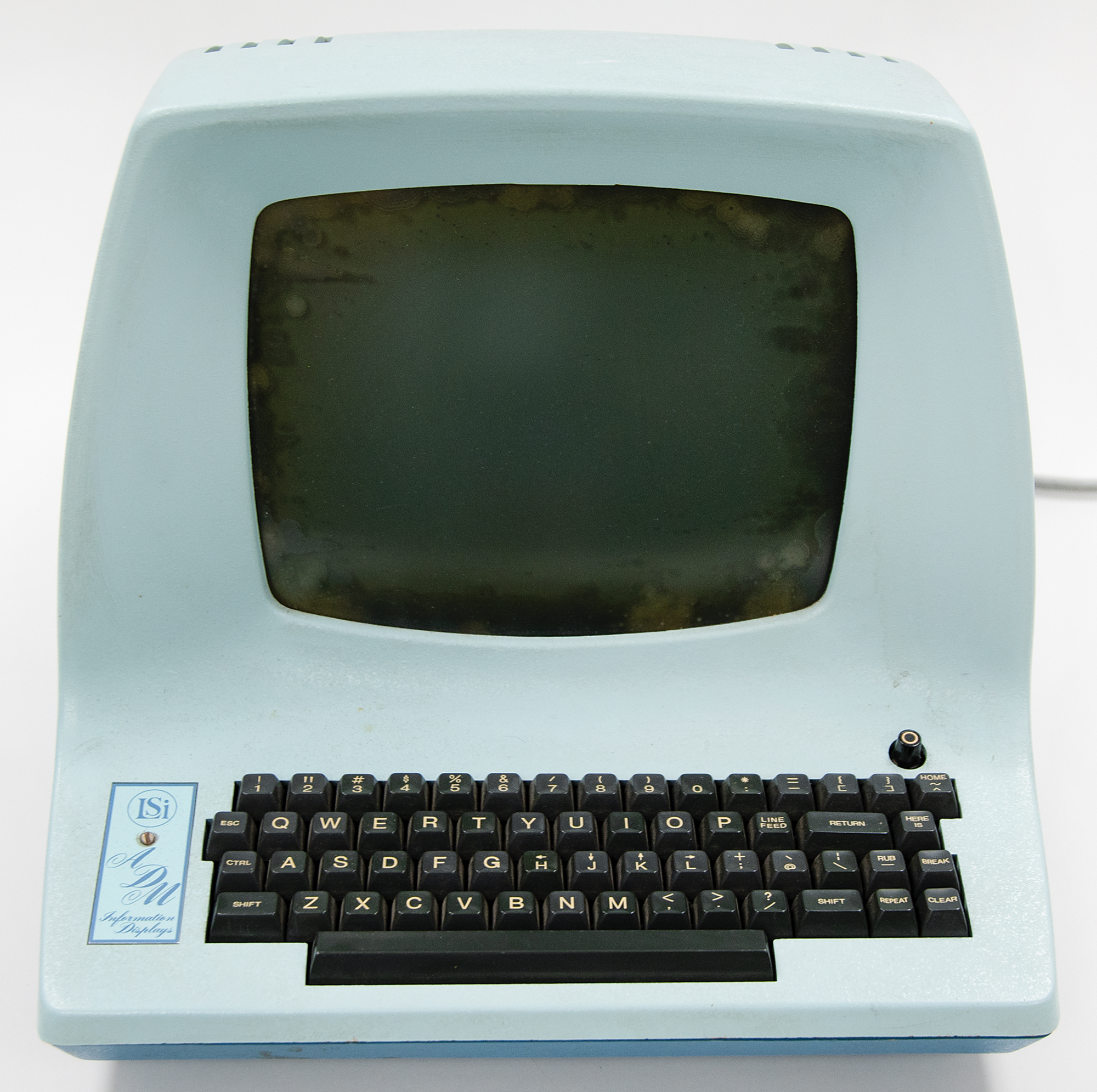
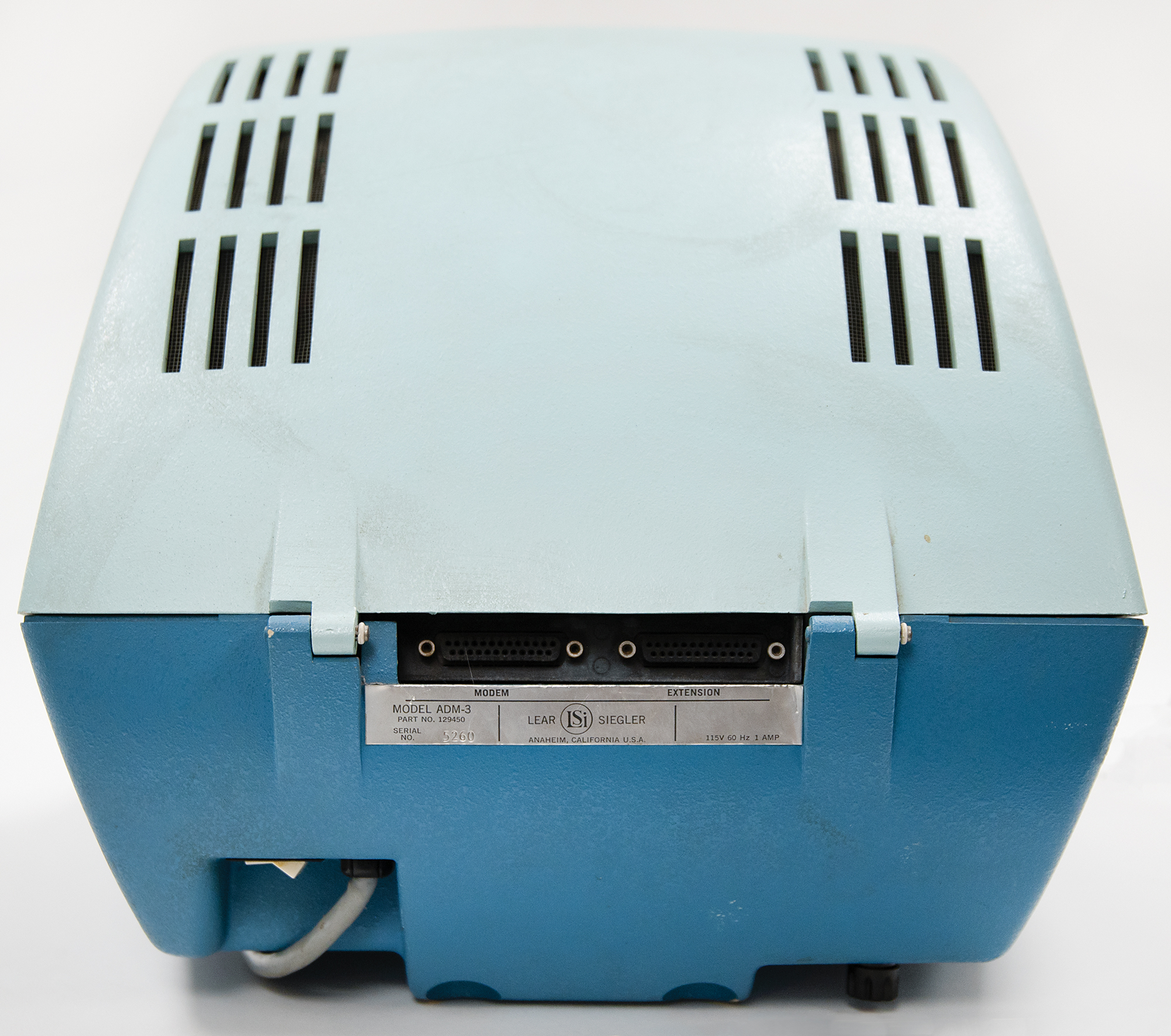
- Lear Siegler ADM-3 Information Displays (1975) – Complete, untested with screen cataracts
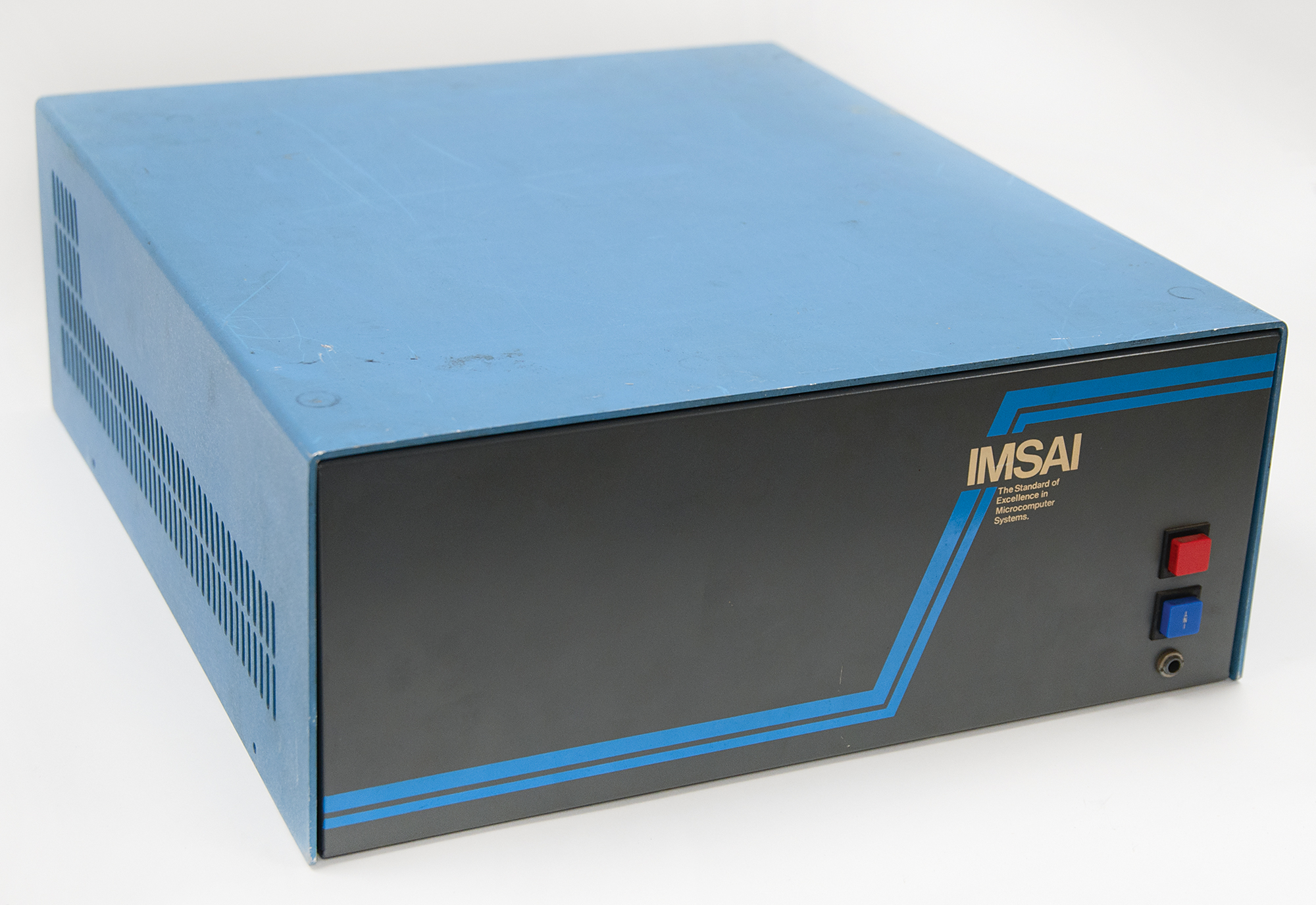
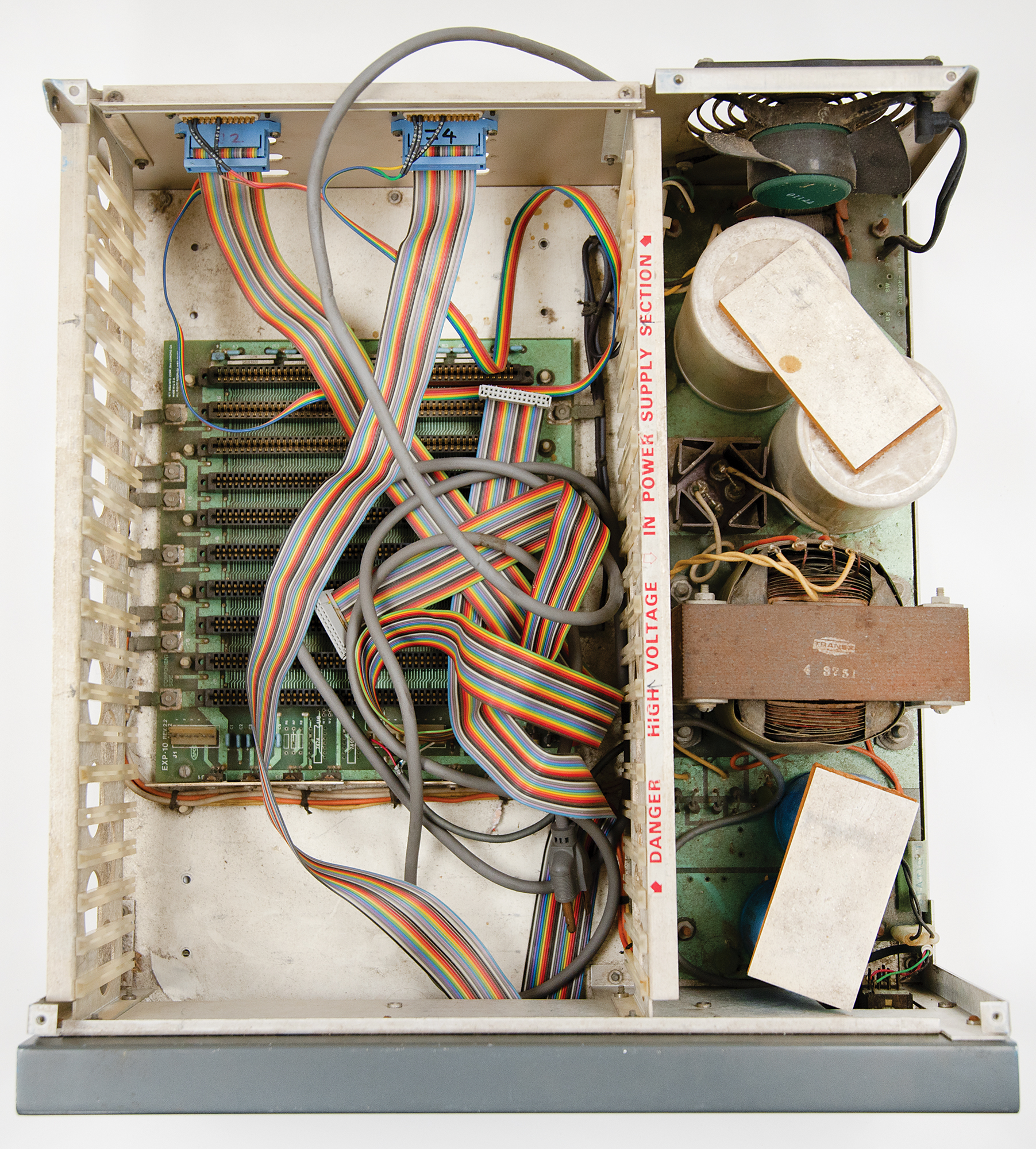
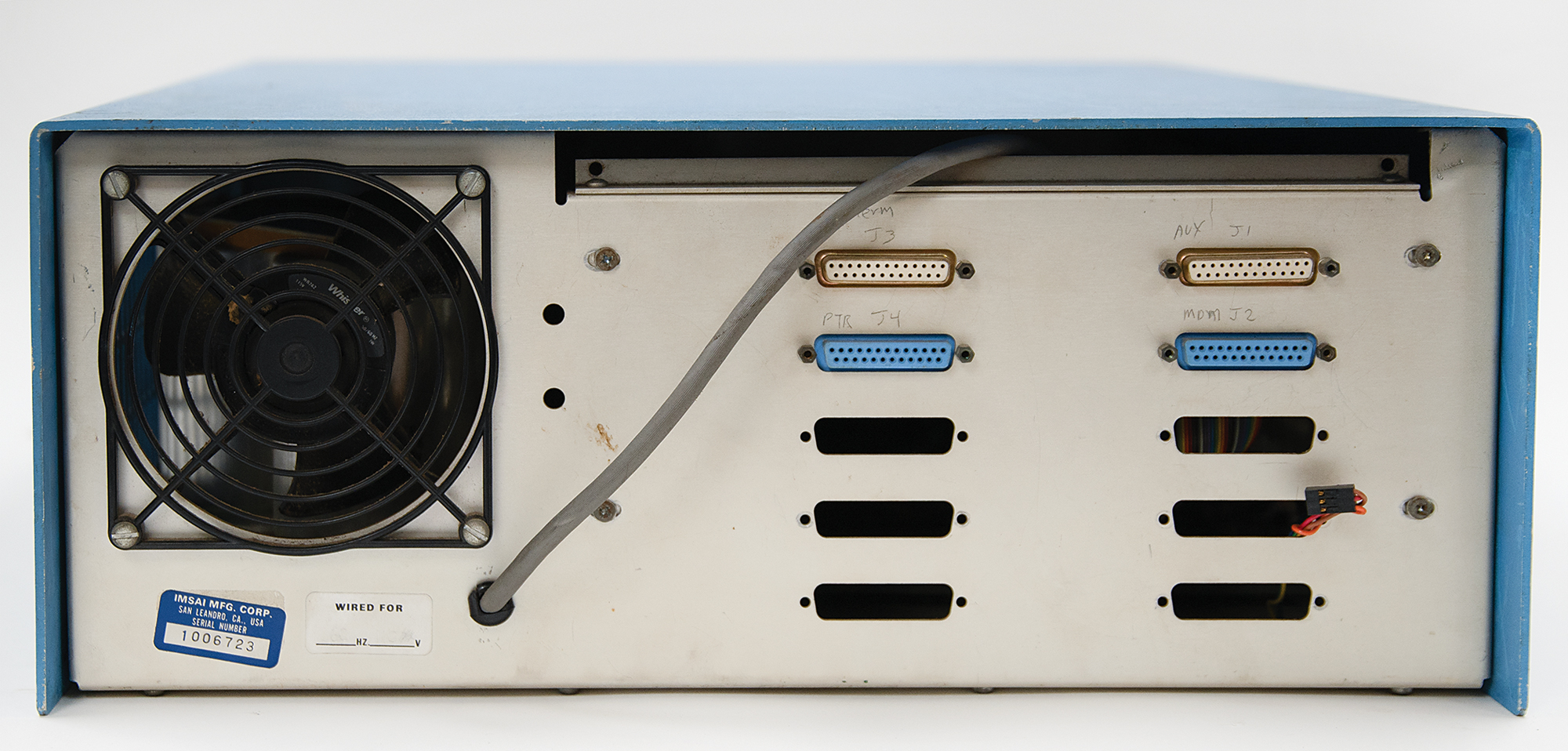
- IMSAI 8080 in turnkey chassis (1975) – Fully functional
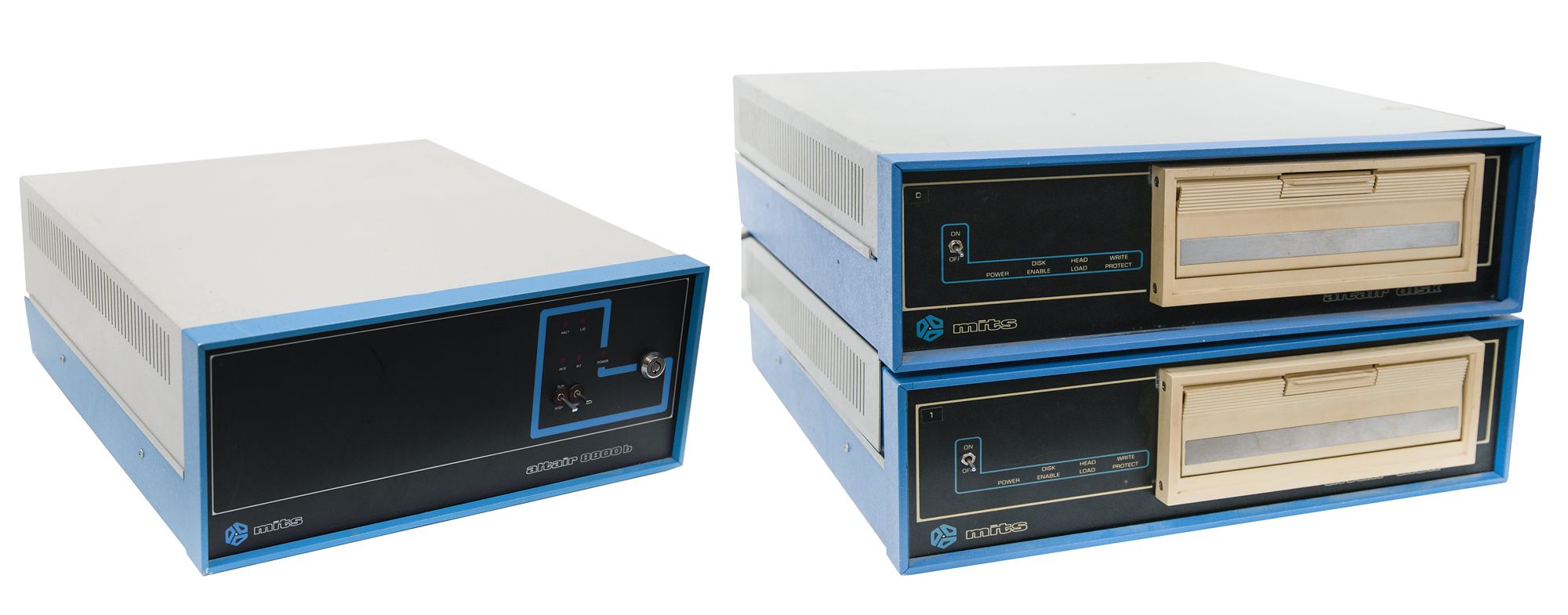
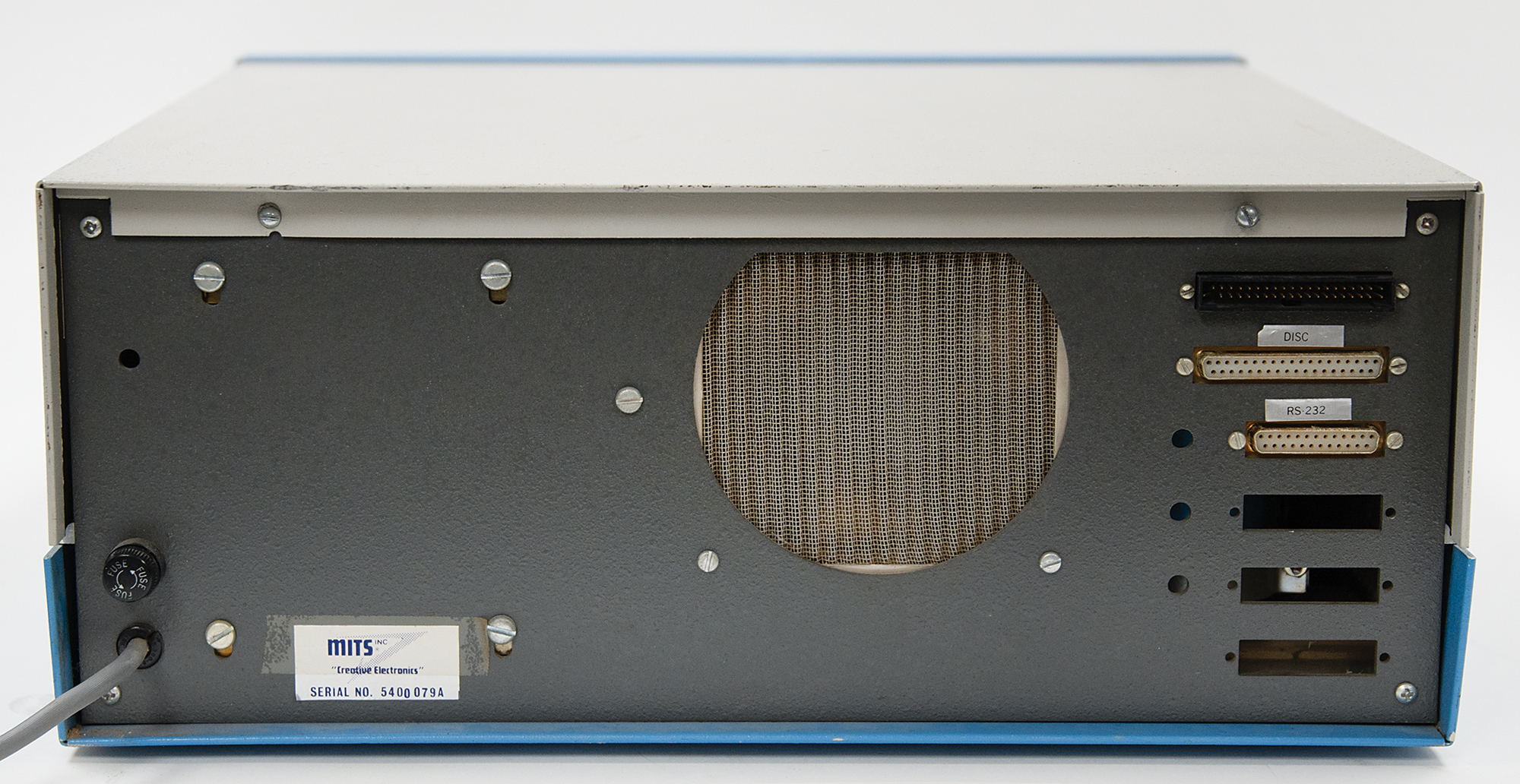
- MITS Altair 8800b (1976) with two drives, manuals, and cassettes – Fully functional, except for disk subsystem
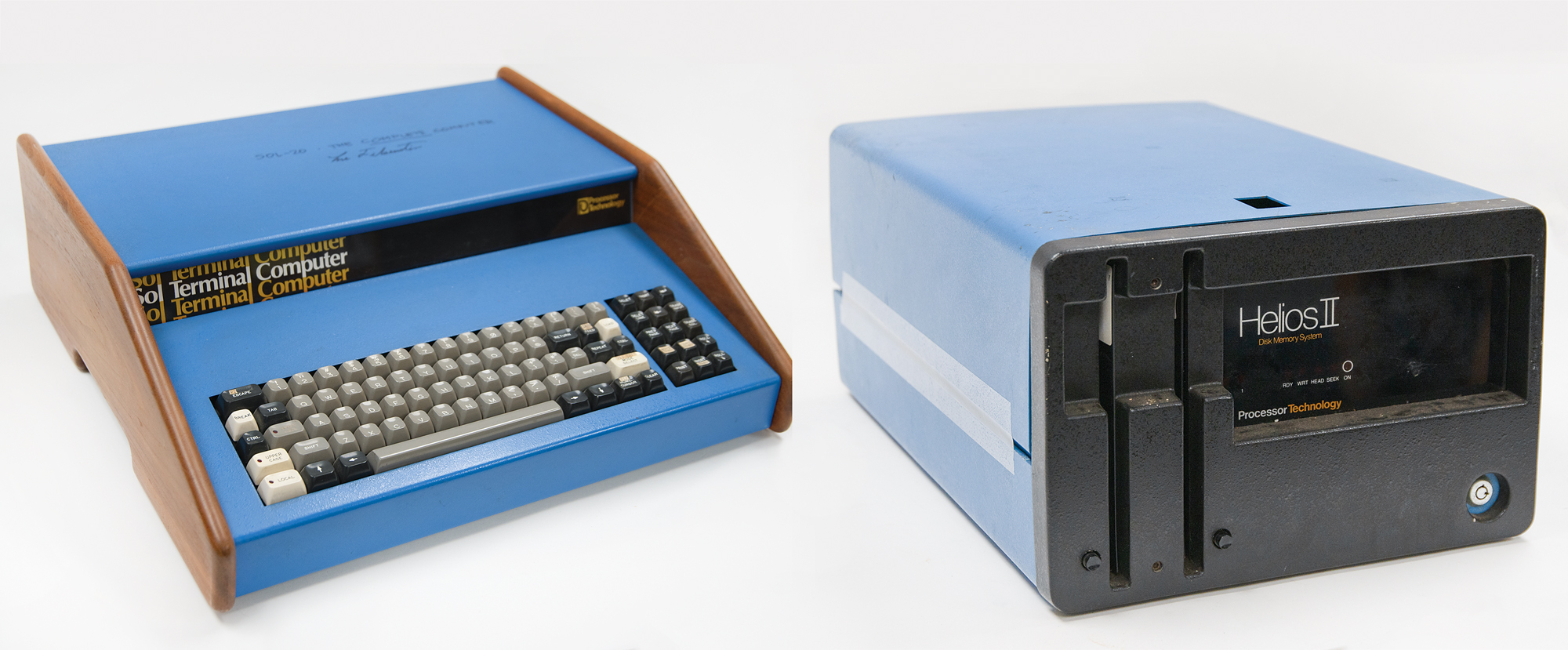
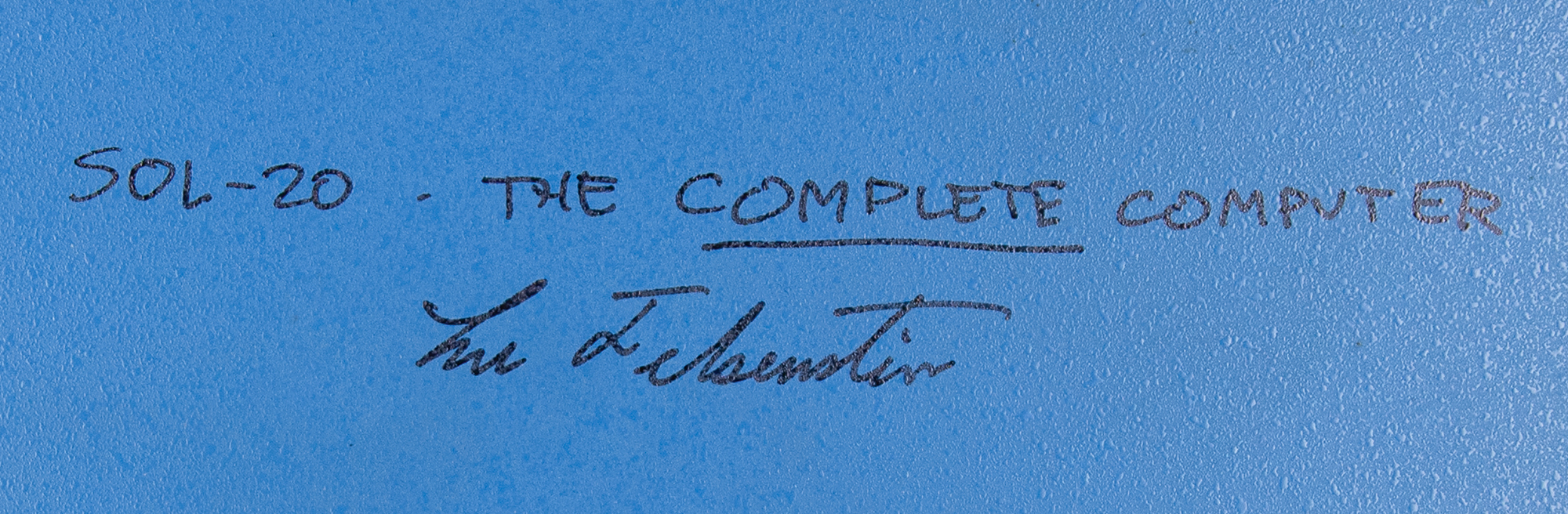
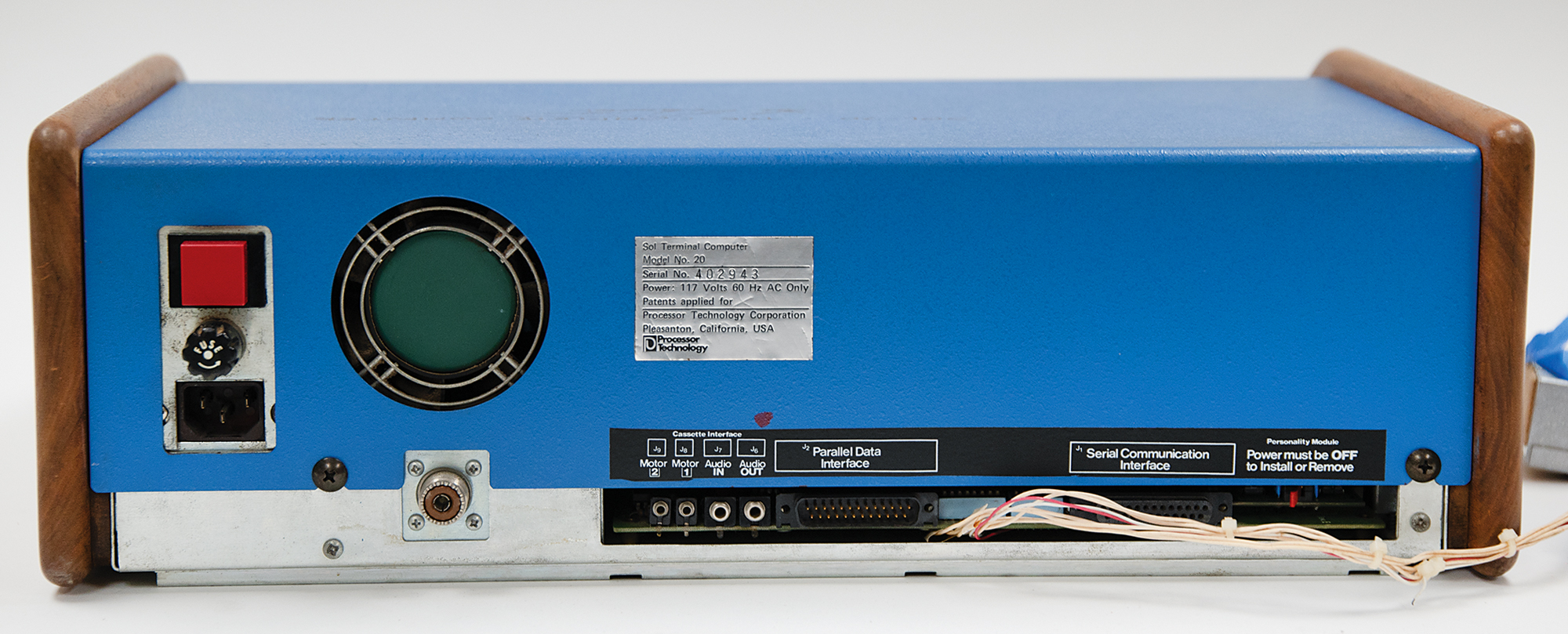
- Processor Technology SOL-20 (1976), signed by Lee Felsenstein, “SOL-20 – The Complete Computer,” includes Helios II Disk Memory System – Sol-20 is restored and fully functional; Helios system is complete but untested
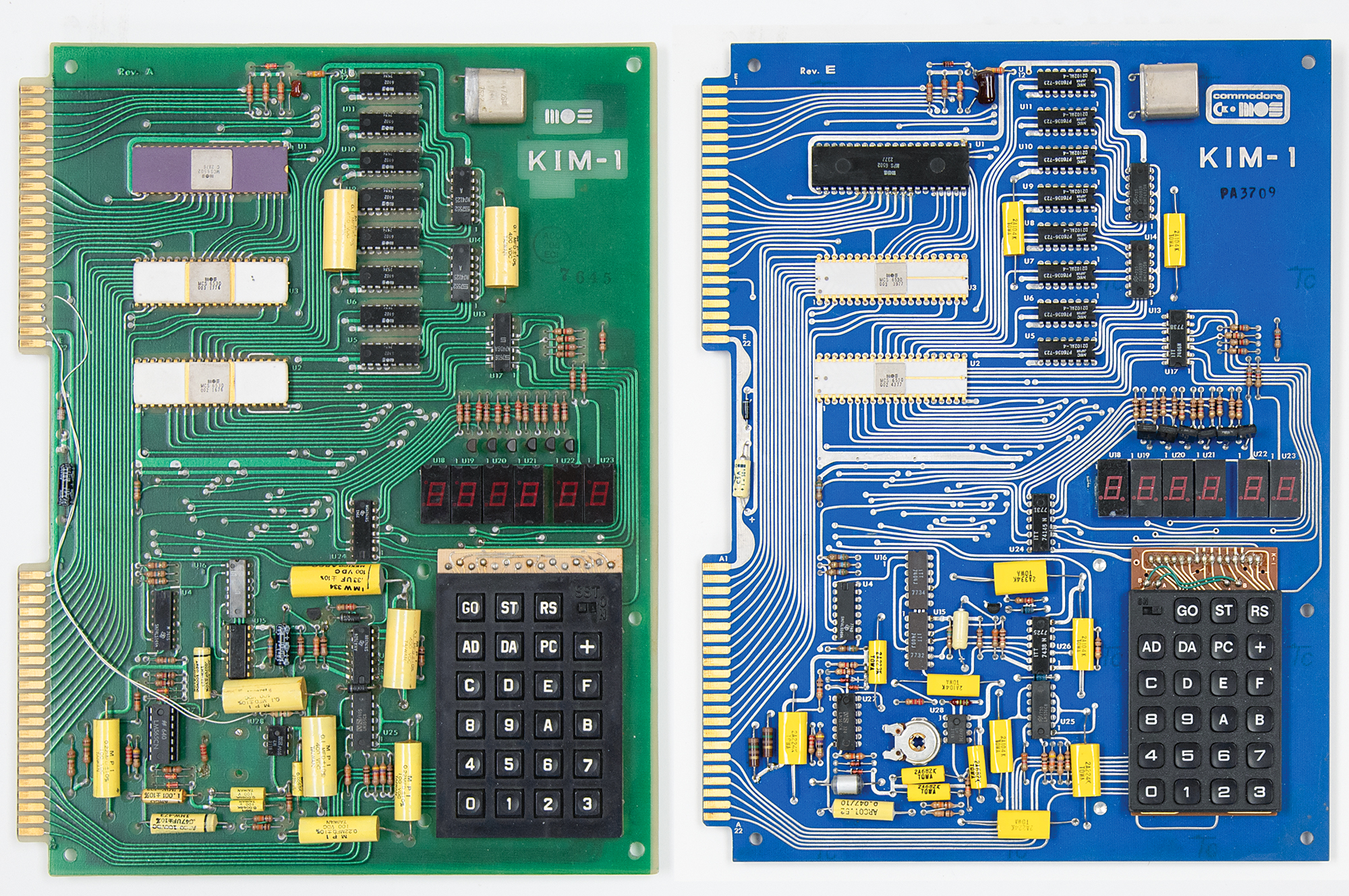
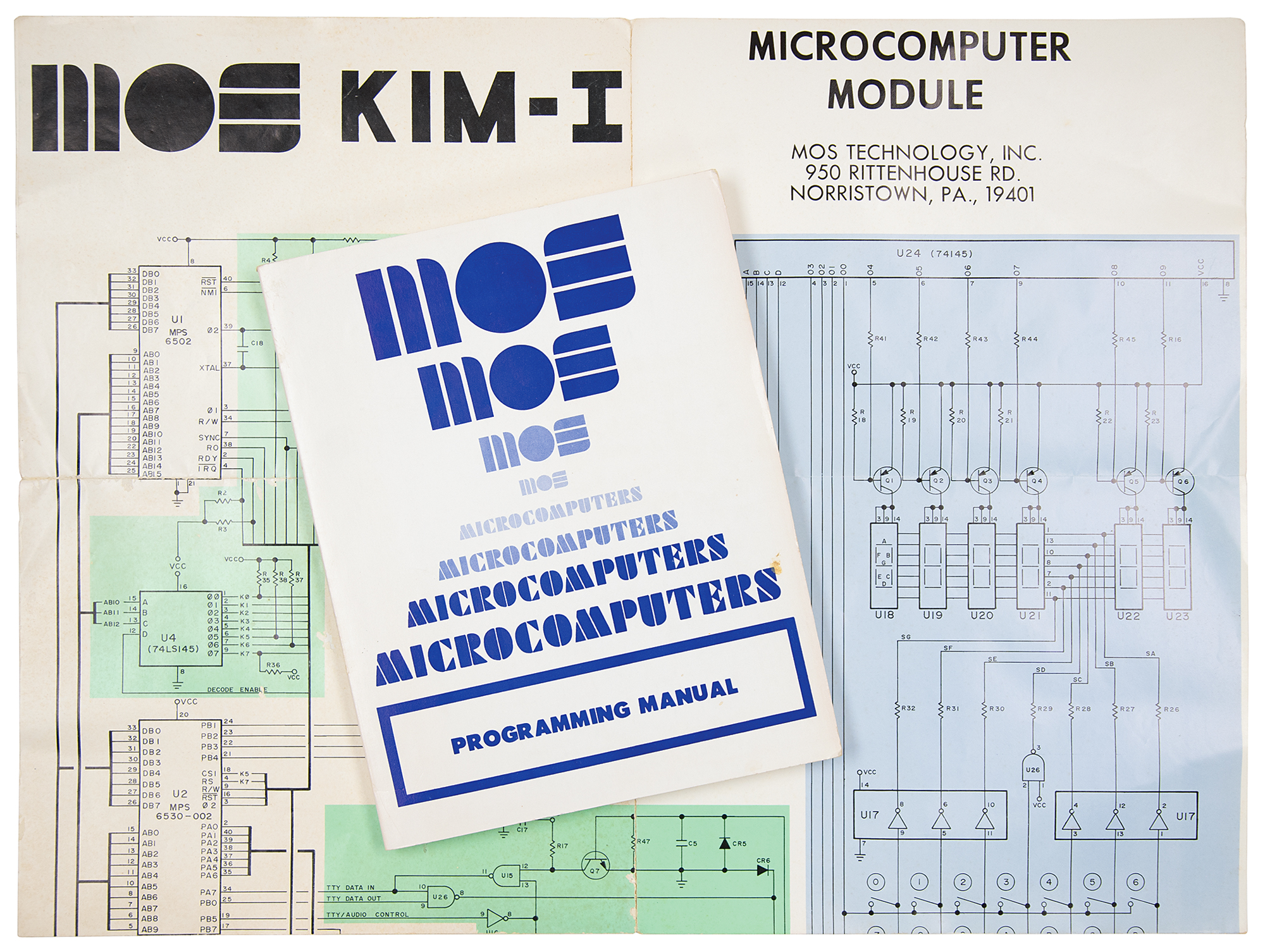
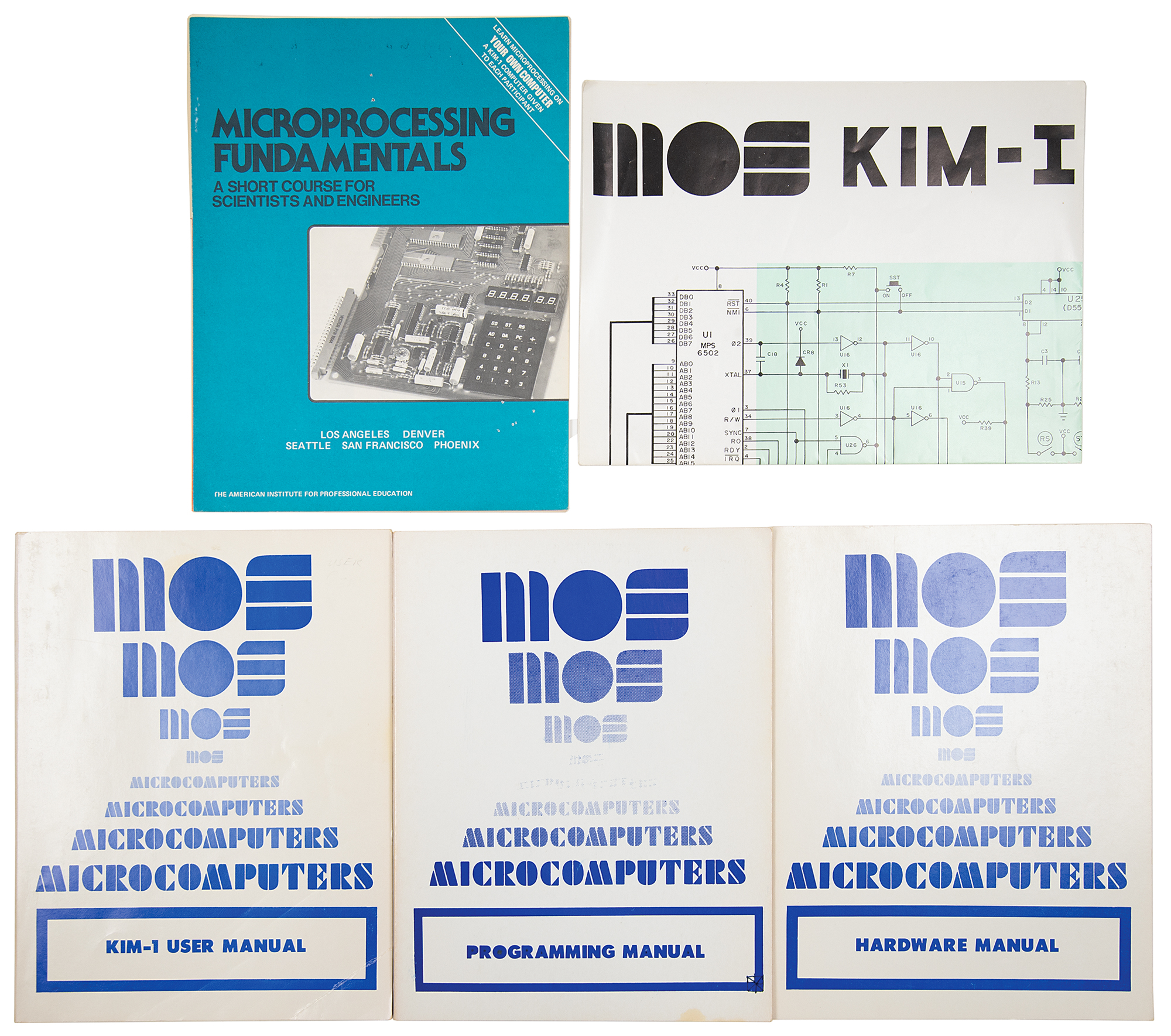
- Two (2) Commodore KIM-1 single-board computers (1976-1977): green Revision A and blue Revision E, with manuals and schematics – Both worked when last tested
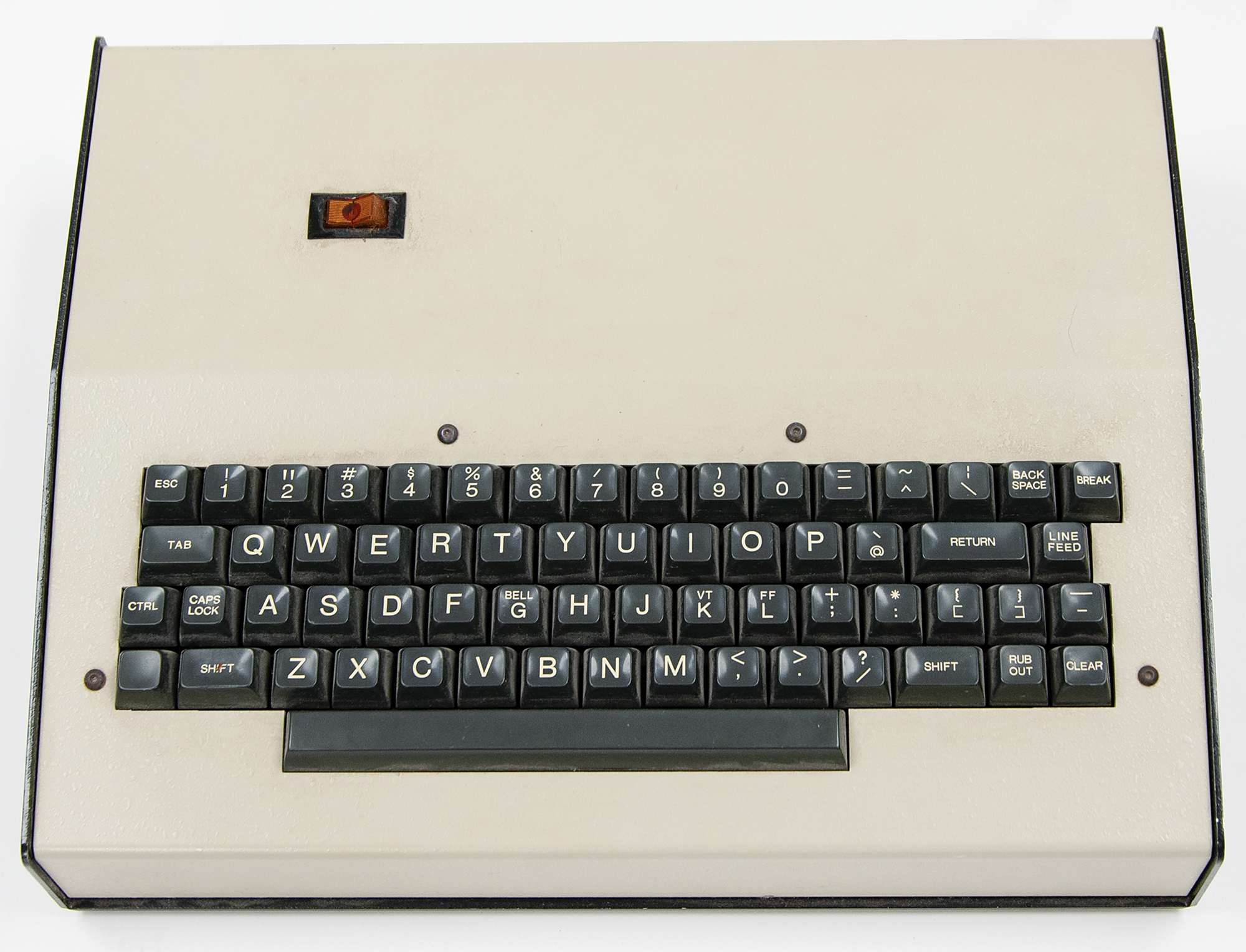
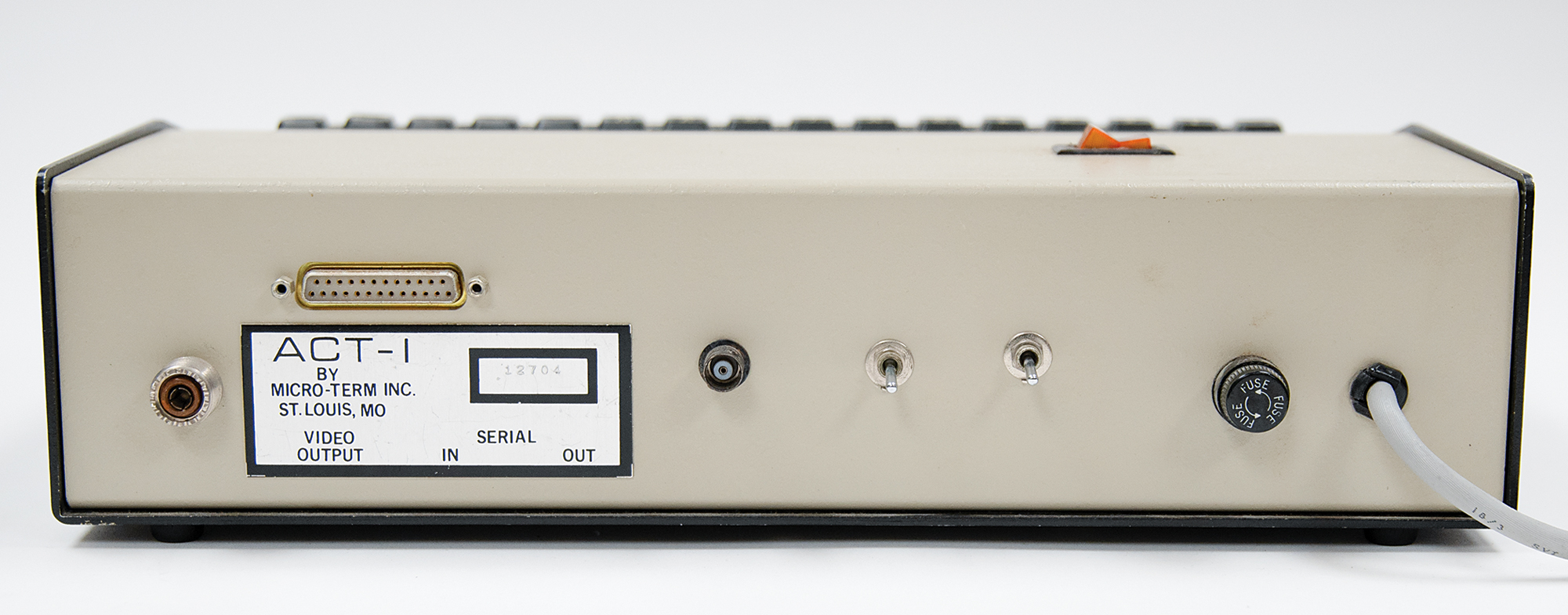
- Micro-Term ACT-1 (Affordable Computer Terminal), c. 1976 – Untested
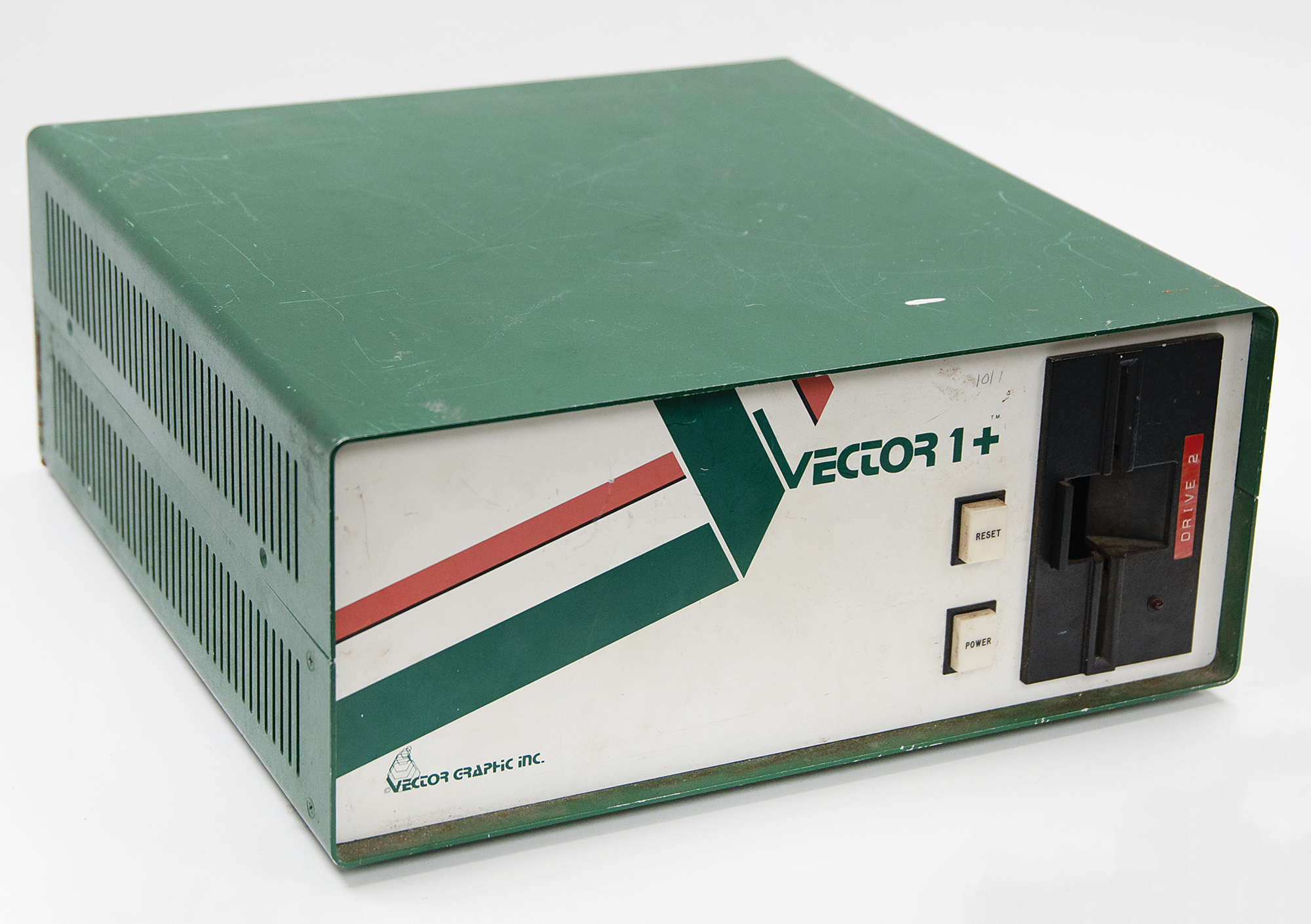
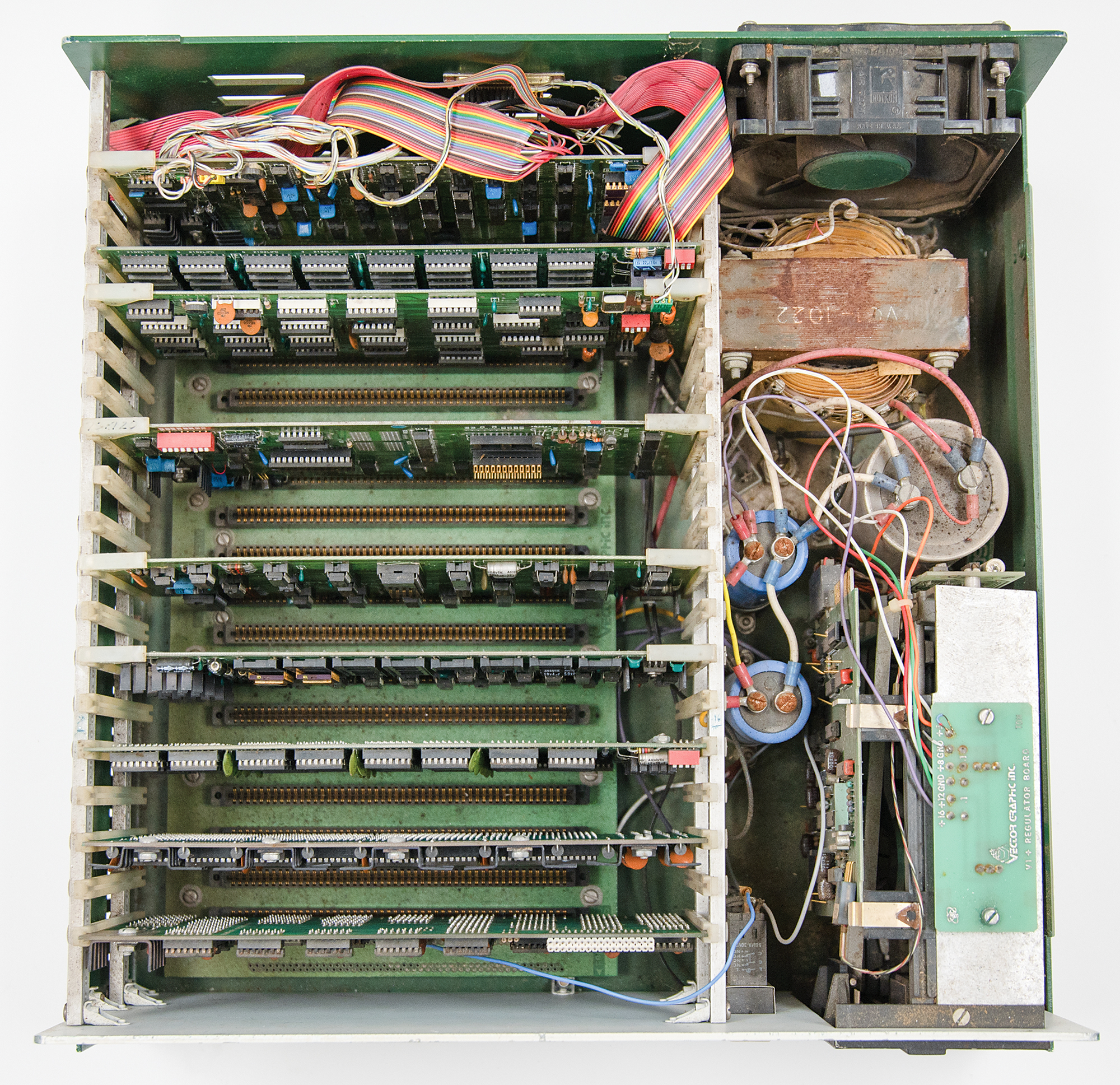
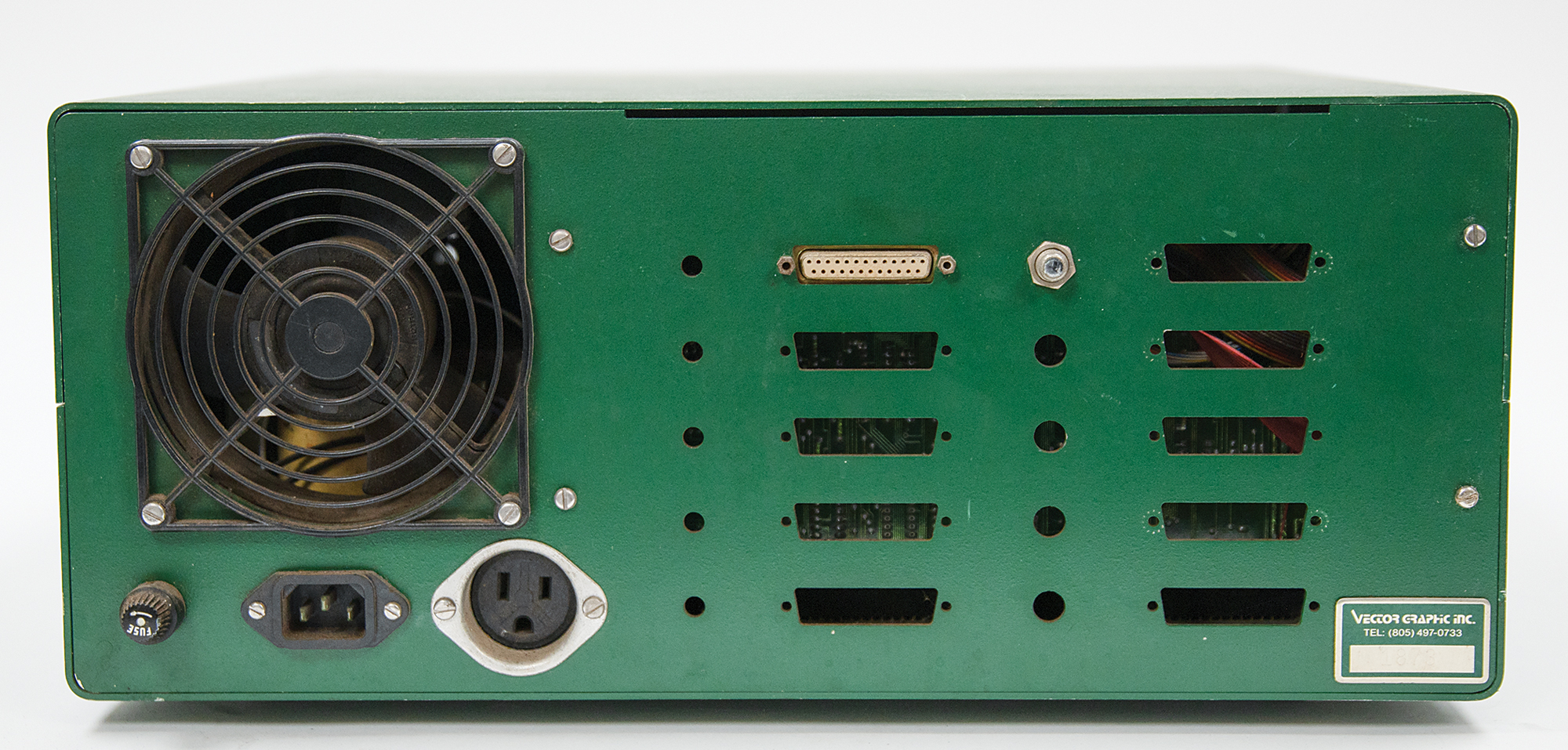
- Vector Graphic Vector 1 (1977), with manuals and hard drive – Incomplete
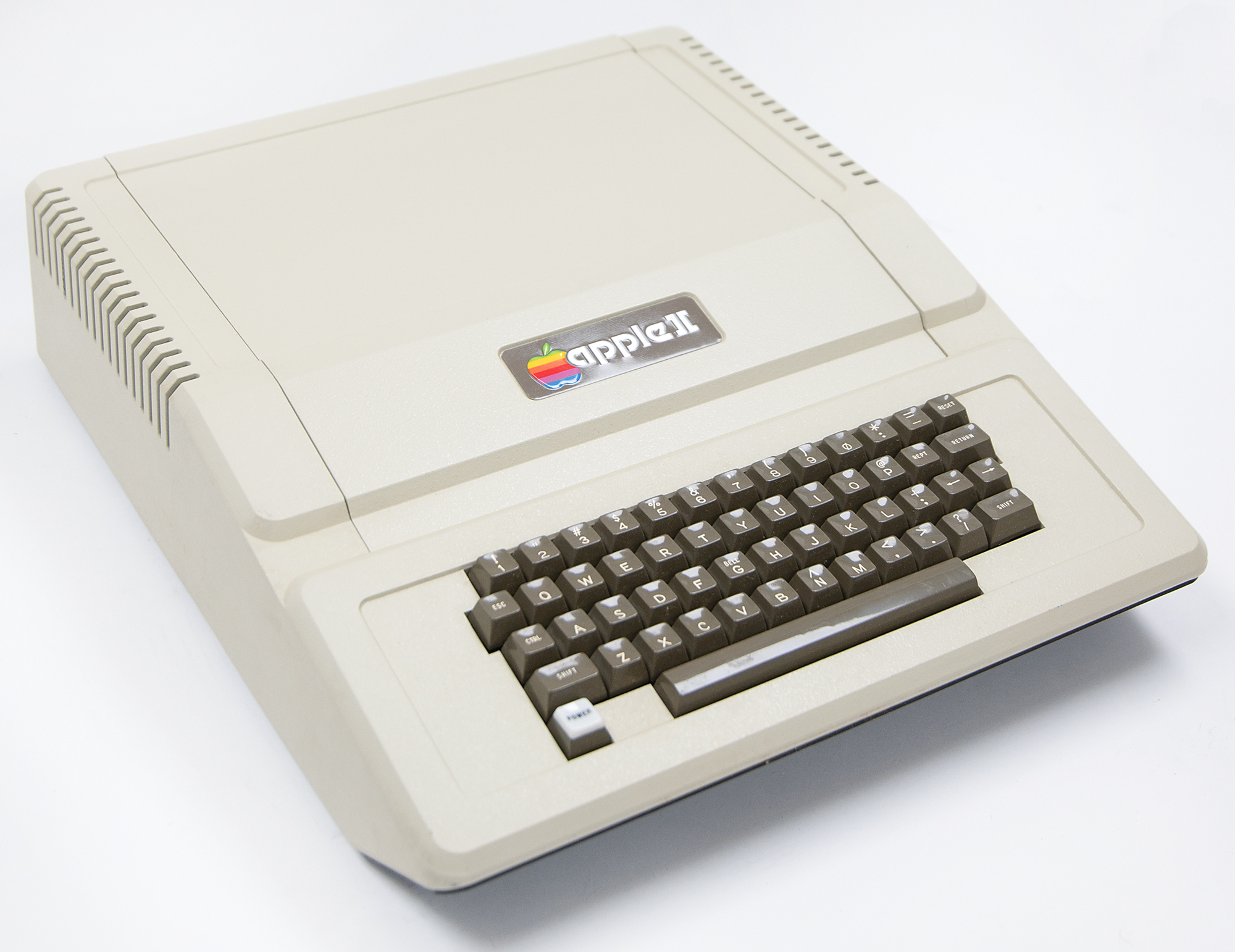
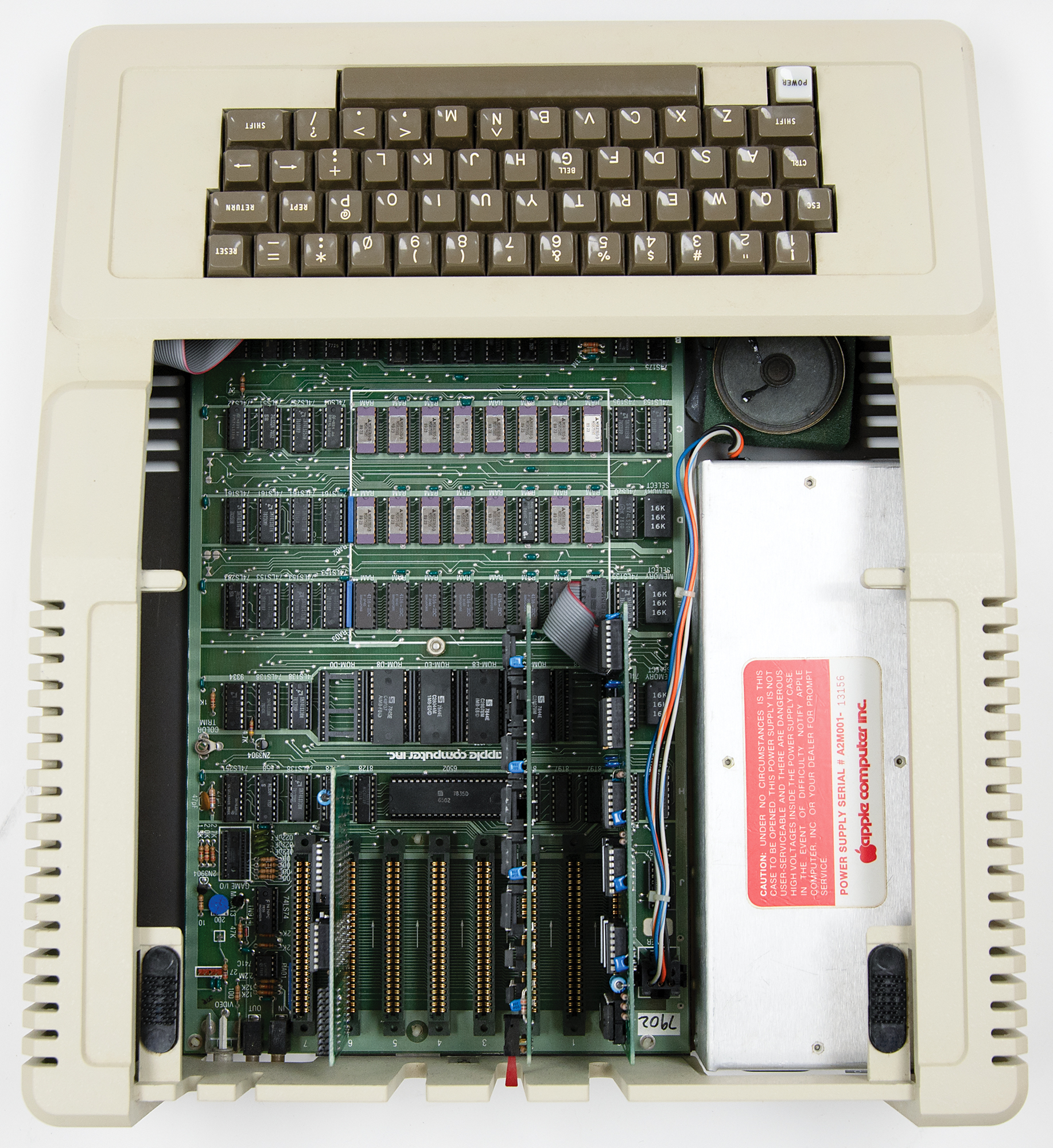
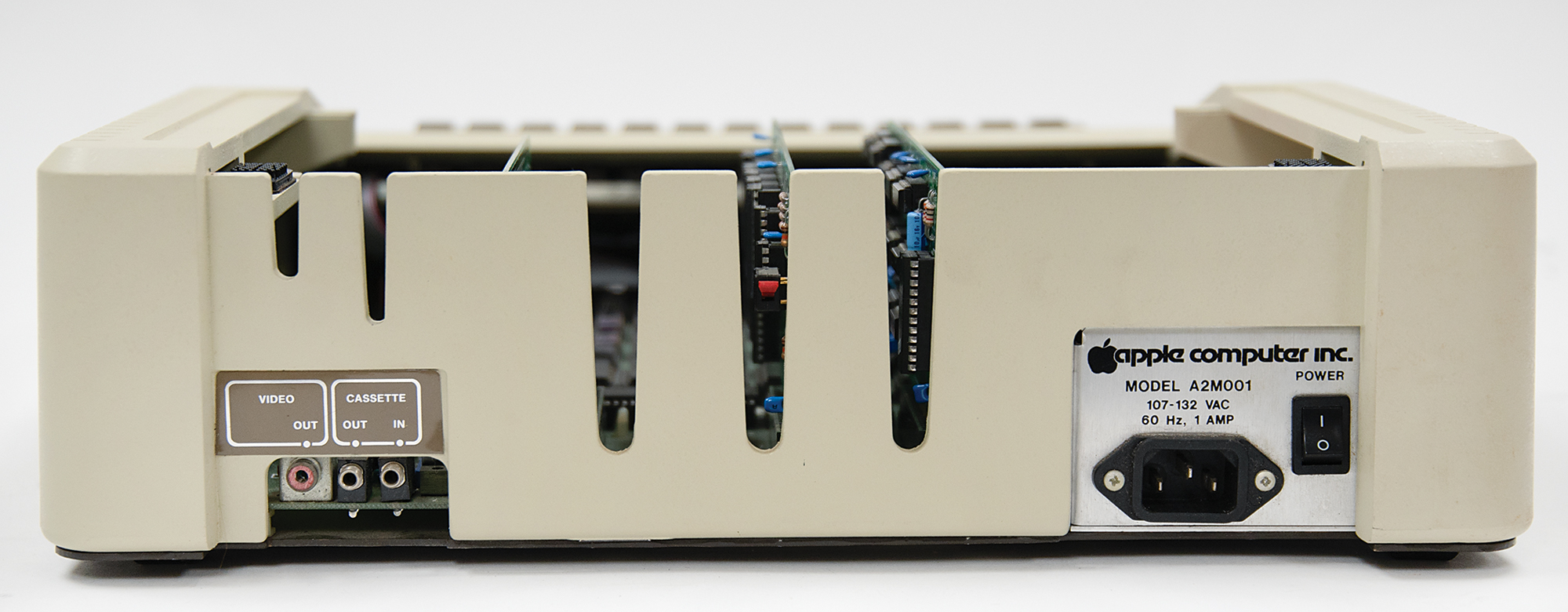
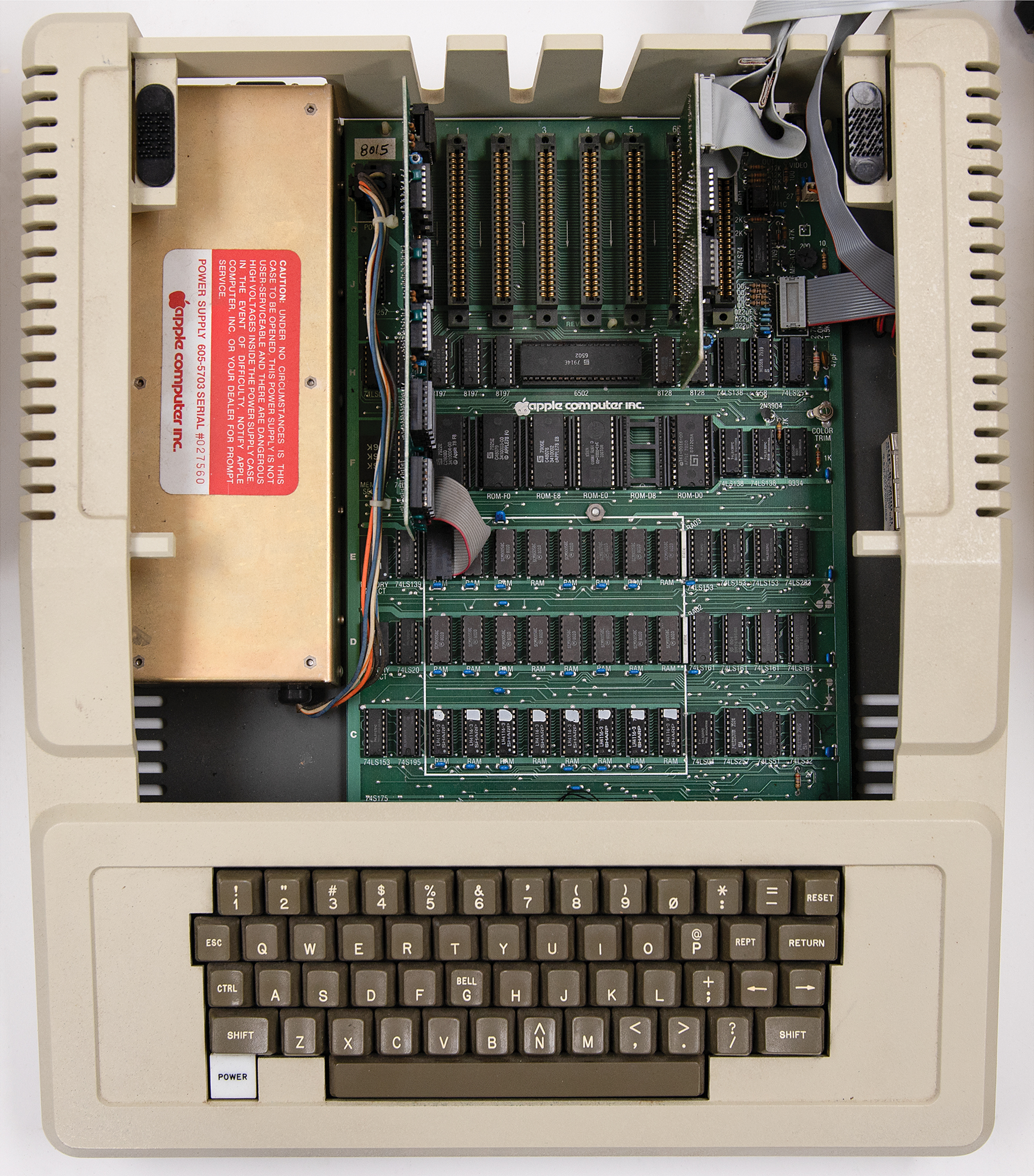
- Apple II (1977), with original box, cables, manuals, and RGB interface card – Fully functional, some keys may stick
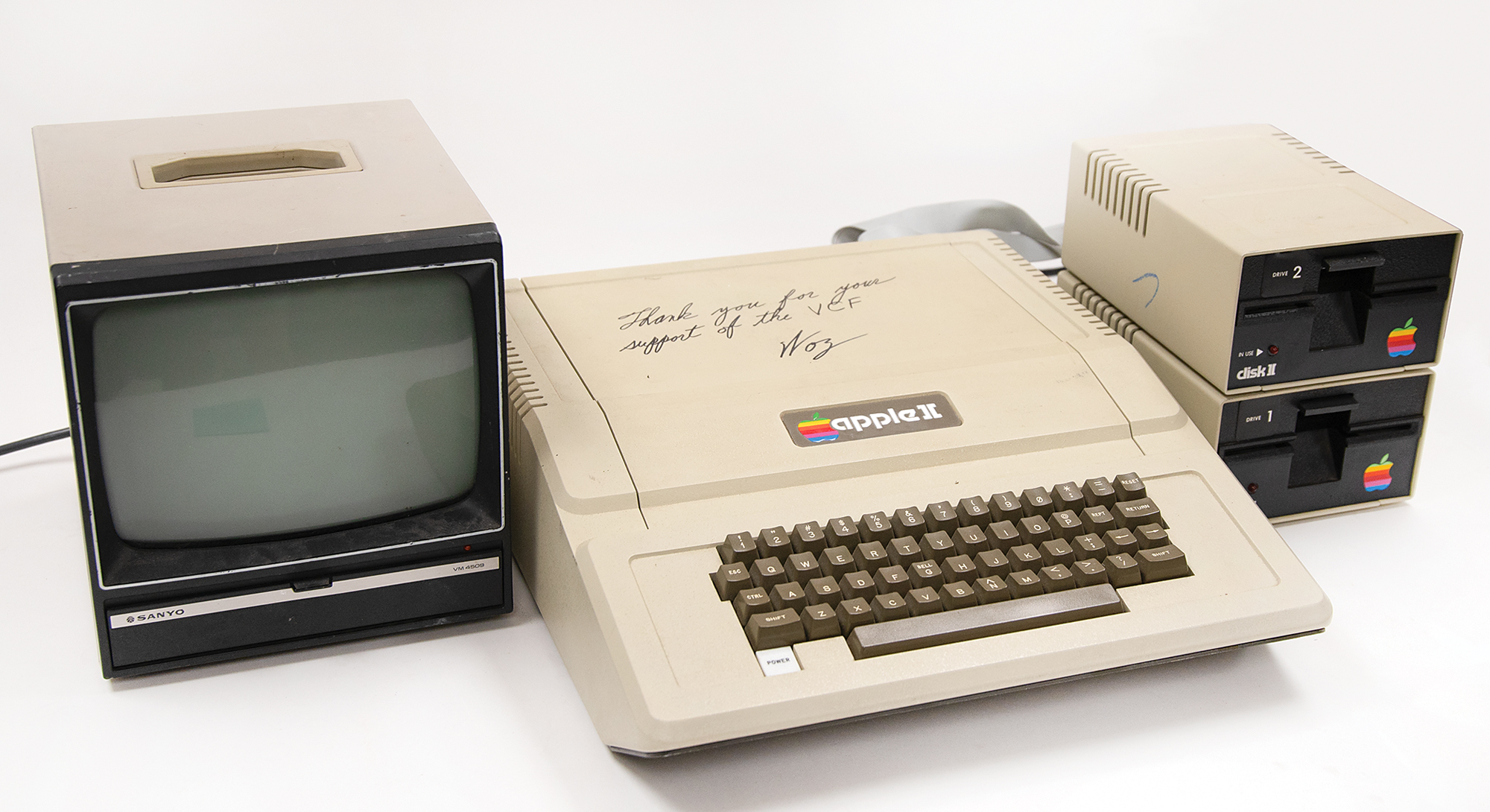
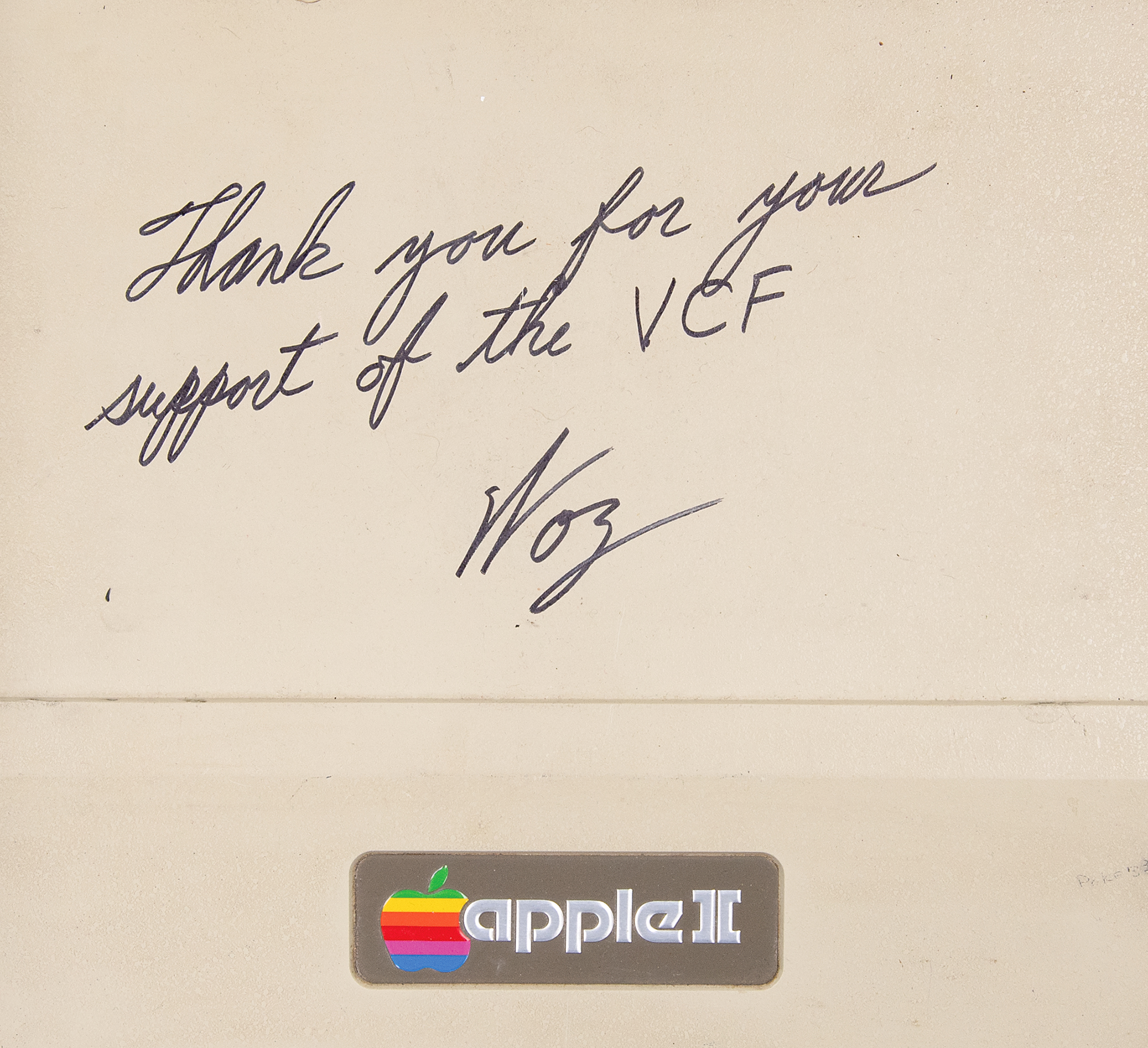
- Apple II (1977), signed by Steve Wozniak, “Thank you for your support of the VCF, Woz,” with two disk drives, cables, and a Sanyo monitor – Fully functional
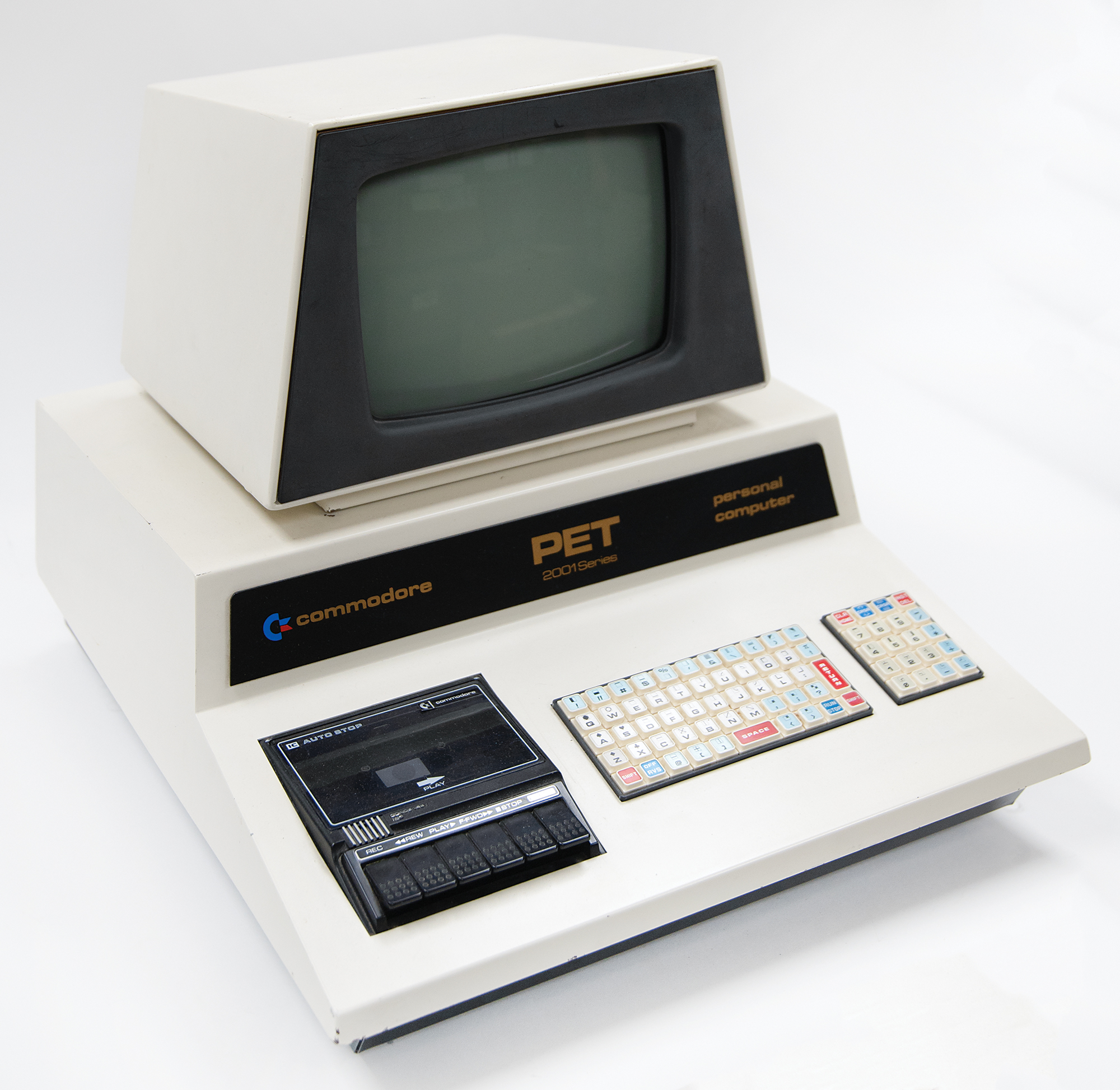
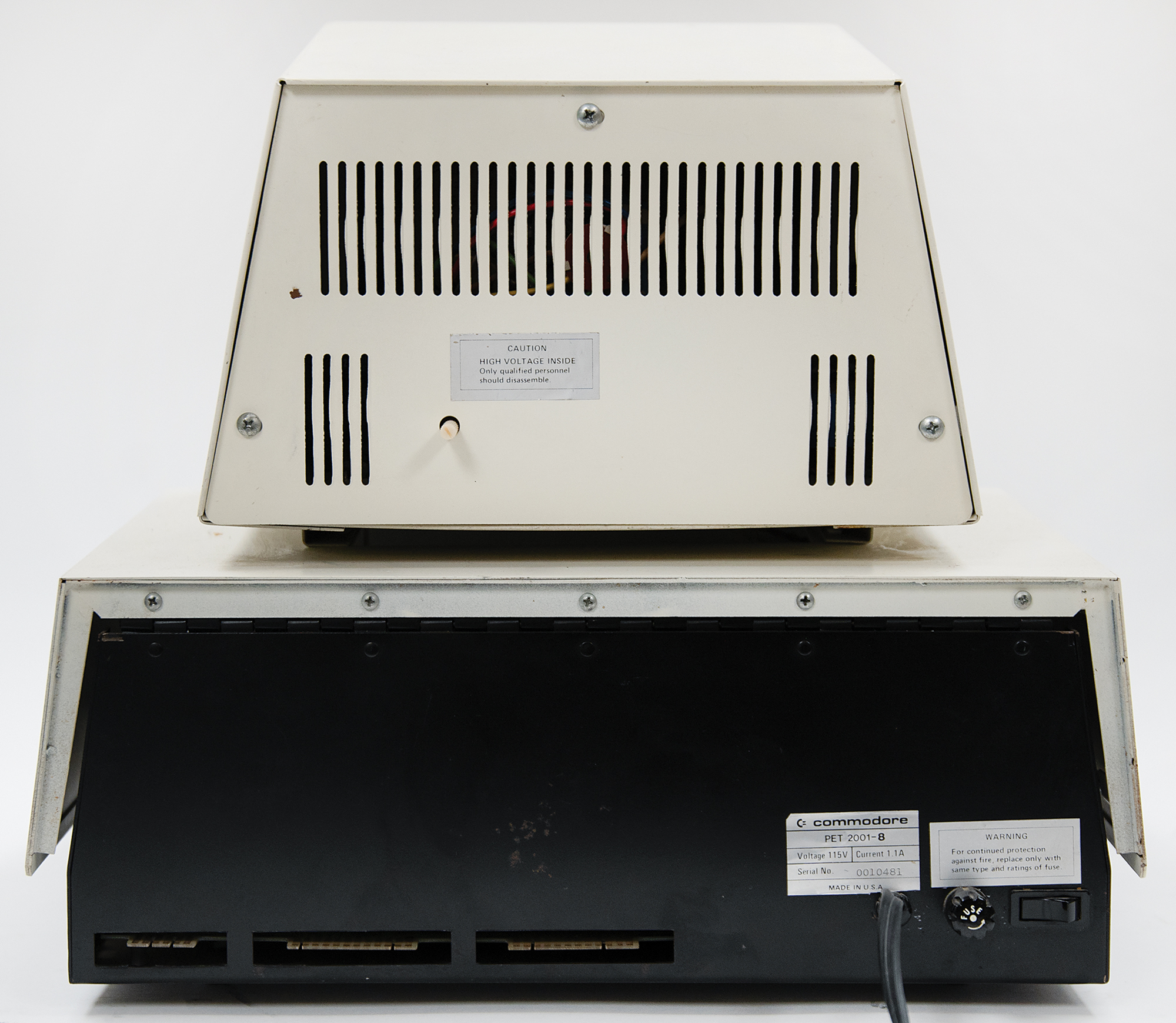
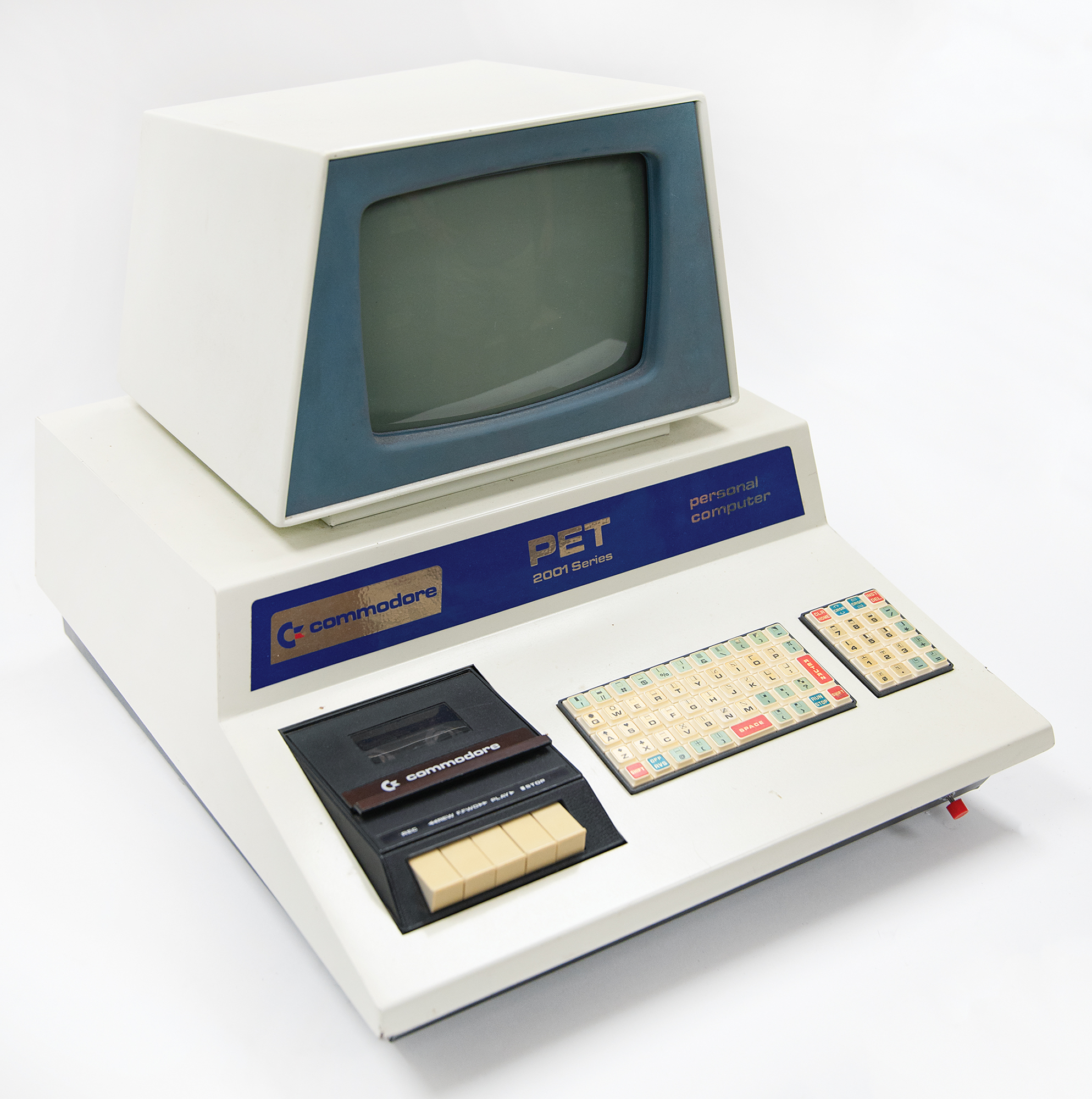
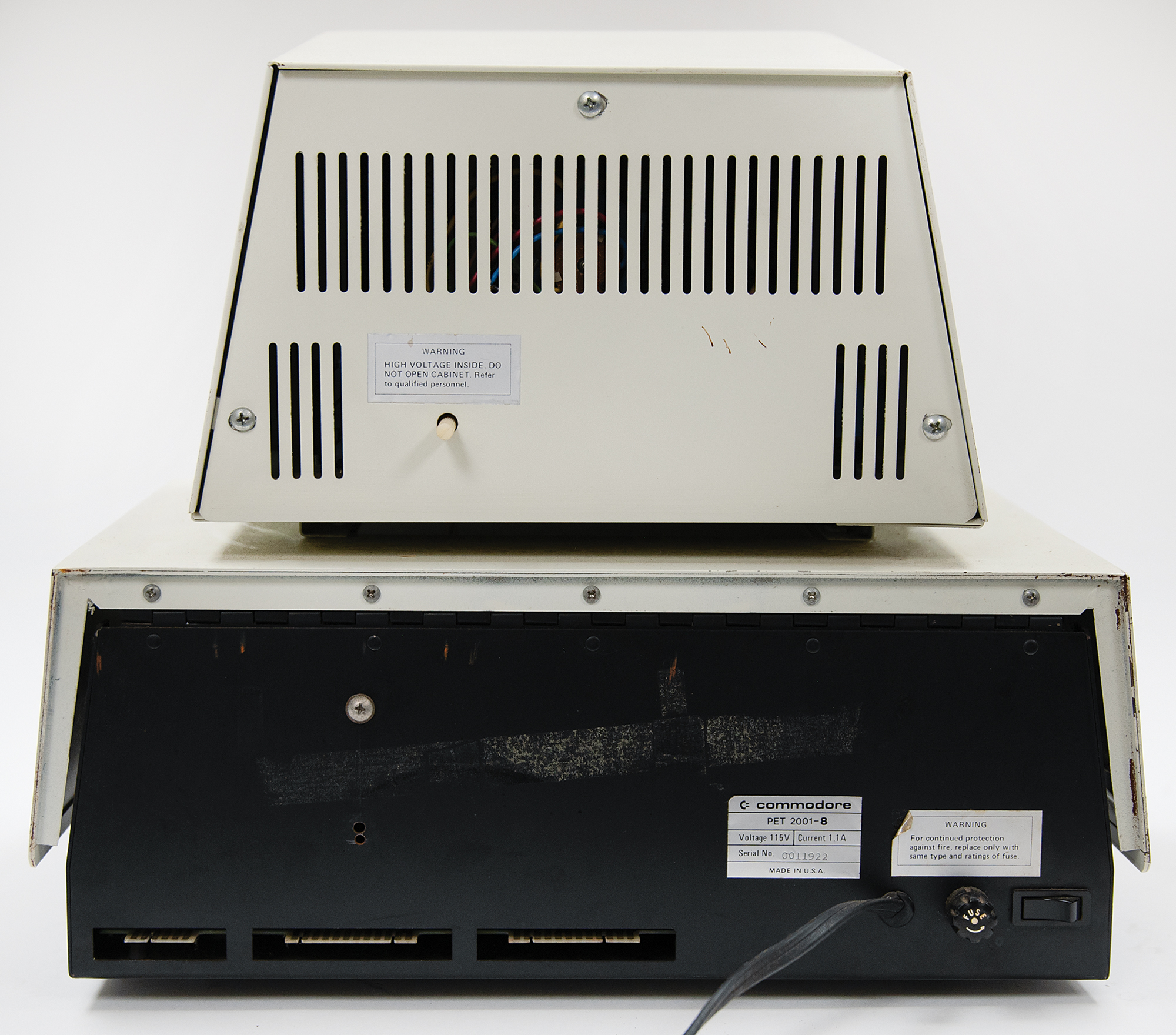
- Two (2) Commodore PET 2001-8s (1977–78), Serial Nos. 0011922 (1977) and 0010481 (1978), with user’s manual, PET BASIC manual, and (50+) PET/TRS-80 cassette tapes – Both fully functional
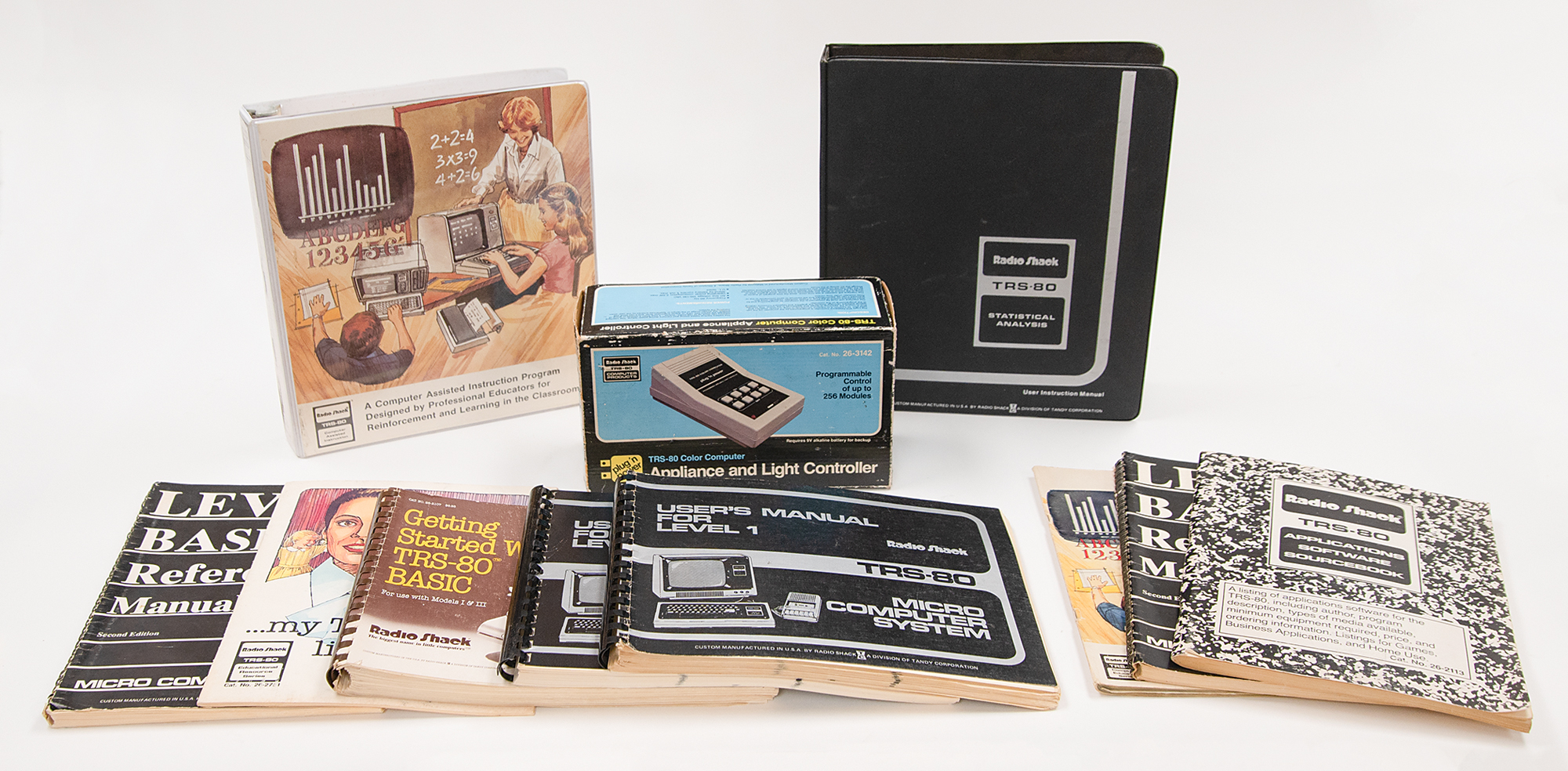
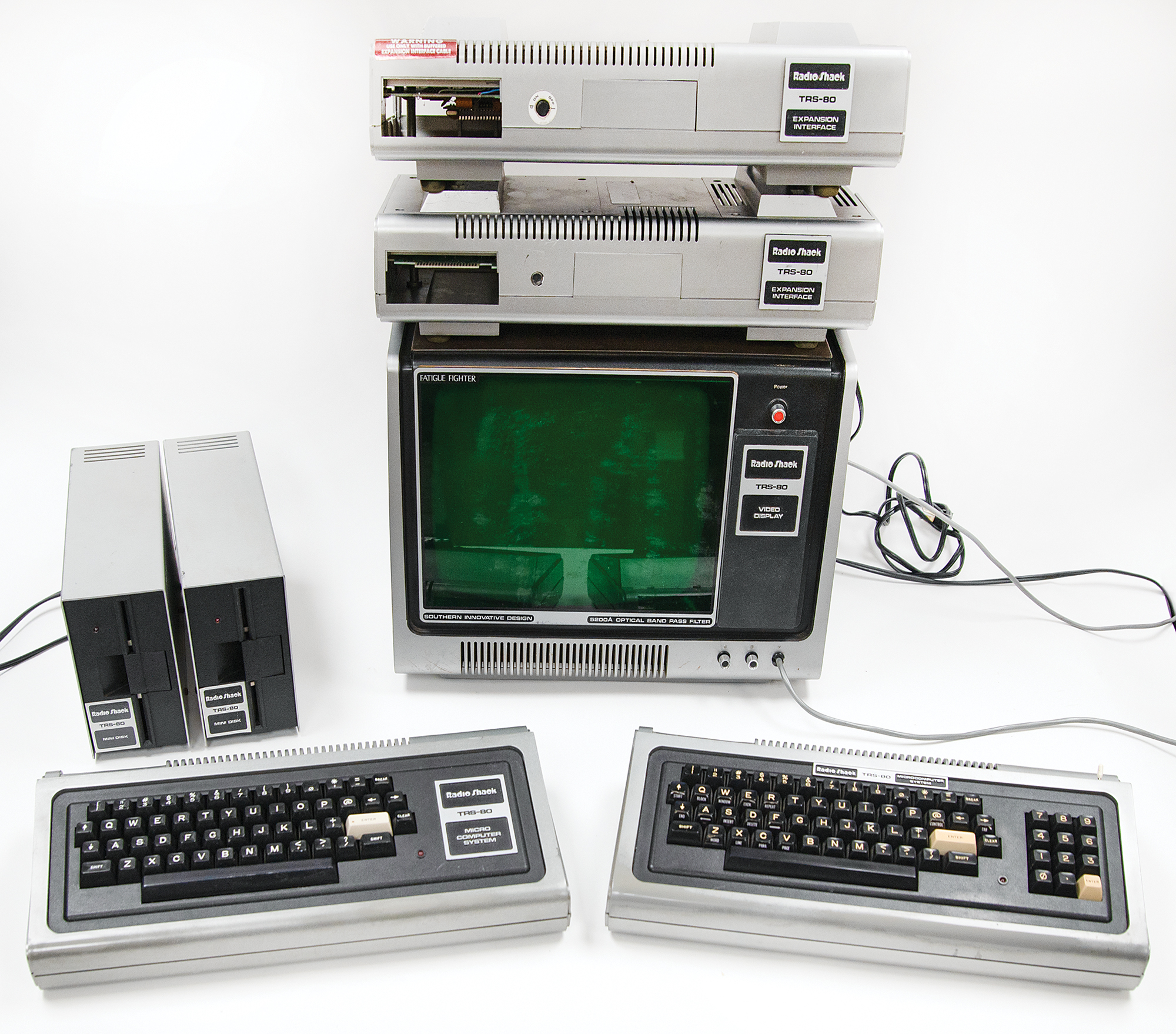
- Two (2) Radio Shack TRS-80 Model I systems (1977), with two mini drives, two expansion interfaces, an Appliance and Light Controller, manuals, software, and a monitor – Fully functional
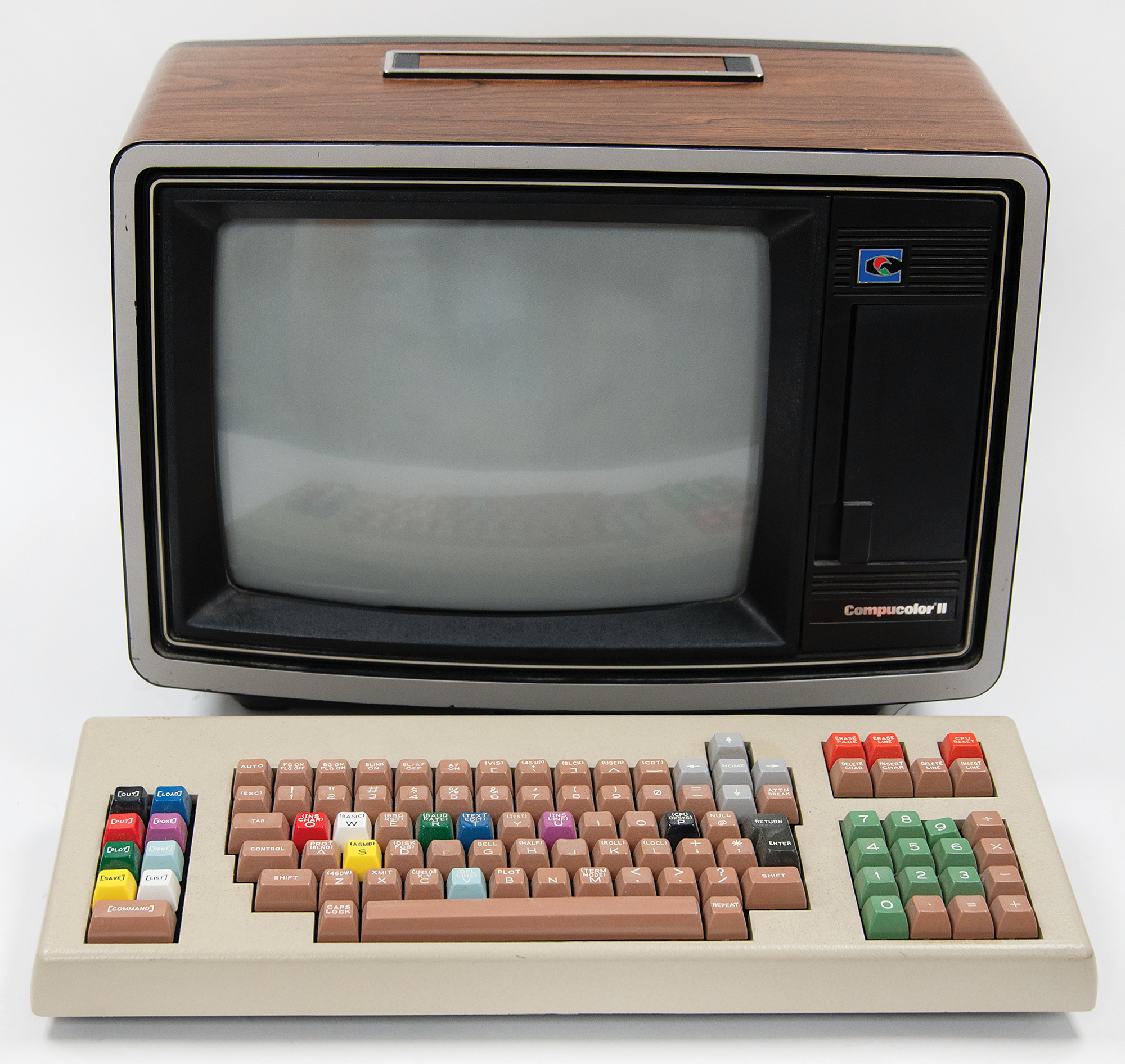
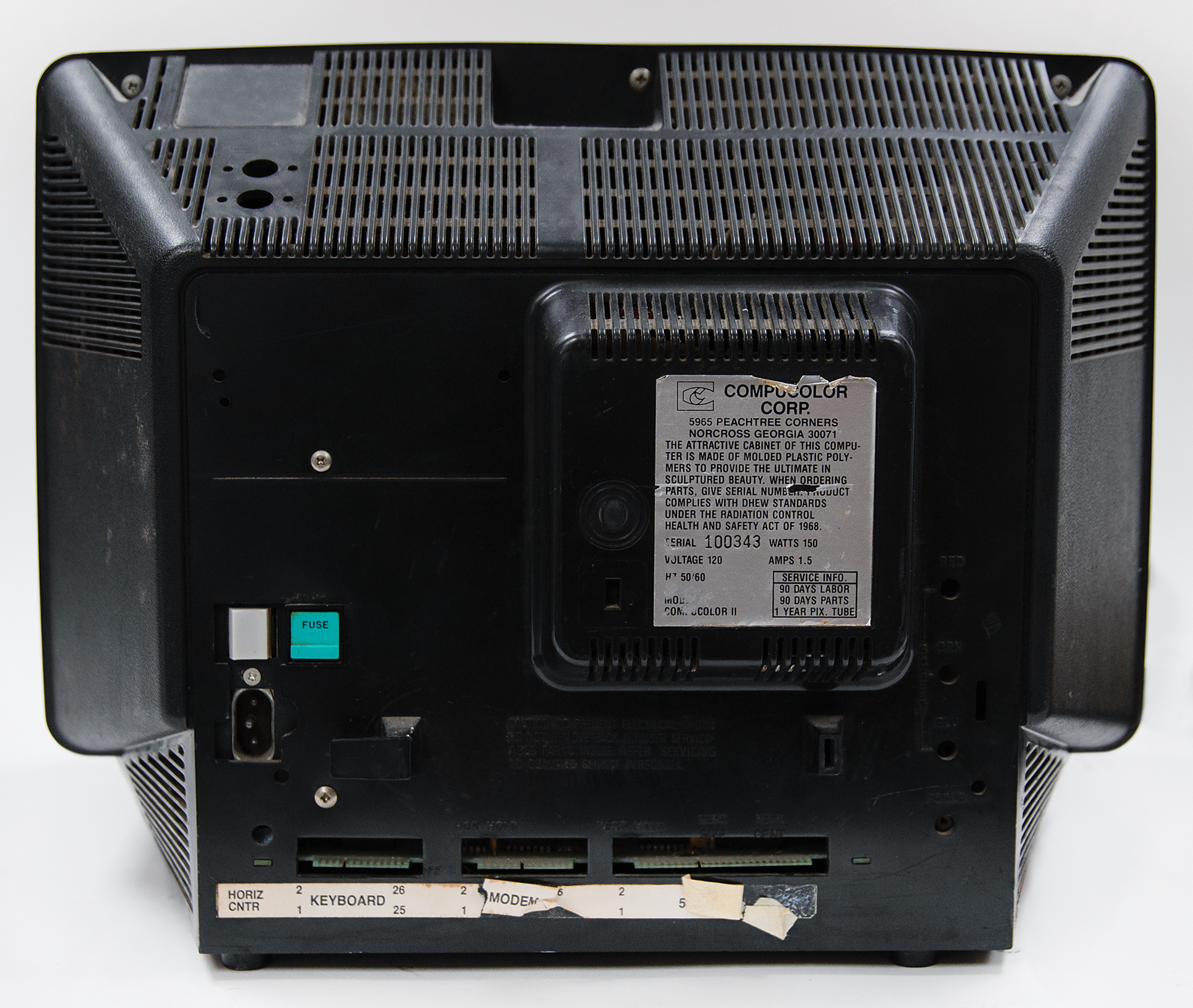
- Compucolor II (1977), with keyboard, disks, manual, and schematics – Digital side functional; analog (TV) side in need of repair
- North Star Horizon (1977), with manuals – Boots to error alarm
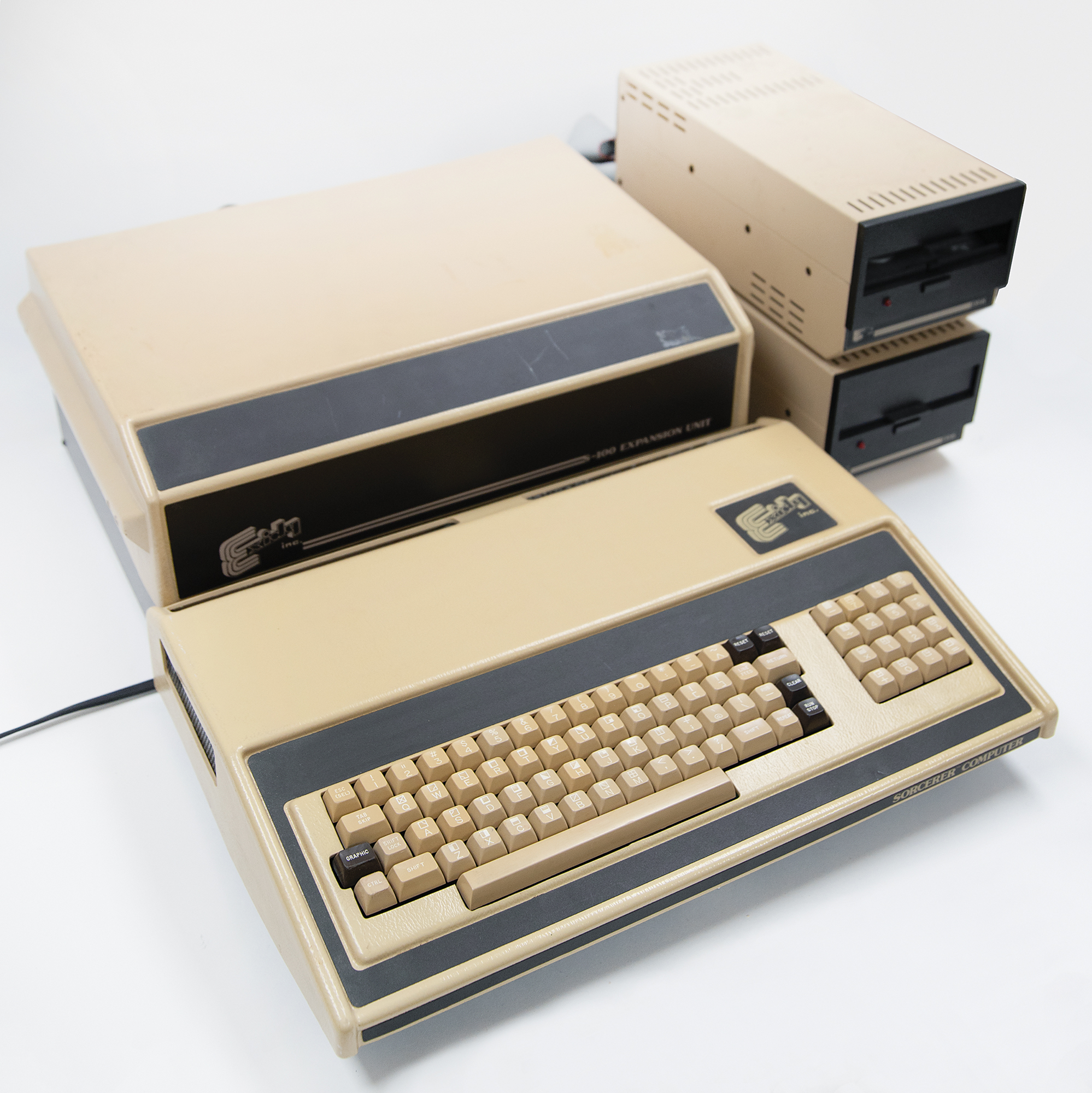
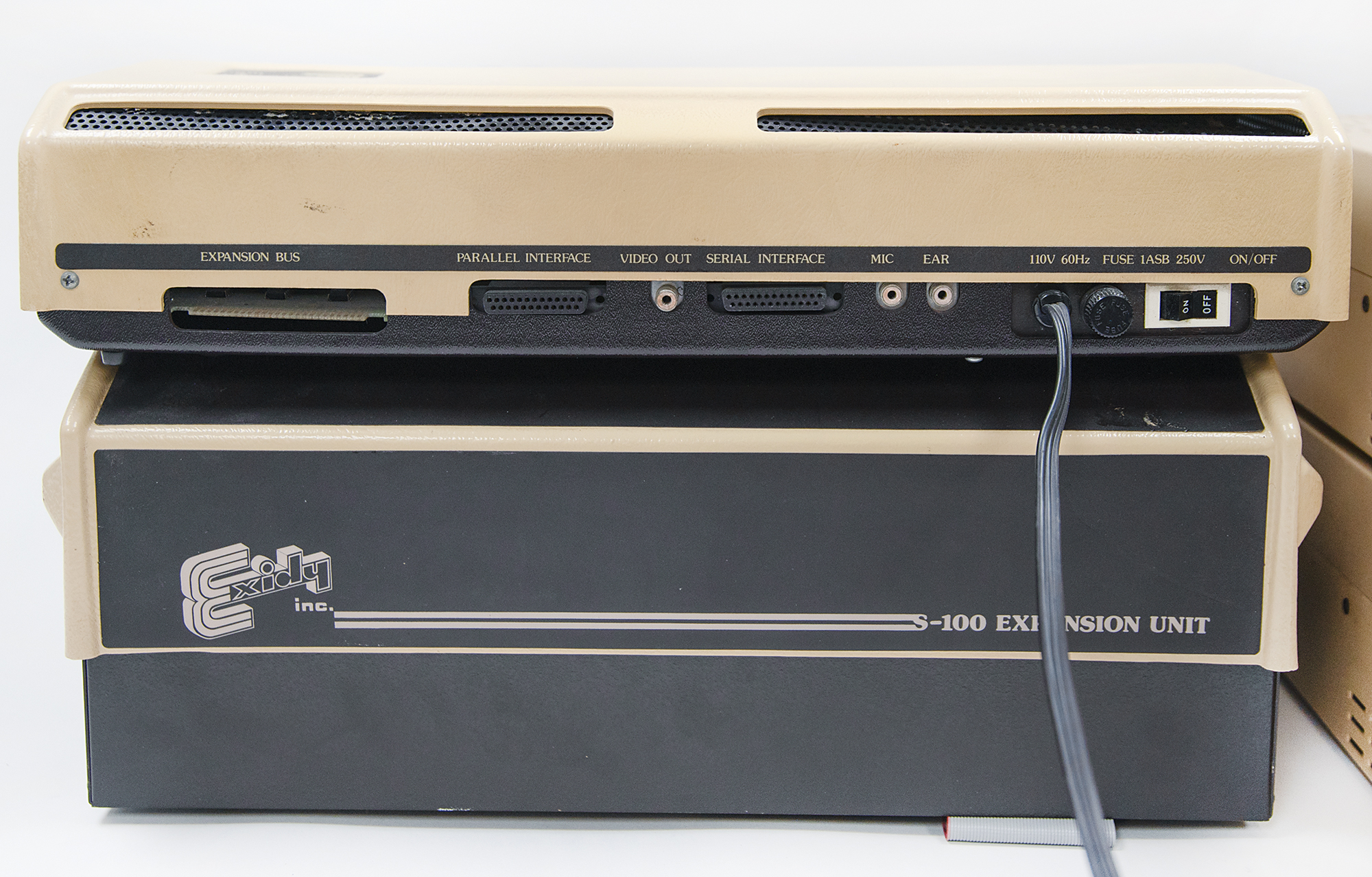
- Exidy Sorcerer (1978), with expansion unit and drives – Fully functional; S-100 expansion not tested
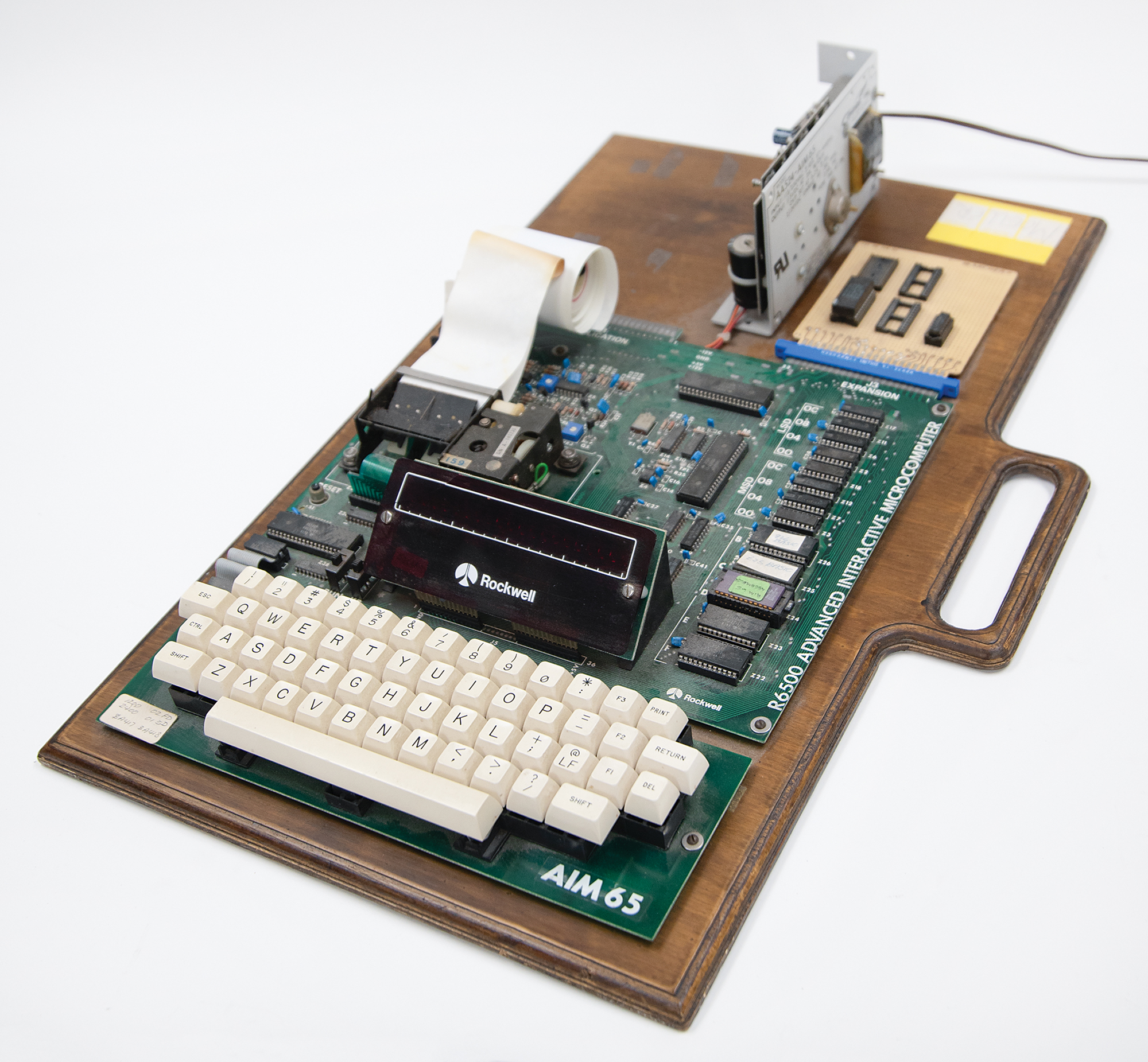
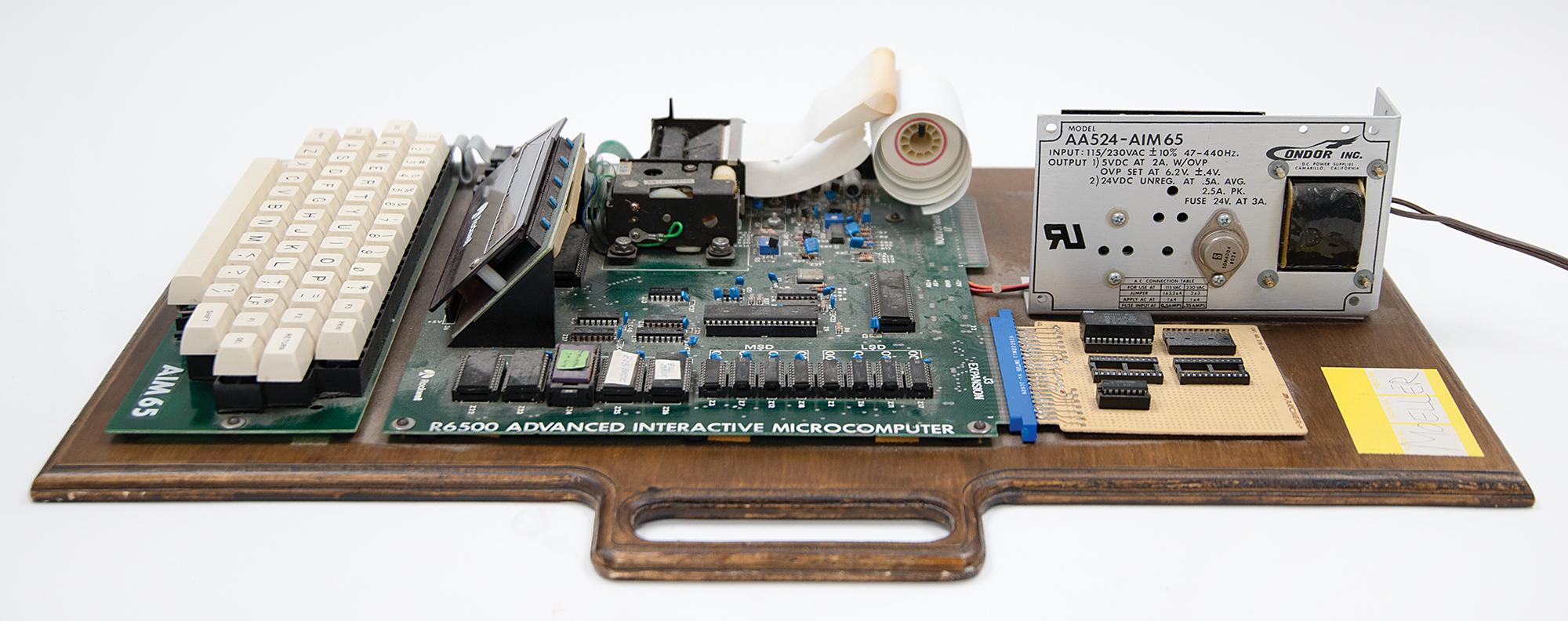
- Rockwell AIM-65 (1978) – Fully functional when last tested
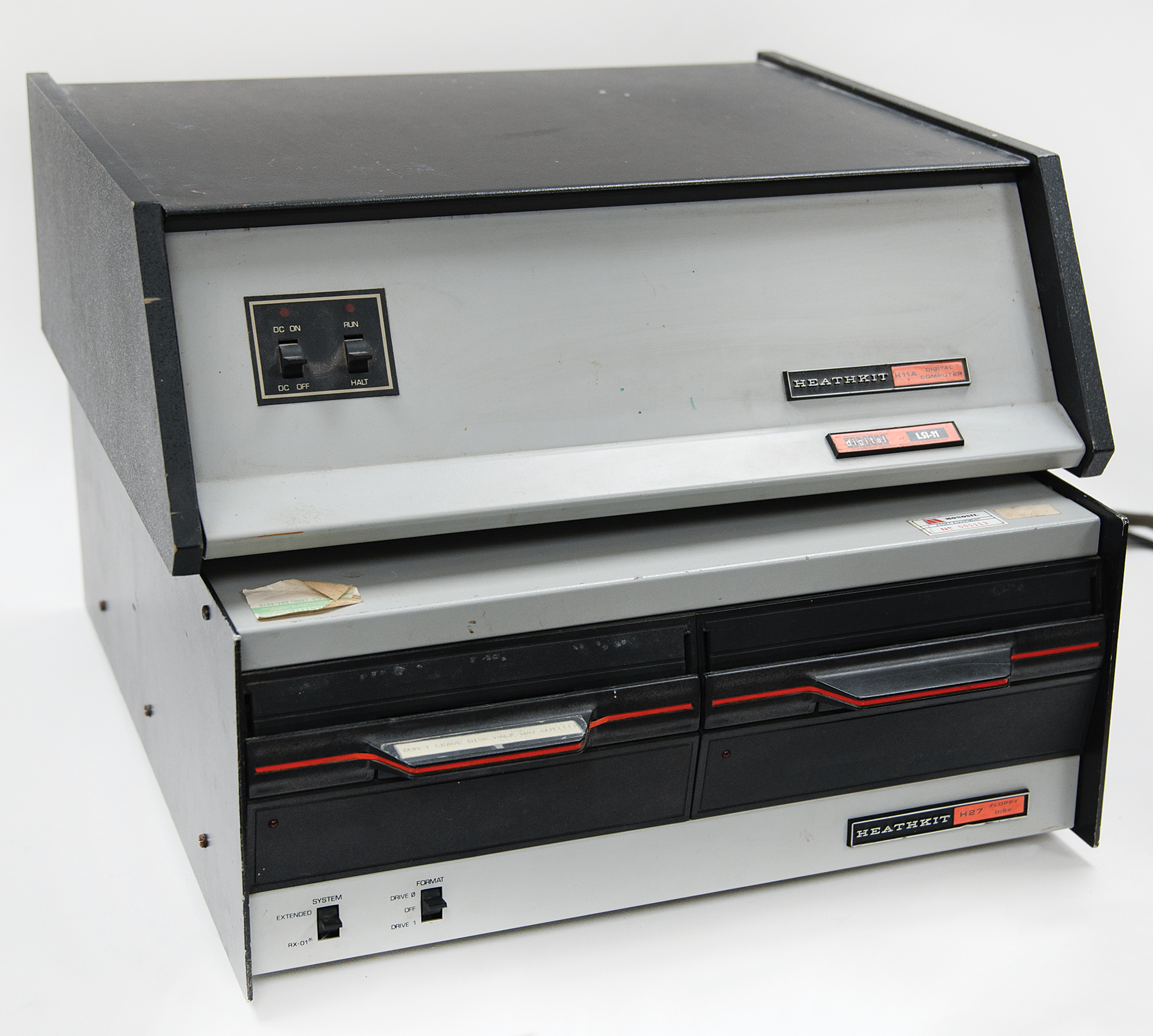
- Heathkit H11A (LSI-11), 1978, with drive, extensive manuals and disks – Untested
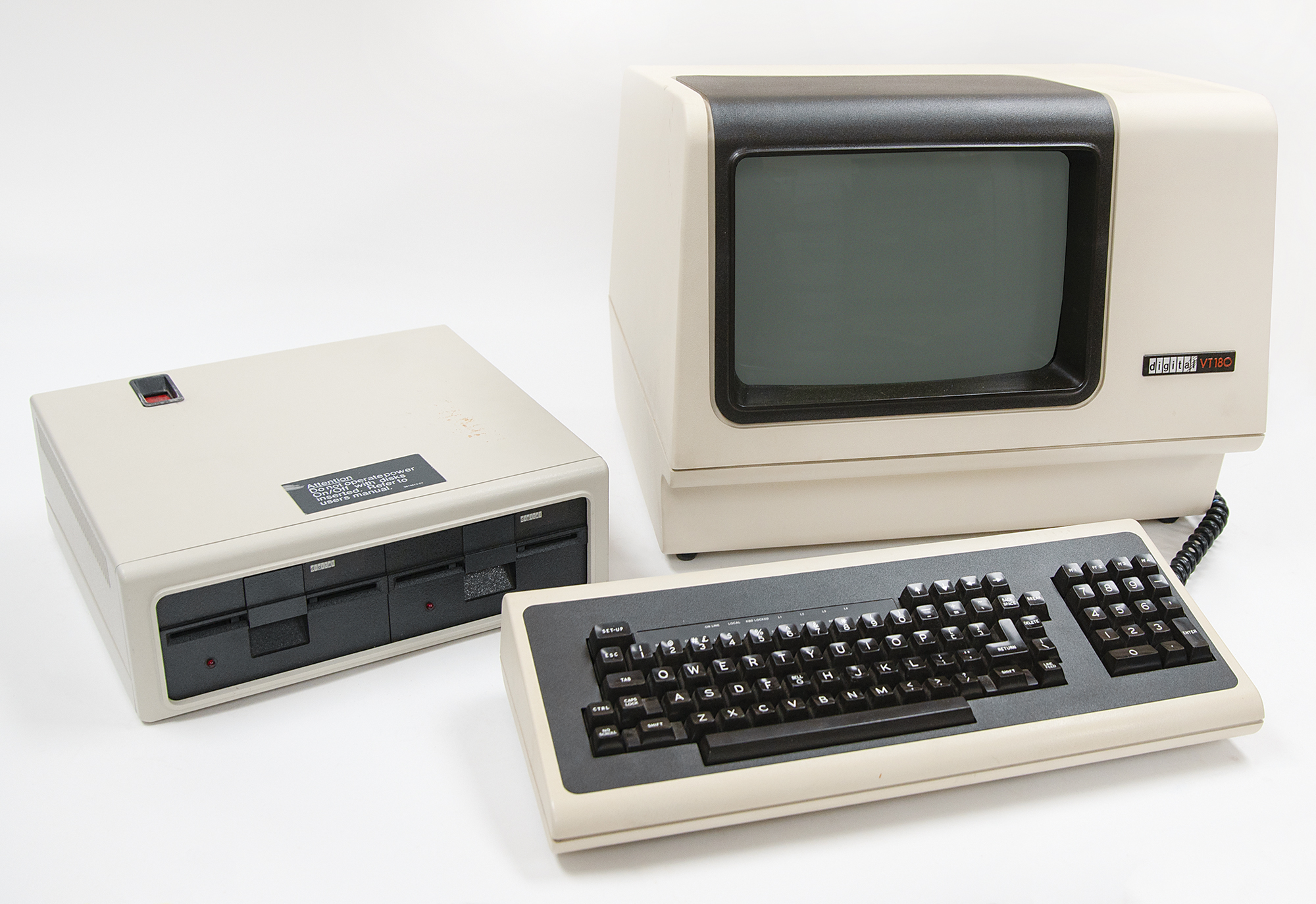
- DEC Robin Computer, VT-100 based (1978), with keyboard in box, disk drive, manuals, and software – Fully functional
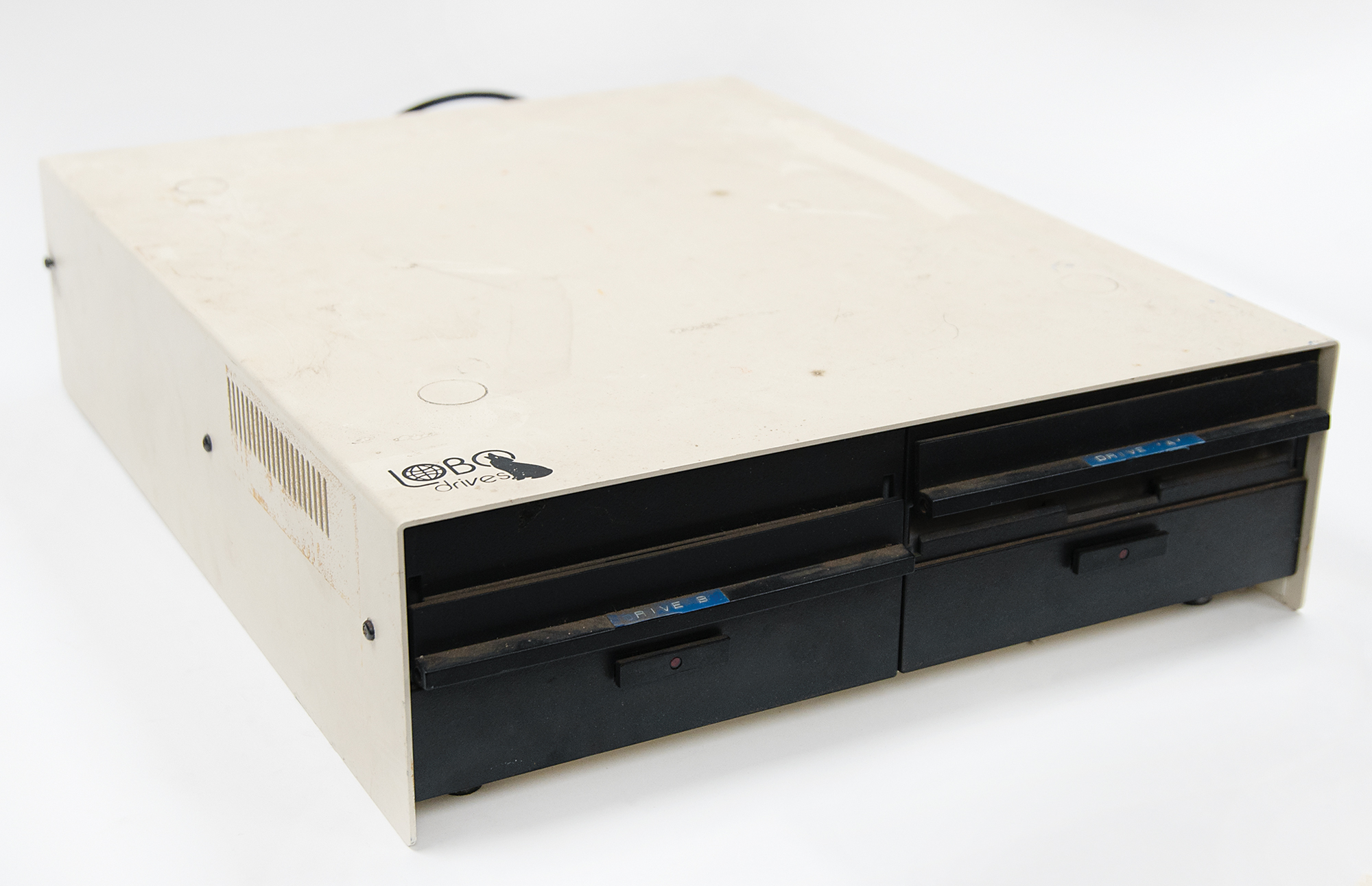
- Lobo 8″ drives (c. 1978) – Not functional
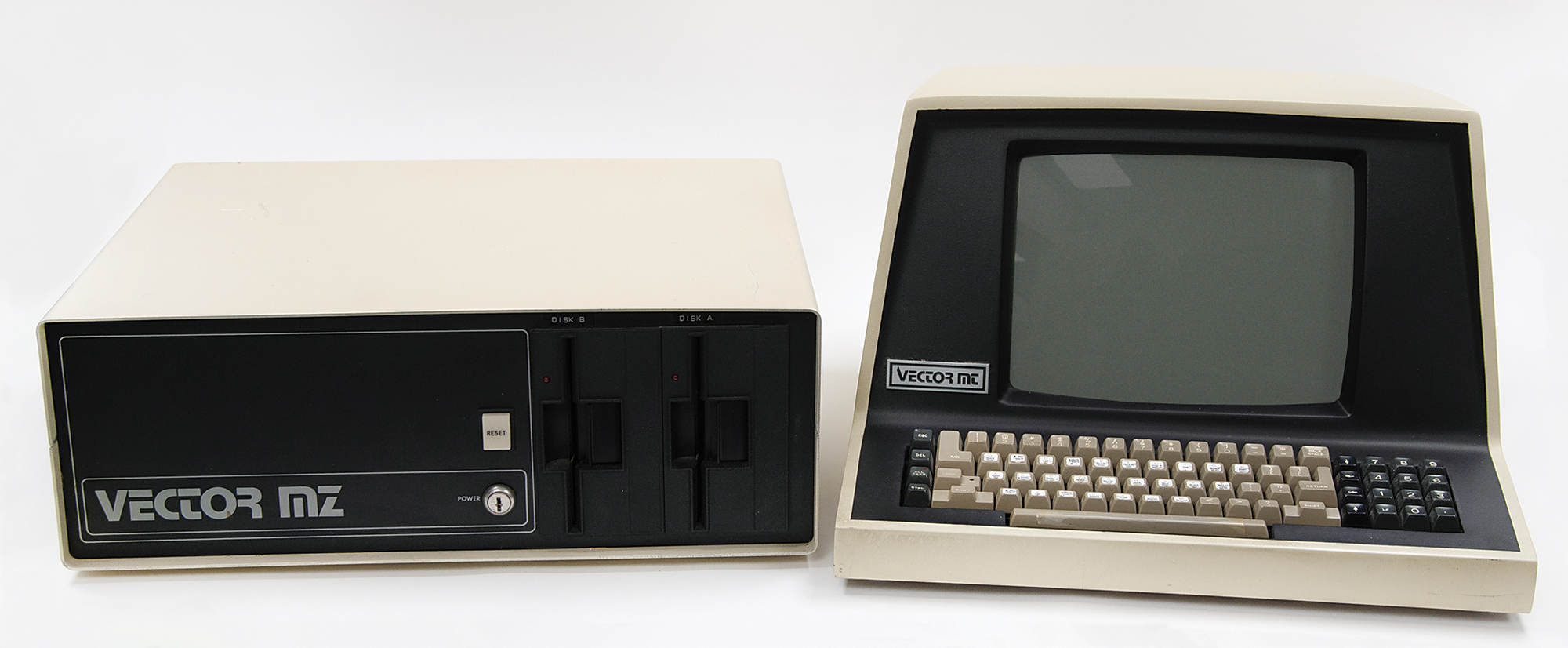
- Vector Graphic MZ (1979), with Vector MT monitor – Fully functional; boots to CP/M. Some monitor flicker; may need a recap, but minor
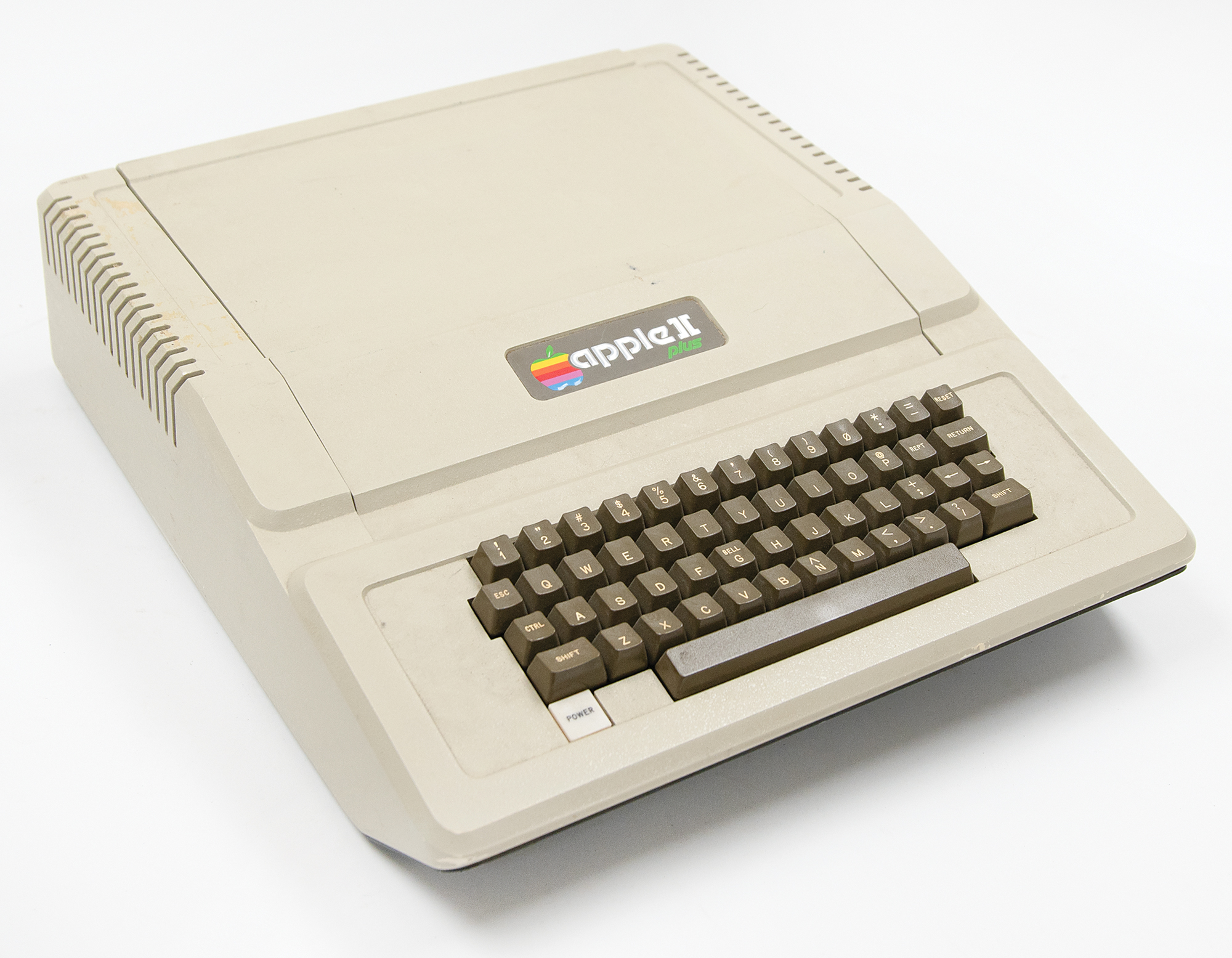
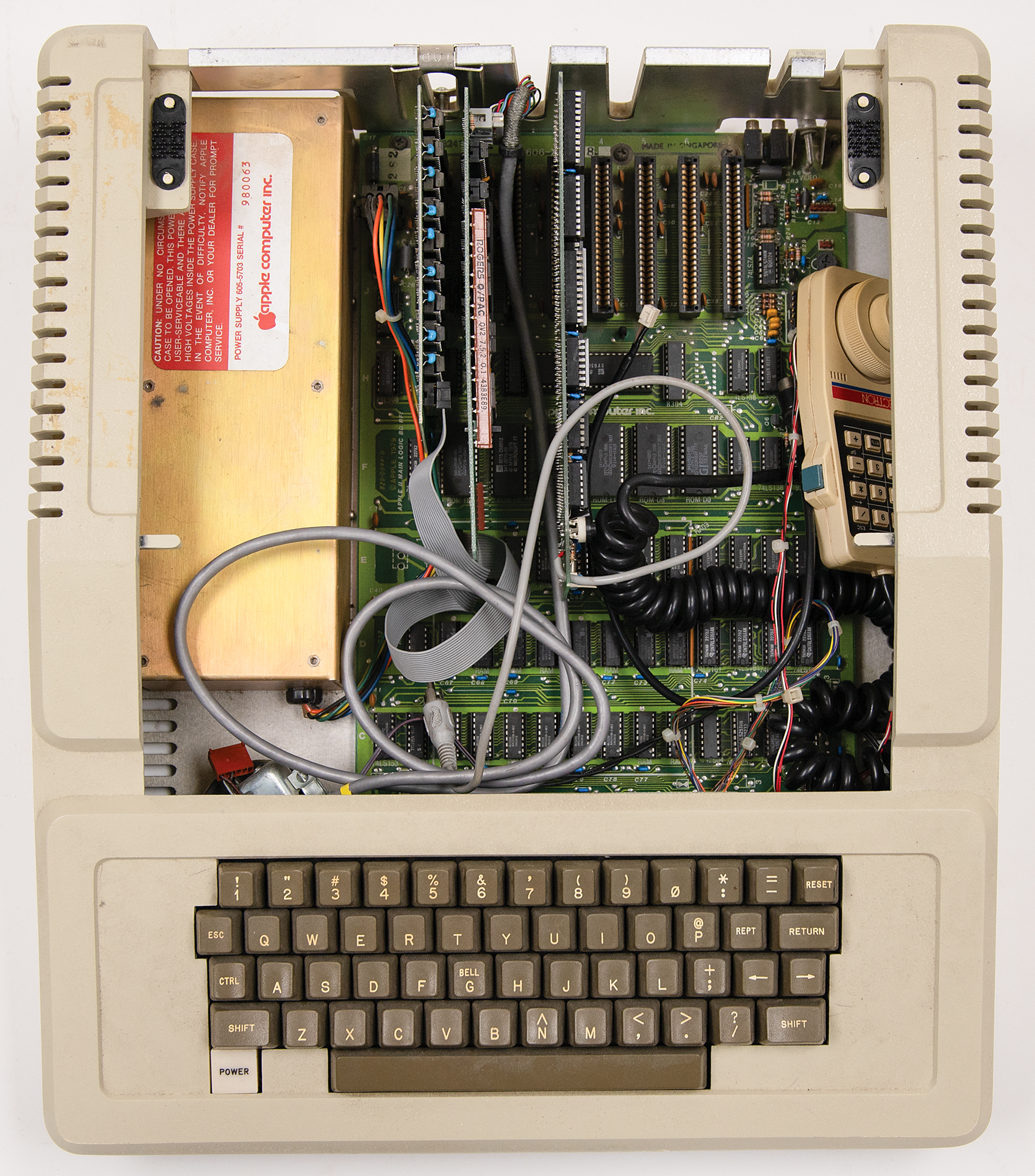
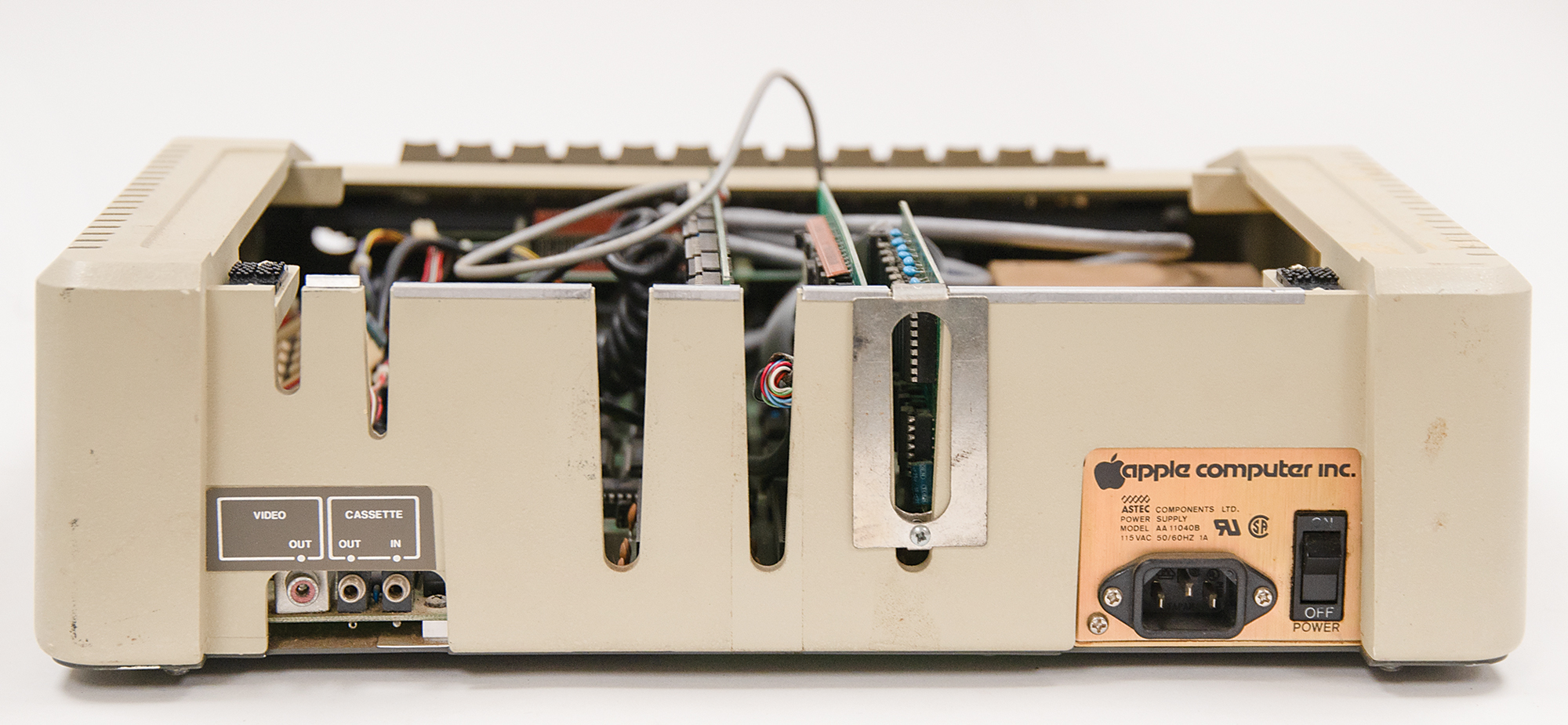
- Apple II Plus (1979), with keyboard, microcoupler, Sanyo monitor, and two disk drives – Fully functional
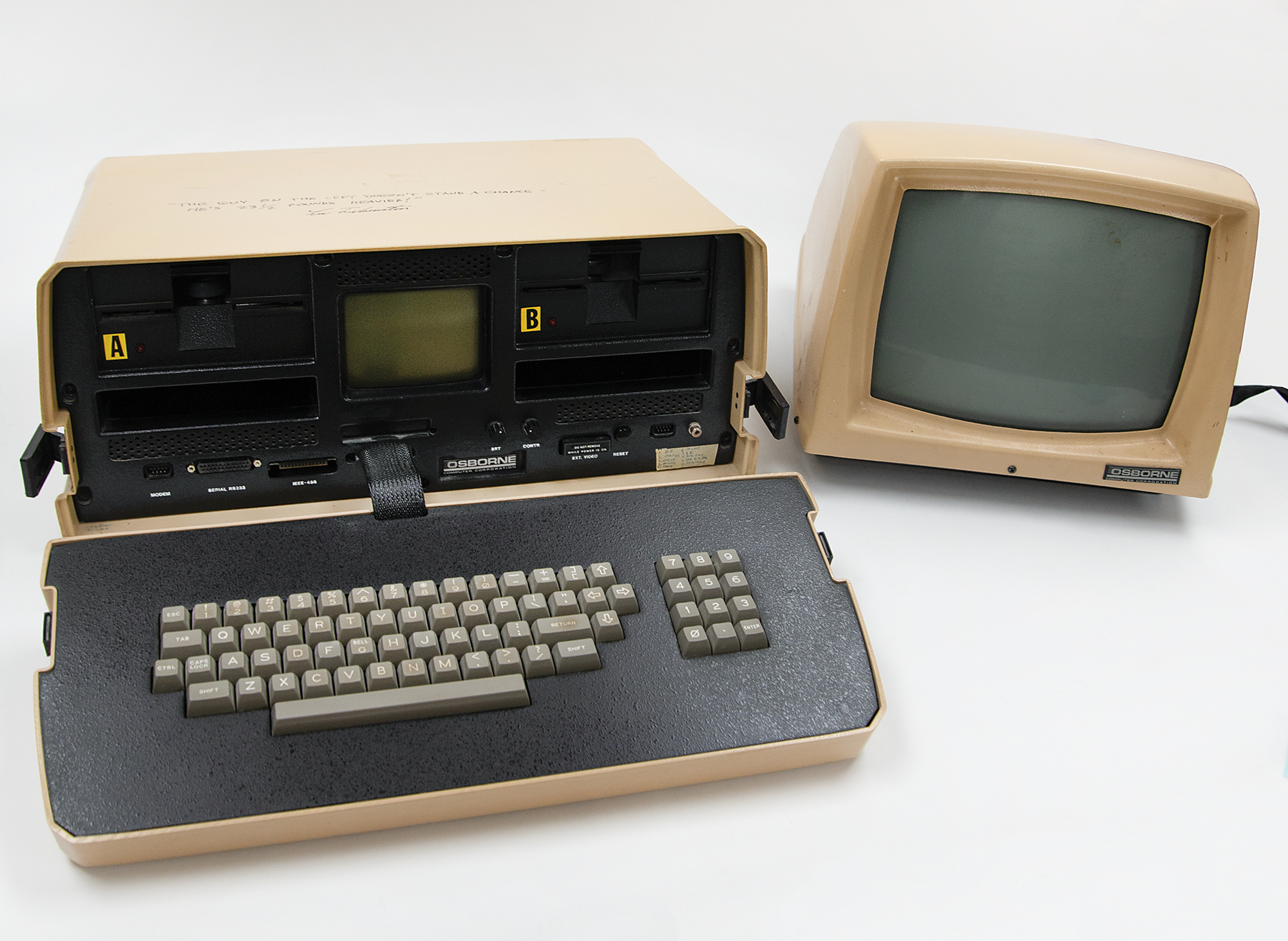
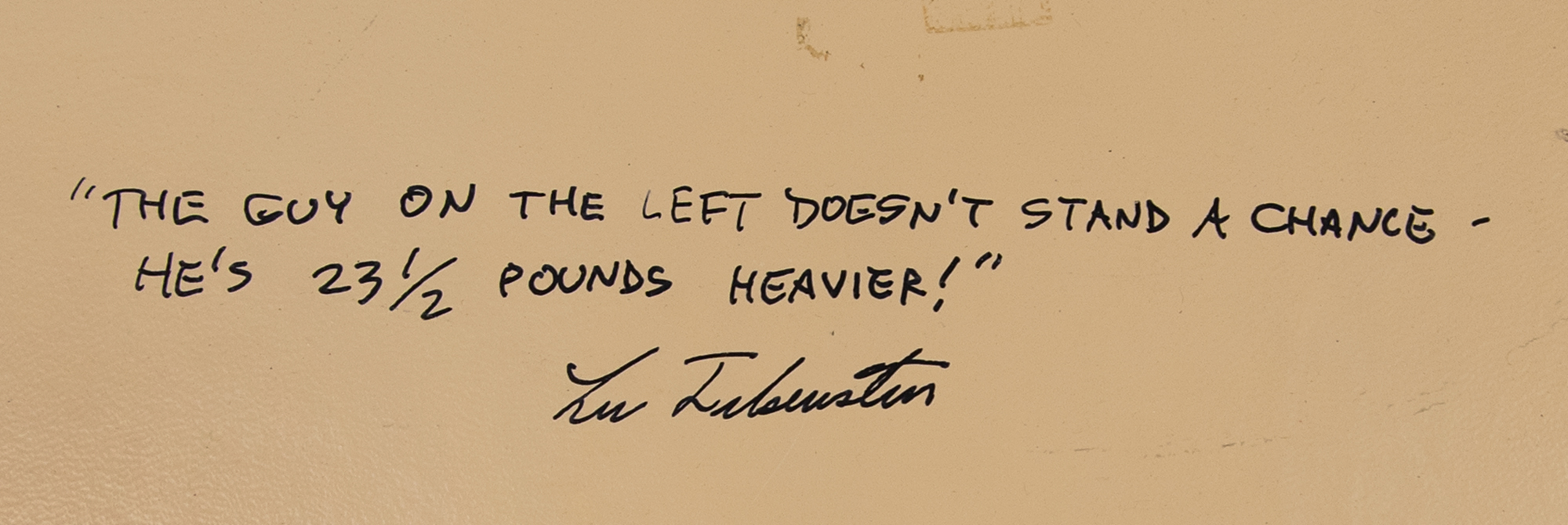
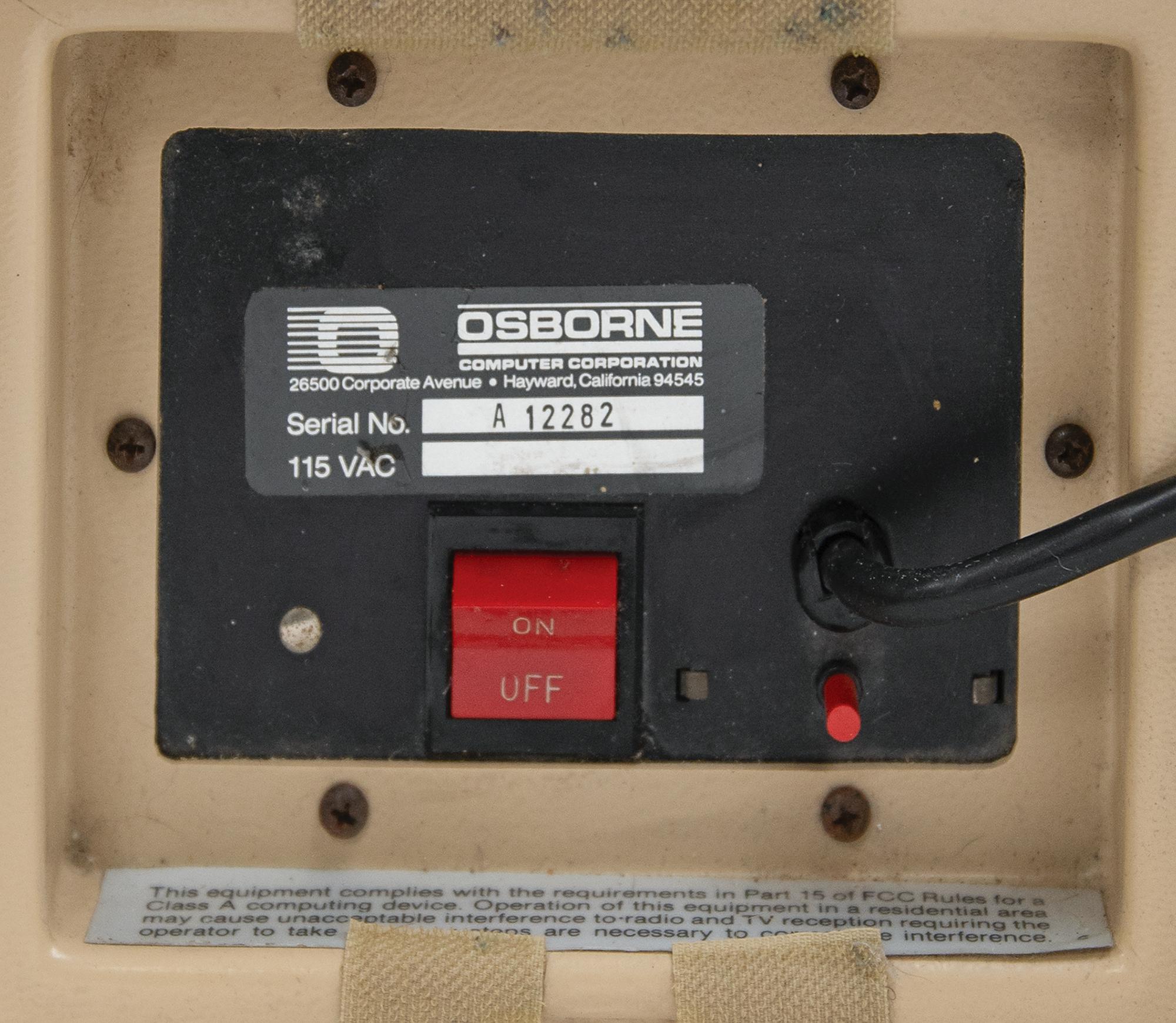
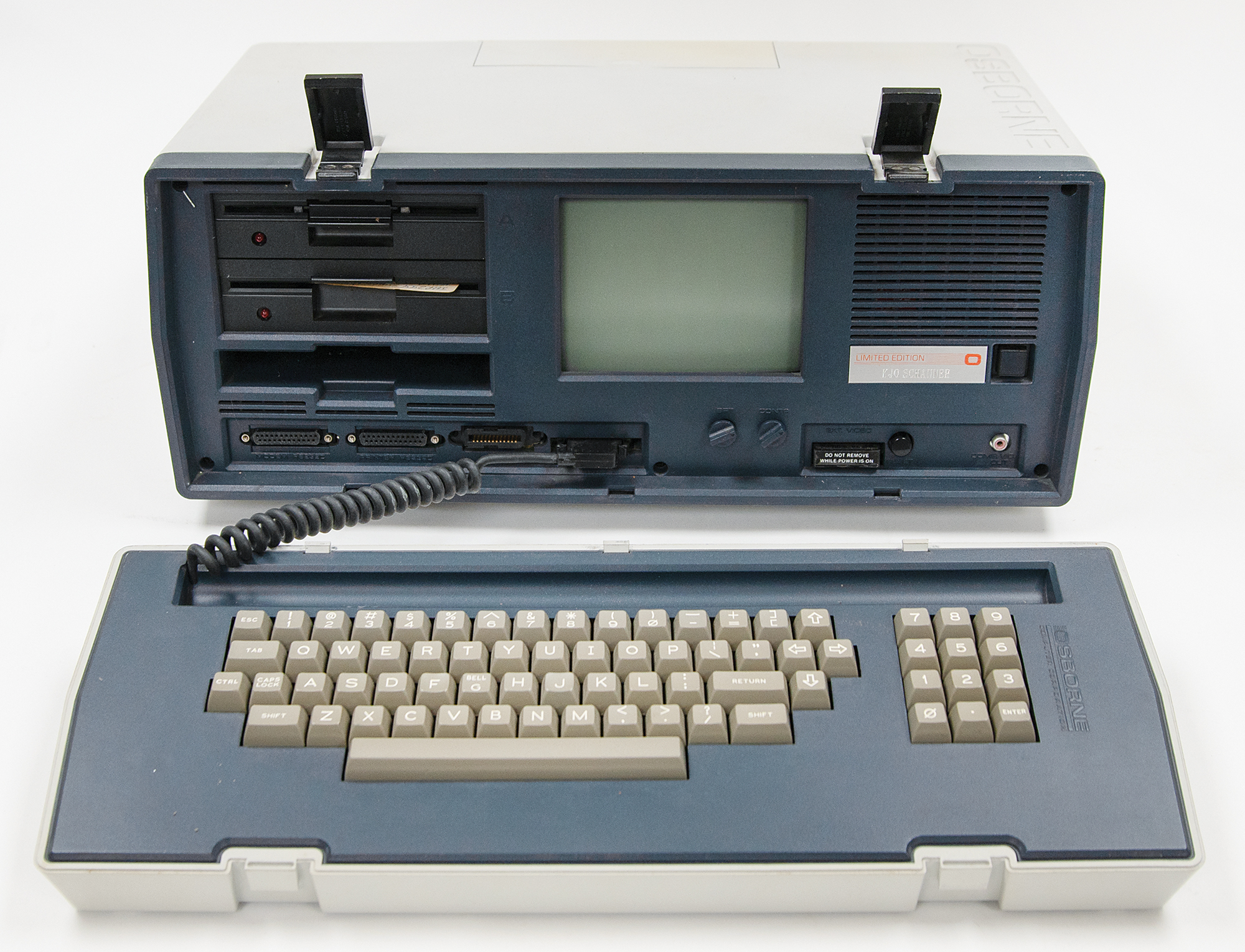
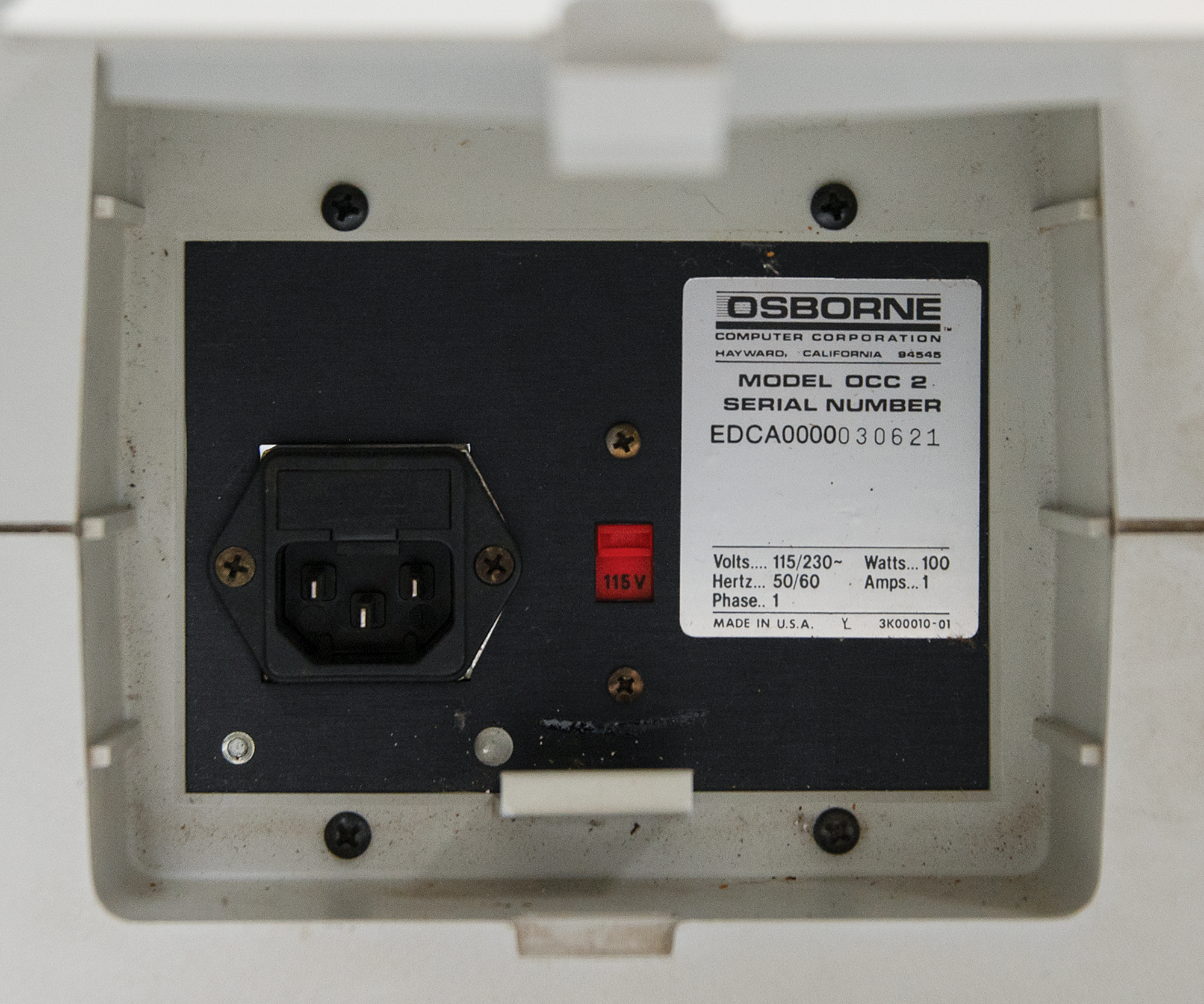
- Osborne 1 (1981), signed by Lee Felsenstein, “The guy on the left doesn’t stand a chance – He’s 23 ½ pounds heavier!,” with disks, drives, and manuals – Fully functional
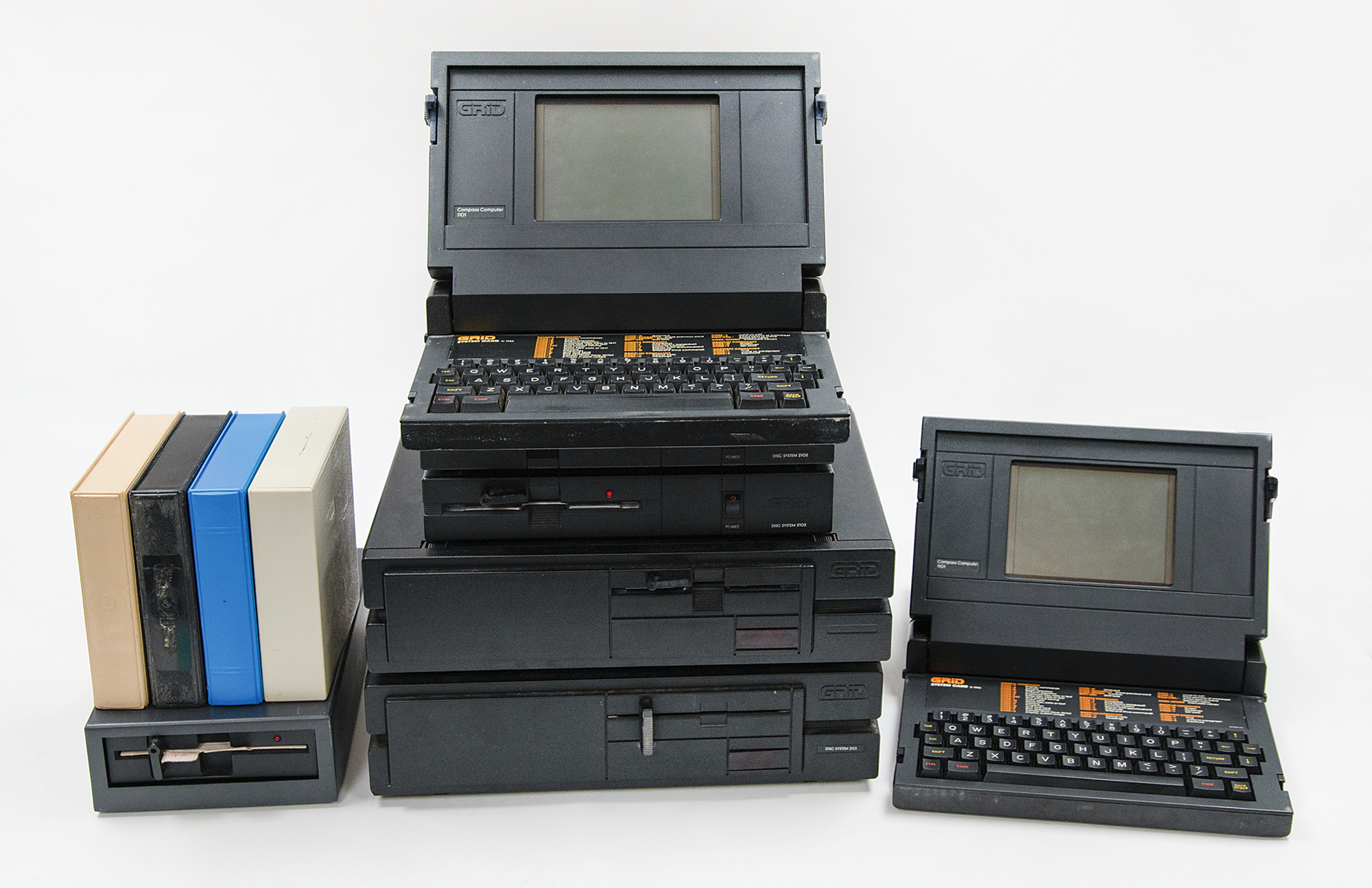
- Two (2) GRiD Compass 1101s (1982), with GRiD 2101 and 2102 disk drives, drive enclosures, and laptop case – Compass units mostly worked; needed re-burn of ROMs, etc.; drives and enclosures untested
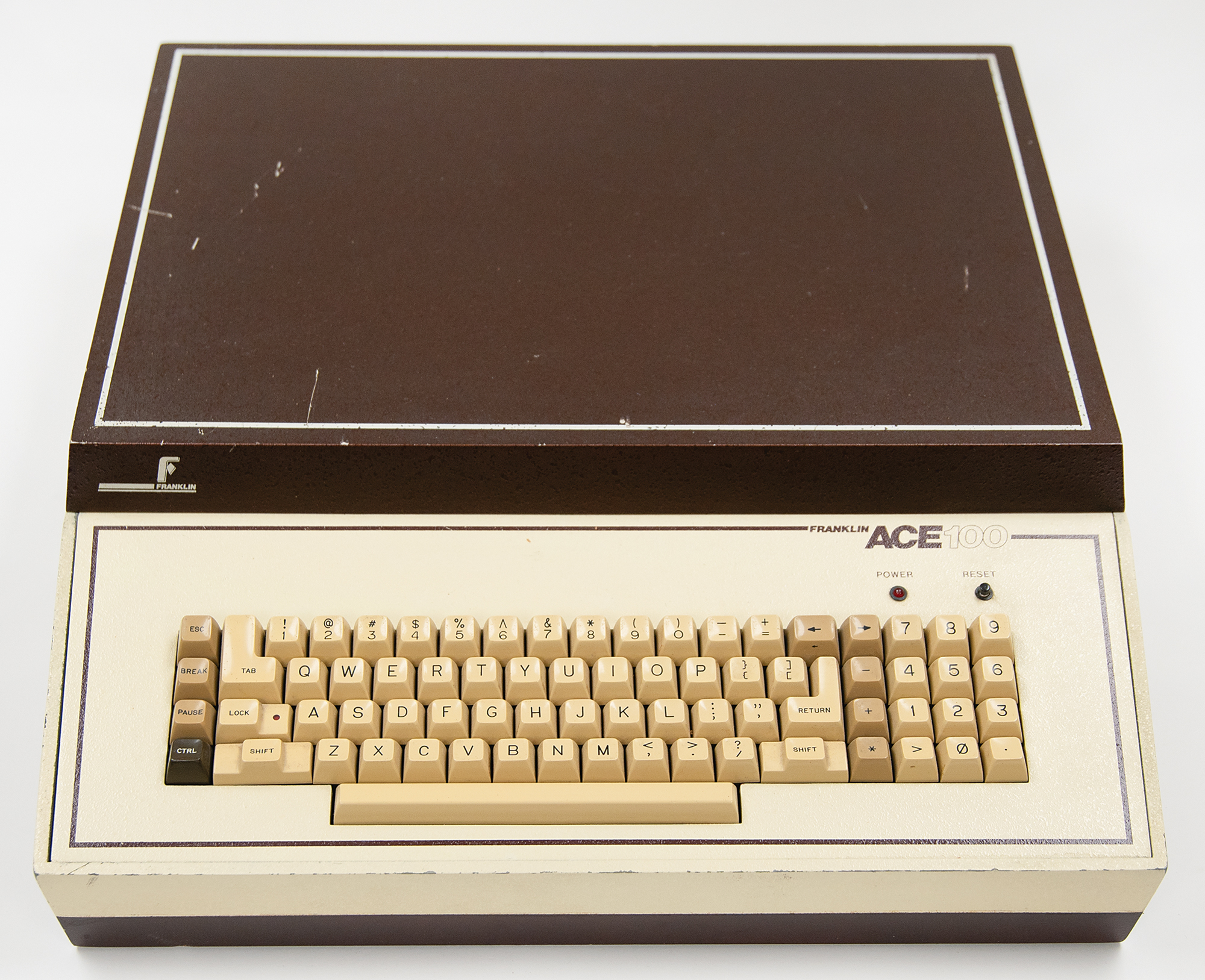
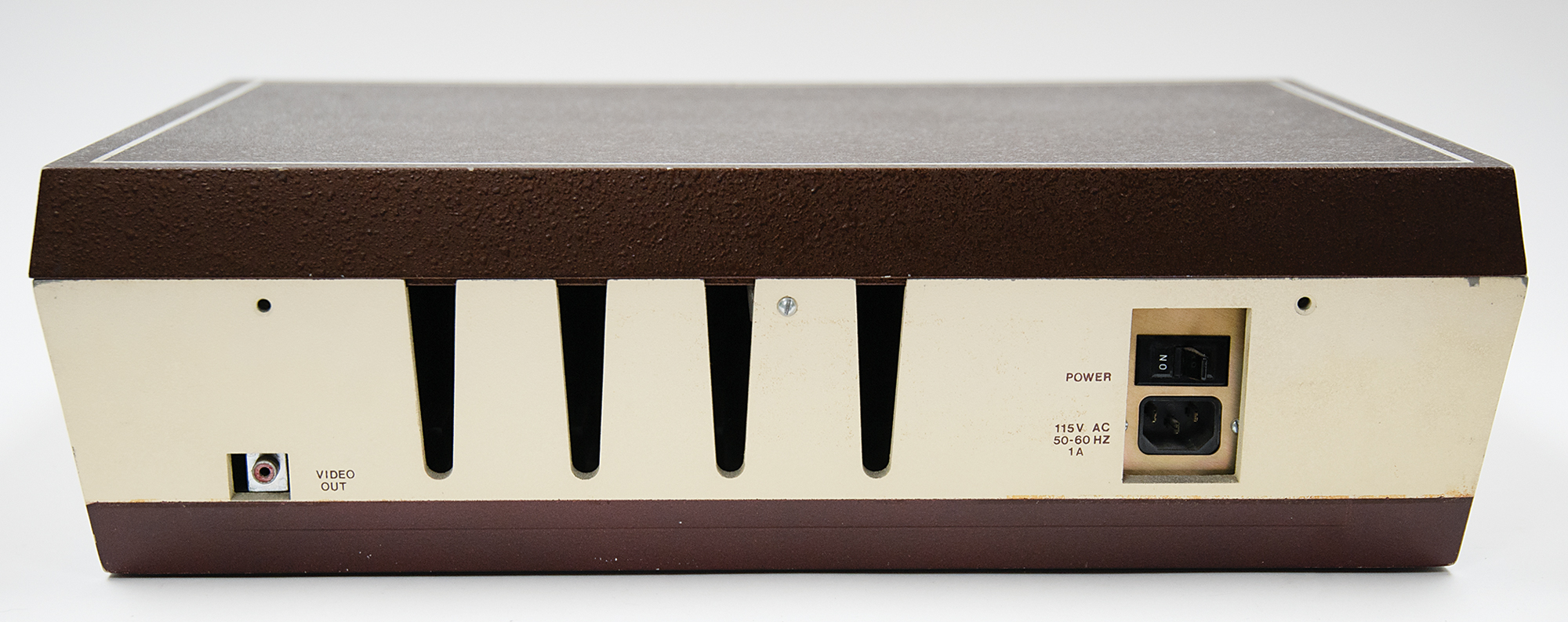
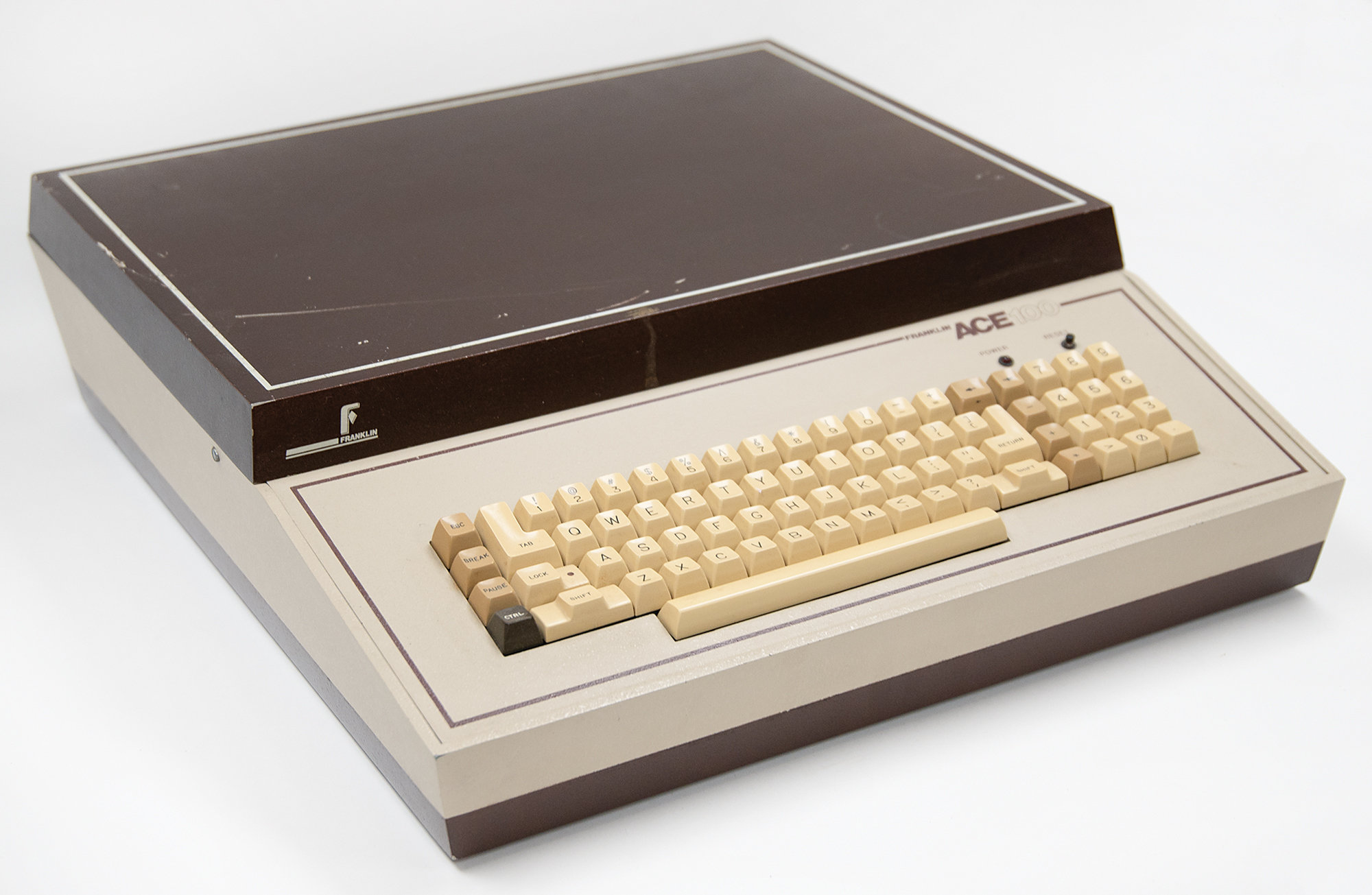
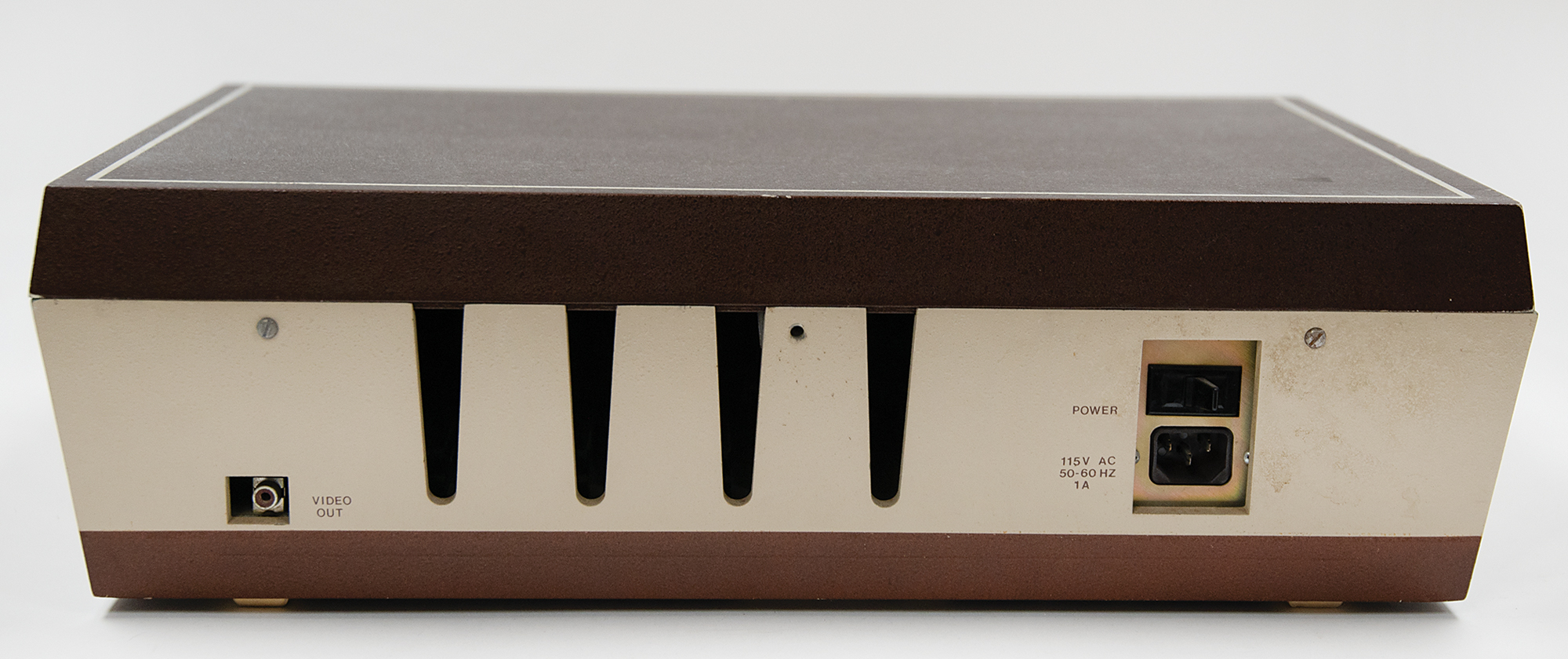
- Two (2) Franklin Ace 100 (1982), with software and manuals – Both fully functional
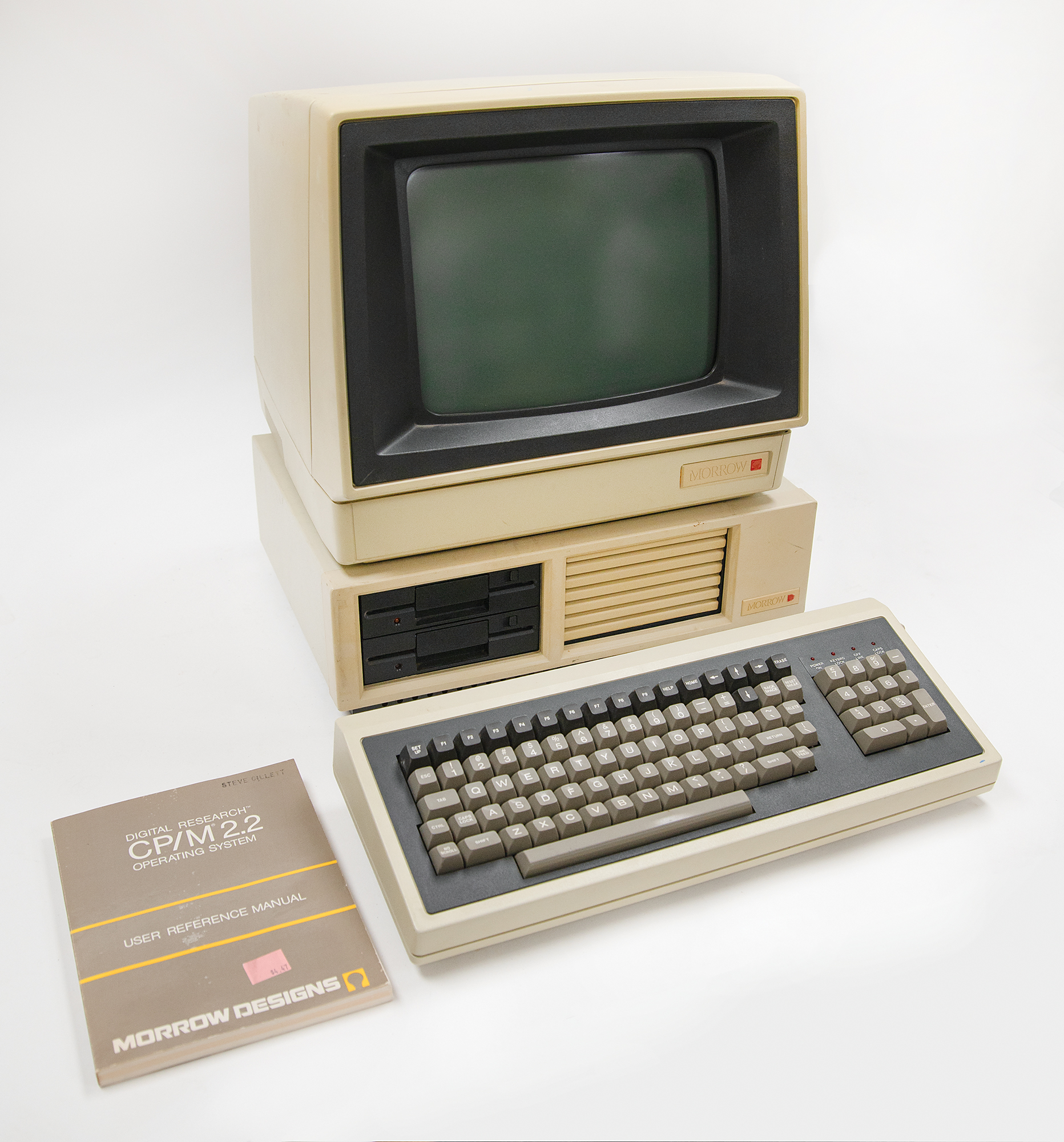
- Morrow Micro Decision (1982), with monitor, keyboard, and manuals – Untested
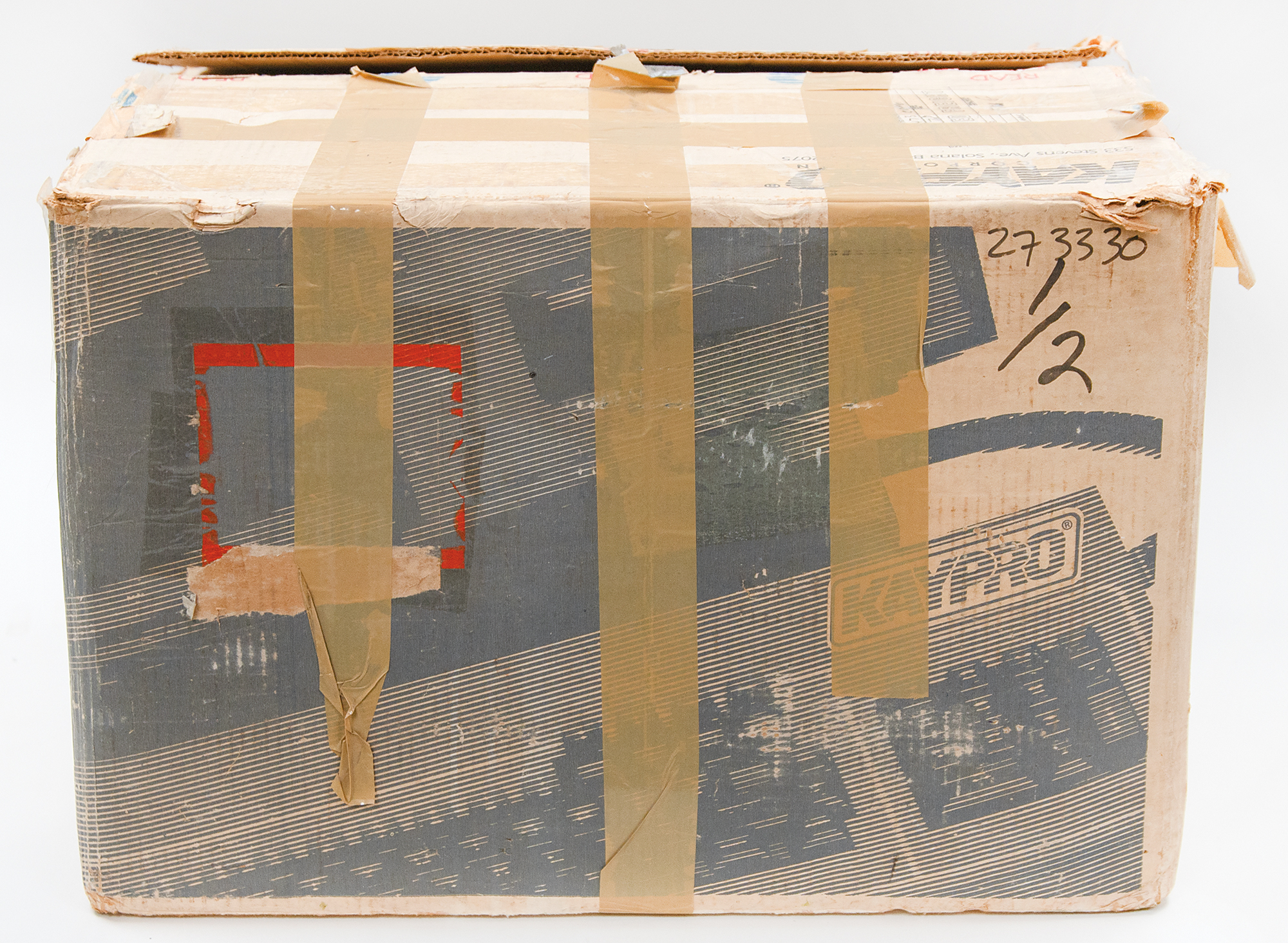
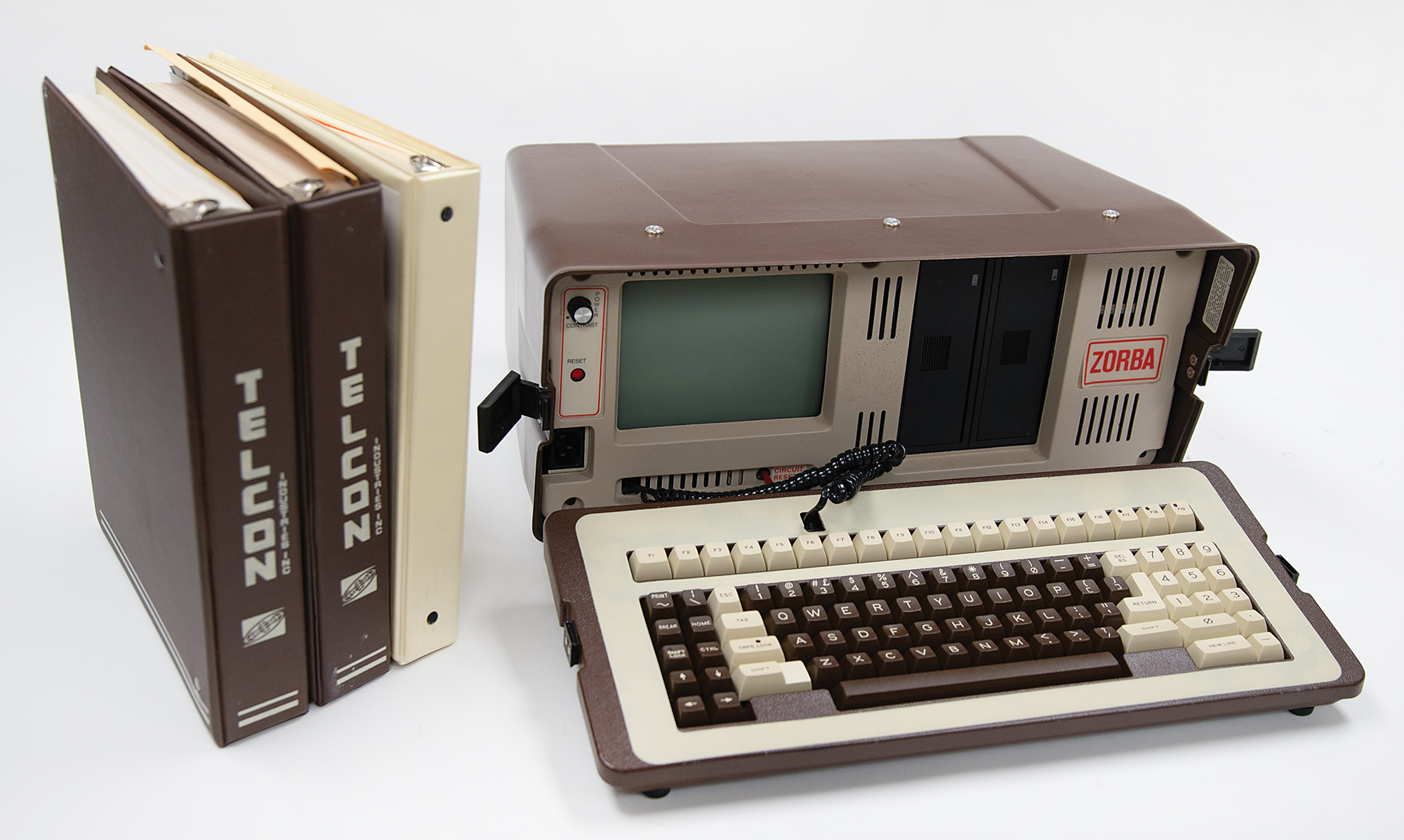
- Zorba by Telcon Industries (1983), with original box – Fully functional
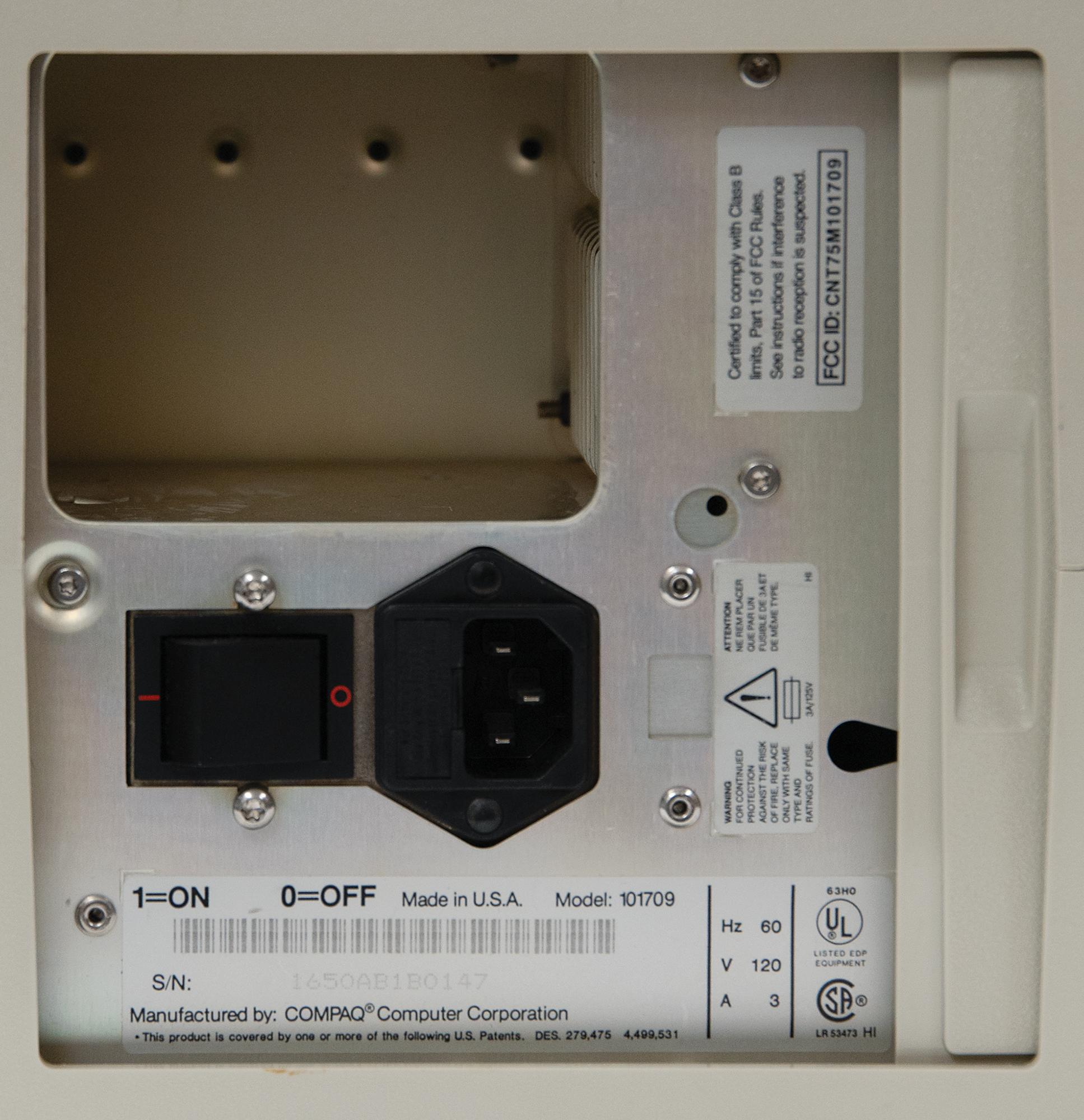
- Compaq Portable, Model 101709 (1983), with brown carrying case, software, and manuals – Fully functional
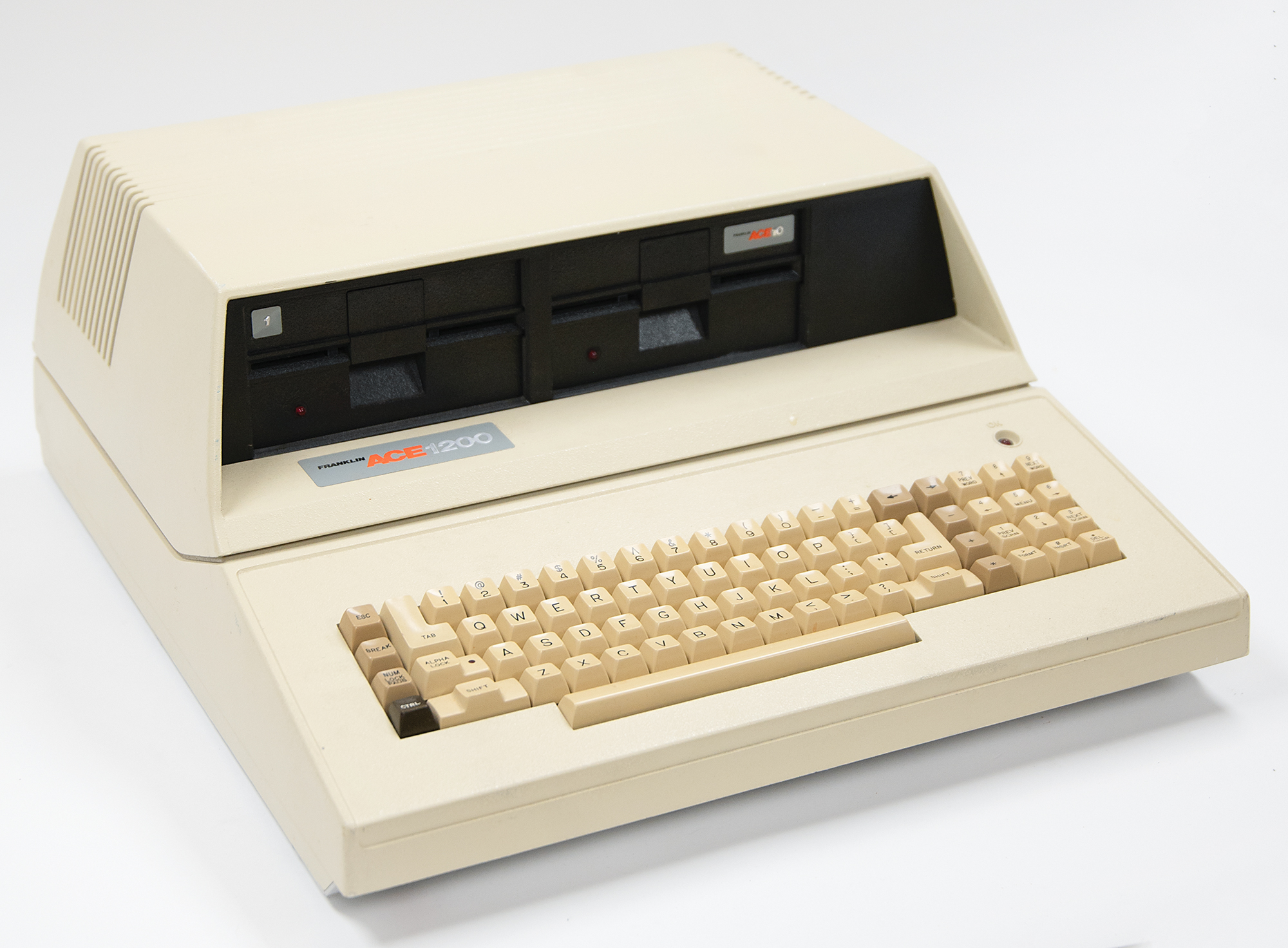
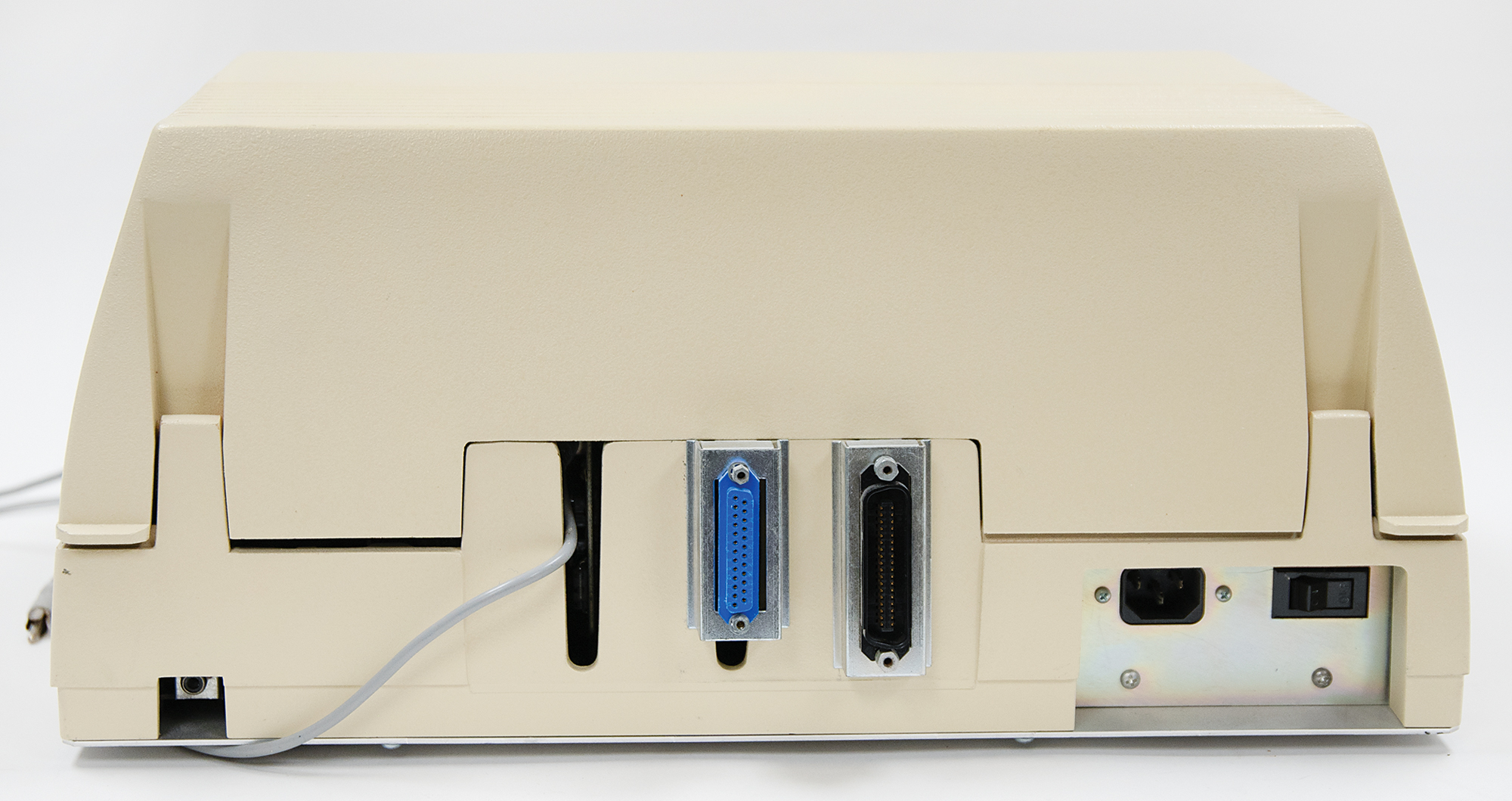
- Franklin Ace 1200 (1983) – Fully functional
- Osborne Executive (1983), with Osborne CRT and manuals – Fully functional
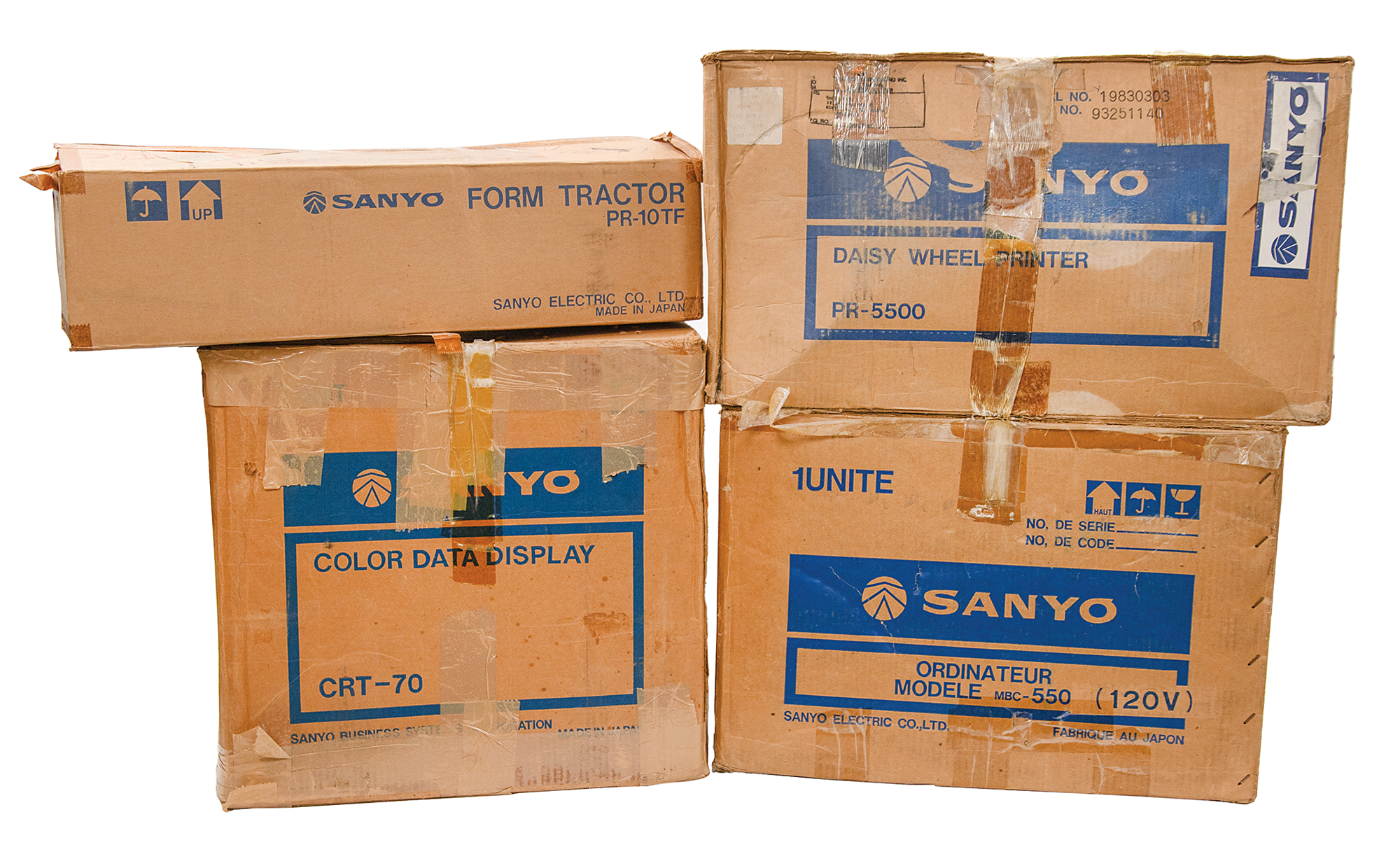
- Sanyo MBC-550 (1983) with Sanyo Color Data Display and Sanyo daisy wheel printer
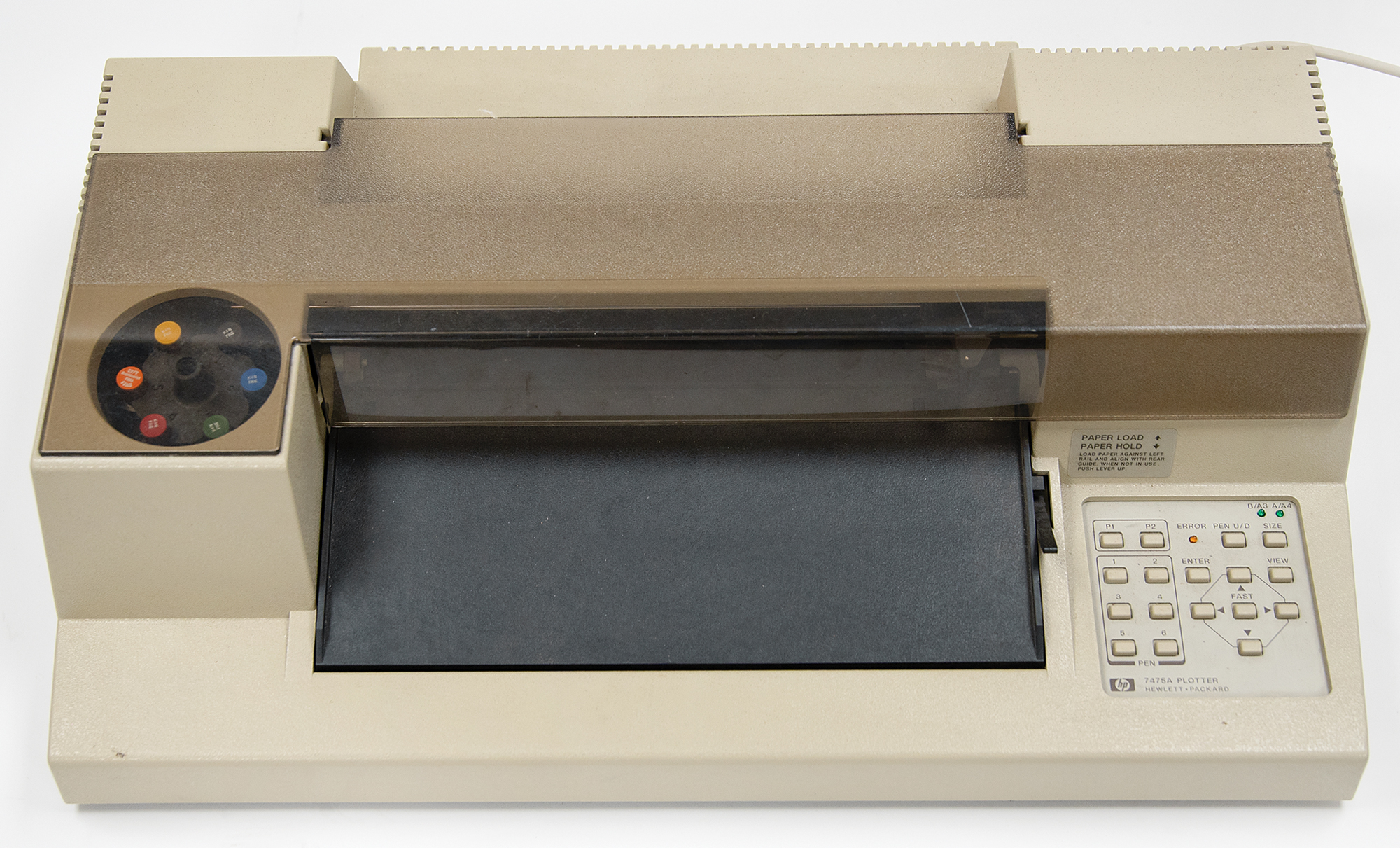
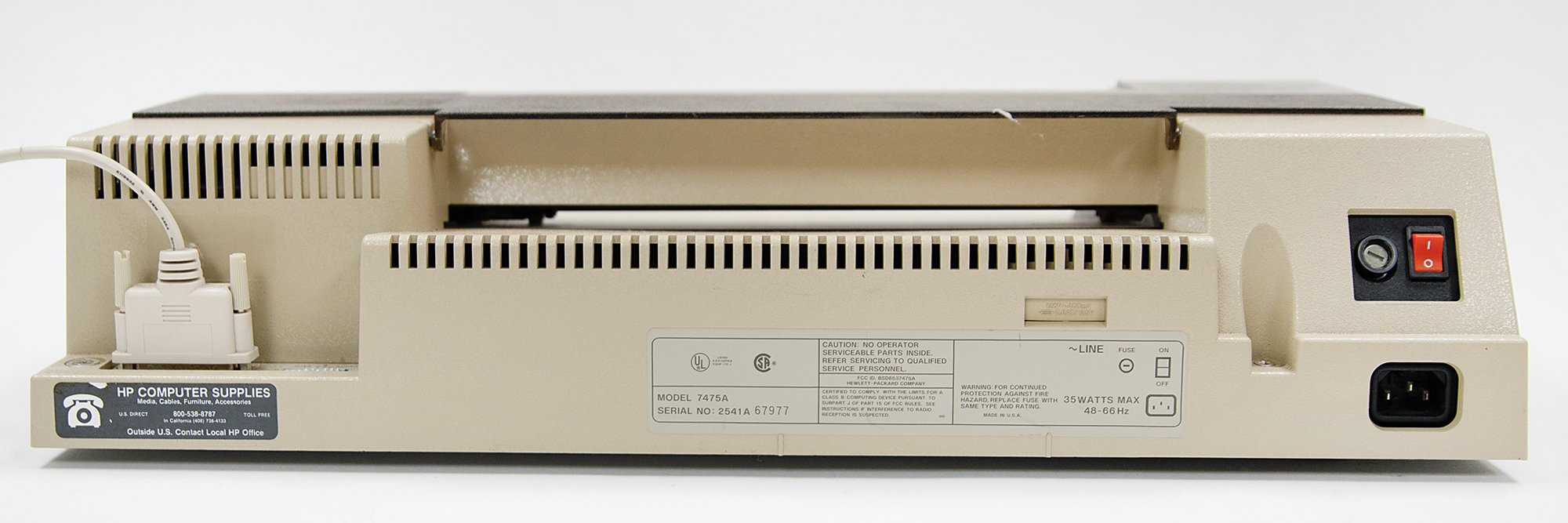
- HP 7475A plotter (1983) – Untested
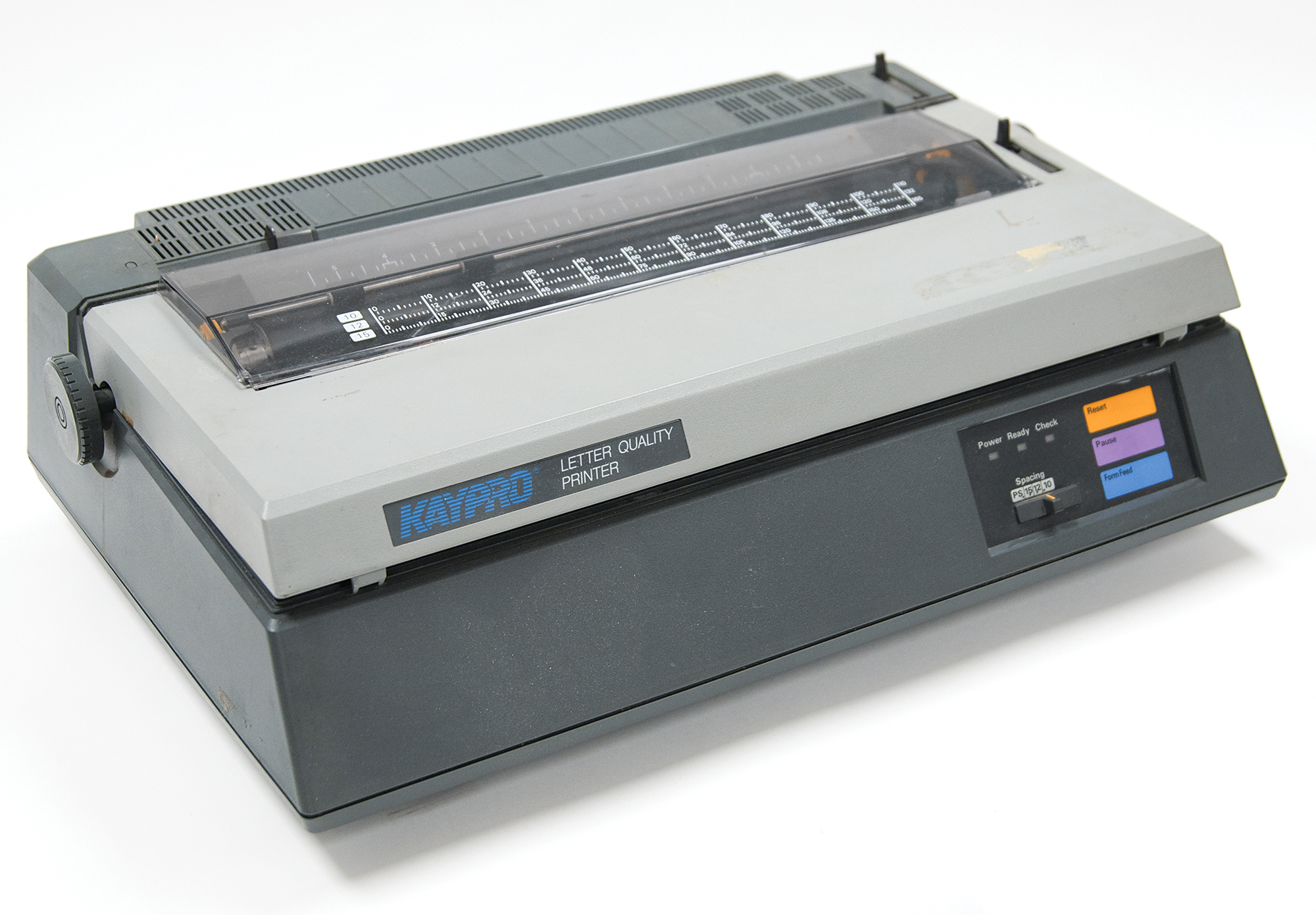
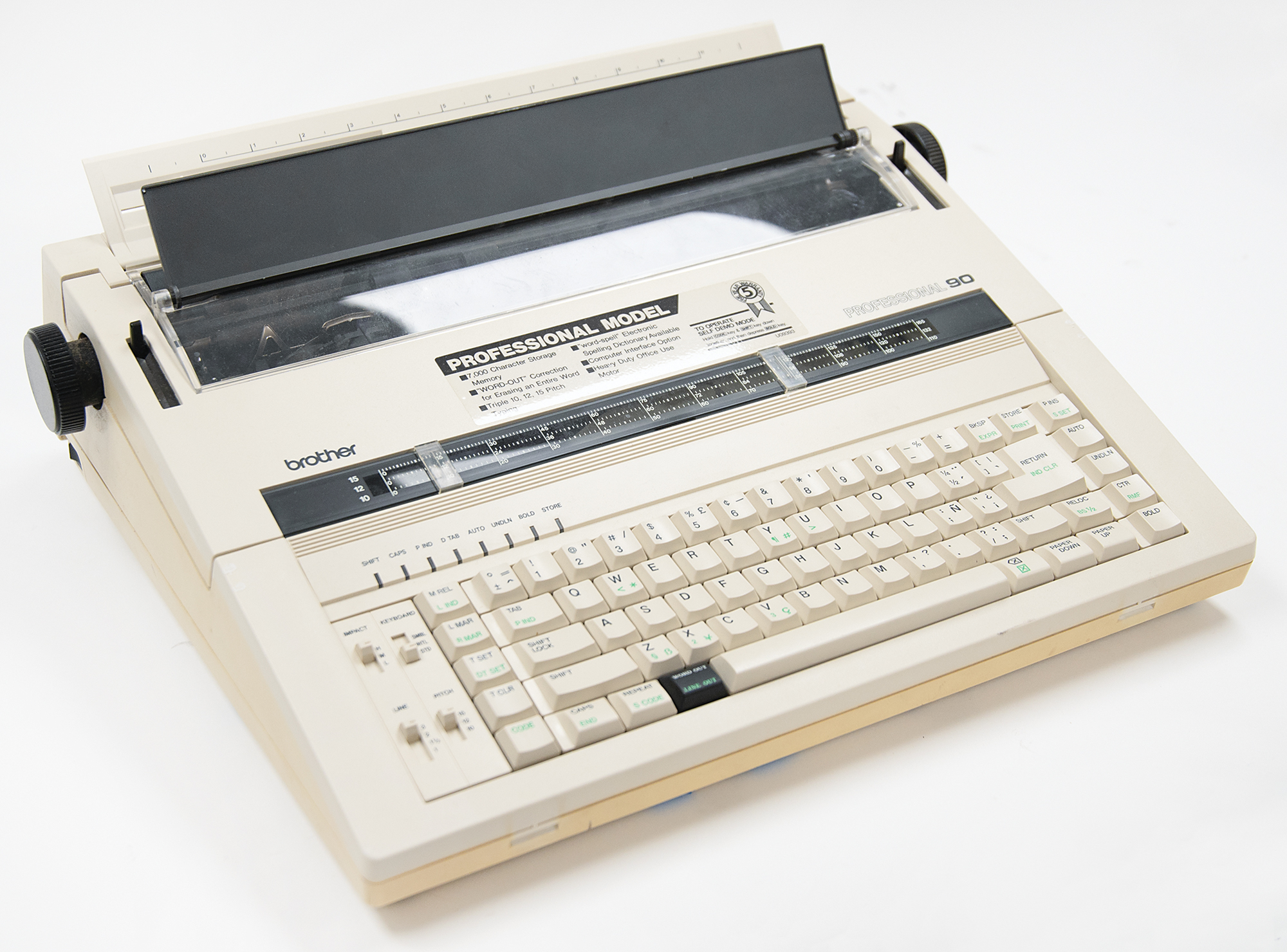
- Kaypro Letter Quality Printer (c. 1983)
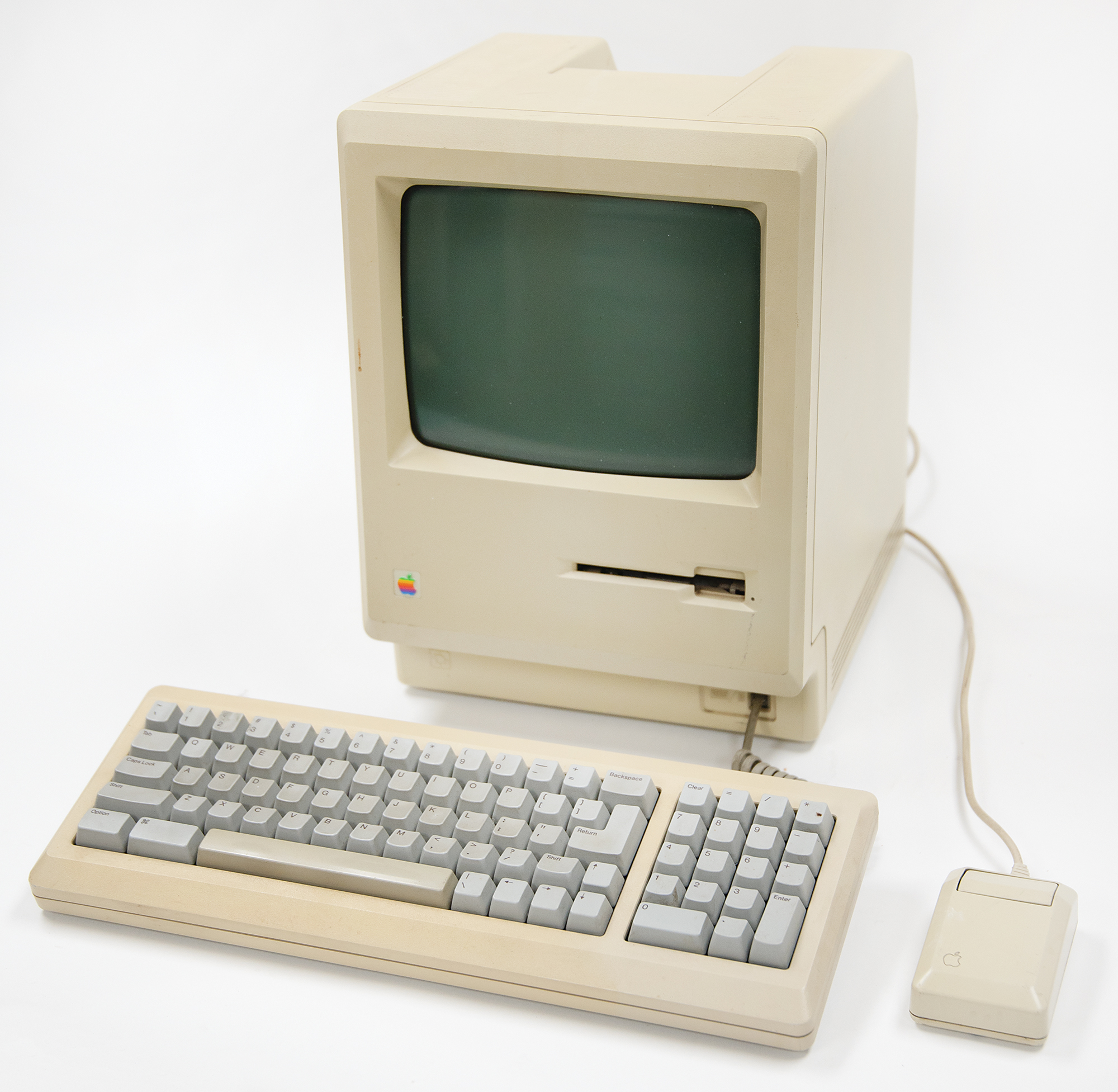
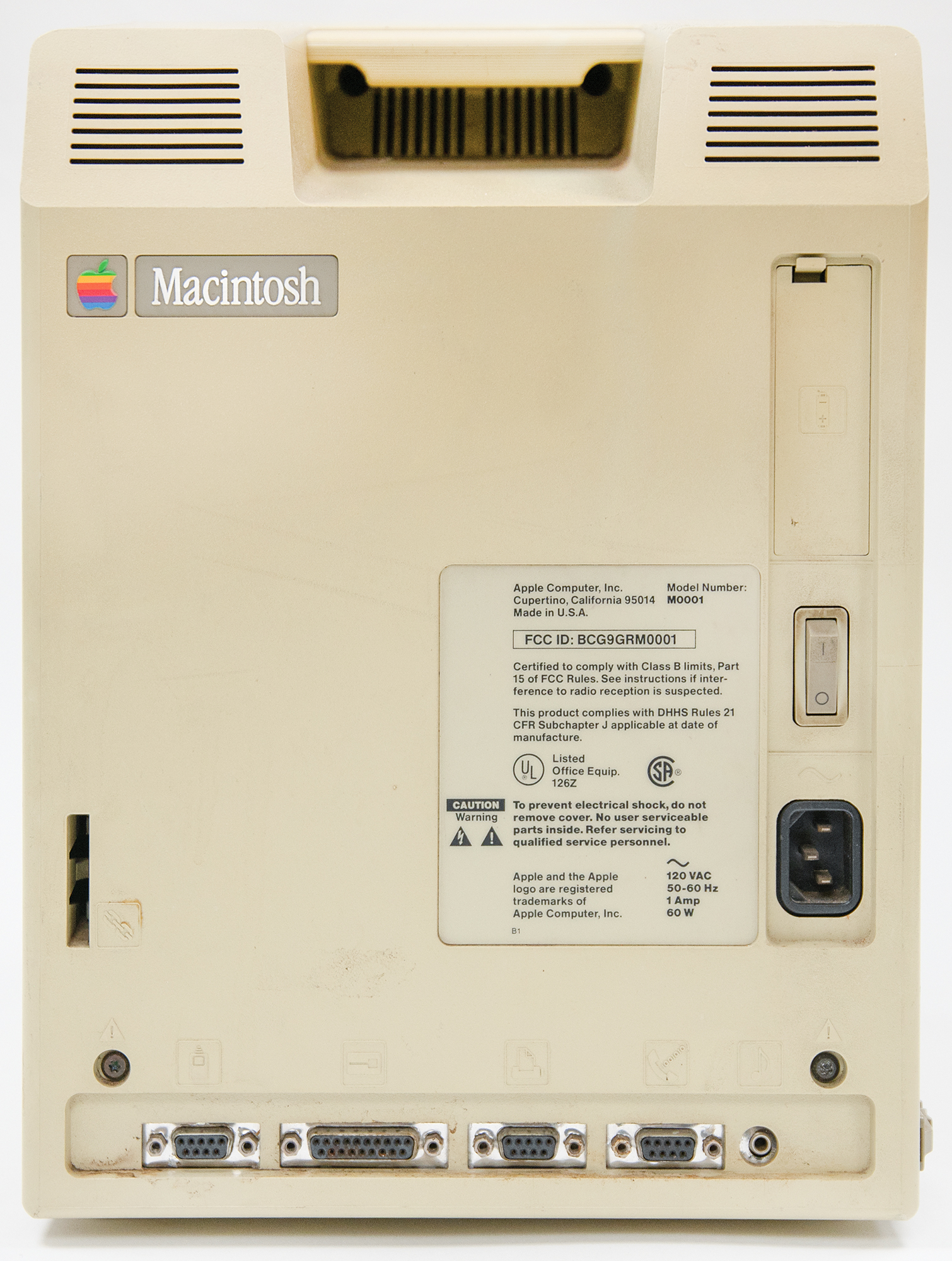
- Apple Macintosh 128K (1984), with keyboard, numeric keypad, and mouse – Boots to sad mac; case has never been opened, but a recap should set it straight
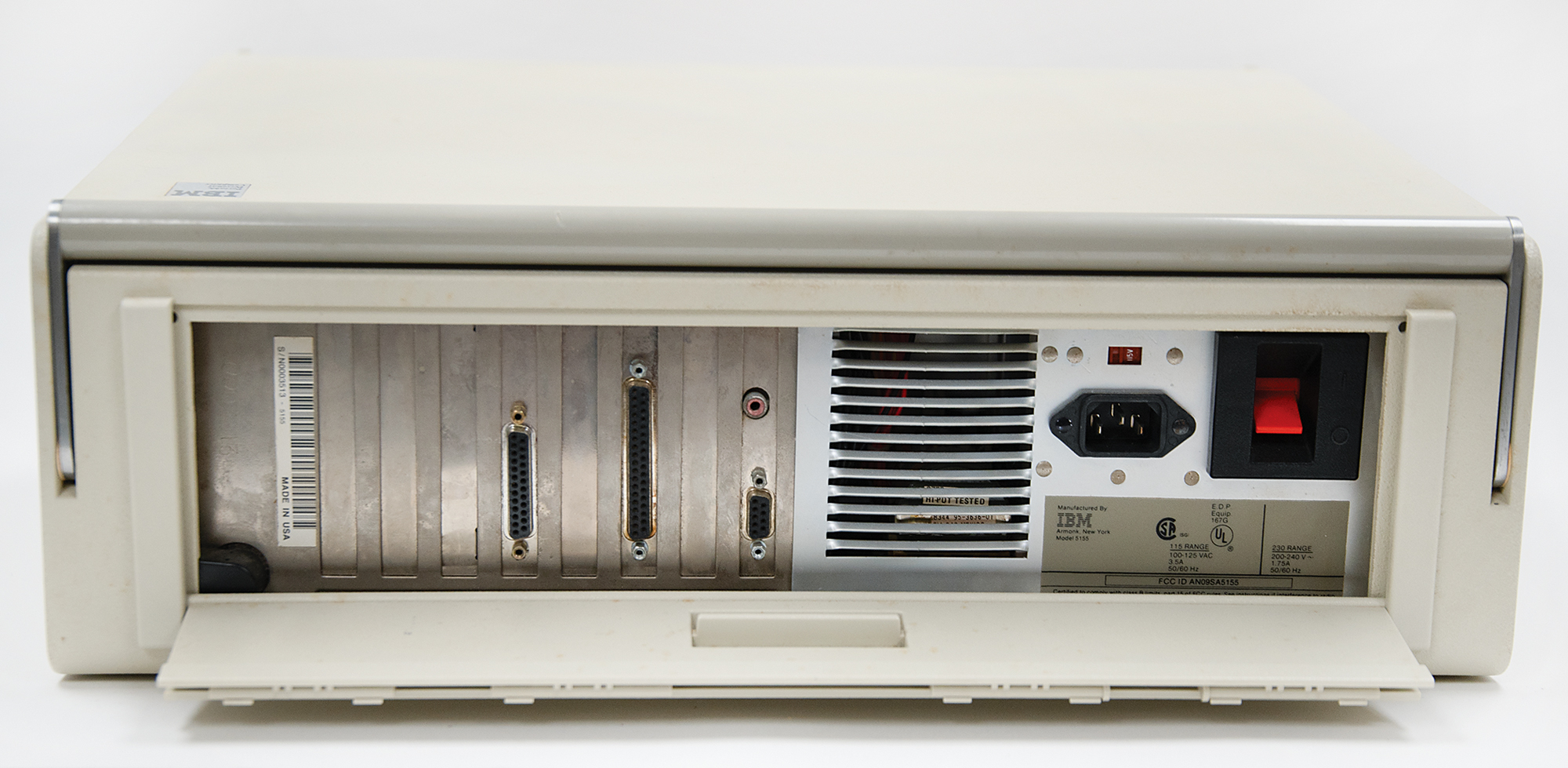
- IBM Portable PC (1984), with IBM Brother printer, cables, carrying case, and software – Fully functional
- Kaypro 2X (1984) with manuals – Fully functional
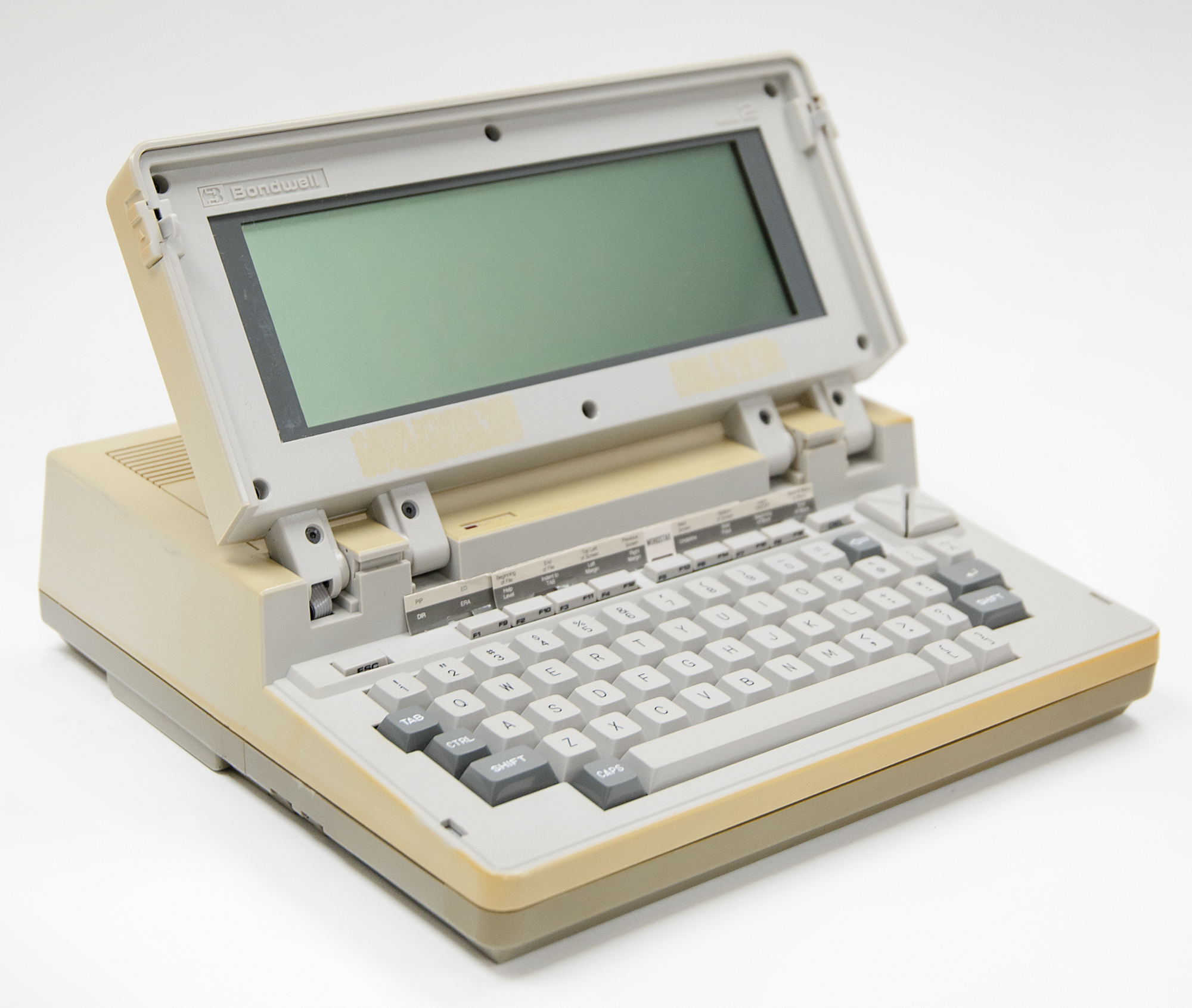
- Bondwell Model 2 (1985), with carrying bag and accessories – Untested
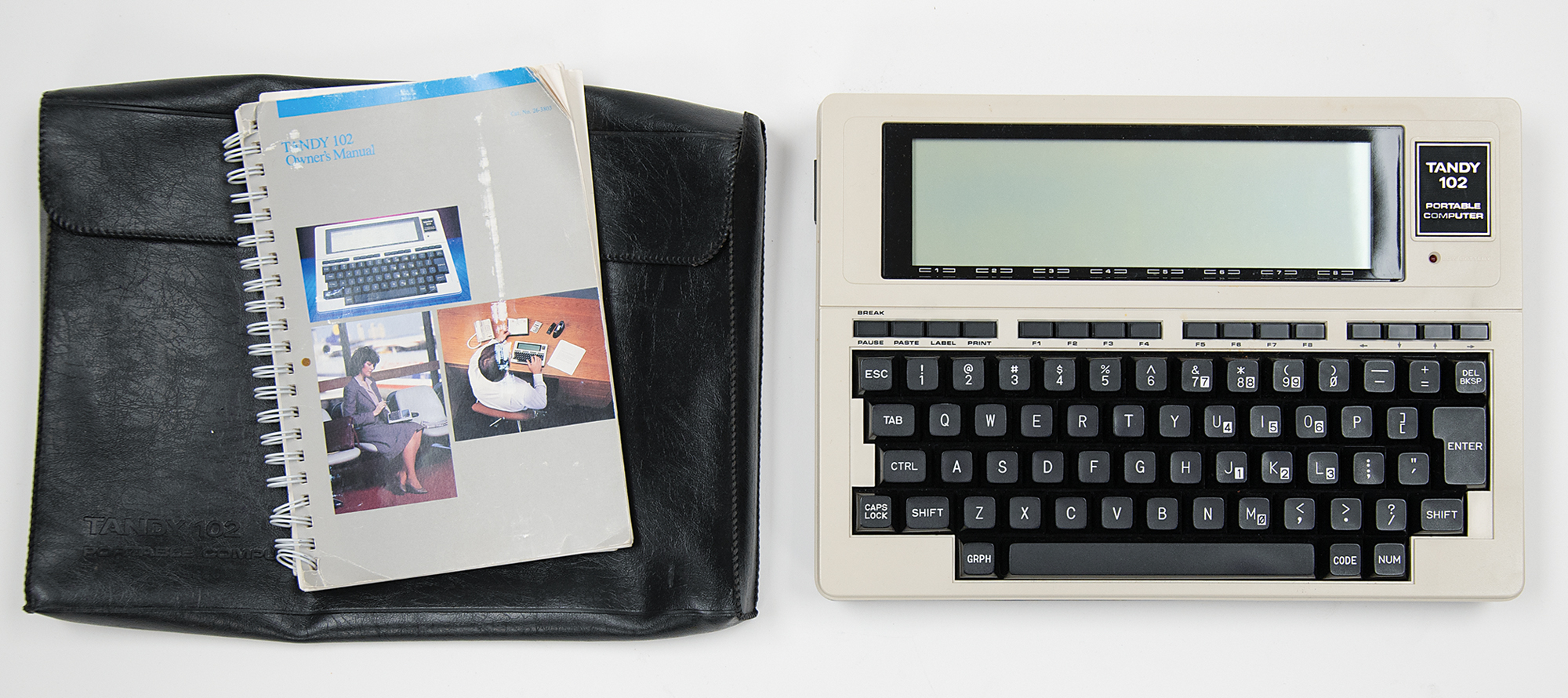
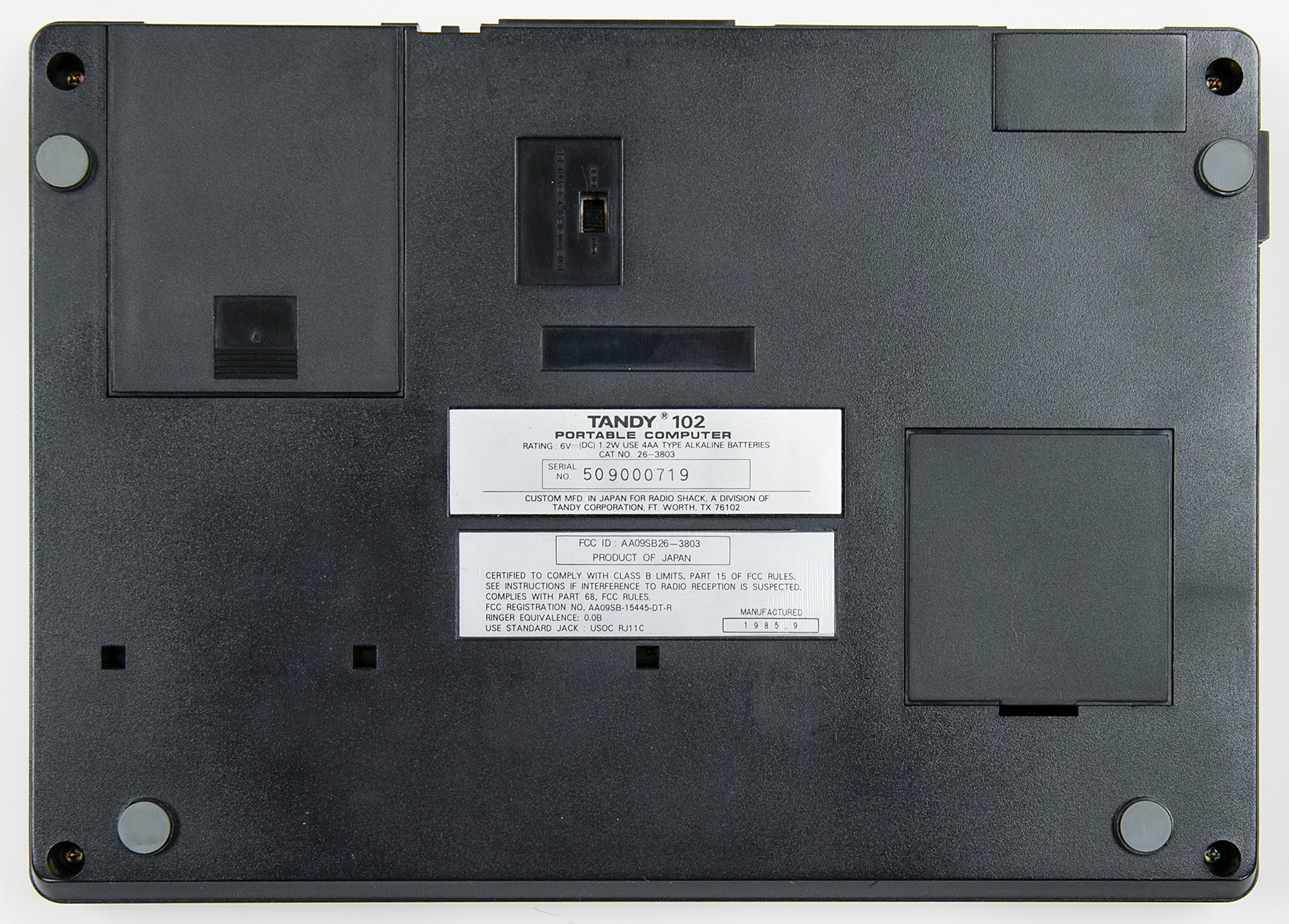
- Tandy 102 Portable Computer (1986) – Untested
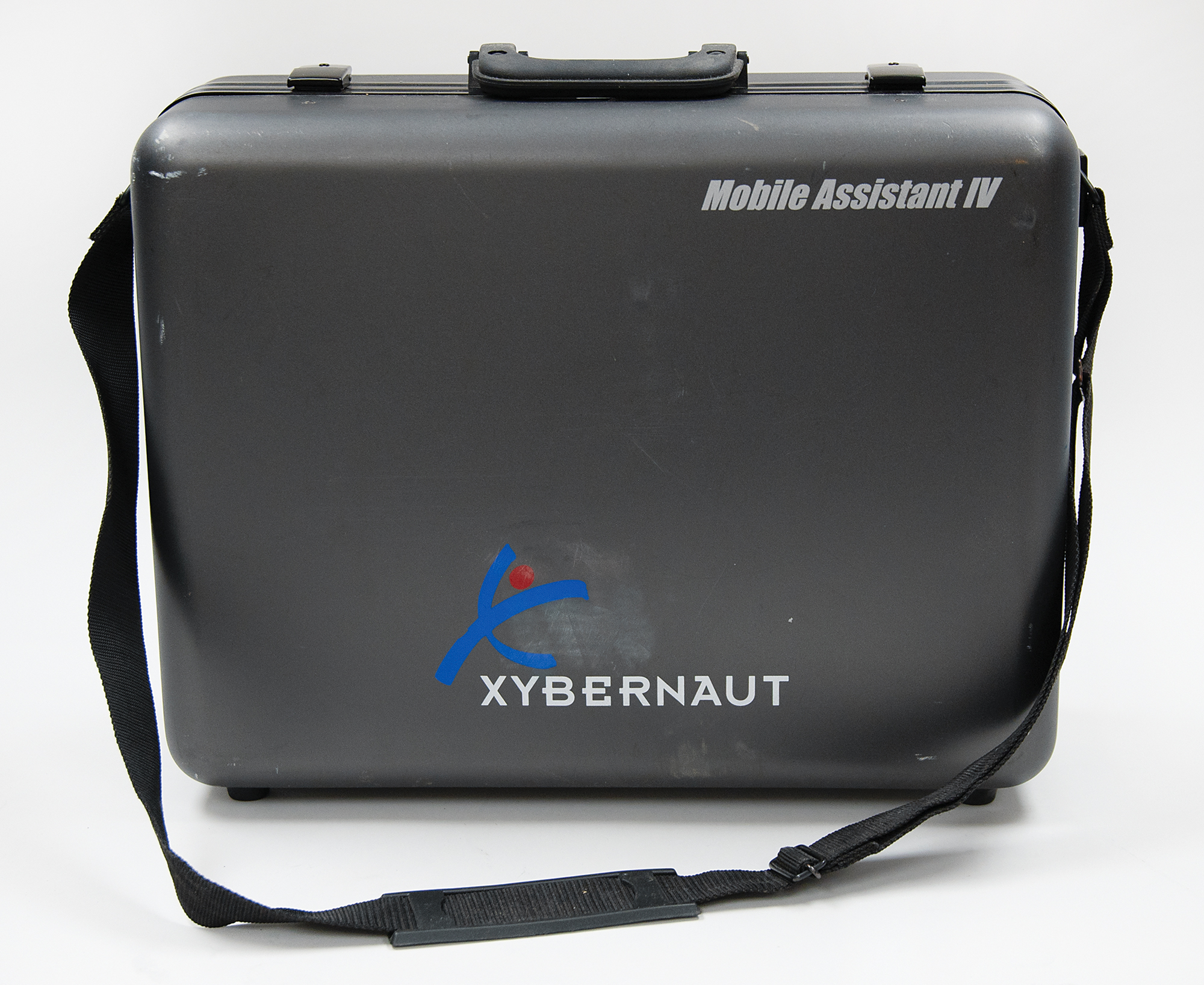
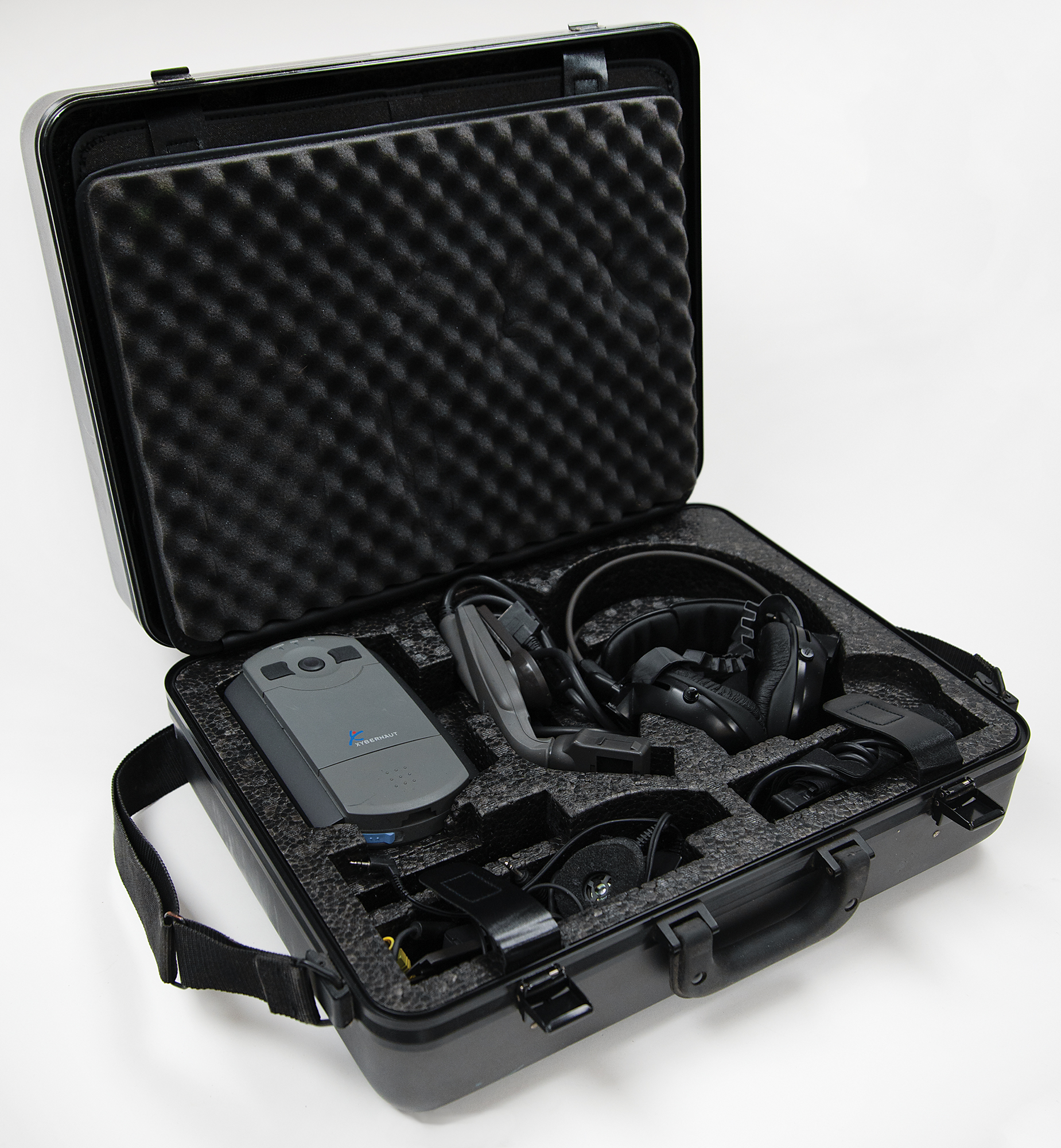
- Xybernaut Mobile Assistant IV (1999) – Untested
Due to the age and nature of vintage electronic equipment, all operational assessments reflect the systems' most recent known condition and should not be interpreted as guarantees of present or future functionality.
Computer historian Erik Klein has been a leading figure in the preservation of early personal computing for more than two decades. An engineer and software developer by profession, Klein founded the Vintage Computer Forum and the vintage-computer.com website, later serving as chairman of the board of the Vintage Computer Federation and organizing the annual Vintage Computer Festival West. A volunteer docent at the Computer History Museum in Mountain View, California, he has dedicated decades to collecting, restoring, documenting, and demonstrating the pioneering machines that transformed personal computing.
Spanning the formative decades of personal computing, this collection captures the extraordinary pace of innovation and remarkable diversity that defined the industry's first generation. It ranges from the Altair systems that ignited the microcomputer revolution and the celebrated 'Trinity of 1977' to early portable computers, CP/M workstations, and the Macintosh. Preserved with original peripherals, software, manuals, and accessories, and with many systems maintained in working order, the collection represents a rare opportunity to acquire one of the most comprehensive private assemblies of early microcomputing hardware ever offered at auction.

