
Sold For $81,430
*Includes Buyers Premium
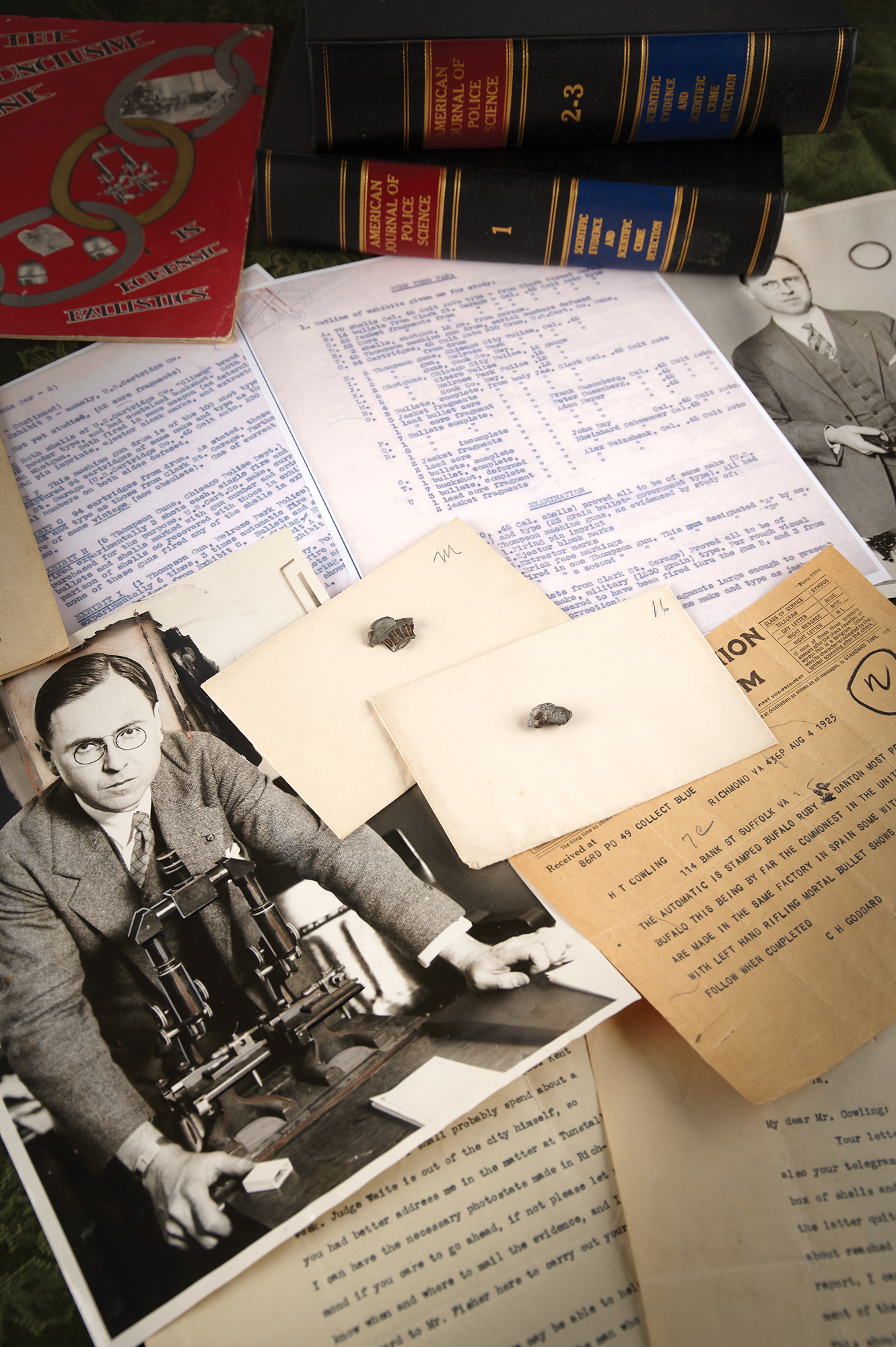
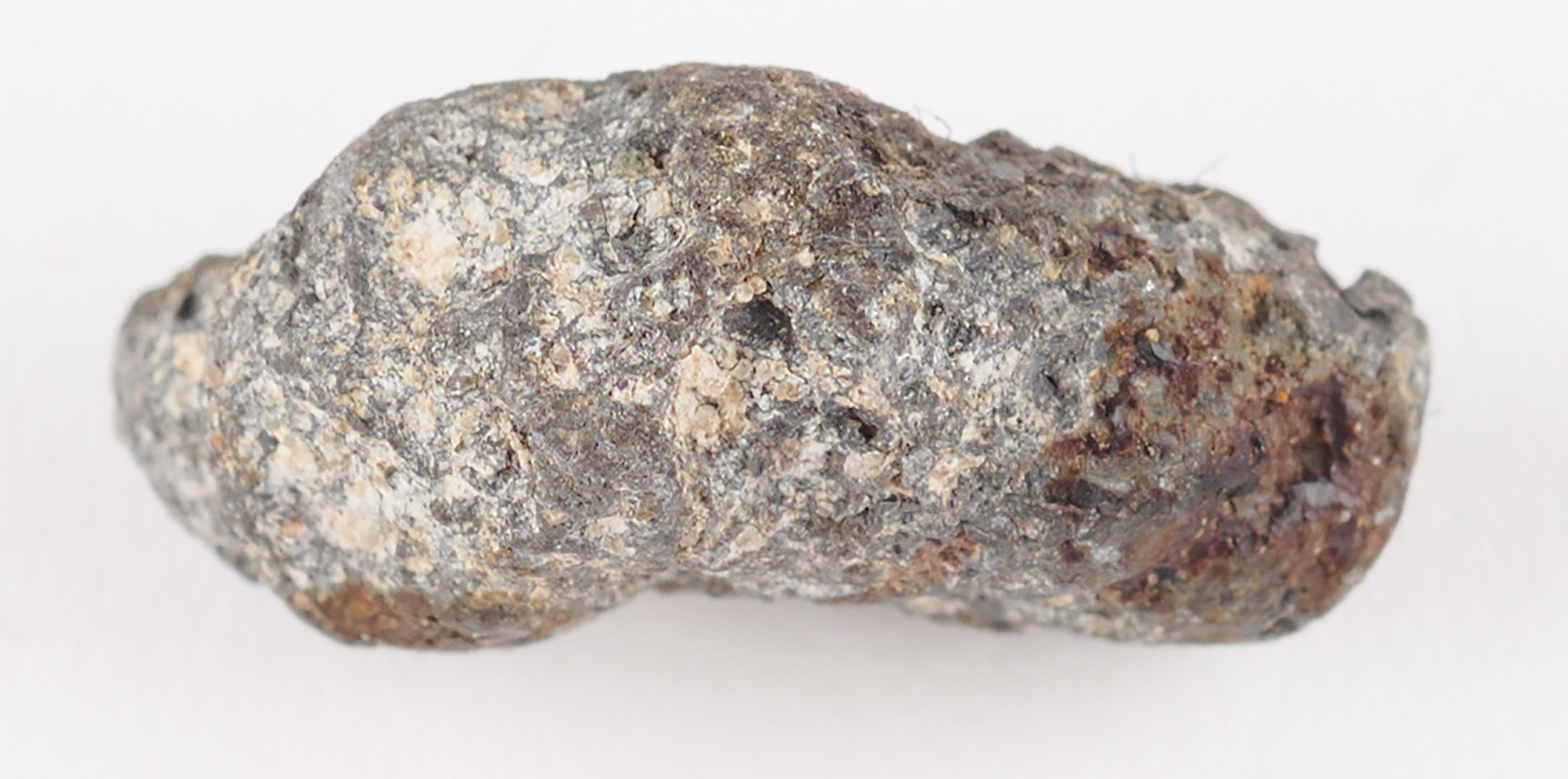
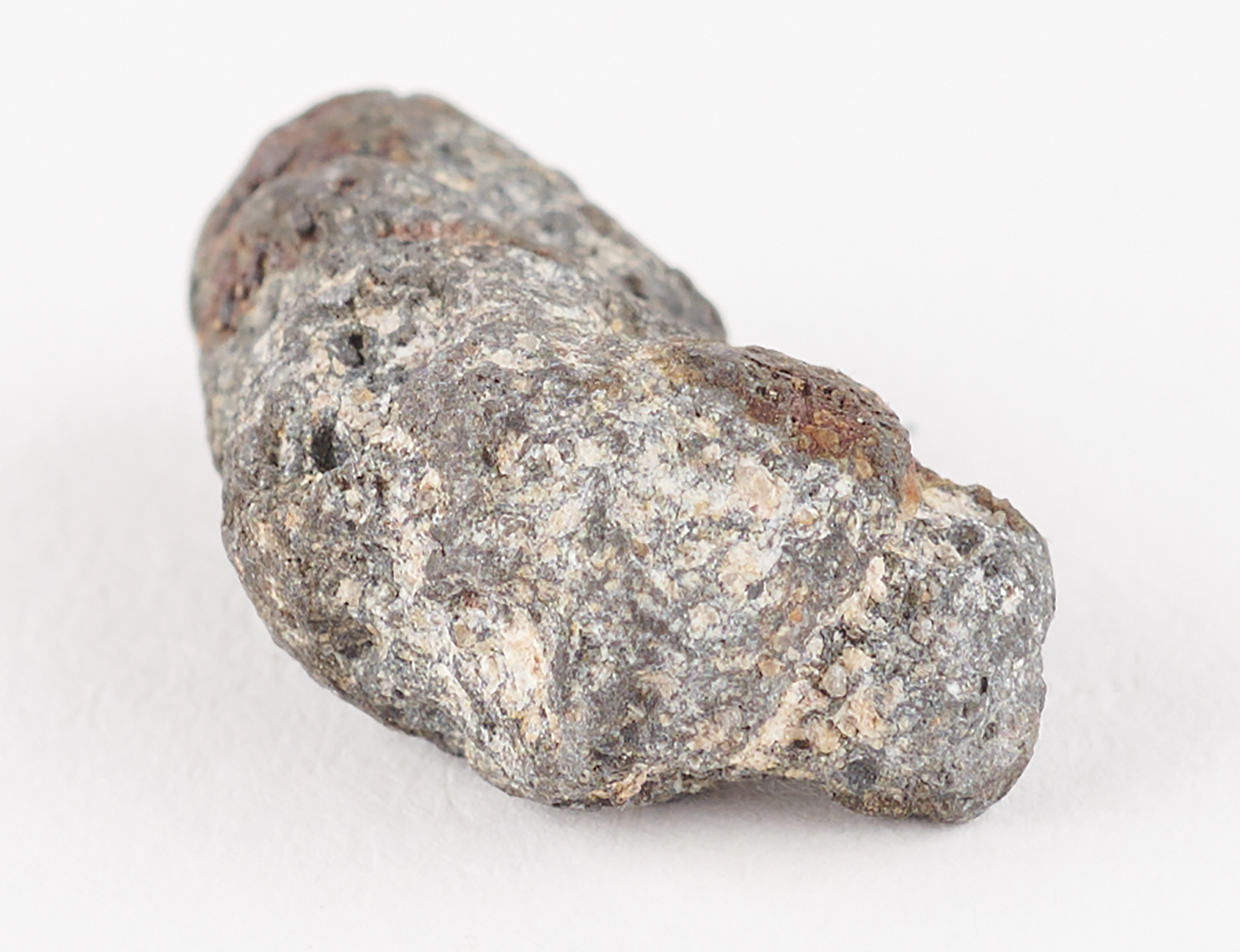
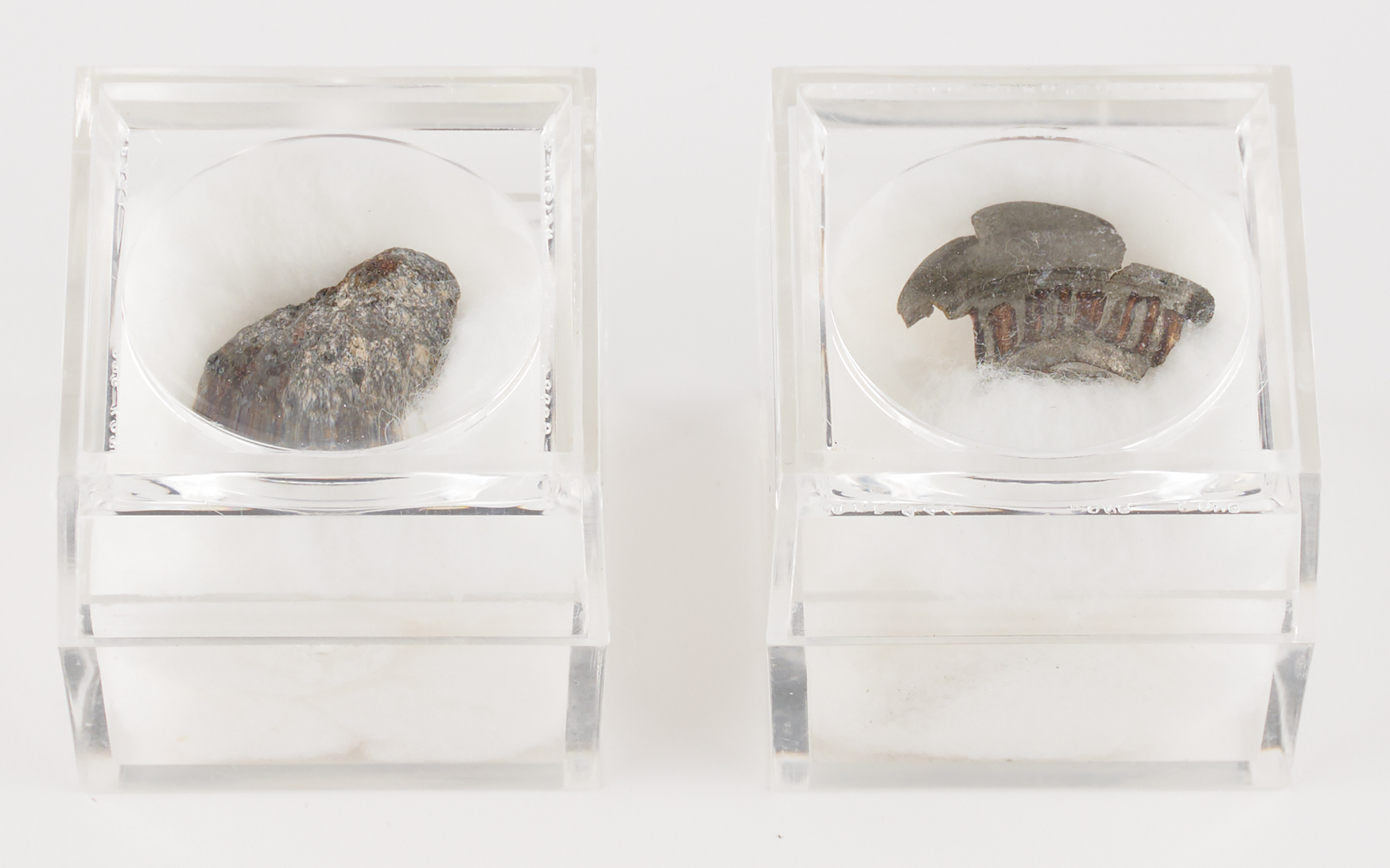
Two original ‘Goddard Lab’ bullet fragments recovered from the crime scene of the Saint Valentine’s Day Massacre, the infamous gangland execution in which seven members and associates of Chicago’s North Side Gang were murdered by assailants disguised as police officers. The men were lined up facing a wall inside a garage in Chicago’s Lincoln Park neighborhood and shot at close range with Thompson submachine guns and a shotgun; seventy rounds were fired from the Thompsons, along with a single shotgun cartridge, on February 14, 1929—one of the most notorious unsolved crimes of the Prohibition era.
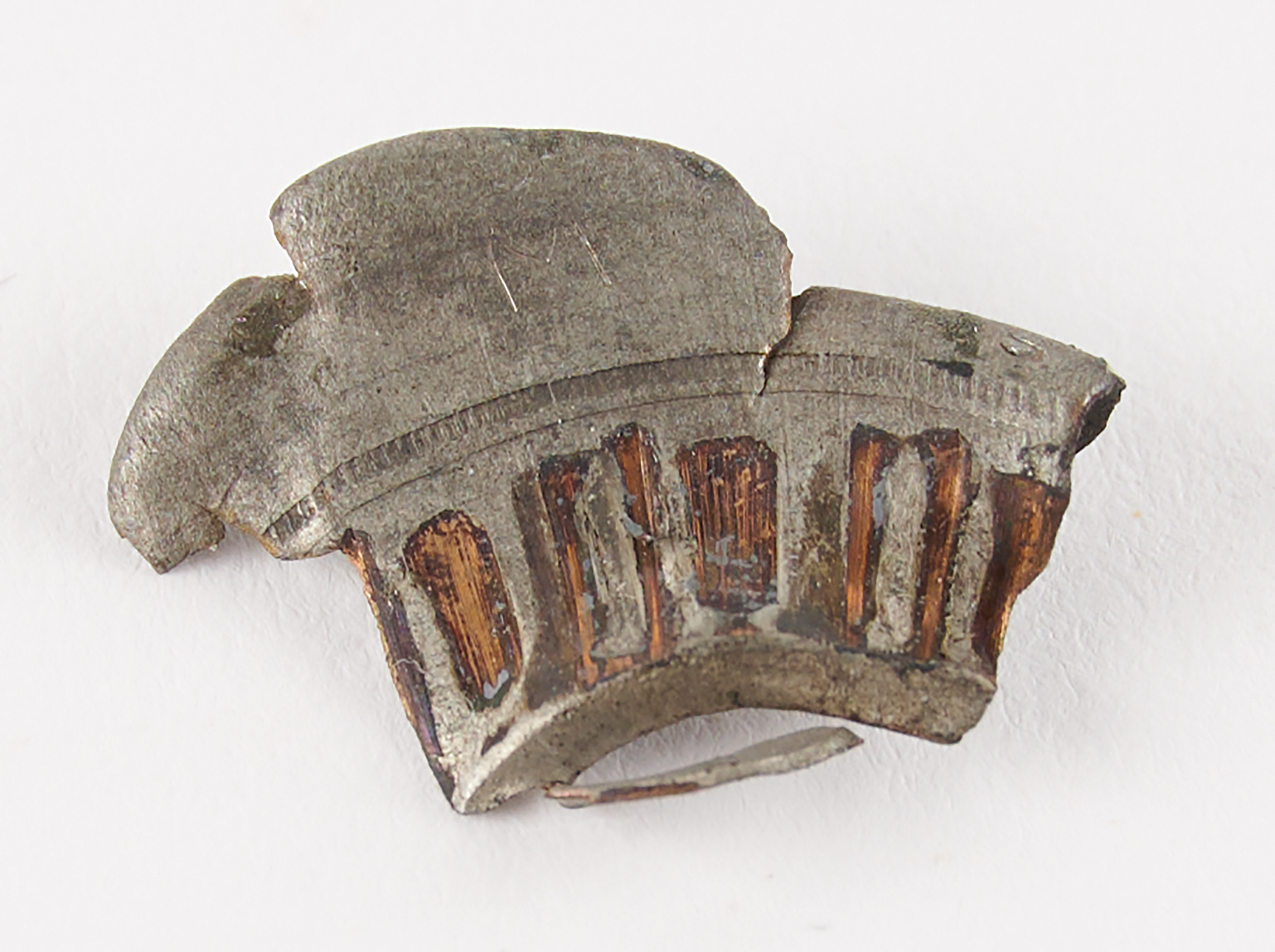
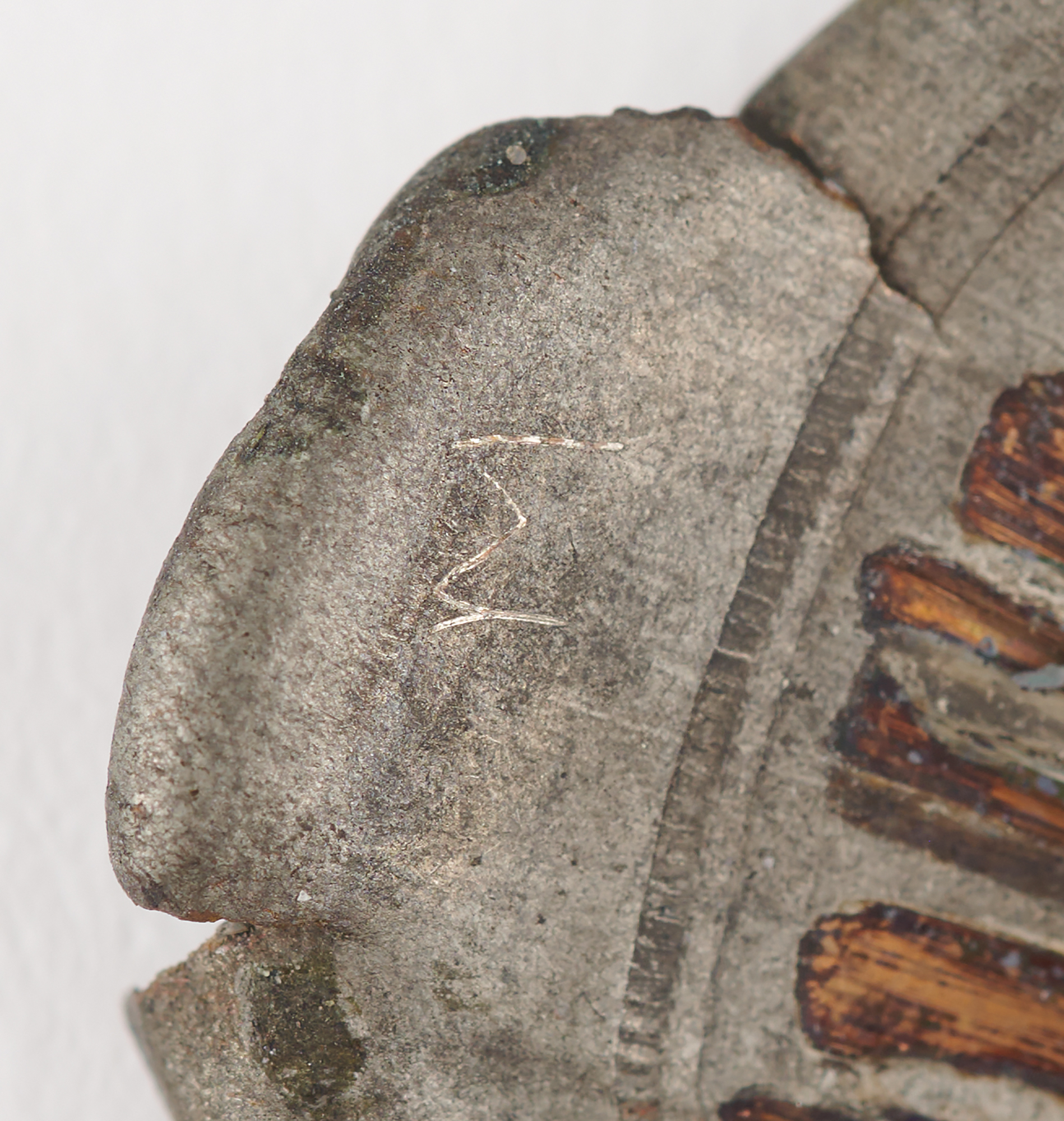
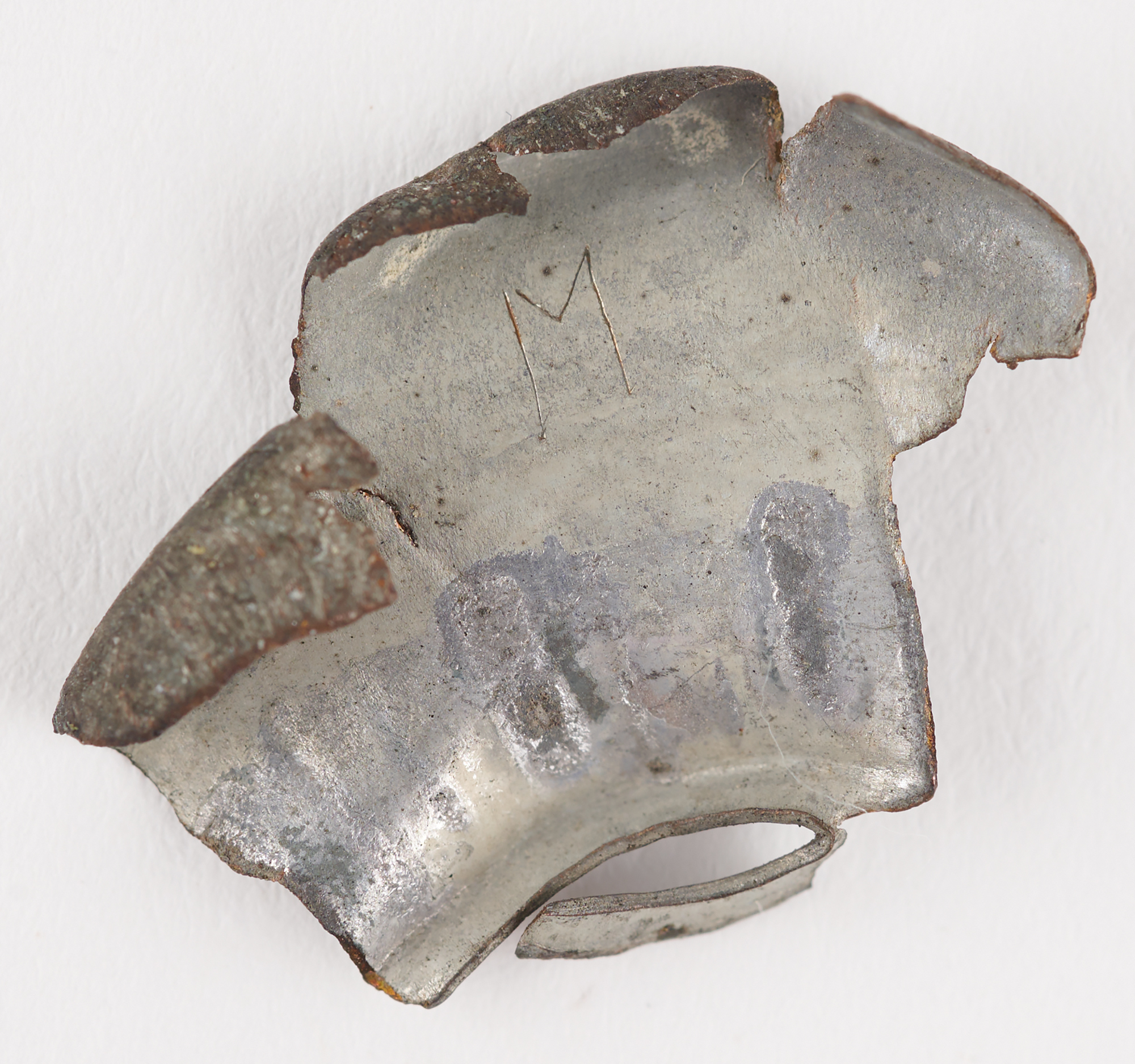
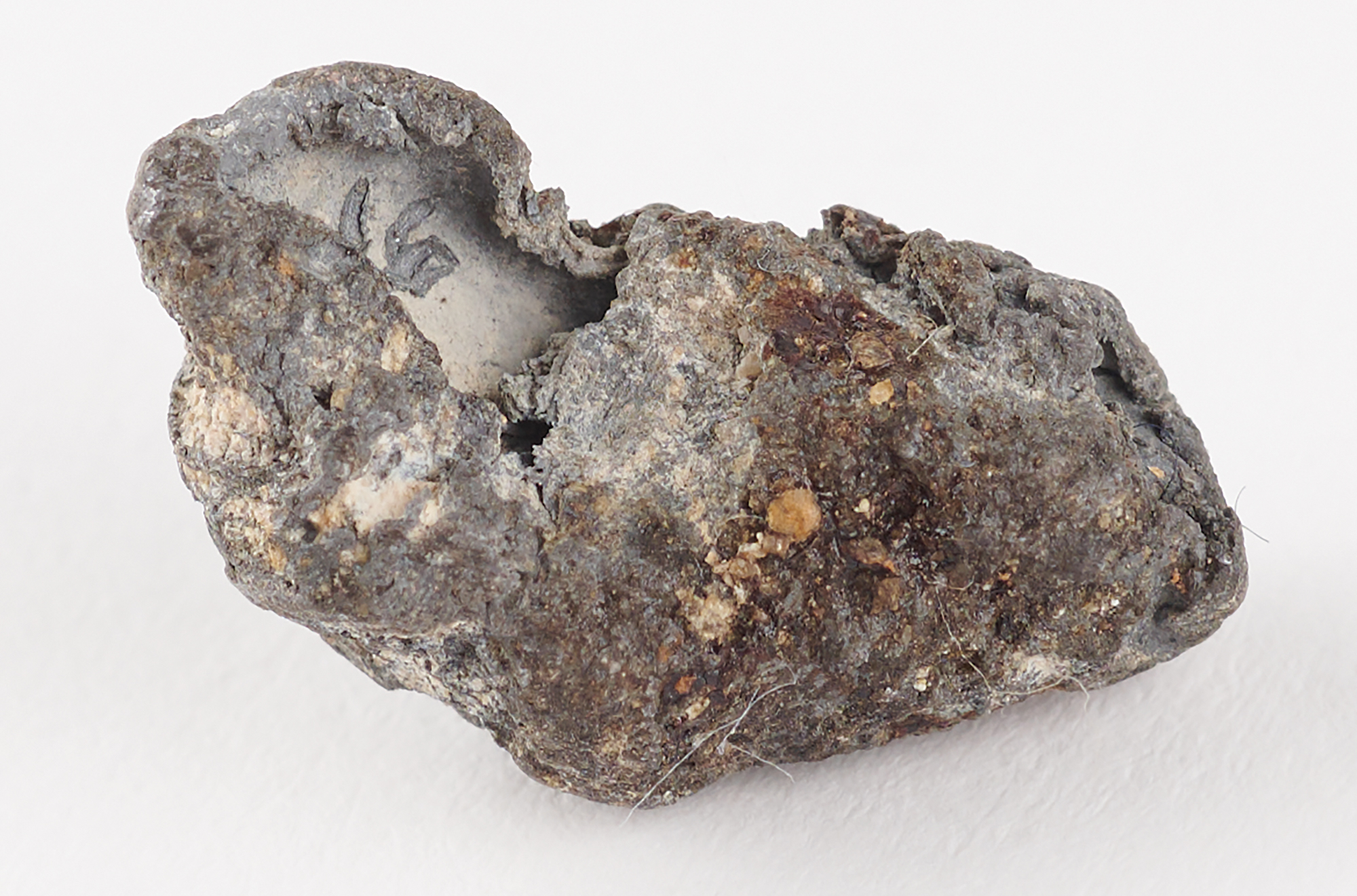
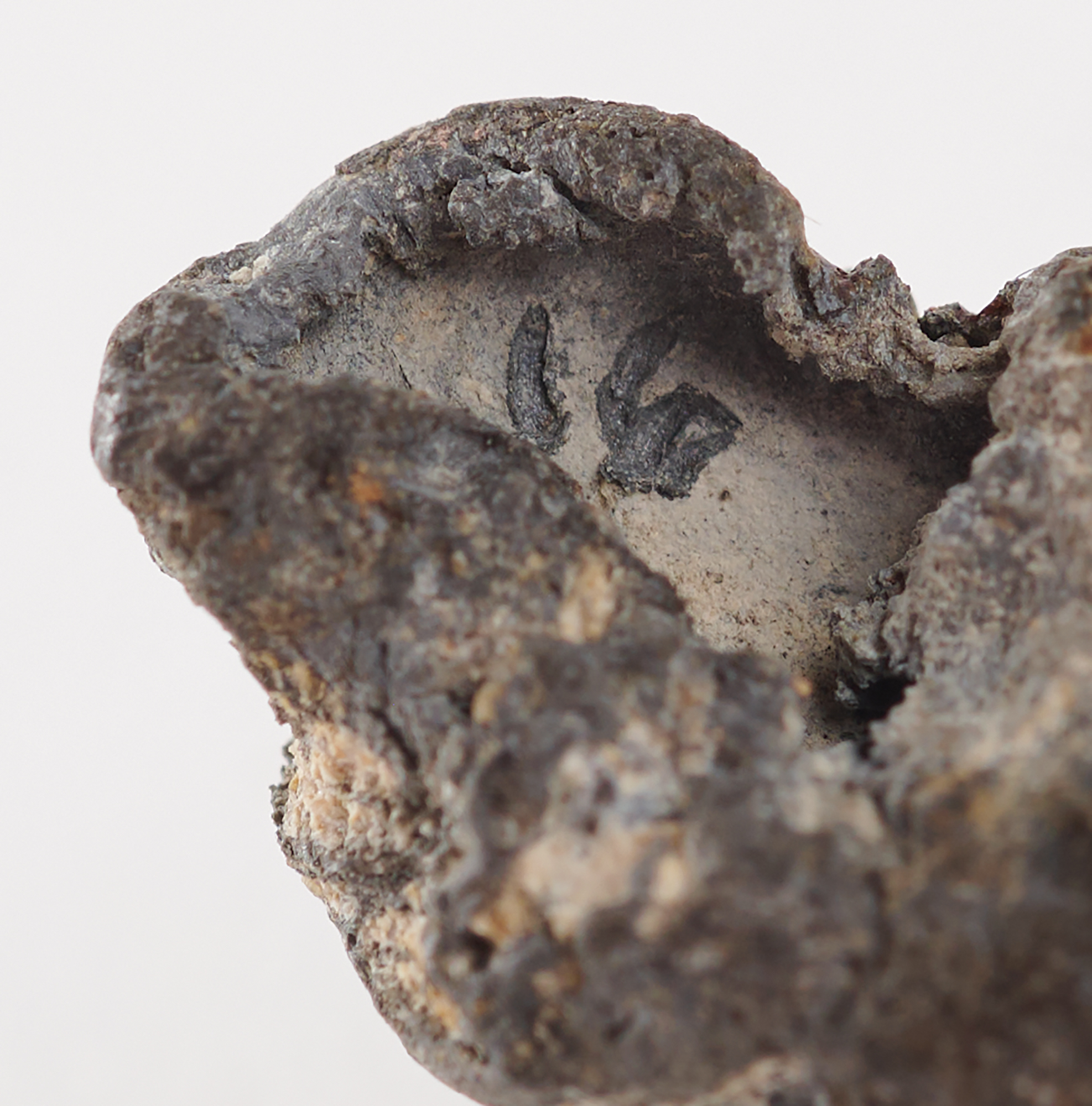
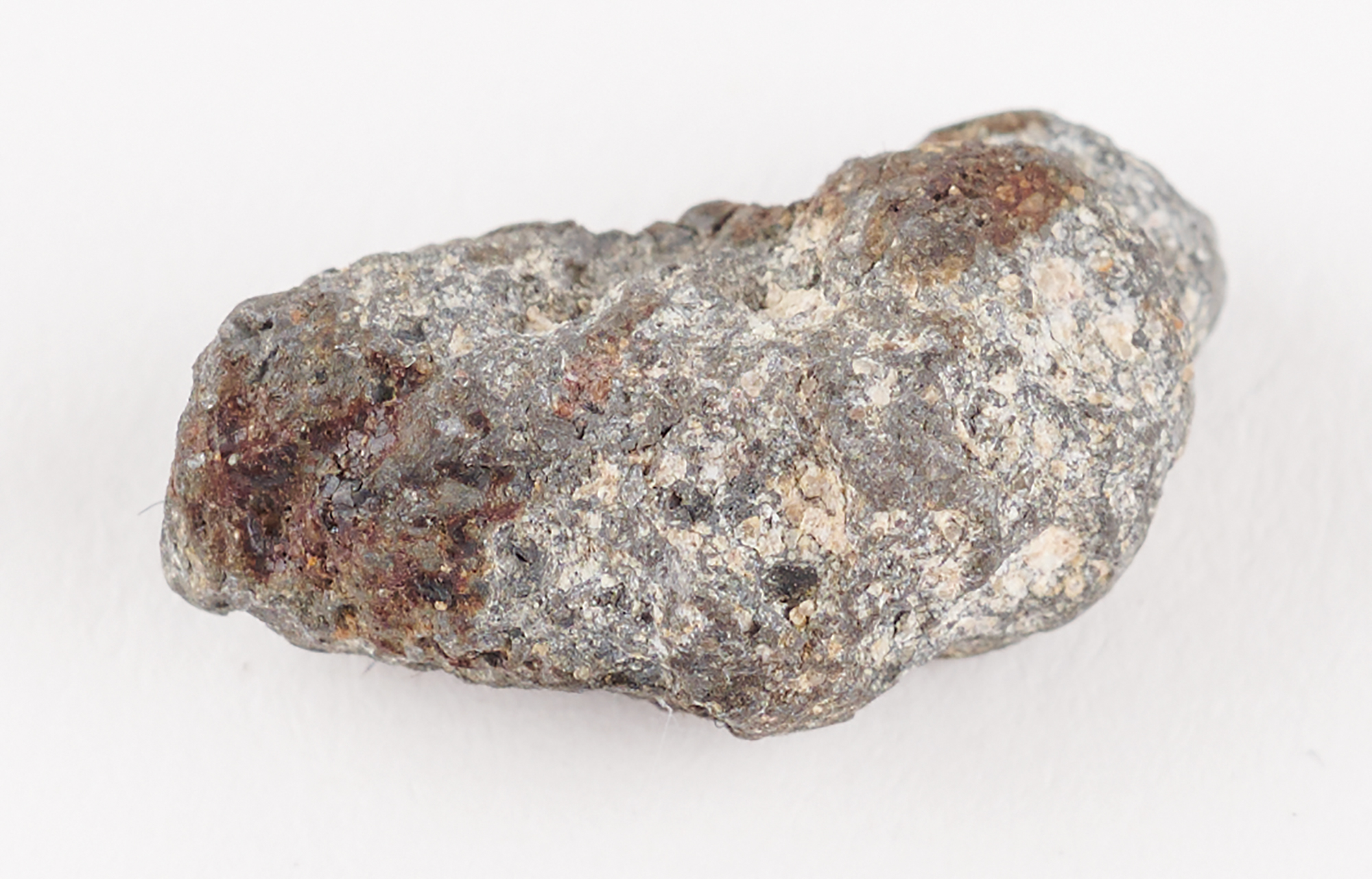
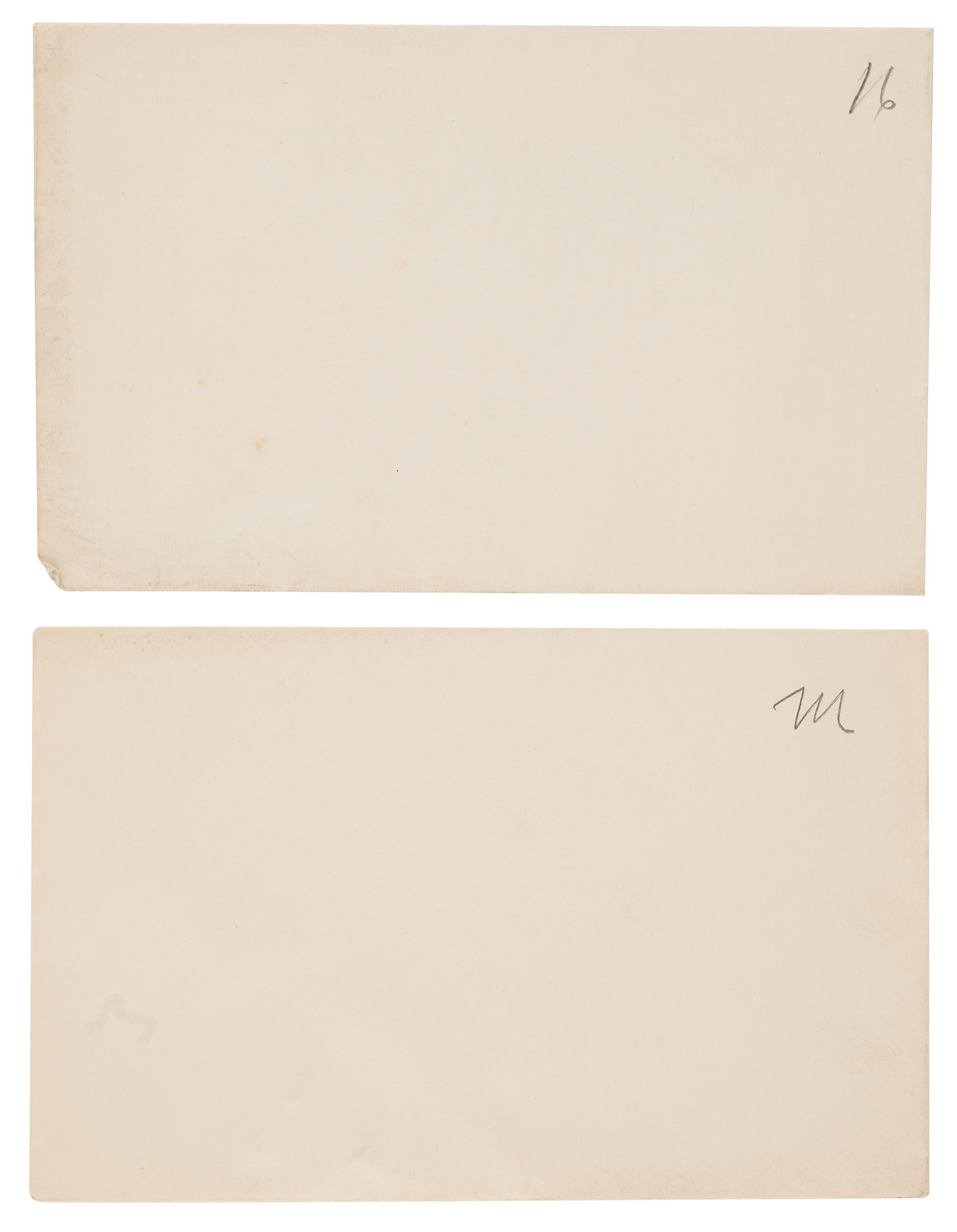
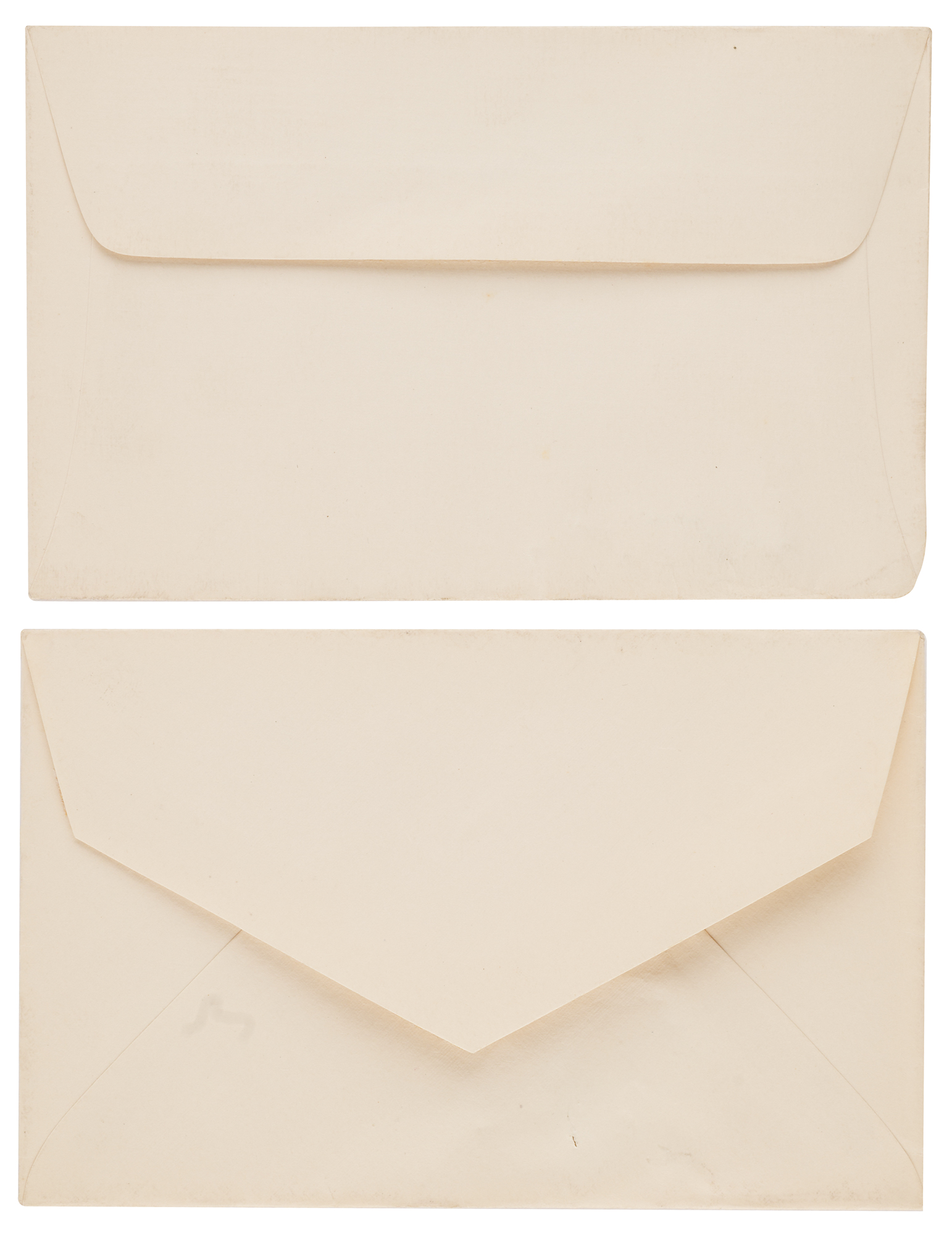
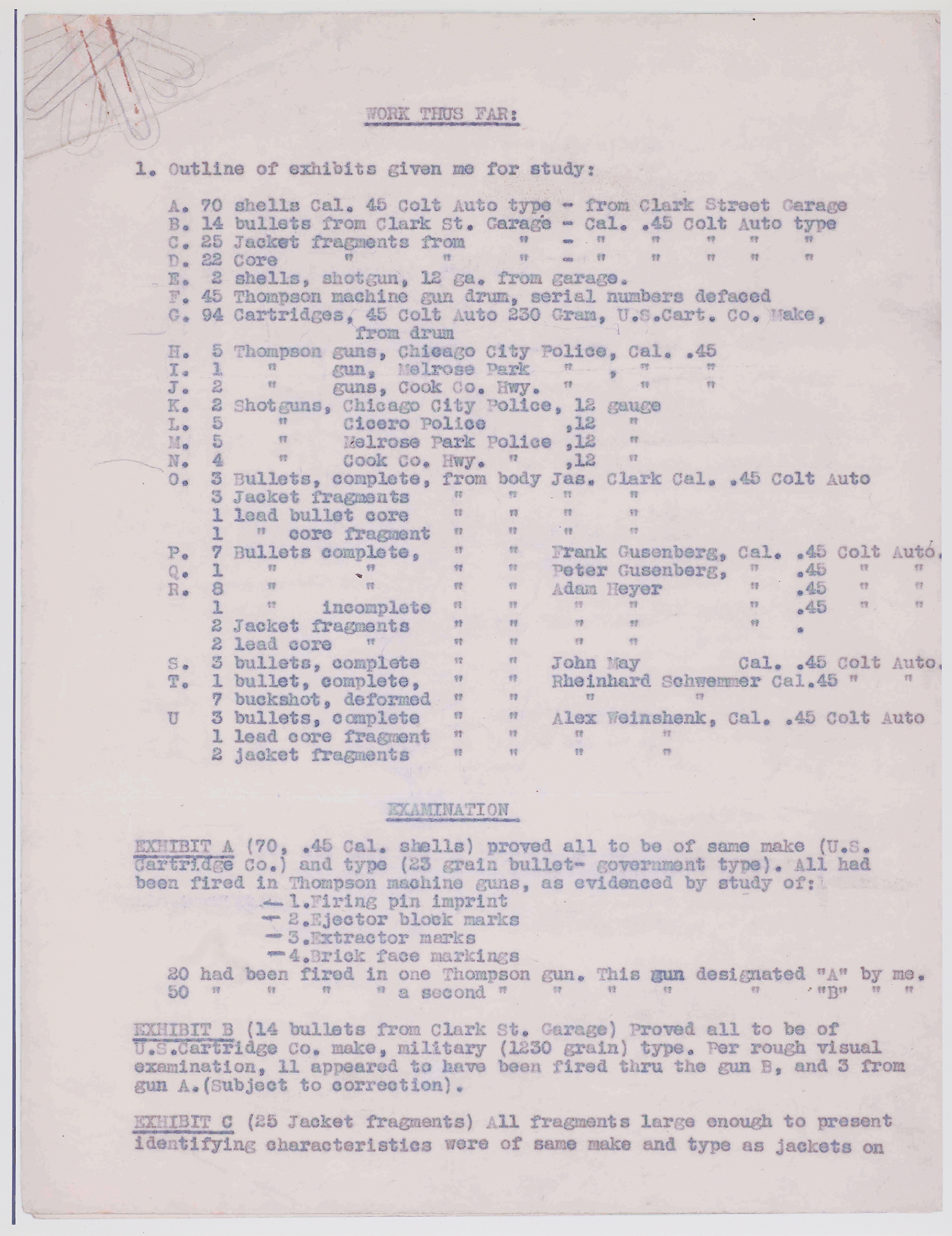
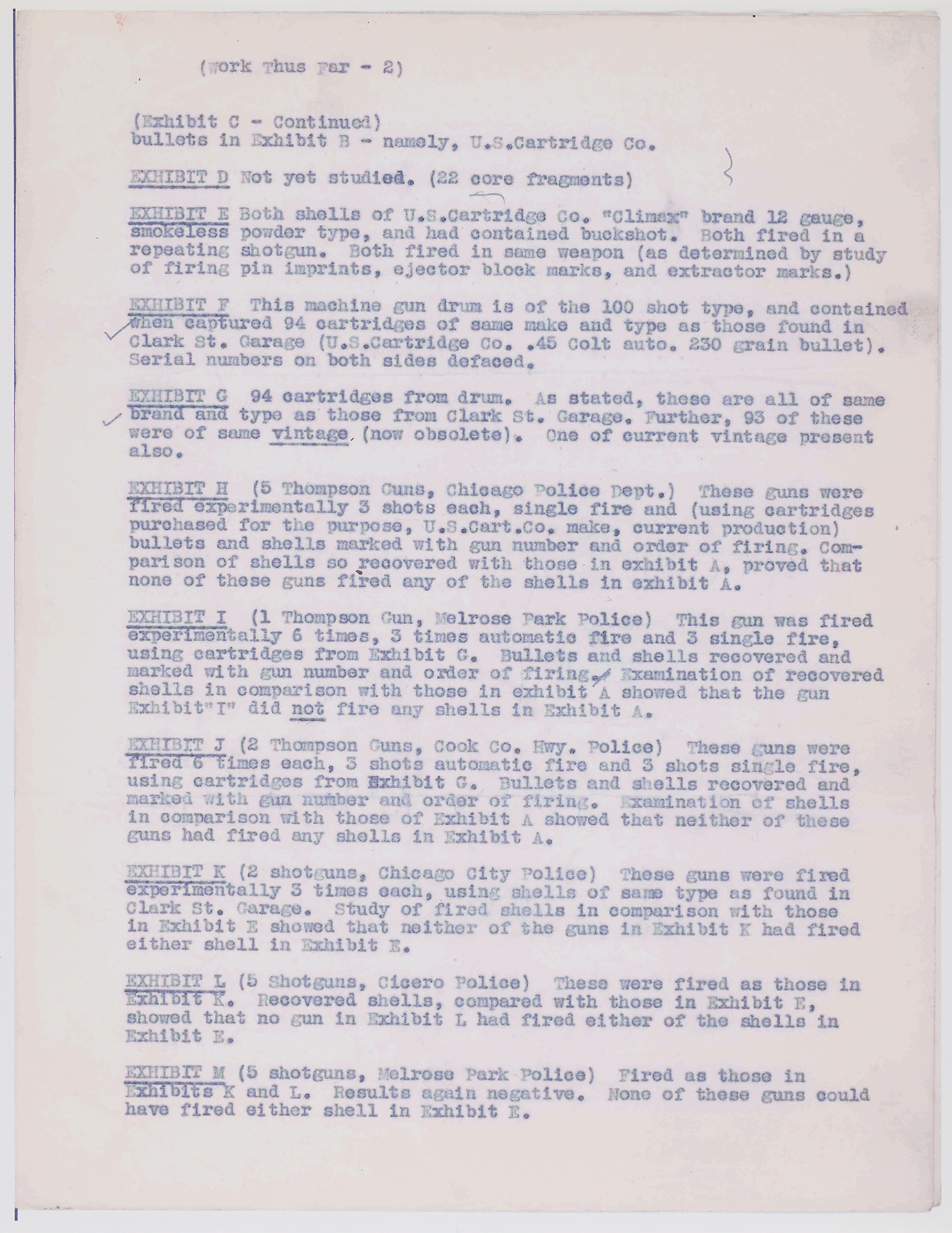
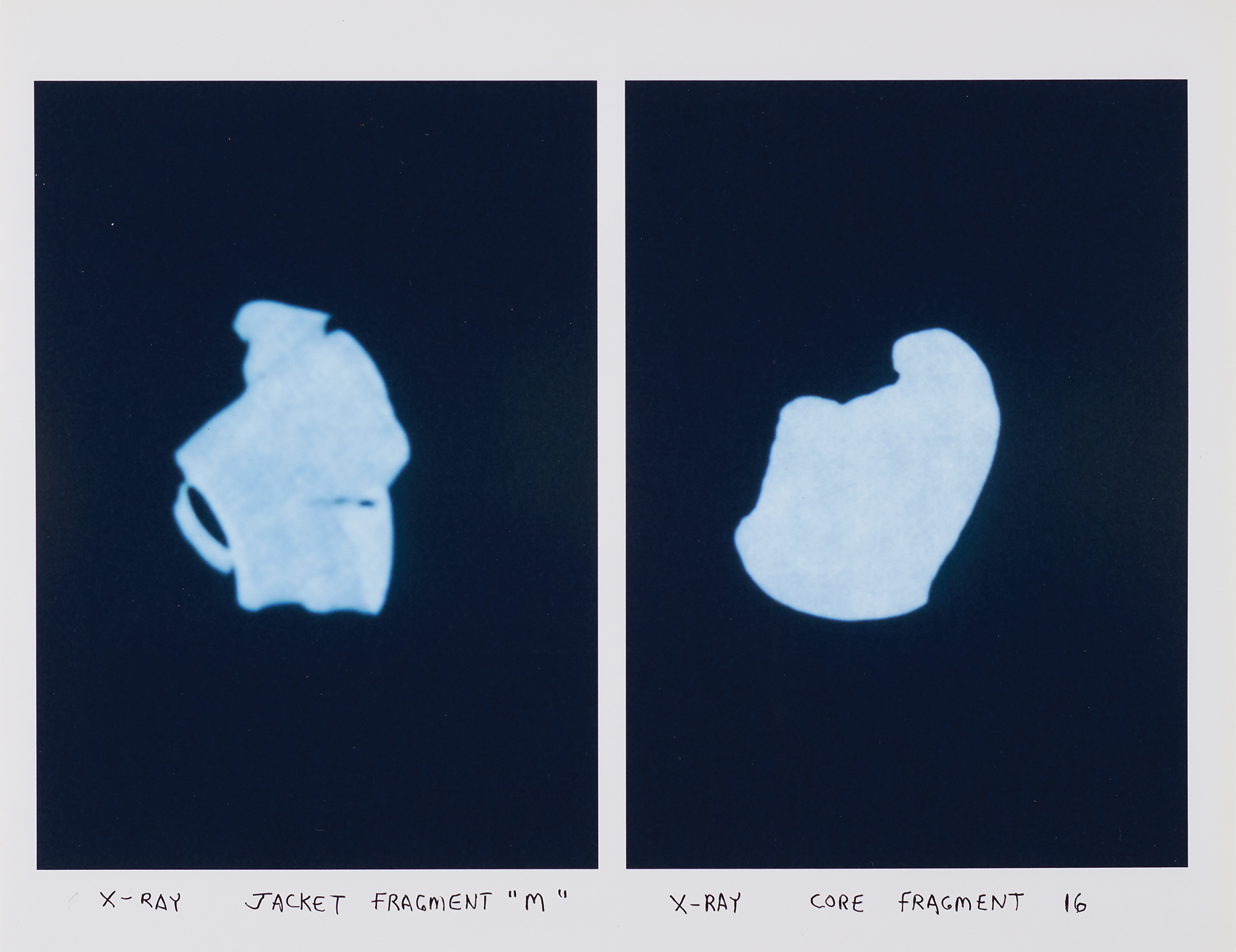
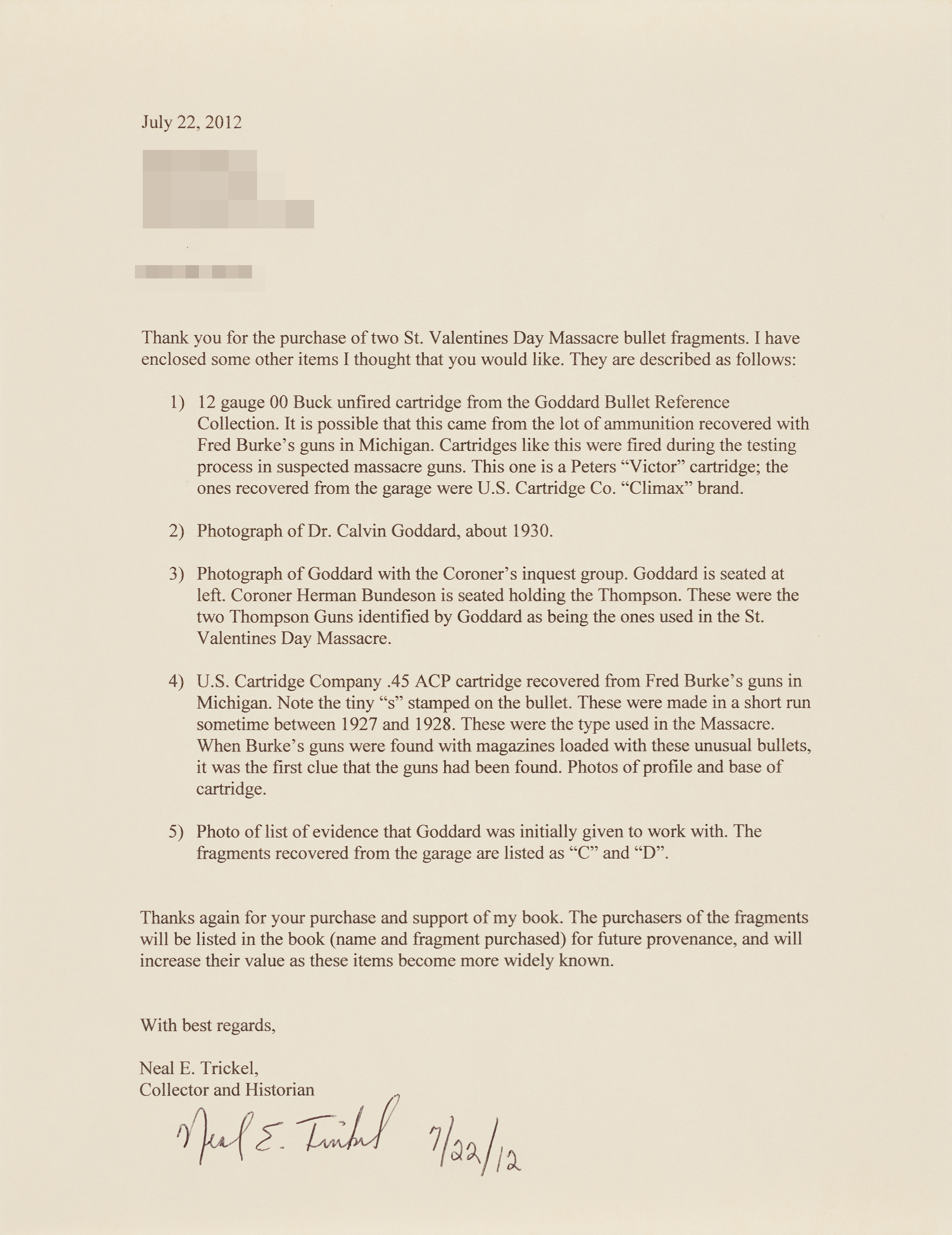
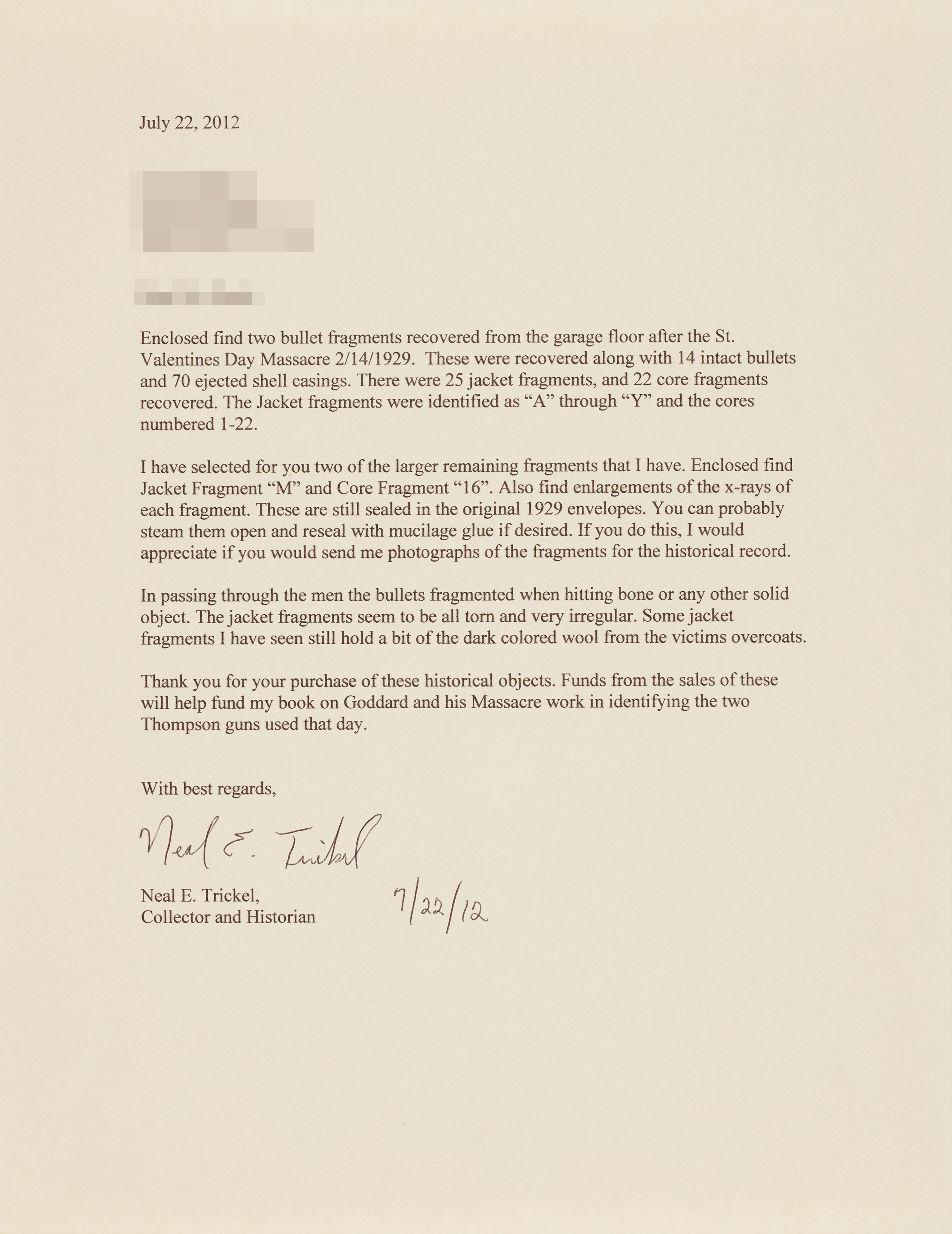
These fragments—marked as jacket fragment “M” and core fragment “16”—were recovered alongside 14 intact bullets and 70 ejected shell casings, part of a larger evidentiary group that included 25 jacket fragments designated 'A' through 'Y' and 22 core fragments numbered 1 through 22, all of which were collected as evidence and submitted to the Scientific Crime Detection Laboratory in Chicago, where they were examined by pioneering forensic scientist Calvin H. Goddard. Measuring approximately .75˝ × .5˝ each, the fragments are accompanied by their original 1929 Calvin Goddard laboratory envelopes marked “M” and “16,” as well as modern photographic prints showing enlarged X-ray images of both pieces and the original evidence inventory list submitted to Goddard for examination, on which fragments “M” and “16” appear as Exhibits “C” and “D.”
In passing through the victims, the bullets fragmented upon striking bone or other solid objects, producing jacket fragments that are torn and highly irregular; contemporary forensic reports note that some examples from the crime scene retained traces of dark-colored wool from the victims’ overcoats. Goddard’s analysis demonstrated that the weapons used were not police-issued firearms, leading investigators to conclude that the killings were the work of organized crime.
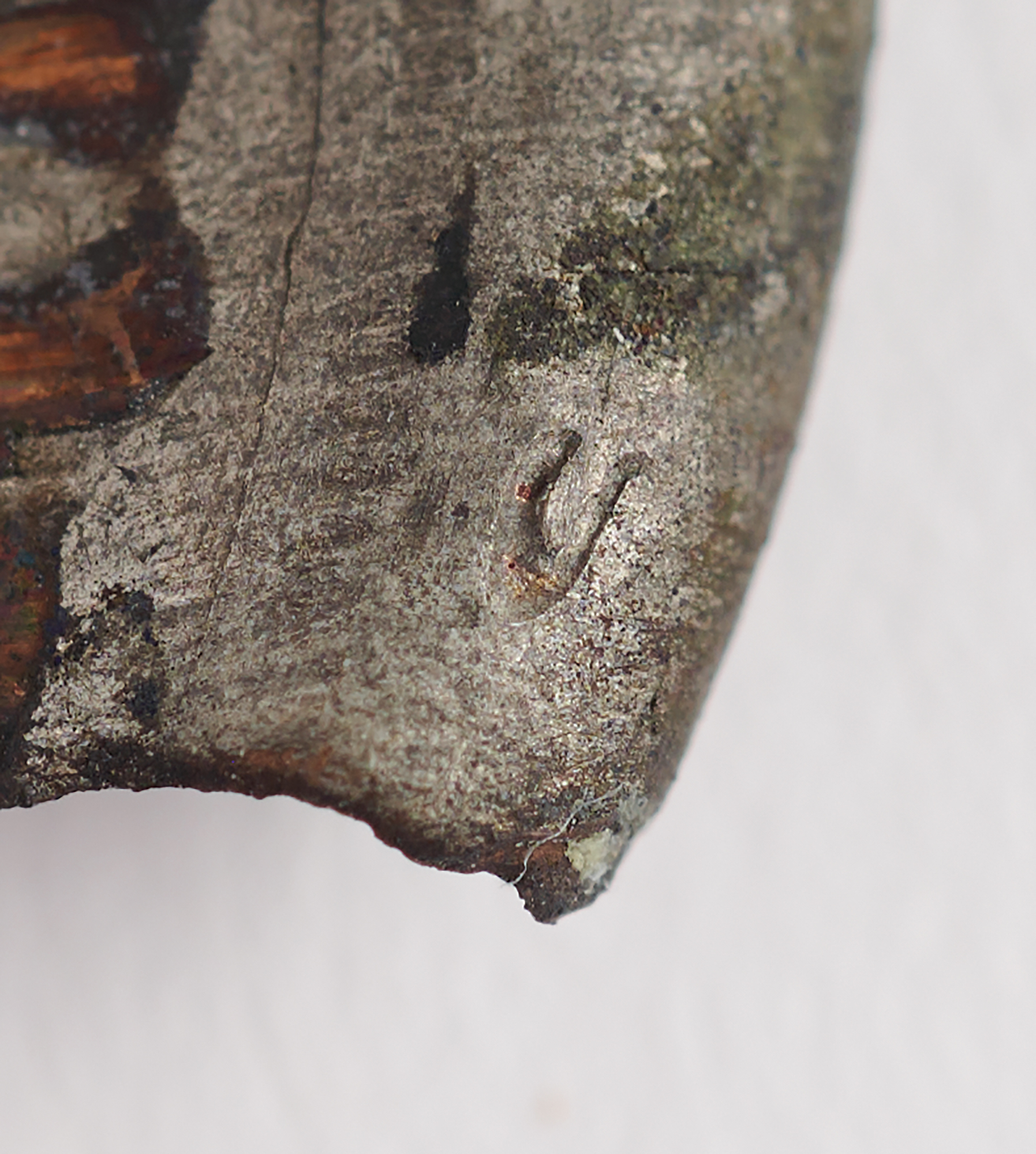
Of further evidential import is the presence of a special “S” stamp found above the cannelure of the jacket fragment identified as “M.” This marking corresponds to U.S. Cartridge Co. special “S”–stamped .45 ACP ammunition, examples of which were recovered during a Michigan police raid on the home of Fred “Killer” Burke, long suspected to have been one of the Saint Valentine’s Day Massacre gunmen. Burke was exposed after a drunken automobile collision in St. Joseph, Michigan, in December 1929, during which he fatally shot a responding police officer. Although Burke escaped, a subsequent search of his lakeside residence uncovered a cache of weapons, ammunition, and ballistic equipment, including two Thompson submachine guns and quantities of U.S. Cartridge Co. ammunition bearing the distinctive “S” stamp. These materials were forwarded to Goddard’s Scientific Crime Detection Laboratory, where test-firing conclusively demonstrated that the Thompson guns seized from Burke discharged bullets matching those recovered from the Massacre victims—rendering the “S” stamp on fragment “M” a highly significant forensic link between the crime-scene evidence and ammunition found in Burke’s possession. In overall fine condition.
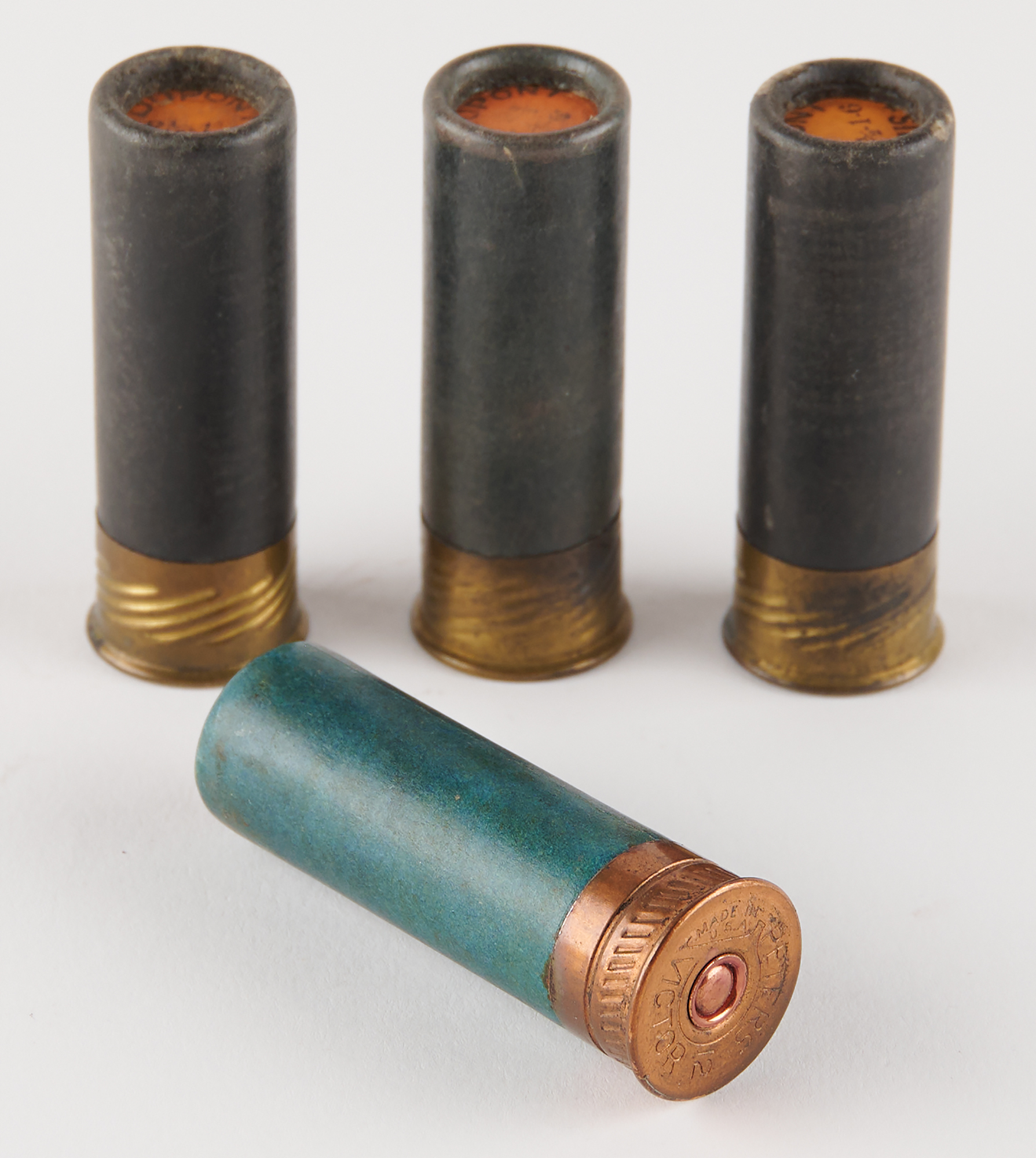
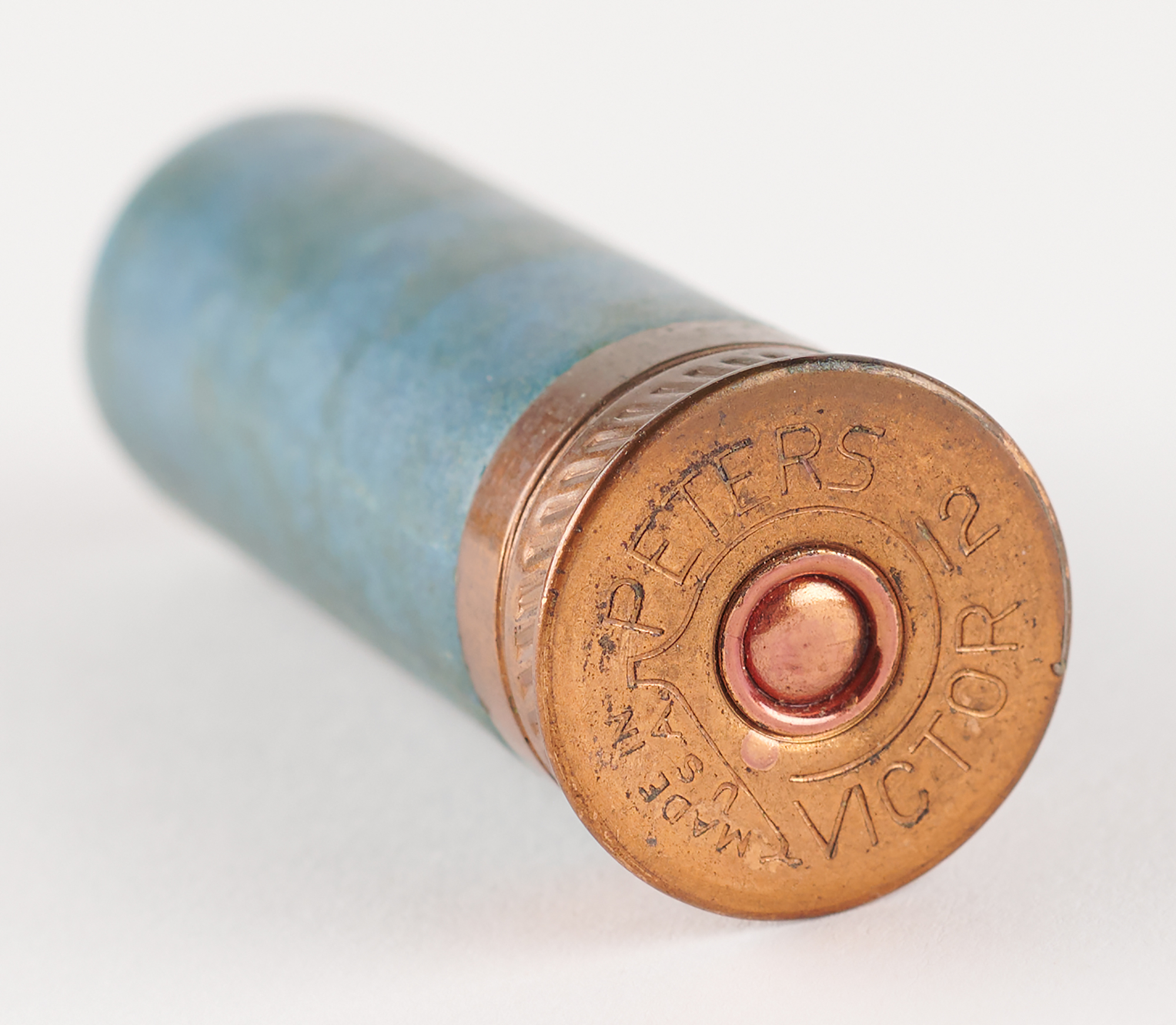
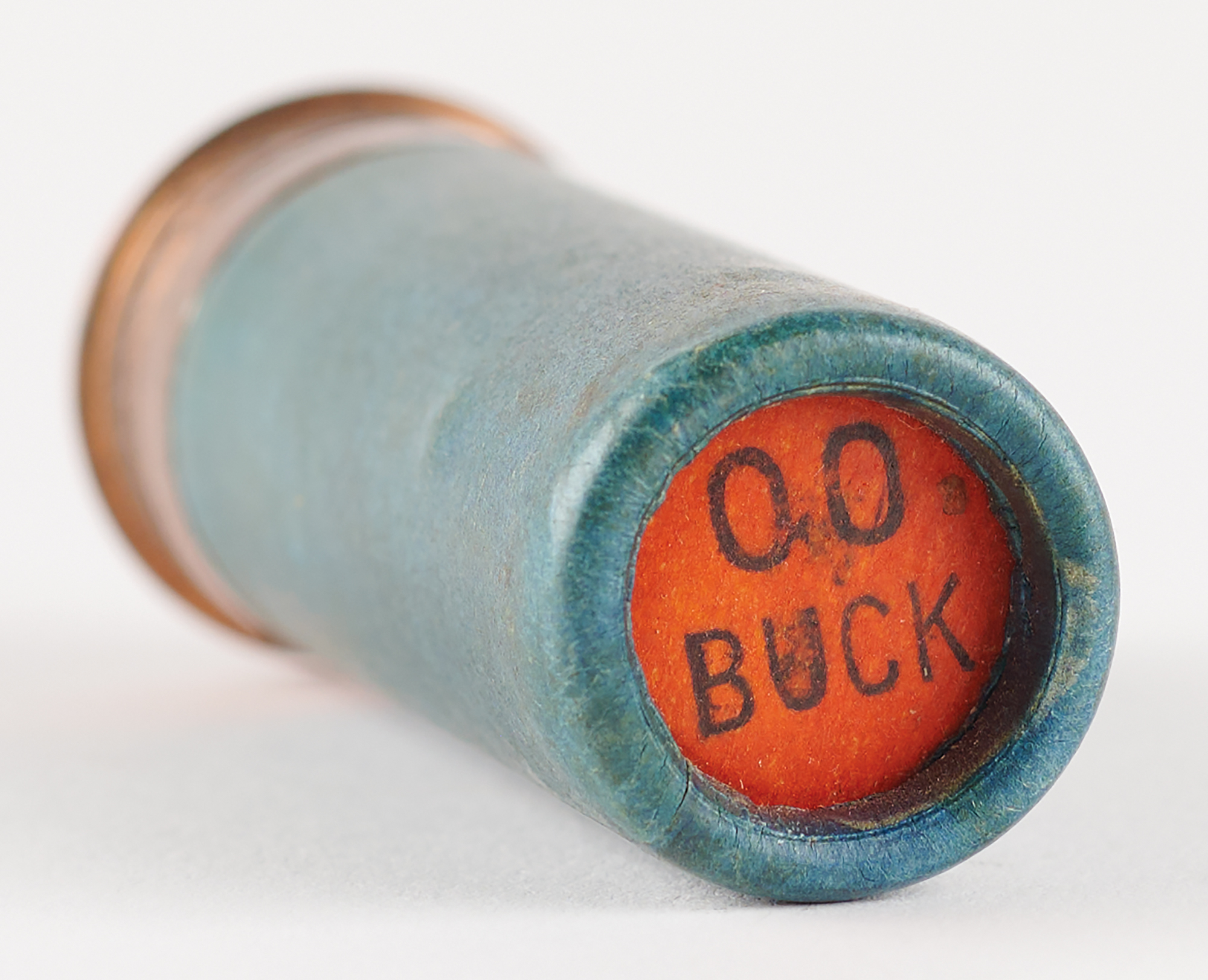
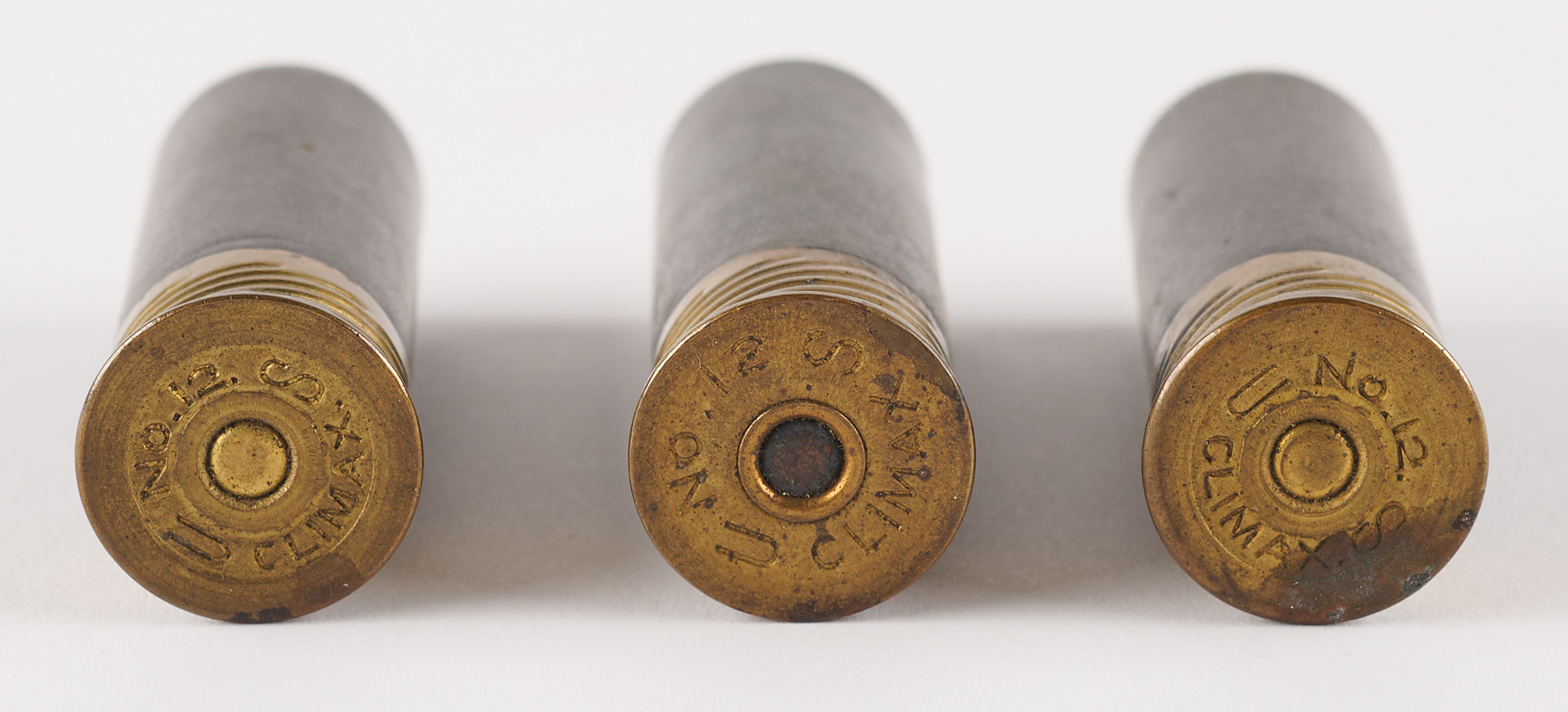
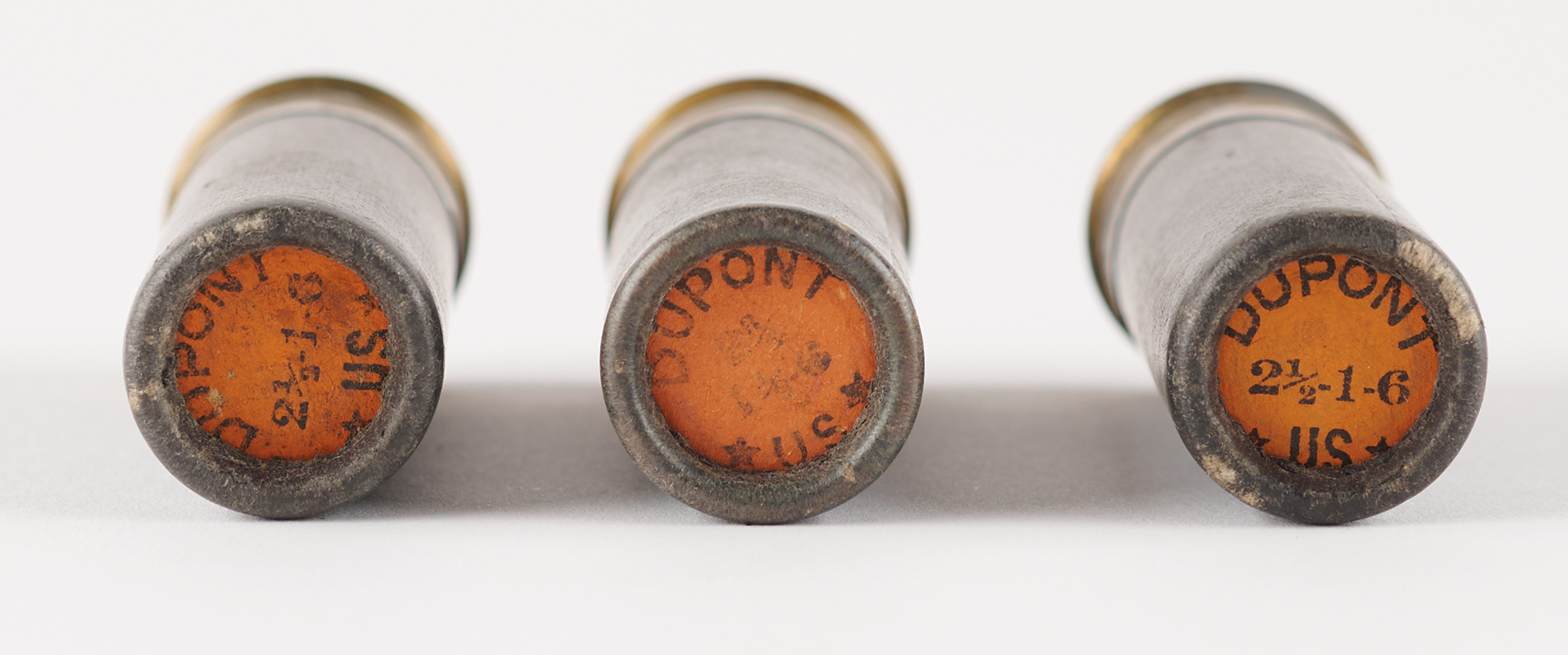
Included with the fragments are two signed letters of transmittal from historian Neal Trickel, along with an unfired 12-gauge 00 buckshot cartridge from the Goddard Bullet Reference Collection, possibly originating from ammunition recovered with massacre suspect Fred Burke’s guns in Michigan. Similar cartridges were used during test-firing of suspected massacre weapons; this example is a Peters ‘Victor’ cartridge, whereas those recovered from the garage were U.S. Cartridge Co. ‘Climax’ brand, three unfired examples of which are included.
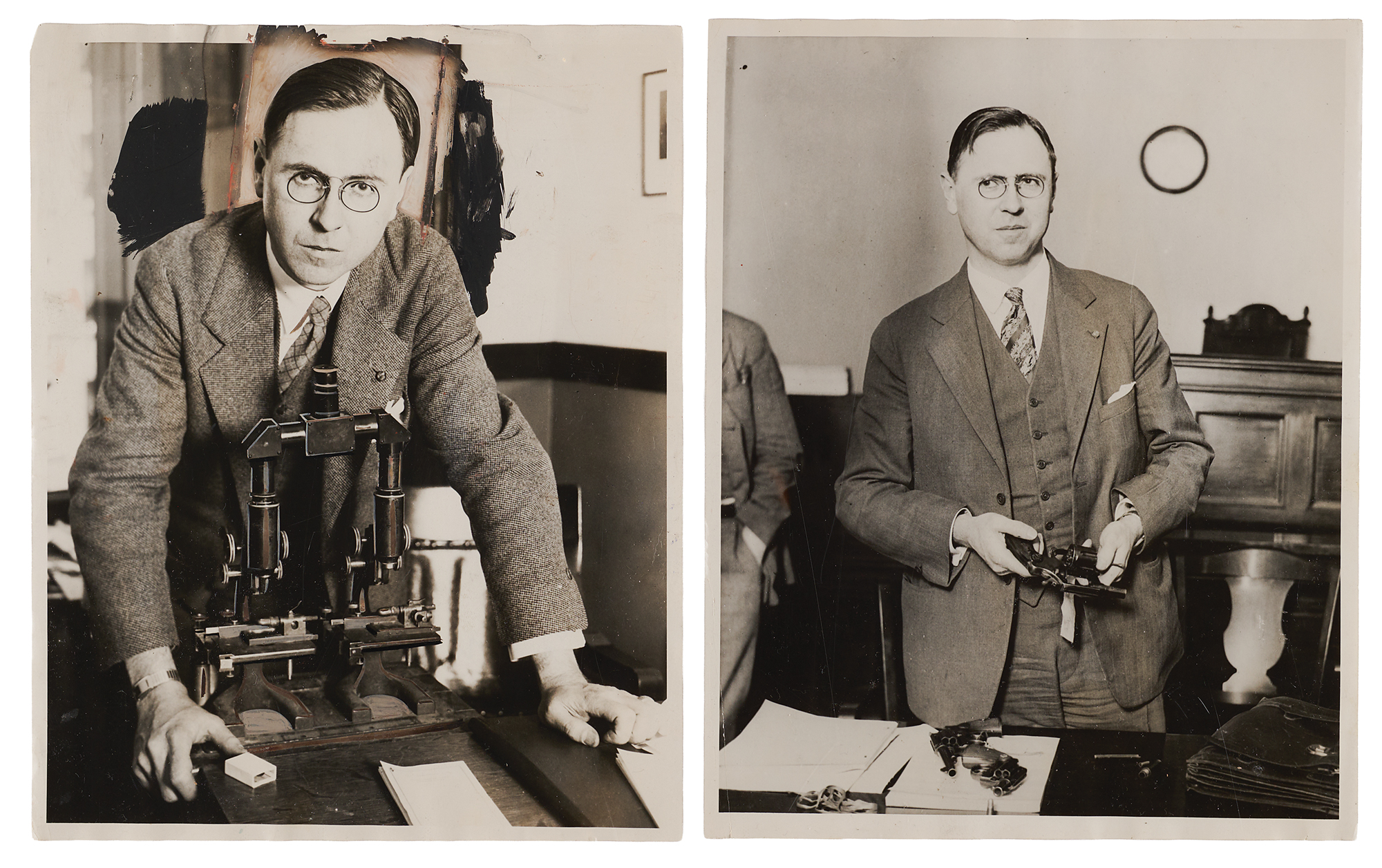
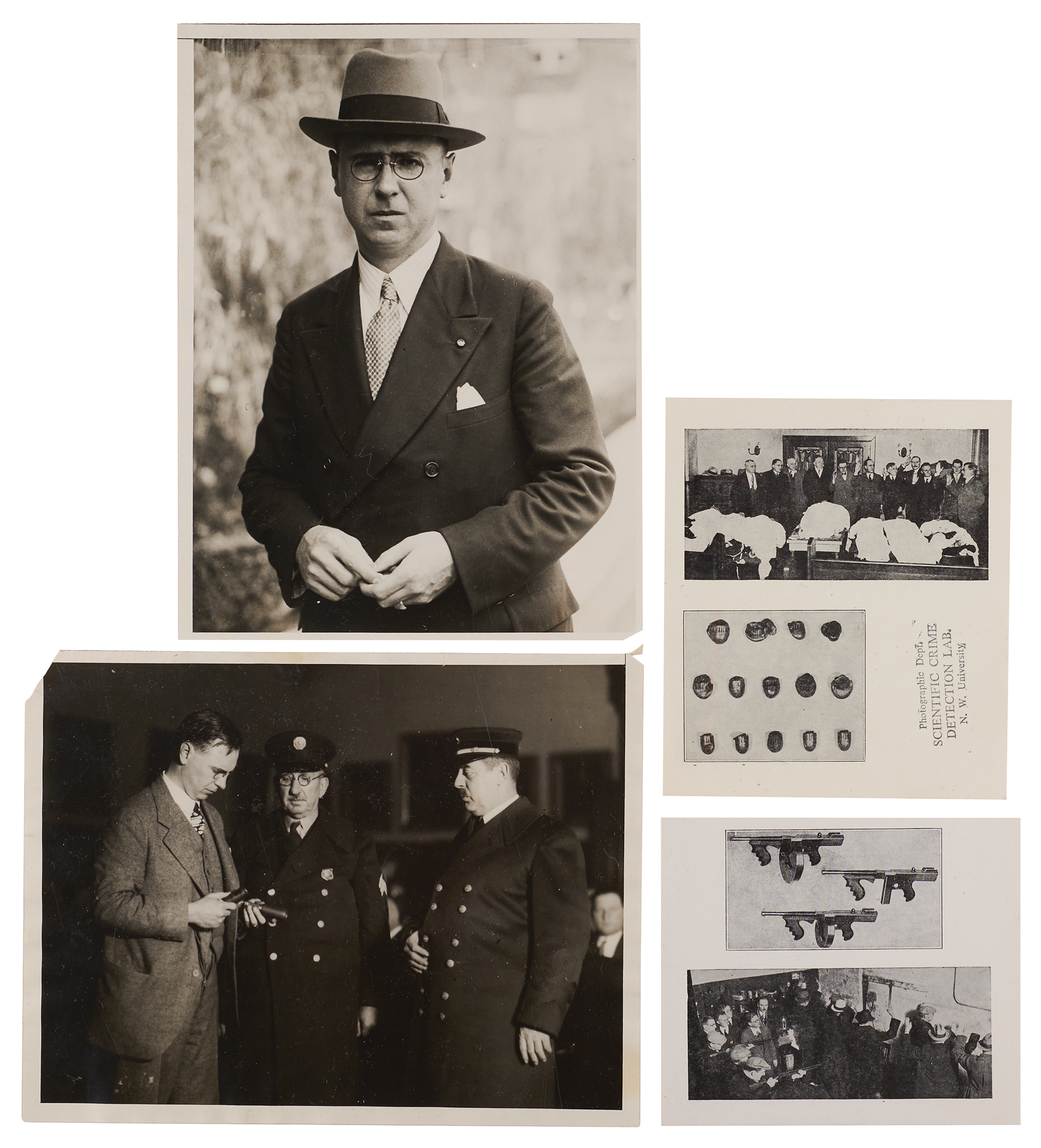
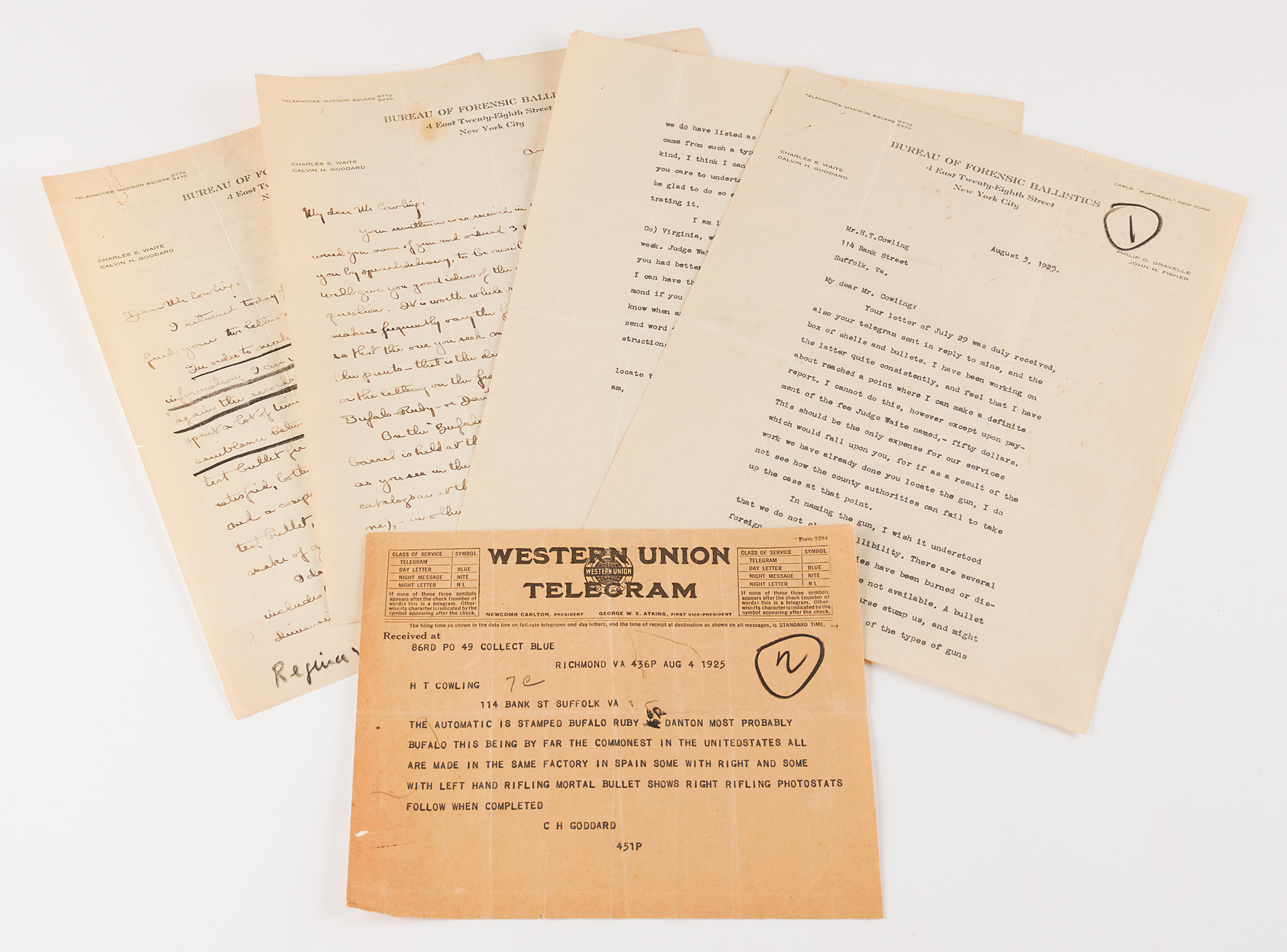
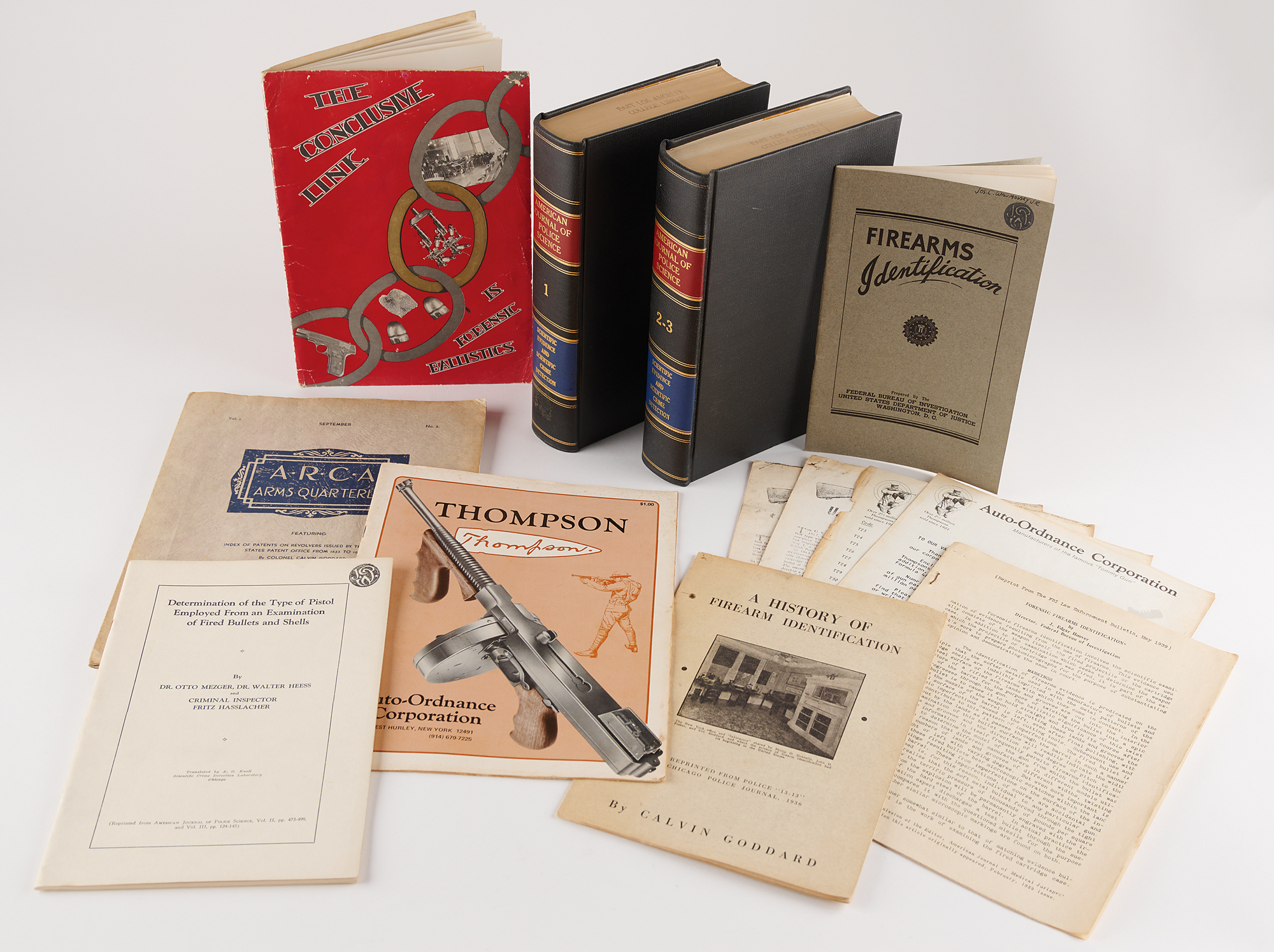
Also accompanying the lot are three ballistics-related letters from Calvin Goddard, dated 1925 (two ALSs and one TLS) on his Bureau of Forensics Ballistics letterhead, a 1925 telegram from Goddard, four vintage wire photographs and two modern prints of Goddard, and a group of period ballistics publications associated with the Scientific Crime Detection Laboratory. Highlights include Firearms Identification (FBI, circa 1941), bearing the ownership stamp “Jos. C. Wilimovsky”; A History of Firearm Identification by Goddard (1936); and the two-volume American Journal of Police Science (1930–1931), printed by Northwestern University Press for the Laboratory.
The fragments derive from the estate of Neal Trickel, a Wisconsin collector and longtime associate of noted crime historian William J. Helmer. Trickel developed a close interest in the work of Colonel Calvin H. Goddard, in part through his personal relationship with Joe Wilimovsky, Goddard’s longtime laboratory assistant. When the Scientific Crime Detection Laboratory was sold to the Chicago Police Department in 1938, Wilimovsky retained a significant archive of Goddard’s original materials, including correspondence, firearms, cartridges, and ballistic evidence. Long believed lost—reportedly destroyed in a Chicago Police Department basement flood—portions of the forensic evidence from the ‘Gangland Crime of the Century’ instead survived through Wilimovsky and later passed to Trickel, preserving a direct and continuous forensic link to the Massacre and to the foundational work of modern scientific crime detection. Today, the Mob Museum retains the overwhelming majority of the surviving physical evidence from the Saint Valentine’s Day Massacre, and no other crime-scene bullets are known to have been offered at public auction, making these fragments extraordinarily rare.

