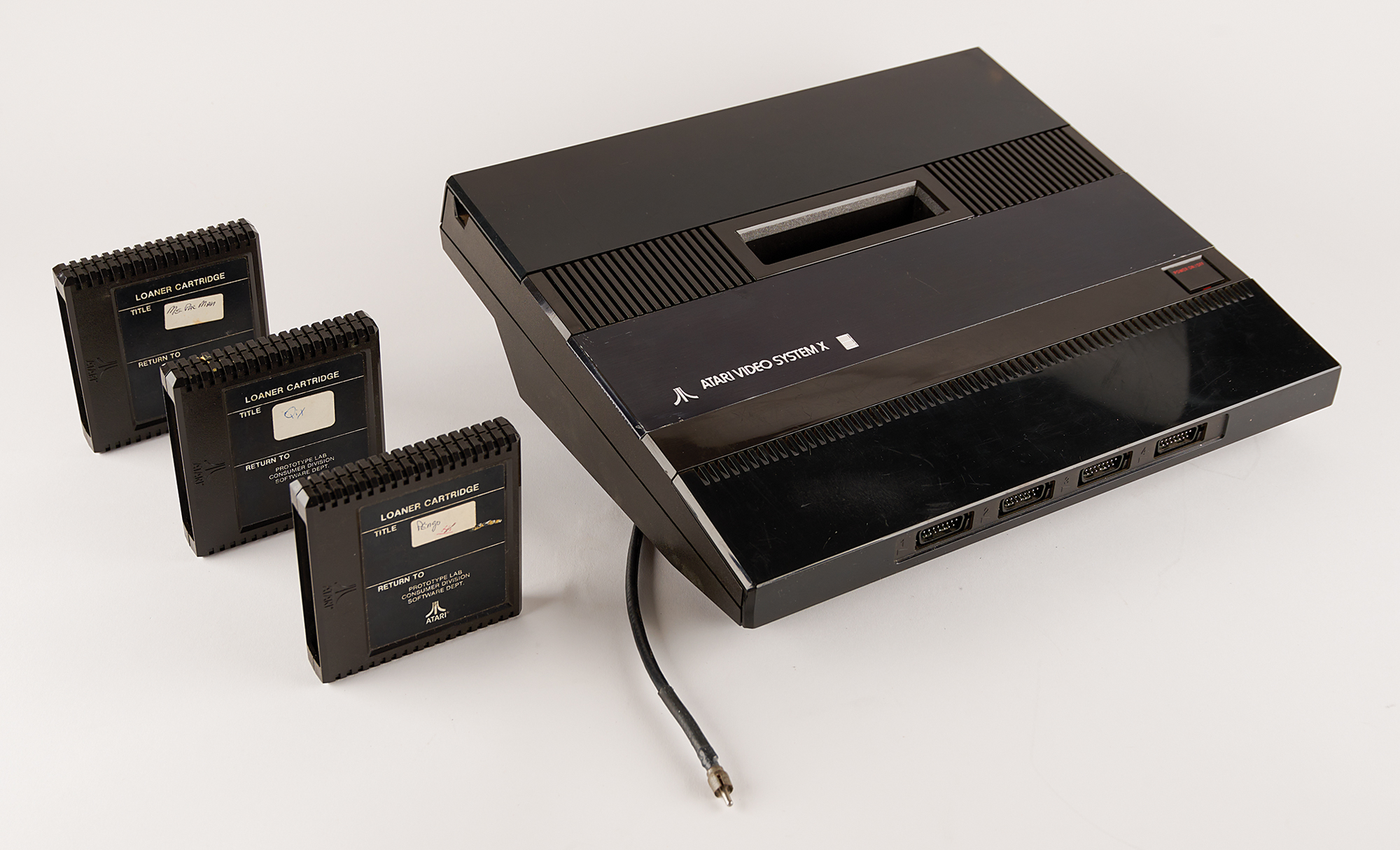
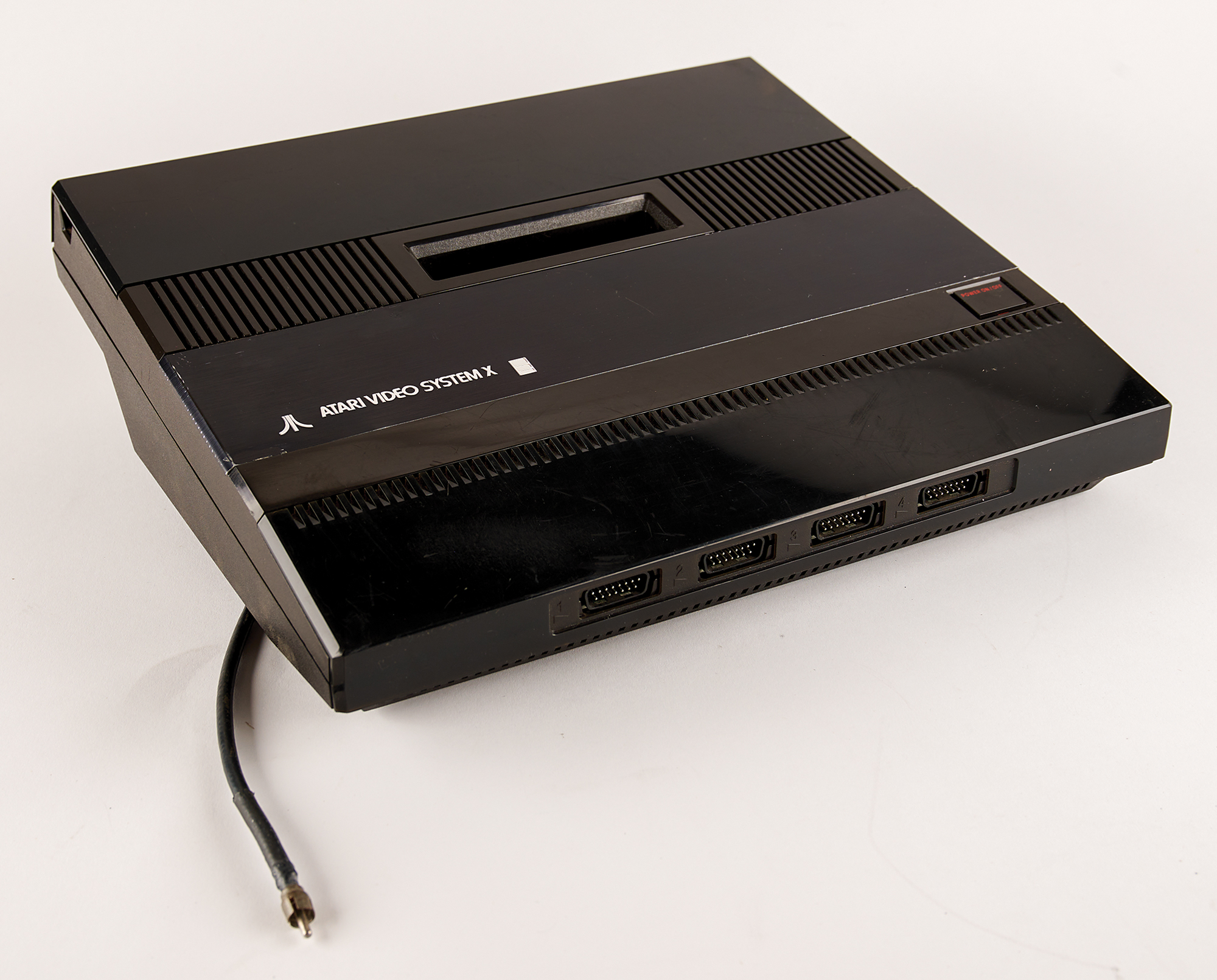
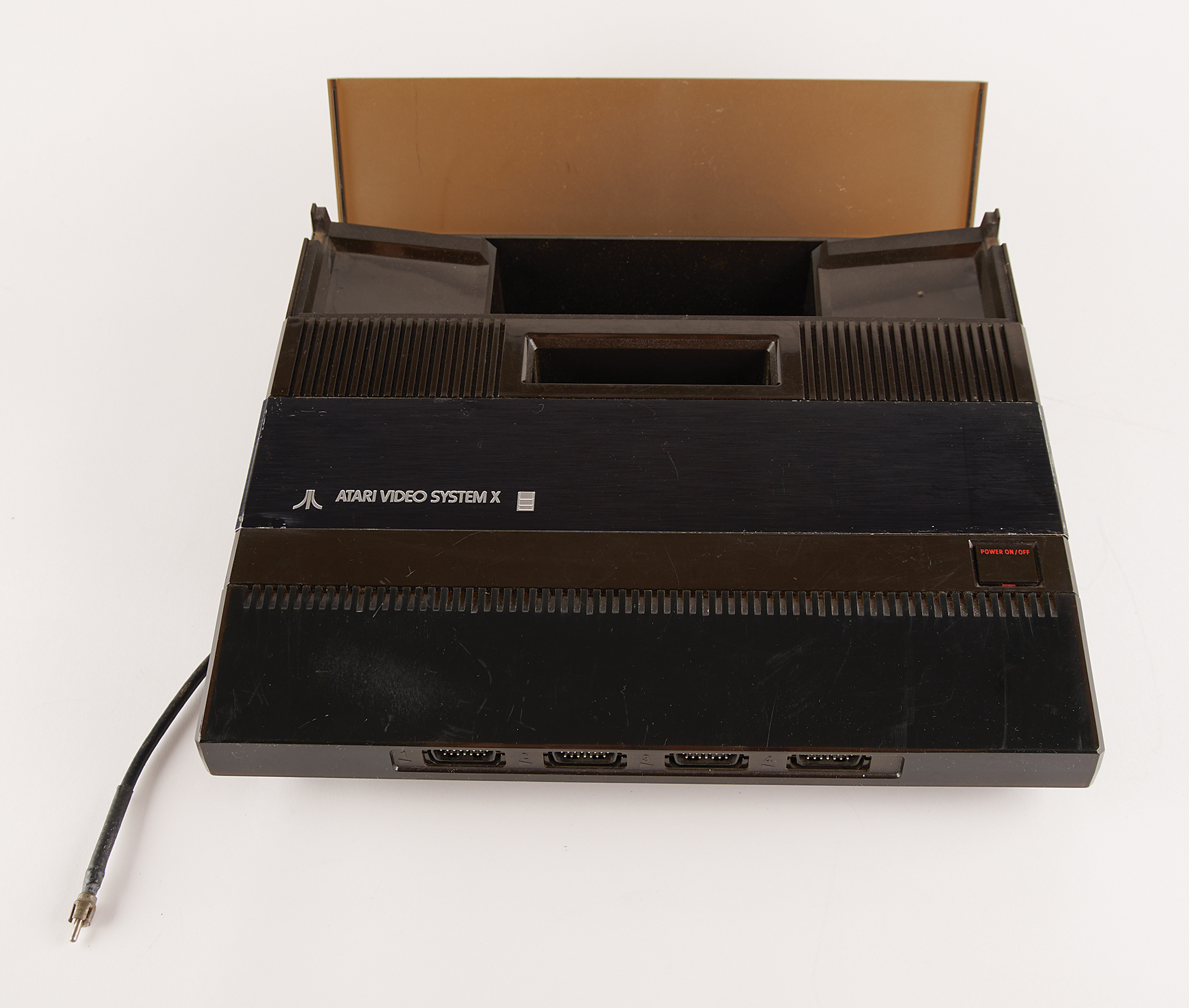
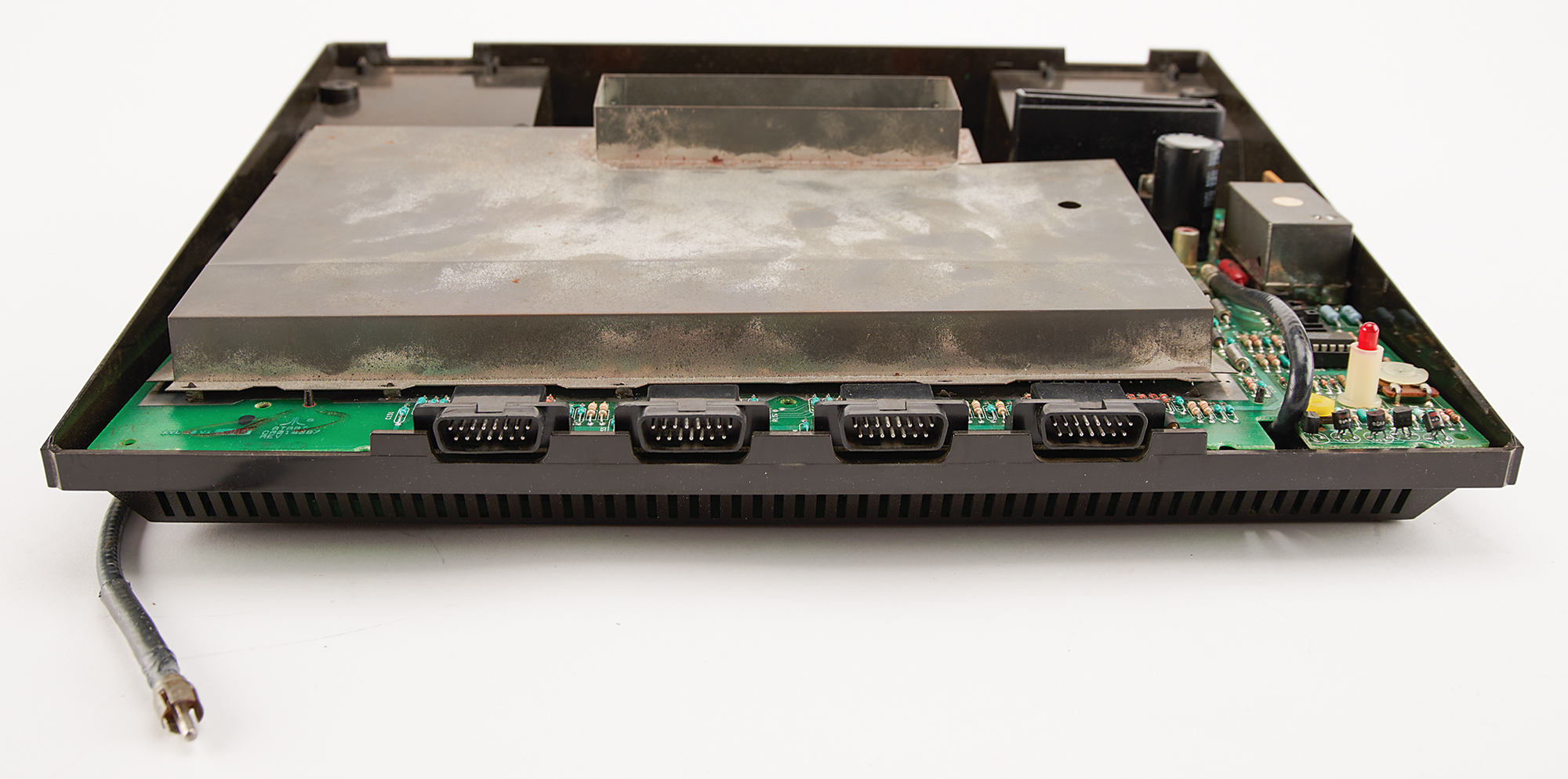
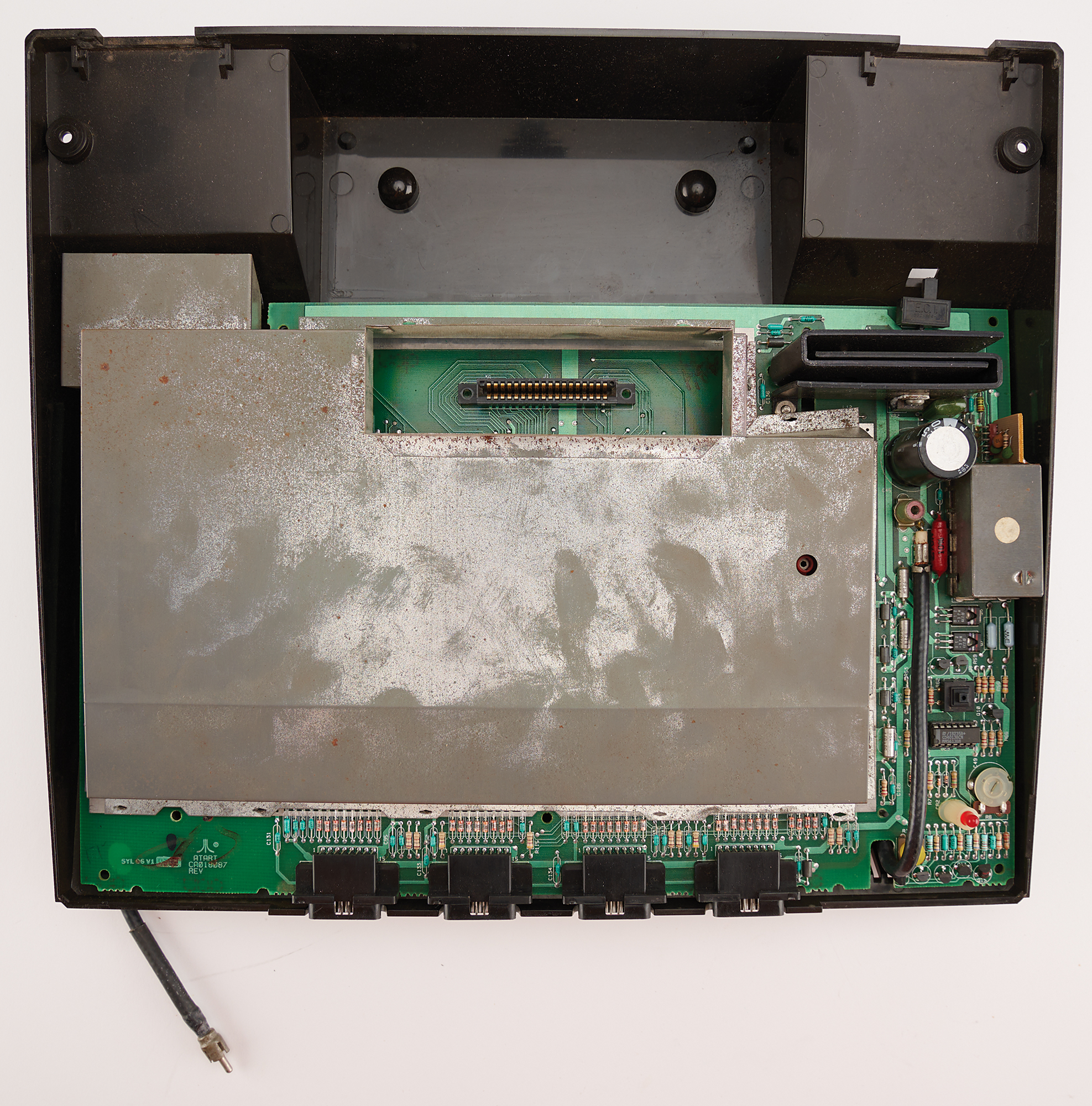
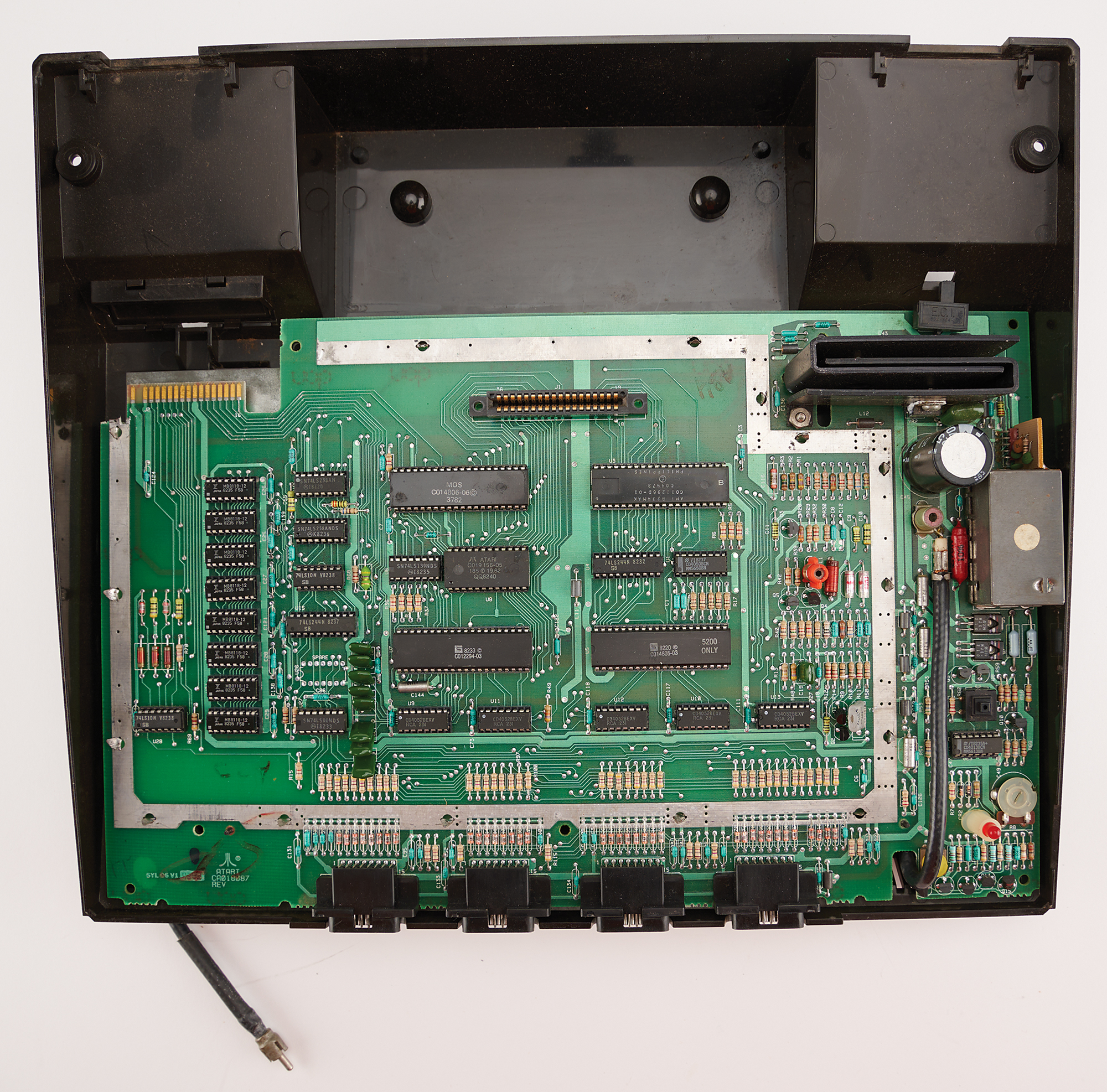
Exceedingly rare fully functional ‘all black’ Atari Video System X (VSX), an early prototype of the Atari 5200 SuperSystem home video game console that Atari introduced in 1982 as a higher-end complement for the pioneering Atari Video Computer System. The consignor notes that the console was purchased in 2002 from gaming historian Curt Vendel, founder of The Atari Museum, who affirmed this prototype as being one of only two known ‘all black’ examples, the other of which resides in the Atari Museum. Four other VSX prototypes exist, but these are ‘stainless steel’ variants, which more closely resemble the look of the final Atari 5200 console.
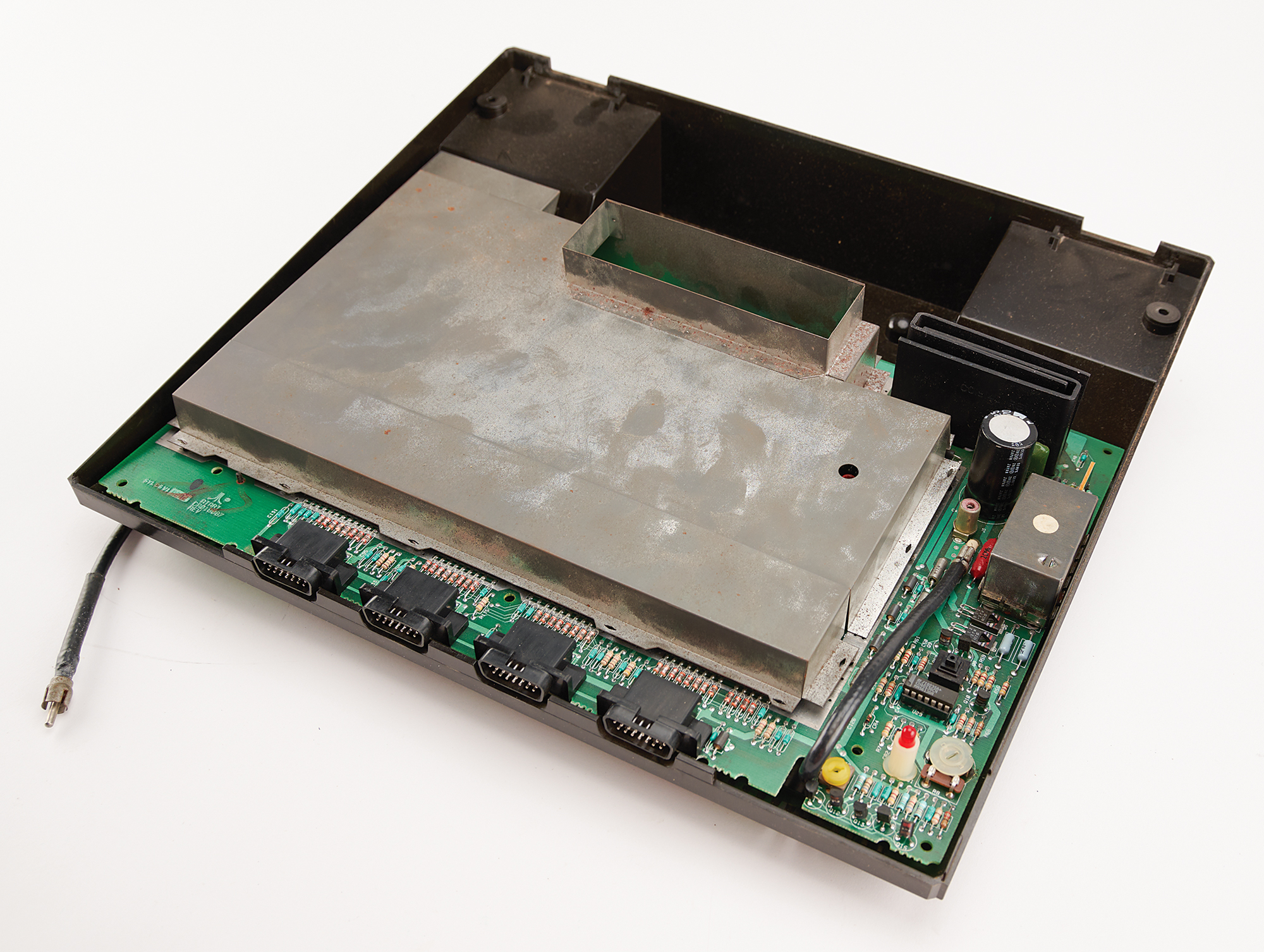
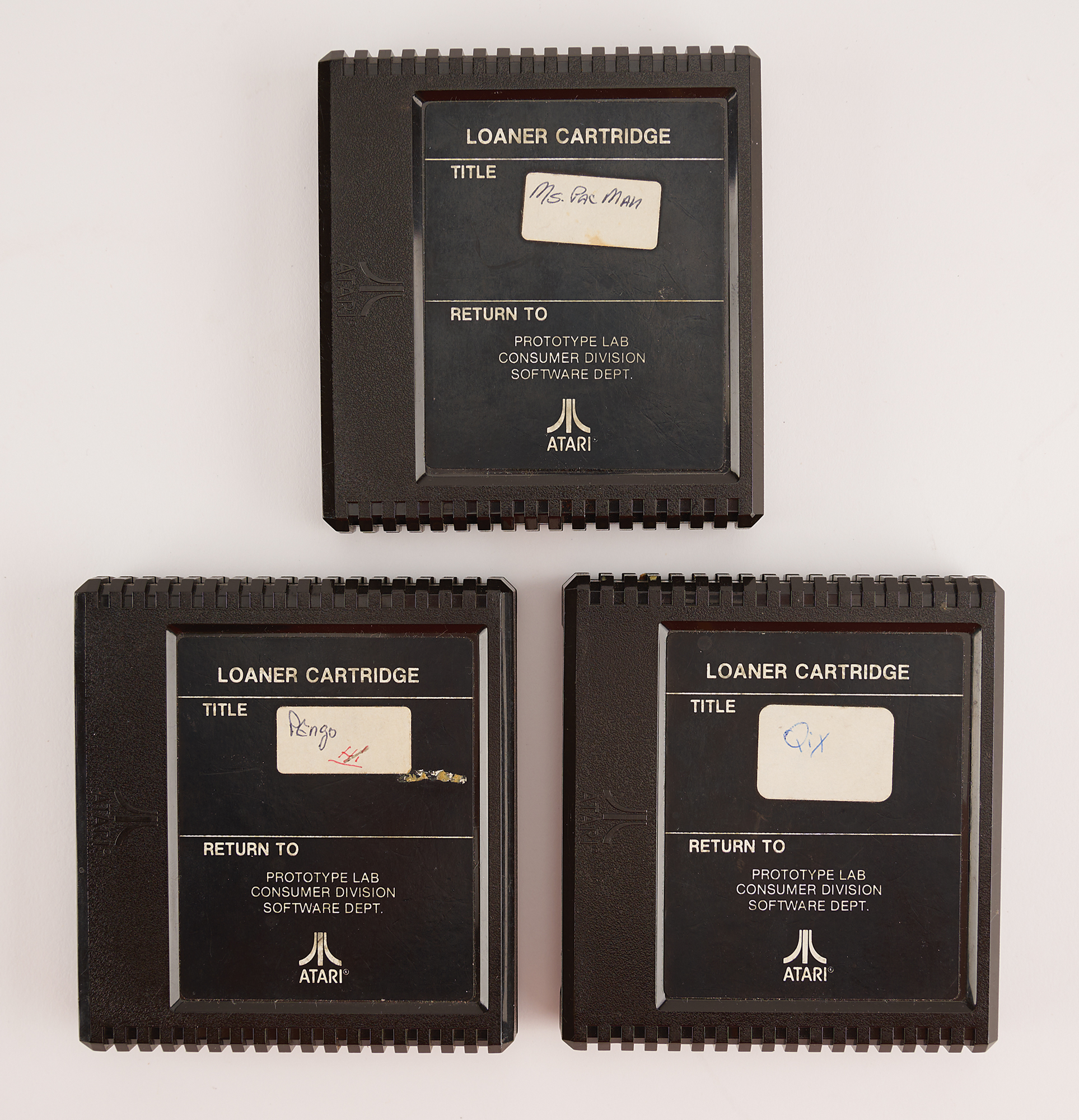
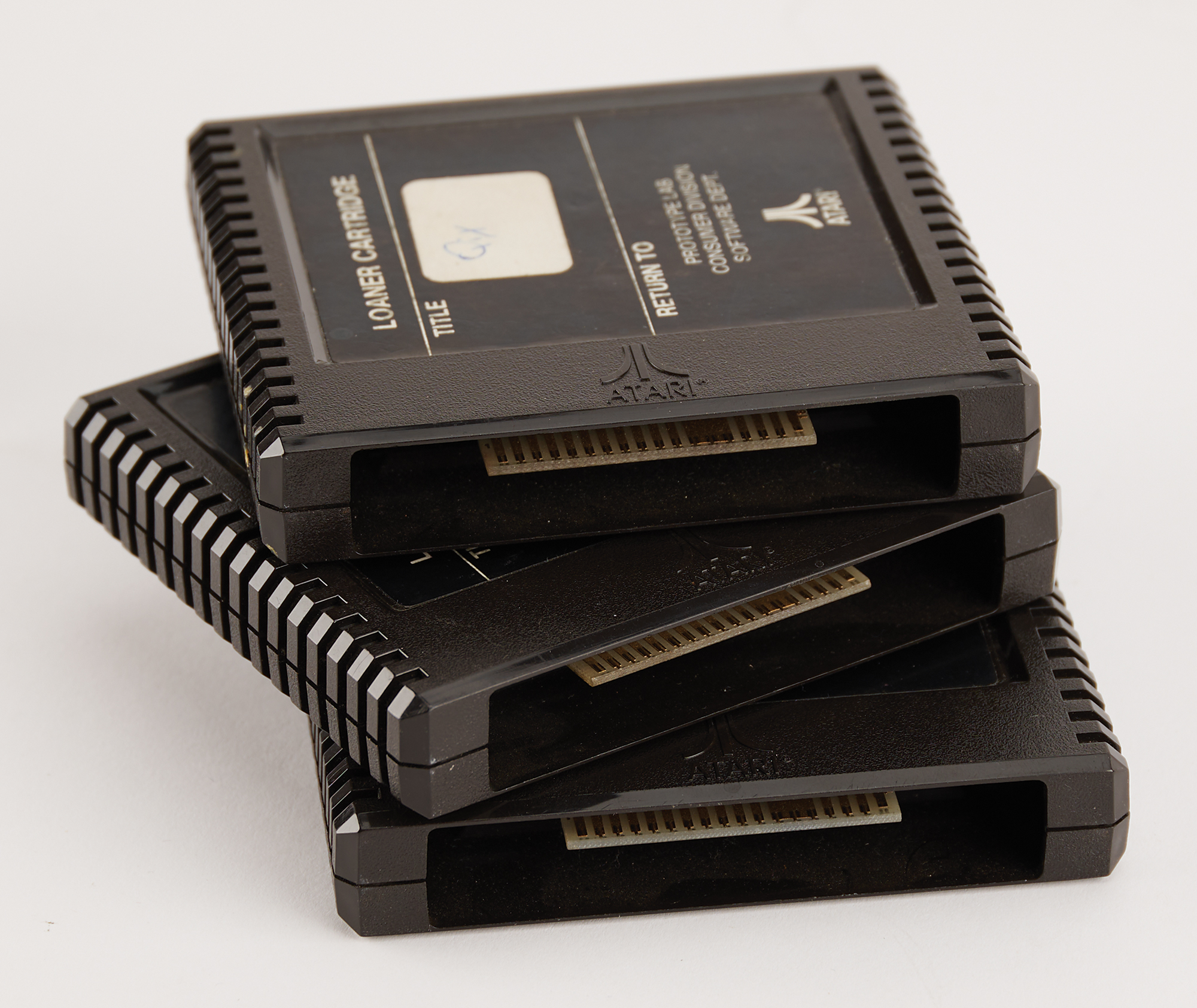
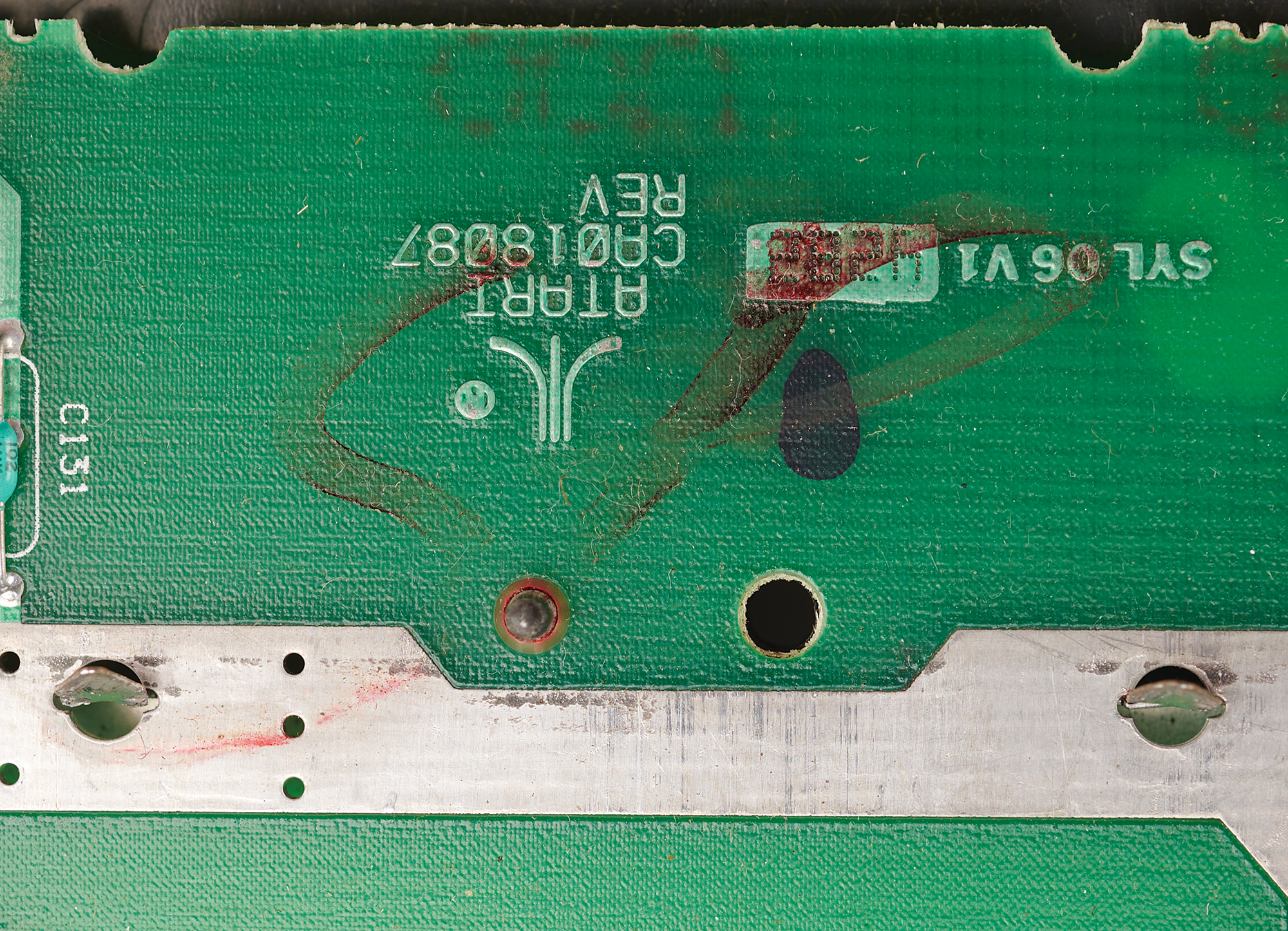
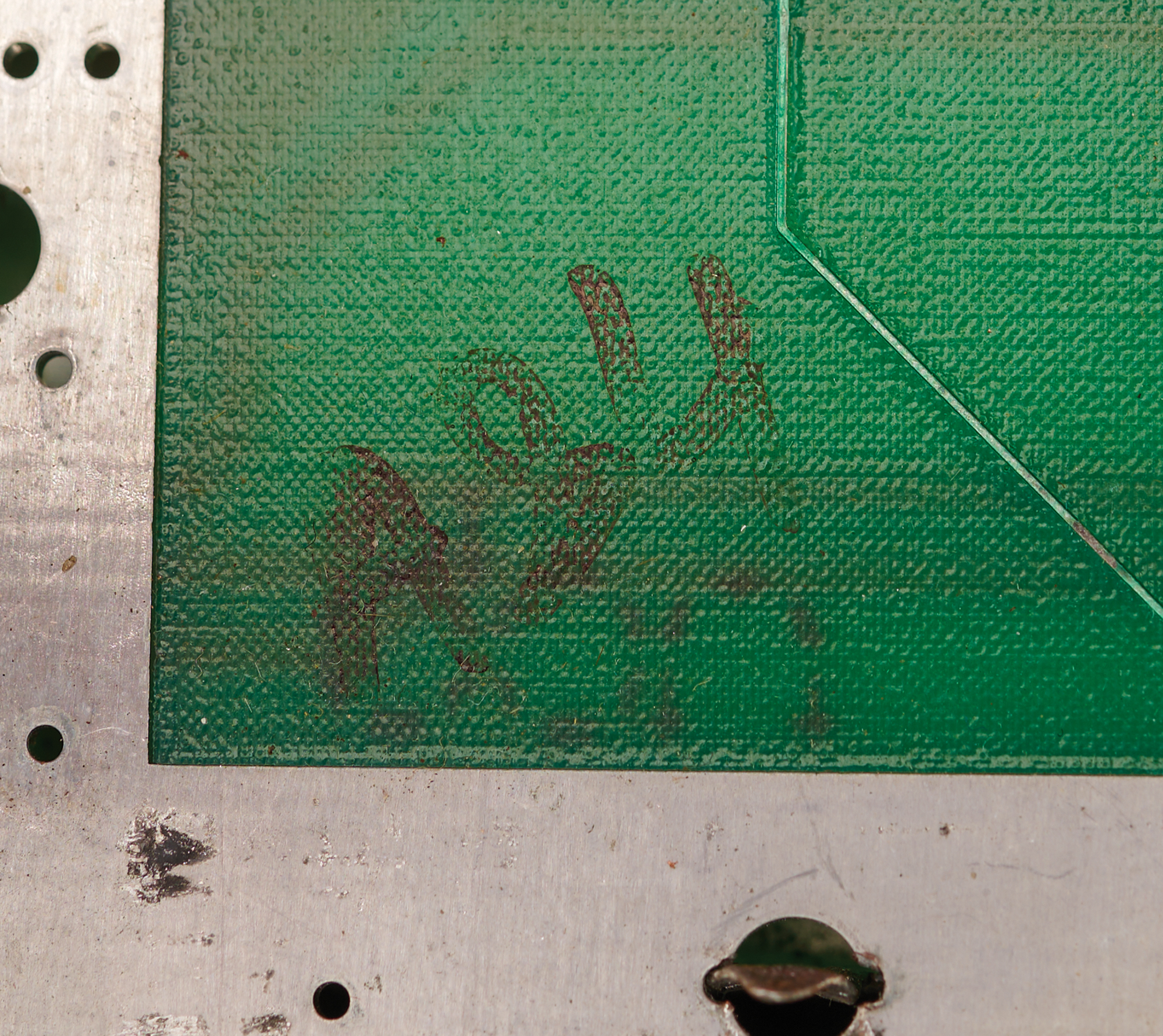
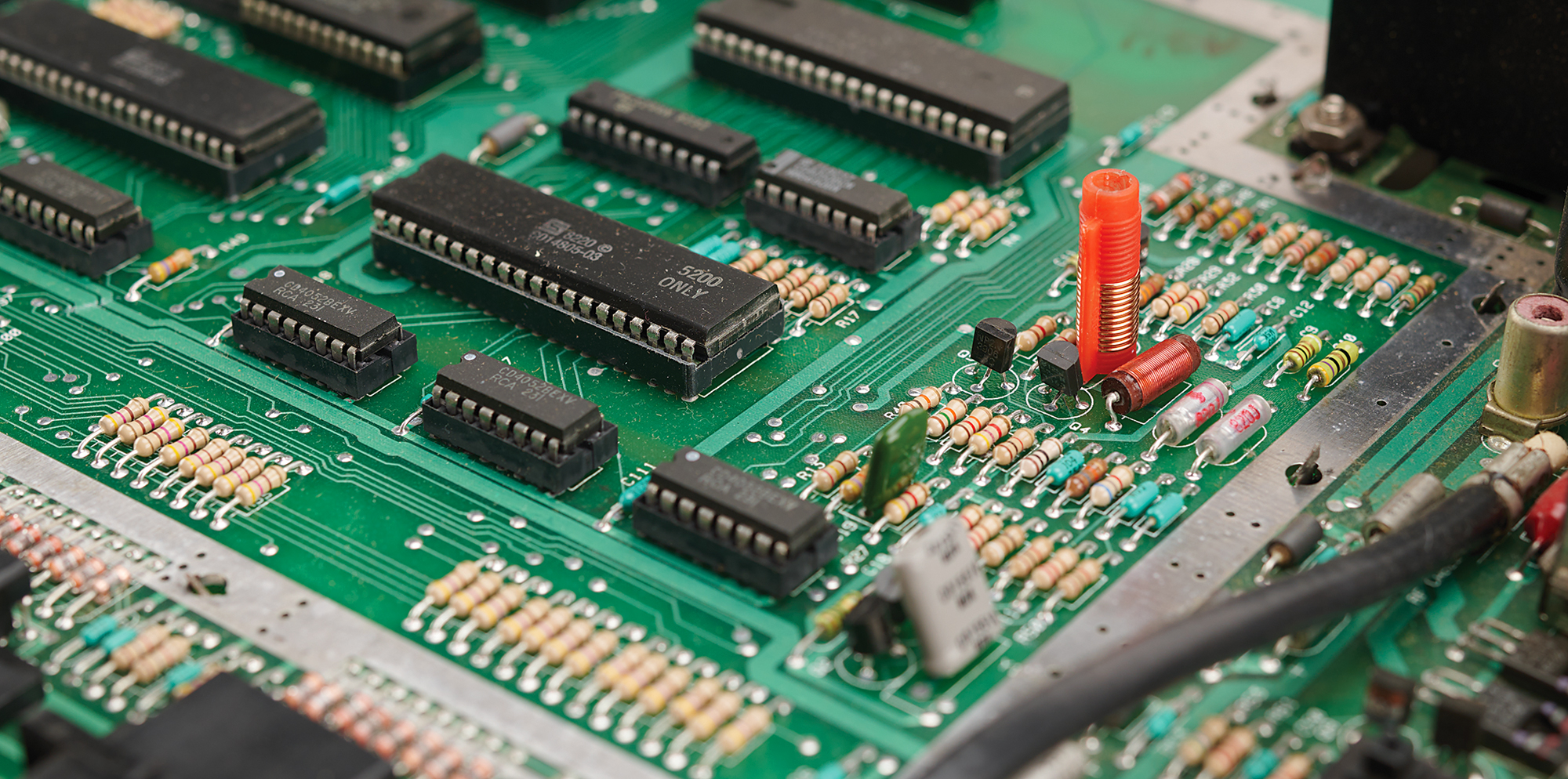
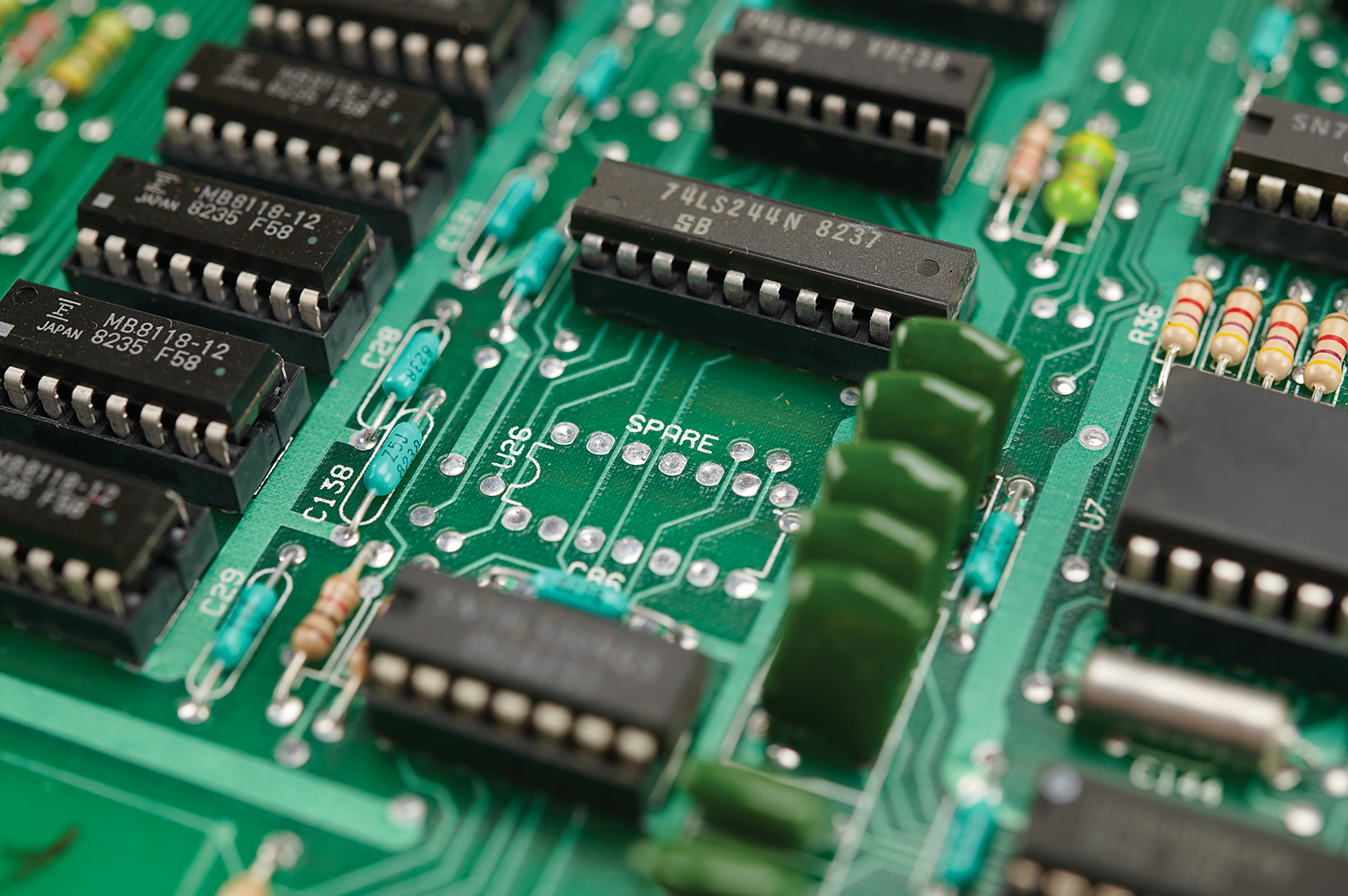
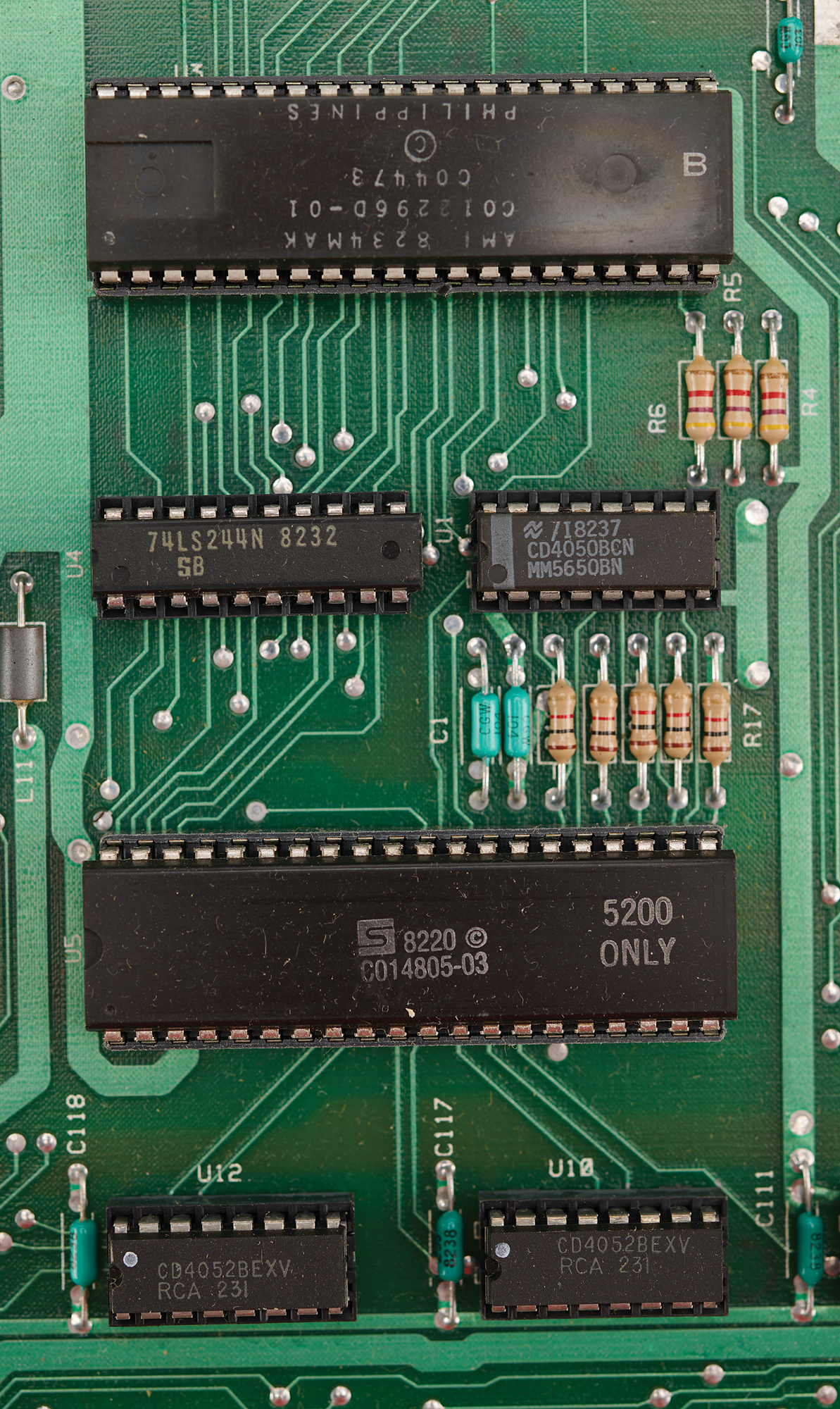
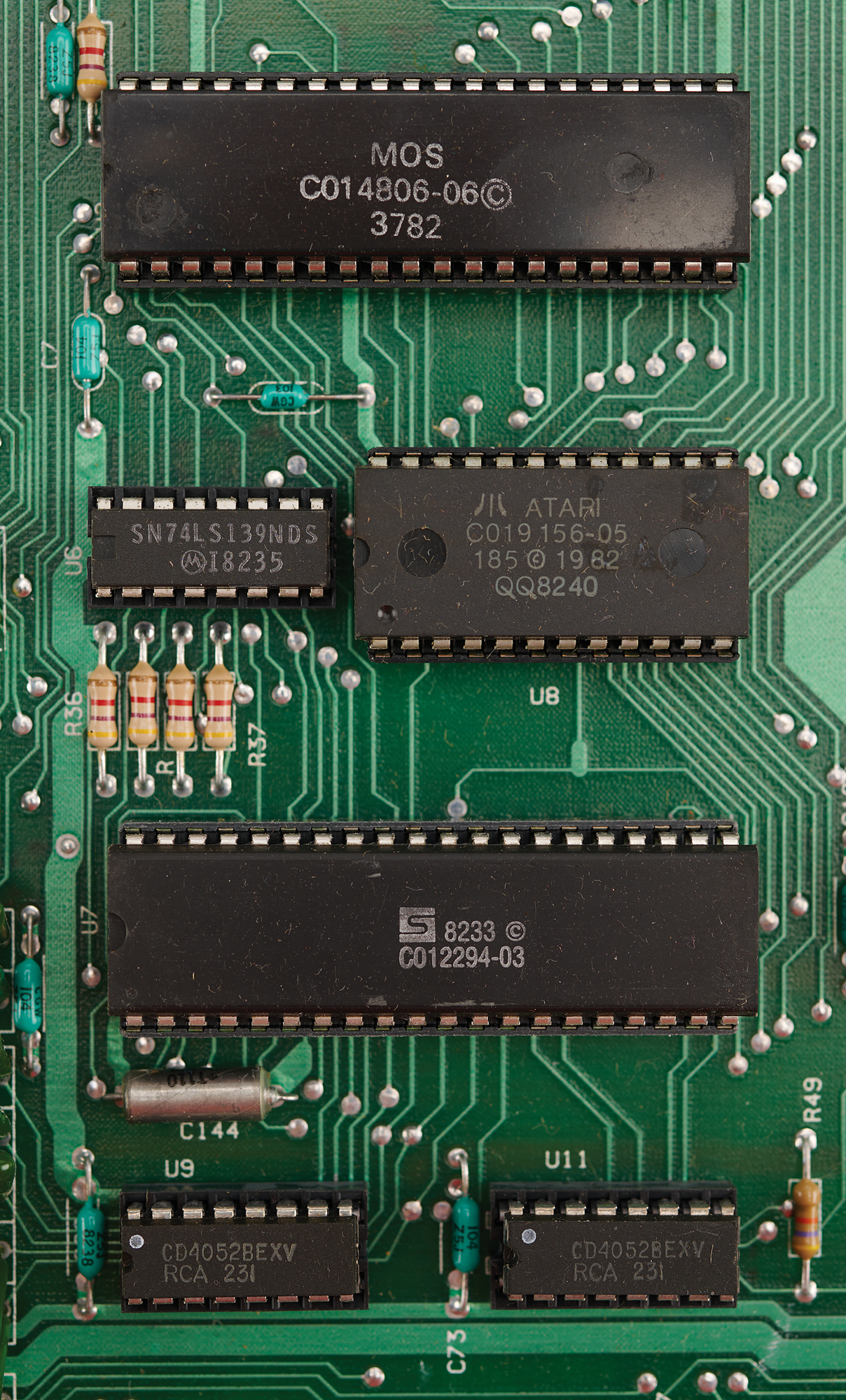
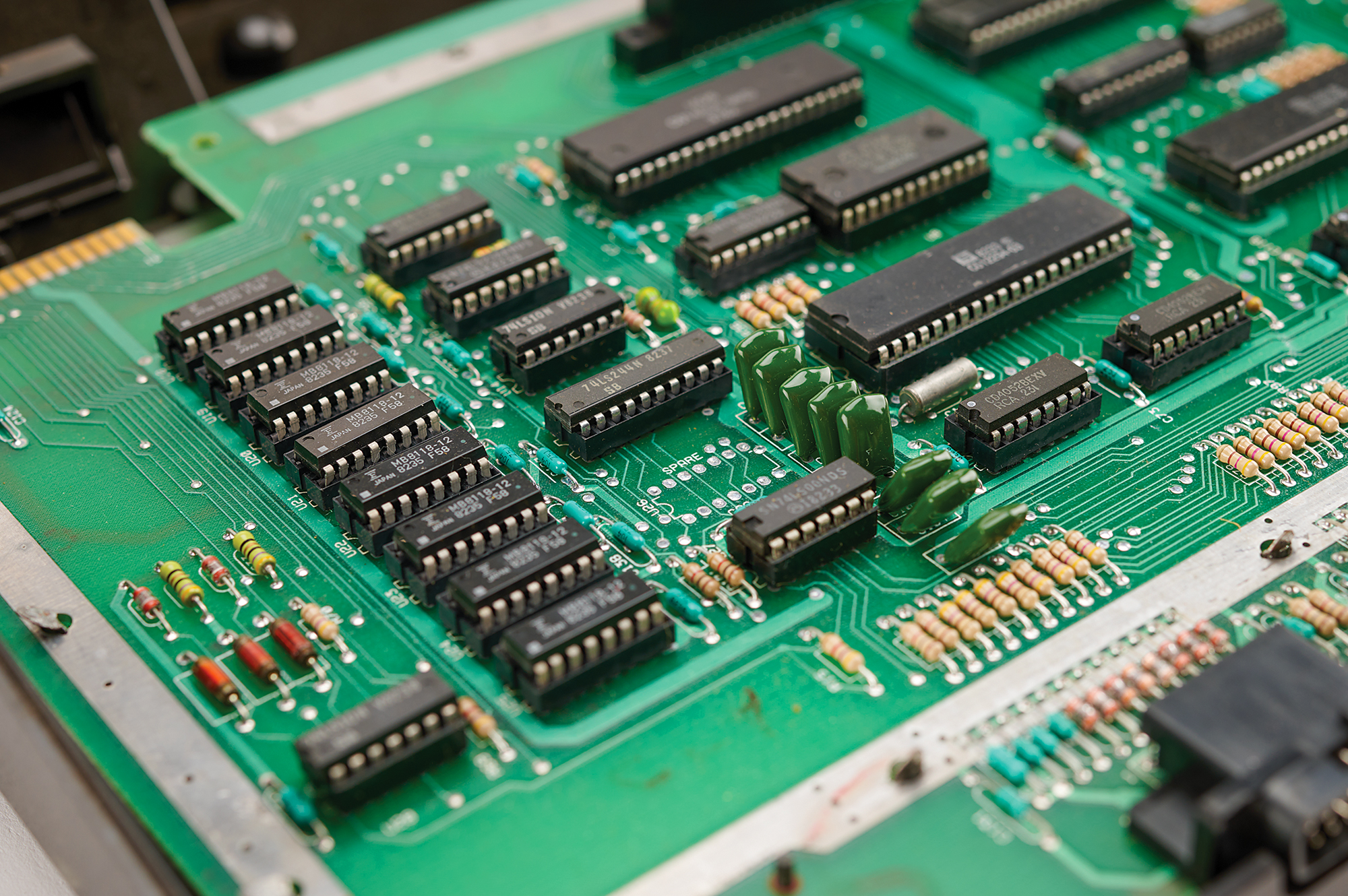
The VSX console, 15˝ x 4.25˝ x 13.25˝, retains its original black VSX shell bearing no serial number, its Atari PCB marked “CA018087, REV 000, SYL 06 V1, 4282,” with original Sunnyvale quality assurance (“SP”) and Atari Assembly Shop Unit (“ASU”) initials, markings consistent with early internal Sunnyvale production boards. The underside of the RF shield bears several black bench fingerprints. Includes a set of three ‘Loaner Cartridges’ from Atari’s Prototype Lab, with title labels marked, “Qix,” “Ms. Pac Man,” and “Pengo.” In fine condition, with various light scuffs and marks.
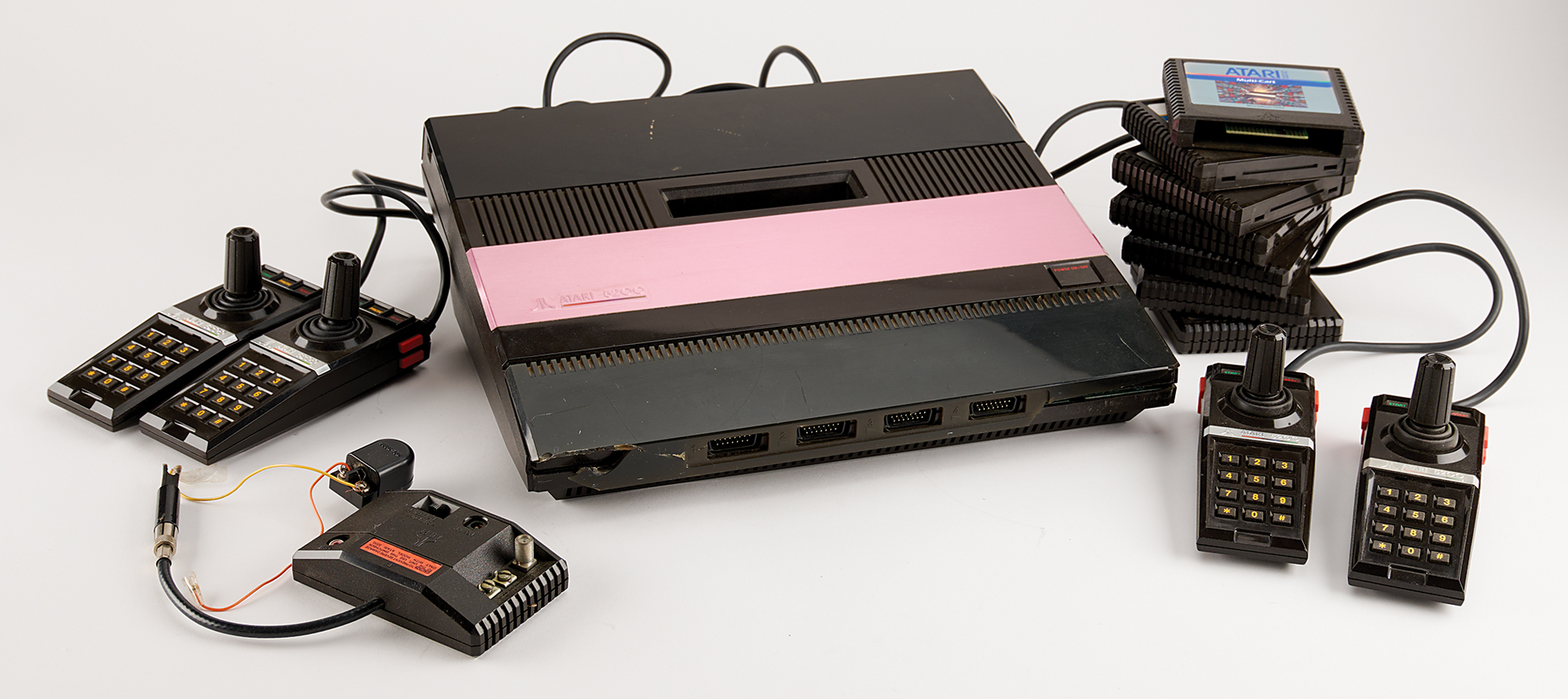
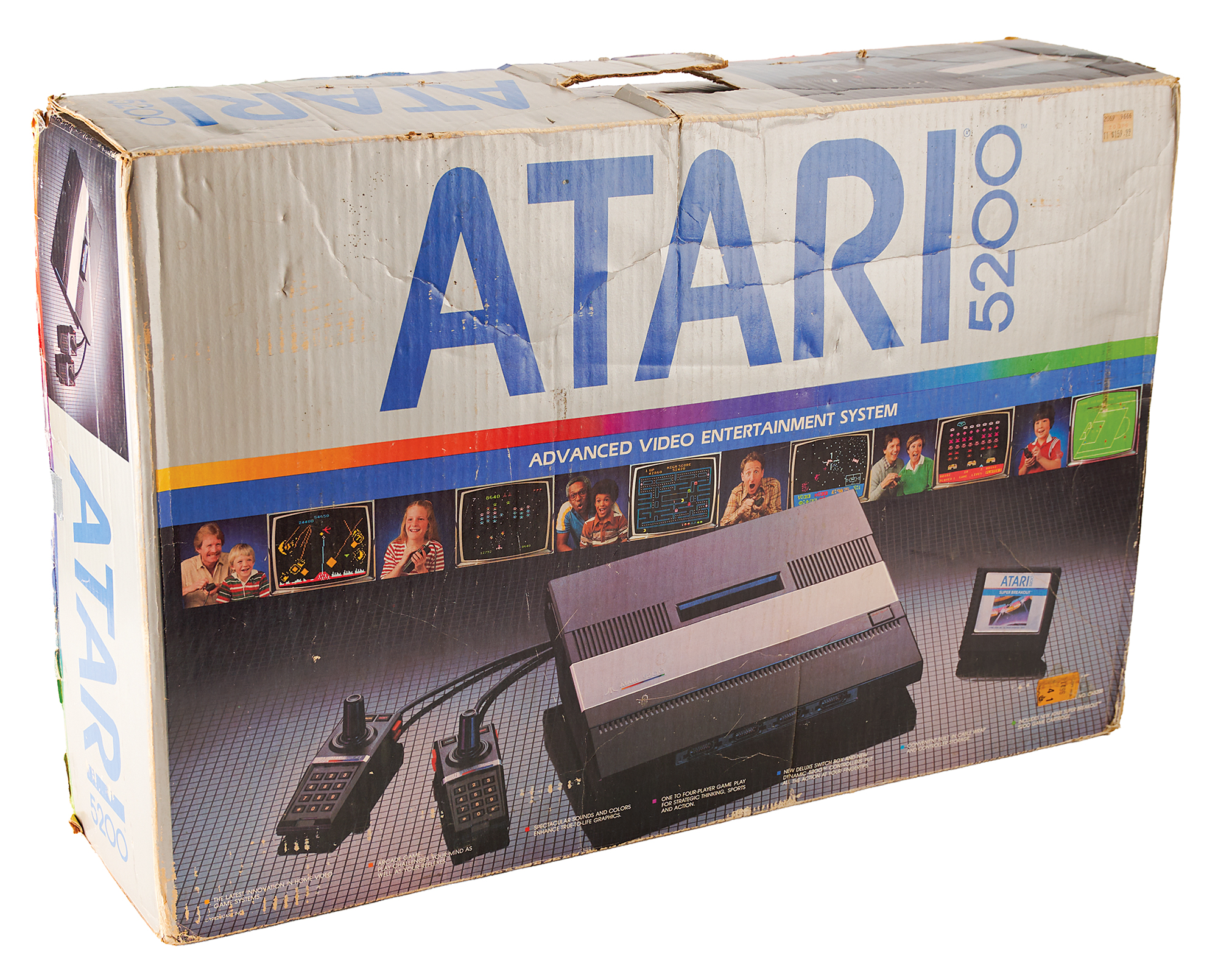
Accompanied by a working retail Atari 5200 console, with its original box and various accessories, which include: four standard 5200 controllers, an original PSU and RF TV switch/adaptor, and a group of seven game cartridges (Centipede, Defender, Galaxian, Missile Command, Multi-Cart, Pole Position, and Qix).
In early 1982, speculation swirled across the gaming industry about Atari’s follow-up to the popular Atari VCS. The mystery ended at the Summer CES in Chicago, where Atari unveiled its new console under the name ‘Video System X.’ Photos of the prototype spread widely in gaming magazines. Soon after, the console was renamed the ‘Atari 5200,’ while the VCS became the ‘2600,’ signaling that the new system was meant to be twice as powerful as its predecessor.
Before the 5200 received its official name, Atari engineers referred to it internally by the codename ‘PAM.’ Atari had a long tradition of using women’s names as codenames for its projects—often inspired by wives, friends, or even a favorite bicycle. For example, the Atari 2600 was ‘Stella,’ the 400 was ‘Candy,’ and the 800 was ‘Colleen.’ The name PAM was even considered for public use as an acronym for ‘Personal Arcade Machine.’ Ultimately, Atari chose a numbering system instead, renaming the Video System X as the 5200.

