Sold For $3,764
*Includes Buyers Premium
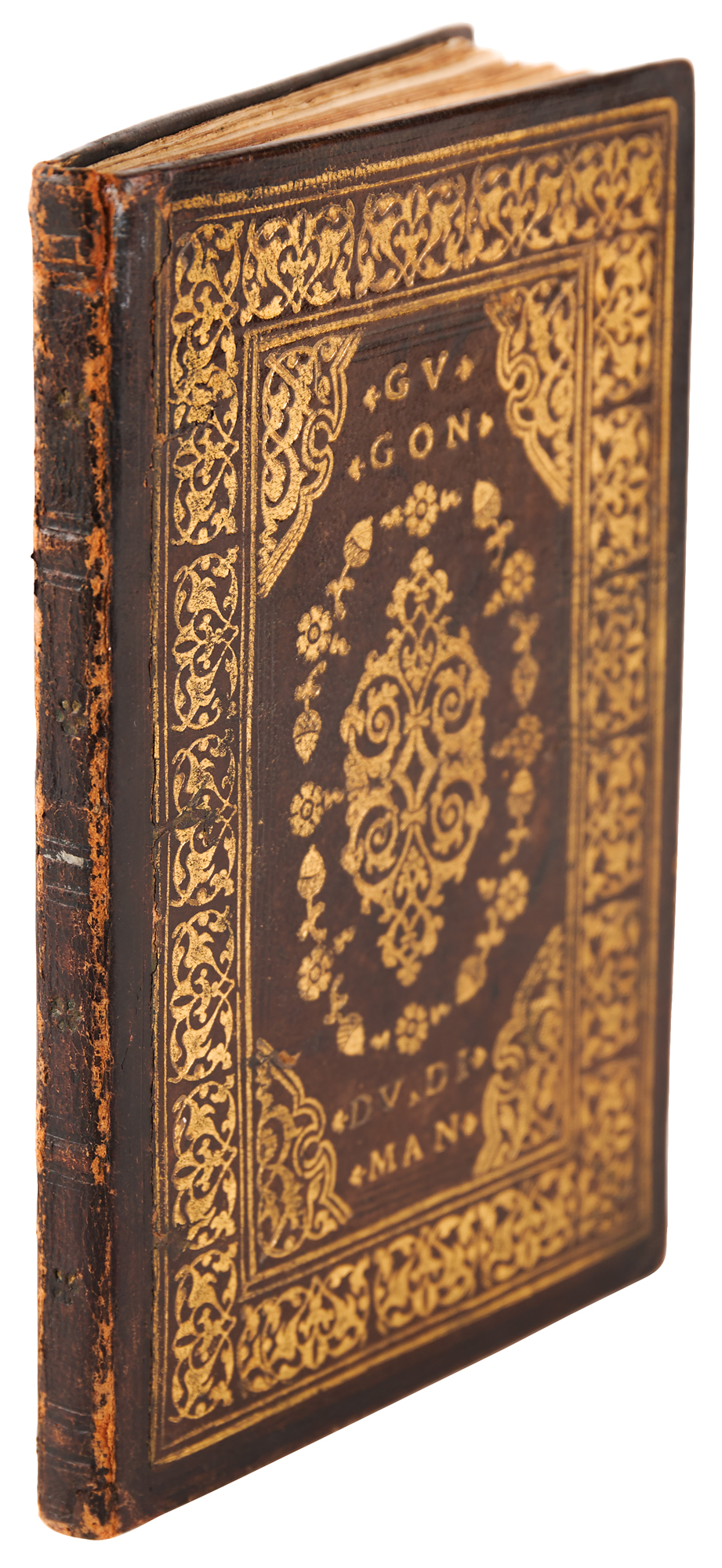
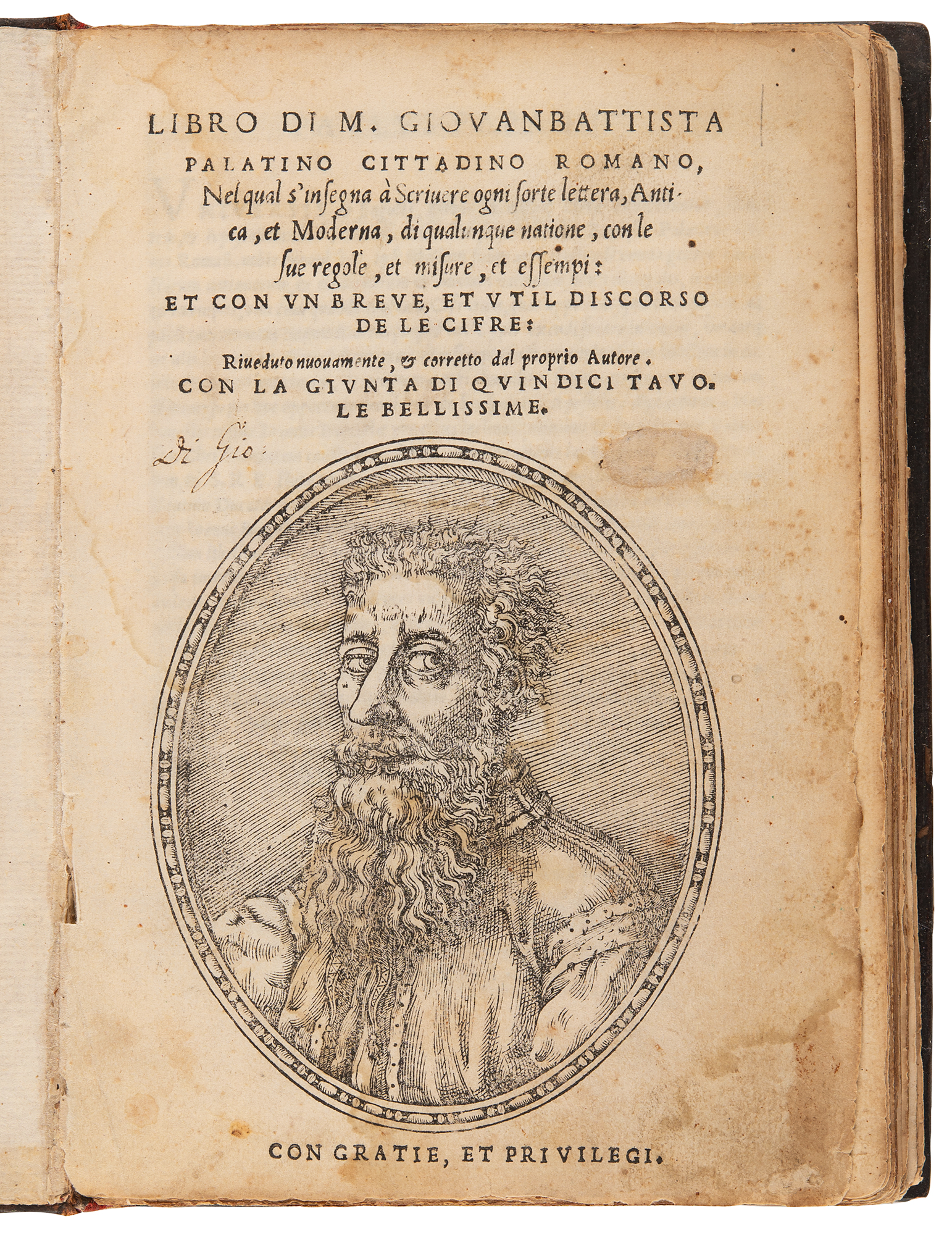
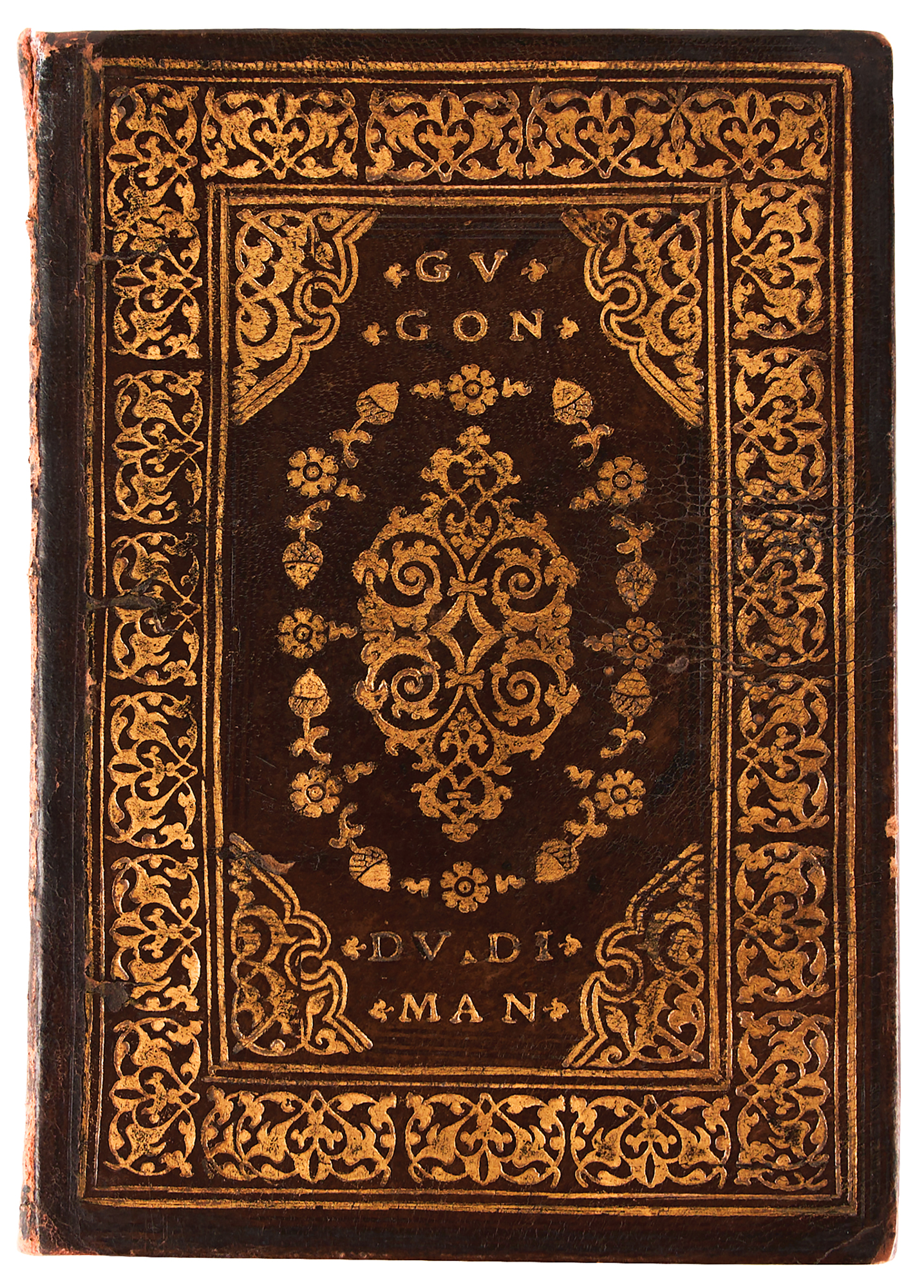
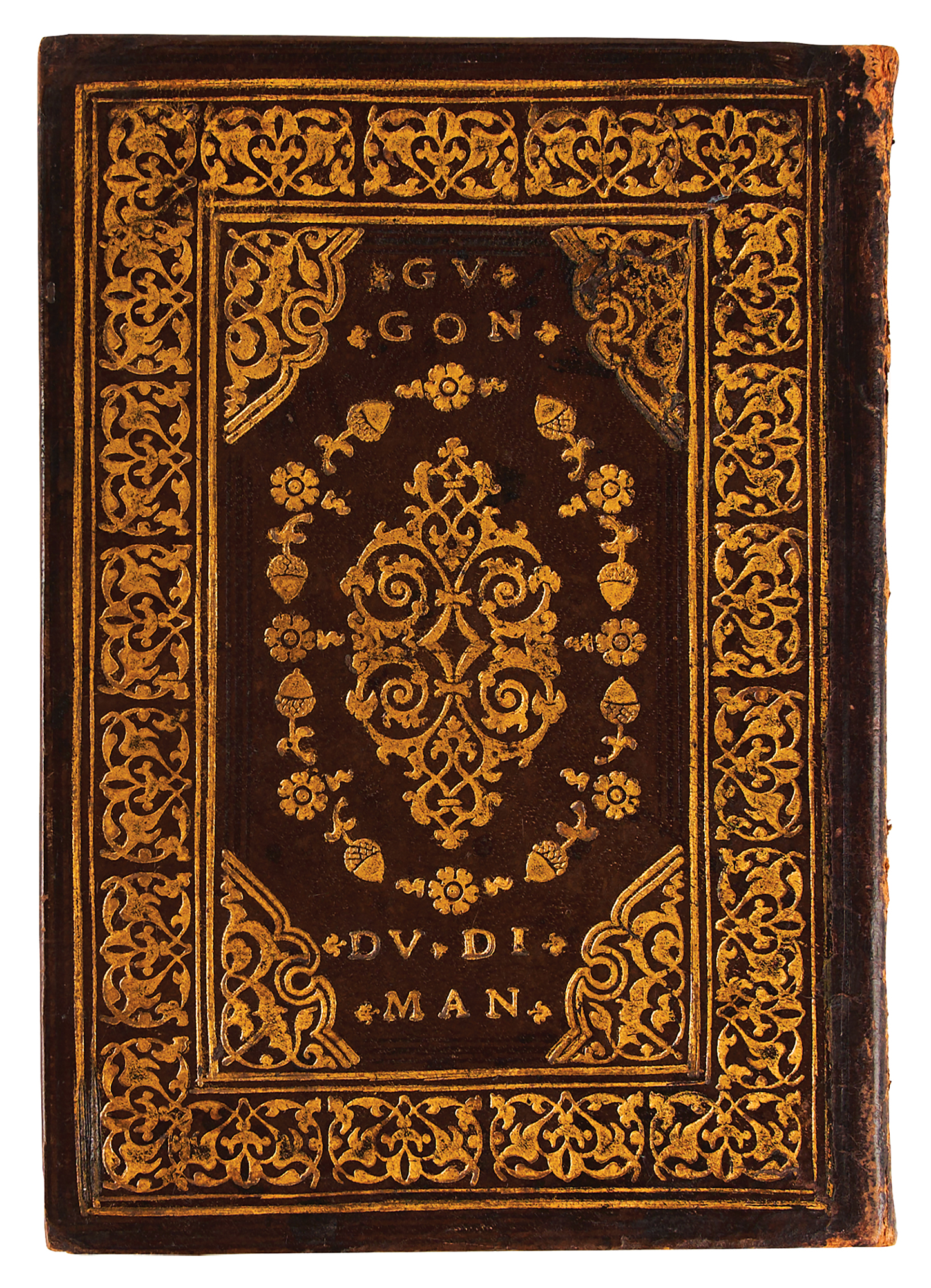
Rare book: Libro […] nel qual s'insegna à scriver ogni sorte lettera, antica et moderna, di qualunque natione, con le sue regole, et misure, et essempi: et con un breve, et util discorso de le cifre: riveduto nuovamente, & corretto dal proprio autore. Con la giunta di quindici tavole bellissime [A book in which one is taught how to write every kind of letter, ancient and modern, of any nation, with its rules, measurements, and examples: and with a brief and useful discussion of numbers: newly revised and corrected by the author. With the addition of fifteen very beautiful plates]. Rome: Antonio Blado, 1550. Hardcover bound in contemporary dark brown morocco (remboîtage), richly gilt, 5.5 x 8, 63 ff. (without final blank), with woodcut portrait on title-page, numerous woodcut illustrations and printer's device on final verso.
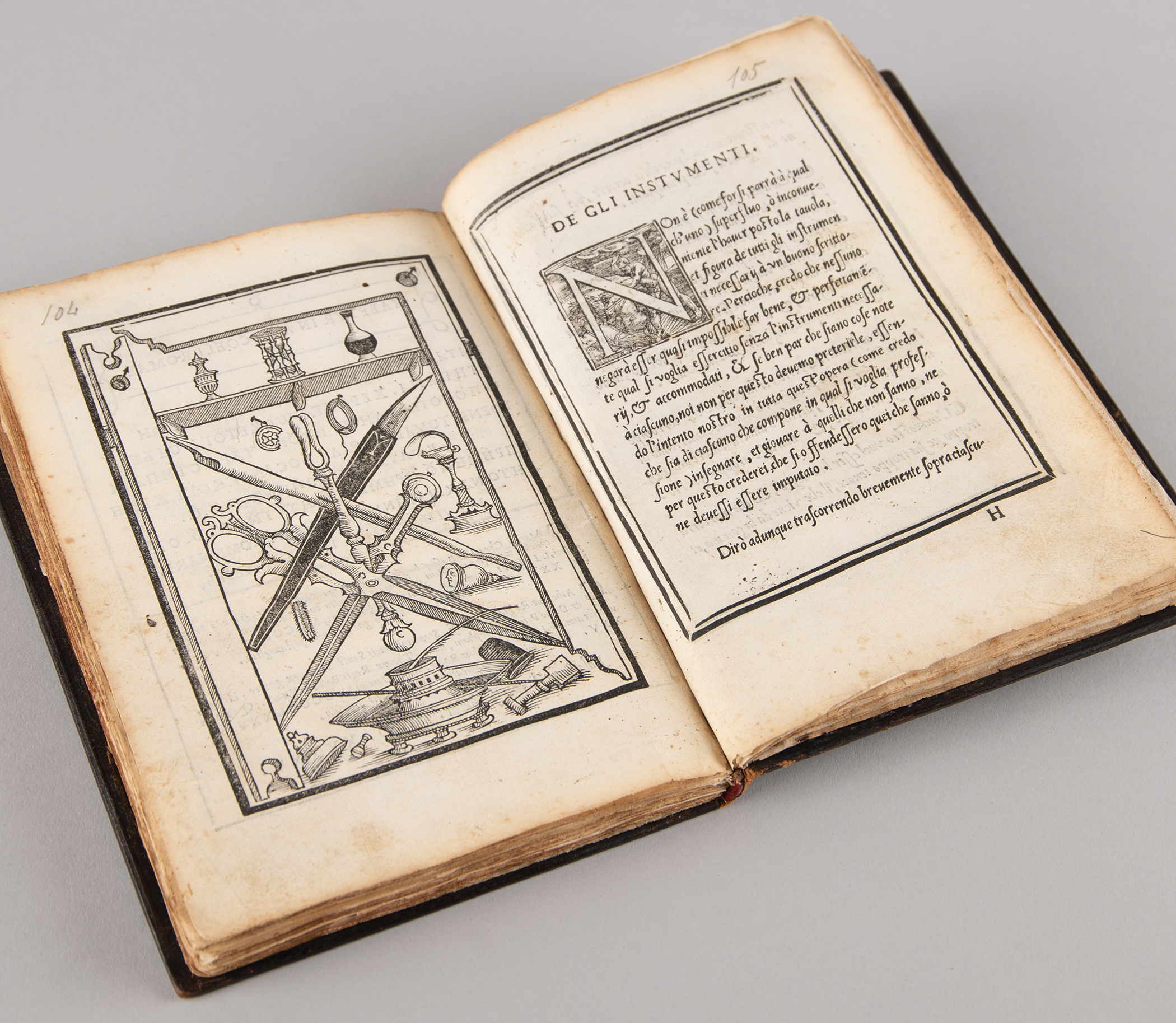
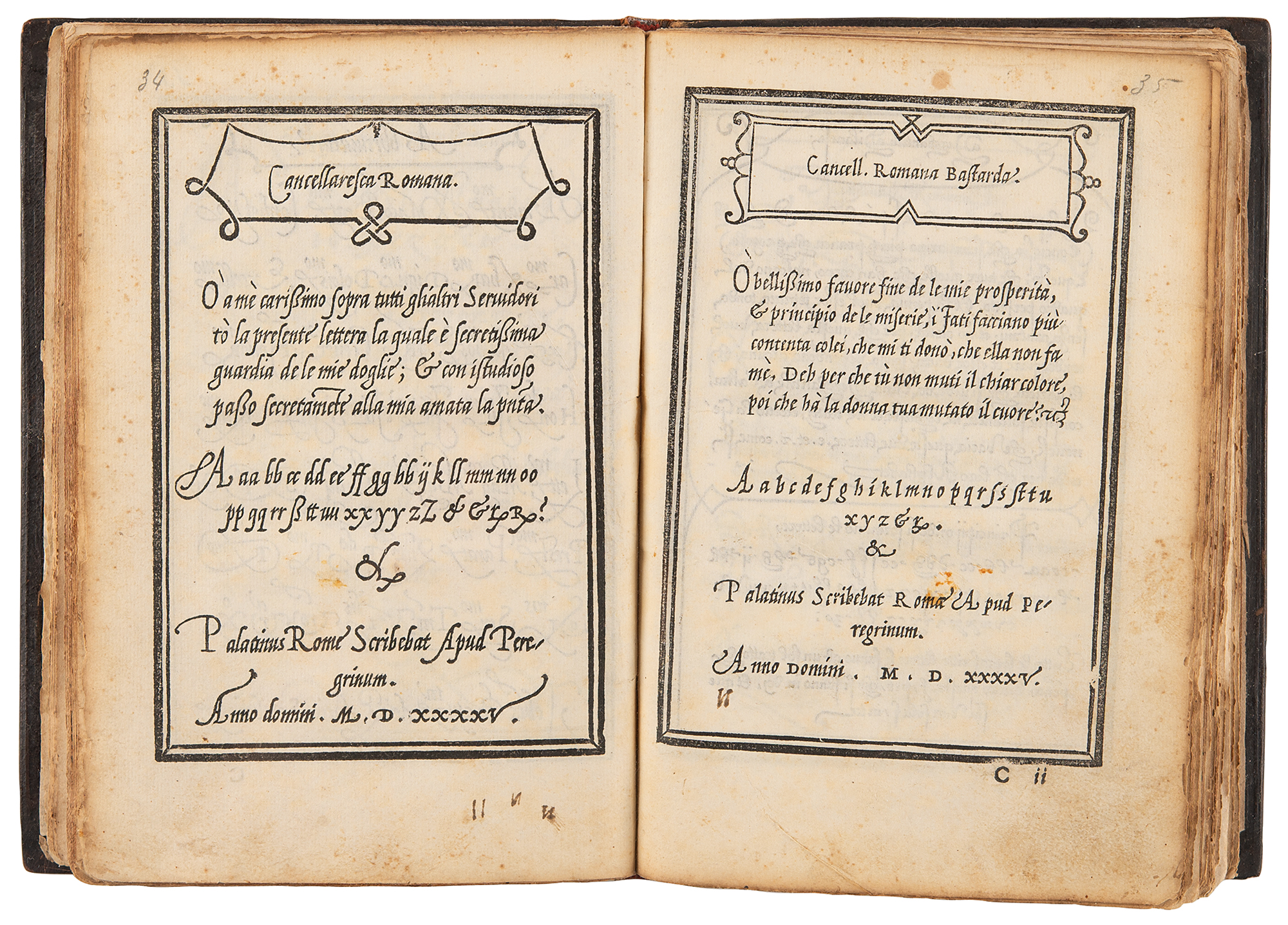
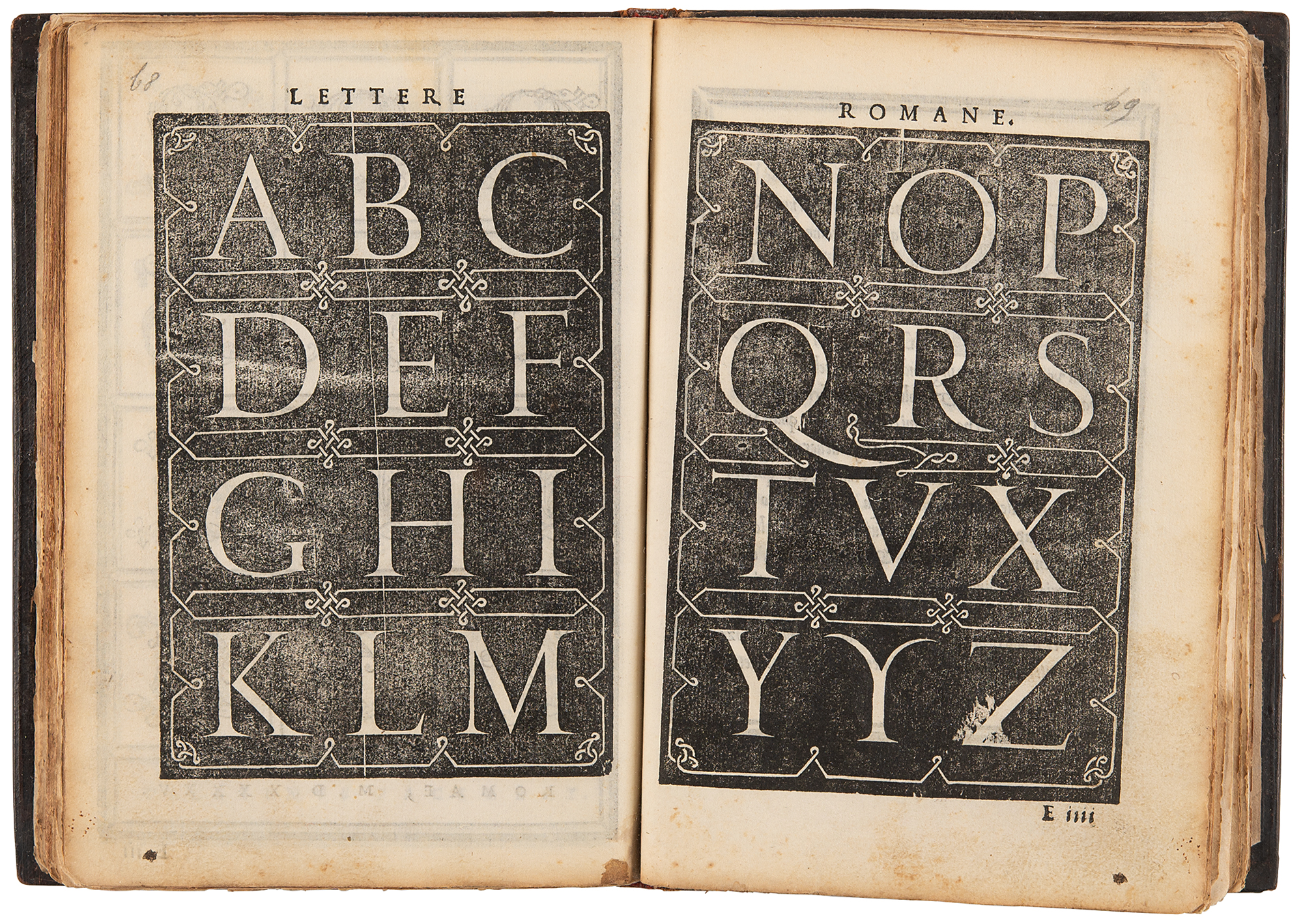
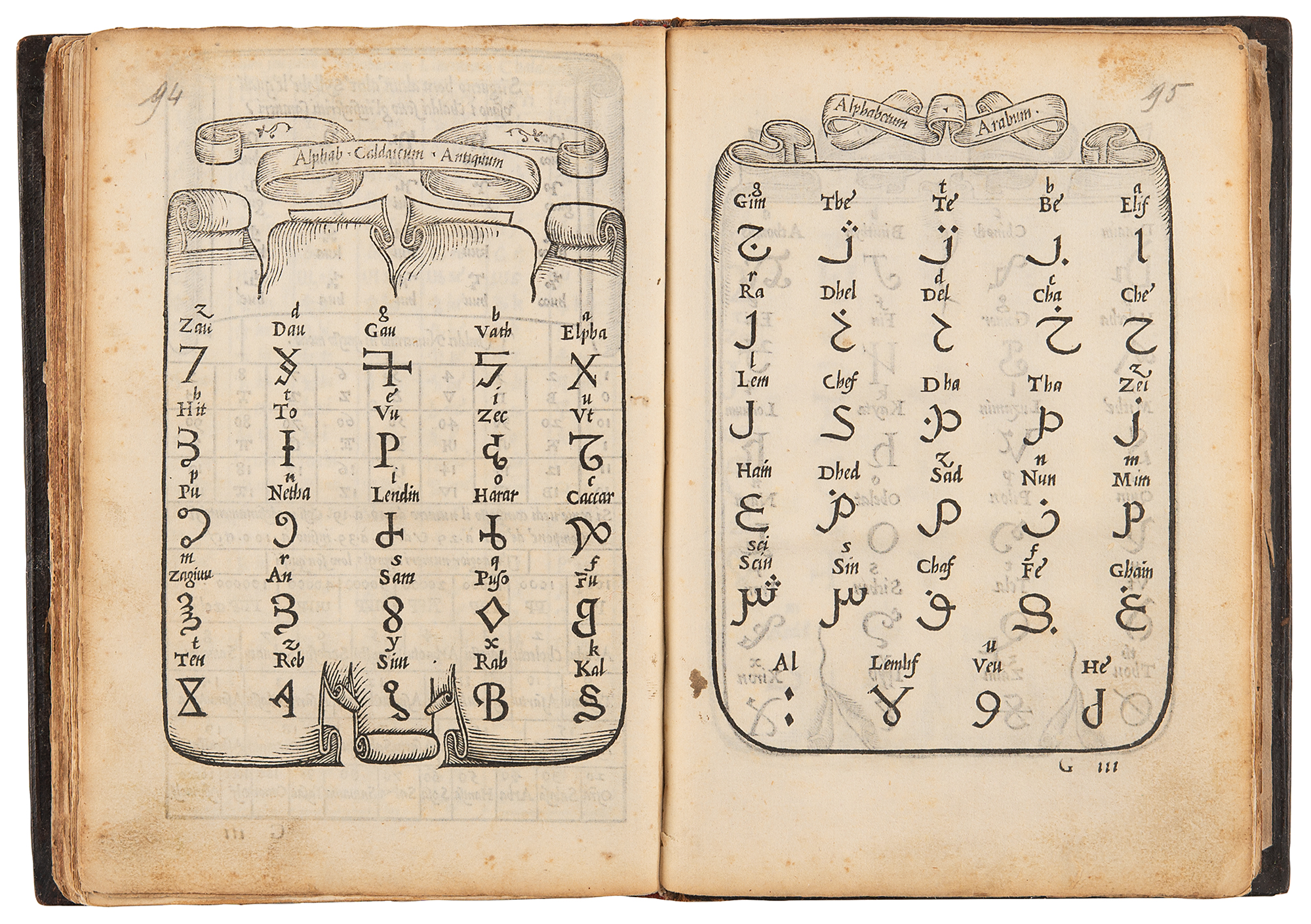
Rare and early edition of one the finest calligraphy manuals of the Italian Renaissance. First published in 1540 and variously revised, it quickly became the most widely used of all 16th century Italian copy-books. This Blado edition was corrected and expanded by the author "with 15 beautiful plates" showing different styles of penmanship. Among them are several types of chancery hand, decorative initials, specimens of German, French, and Spanish scripts, Greek, Hebrew and Arabic alphabets, a "sonetto figurato" (a love sonnet transcribed as a rebus), backwards or left-handed letters ("mancina"), letters tied together ("trattizata"), as well as an illustration of writing implements.
Also noteworthy are the suggestions for writing a cipher text. In his introduction to Bernard Quaritch's Catalogue 1300 ("Cryptography"), David Kahn, the eminent collector and historian of the subject, confessed that Palatino's book was one of those works which "have eluded me, and […] I still covet" (p. [5]).
Giambattista Palatino (1515-75) was himself a renowned calligrapher and copyist; Hermann Zapf's 'Palatino' font was named in his honour. A composite copy with a few leaves supplied from other copies or later editions. The appealing binding was originally produced for Guglielmo Gonzaga, duke of Mantua (1538-1587): considered authentic by Reiss & Sohn as recently as 2009, it appears in fact to be a remboîtage, tastefully fashioned perhaps around the turn of the century.
One of the most interesting and visually compelling documents of the culture of communication in the modern age.
Condition: Binding laid down on new boards, rebacked, old flyleaves supplied from elsewhere. Some staining and soiling throughout. Leaves C8, F3-6, and H2 supplied from the 1566 edition. A tear in C7; E1 stained and with holes from corroded ink; H7 expertly remargined.

