Sold For $41,258
*Includes Buyers Premium
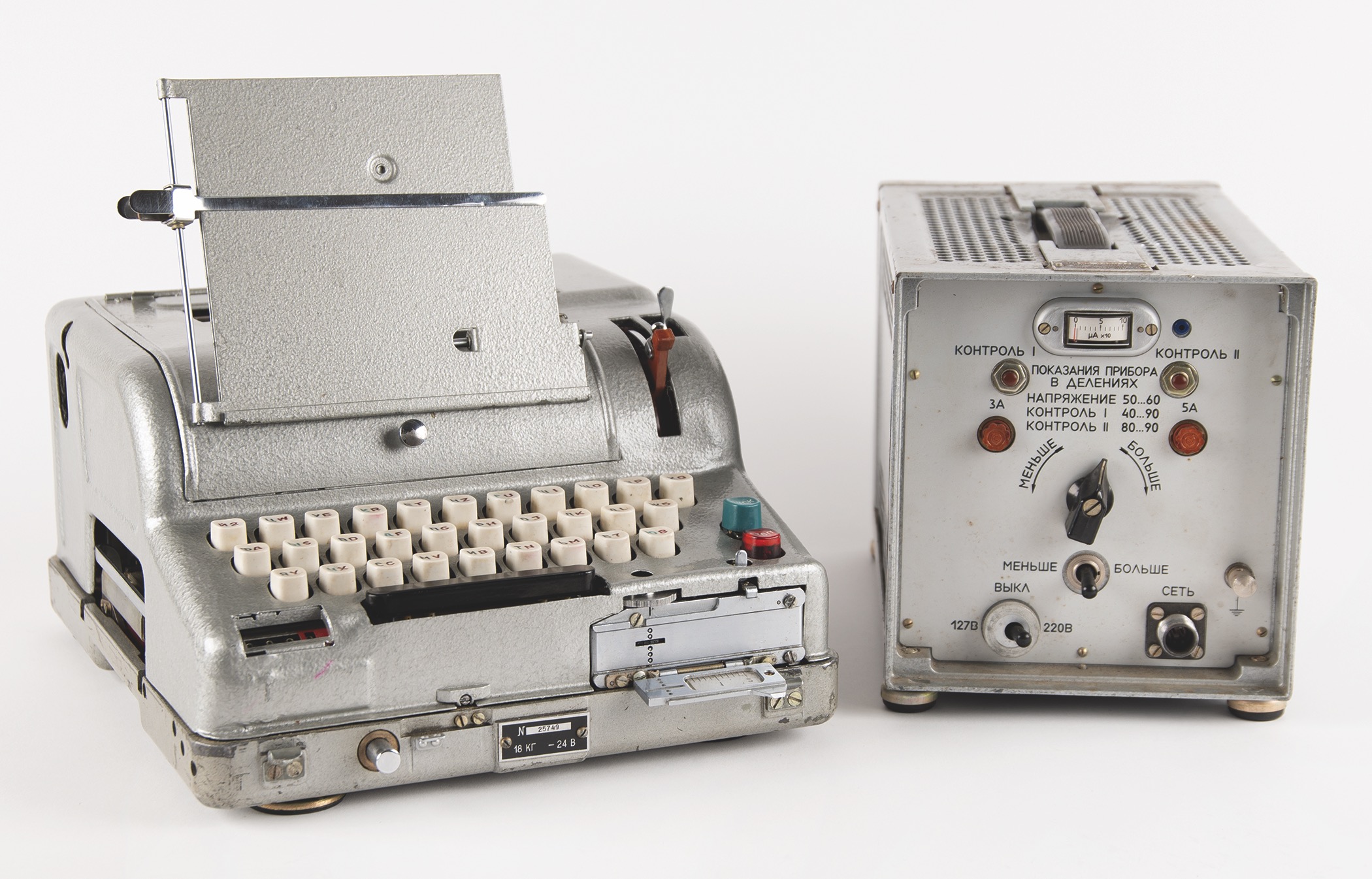
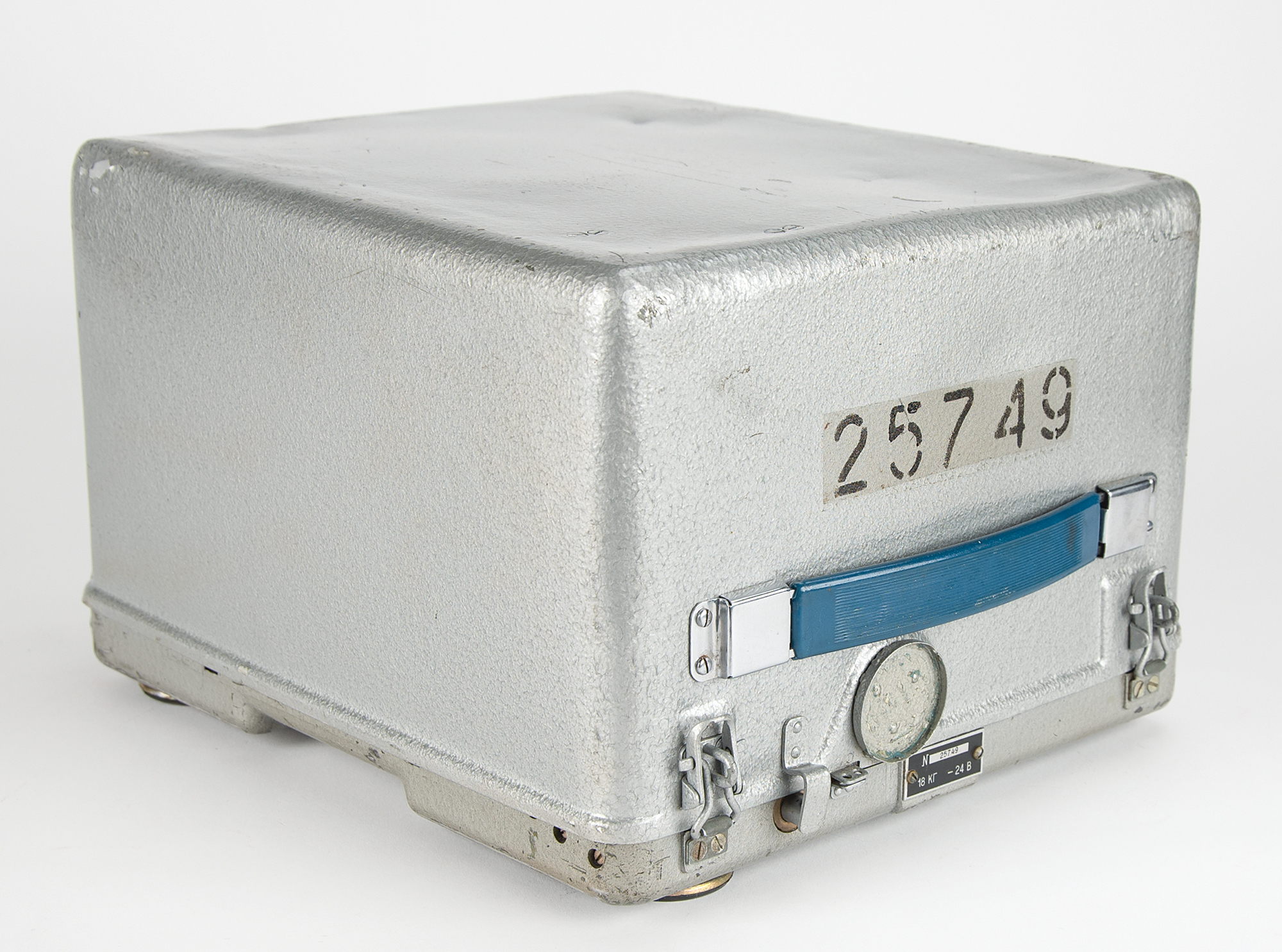
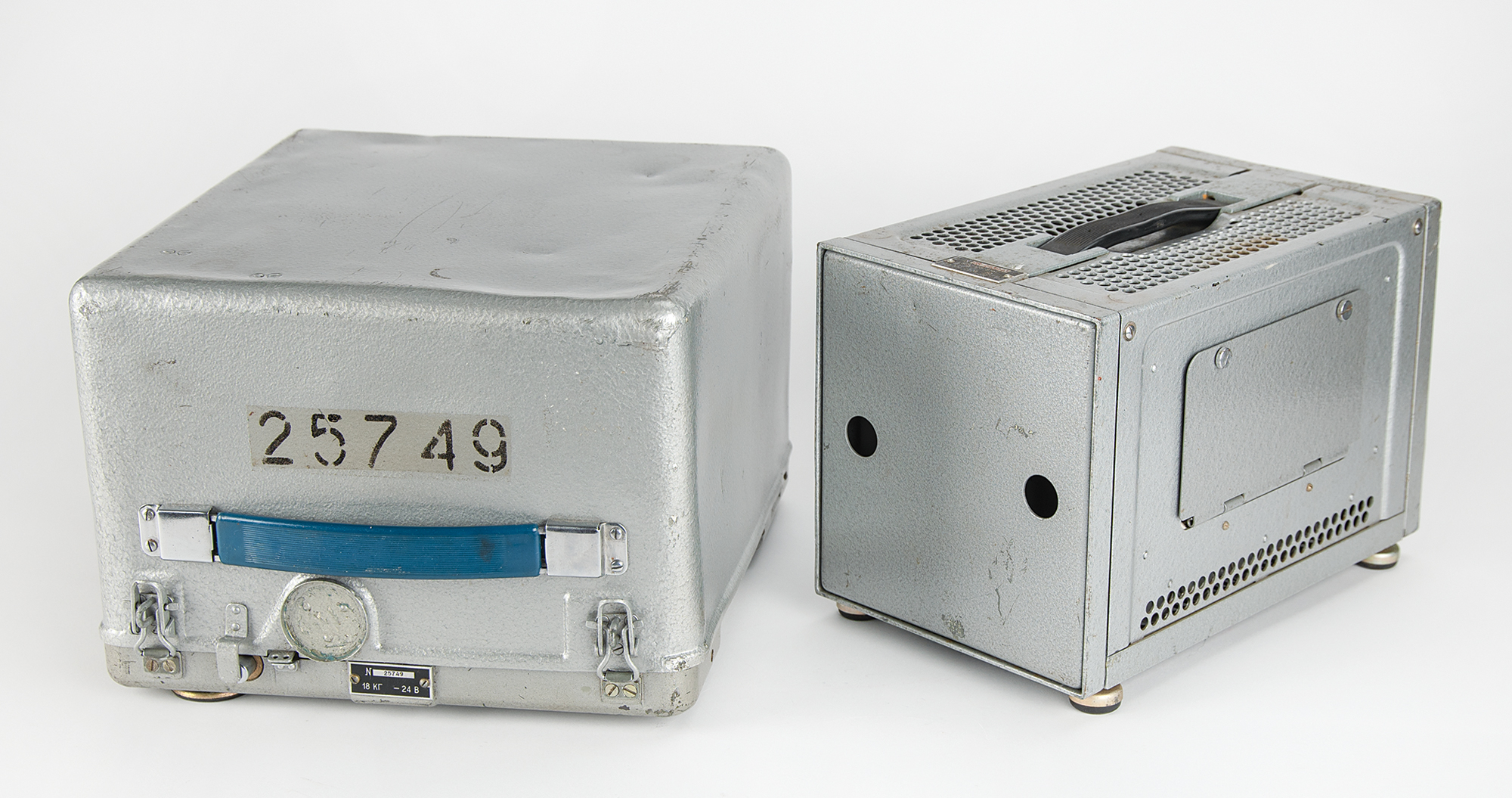
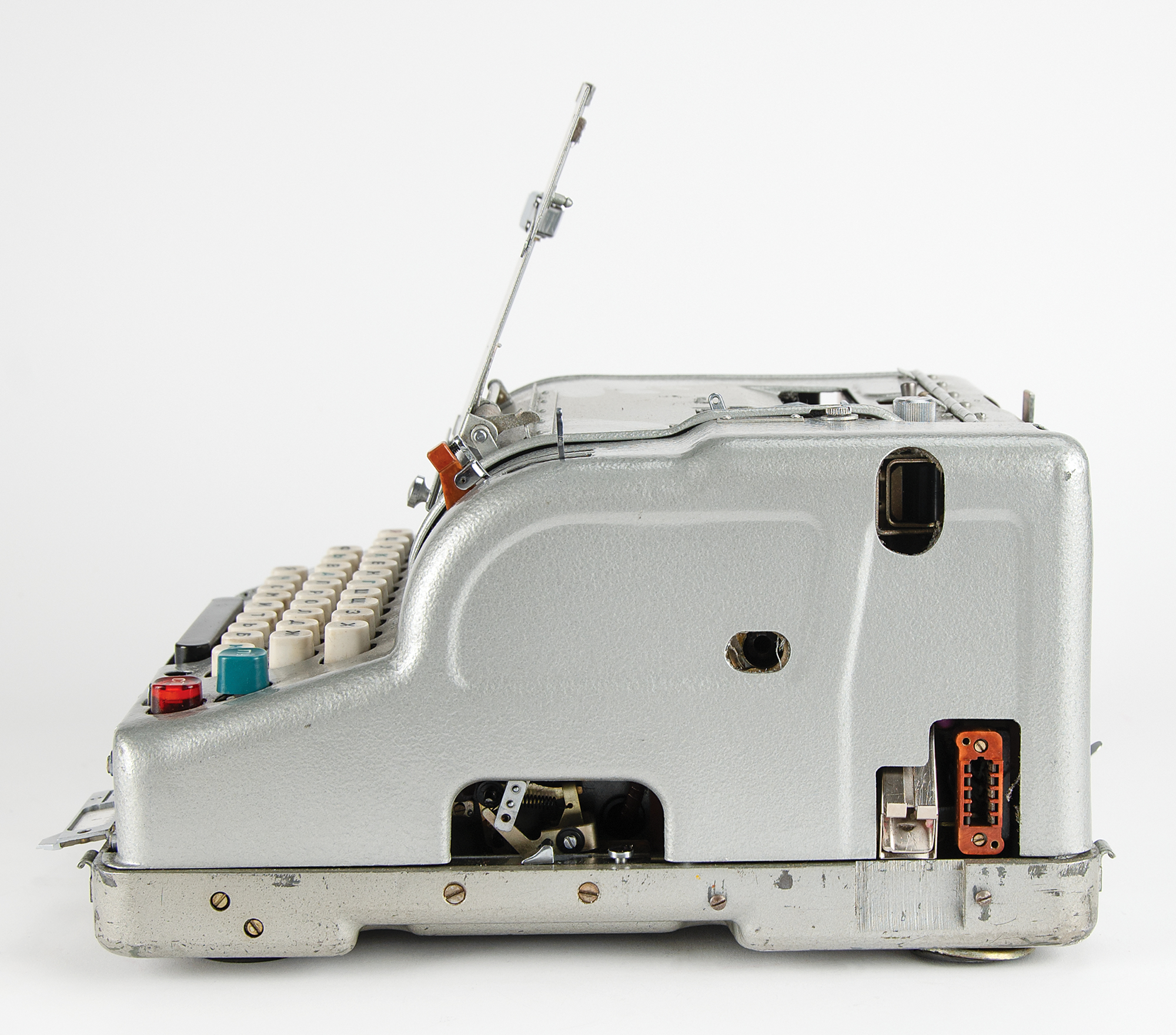
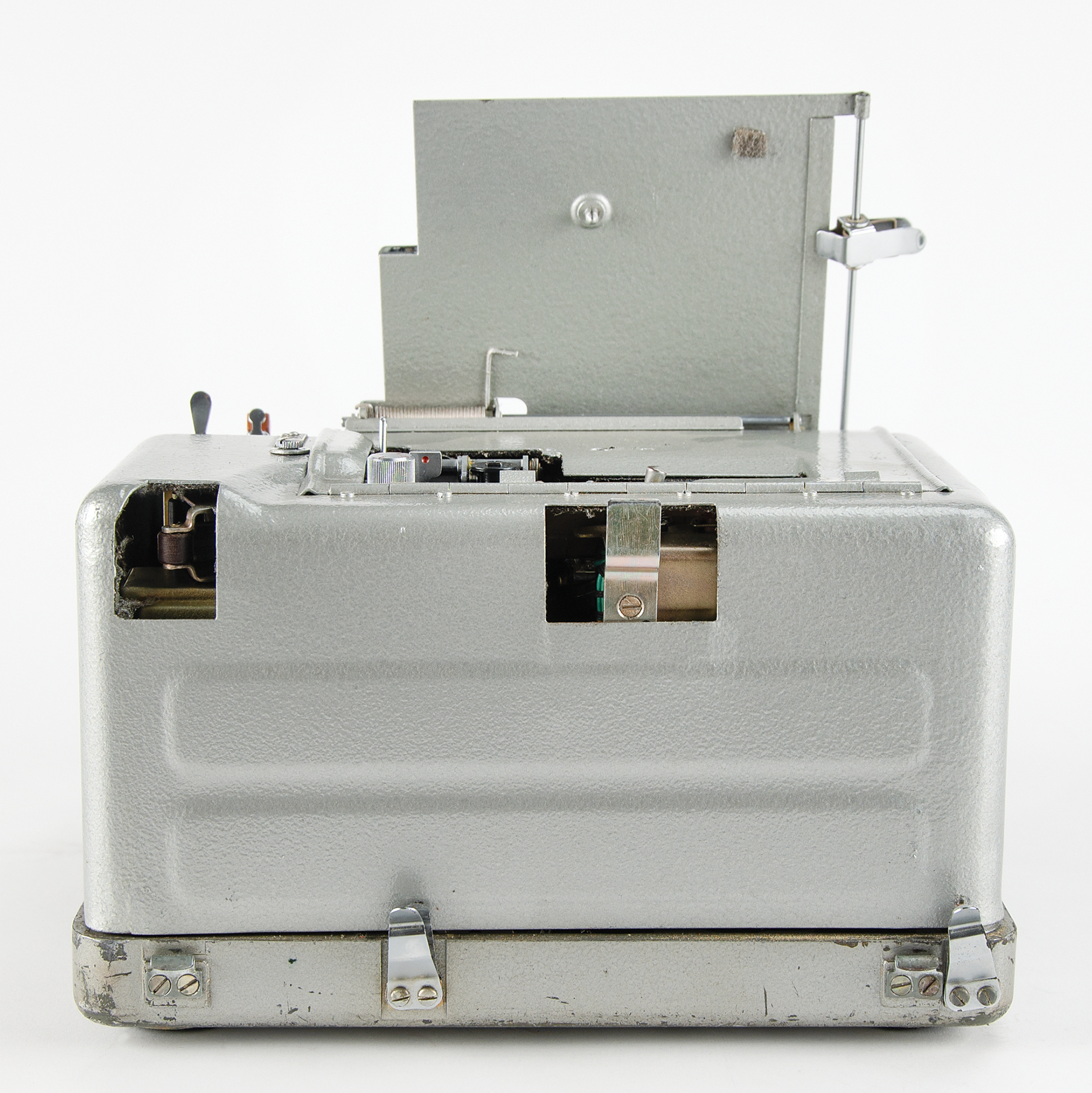
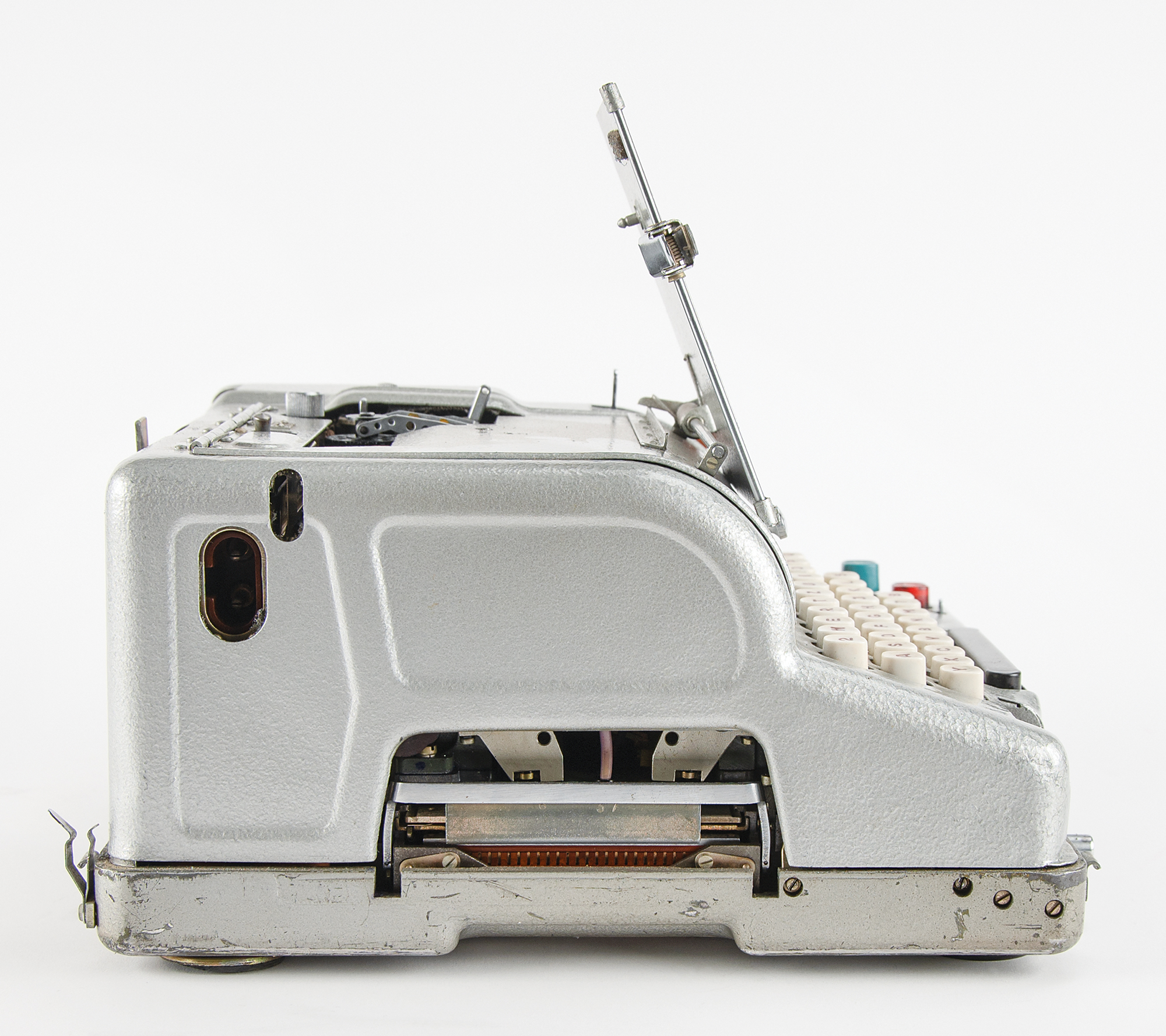
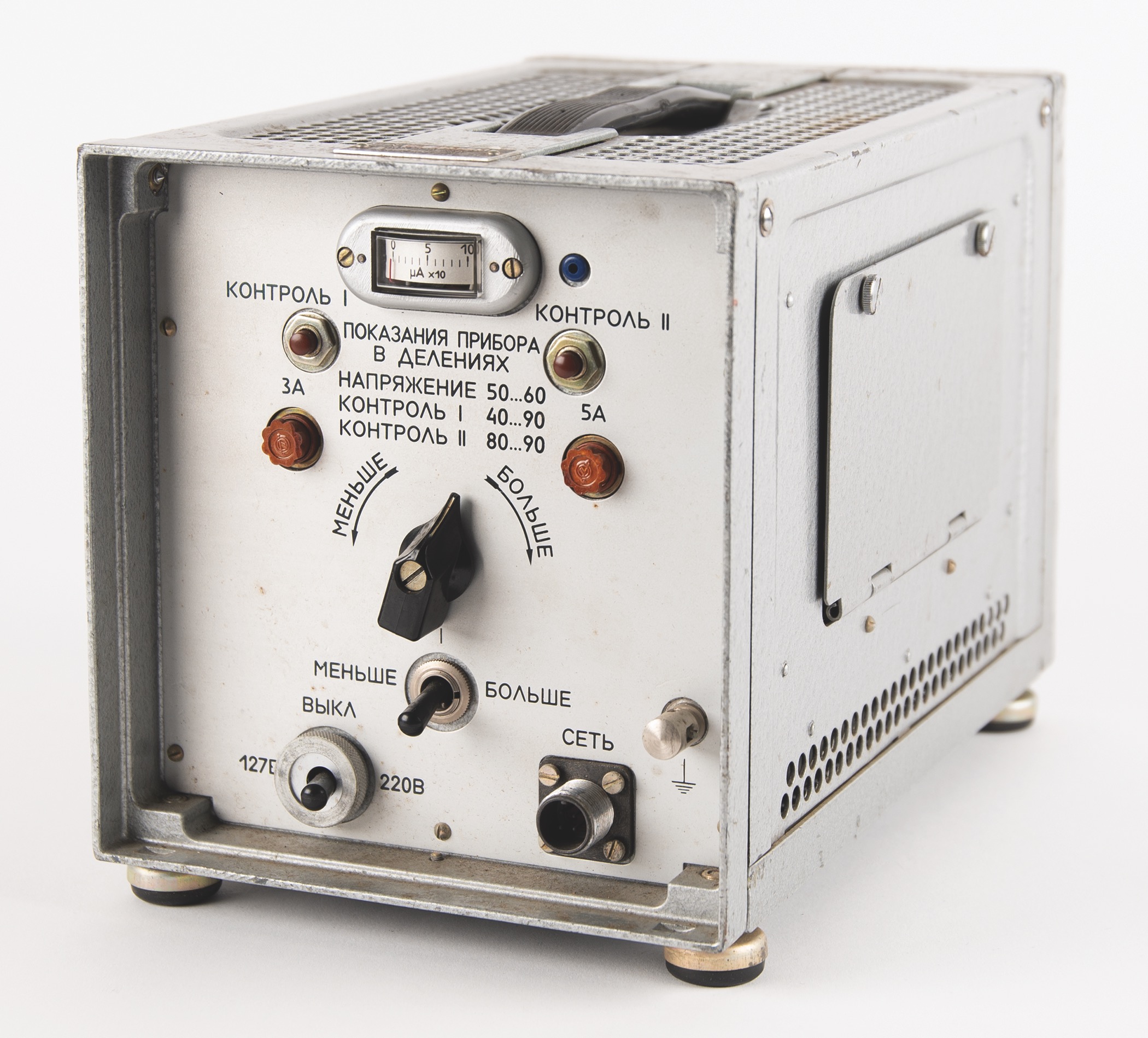
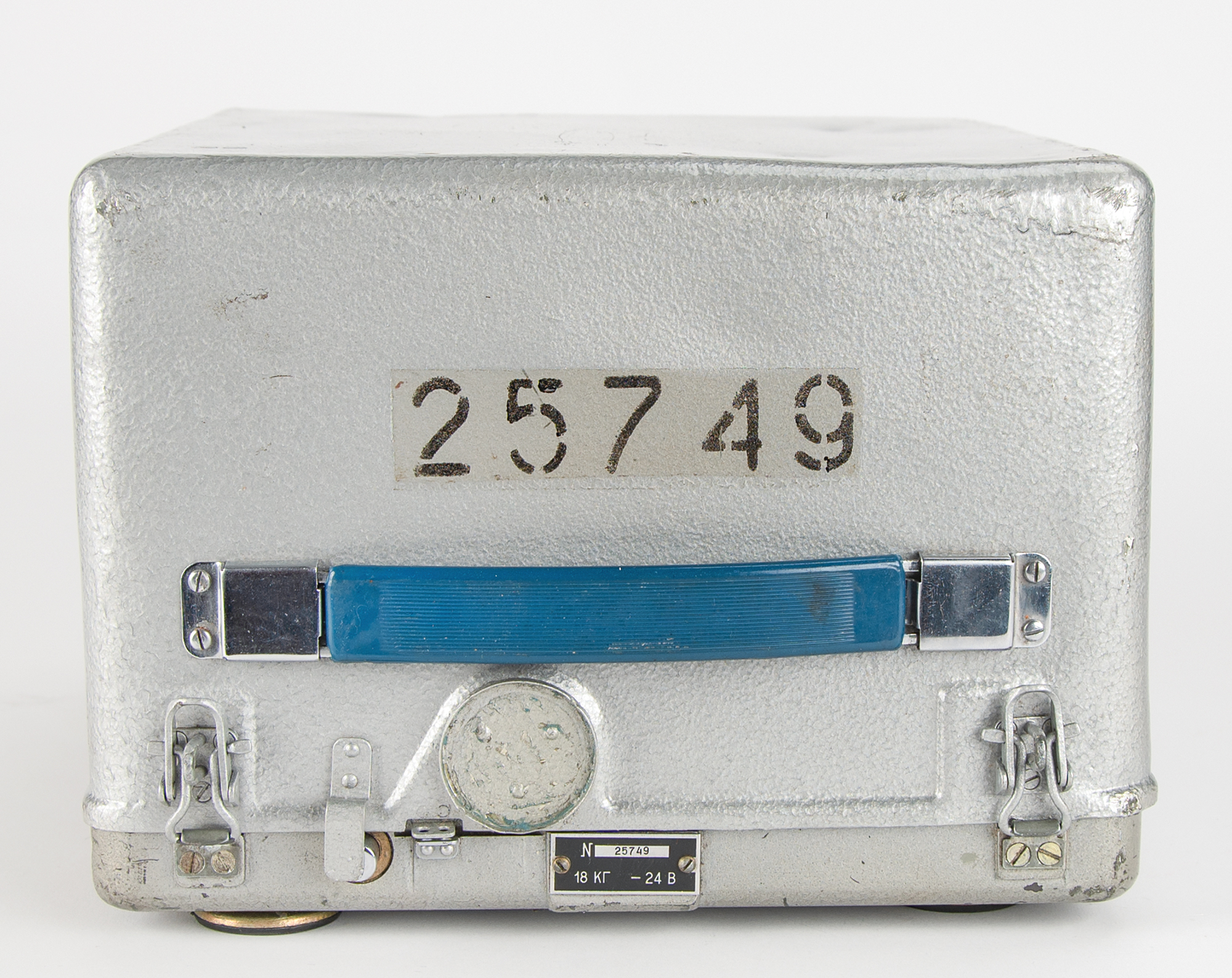
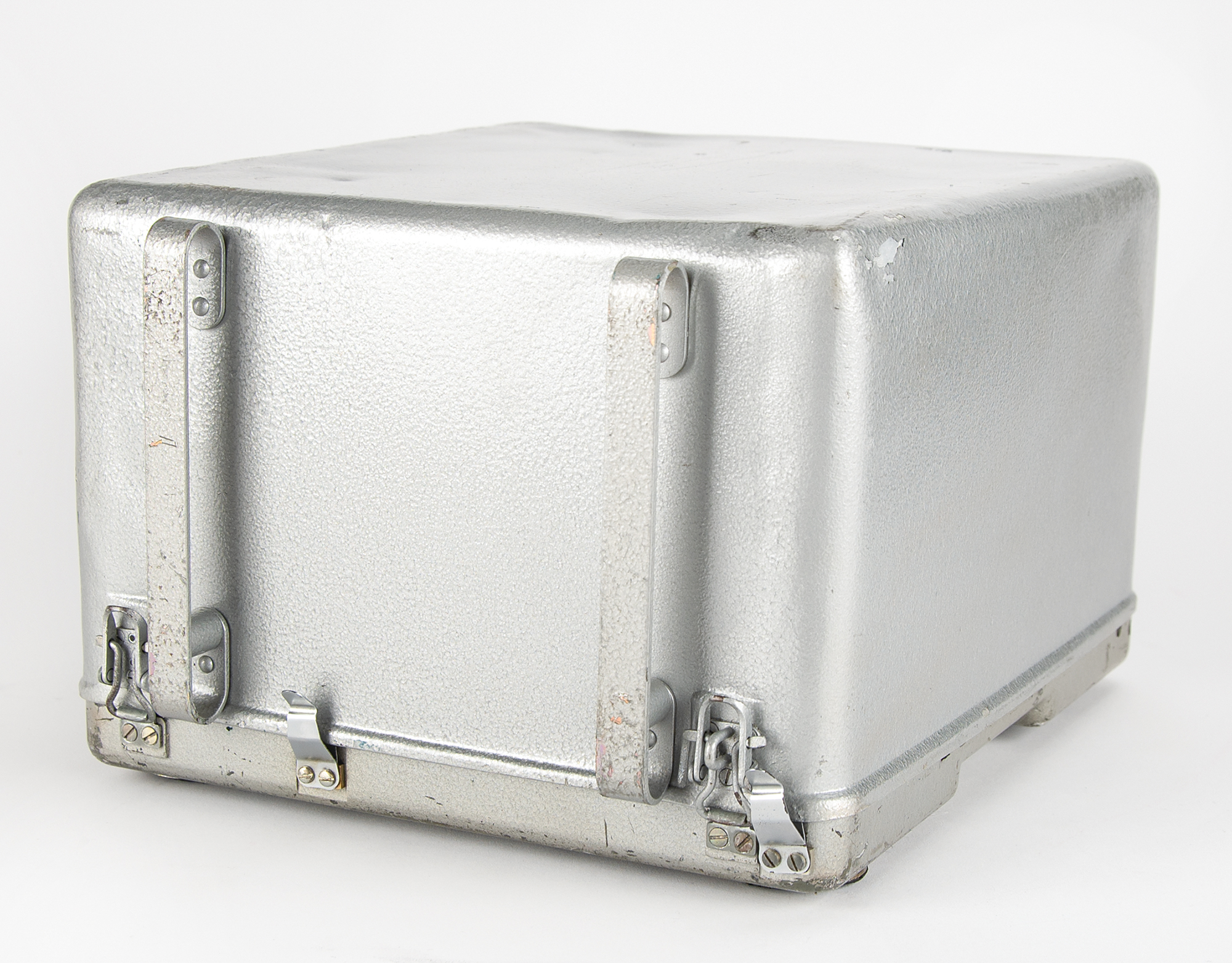
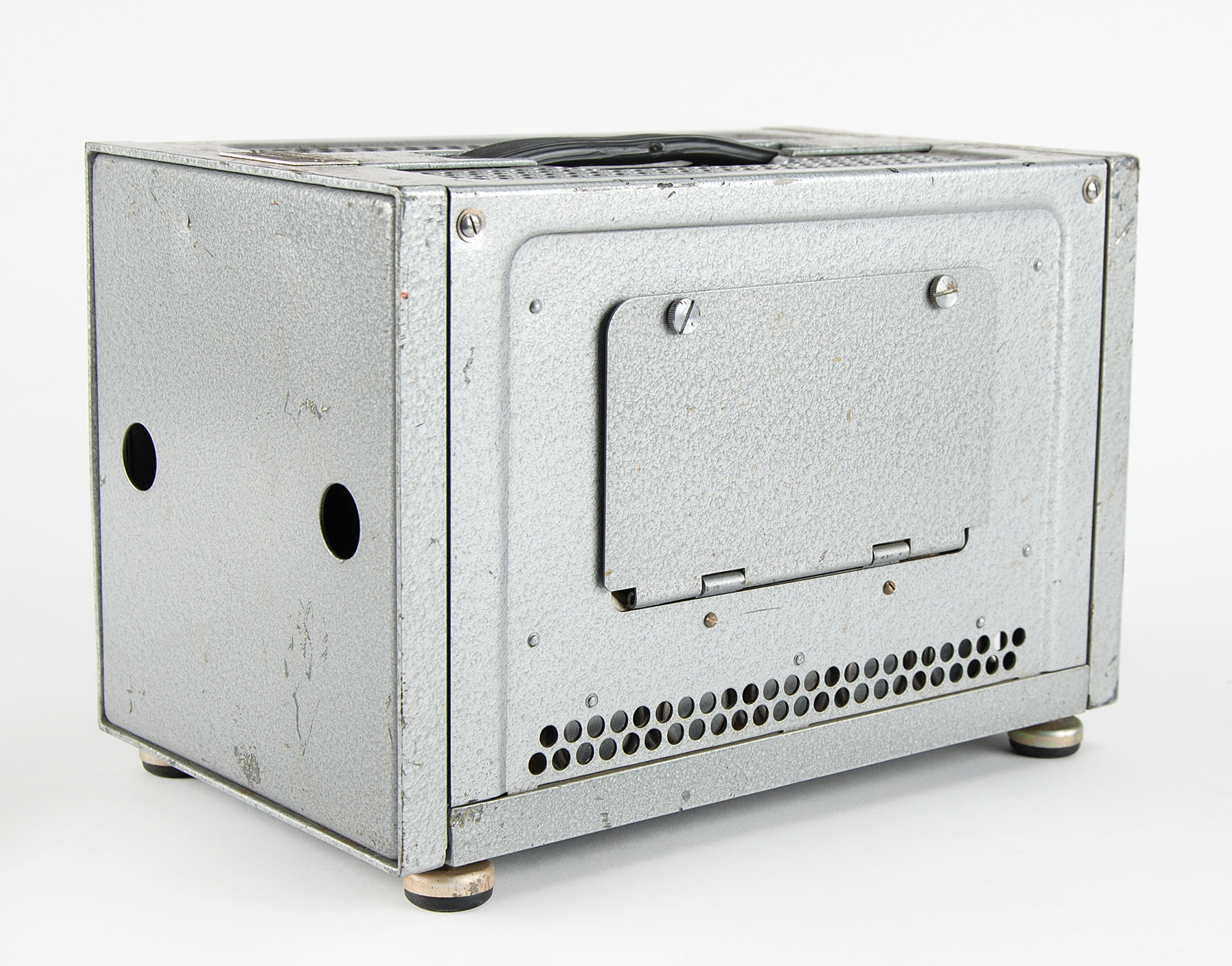
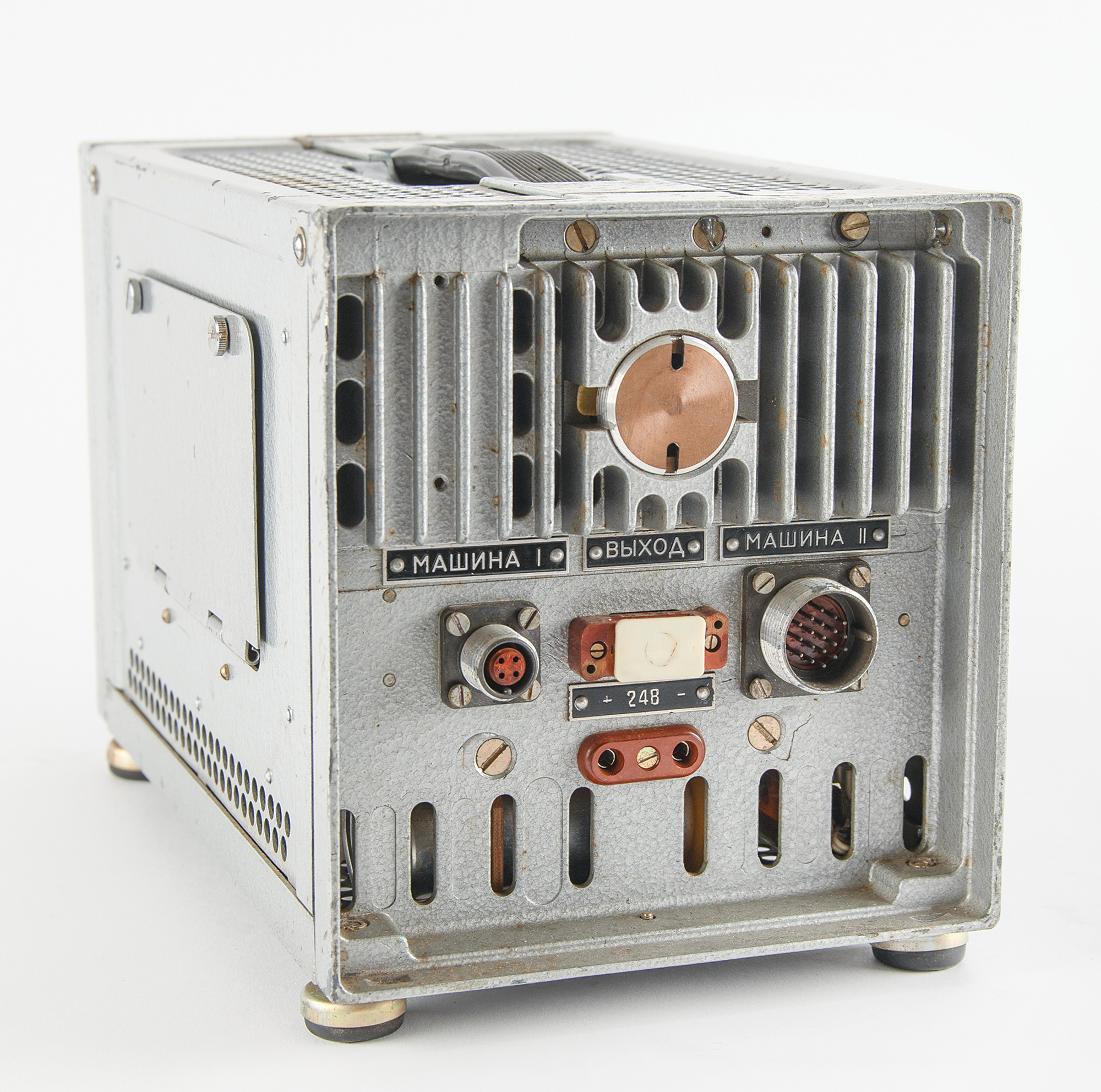
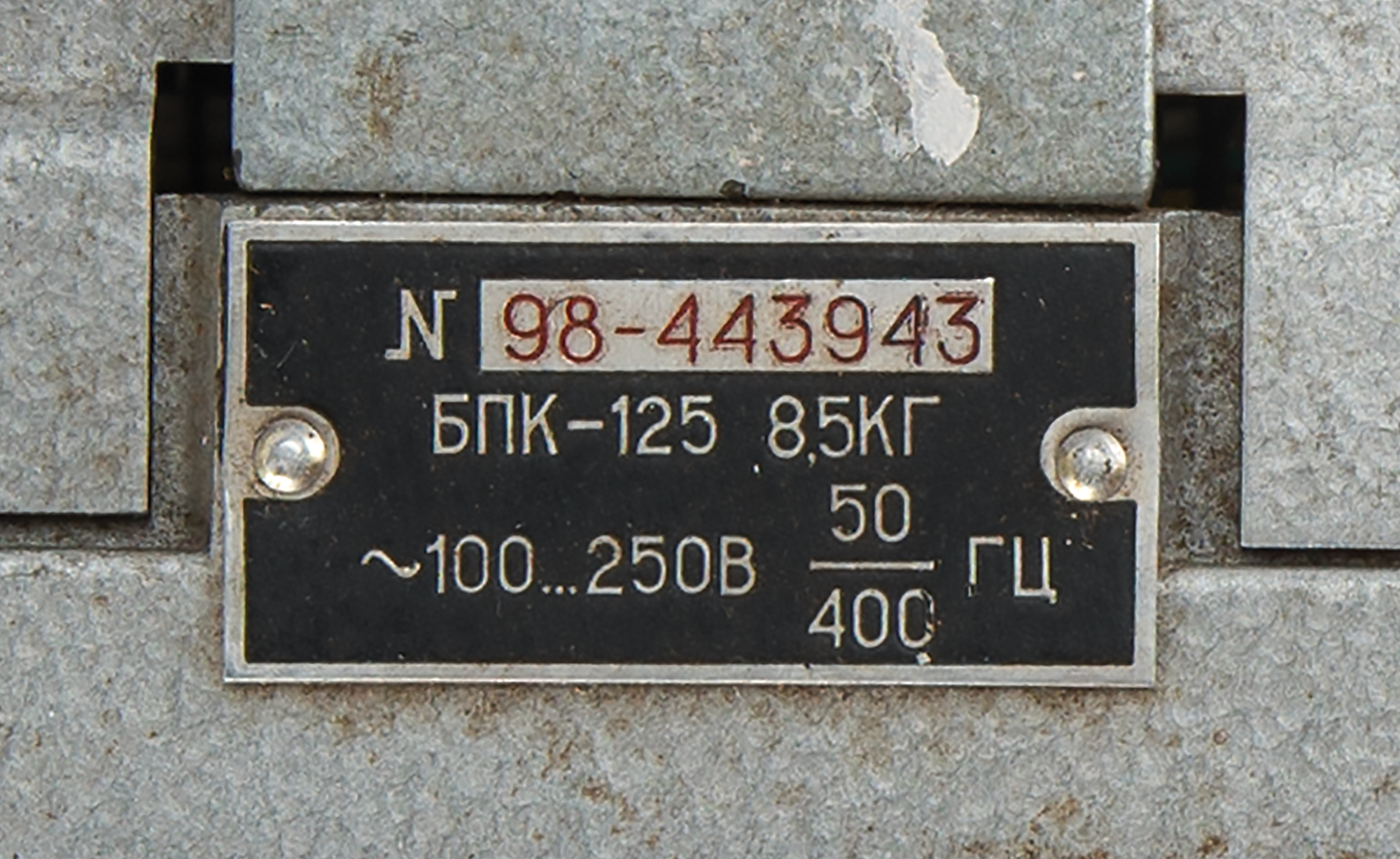
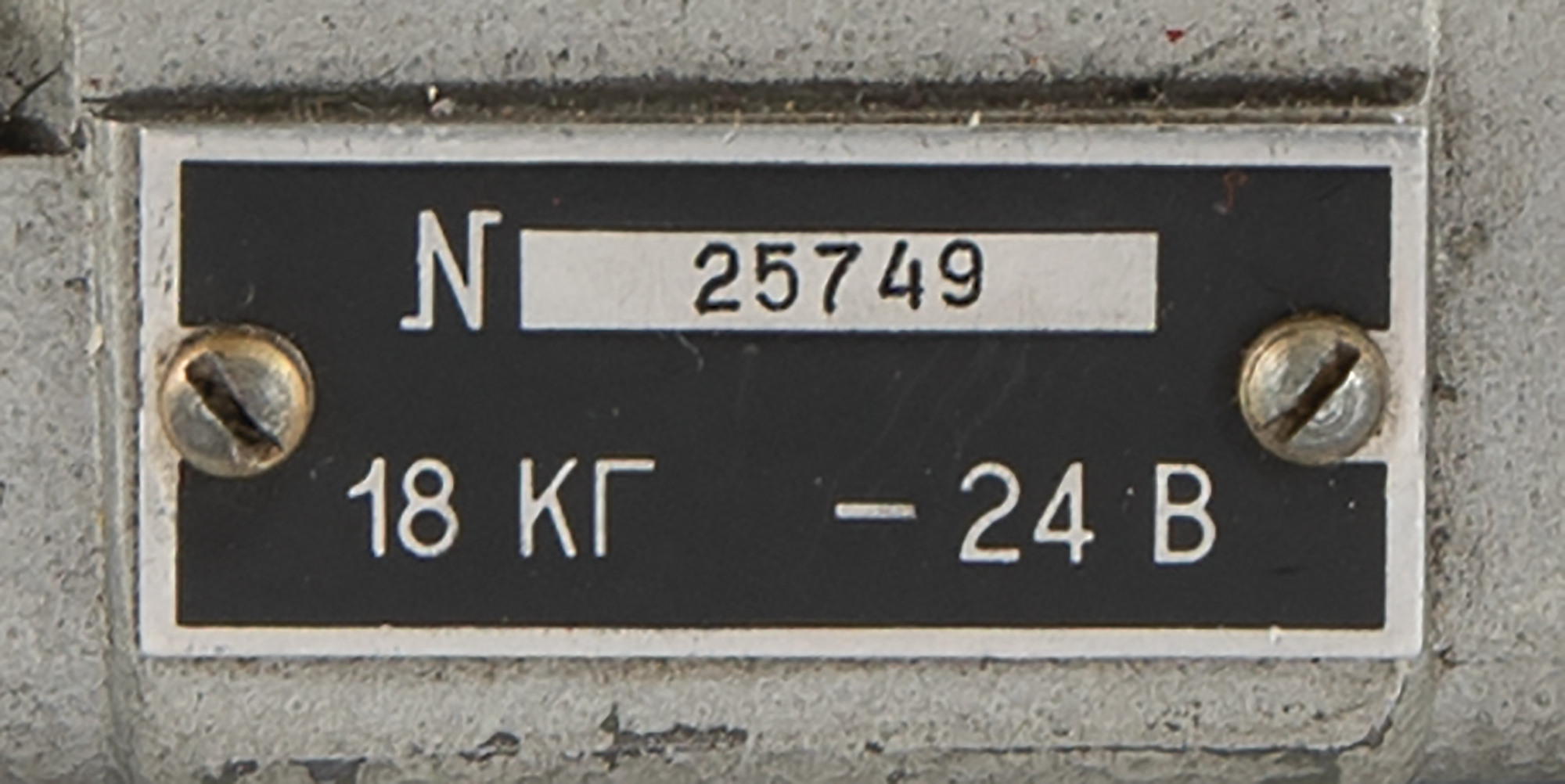
Scarce original Cold War-era Polish M-125 cipher machine, codenamed 'Fialka,' in its metal case, with a separate BPK-125 power supply, developed with TEMPEST countermeasures. The cipher machine's case measures 11″ x 13″ x 9″, and is stenciled on the front with a serial number, "25749," with identification plate below: "No. 25749, 18КГ-24В." The rare BPK-125 power supply measures 6.5˝ x 7.5˝ x 11˝, and carries an identification plate on the top: "N. 98-443943, ВПК-125 8.5КГ, ~100…250В, 50/400ГЦ."
The Fialka was subject to exploitation by enemy agents, as they could pick up electrical signals emanating from the machine—a phenomenon known in the Western world as TEMPEST—possibly leading to the unintentional disclosure of sensitive information. The BPK-125 prevented data from leaking out via power lines by using five switchable dummy loads (one for each data bit) and injecting noise into the power line. The power supply retains its original power cables, housed within a hinged compartment on the side, as well as its plain metal faceplate cover.
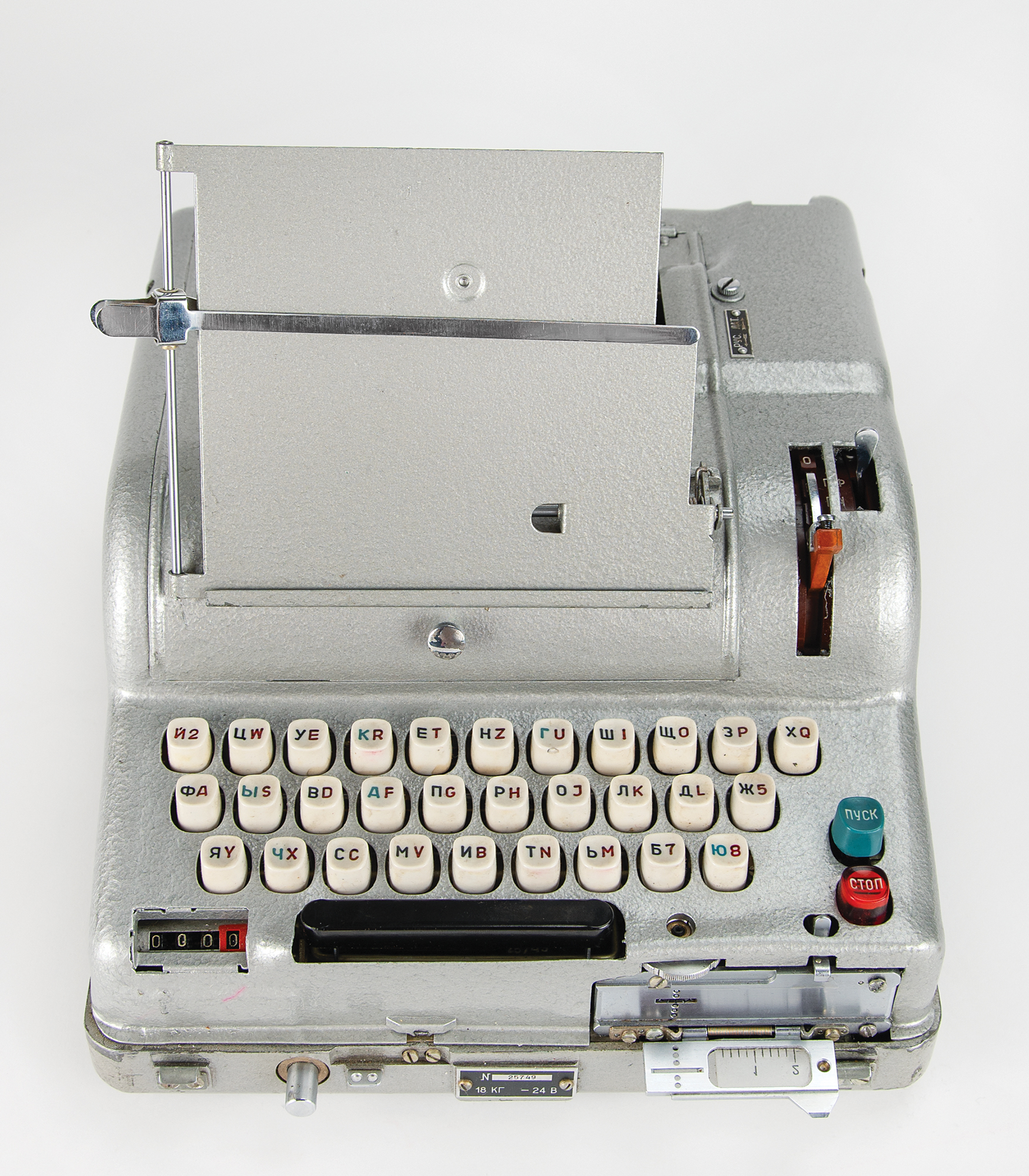
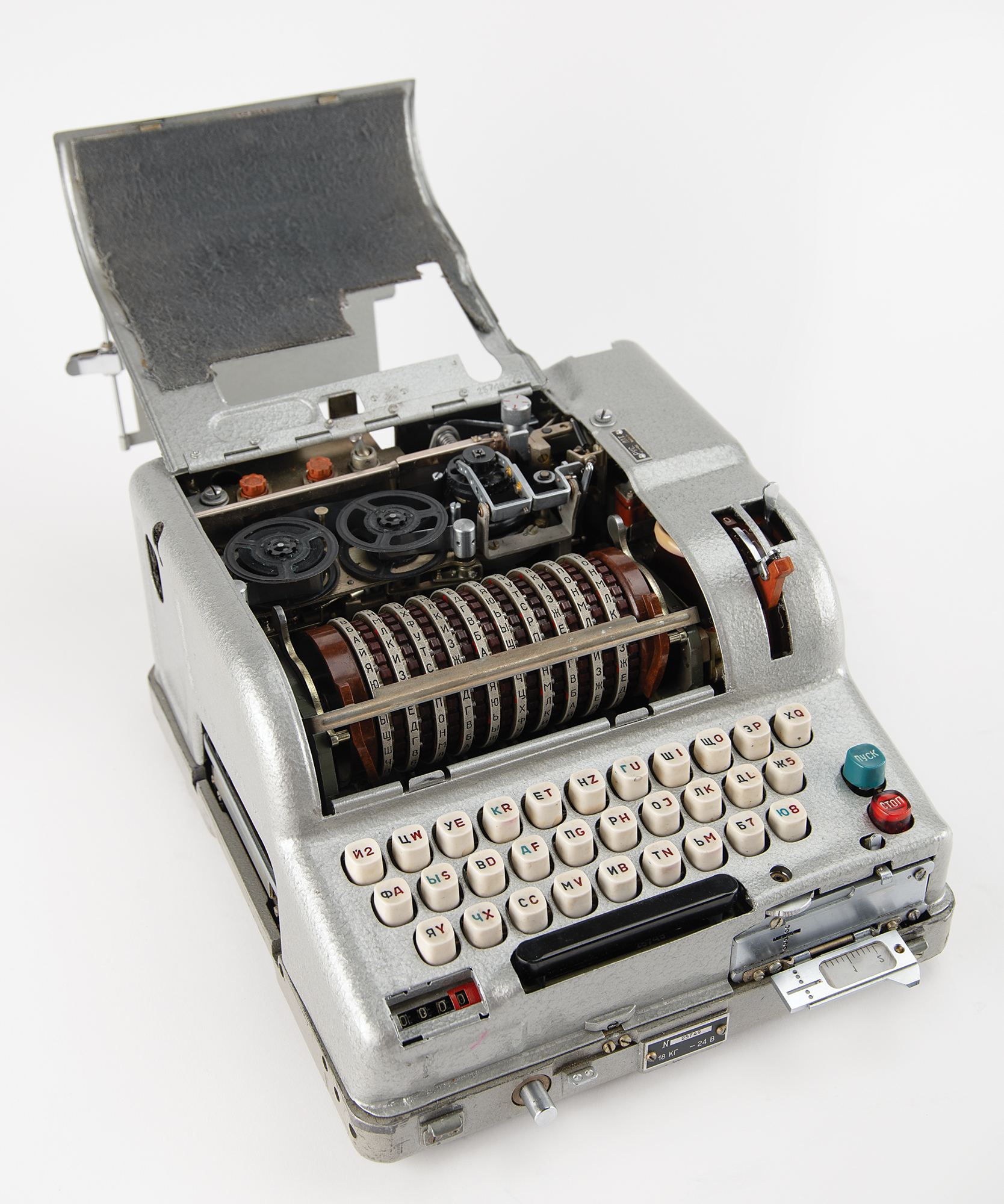
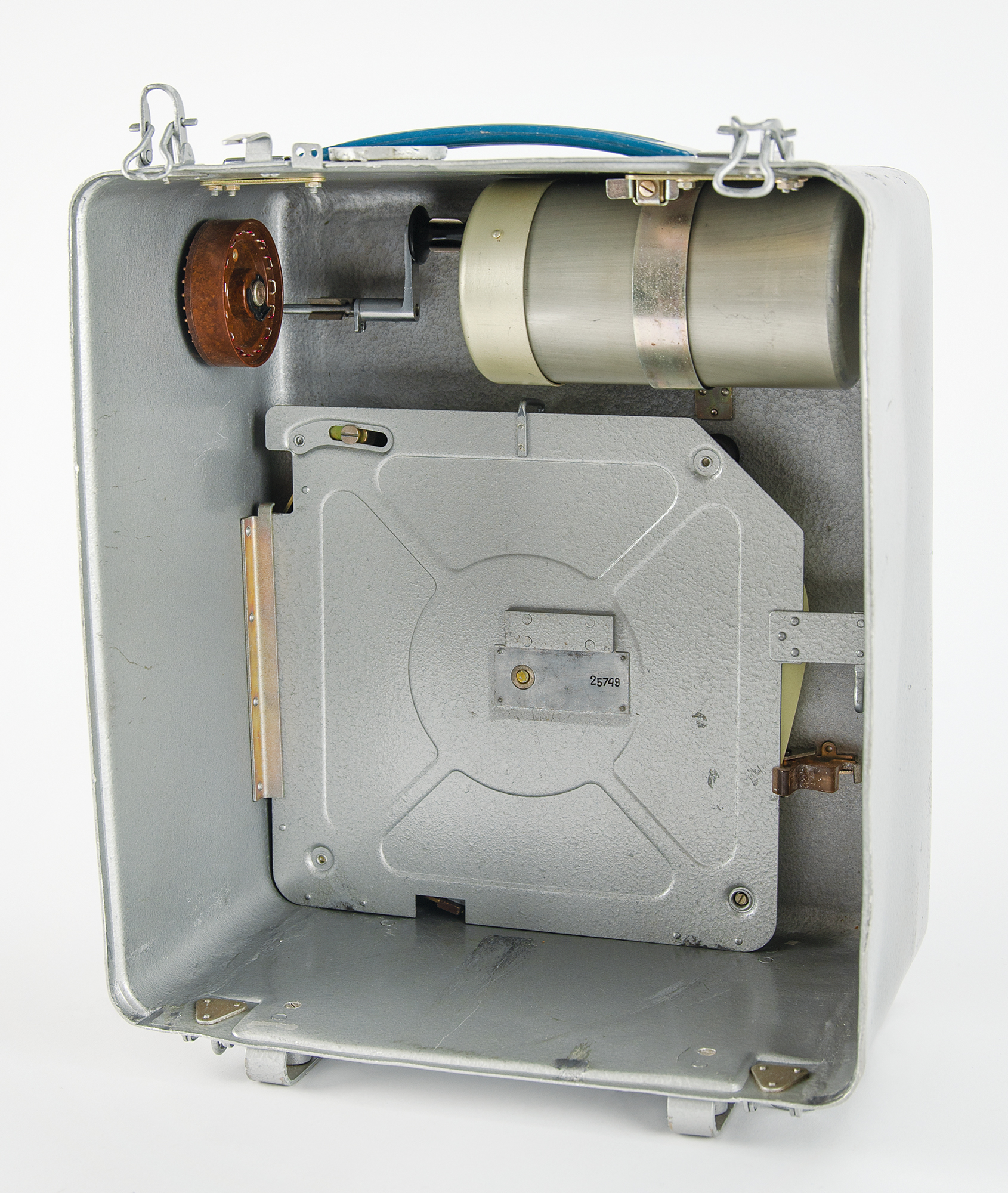
The Fialka is an electromechanical, wheel-based code-generating and decoding machine. Its development came after World War II, and was based loosely on the German Enigma machine, with rotors moving to a new position each time a key is pressed, creating a new electrical circuit and an alphabetic substitution for the letter that was pressed. However, the Fialka incorporates a number of different features from the Enigma that made it a much more daunting cipher-generating machine. These features include the use of 10 rotors (each with 30 contacts), wheels rotating in opposite directions, more frequent wheel stepping, and a 'magic circuit' which allows a letter to be encoded as itself—all leading to a more complex code that is more difficult to crack. Input and output from the machine could be accelerated via the use of punched paper tape, a spool of which is included.
This example has ten rotors installed in the device's drum and an additional set of spare rotors stored inside the lid (in their original canister). The wheels would be arranged on the rotor spindle based on a daily key, as with the Enigma.
Being regularly produced starting in 1956, the Fialka quickly became a primary cipher machine for all of the Warsaw Pact countries and Cuba. Each country had the Fialka keyboard modified to their language—this example has Cyrillic and Latin characters—and had specially wired rotors. The Fialka was in use by Russia and its allies well into the 1990s, and very little information was available about this machine until 2005 as it had been kept secret. Few Fialka machines remain as they were systematically destroyed by the Soviet Union and its successors as the machines were taken out of service.
In fine cosmetic, functional condition. Accompanied by a detailed reference manual in English, compiled by Paul Reuvers and Marc Simons. An important piece of Cold War code-making history.

