Sold For $756
*Includes Buyers Premium
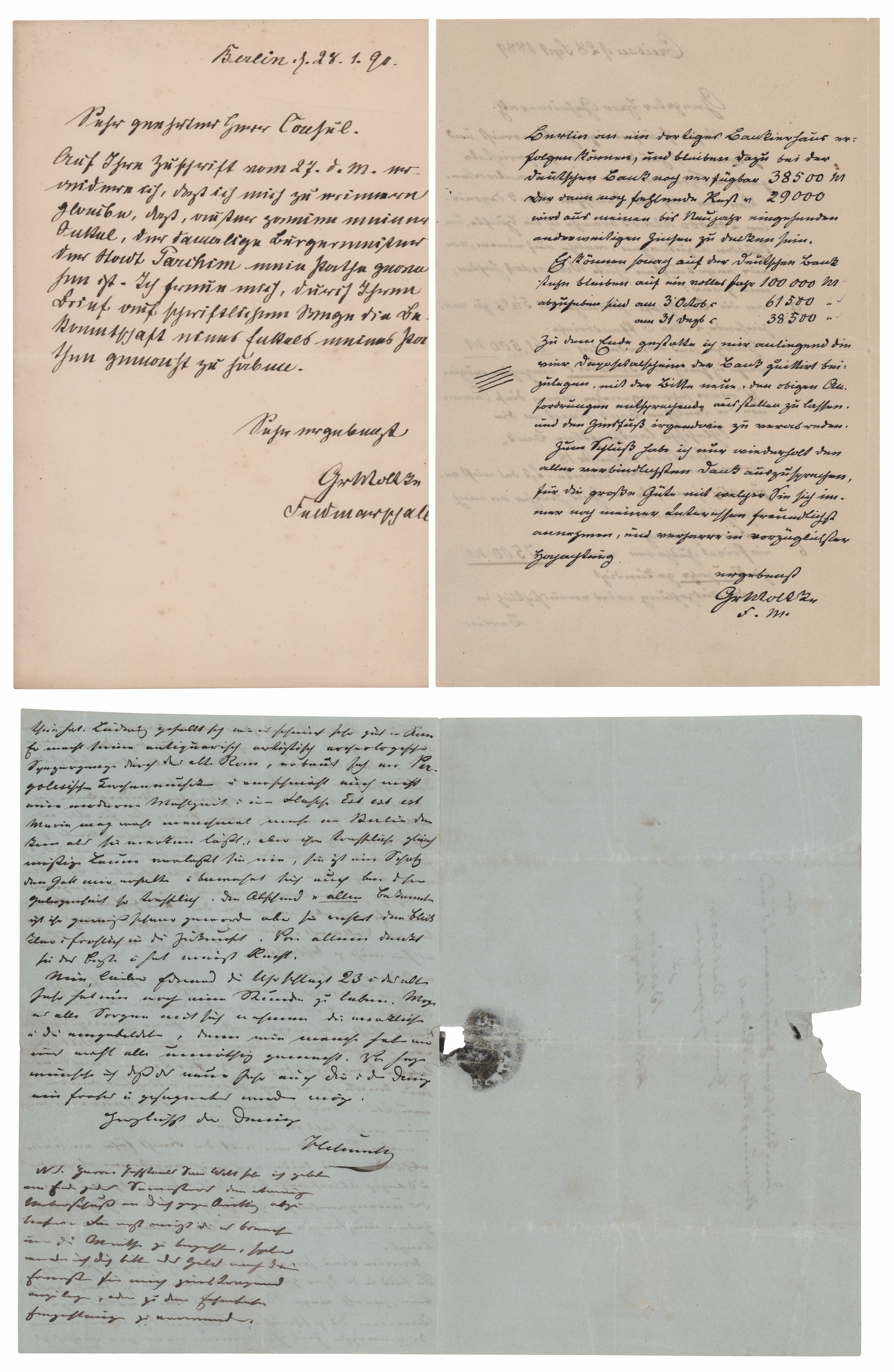
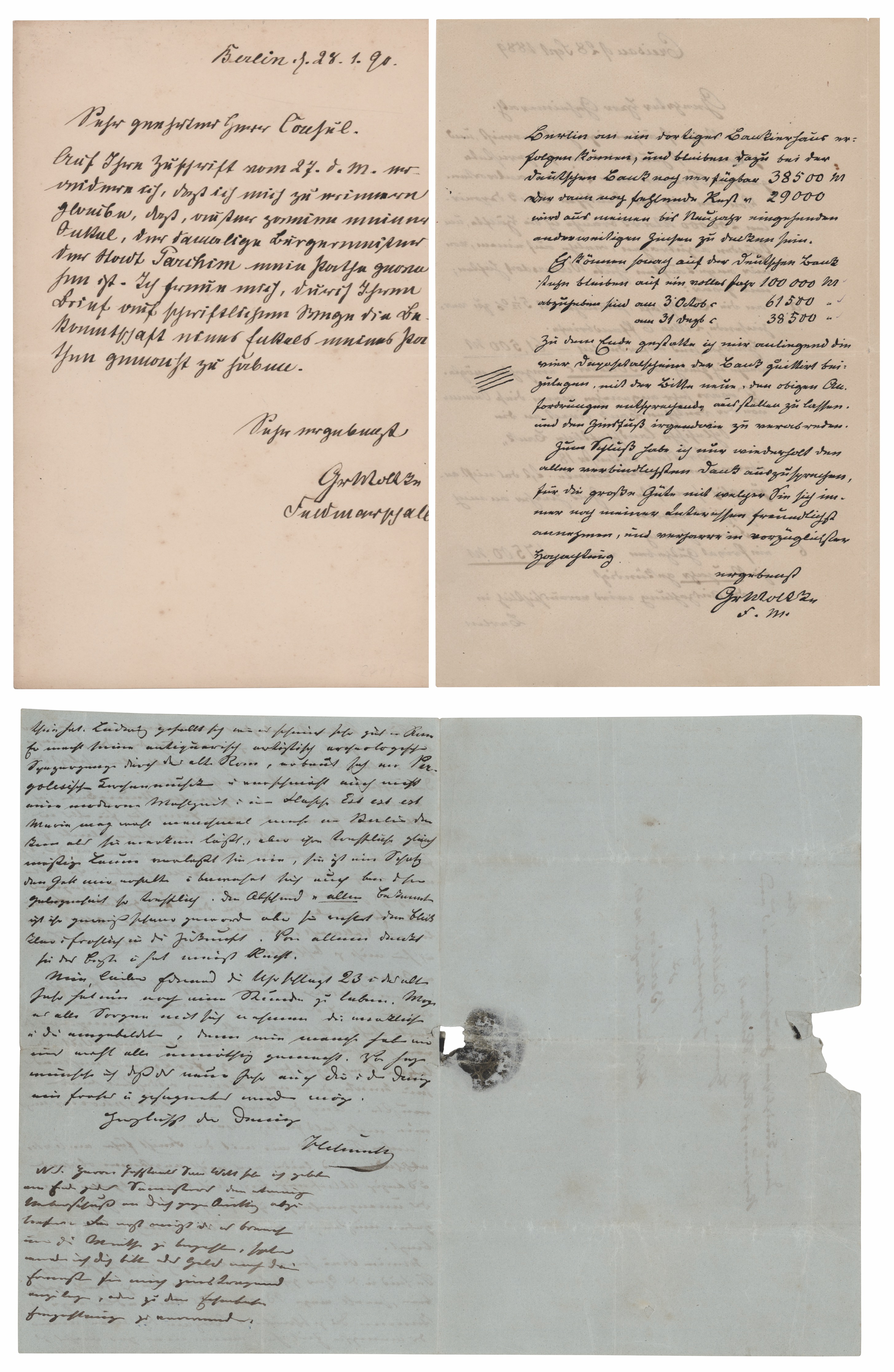
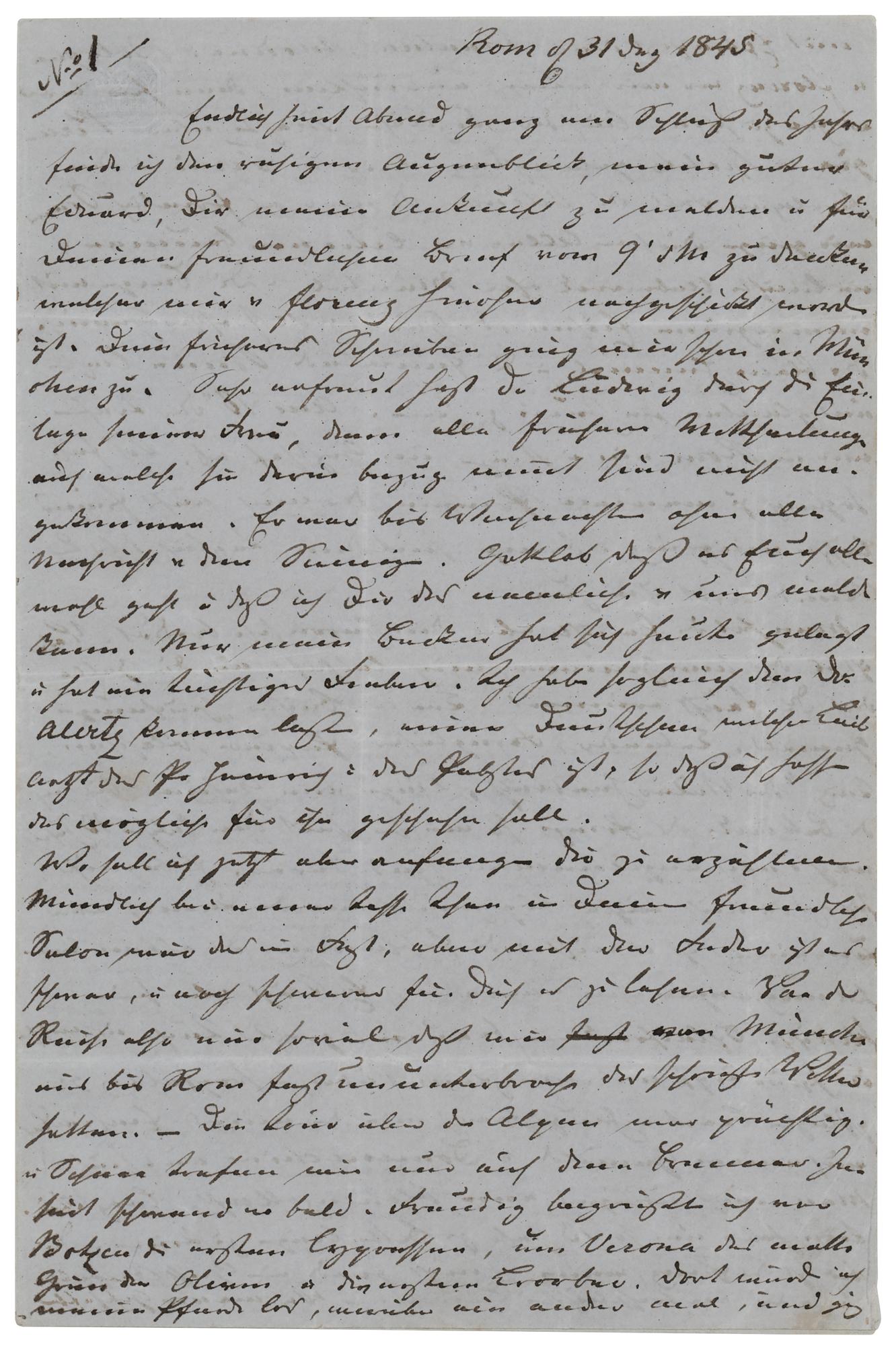
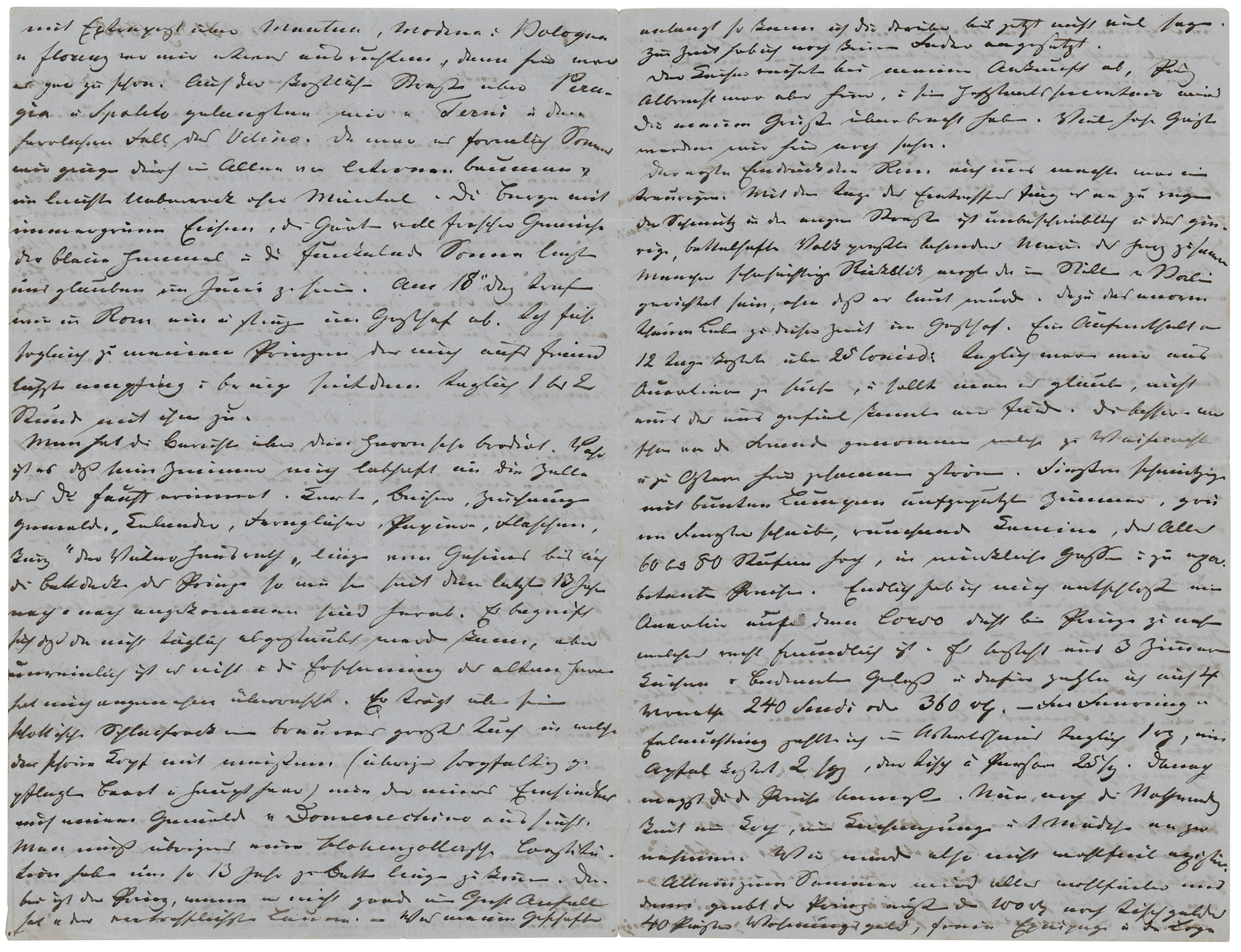
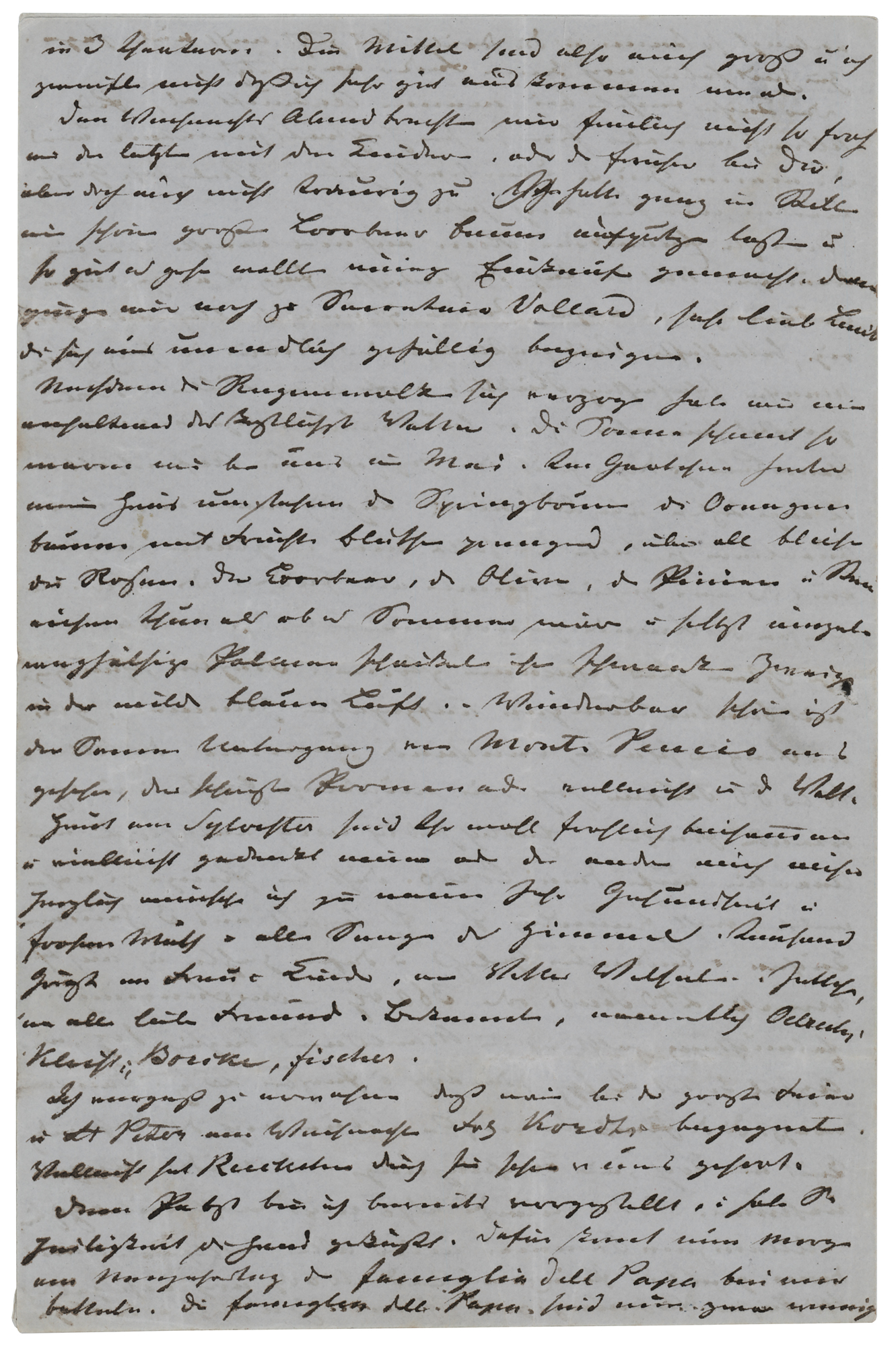
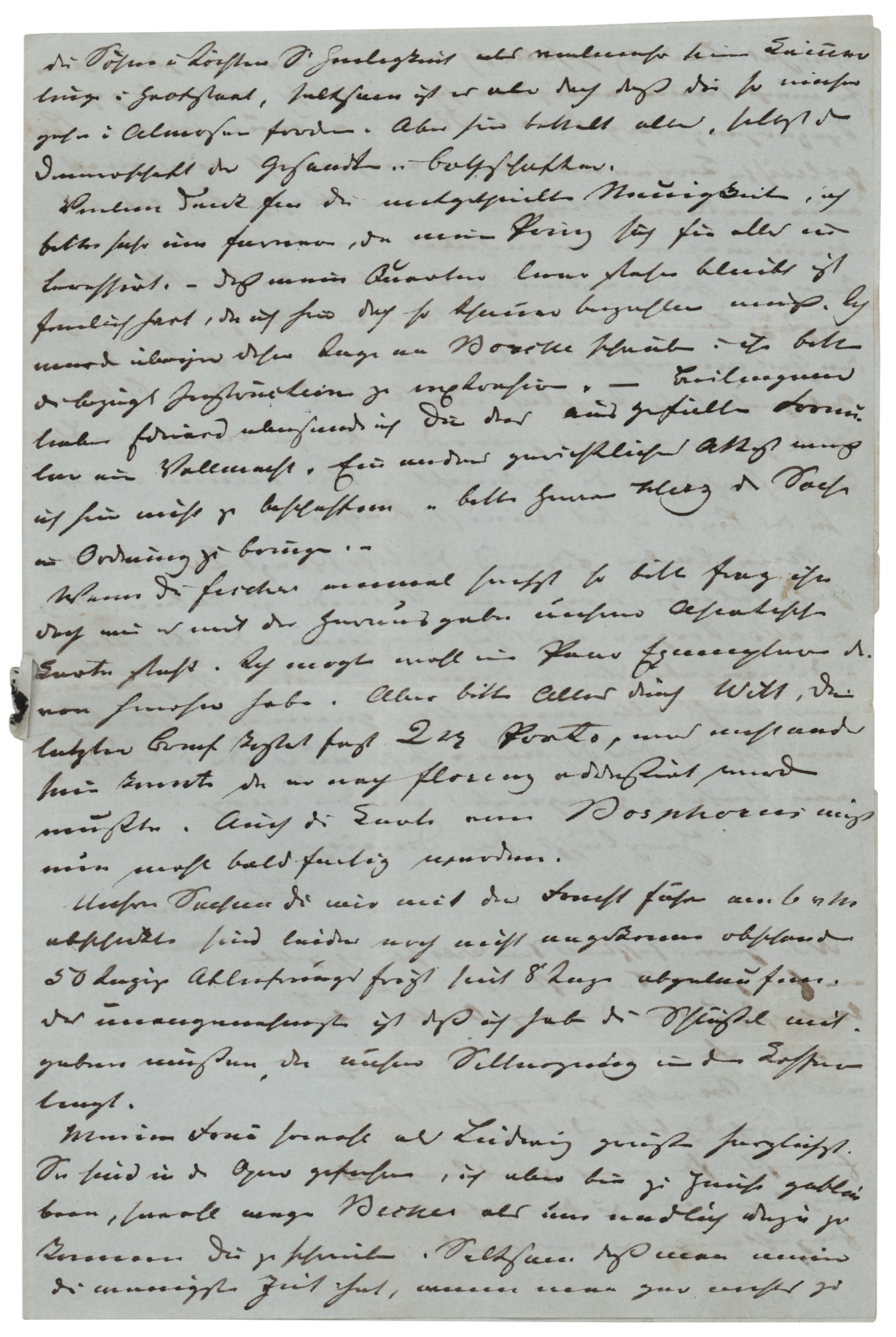
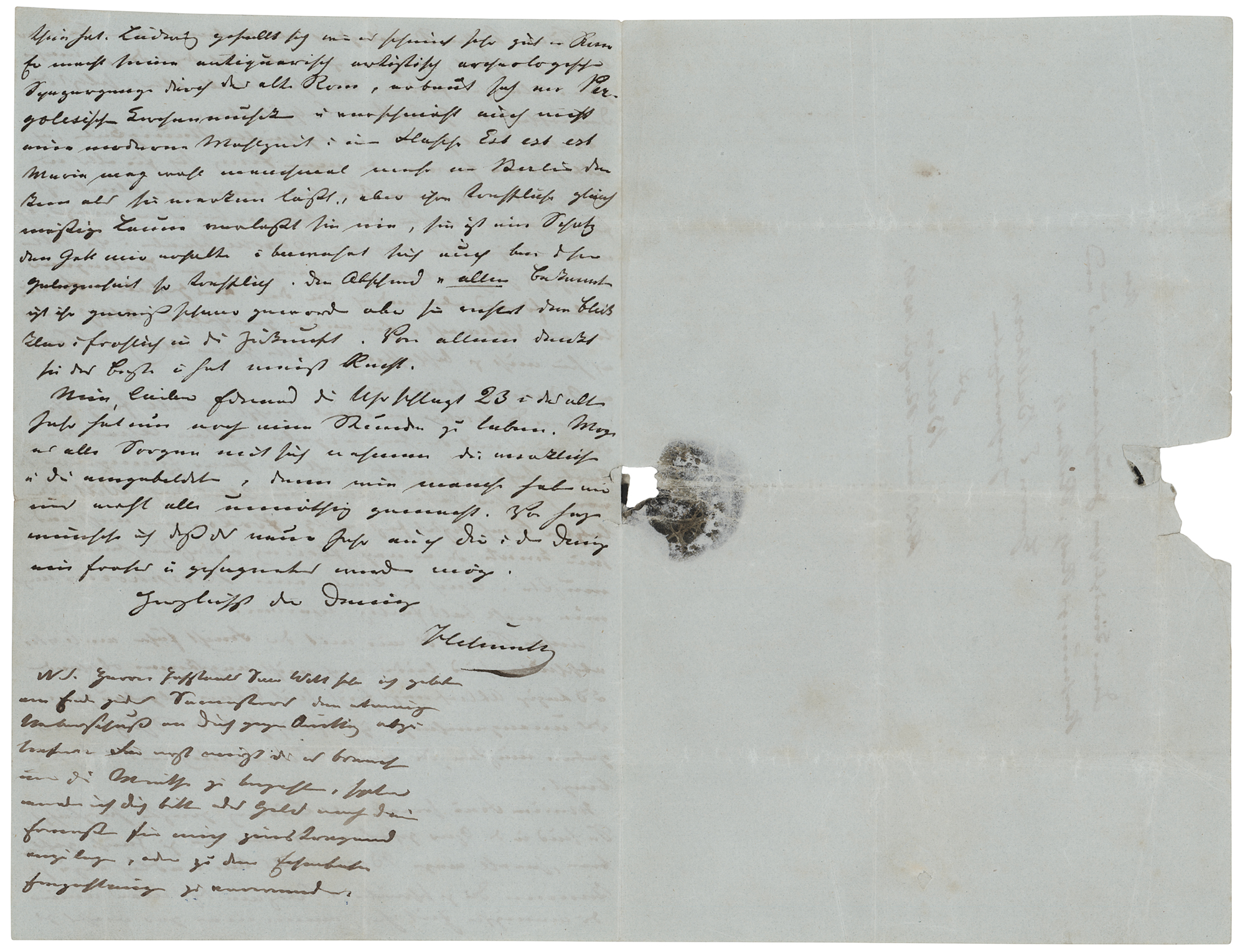
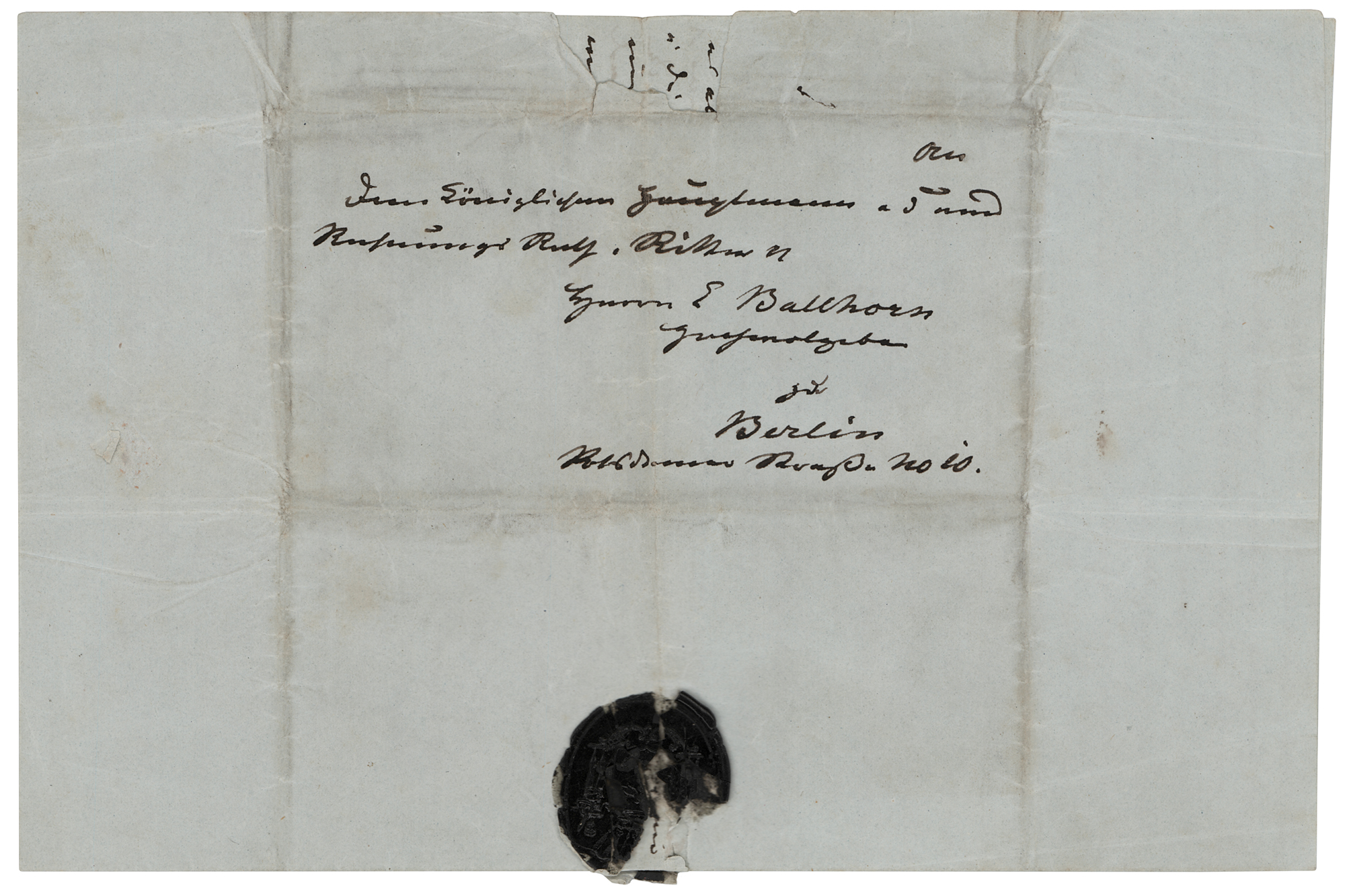
German military officer (1800–1891) who was chief of staff of the Prussian army for 30 years and who is regarded as one of the foremost military strategists of the 19th century. Group of three ALSs in German, one signed "Helmuth" and two signed "Gr. v. Moltke," totaling nine pages, 5.5 x 8.75, dated from 1845 to 1890. The first is a lengthy family letter to his cousin Eduard Ballhorn at the end of 1845, with his first impressions of Rome, where he had recently been transferred as adjutant to Prince Henry of Prussia. The ailing prince had lived there since 1819 and had been bedridden for over 10 years. In part (translated): "Where should I begin to tell you about it? It would be a feast to tell you verbally over a cup of tea in your friendly salon, but it's difficult with a pen, and even more difficult for you to read it. All I can say about the trip is that we had almost uninterrupted beautiful weather from Munich to Rome. The tour over the Alps was magnificent… On December 18th, we arrived in Rome and checked into the inn. I immediately went to my prince, who received me most warmly, and since then I have spent one to two hours with him every day.
The reports about the gentleman have been very smeared. It's true that his room vividly reminds me of the cell in Dr. Faust. Maps, books, drawings, paintings, calendars, binoculars, papers, bottles—in short, 'the father's household goods'—hang from the cornice down to the prince's bedspread, just as they have arrived little by little over the past 13 years. It's understandable that it can't be dusted daily, but it's not dirty, and the old gentleman's appearance pleasantly surprised me. He wears a large brown cloth over his Woll dressing gown, in which his small head, with its white beard and hair (which, incidentally, are carefully groomed), looks like that of a hermit in a painting by Domenichino. Incidentally, one must have a Hohenzollern constitution to be able to lie in bed for 13 years like that. And yet, unless he's having a gout attack, the prince is in excellent spirits."
Moltke expresses his disappointment with Rome, saying: "The filth in the narrow streets is indescribable," and finding accommodation had also proved difficult: "dark, filthy rooms decorated with colorful rags." He goes on: "I have already been introduced to the Pope and kissed His Holiness's hand. In return, tomorrow, on New Year's Day, the Pope's family will come begging from me. The Pope's family is less His Holiness's sons and daughters than his chamberlains…but it is still strange that they go around asking for alms. But here, everyone is begging, even the servants of the ambassadors and embassies."
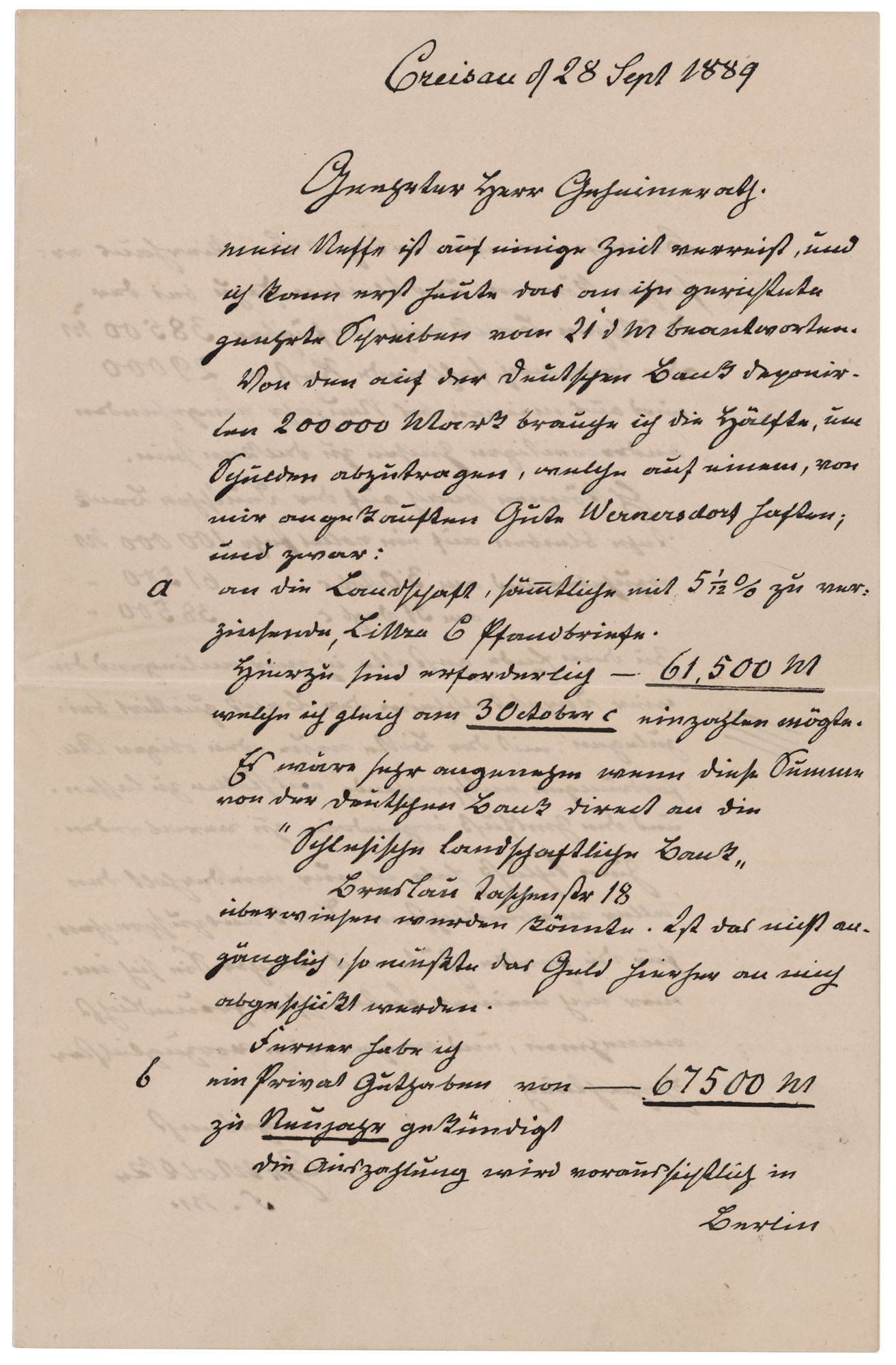
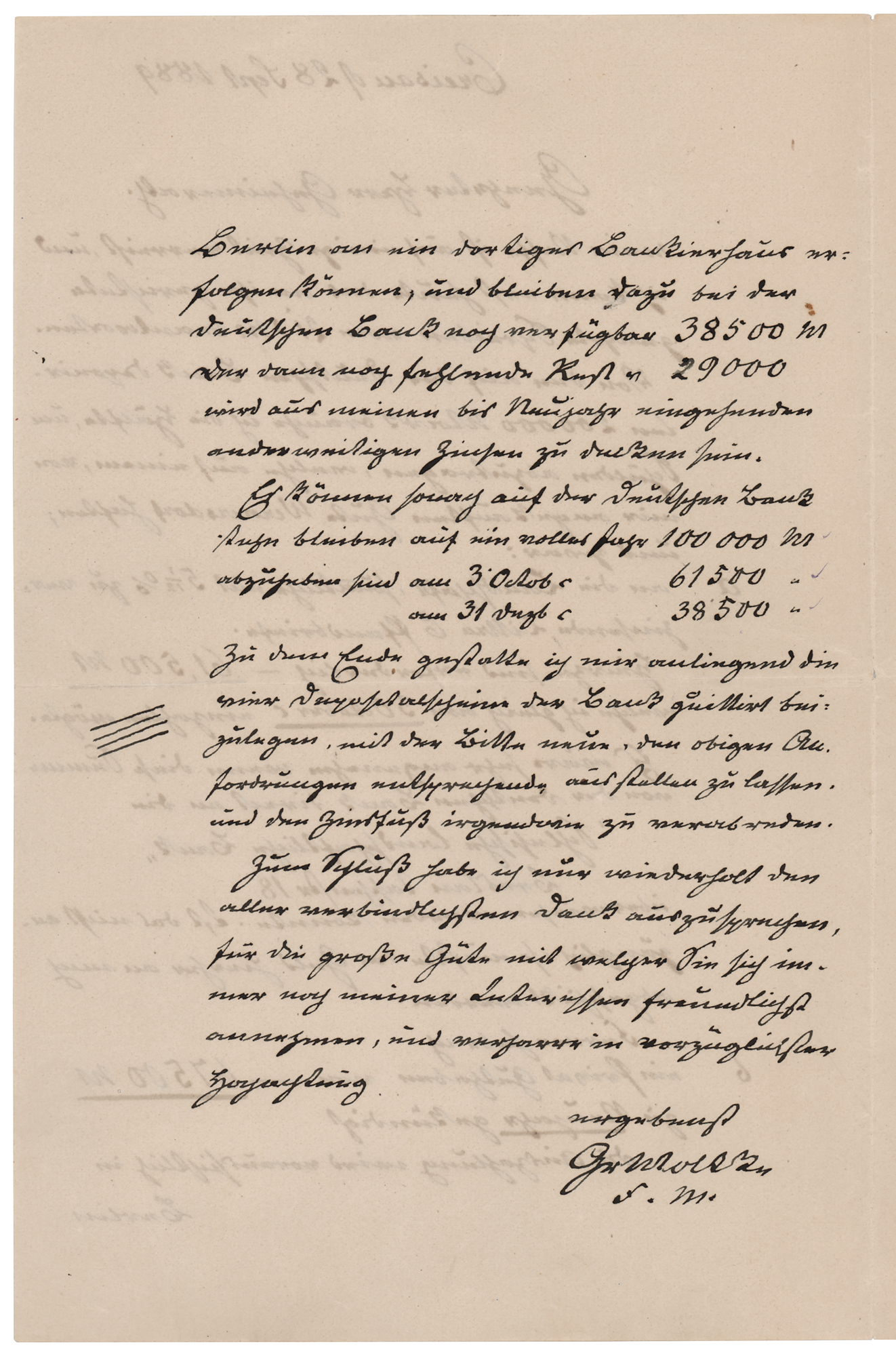
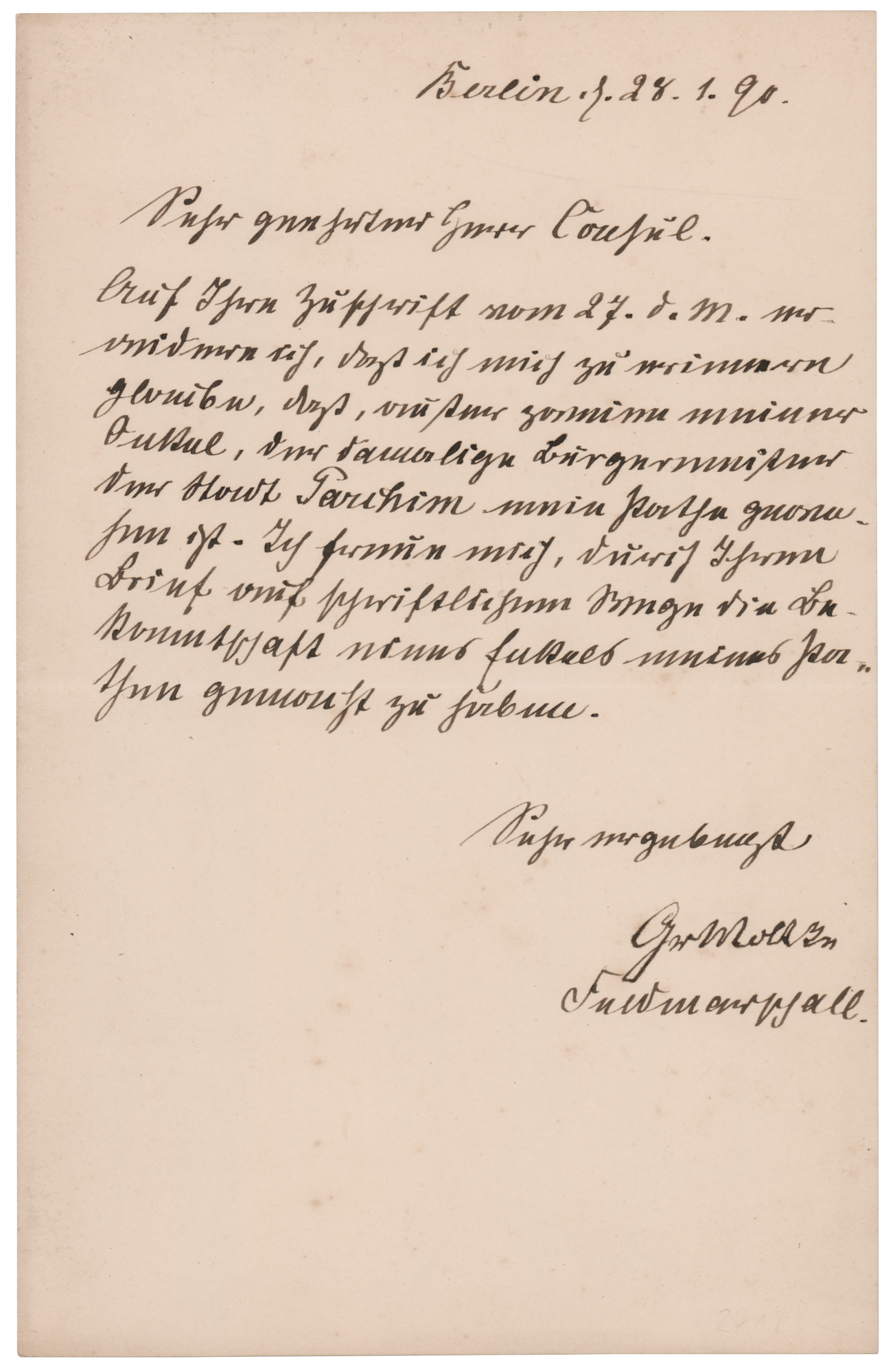
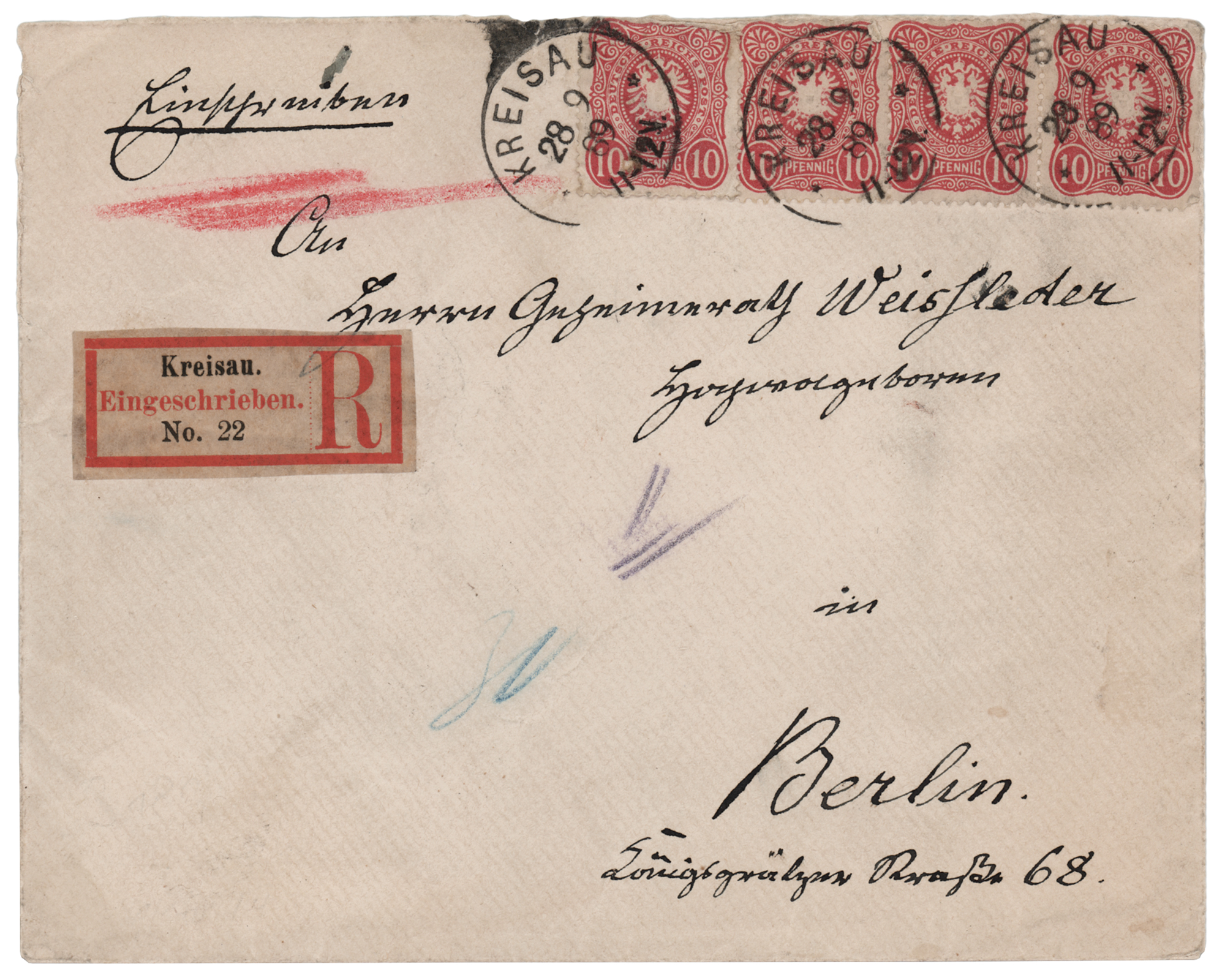
The other two letters, both with their original mailing envelopes, include one from Kreisau, 1889, to Privy Councillor Weissleder, concerning the repayment of attached to an estate he purchased in Wernesdorf; and one from Berlin, 1890, to Consul Beyer, expressing thanks for information about an ancestor.
Additionally includes an ALS by Prussian Field Marshal and Minister of War, Albrecht von Roon, August 20, 1857, to a lady in Cologne regarding the auction of a general's estate: "Incidentally, it also pains me greatly that all the beautiful things that dear F. has collected over so many years are going out into the world… The outcome, as with all auctions, cannot be predicted under any circumstances, but I hope it will not be bad."
In overall fine condition.

