Sold For $84,018
*Includes Buyers Premium
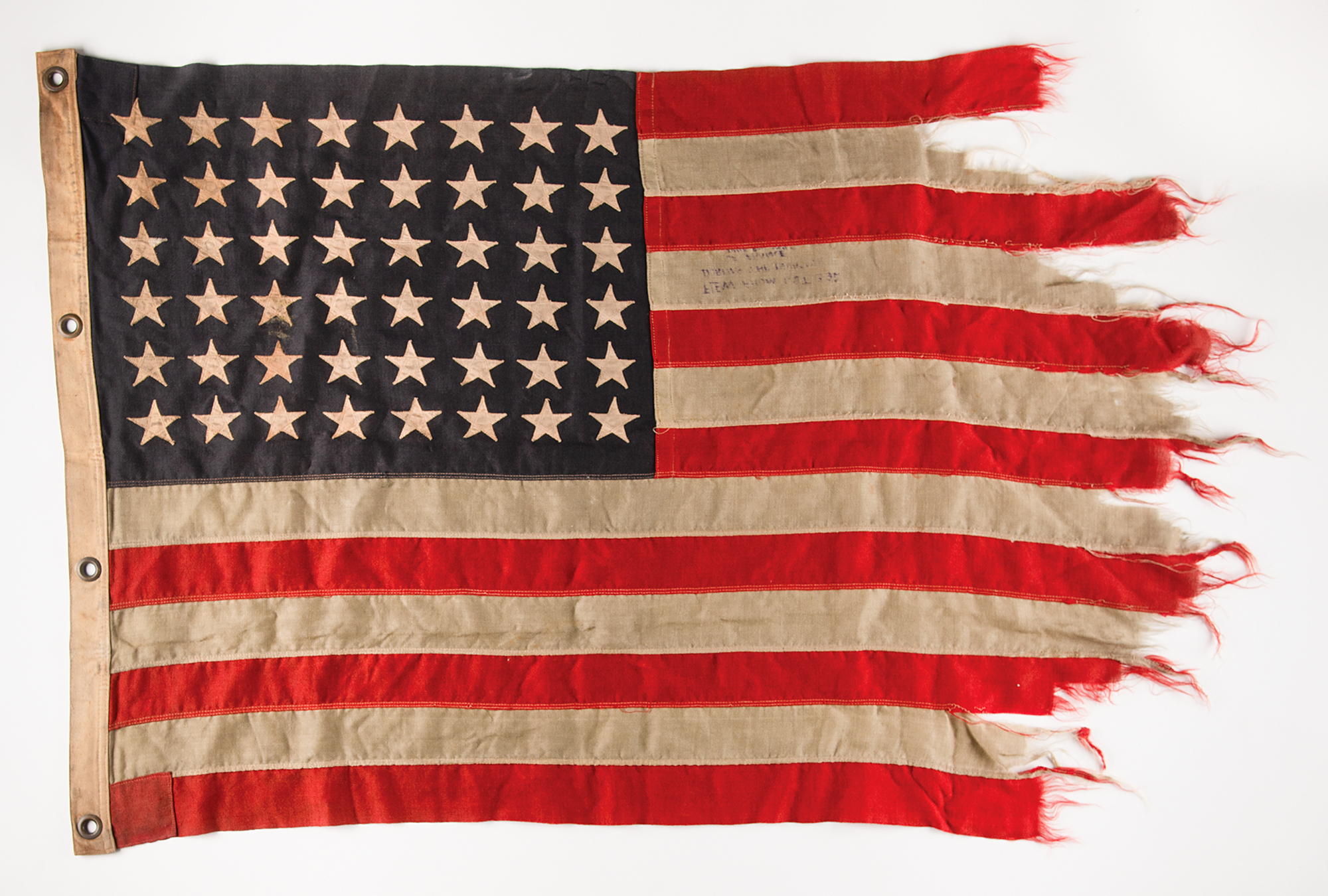
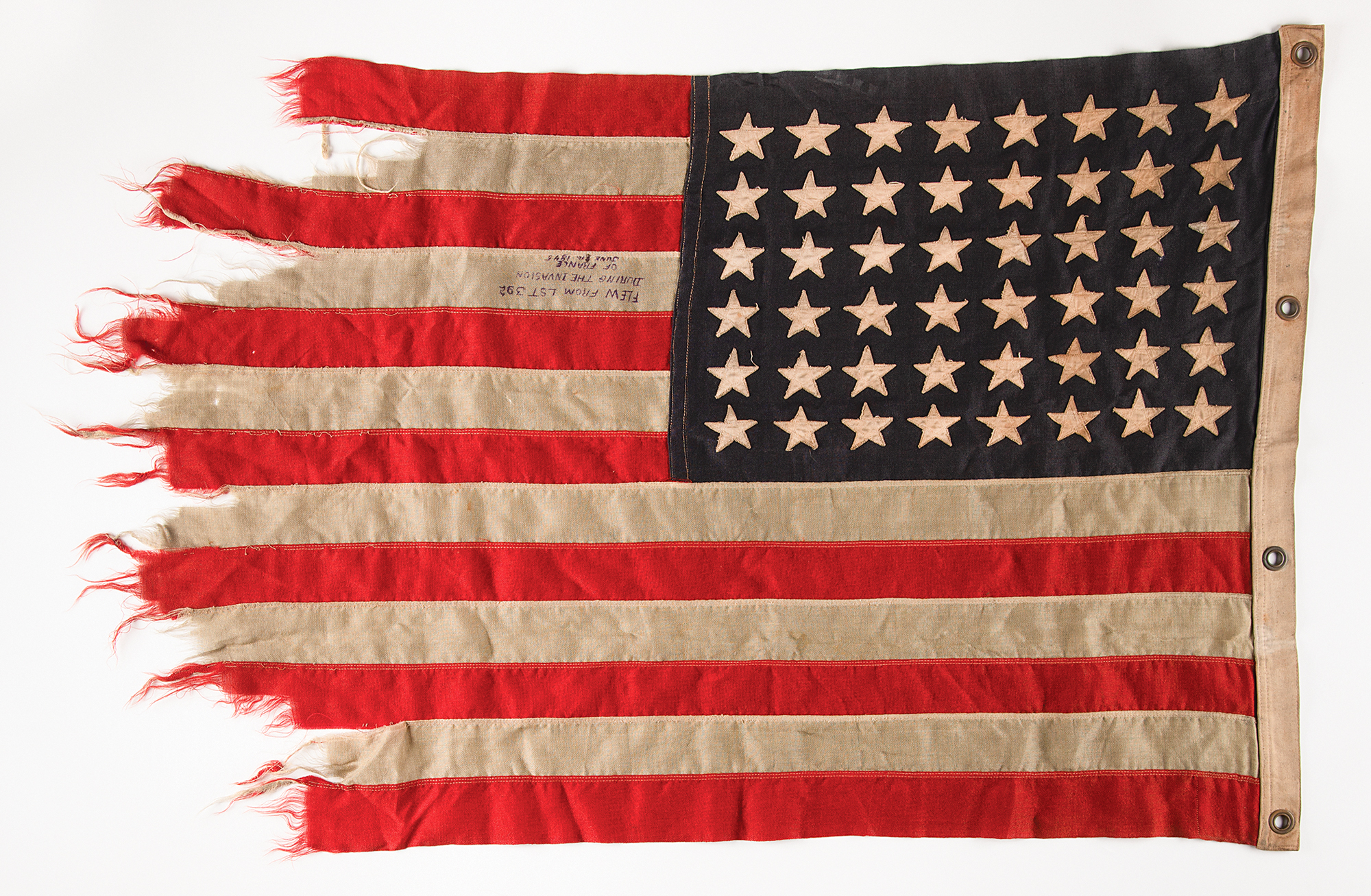
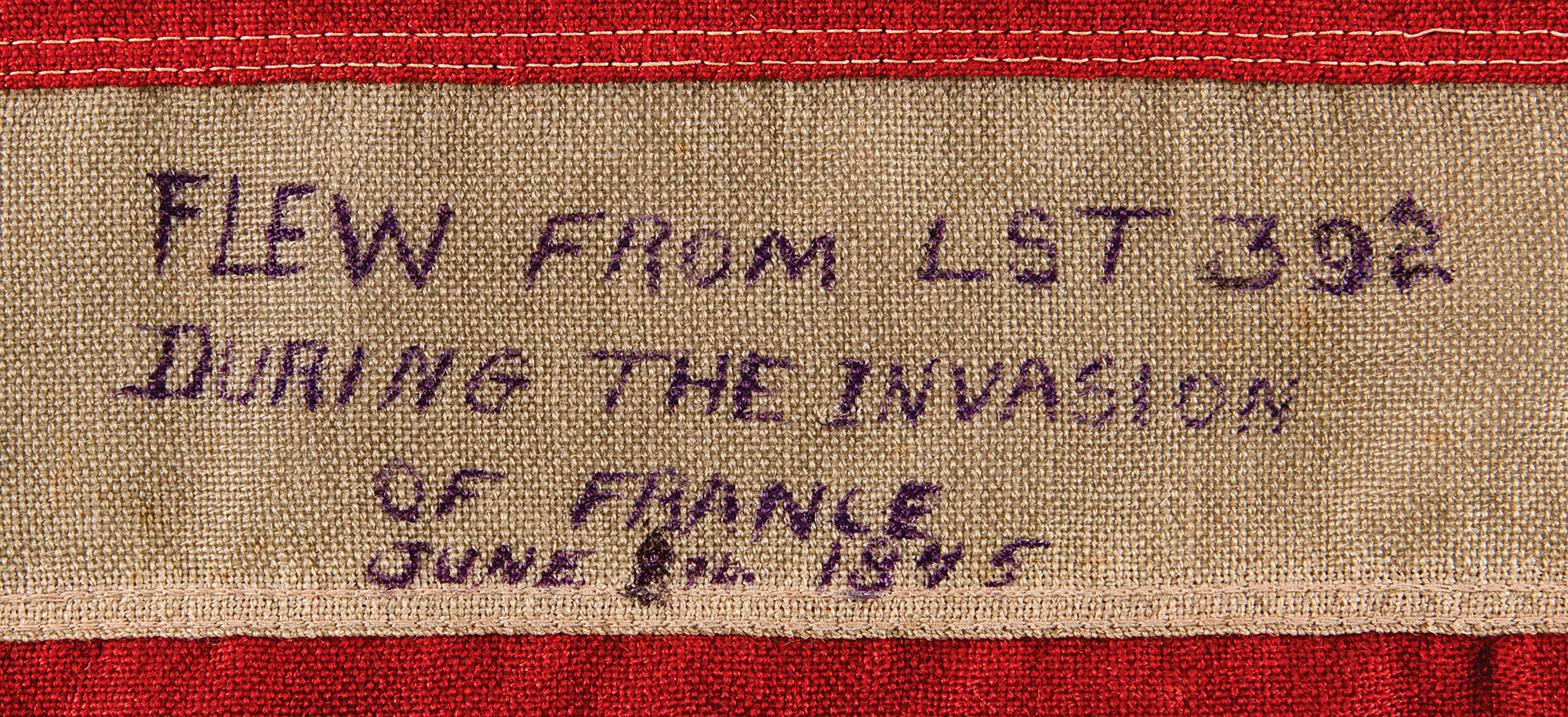
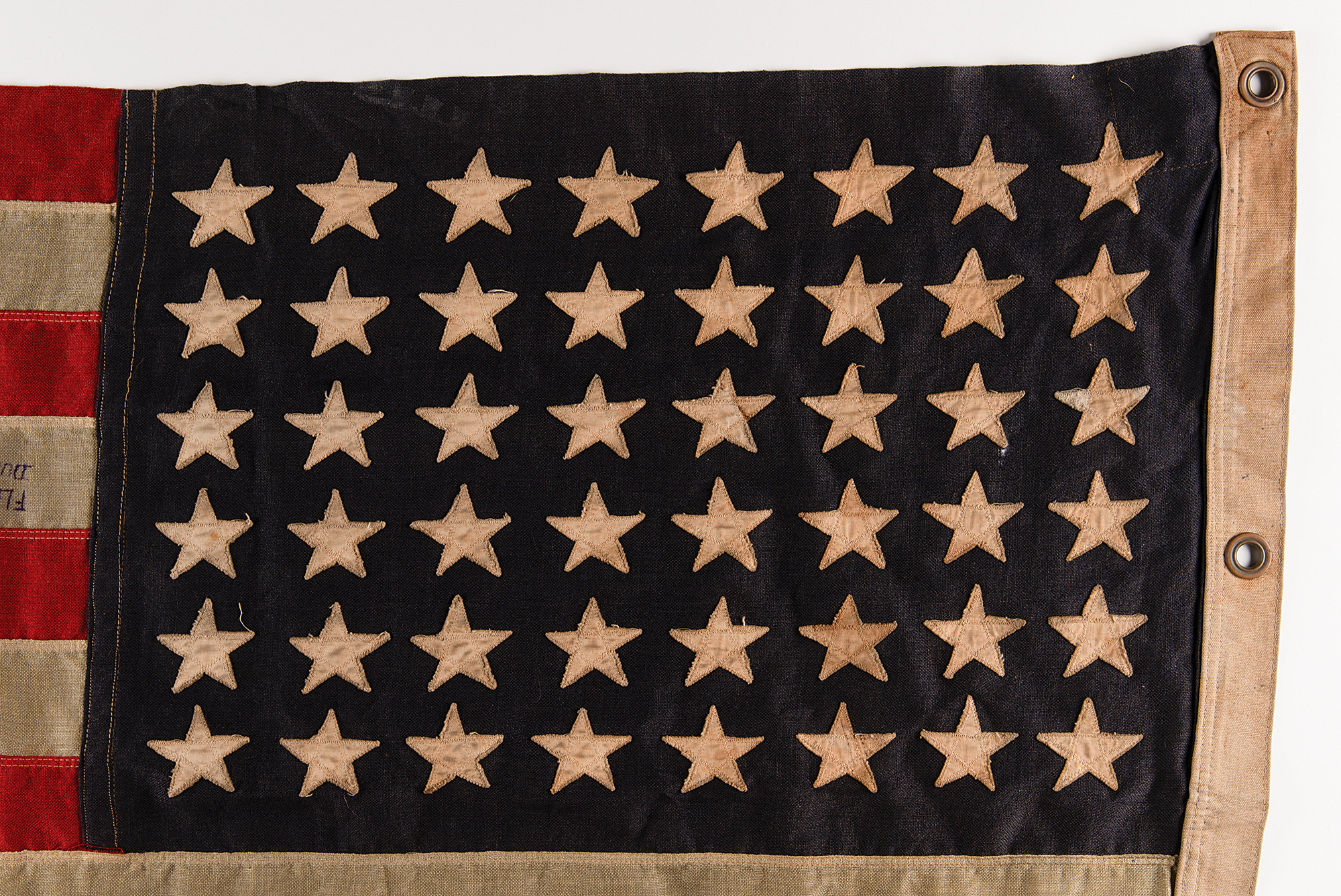
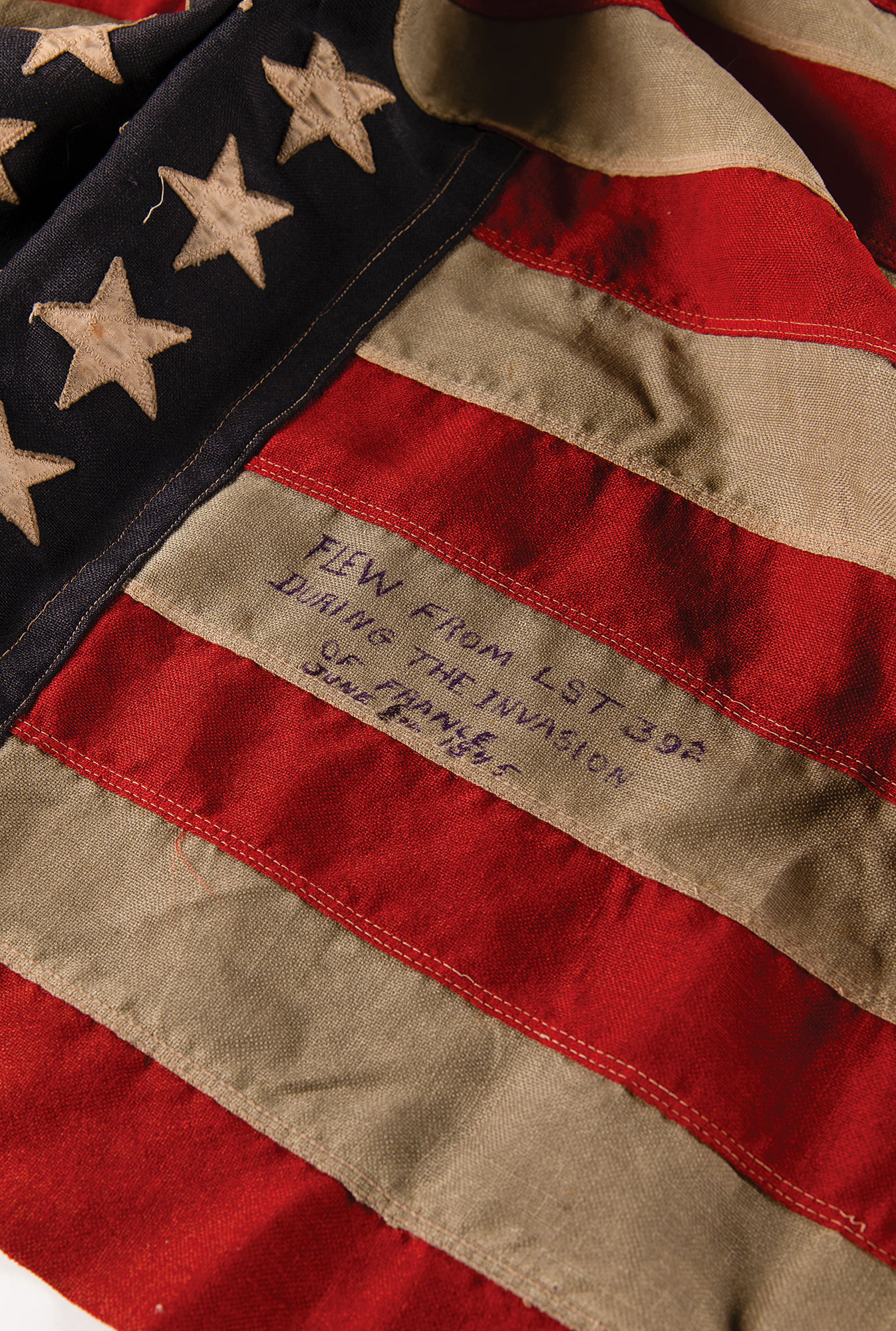
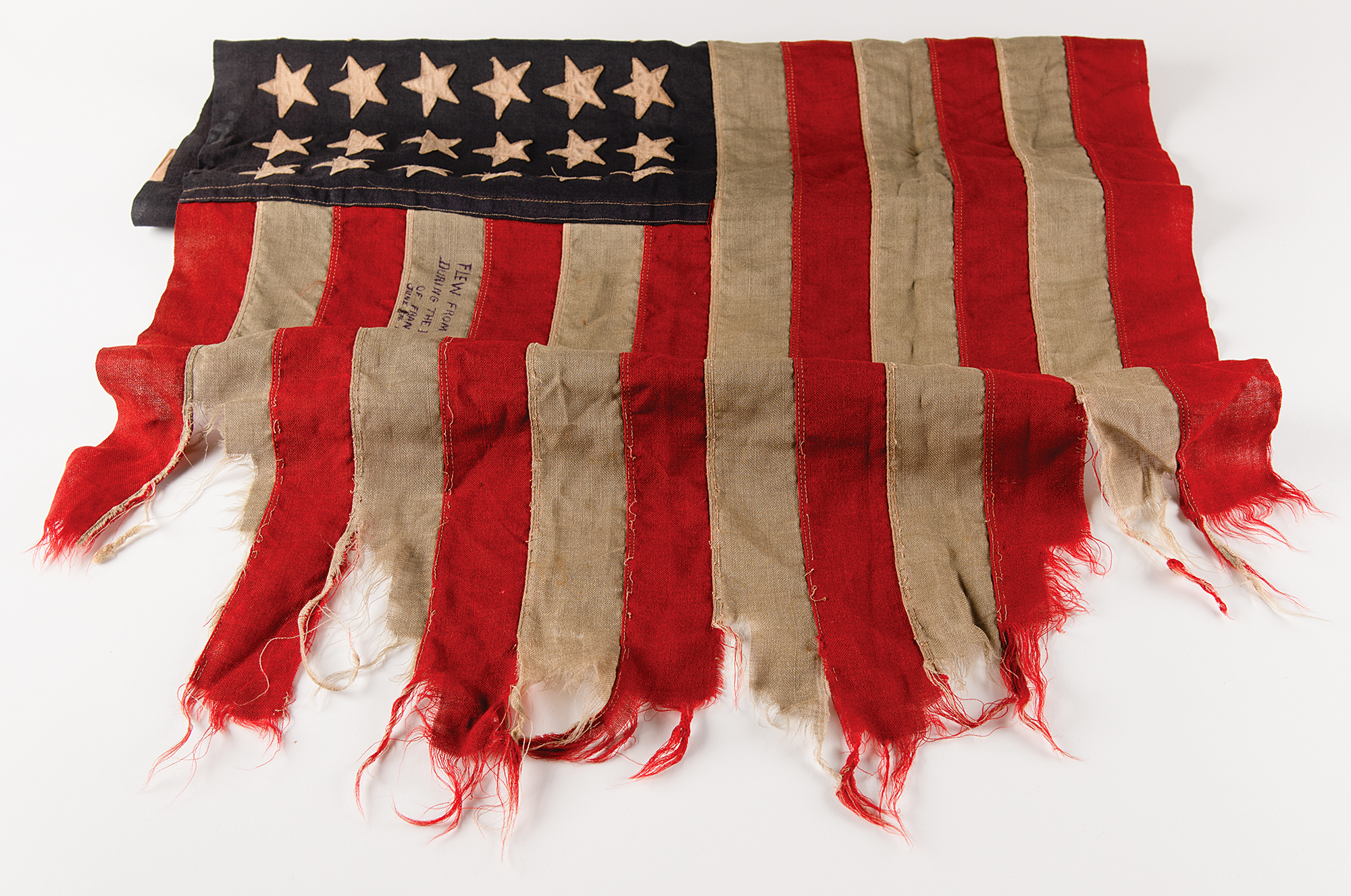
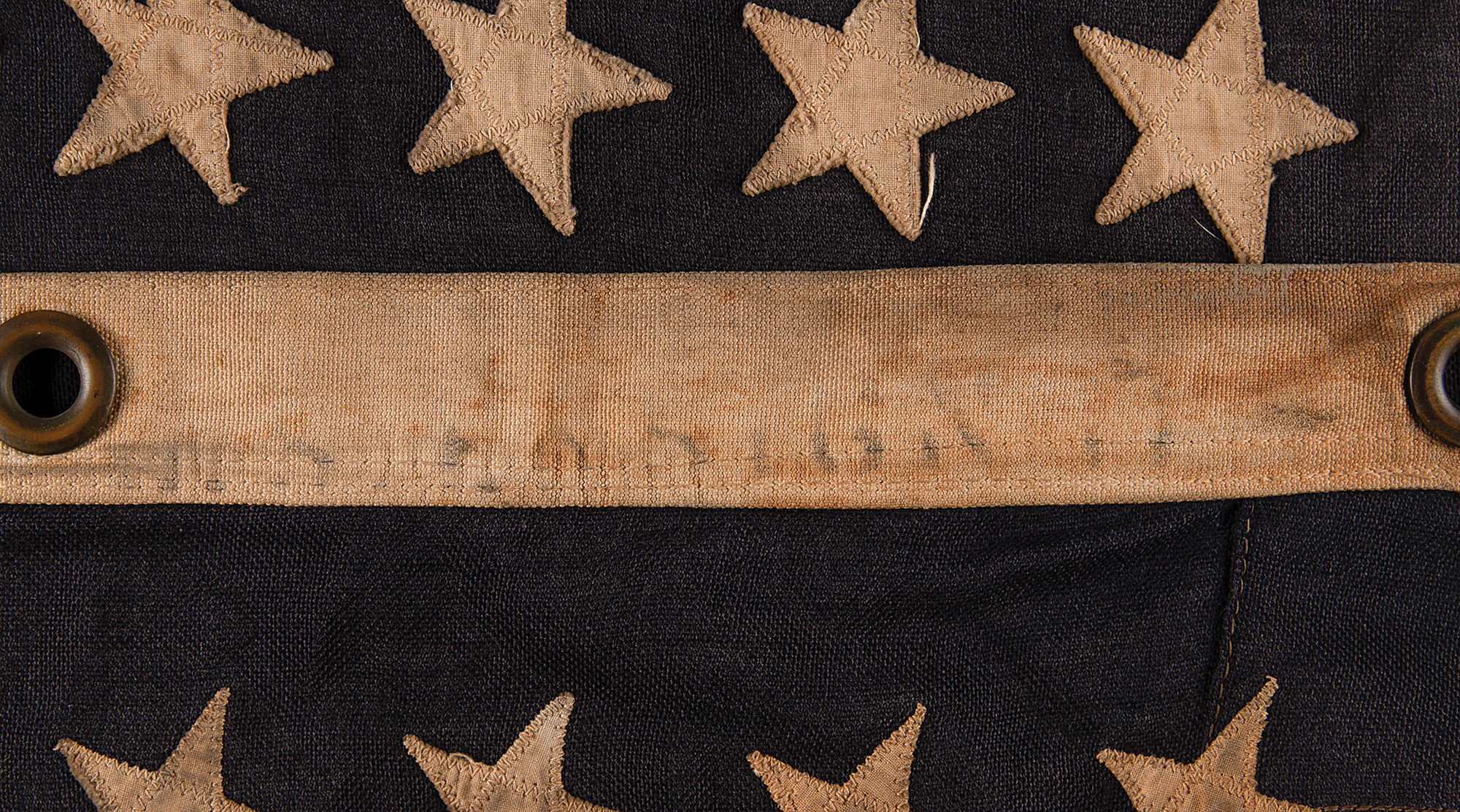
Important World War II-dated 48-star U.S. Naval Ensign flag from the LST-392, a tank-landing ship built for the United States Navy and assigned to the European Theater, where it participated in D-Day and the Invasion of Normandy at Omaha Beach. Machine sewn by an unknown maker, the wool flag, 42˝ x 28.75˝, features 48 double-appliqued stars, reinforced header corners, and metal grommets on the header, which bears faint stamping marks. The field contains upside-down handwritten ink notations: “Flew From LST392 During The Invasion Of France, June [6 or 8]th. 1945”; the year, meant to be written as 1944, was erroneously added by the flag’s original owner. In very good to fine condition, with overall soiling, and fraying to the right edge. Originates from the estate of WWII veteran Donald Bousquet, Signalman 1st Class, U.S. Navy aboard LST-392, who received this flag from Lt. John D. Walker, the commanding officer of LST-392 from December 1943 to May 1945.
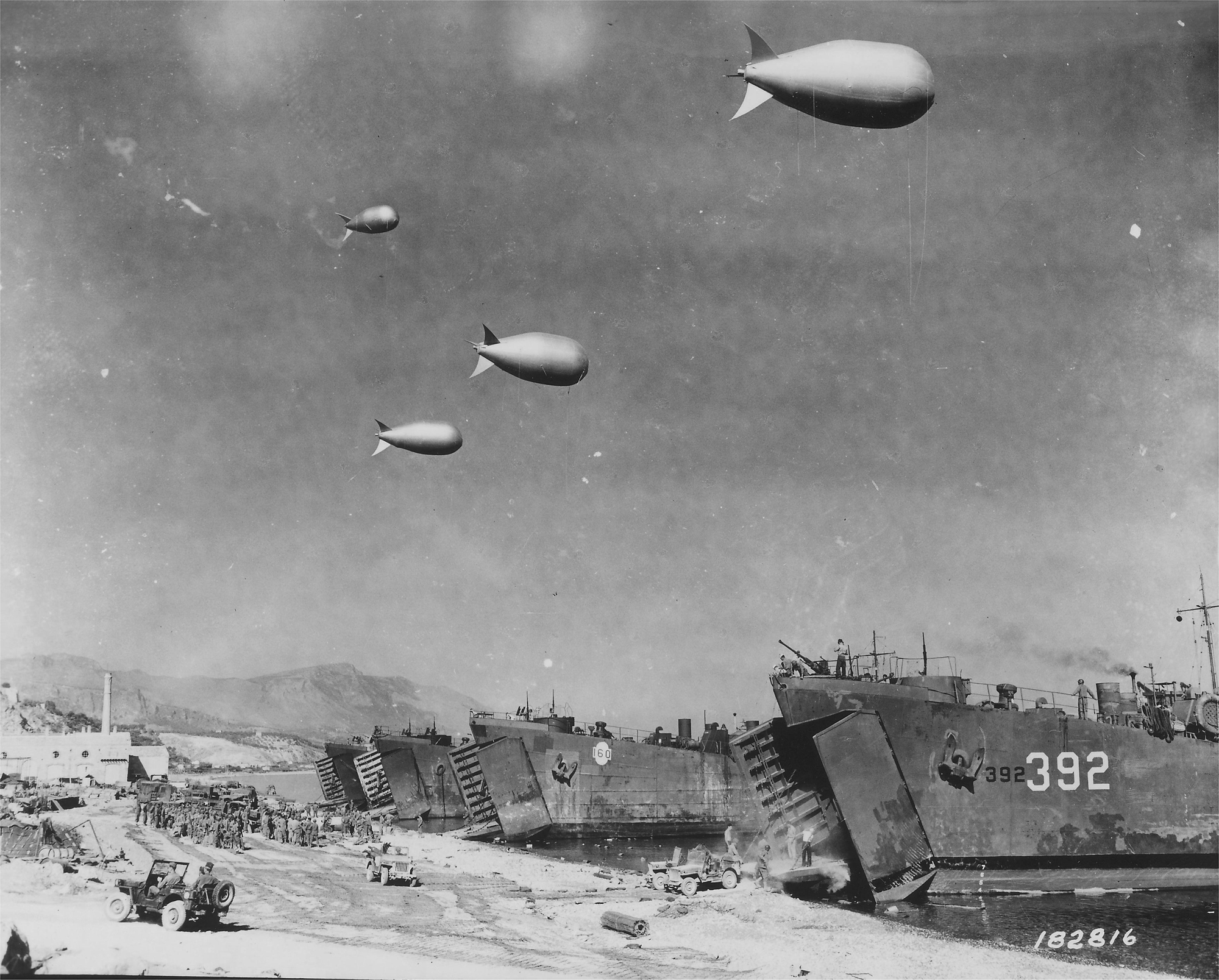
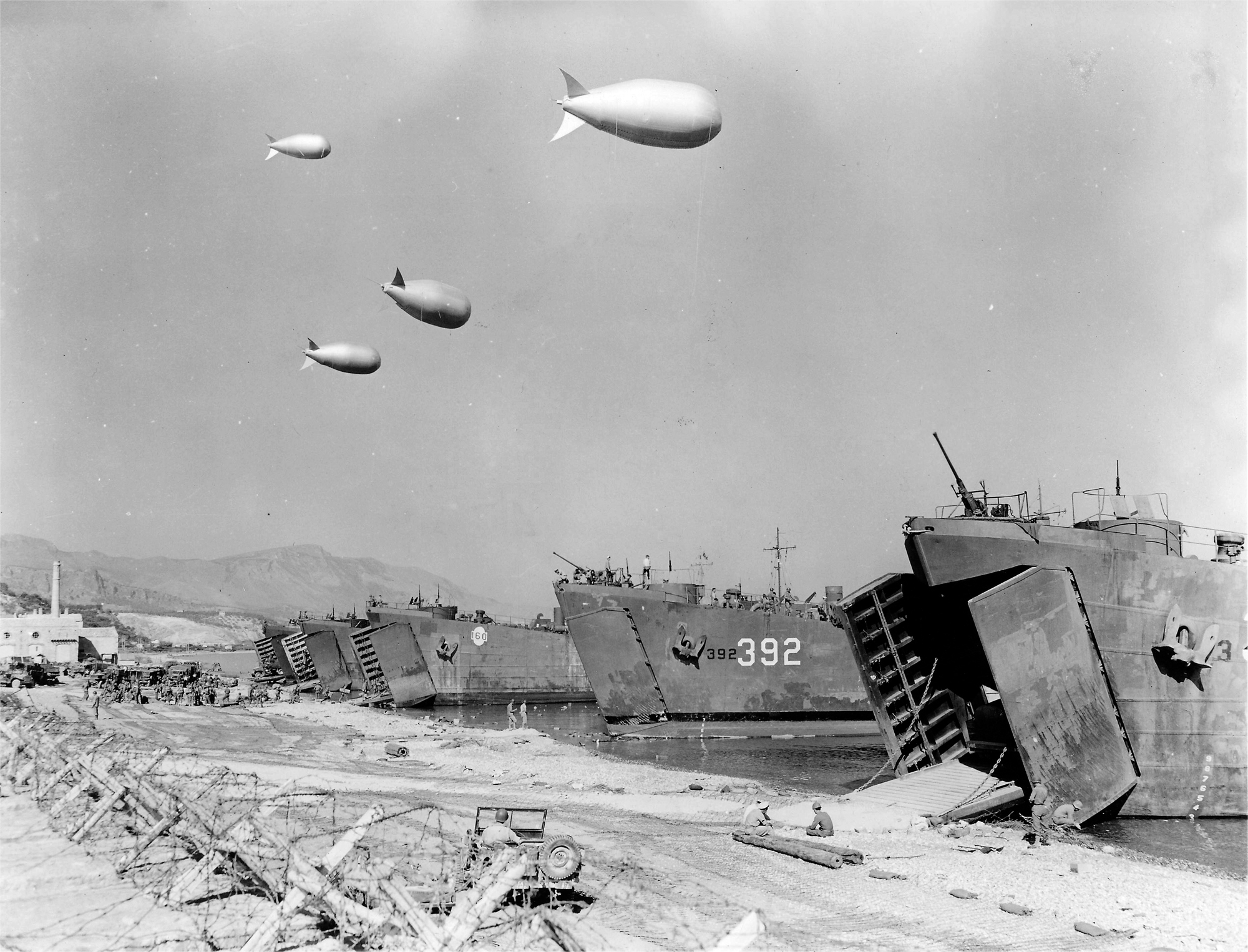
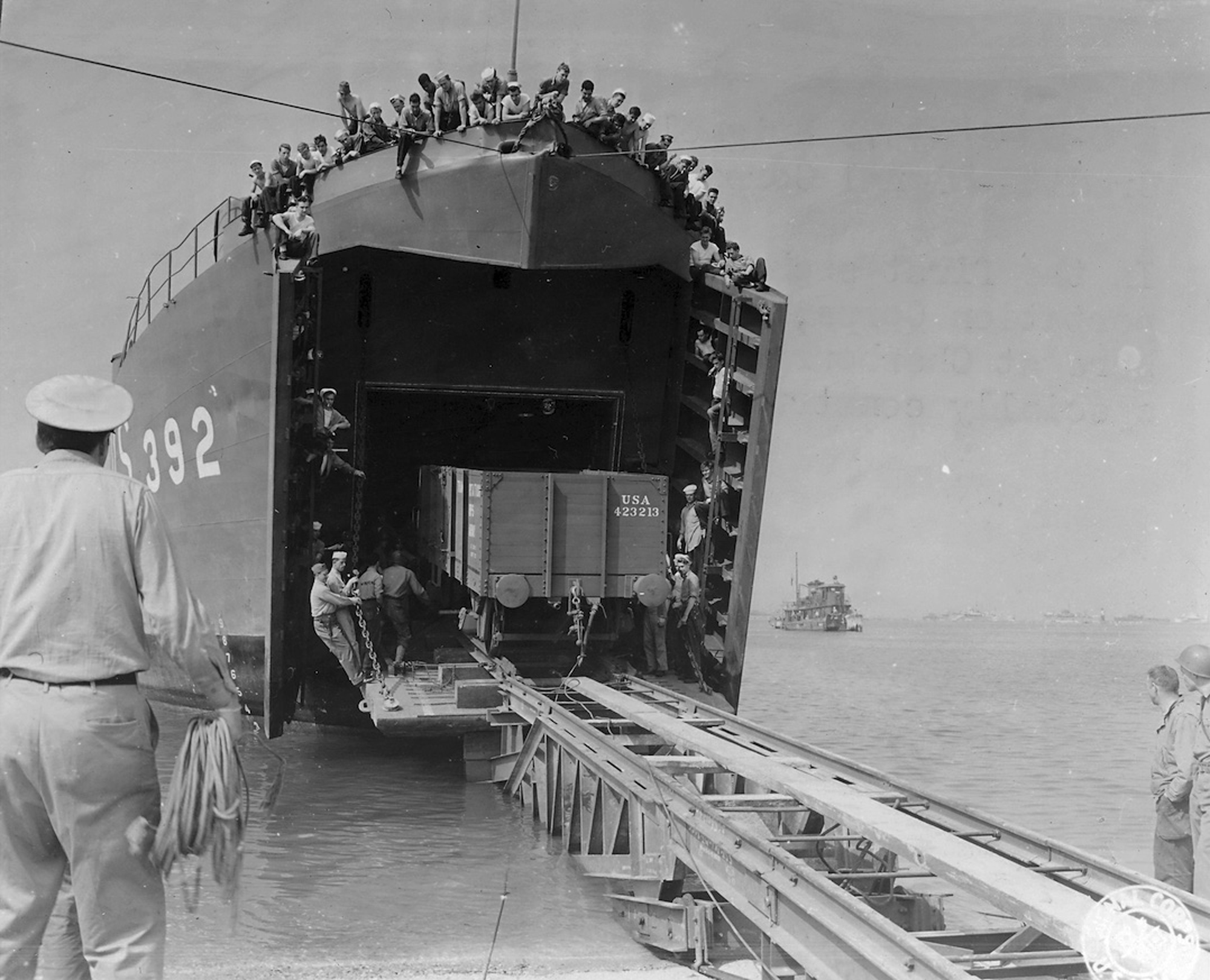
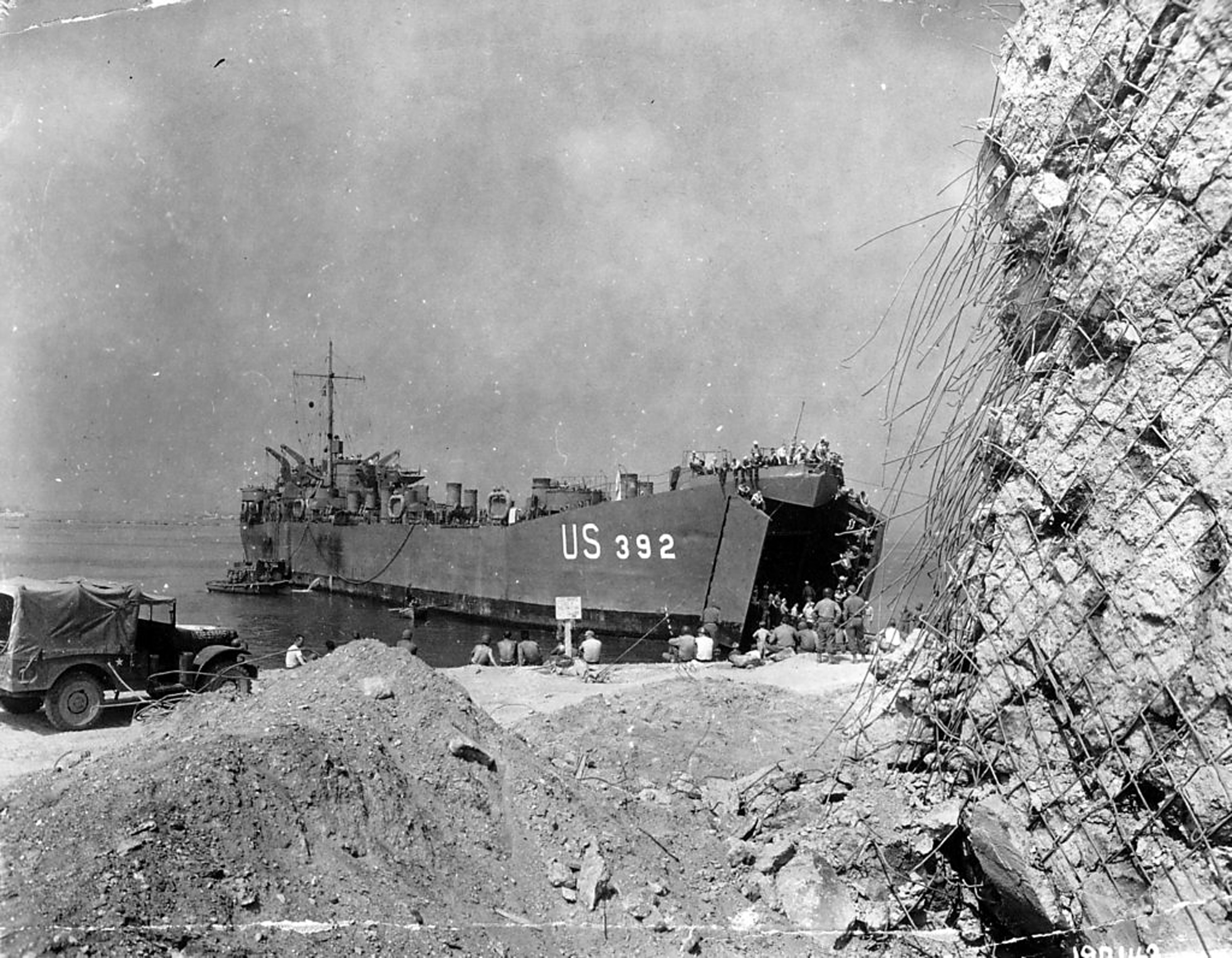
Accompanied by an official 72-page booklet entitled ‘United States Navy at War: Final Official Report to the Secretary of the Navy, Covering the period March 1, 1945, to October 1, 1945,” and four modern 8 x 6 prints of LST-392 in active service during World War II, which includes stops at Cherbourg and Termini-Imerese, Sicily.
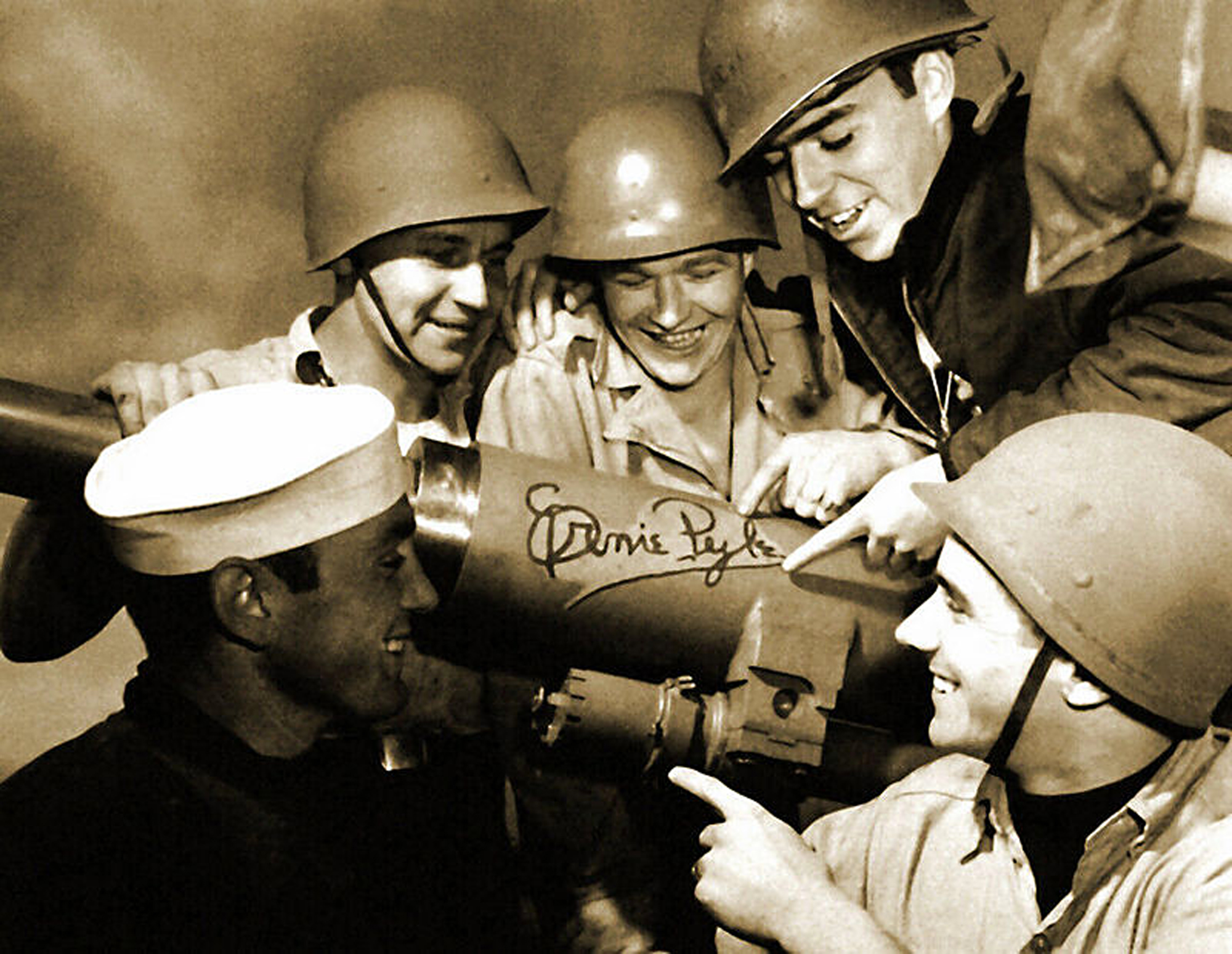
USS LST-392 was launched on October 28, 1942, and was assigned to the European theater. After participating in operations in Tunisia, Sicily, and Salerno, it moved out of the Mediterranean to support the Invasion of France. On D-Day, she was assigned to LST division 70, in the second wave to hit Omaha Beach, Fox Green sector. It landed elements of 17th Signal Ops Bn, 509th MP Bn, 503rd Armored Car Co (recon troops) and parts of the 320th Barrage Balloon Battalion for a total of 65 vehicles and 229 men, embarked from Falmouth. In 1944, famous war correspondent Ernie Pyle was photographed on board LST-392 with the sailors.
Refitted to carry rolling stock (railroad), she was the first LST to enter Cherbourg Harbor in France, before mine sweeping was completed, and landed the first rail cars brought to France from England following the invasion. In support of the invasion, she made 55 trips between England and France between June 1944 and April 1945, earning four battle stars for World War II service. Following the war, LST-392 was decommissioned on April 12, 1946, and struck from the Navy list on June 19, 1946, and subsequently scrapped.
The Normandy landings, code-named Operation Neptune and better known as D-Day, were a pivotal moment in World War II. On June 6, 1944, the Allied forces launched the largest seaborne invasion in history, marking the beginning of the liberation of France and Western Europe. This daring operation paved the way for Allied victory on the Western Front.
Landing Ship Tanks (LSTs) were specialized ships developed during World War II to land troops and vehicles directly onto beaches during amphibious assaults. Unlike traditional ships that required docks or piers, LSTs had a shallow draft and a unique bow design with opening doors and ramps. This allowed them to get close to shore and unload cargo, tanks, and troops directly onto the beach. The LST design made them highly versatile. They could handle both deep ocean travel and shallow beach landings. The flat bottom allowed them to rest on the beach while the twin propellers and rudders were protected to avoid damage during grounding.
LSTs played a crucial role in World War II for the Allied forces, with more than 1,000 American LSTs built to support the Allied war effort. The design originated from a collaboration between the British and the United States. The British used converted ships for early landings in 1942, and then both countries built new, improved LSTs together. These ships were used extensively in both the Pacific War and the European Theater, including the D-Day invasion in Normandy.

