Sold For $10,330
*Includes Buyers Premium
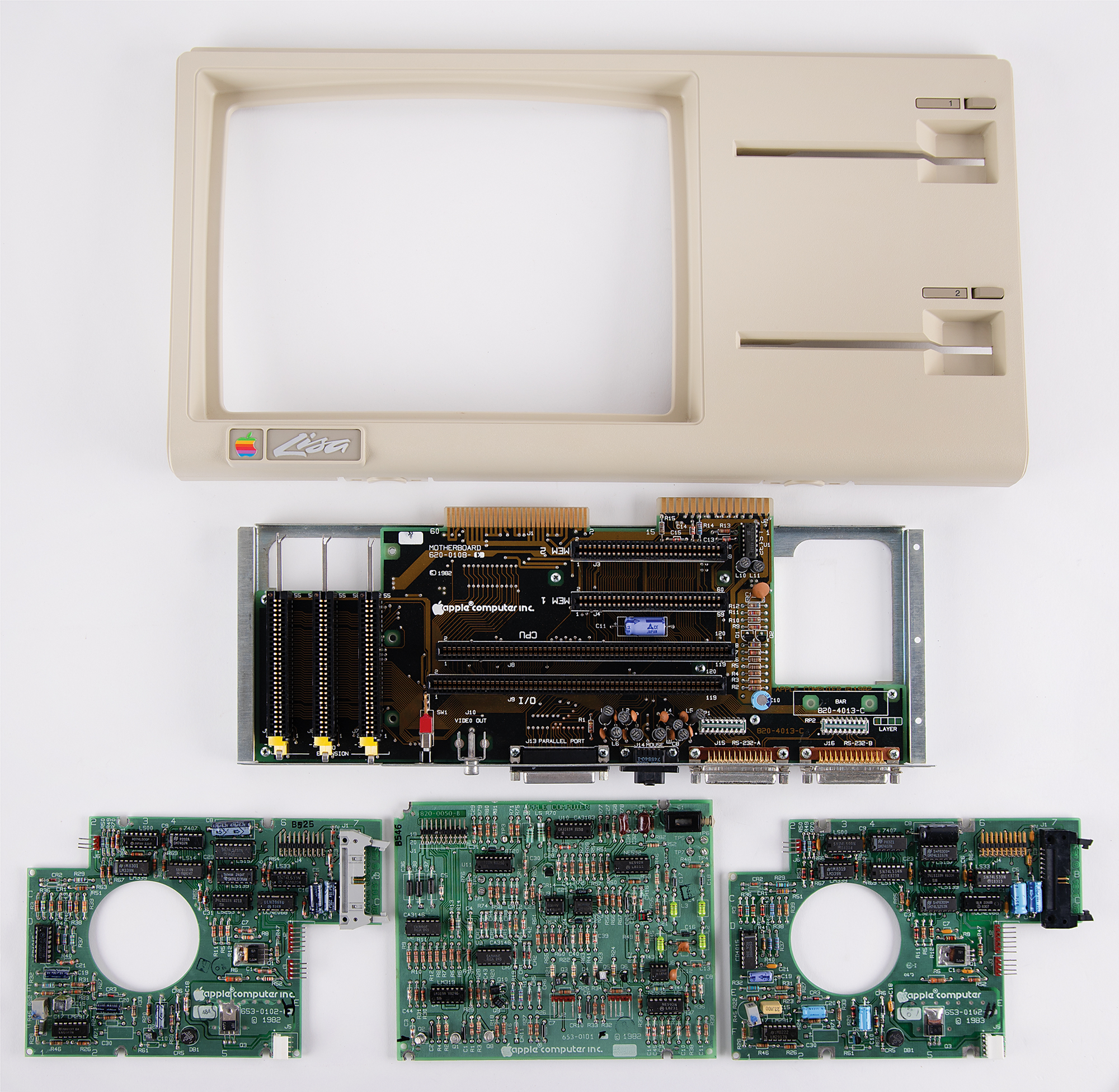
Collection of seven original Apple Lisa 1 hardware and software components associated with the company's groundbreaking Lisa computer and its short-lived Twiggy floppy drive system, consisting of:
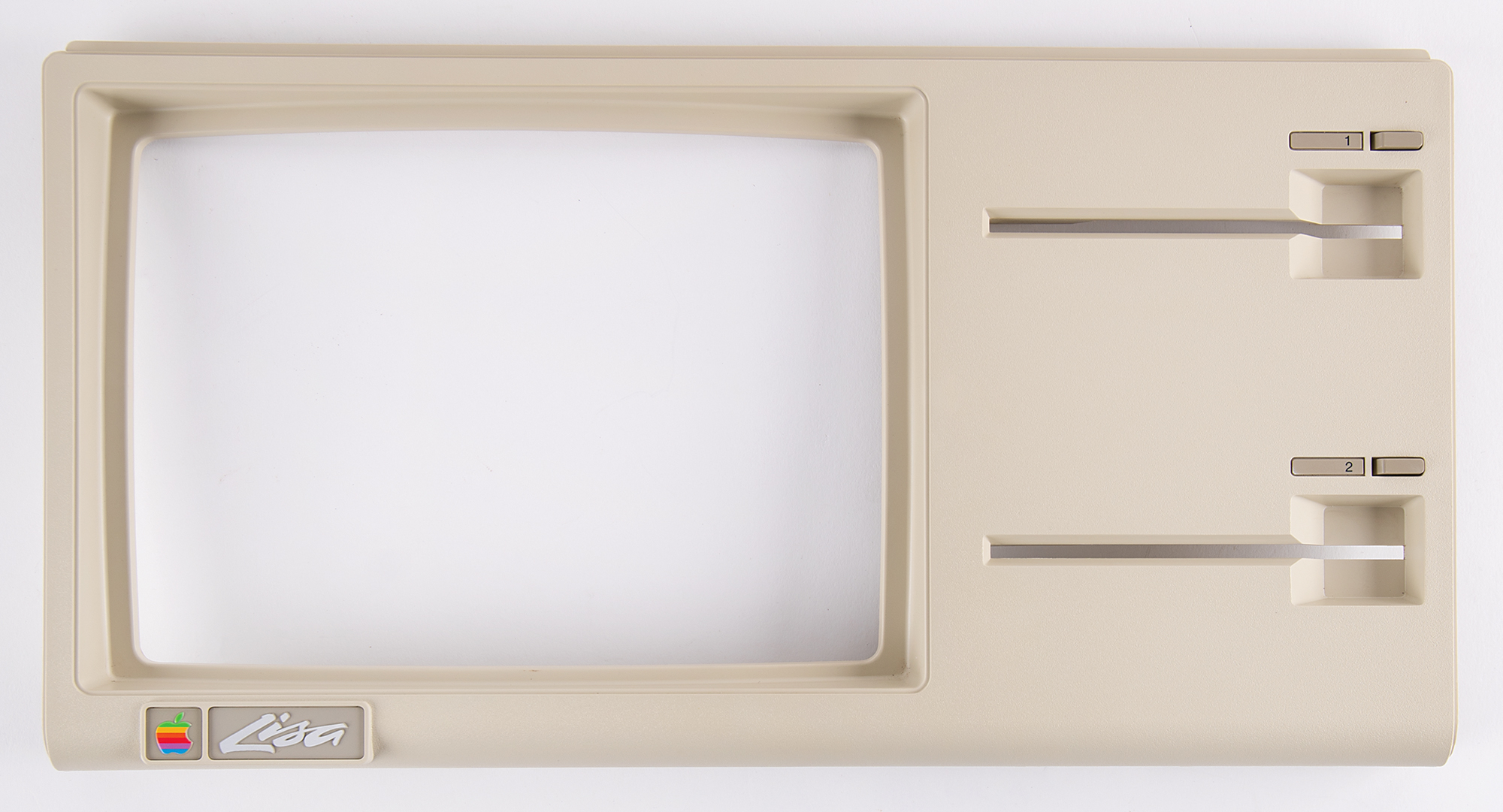
- Lisa 1 front bezel/front panel (620-5111-B), retaining its original rainbow Apple Computer logo and “Lisa” nameplate.
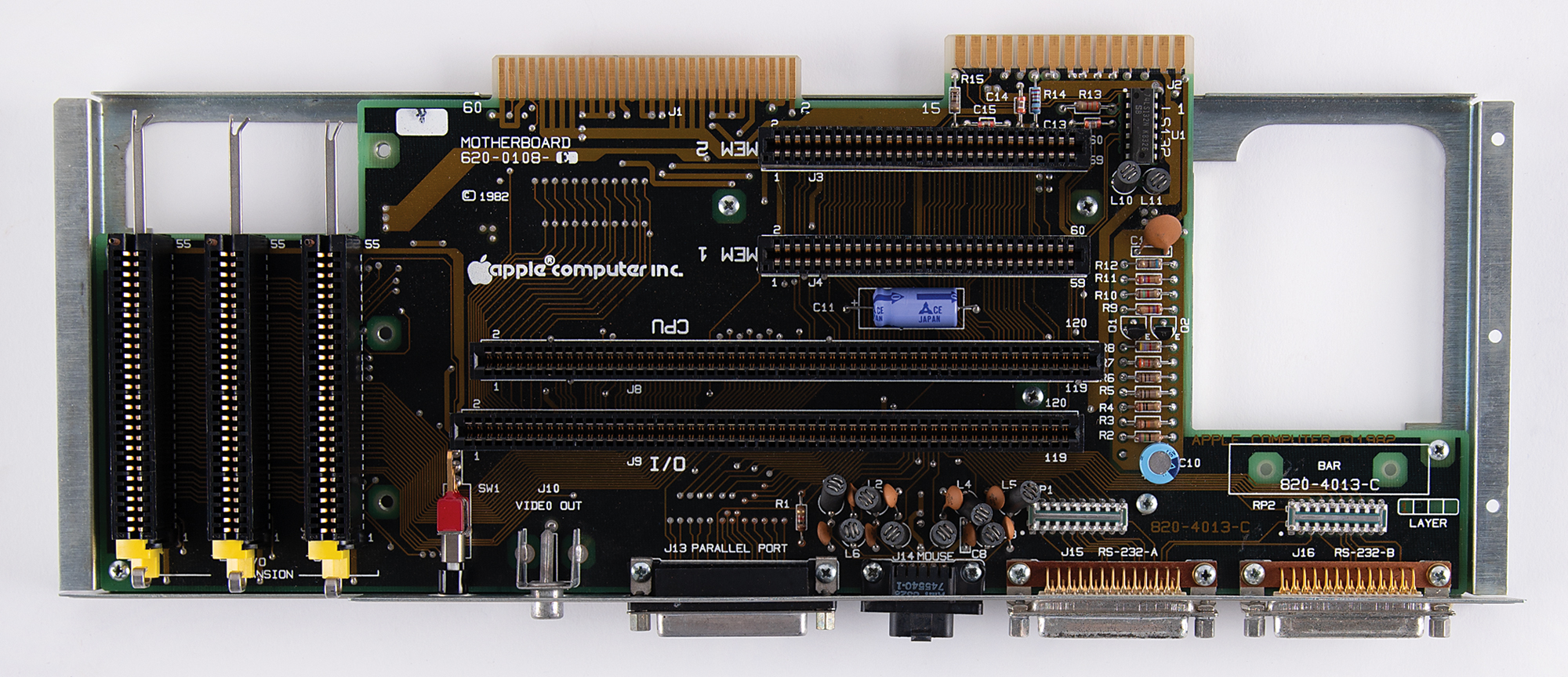
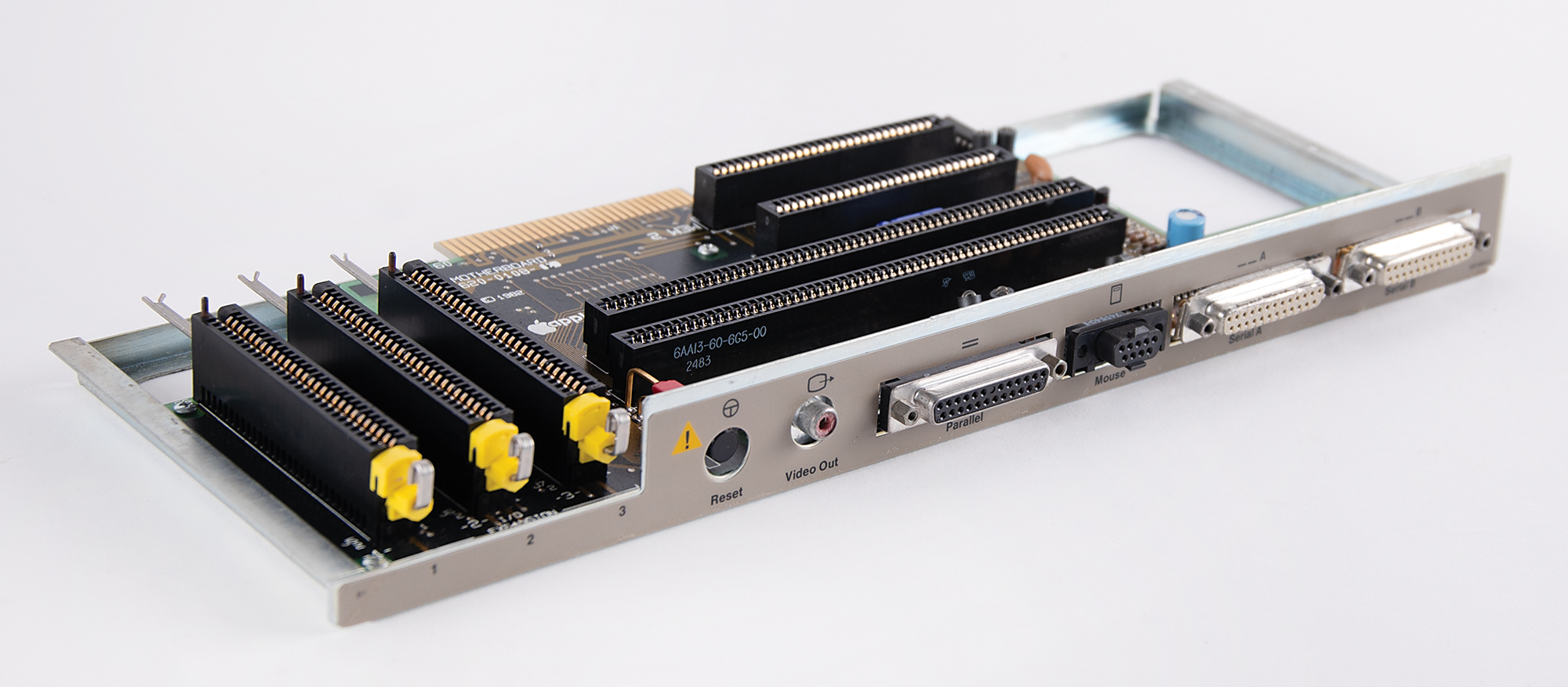
- Lisa motherboard/backplane assembly (Motherboard 620-0108; BAR 820-4013-C), manufactured by Apple Computer in 1982, retaining CPU slot, MEM 1 and MEM 2 memory connectors, three expansion slots, and rear-panel serial, parallel, mouse, and video interfaces.
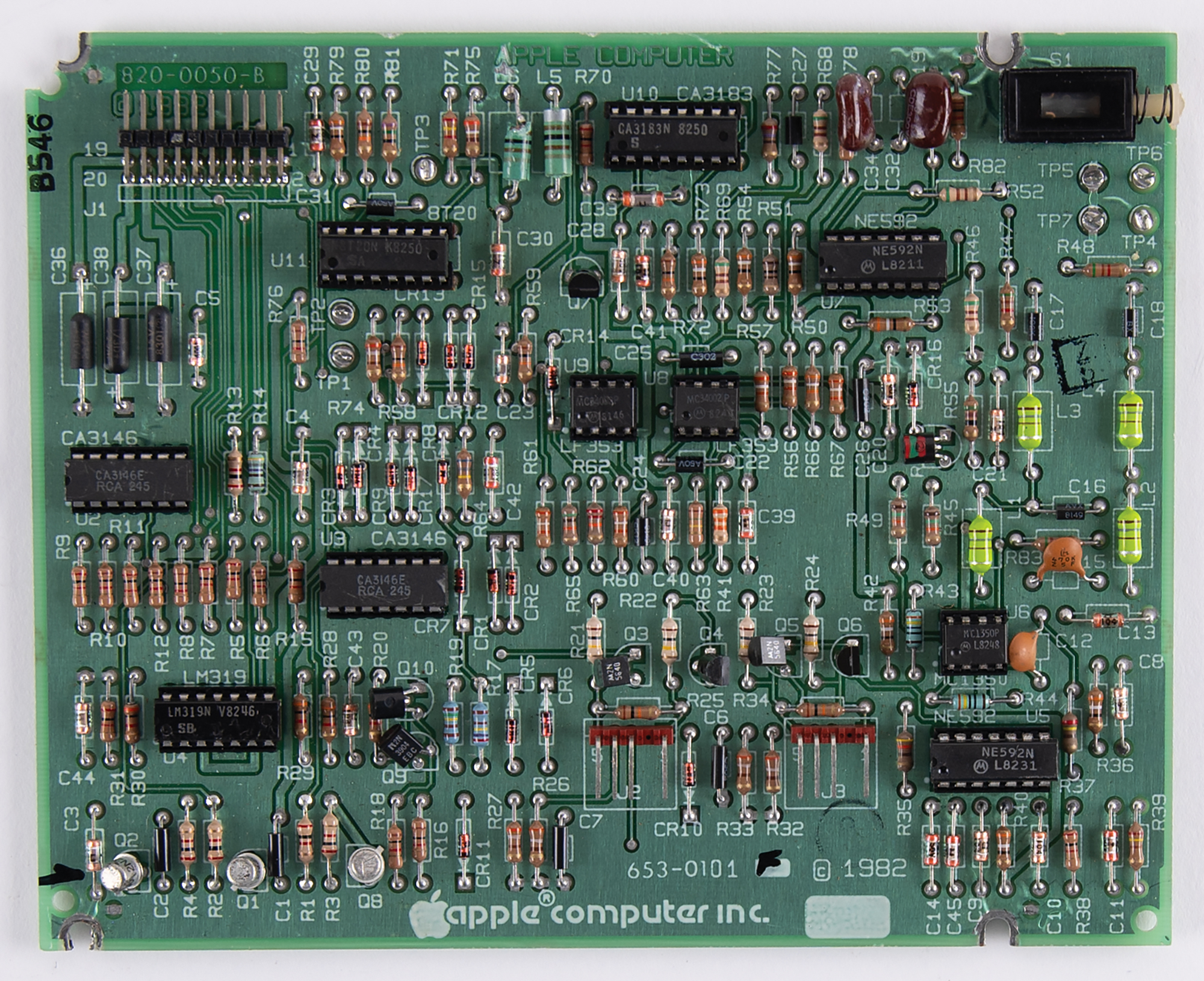
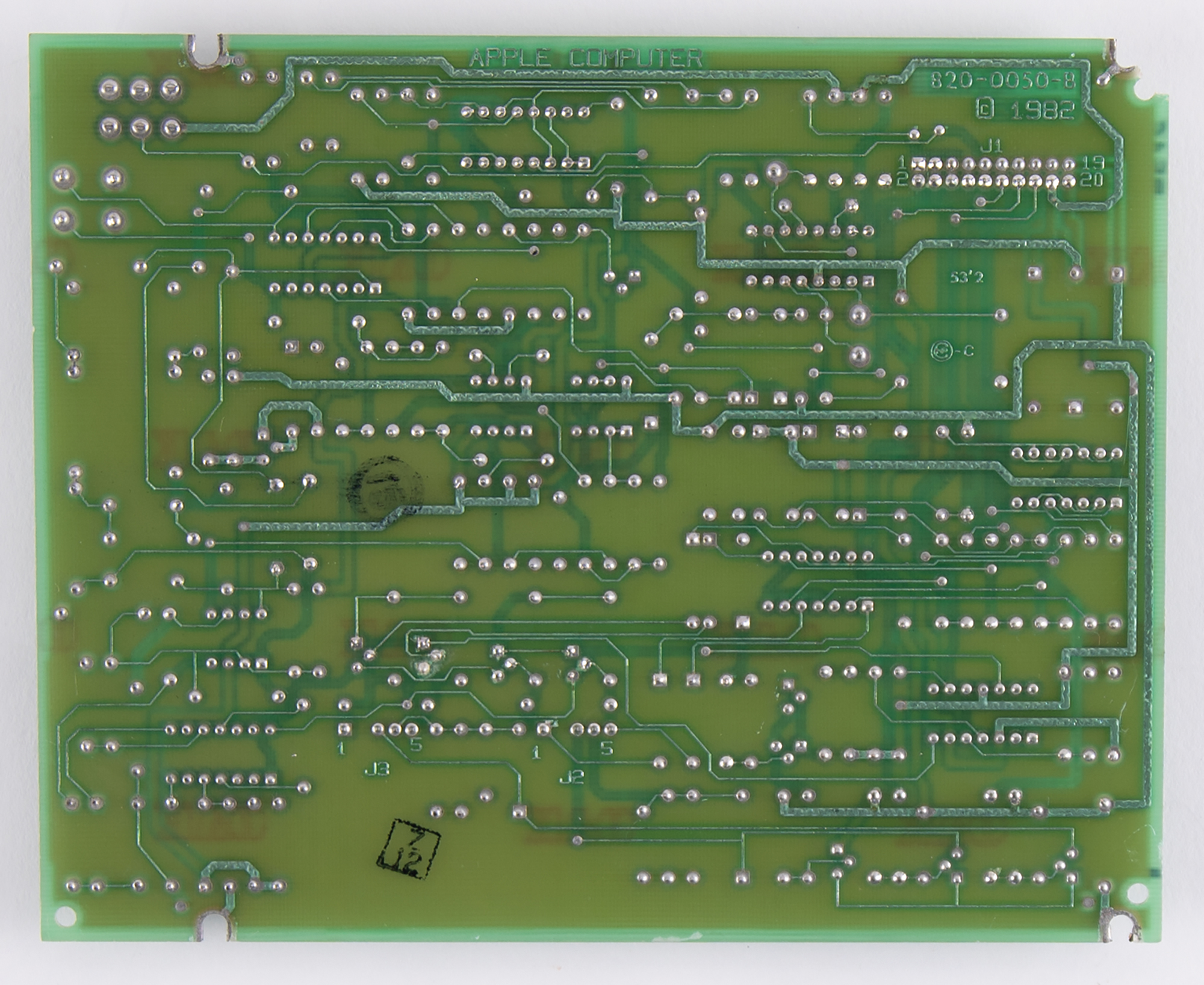
- Twiggy drive analog PCB (653-0101; 820-0050-B), manufactured by Apple Computer in 1982, populated with original integrated circuits and retaining its edge connector interface; stamped “B546” with lower section marked, “653-0101 F.”
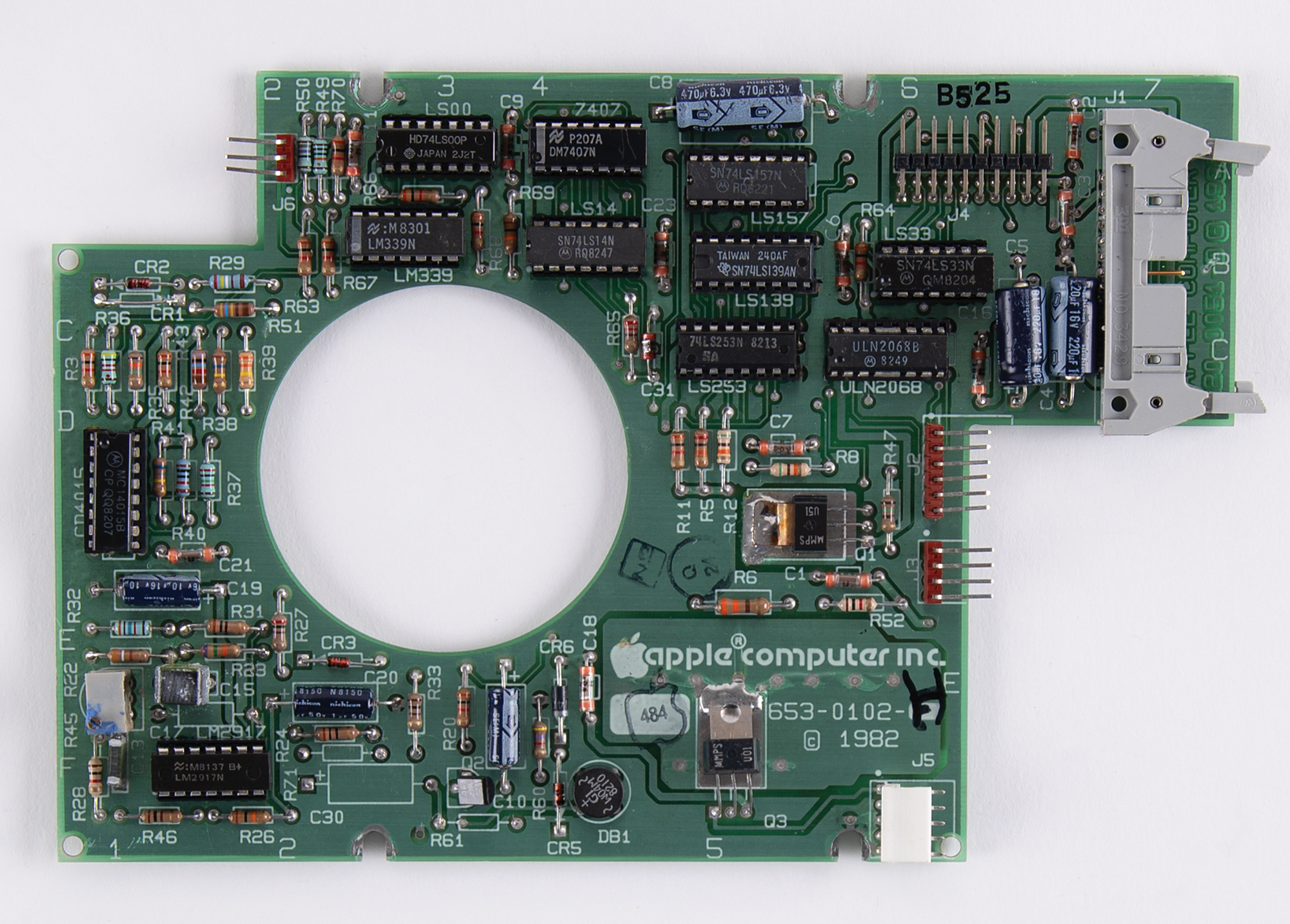
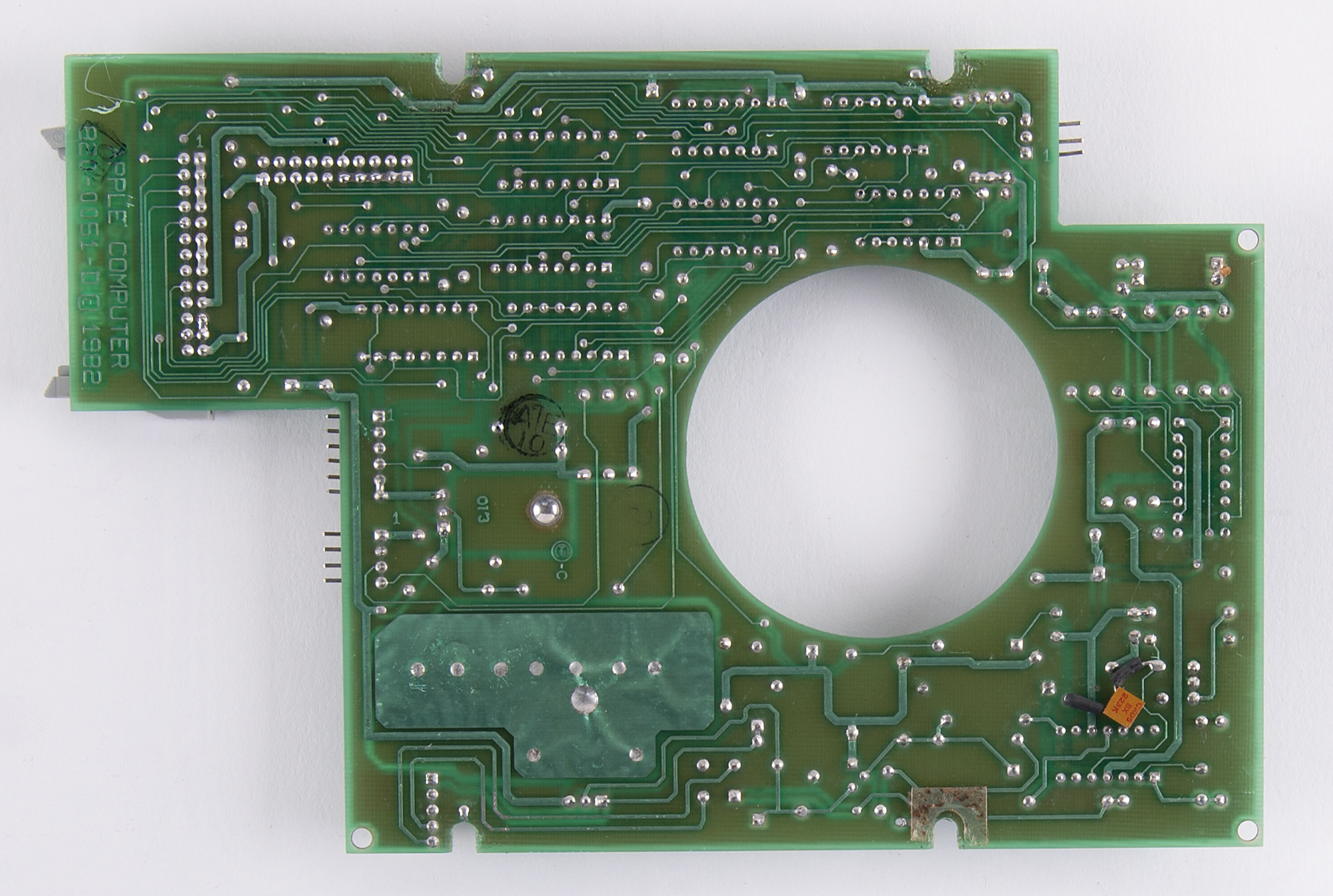
- Twiggy drive digital PCB (653-0102-H; 820-0051-D), manufactured by Apple Computer in 1982, retaining original integrated circuits and Apple identification markings.
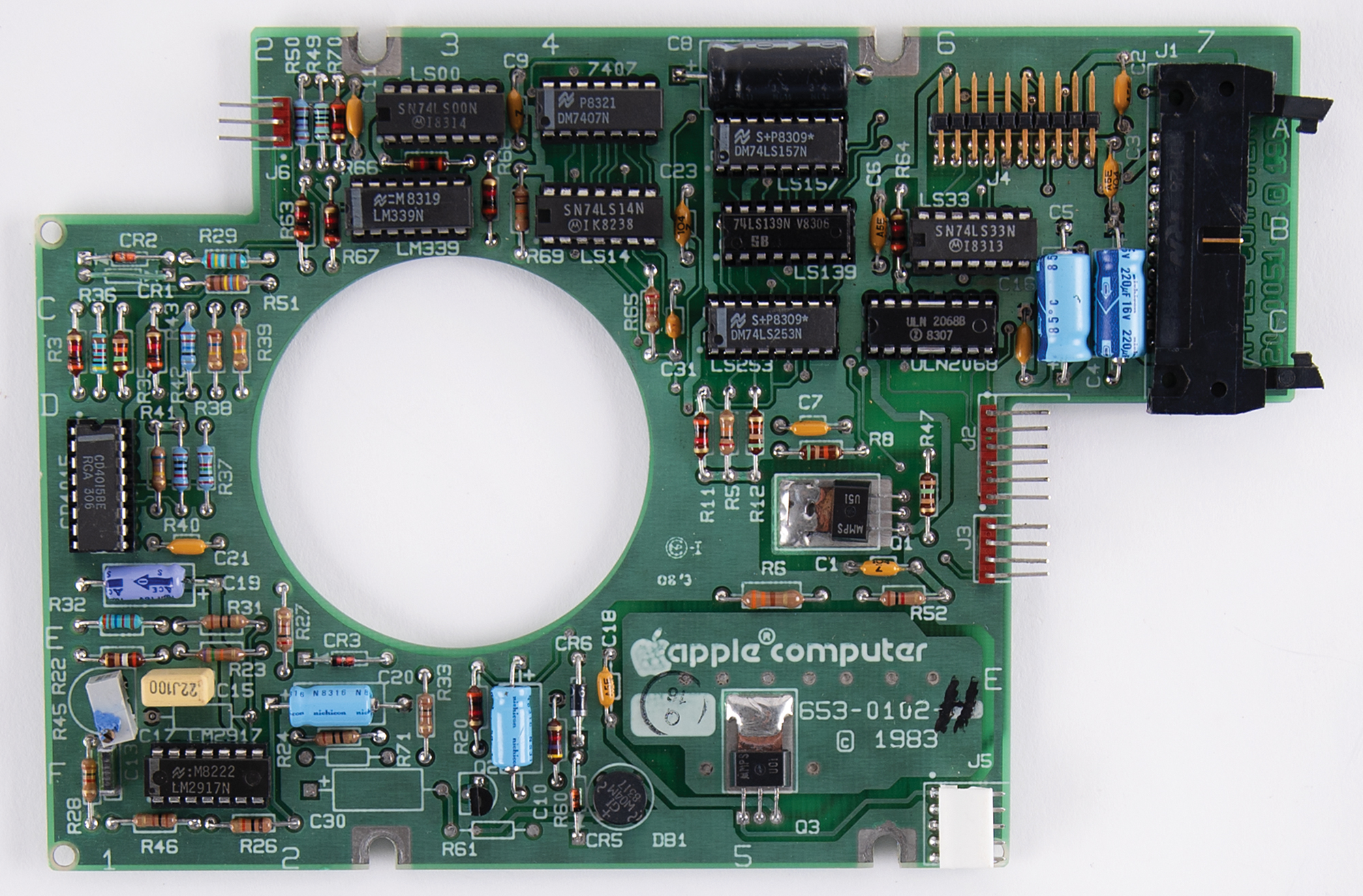
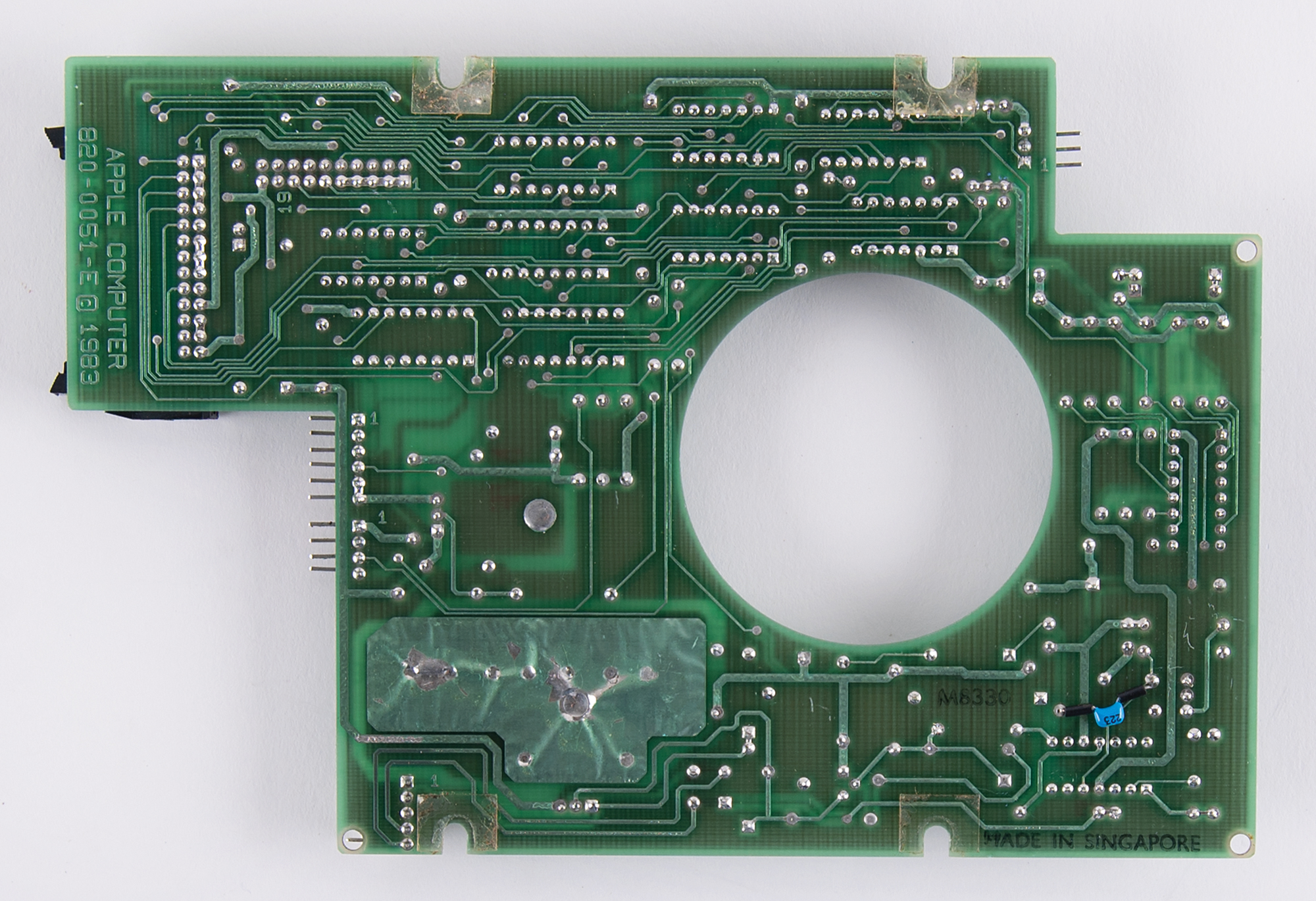
- Twiggy drive digital PCB (653-0102-H; 820-0051-E), manufactured by Apple Computer in 1983, retaining original integrated circuits and Apple identification markings.
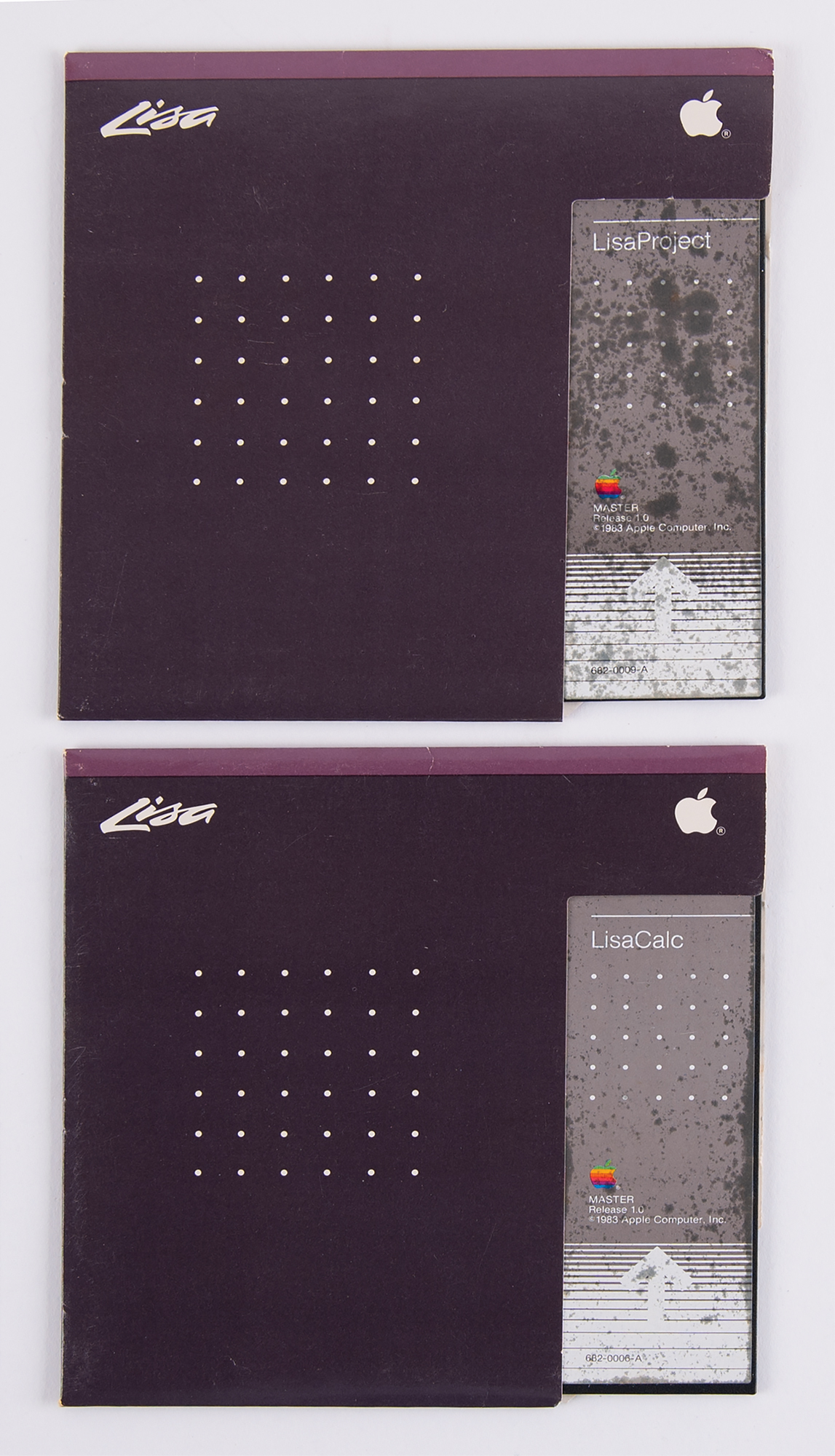
- (2) Lisa Twiggy software floppy disks for LisaCalc and LisaProject, issued by Apple Computer in 1983 for use with the original Twiggy drive system, both retaining their original illustrated Lisa-branded sleeves.
In overall fine condition.
Introduced in January 1983, the Lisa was Apple's first commercial computer to feature a graphical user interface and mouse-driven operating environment, pioneering concepts that would soon be popularized by the Macintosh. The earliest Lisa systems employed Apple's innovative but ultimately short-lived Twiggy floppy drive architecture, a technically ambitious system later abandoned in favor of Sony's more reliable 3.5-inch drives. As a result, original Lisa 1 and Twiggy-related hardware ranks among the most sought-after surviving artifacts of Apple's formative years.

