

The 30 Minute Rule begins August 20 at 7:00 PM EDT. An Initial Bid Must Be Placed By August 20 at 6:00 PM EDT To Participate After 6:00 PM EDT
Archive of photographs, slides, and industrial-design material from the estate of John J. Bisignano, an industrial artist and commercial designer who worked on computer and office-equipment projects for IBM, RCA, and related technology firms during the formative decades of the American computing industry. The archive contains a total of 75 photographs and a collection of 59 slides (35mm) documenting IBM and RCA mainframe computer housings, peripheral equipment, workstation furniture studies, and industrial-design concepts from the 1950s through the 1970s.
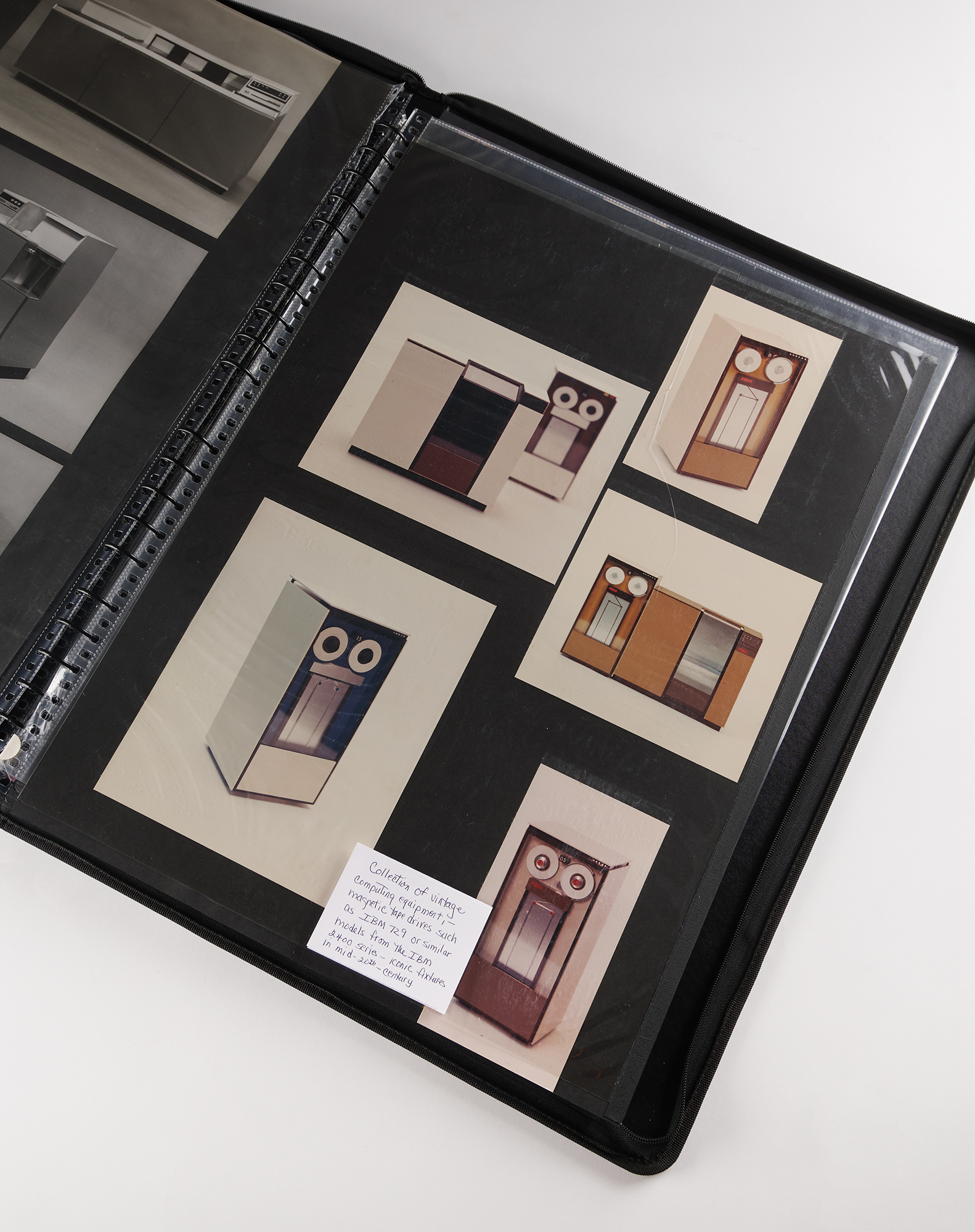
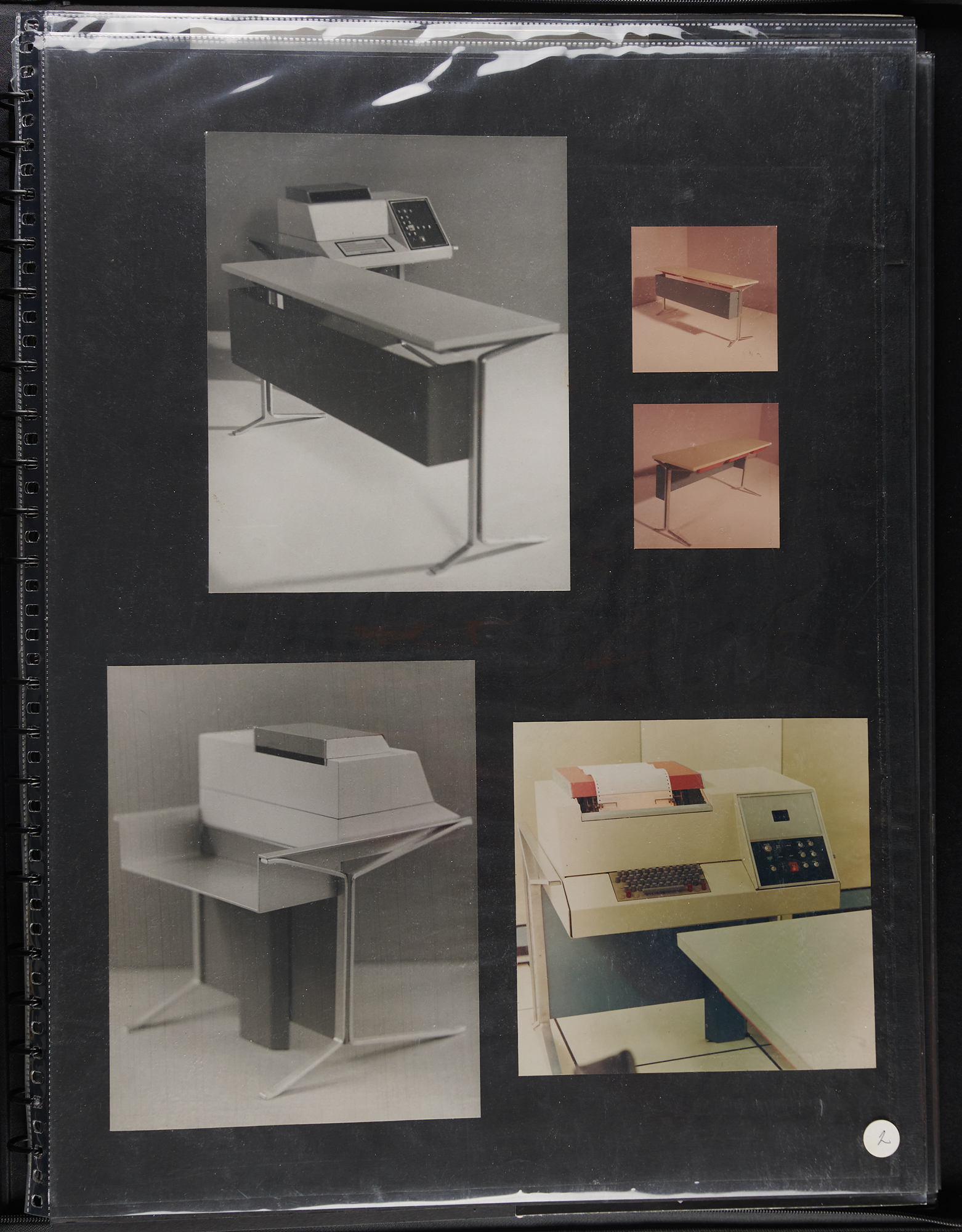
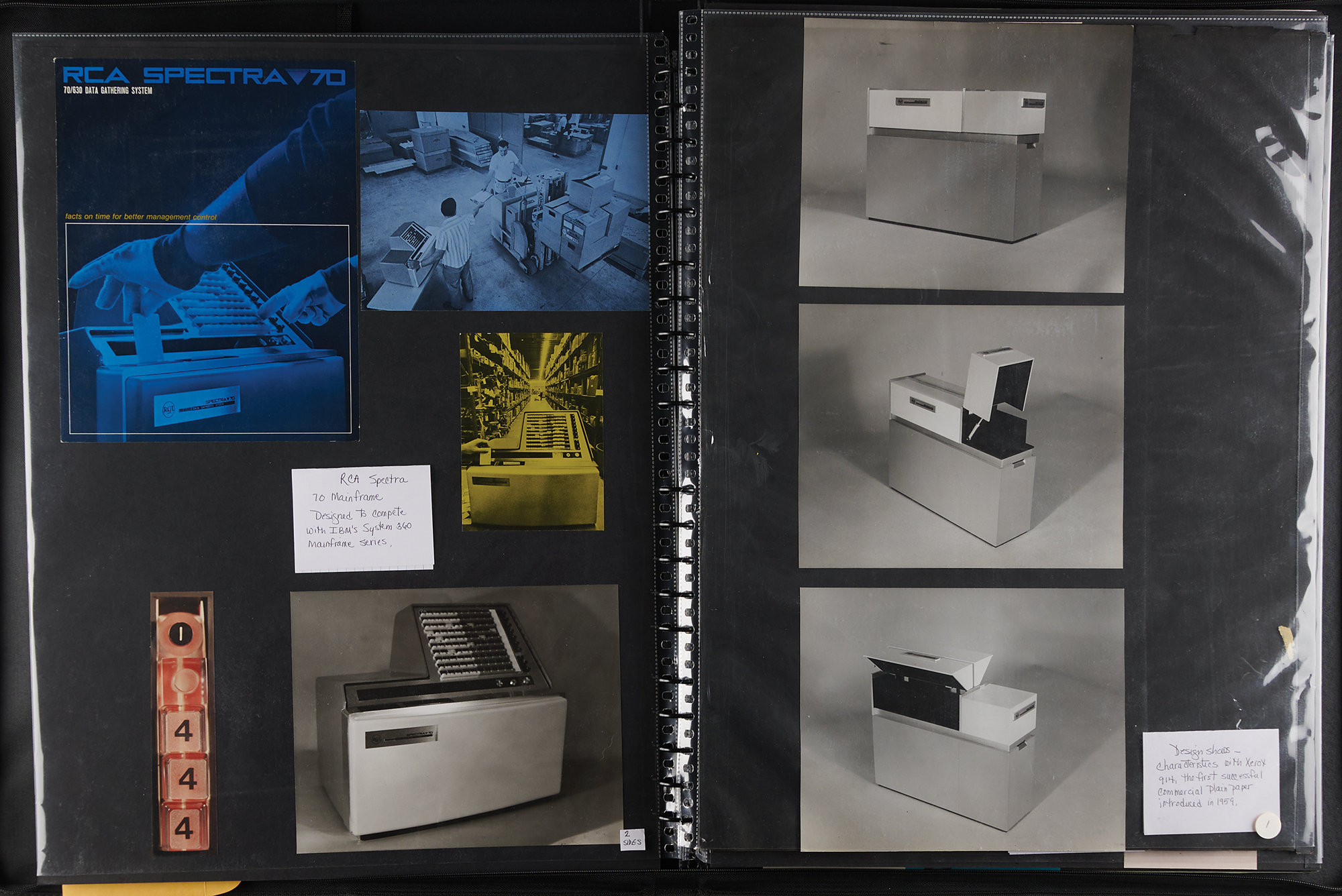
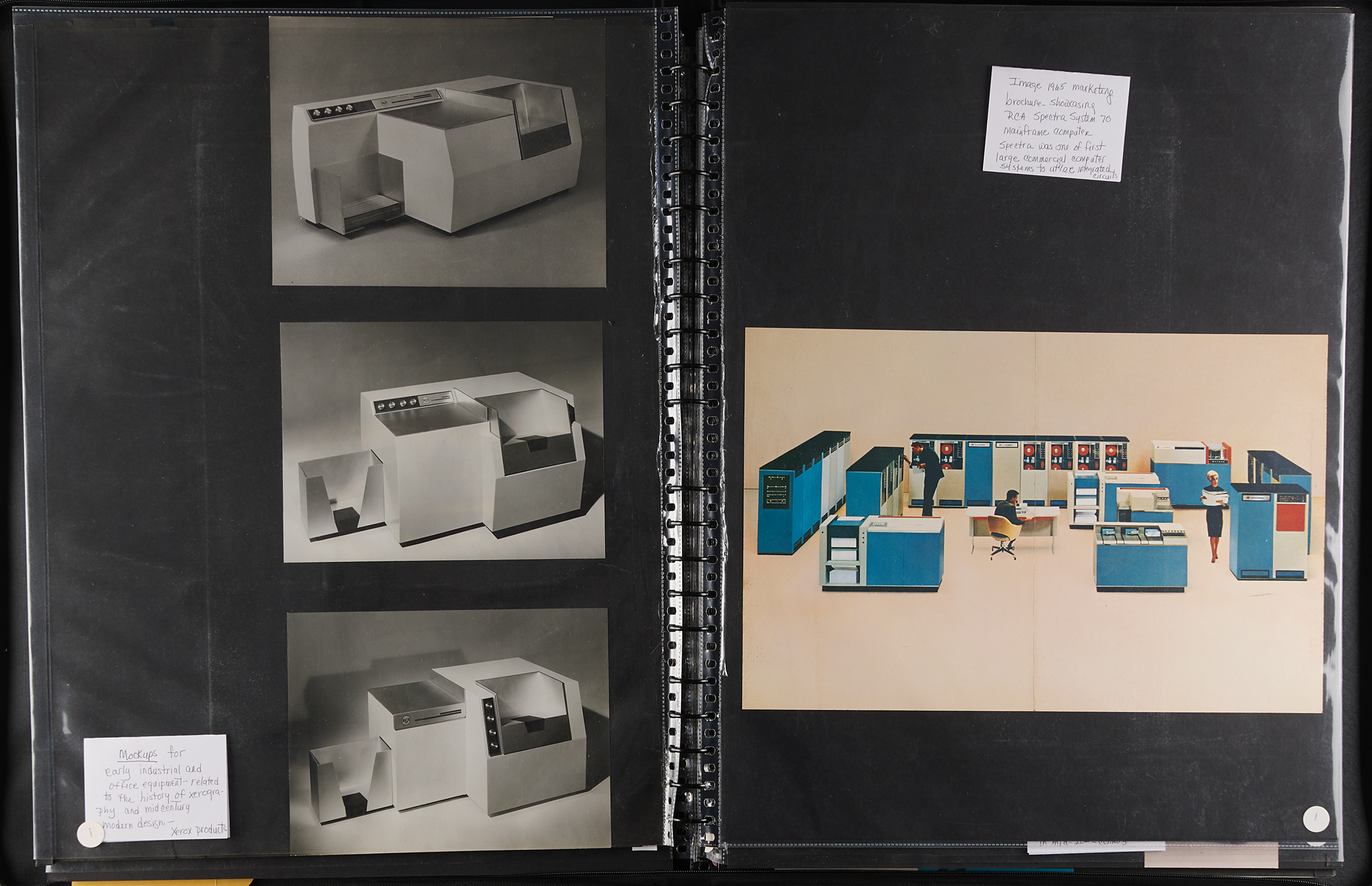
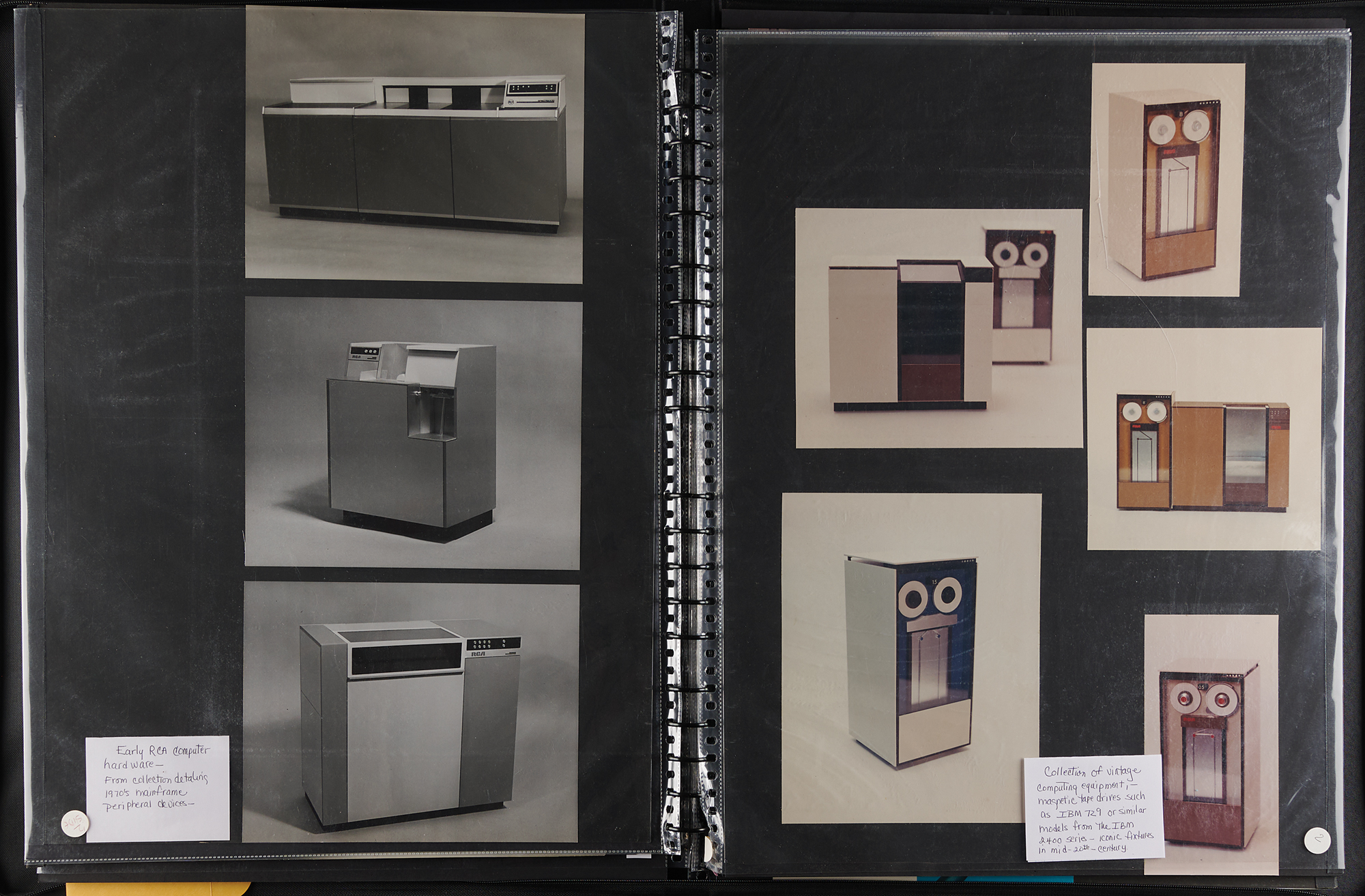
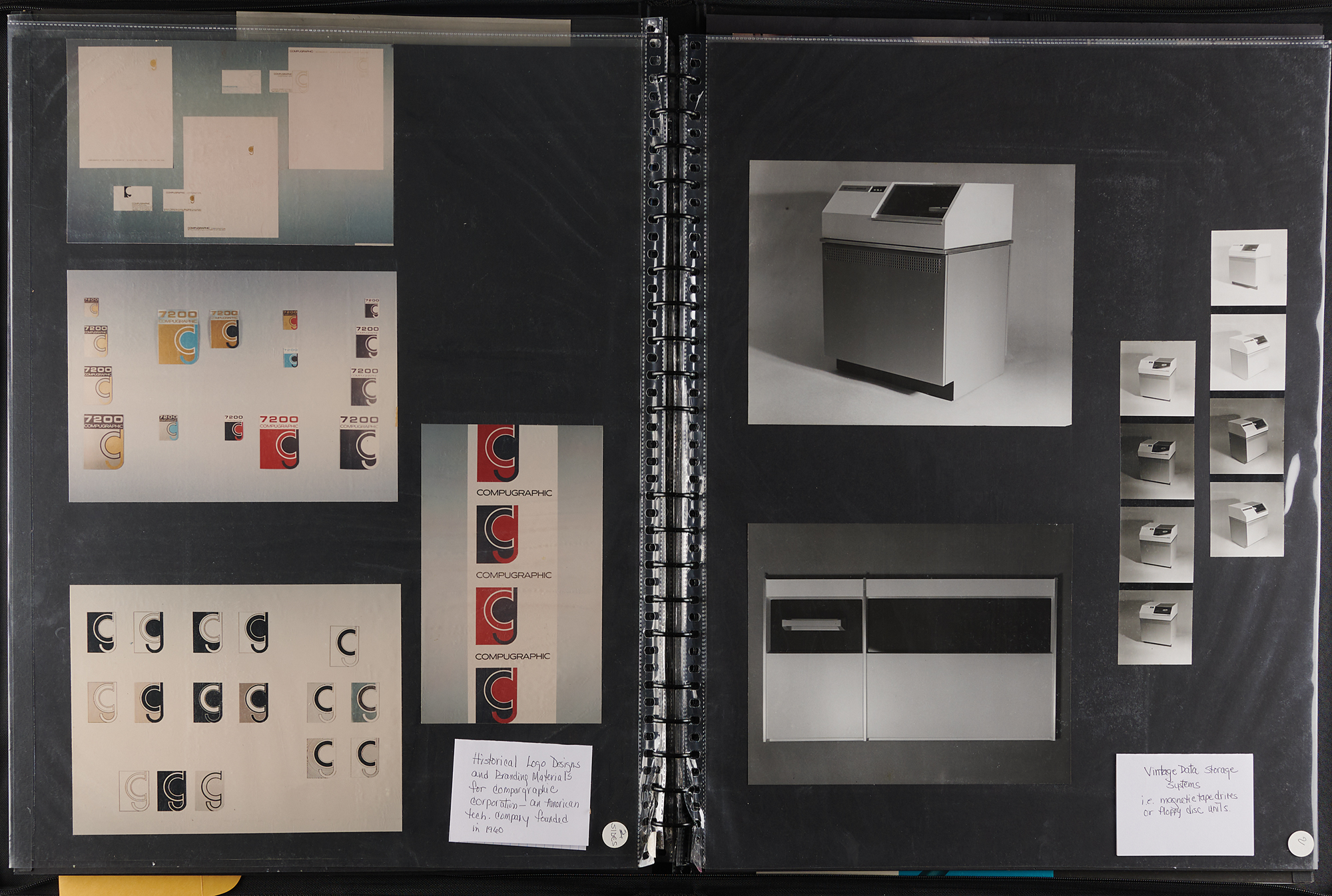
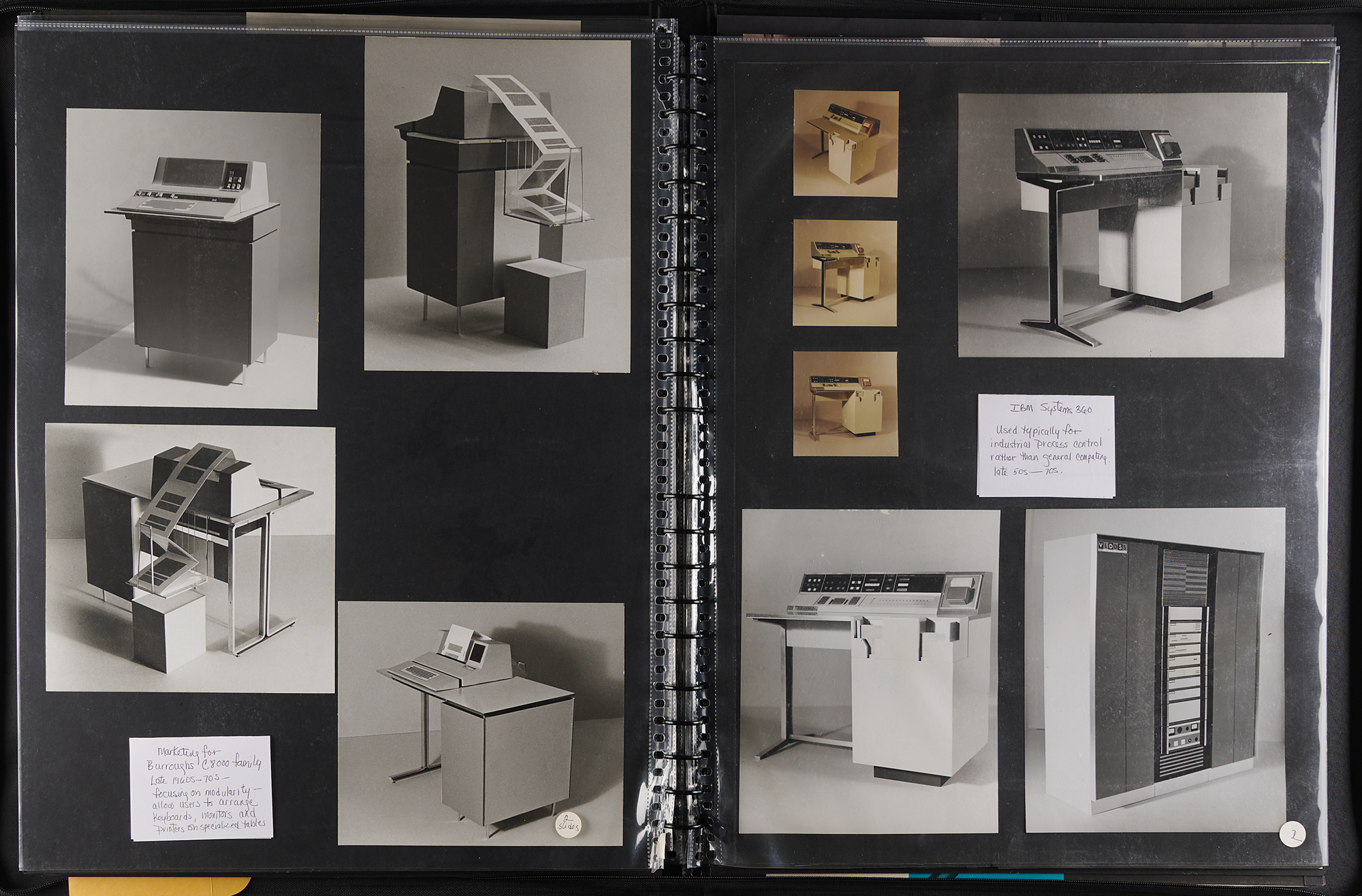
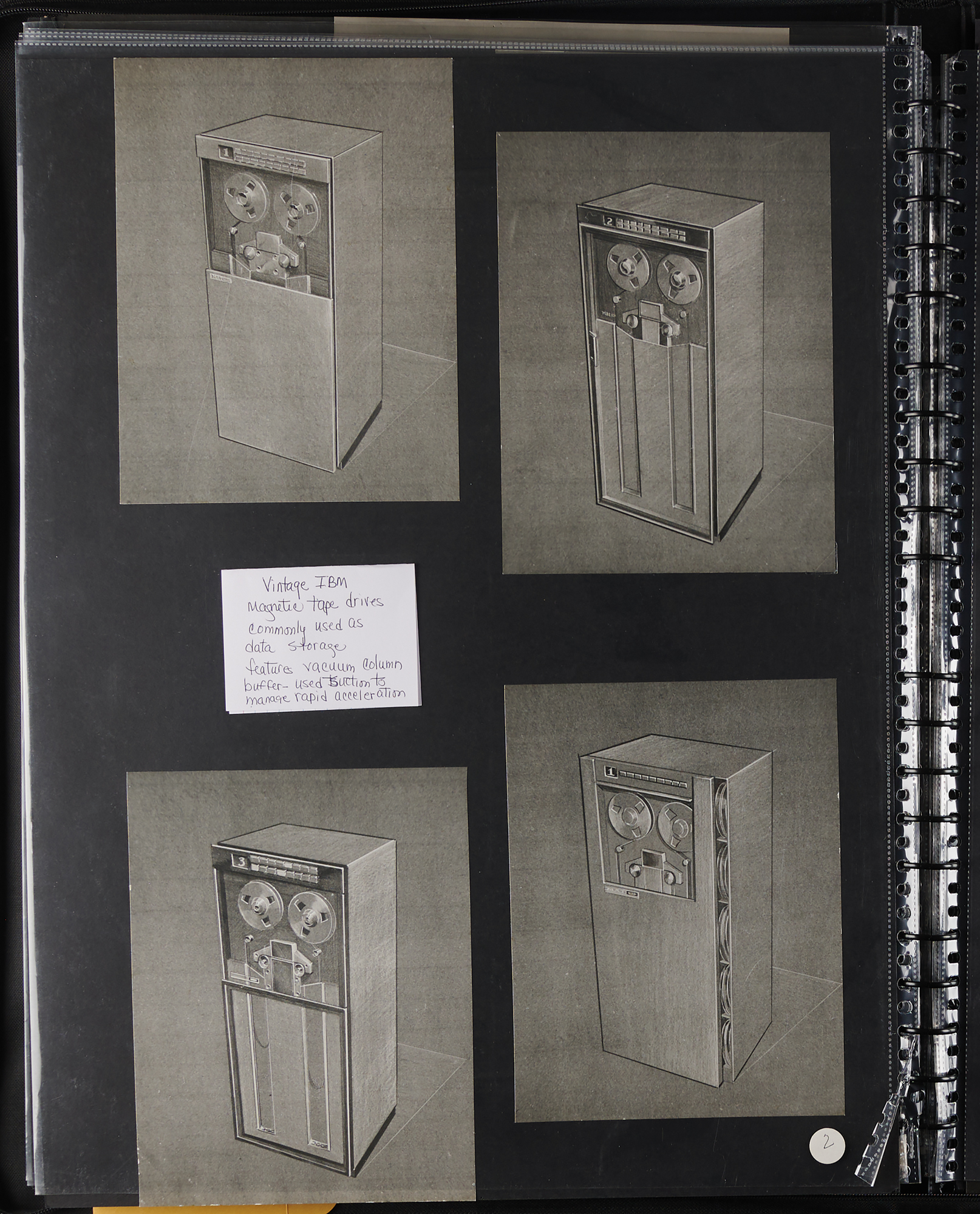
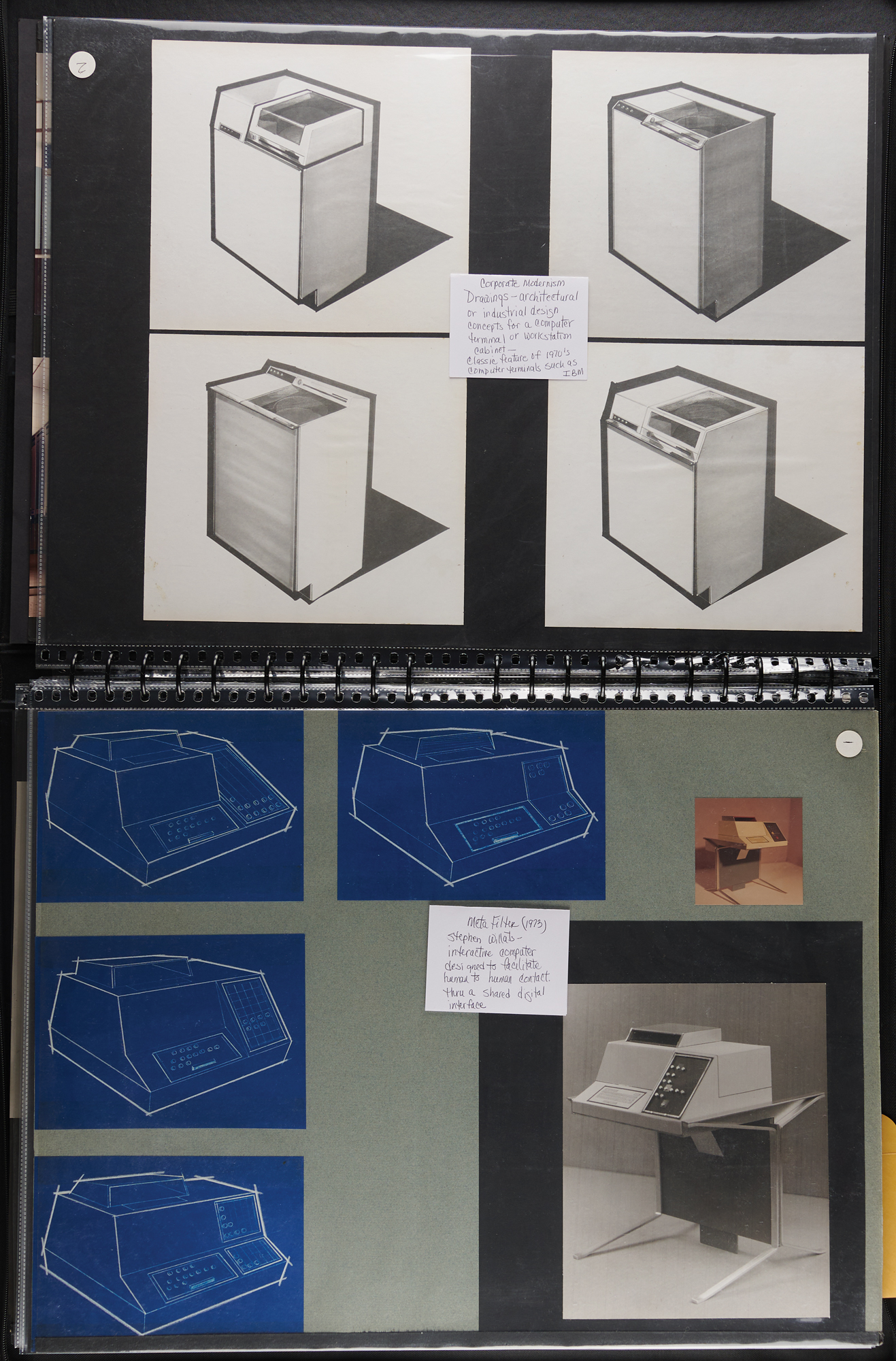
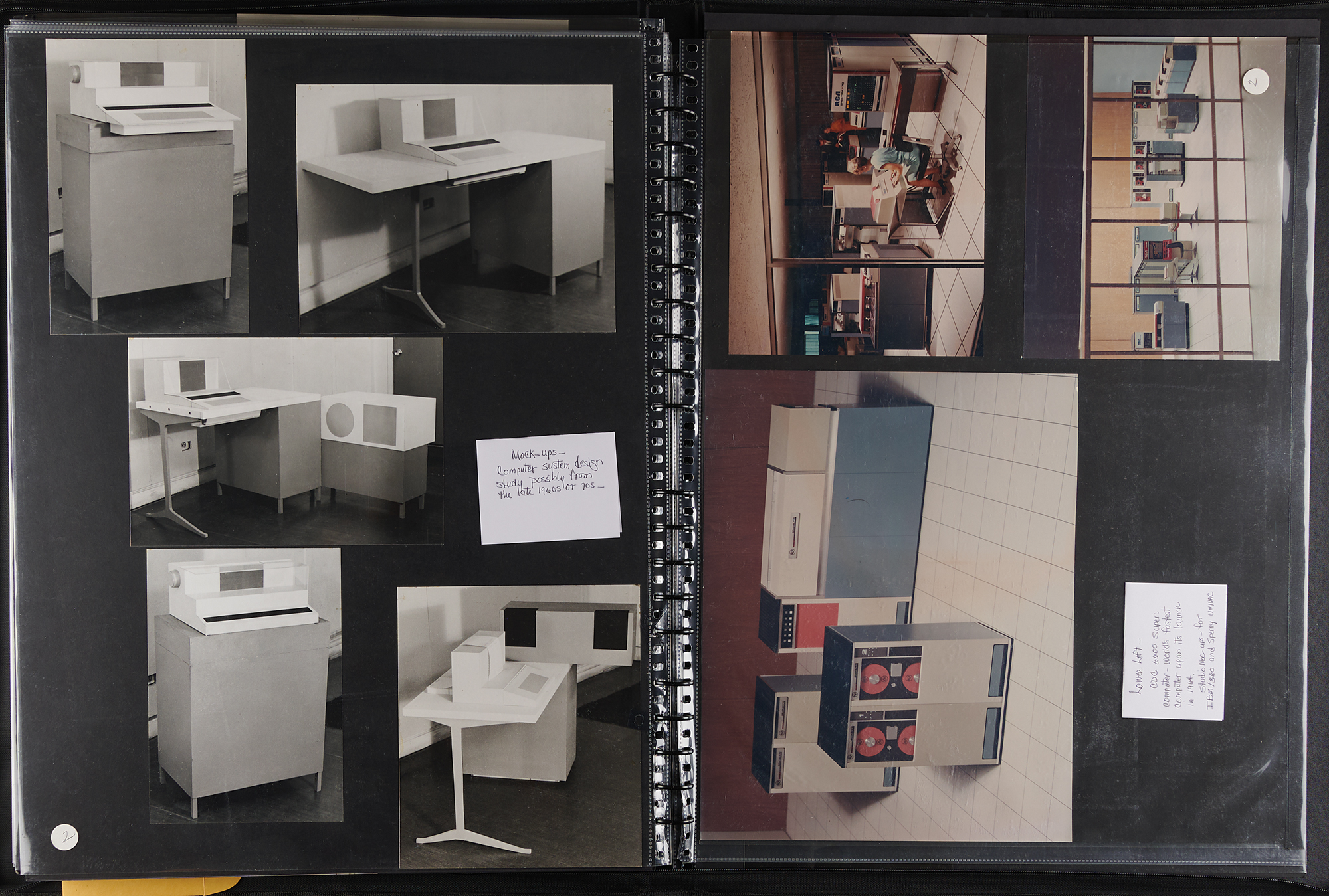
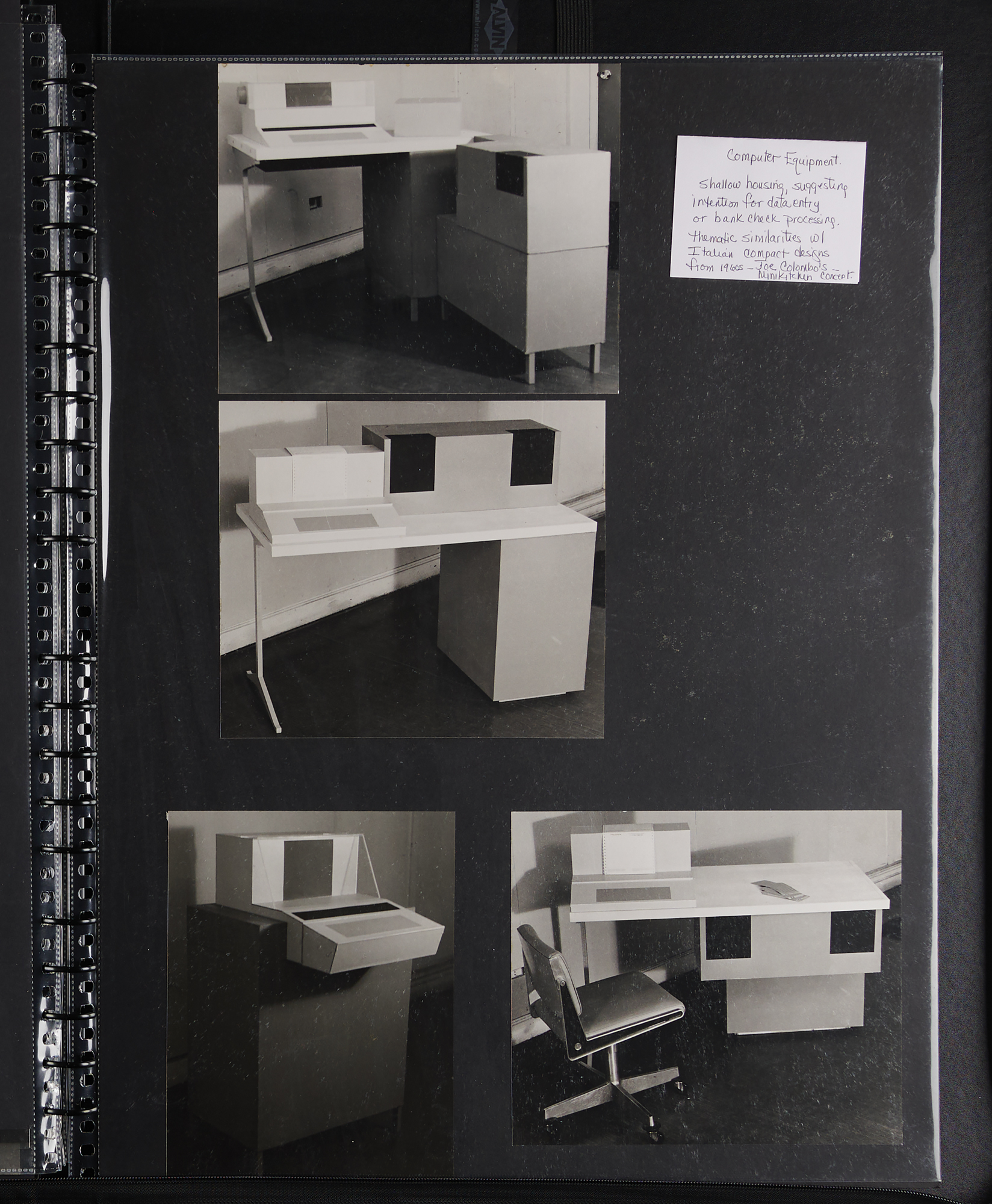
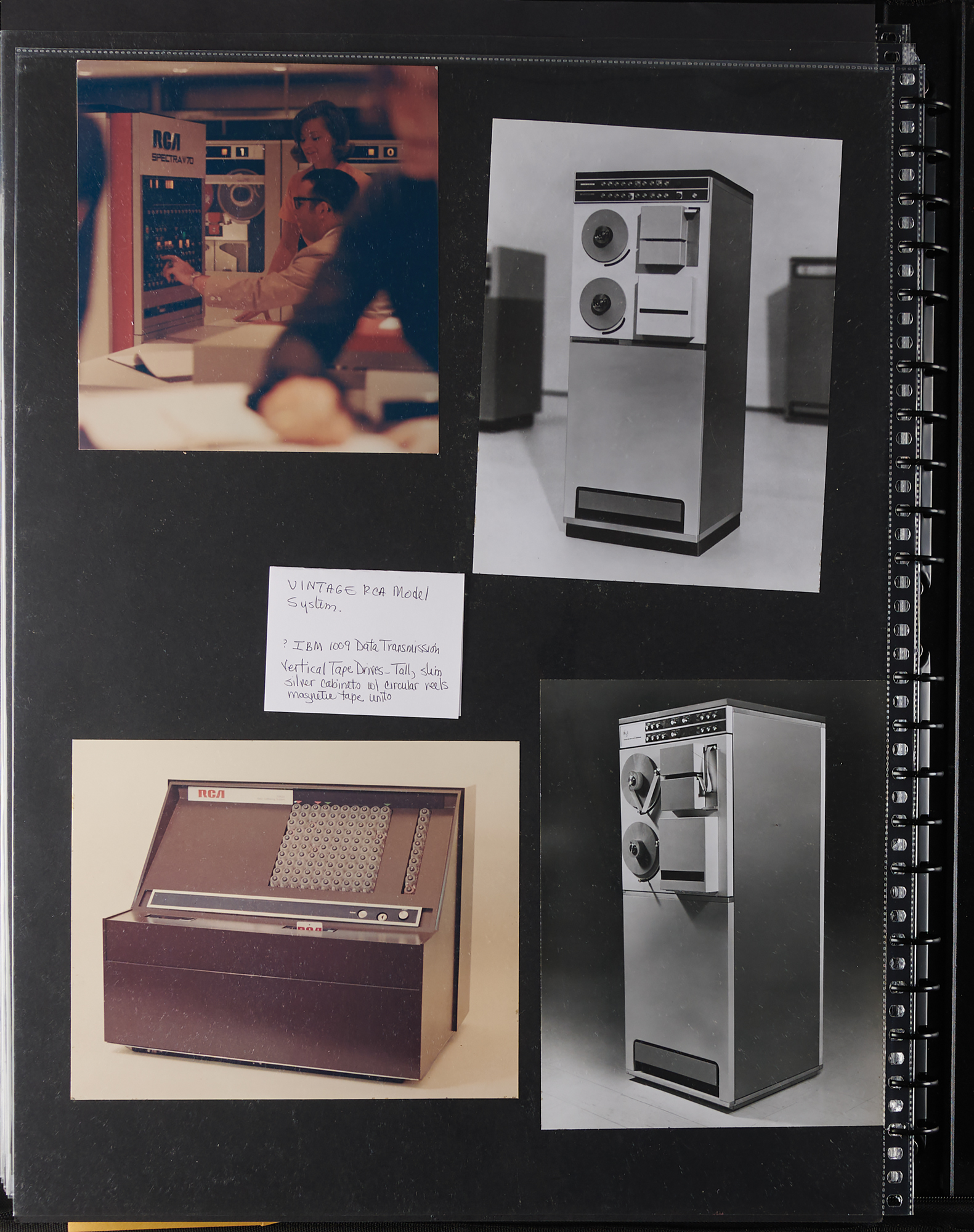
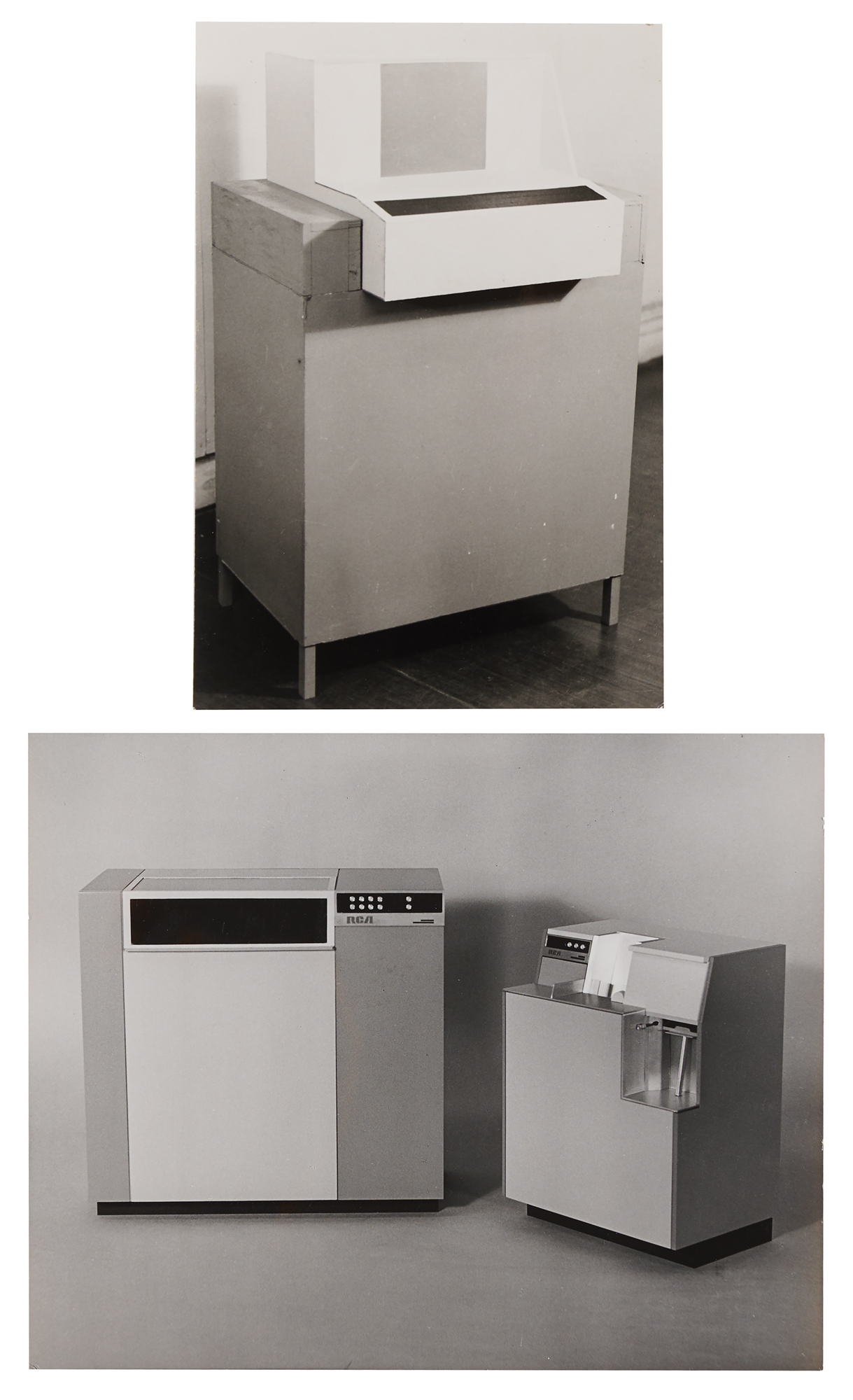
The photographs, which range in size from 3 x 3 to 11 x 14, feature prototype mockups, presentation photography, product renderings, and marketing artwork documenting IBM and RCA computing systems of the 1950s–1970s, including IBM magnetic tape storage units, operator consoles, workstation furniture concepts, and peripheral equipment, as well as RCA Spectra 70 mainframe computer installations and related industrial-design projects. Among the systems represented is the RCA Spectra 70, announced as a direct competitor to IBM's groundbreaking System/360 family and notable as the first major commercial computer line built around monolithic integrated circuits, a technological milestone in the evolution of modern computing. Also represented are design studies associated with the era of IBM's System/360 platform, whose standardized architecture helped redefine commercial computing and established a model of compatibility that influenced the industry for decades. Also included are Xerox-related office-machine studies associated with the development of xerographic technology and mid-century modern industrial design. The photographs are mounted within a large spiral-bound presentation portfolio on oversized black display sheets, with the images affixed to the boards for exhibition and reference purposes; the photographs remain removable from their mounts if future preservation or study warrants.
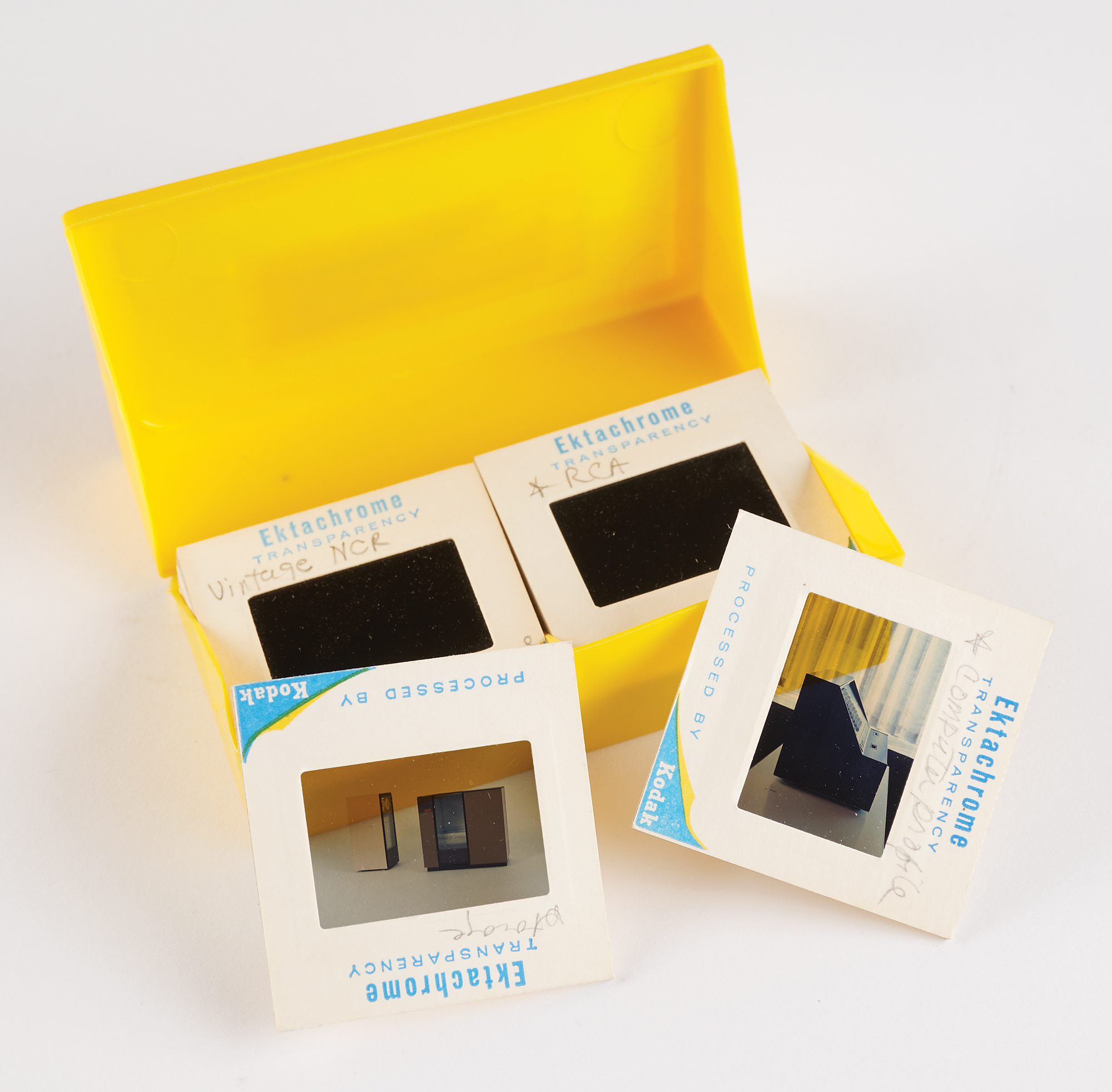
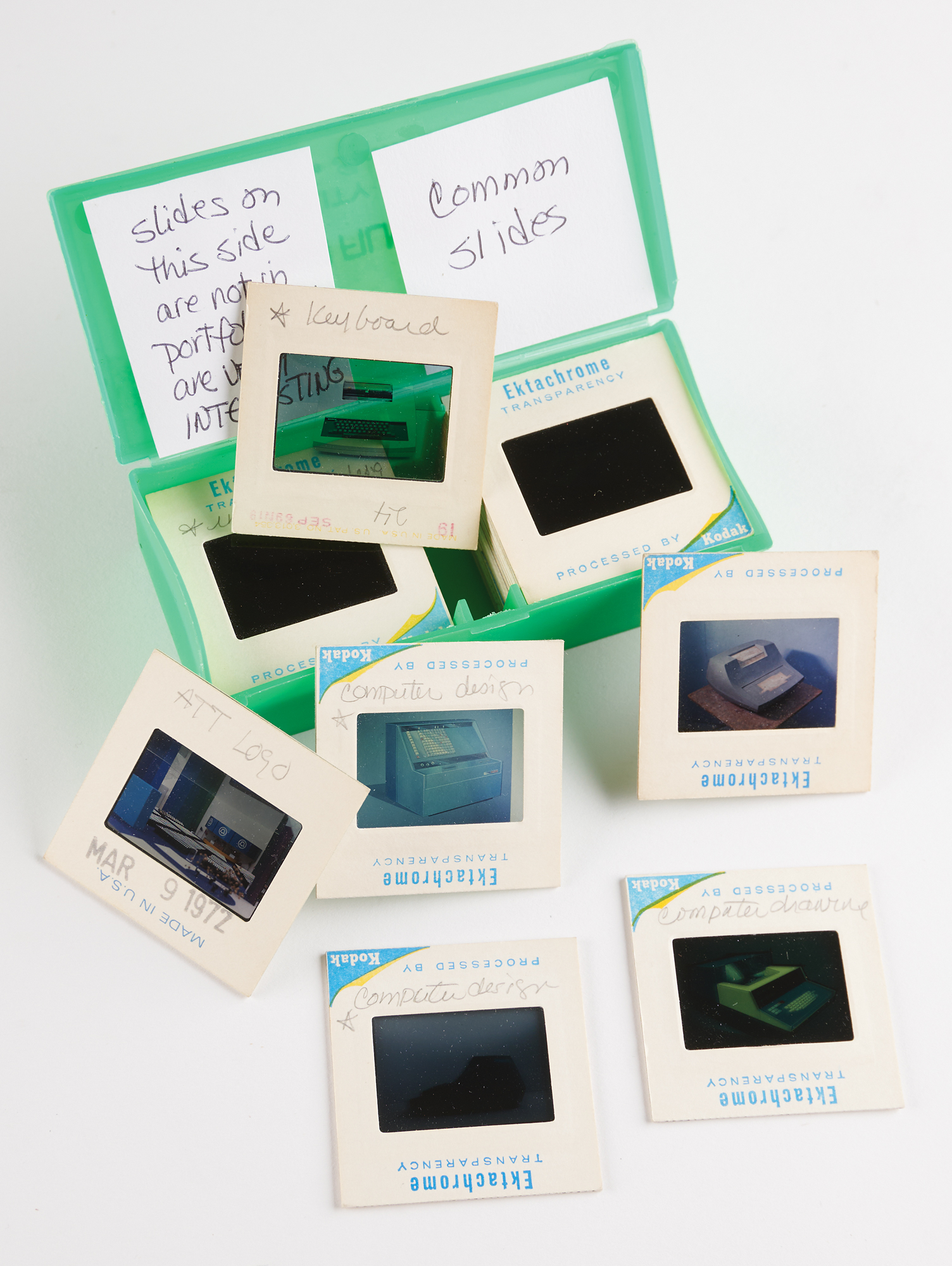
Also included is a collection of approximately 59 35mm slides, including roughly 40 images that duplicate material represented in the photographic portfolio and approximately 19 apparently unique images not otherwise present in the archive. Housed in Kodak slide cases and identified by contemporary manuscript captions such as “Computer Rendering,” “Full Mock of Computer,” “Computer Profile,” and “Data Storage,” the slides provide further documentation of computer-hardware concepts, industrial-design mockups, and presentation renderings associated with the archive's IBM and RCA computing projects. In overall fine condition.
Accompanied by a signed Master Certificate of Provenance and Authenticity dated March 26, 2026, from Lucrezia Pierro, Trustee of the Bisignano Archive, who states: “All items in this collection have been held in continuous family possession since their creation. They were acquired directly from the artist's estate and have been maintained in Owls Head, Maine, the last residence of Mr. Bisignano.”
John J. Bisignano (1927–2021) worked as an industrial artist and commercial designer during the years when American technology companies were defining the physical form of the computer age. His work on IBM and RCA mainframe projects placed him at the intersection of engineering and aesthetic practice at a moment when neither discipline had settled on a shared vocabulary for what large-scale computing equipment should look like. The design work captured in these photographs and slides reflects the competitive urgency of that period, a race not only to engineer reliable hardware, but to present it in a form that corporate clients would find authoritative and approachable. Bisignano's involvement in translating engineering specifications into human-centered forms made him a participant in decisions that shaped how the Information Age appeared to its first users.
In his later career, Bisignano relocated to Midcoast Maine, where he worked as a painter and became a recognized figure in the regional art community. The archive materials offered here represent the industrial phase of his career: the prototype photographs, 35mm documentation slides, and portfolio studies that accumulated across decades of professional practice.
The estate, represented by Lucrezia Pierro as Trustee of the Bisignano Archive, has dedicated proceeds from the sale of these materials to the John J. Bisignano Scholarship Fund, supporting underserved art and design students at MECA-D.

