The 30 Minute Rule begins August 20 at 7:00 PM EDT. An Initial Bid Must Be Placed By August 20 at 6:00 PM EDT To Participate After 6:00 PM EDT
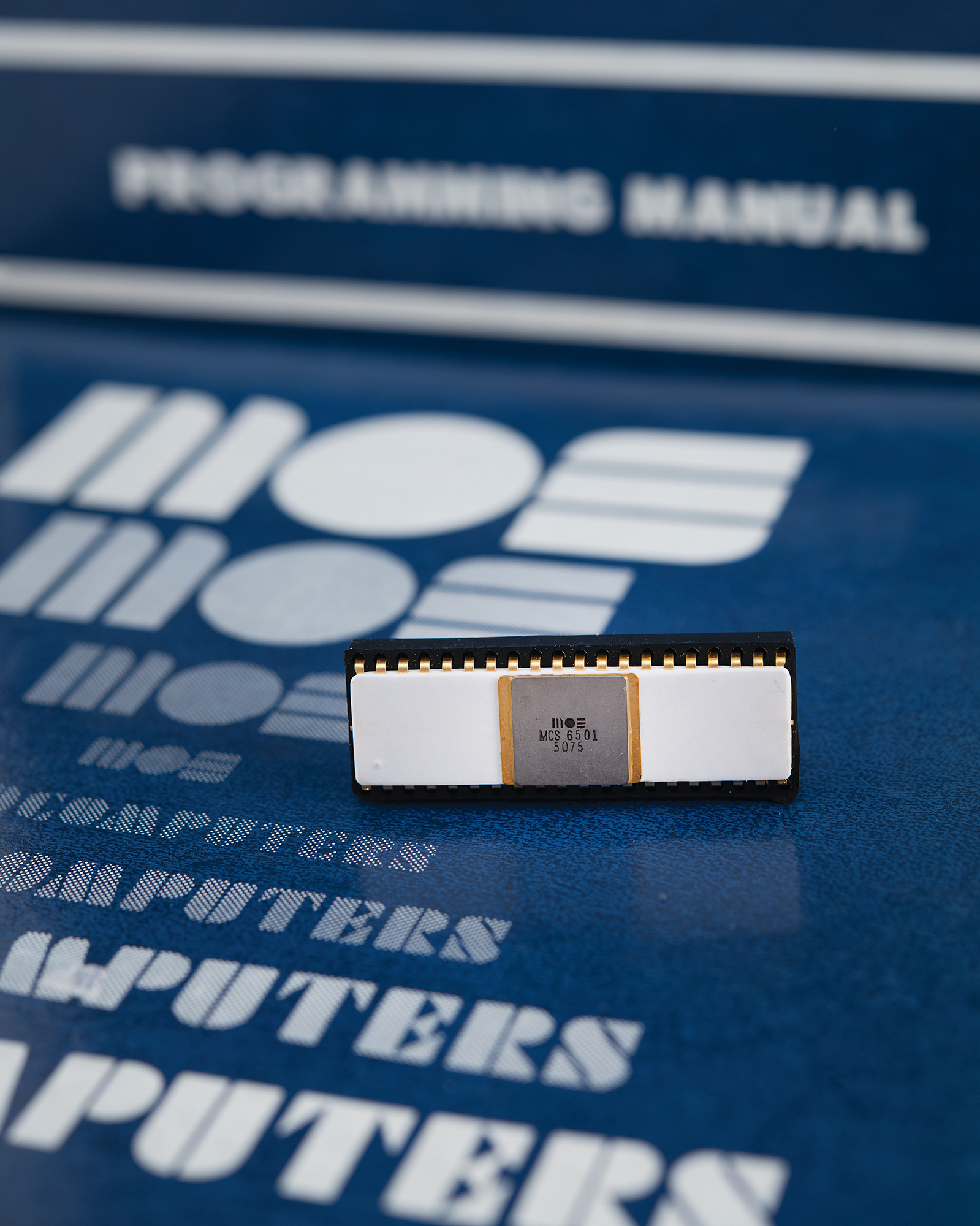
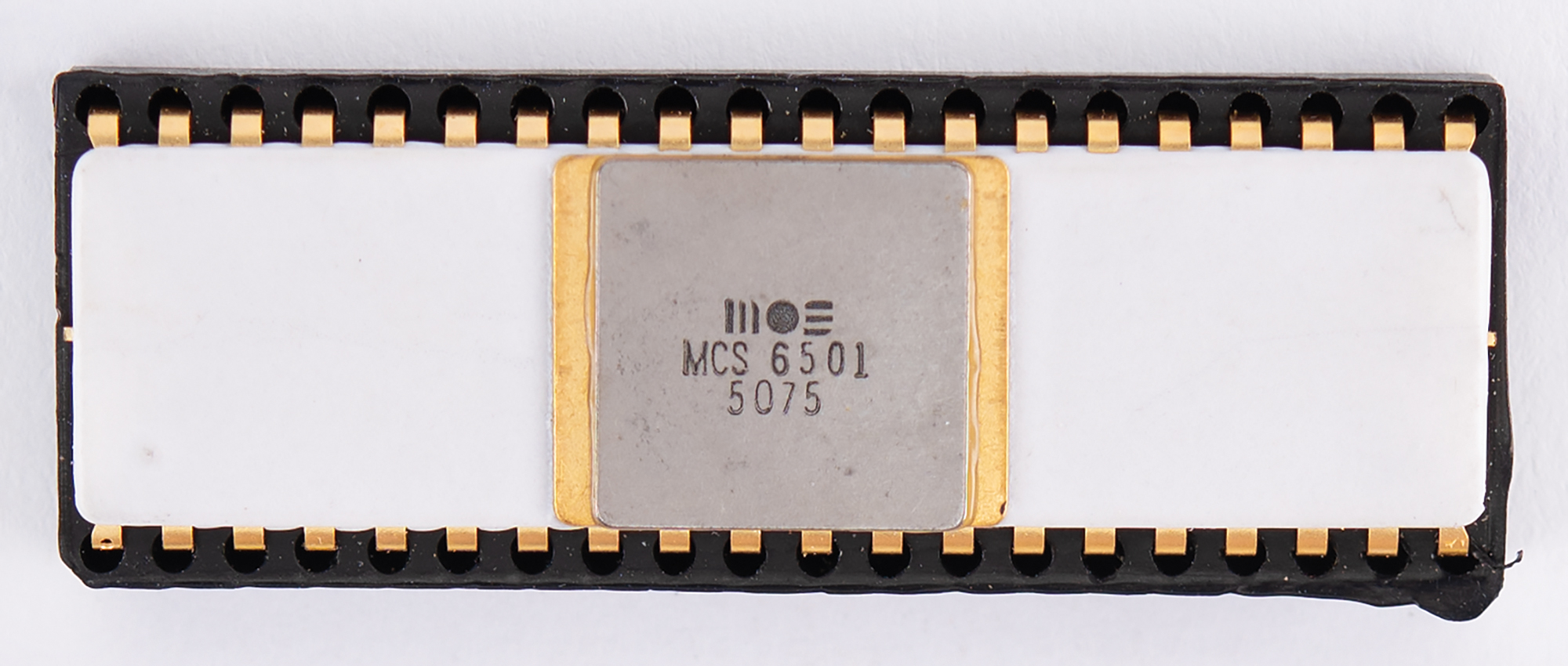
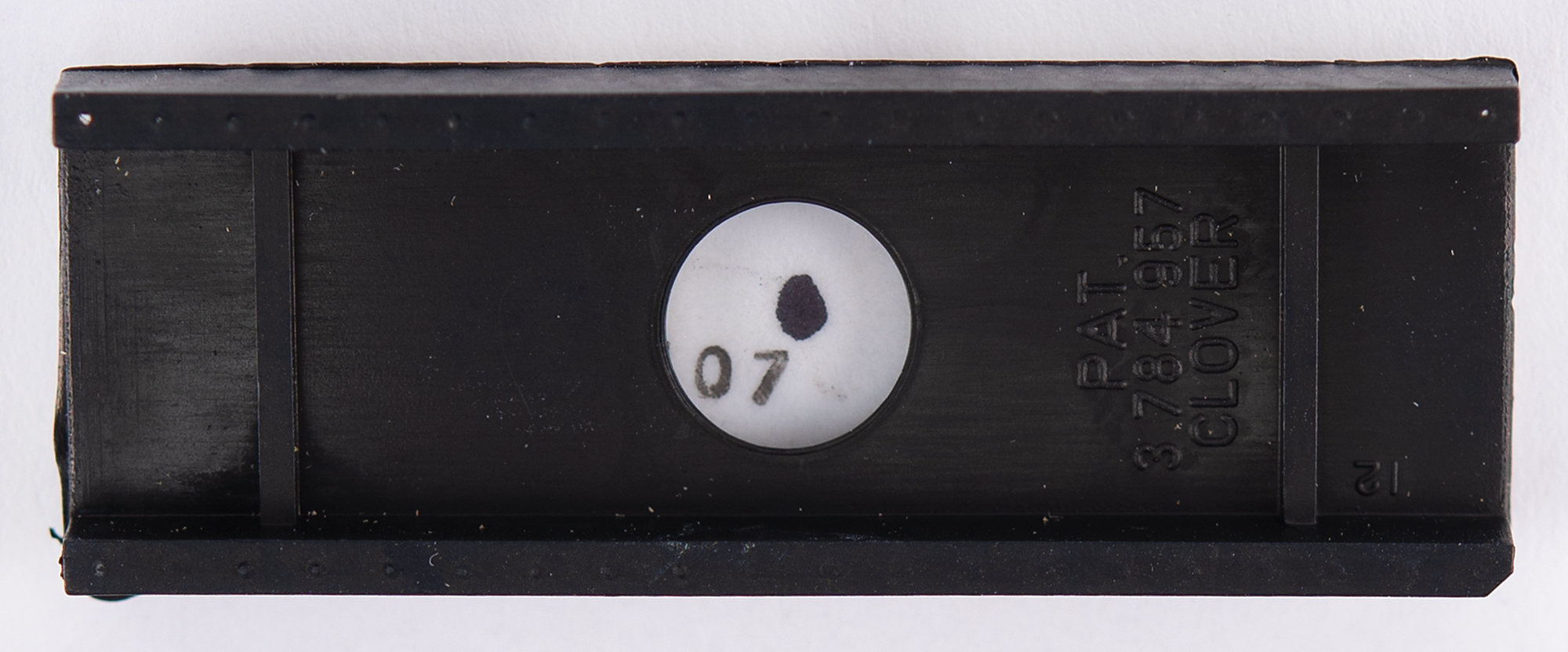
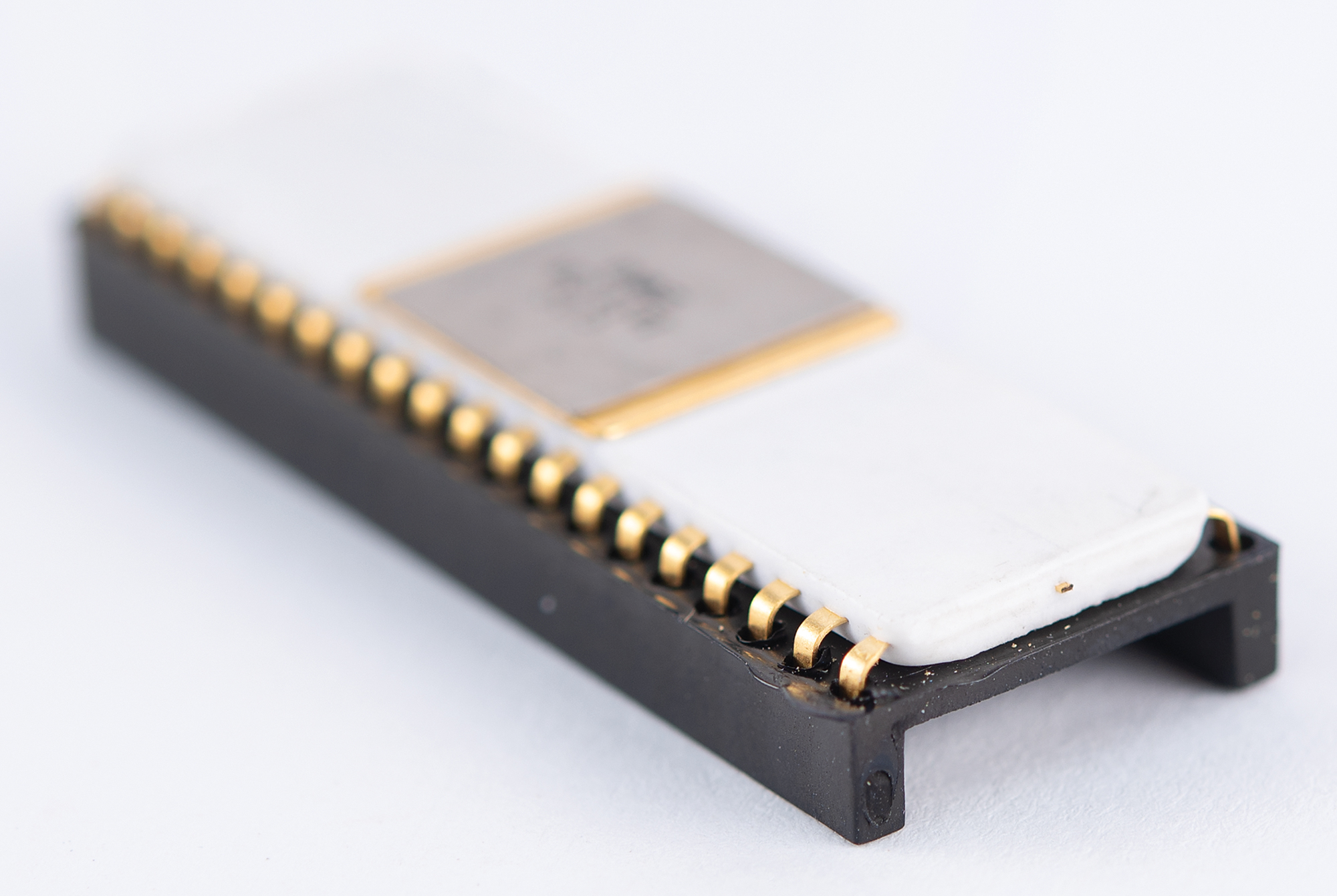
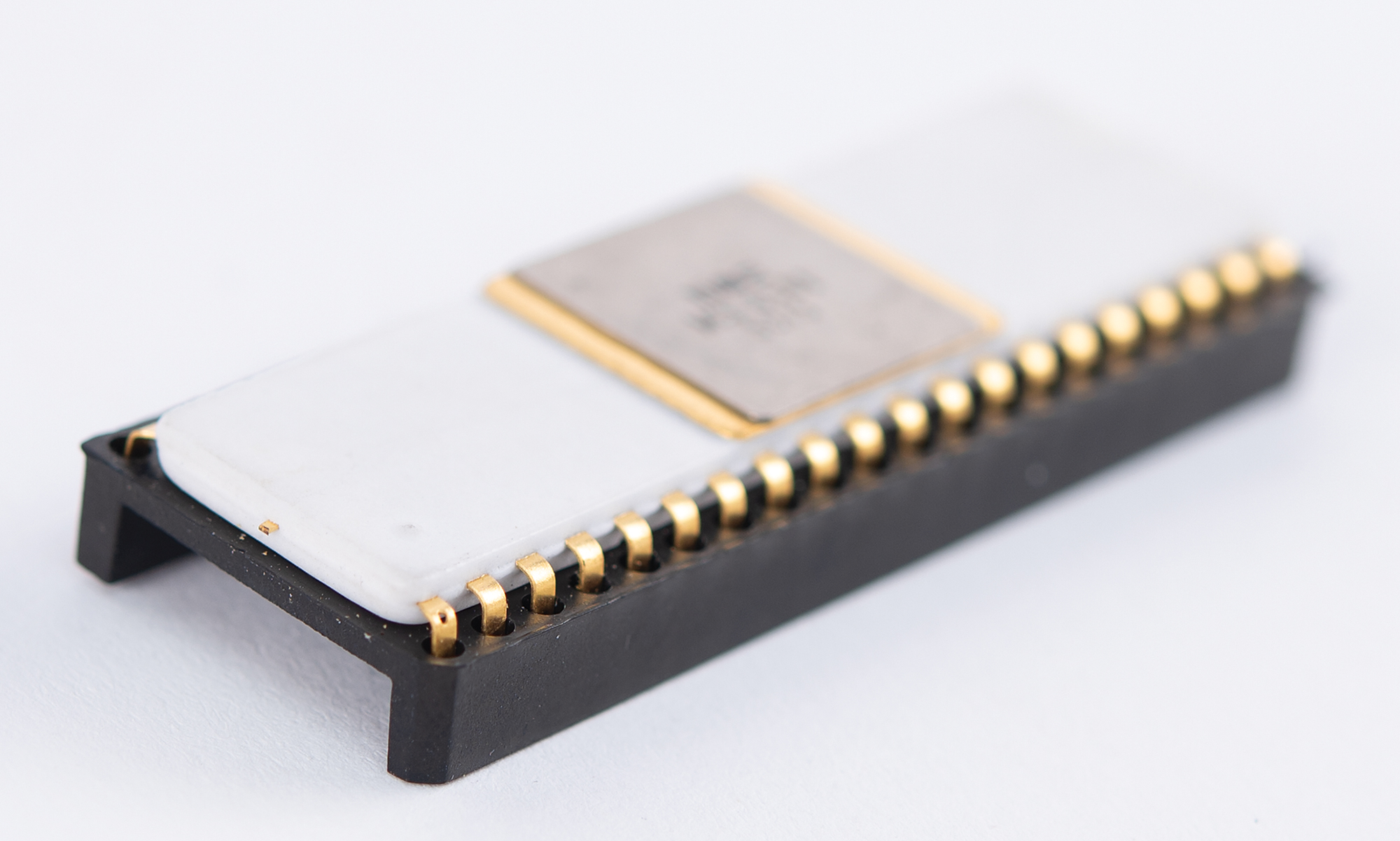
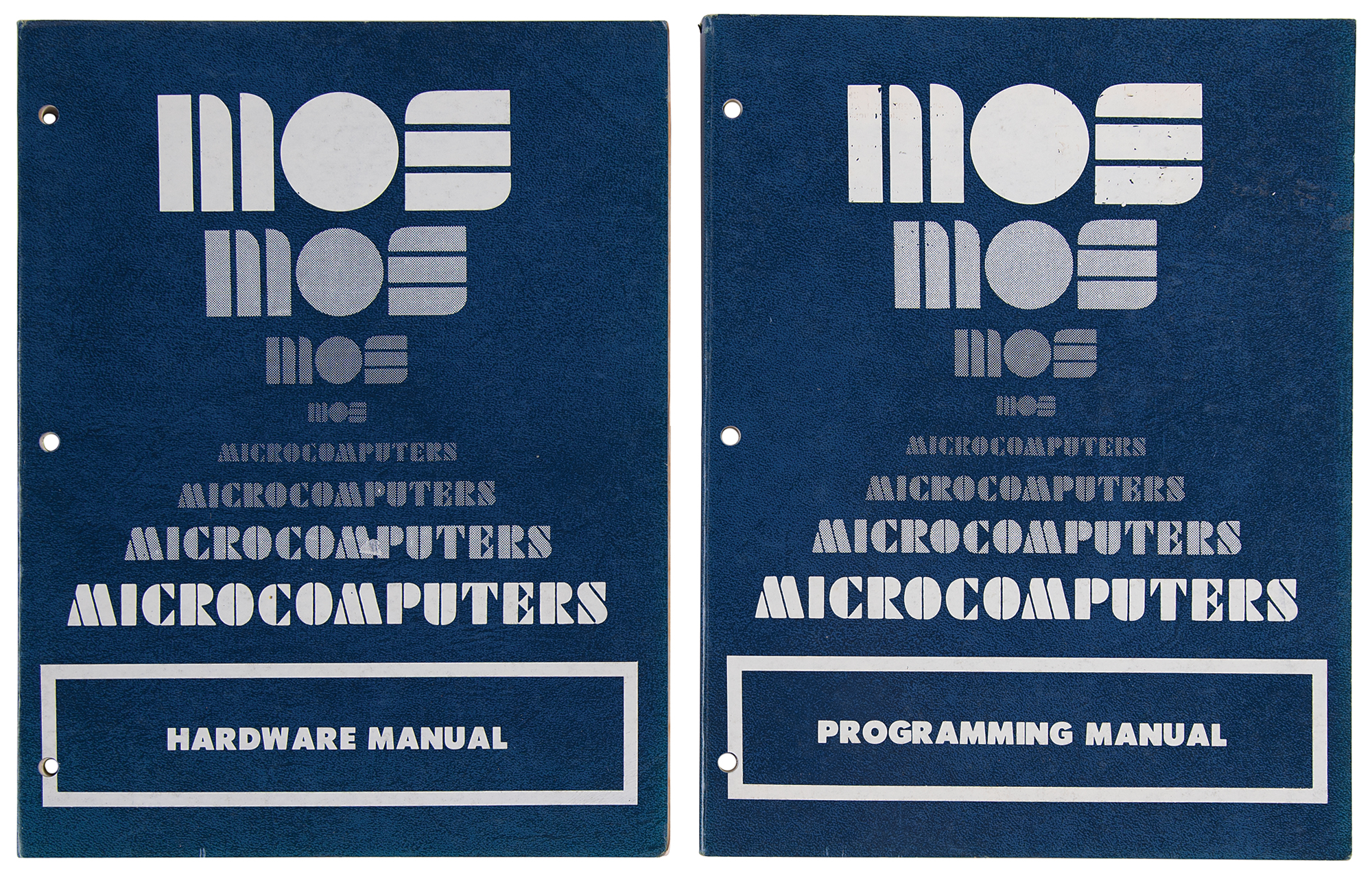
Extremely rare early white ceramic MCS6501 microprocessor by MOS, with a "5075" date code, indicating that it was produced in December 1975. Housed in its original clear plastic case. Includes the original first edition MOS Microcomputers "Hardware Manual" and "Programming Manual," both published in 1975. In fine condition.
Accompanied by a provenance email from Chuck Peddle, the designer of the MOS6501 and MOS6502, in January 2007 to Commodore.ca and Dan Nelson stating the MOS6501 was an 'in your face to Motorola' and indeed rare. A follow up article by Commodore.ca in March of 2007 detailed Chuck Peddle's comment and history of Dan Nelson's purchase.
The MCS6501 represents one of the most dramatic flashpoints in the early microprocessor industry. Designed by Chuck Peddle and his MOS Technology team after their departure from Motorola, the 6501 was deliberately made pin-compatible with Motorola’s 6800 processor—a direct challenge to the established semiconductor giant and a bold signal that MOS intended to undercut the prevailing market with a far less expensive alternative. Motorola quickly objected, and the resulting dispute forced MOS to withdraw the 6501 almost immediately, leaving the closely related 6502 to become the family’s breakthrough product.
Steve Wozniak built two Apple Computer-A prototypes using the MOS 6501 processor, writing his Integer BASIC and 'Woz Mon' software for them. Two events forced a sudden shift before launch: Motorola lawsuit and drop in price of the 6502. Because both chips shared an identical instruction set, Wozniak’s code required zero rewriting. The Apple-1 computer was originally designed to support both the 6501 and the 6502 (Steve Wozniak used early 6501/6502 samples when laying out the Apple-1 prototype).
Introduced at a famously low price, the 6502 helped democratize computing by making powerful microprocessors affordable for a new generation of engineers, hobbyists, and entrepreneurs. It would go on to power landmark machines including the Apple II, Commodore PET, Atari 2600, BBC Micro, and Nintendo Entertainment System, placing the 650x architecture at the heart of the microcomputer revolution. As a rare, surviving example of the withdrawn 6501—the chip that provoked Motorola and preceded the 6502’s extraordinary success—this specimen is an exceptional artifact from the moment personal computing began to move from corporate laboratories into homes, schools, and garages.

