The 30 Minute Rule begins June 10 at 7:00 PM EDT. An Initial Bid Must Be Placed By June 10 at 6:00 PM EDT To Participate After 6:00 PM EDT
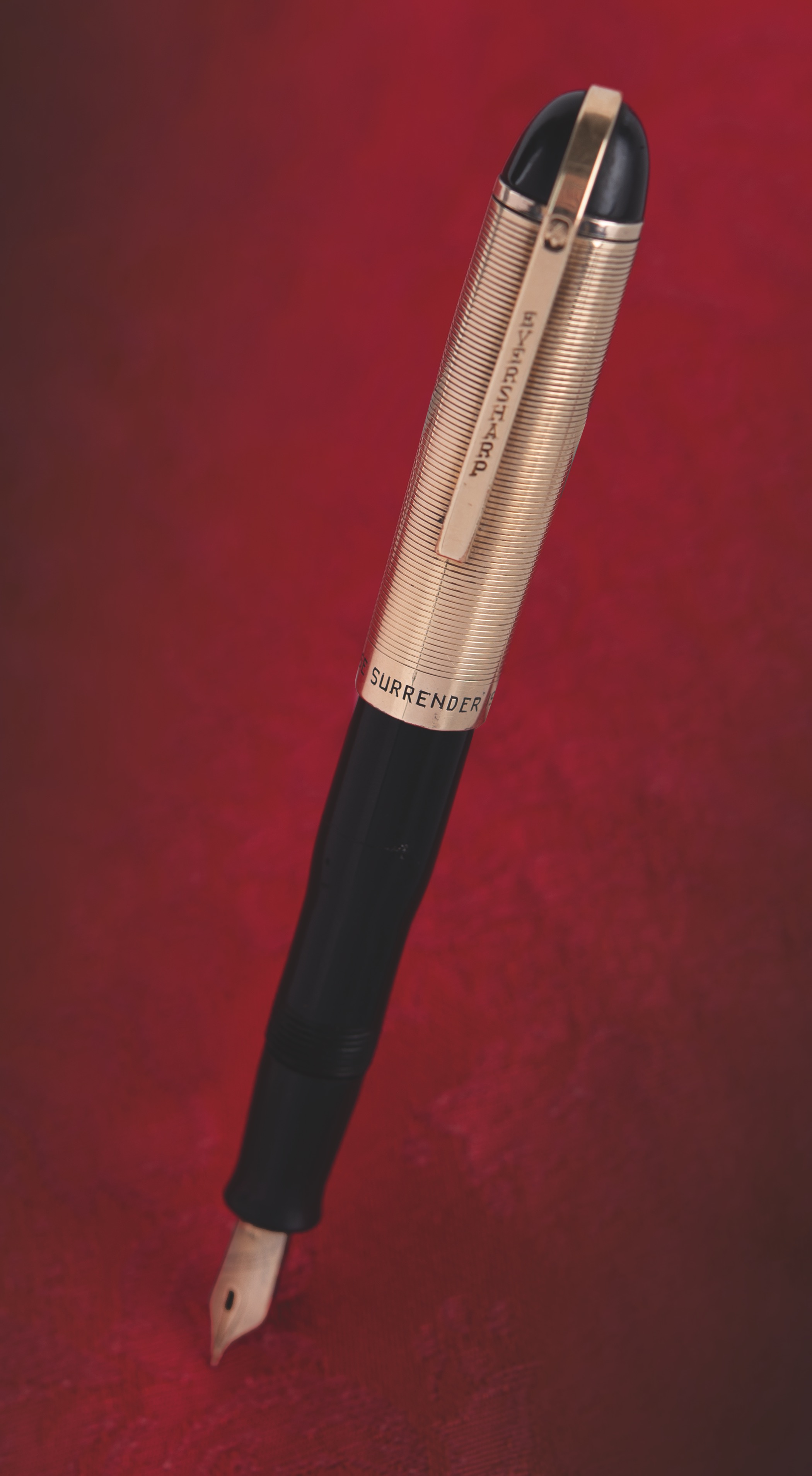
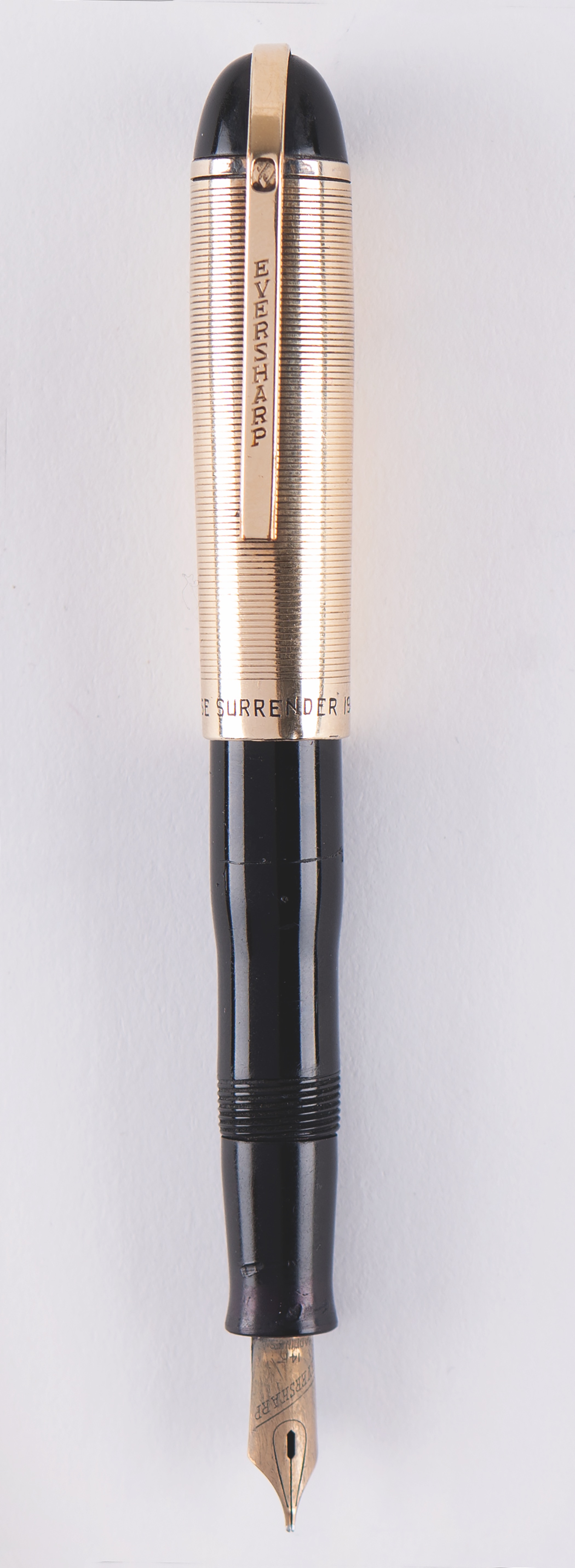
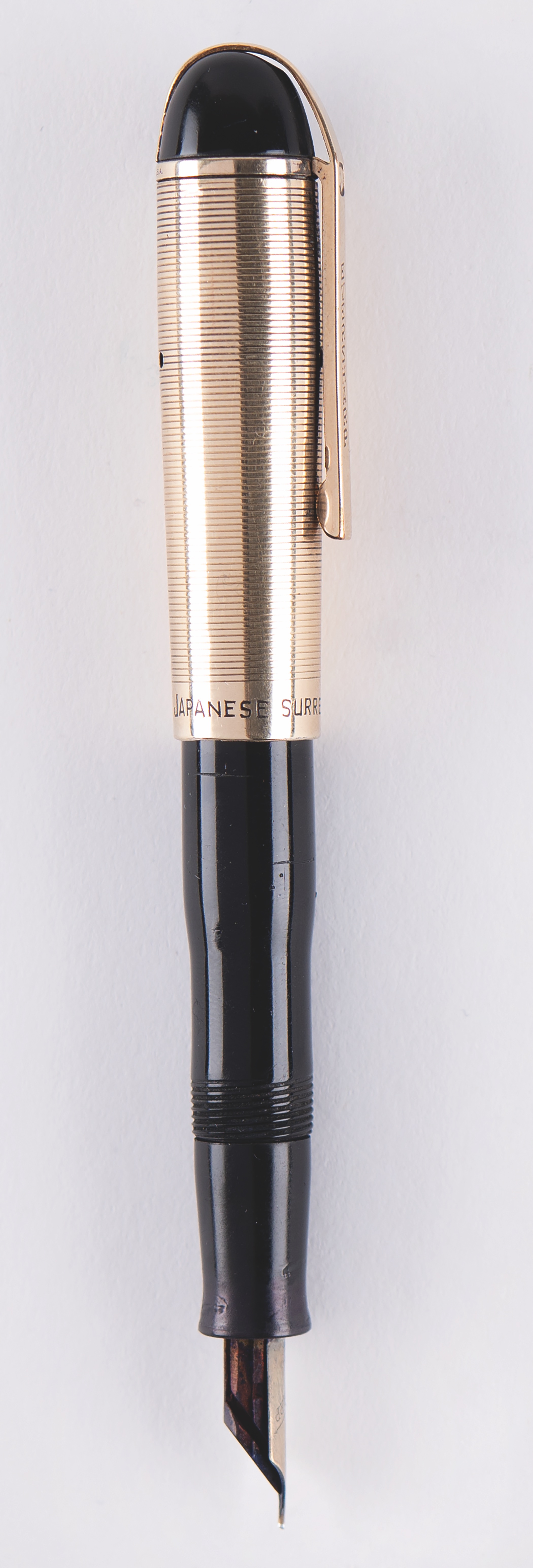
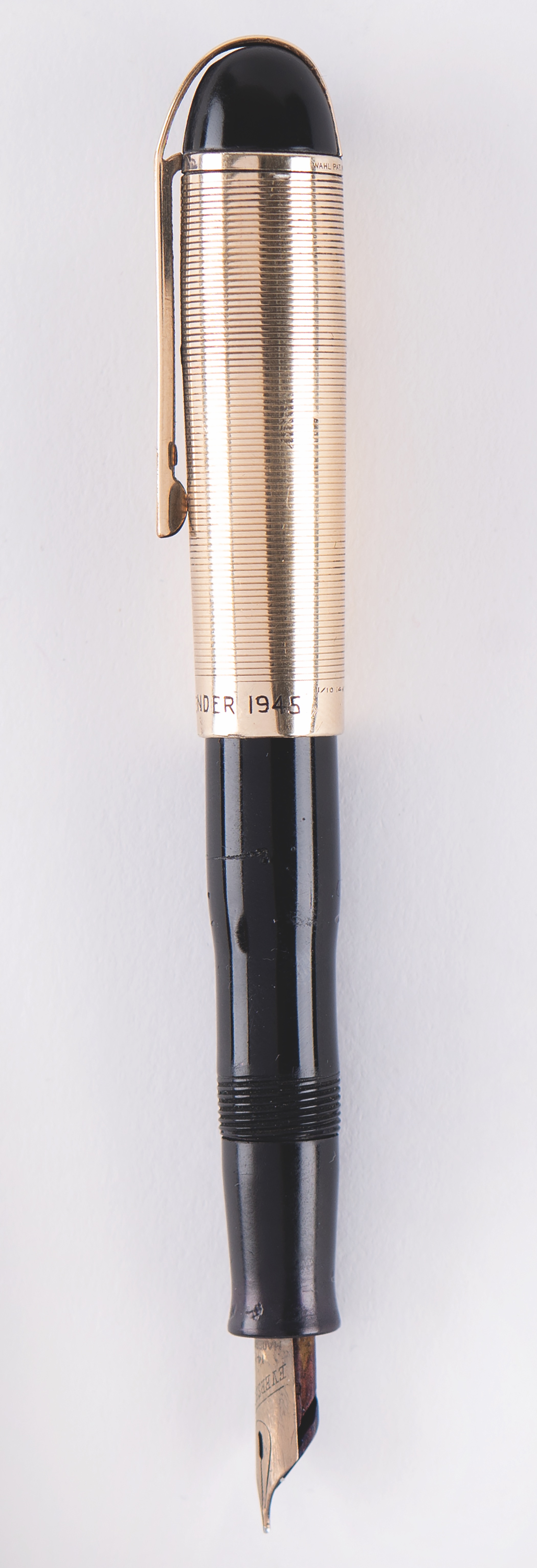
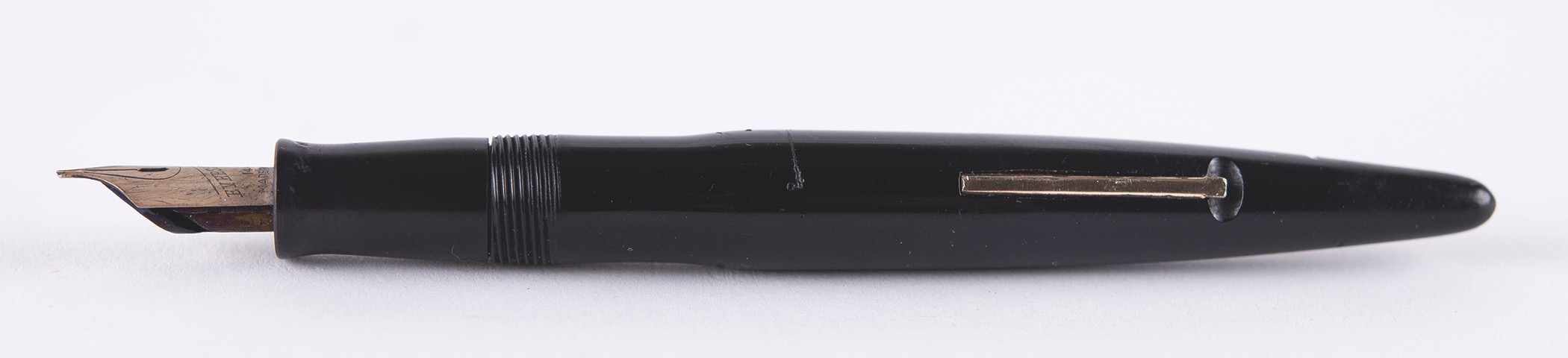
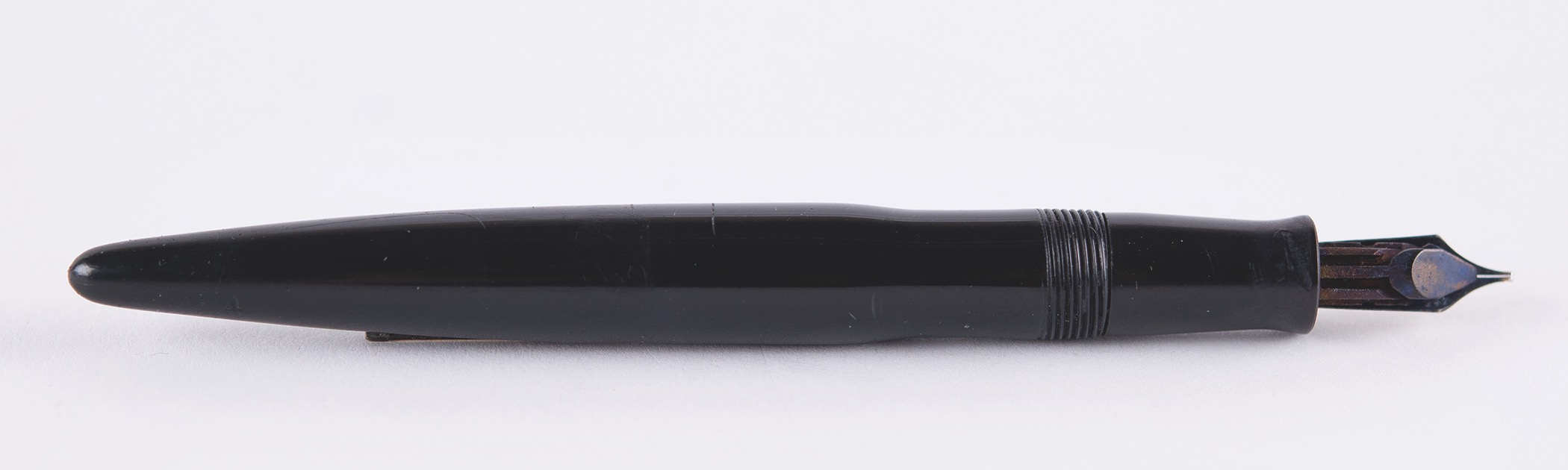
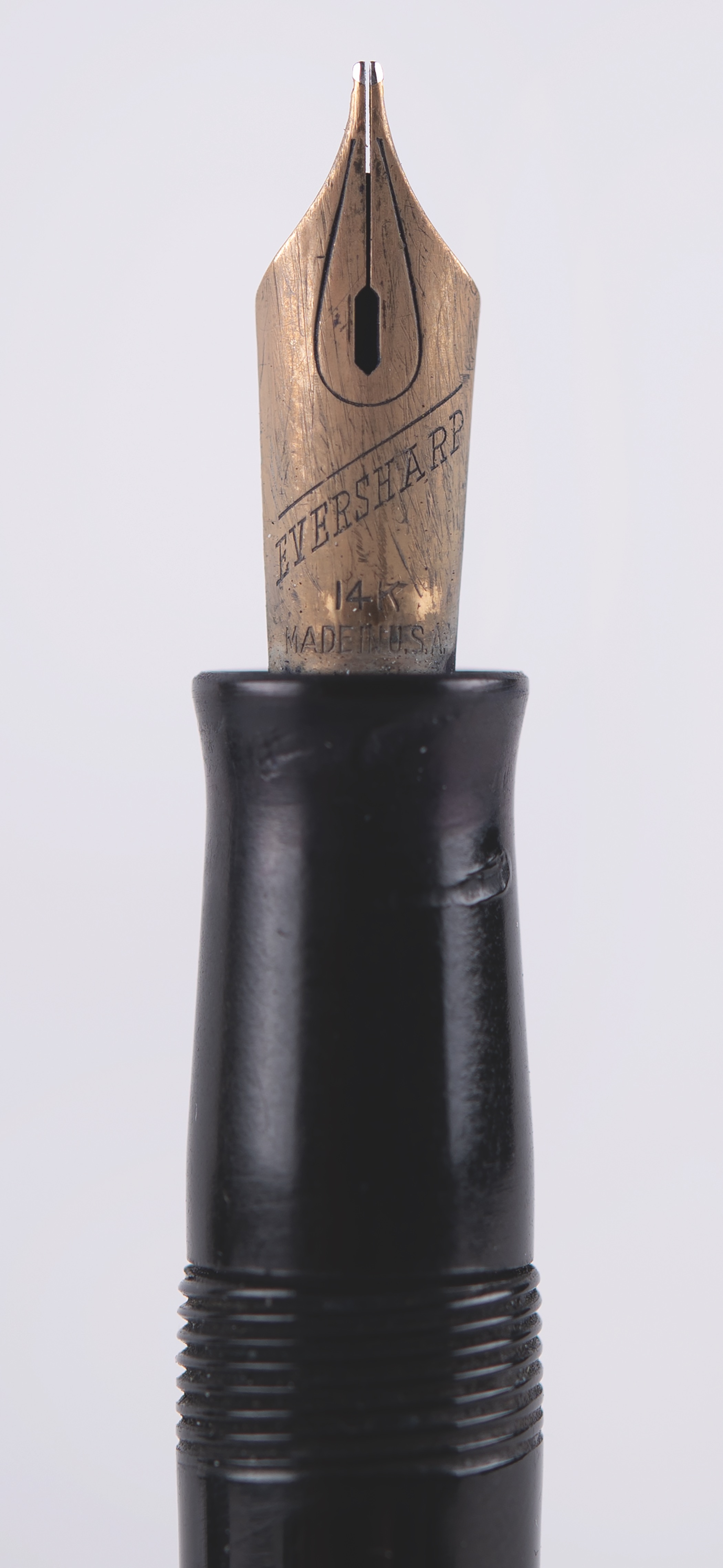
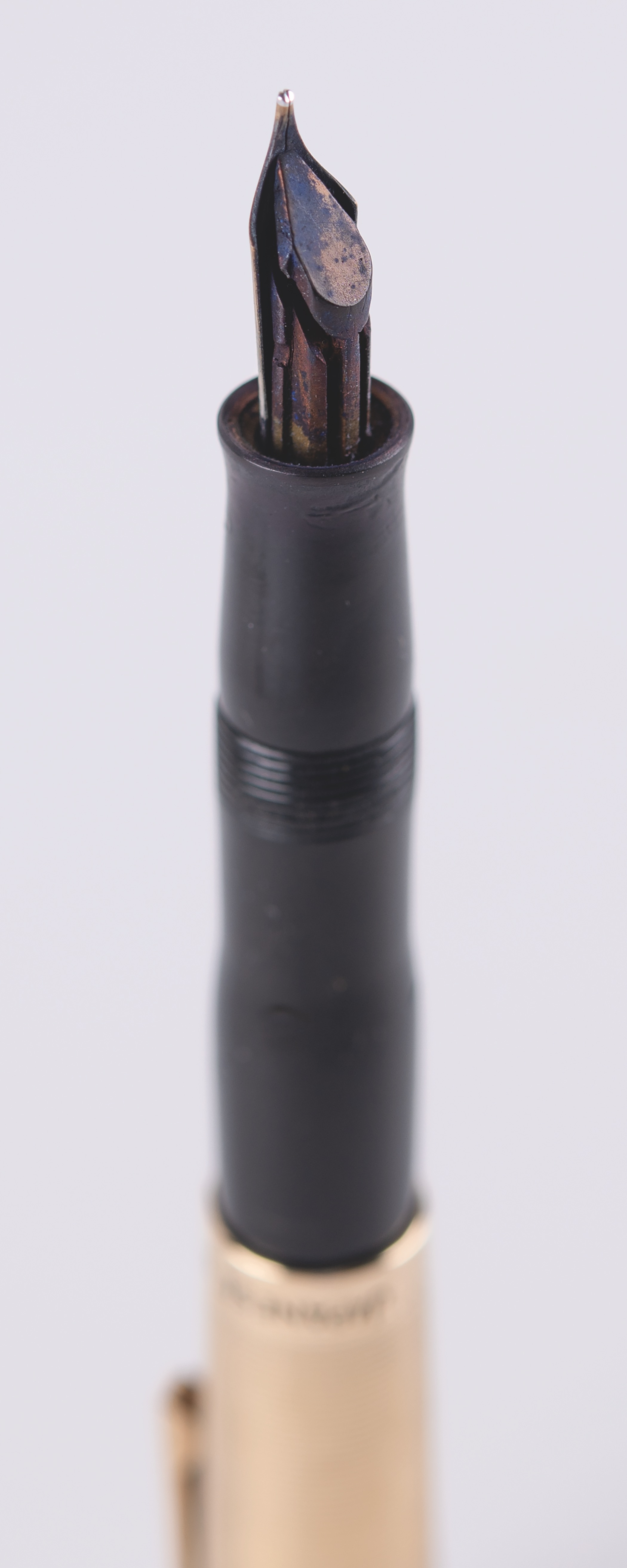
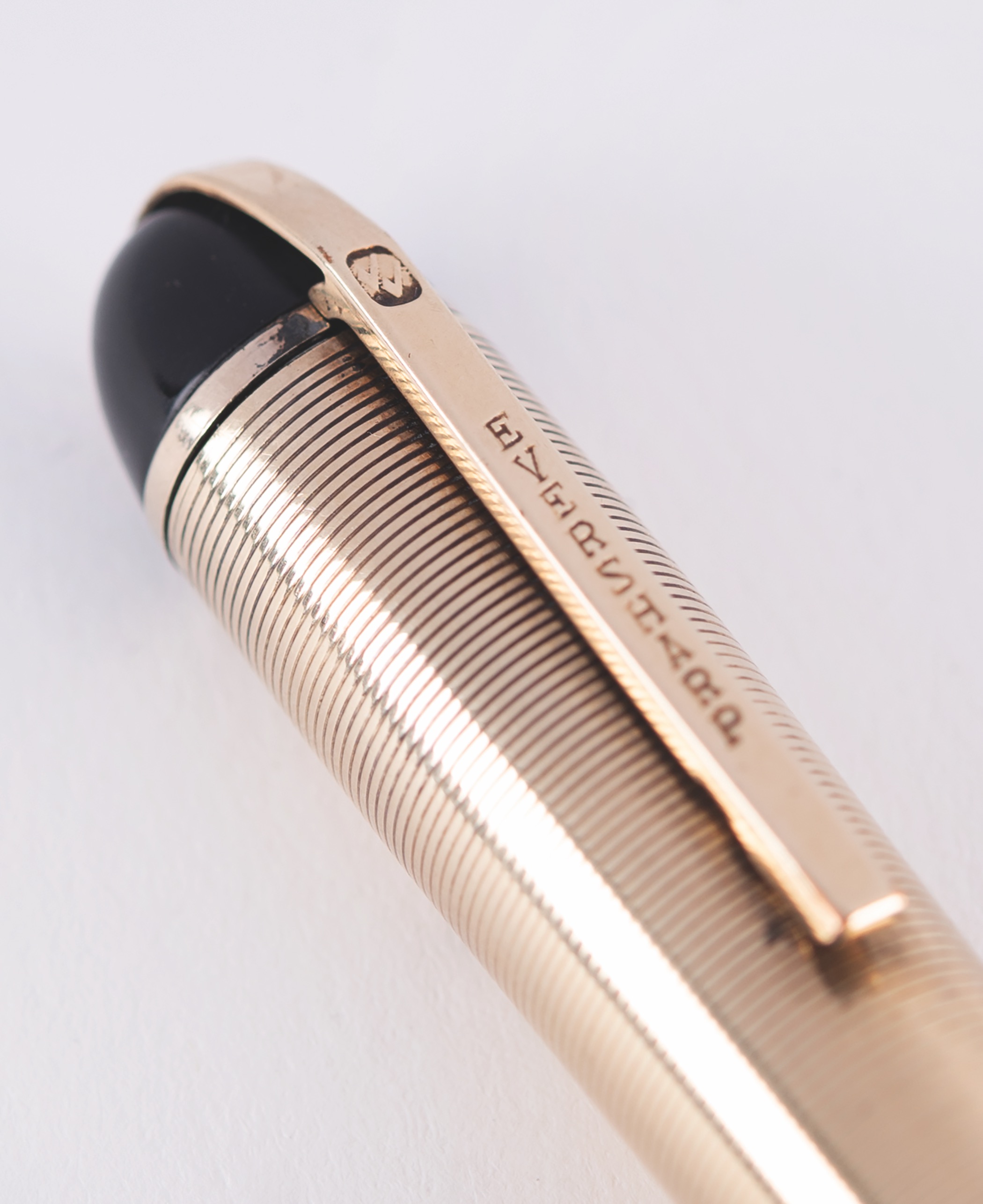
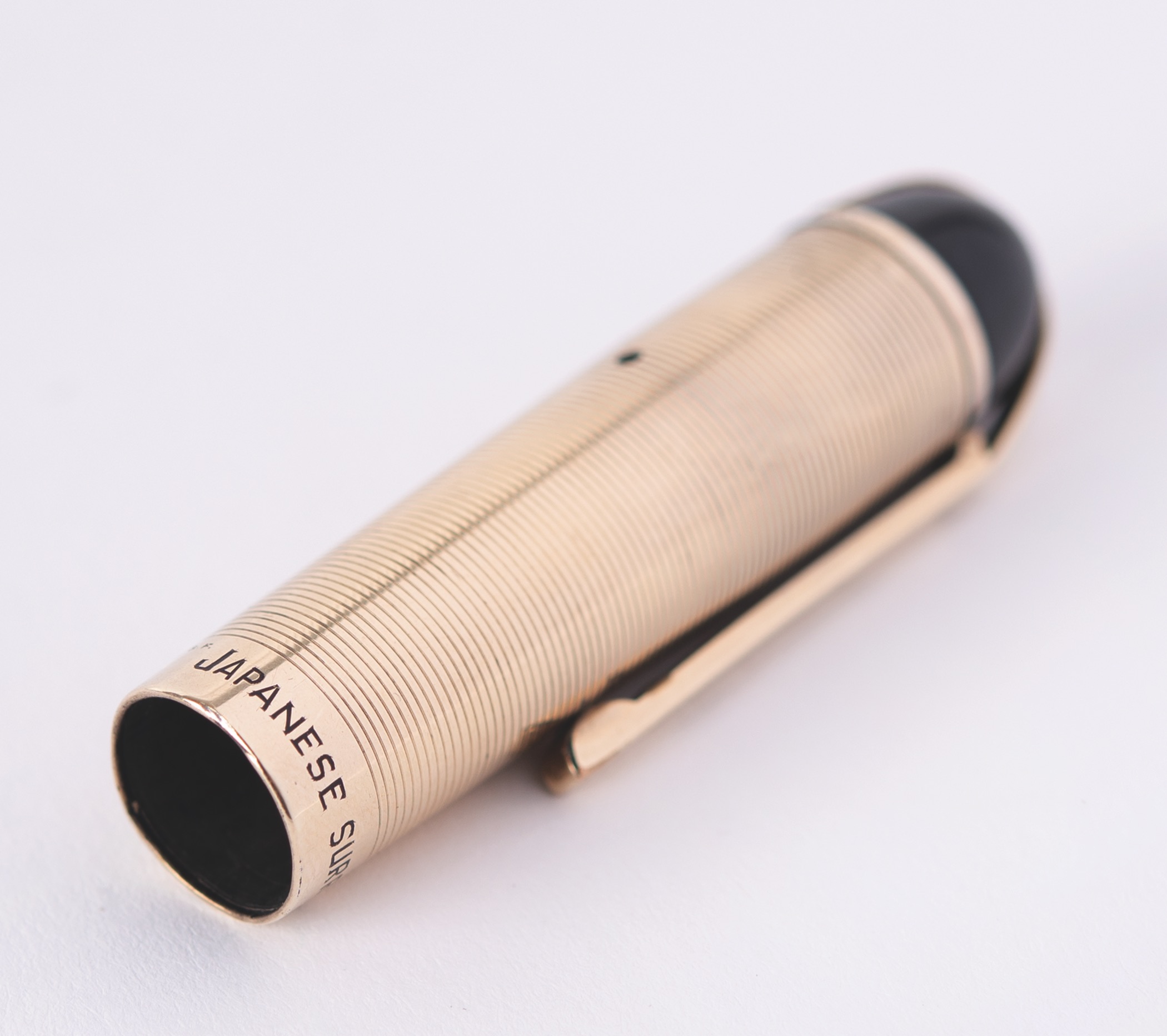
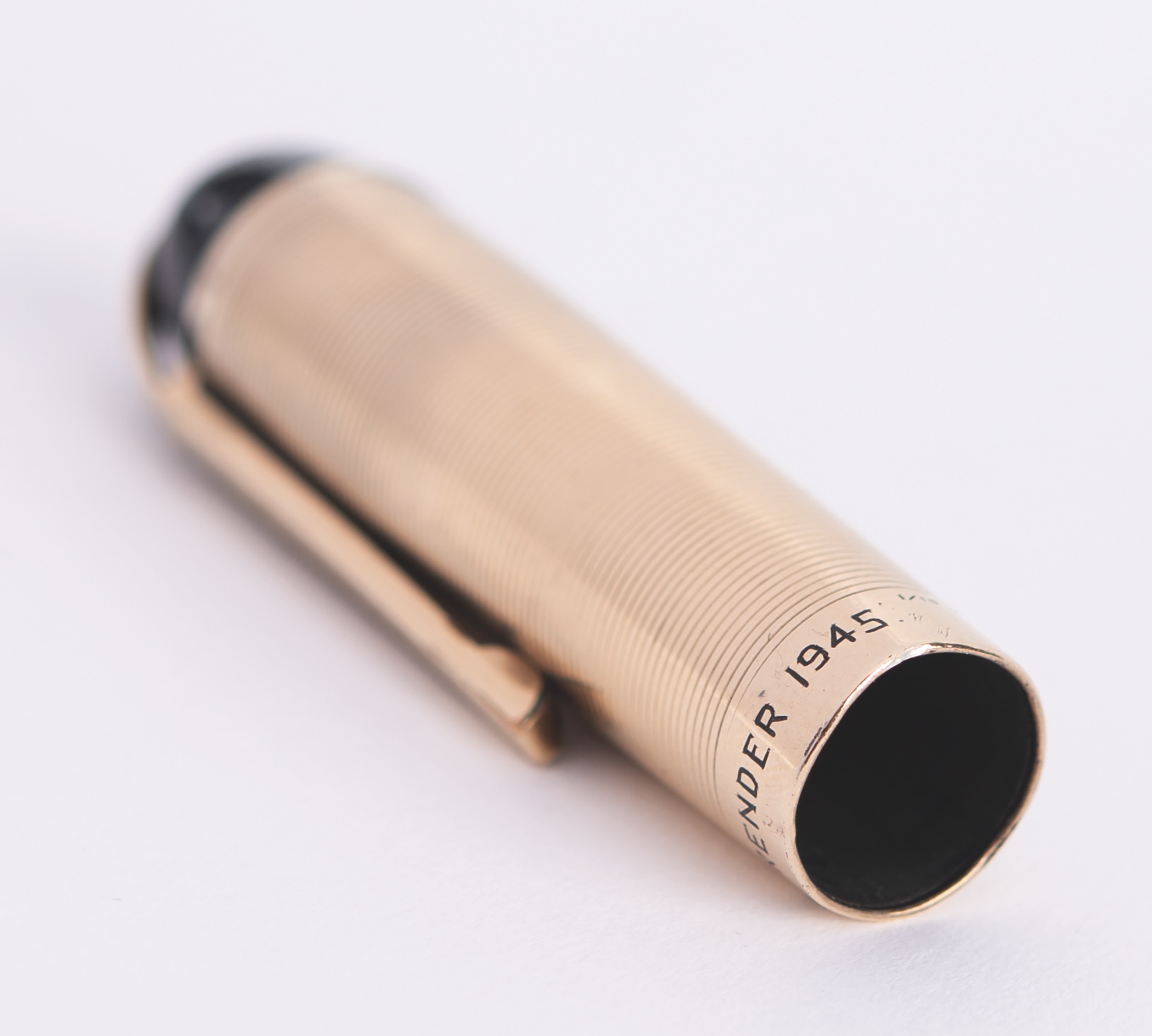
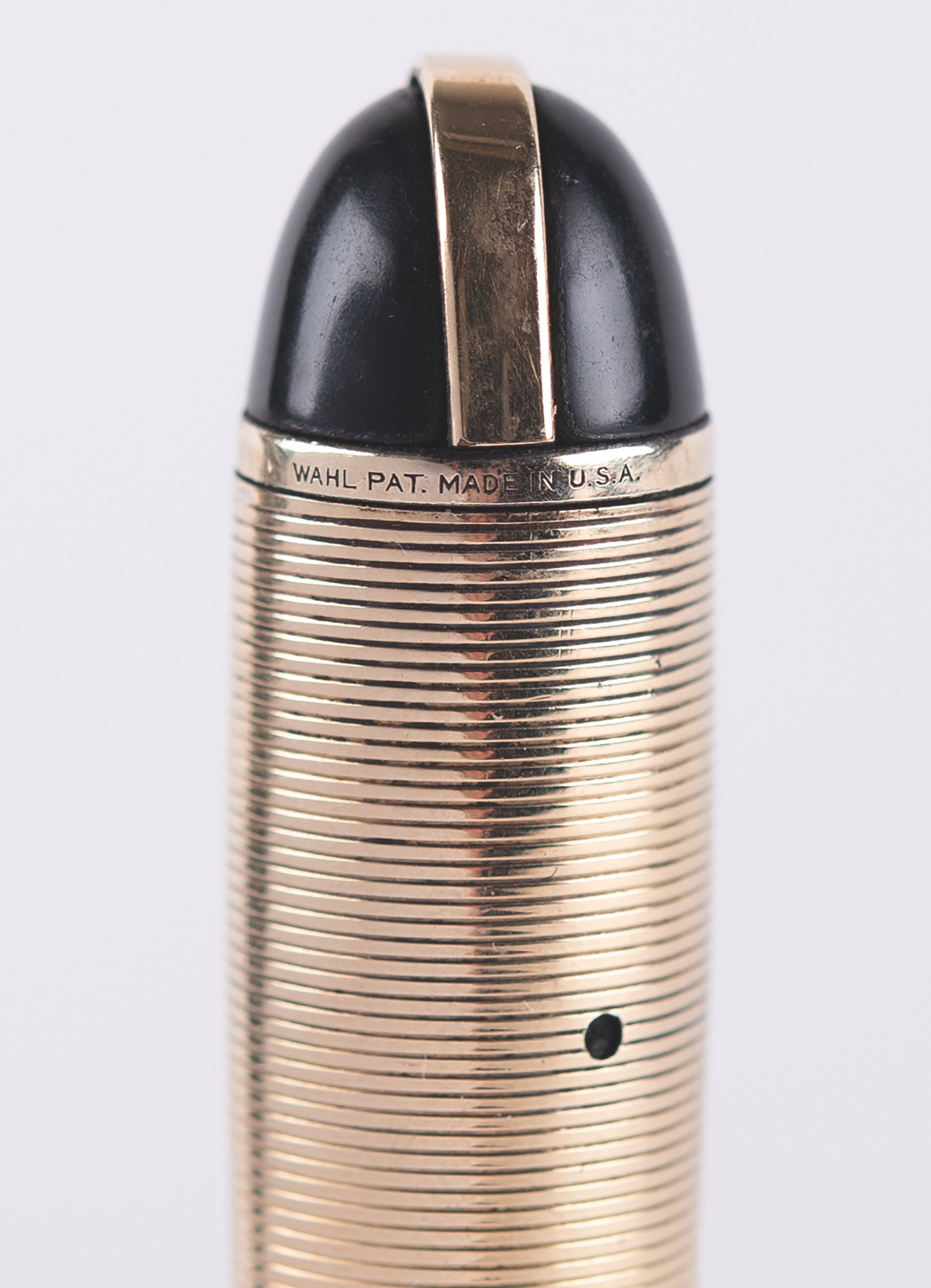
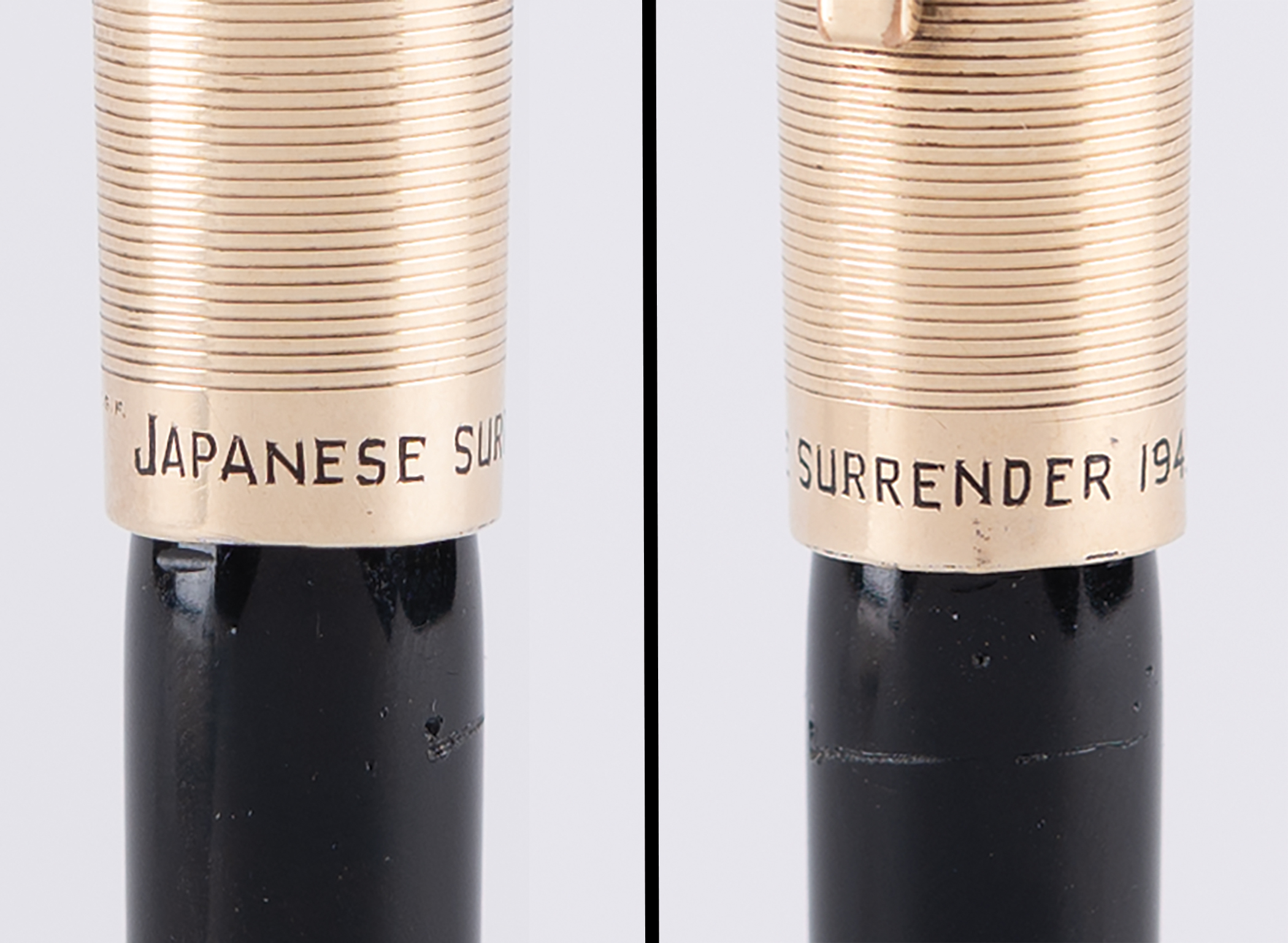
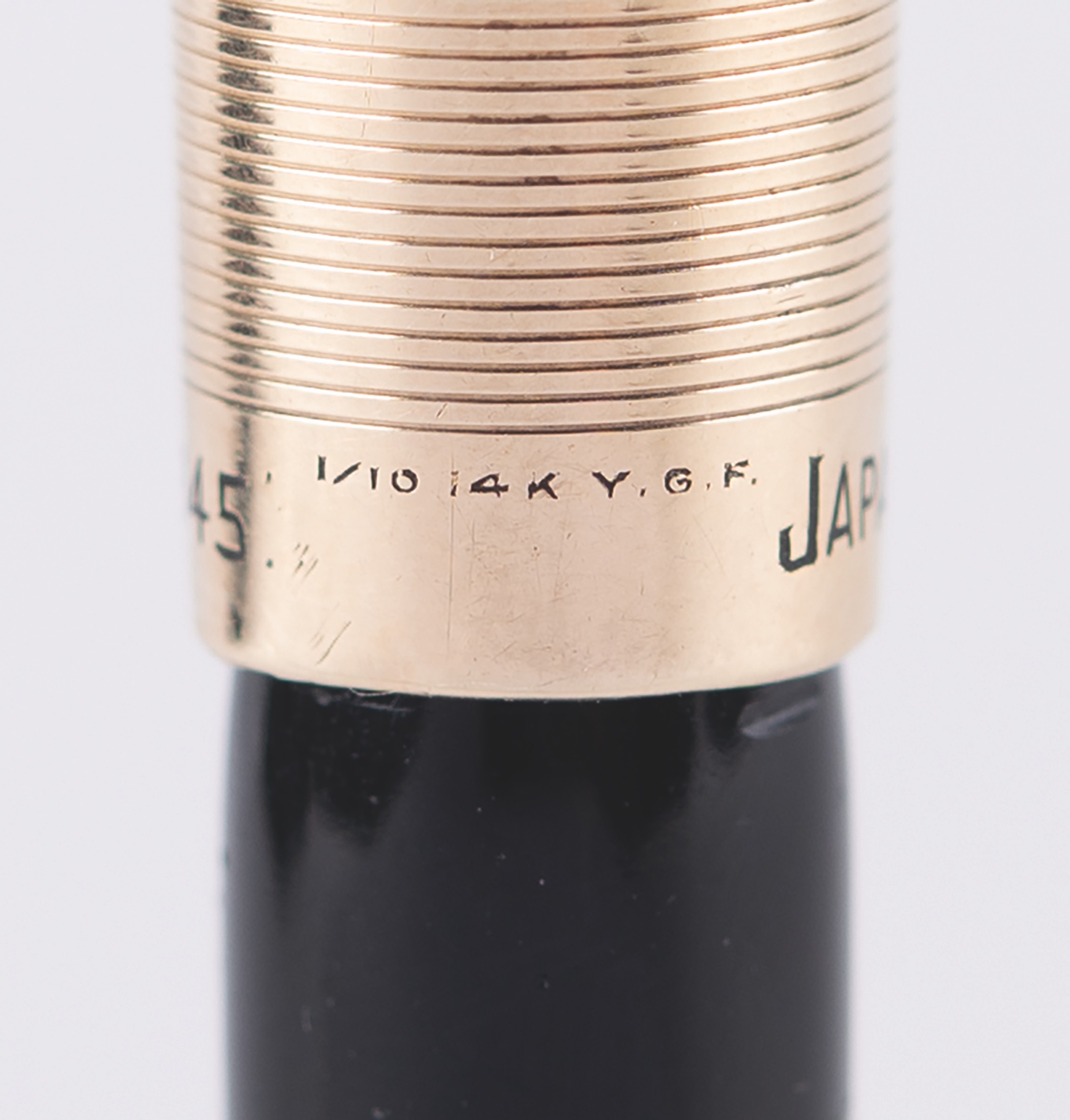
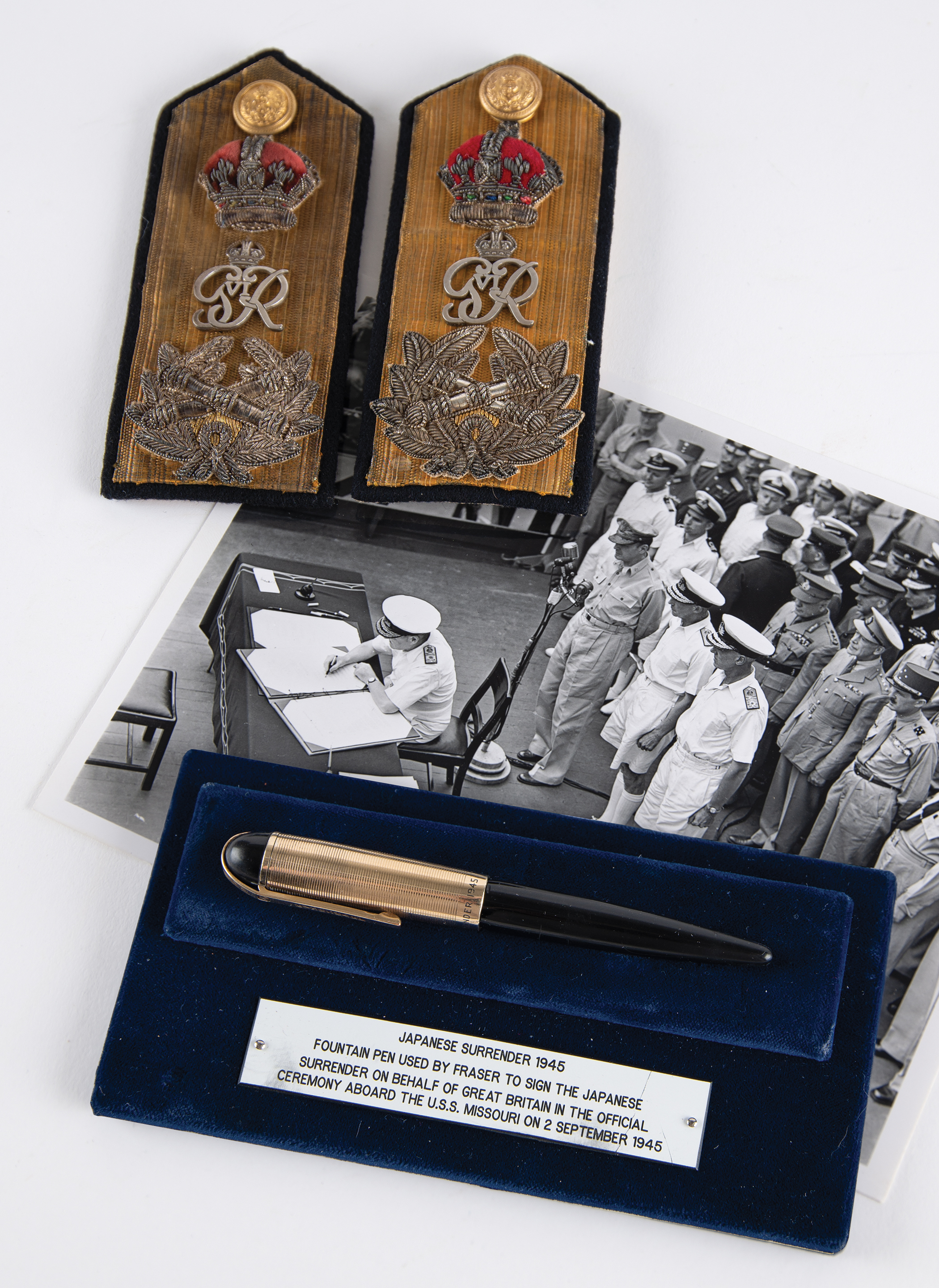
An extraordinary World War II surrender artifact: British Admiral Bruce Fraser’s personally-owned black Eversharp Skyline fountain pen, featuring a dark barrel and 14K gold-filled radial-pattern cap and 14K nib, the screw-cap engraved, “Japanese Surrender 1945.” Fraser used this pen, on behalf of His Majesty King George VI and the United Kingdom, to sign the Japanese Instrument of Surrender aboard the USS Missouri in Tokyo Bay on September 2, 1945.
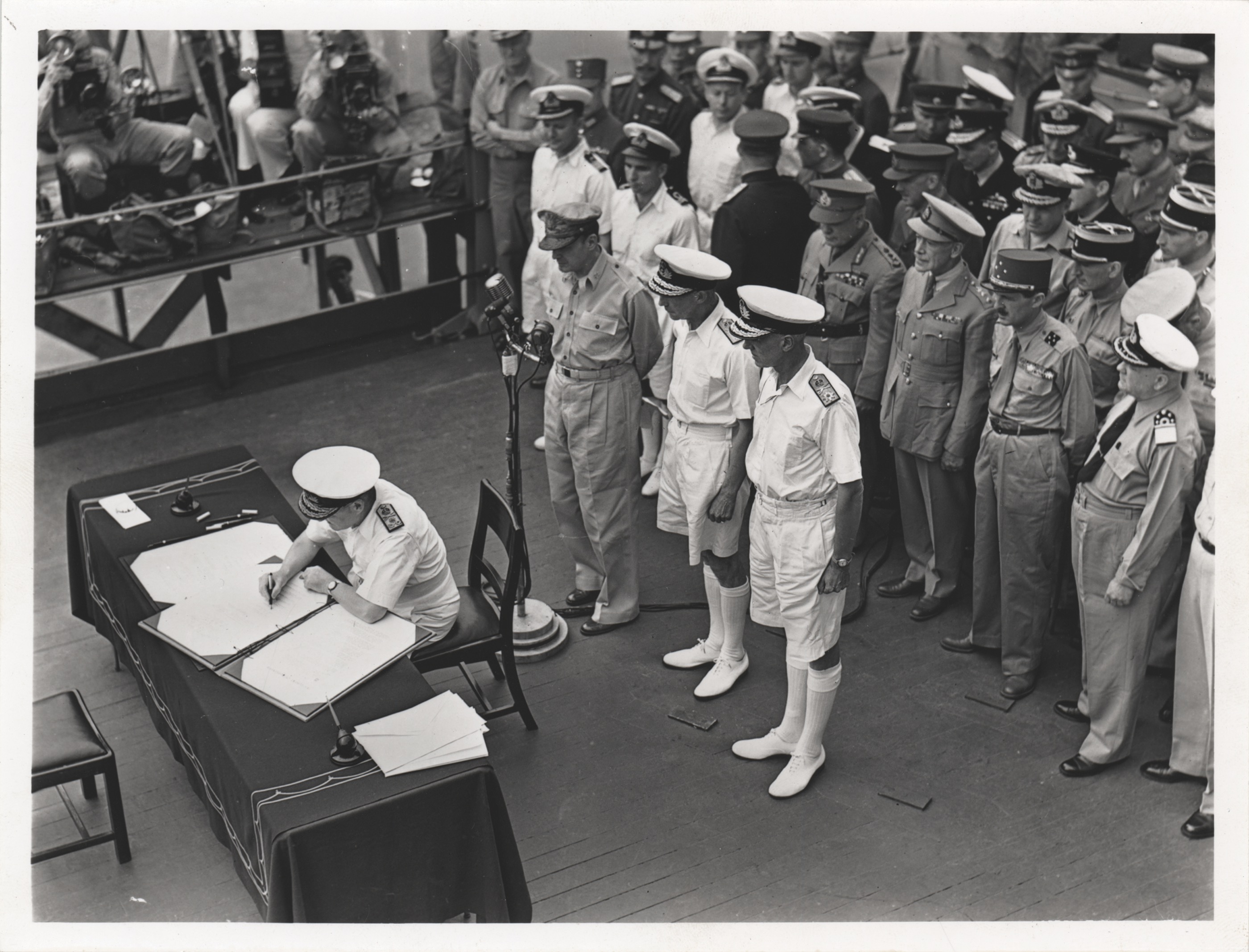
Fraser was one of the Allied representatives assembled on the Missouri’s deck for the formal surrender of Japan. A towering naval figure, he had served as Commander-in-Chief, Home Fleet, during the destruction of the German battleship Scharnhorst at the Battle of the North Cape in 1943, commanded the British Pacific Fleet from 1944 to 1946, and later served as First Sea Lord. At the surrender ceremony, he signed for Great Britain after General Douglas MacArthur, Admiral Chester W. Nimitz, and General Hsu Yung-chang of China, flanked by Vice-Admiral Sir Bernard Rawlings and Rear Admiral Sir Patrick Brind.
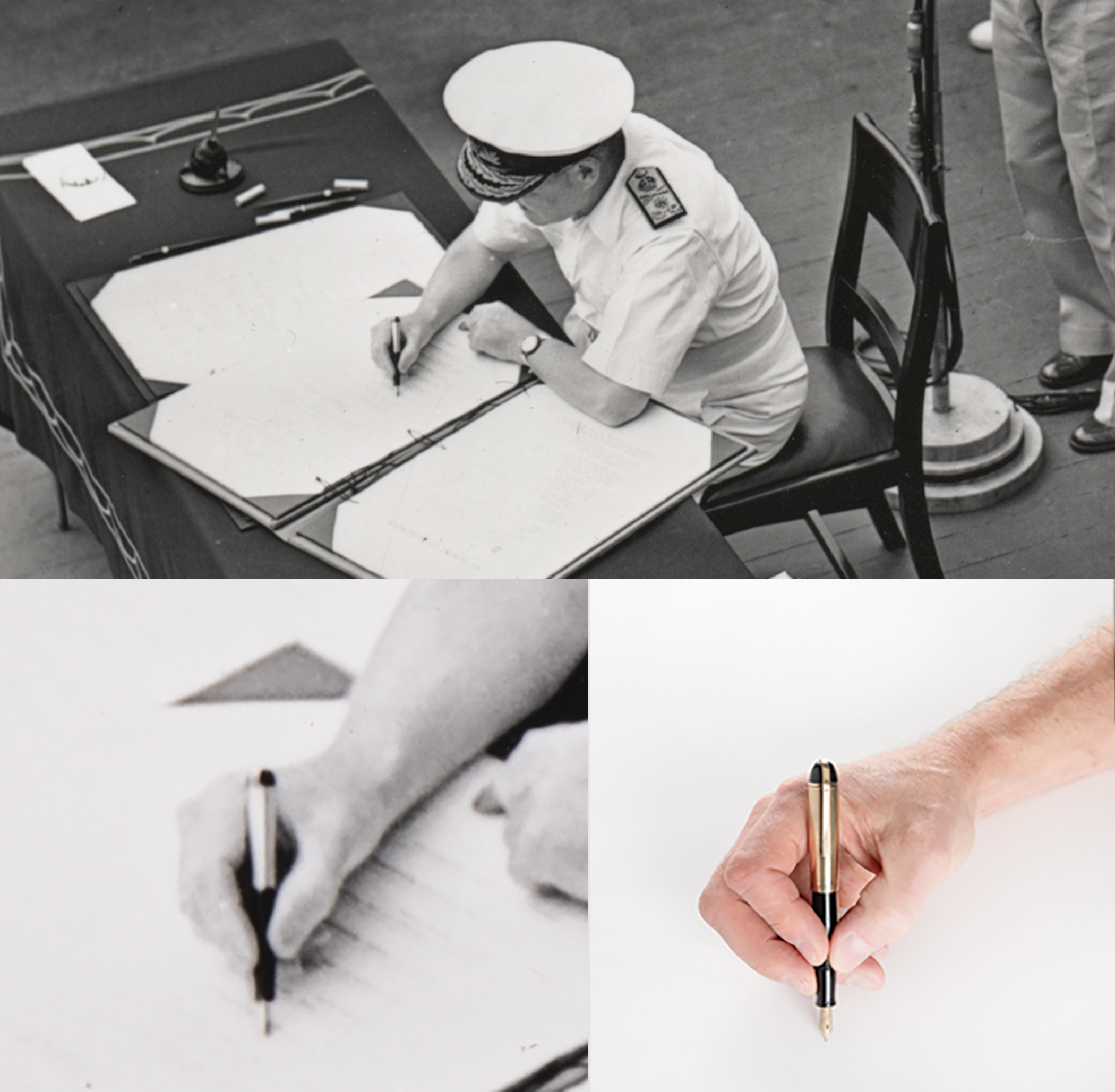
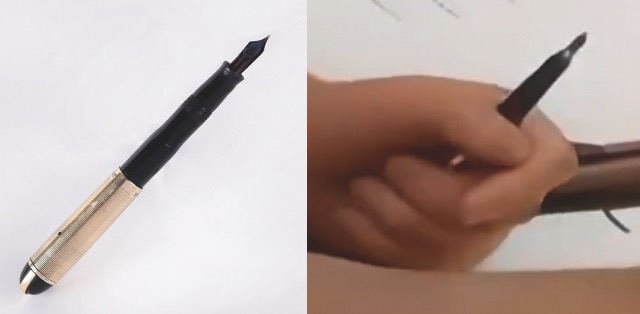
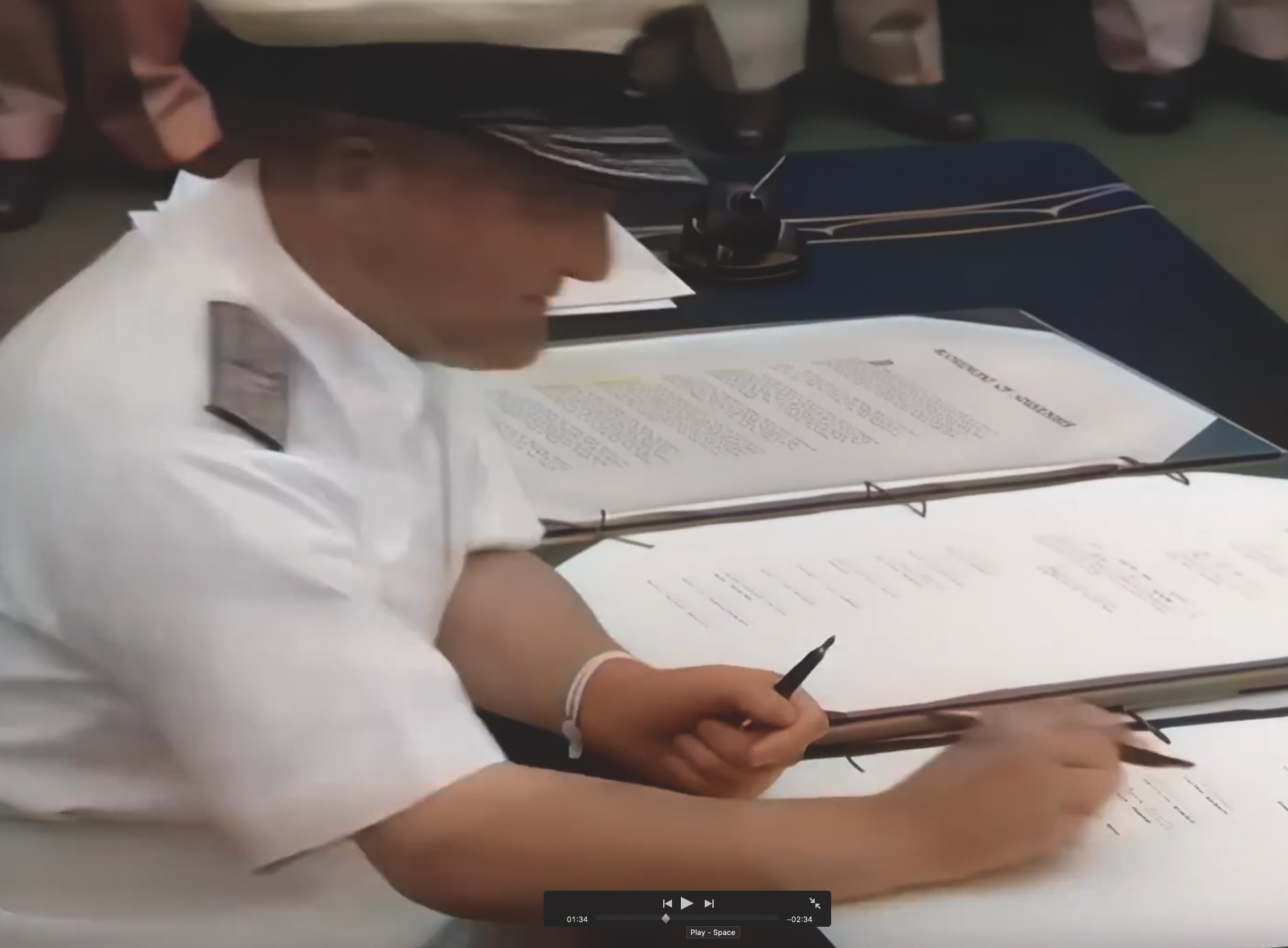
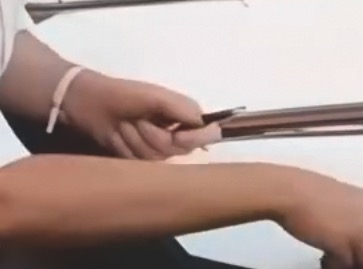
The contemporary film record provides unusually strong visual evidence for the pen’s use. After Nimitz signs for the United States, the camera shows three American desk pens still lying on the table. When the film cuts to Fraser seated at the surrender table, he is already uncapping a fountain pen of his own—while those desk pens remain untouched. The pen in his hand, with its dark barrel and gold-filled radial-pattern cap, photo-matches the present Eversharp Skyline. Fraser then signs the first copy of the Instrument of Surrender—the official Allied copy—with this personal pen.
The sequence is critical. Only after completing his first signature with the Eversharp does Fraser reach for the American desk pens: he examines one, sets it down, then uses a second Waterman to sign the Japanese copy of the surrender document, all while retaining his own Eversharp in his left hand. When Fraser rose and, in imitation of MacArthur’s presentation of pens to Wainwright and Percival, handed pens to his own witnesses, the gesture prompted General Jimmy Doolittle’s dry aside: 'I see the British are still lend-leasing our equipment.' The quip referred to the American table pen, which MacArthur’s aides quickly retrieved; Fraser’s own Eversharp remained his personal property and returned home with him.
This footage resolves an important point of provenance: the pen was not merely one of the table pens available for general use, but Fraser’s own fountain pen, brought by him to the ceremony and used for Great Britain’s signature on the Allied record copy of the Japanese surrender. The surrender table was evidently supplied with multiple writing options—desk pens, inkwell pens, and personal pens—rather than a single uniform set of 'surrender pens.' Fraser’s deliberate use of his own Eversharp places this object at the center of Britain’s formal assent to the final act of World War II.
The pen’s identity is further anchored by its immediate post-surrender history. Three days after the ceremony, on September 5, 1945, Fraser used the Eversharp to write a personal letter to Winston Churchill, who had recently left office after the July 1945 general election. Churchill replied by secret coded signal, thanking Fraser for the letter written 'with the pen of the unconditional surrender of JAPAN,' adding that Fraser’s wartime service had always commanded his 'highest respect and admiration.' The letter was carried within a commemorative envelope from the surrender ceremony, postmarked onboard the USS Missouri and HMS Duke of York, which today resides in the Churchill Archive.
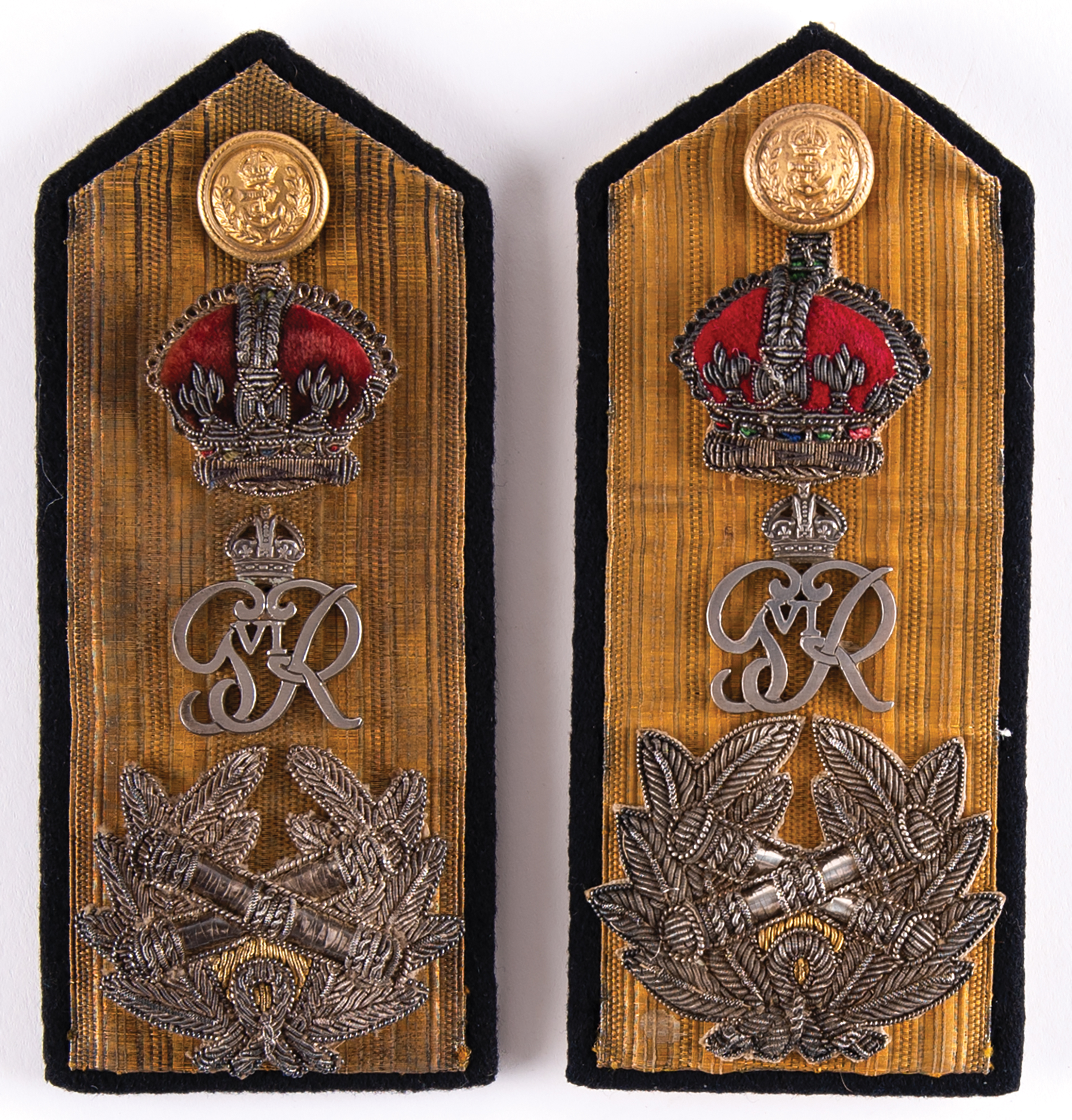
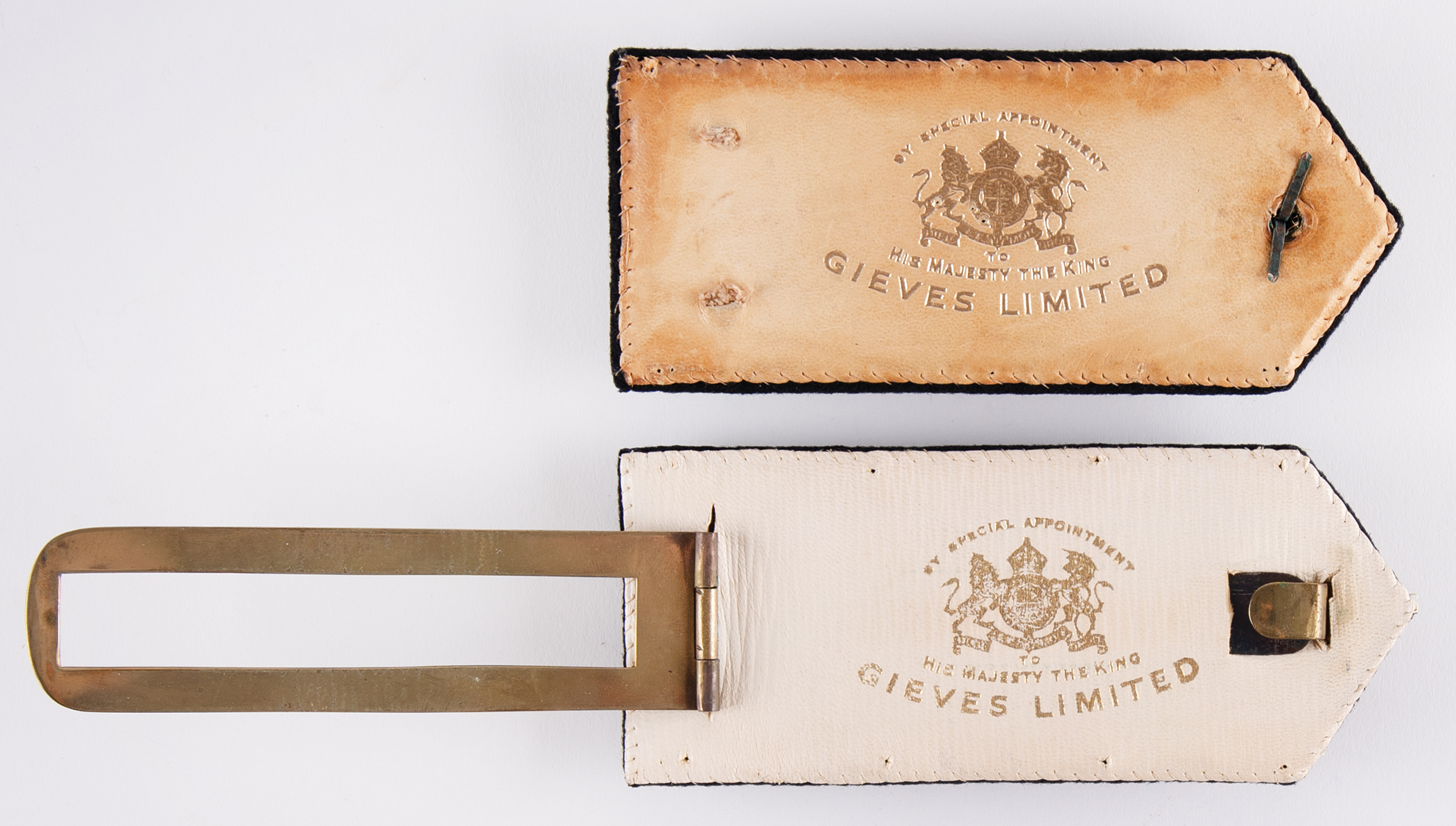
Also includes Fraser's later pair of Admiral of the Fleet epaulettes, by Gieves of London, including ‘G.VI.R.’ A.D.C. badges, one with hinge-buckle device for wearing. Fraser was promoted to Admiral of the Fleet, the highest rank of the Royal Navy, on October 22, 1948, while serving as First Sea Lord and Chief of the Naval Staff. In that capacity, he assisted in the establishment of NATO.
Accompanied by a display stand for the pen, a glossy photograph of Fraser signing the Instrument of Surrender, and a hardcover first edition of his biography, Fraser of North Cape by Richard Humble, which mentions his retention of the pen and the letter he wrote to Churchill (pp. 279).
Provenance:
1. Admiral of the Fleet Baron Fraser of North Cape (1888–1981) — owned and used by him at the surrender
2. Spink, London, November 1998 — within a group of Fraser's military effects
3. Jason Pilalas — acquired at the Spink 1998 sale; held in his collection of Royal Navy material until his death
4. Noonans Mayfair, 11 March 2025 — Naval Medals from the Collection of the Late Jason Pilalas: Part II
5. Present consignor — acquired at the Noonans Part II sale, 11 March 2025

