The 30 Minute Rule begins May 21 at 7:00 PM EDT. An Initial Bid Must Be Placed By May 21 at 6:00 PM EDT To Participate After 6:00 PM EDT
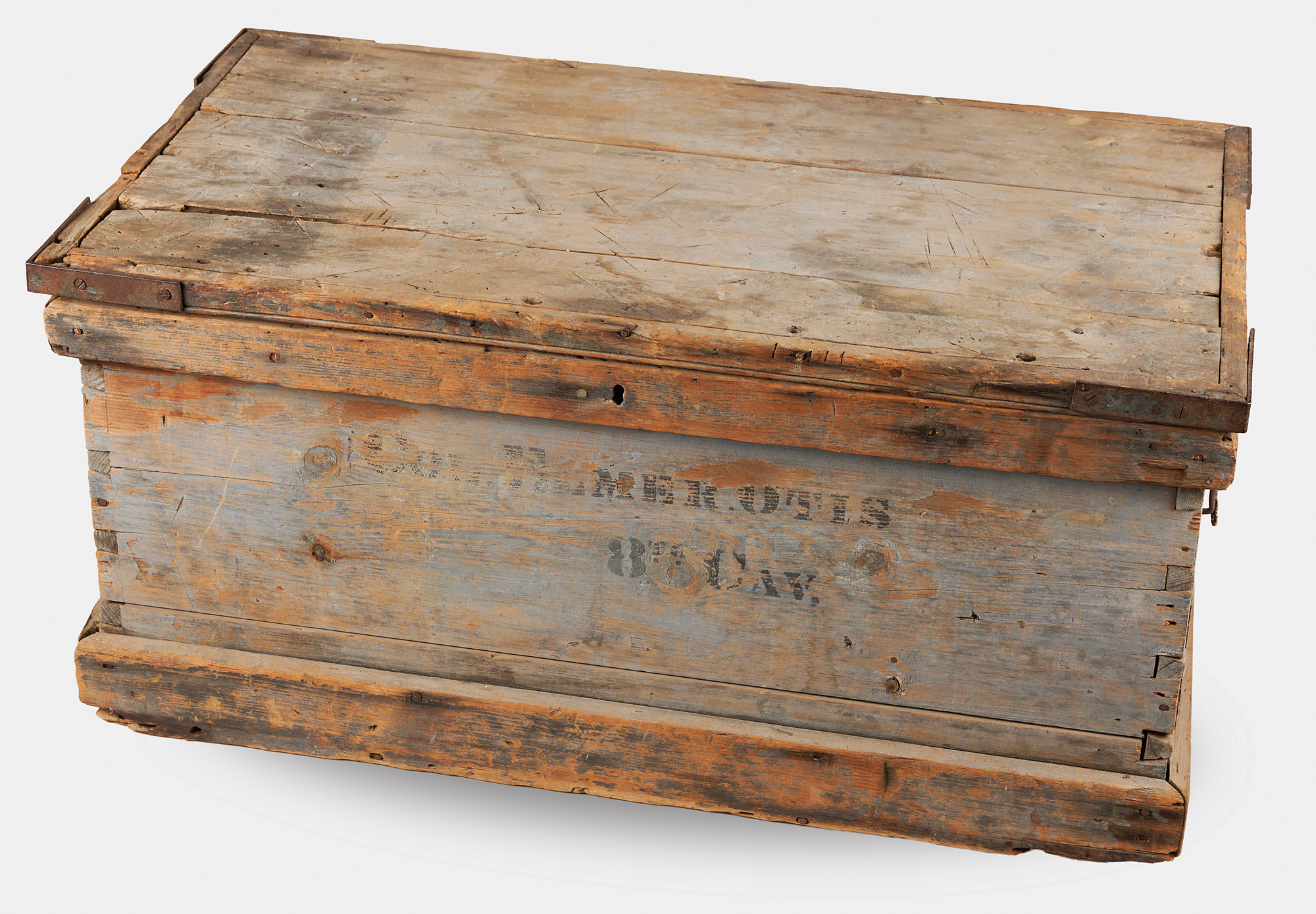
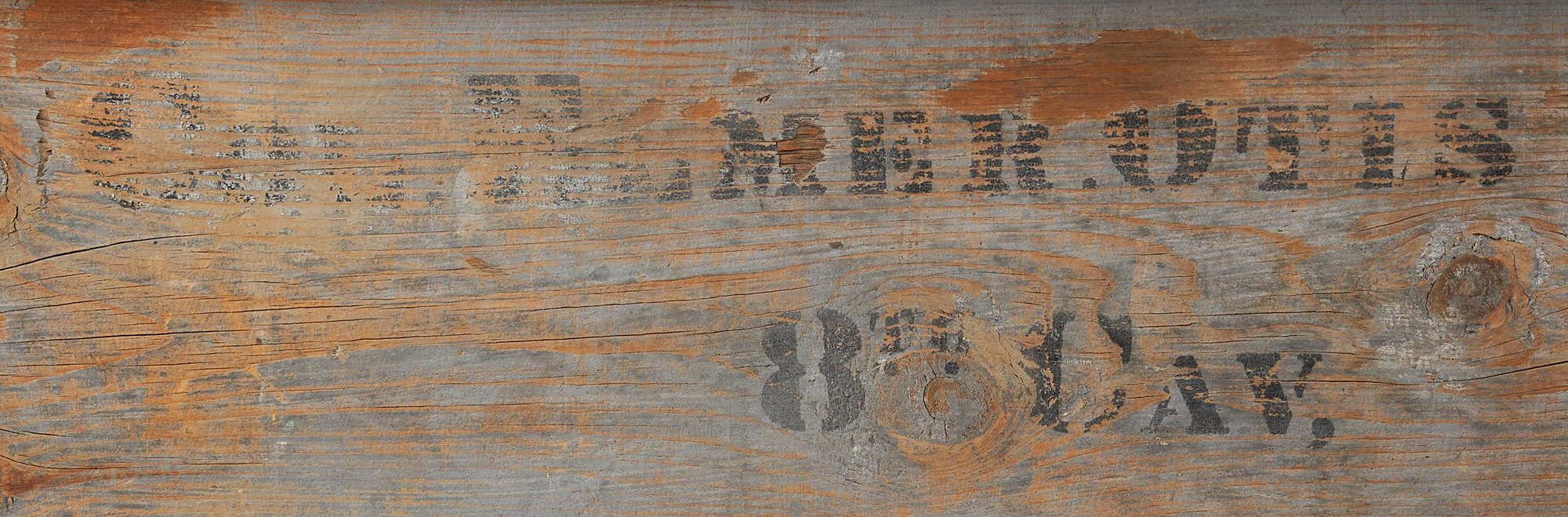
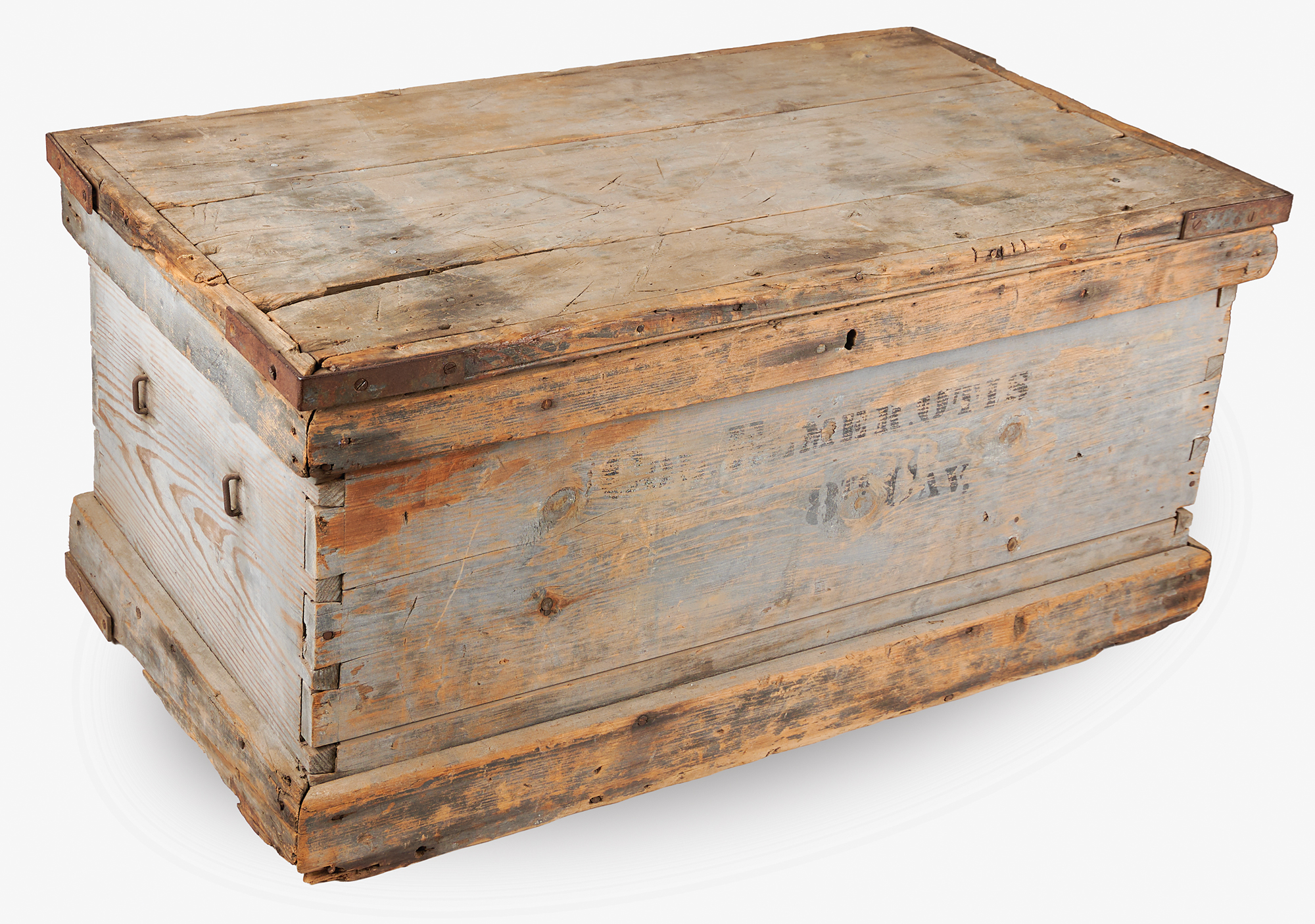
Large wooden storage trunk used by Colonel Elmer I. Otis between 1883 and 1889, while in command of the 8th Cavalry Regiment at Fort Meade, Dakota Territory, a key command center for the United States Army during the Indian Wars and westward expansion. The trunk, which bears traces of original bluish-gray paint, measures 37˝ x 18.5˝ x 20.5˝ and features faded stenciling on the front: “Col. Elmer Otis, 8th Cav.” This standard U.S. Army Indian Wars-period footlocker with dovetailed corner joints would have been invaluable to an officer like Otis, who was constantly on the move. This simple piece of soldier’s furniture followed him and his family from the northern plains to the southern frontier, serving as storage, luggage, and – given the sparse furnishings of frontier quarters – likely also as a table and, with ten children, even a makeshift crib.
Otis was promoted to colonel in April 1883 following years of frontier and Civil War service. Best known for securing the surrender of Modoc leader Captain Jack, he later took command of the 7th Cavalry after the Little Bighorn (1876), rebuilding the regiment in the face of opposition from Major Marcus A. Reno, his long-time rival. In 1880, Otis sat on the court-martial board that dismissed Reno and was among the officers who refused to support his appeal for clemency.
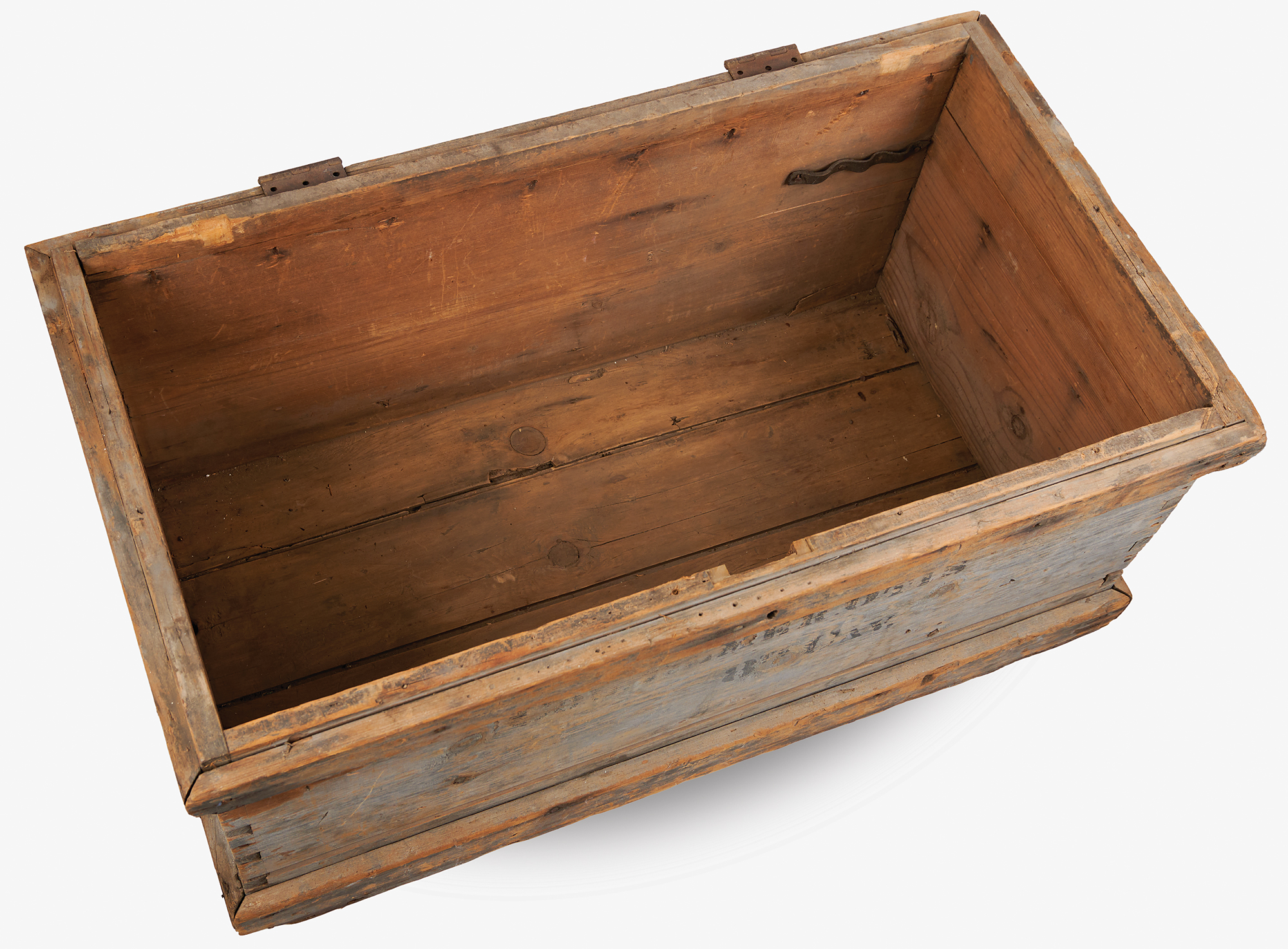
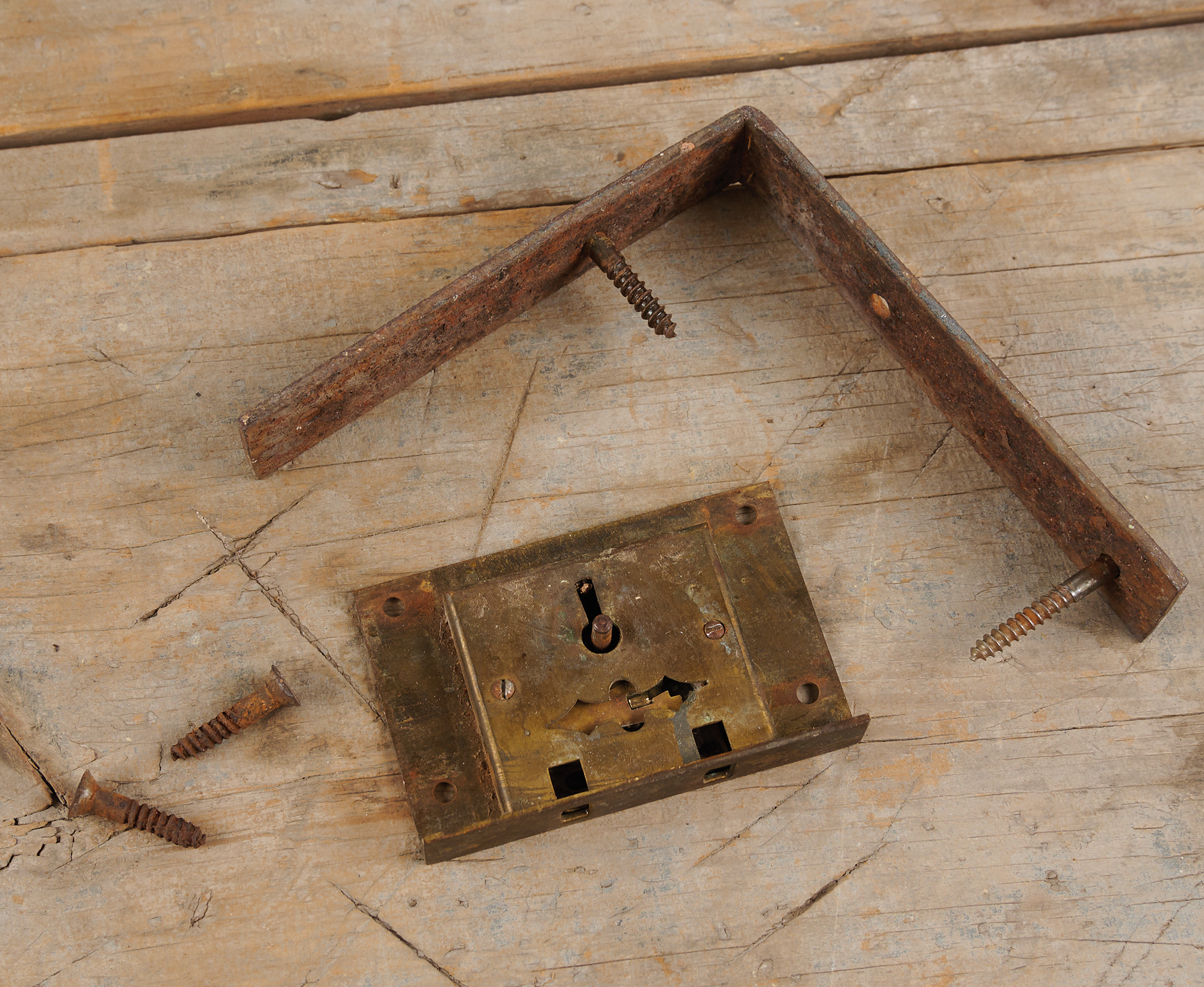
The trunk shows expected age and use but remains structurally sound, with solid wood throughout. Minor shrinkage has caused gaps in the lid, though the boards remain strong. The right leather handle is intact; the left is missing. Front bottom corner brackets are incomplete—one detached, one missing—and the interior locking mechanism is present but detached.
This historic officer's trunk was purchased from a farm family in N.W. Kansas, in late 2003, where it had served for the last 28 years, first as a child's toy chest and, most recently, as a storage bin for bird seed on the front porch of the farmhouse. The trunk was found in the attic when the resident first occupied the house in 1975. The house, which was built in the early 1920s, is located approximately 60 miles from Fort Riley, the famous U.S. Army Cavalry post. That the trunk came to rest in this area is not surprising, given that Otis's son-in-law was a cavalry officer who served into the 20th Century, and one of Otis's granddaughters also married a cavalry officer. Both officers would have been the most likely ones to have inherited the trunk. Accompanied by a three-ring binder that contains ample research on Otis's military career, and two signed letters of provenance.
The Western Americana auction of Jochen Zeitz.

