The 30 Minute Rule begins July 15 at 7:00 PM EDT. An Initial Bid Must Be Placed By July 15 at 6:00 PM EDT To Participate After 6:00 PM EDT
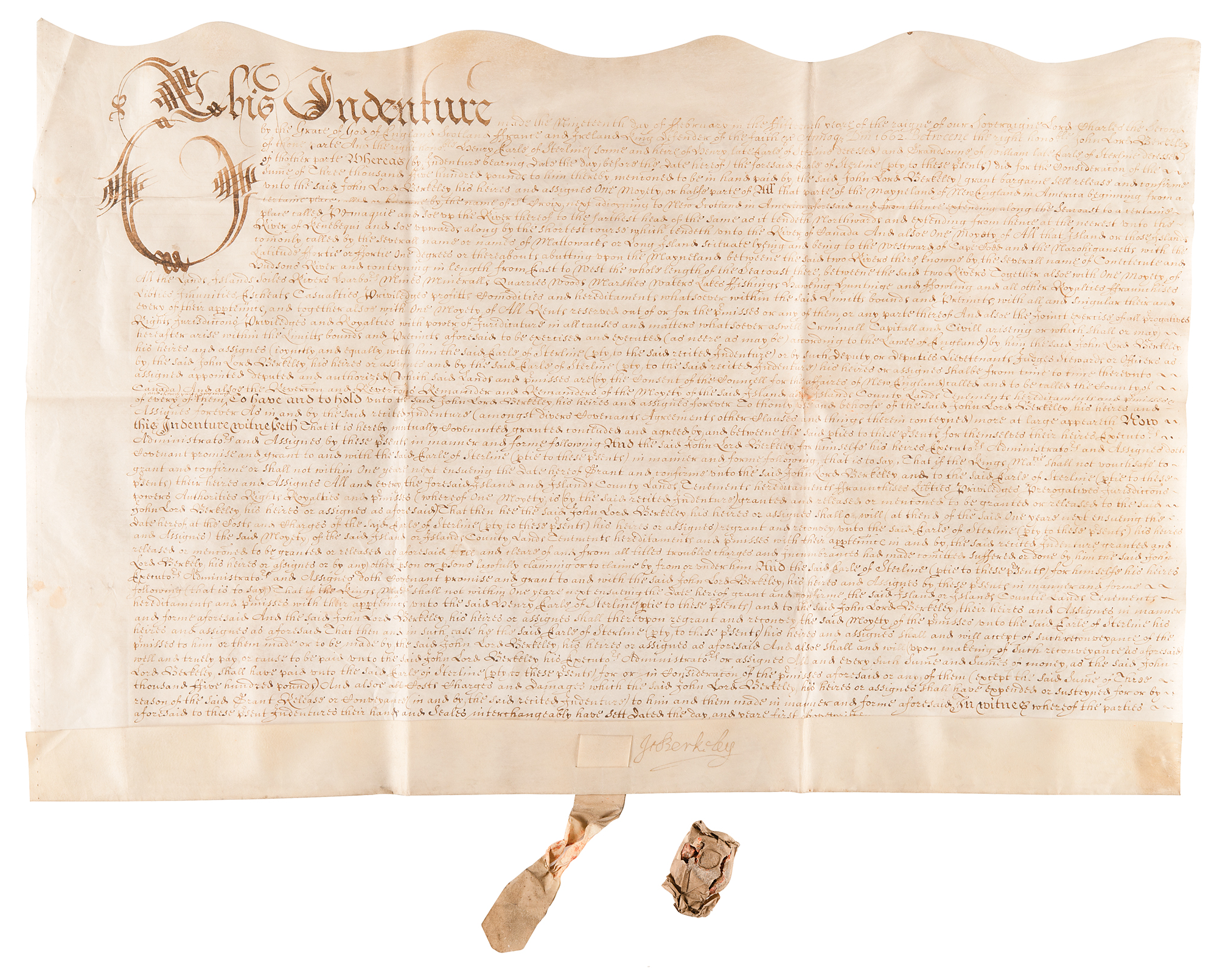
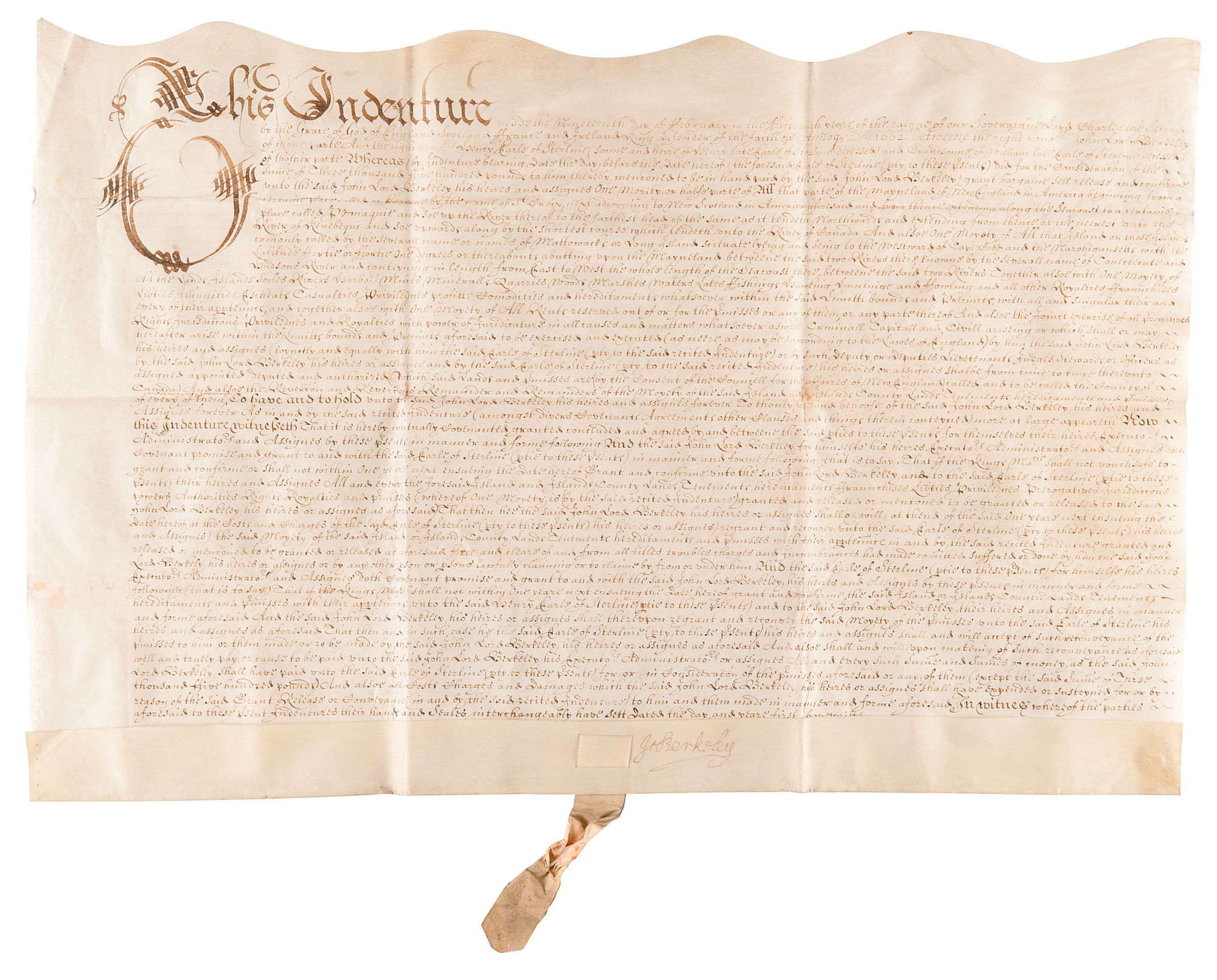
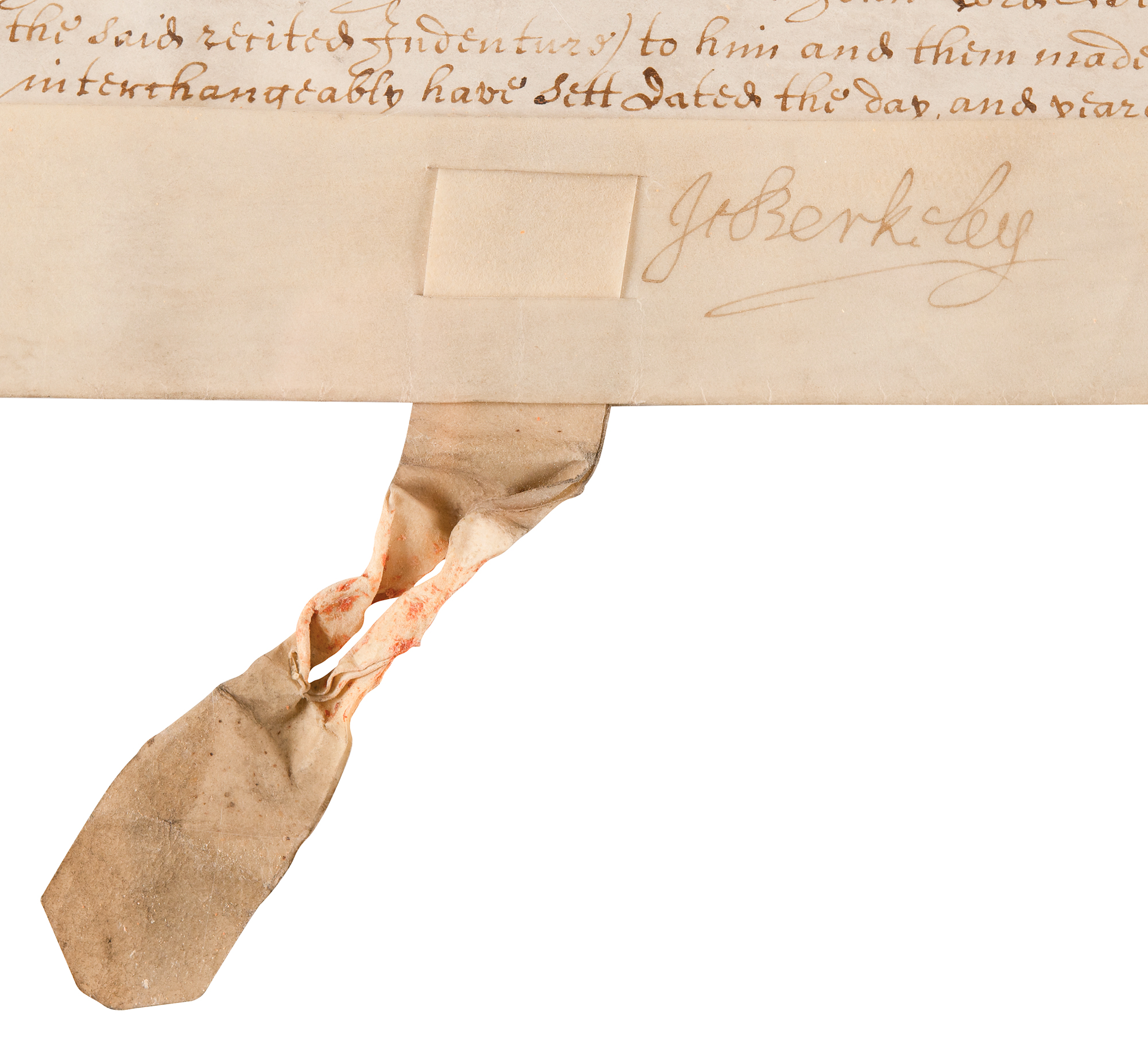
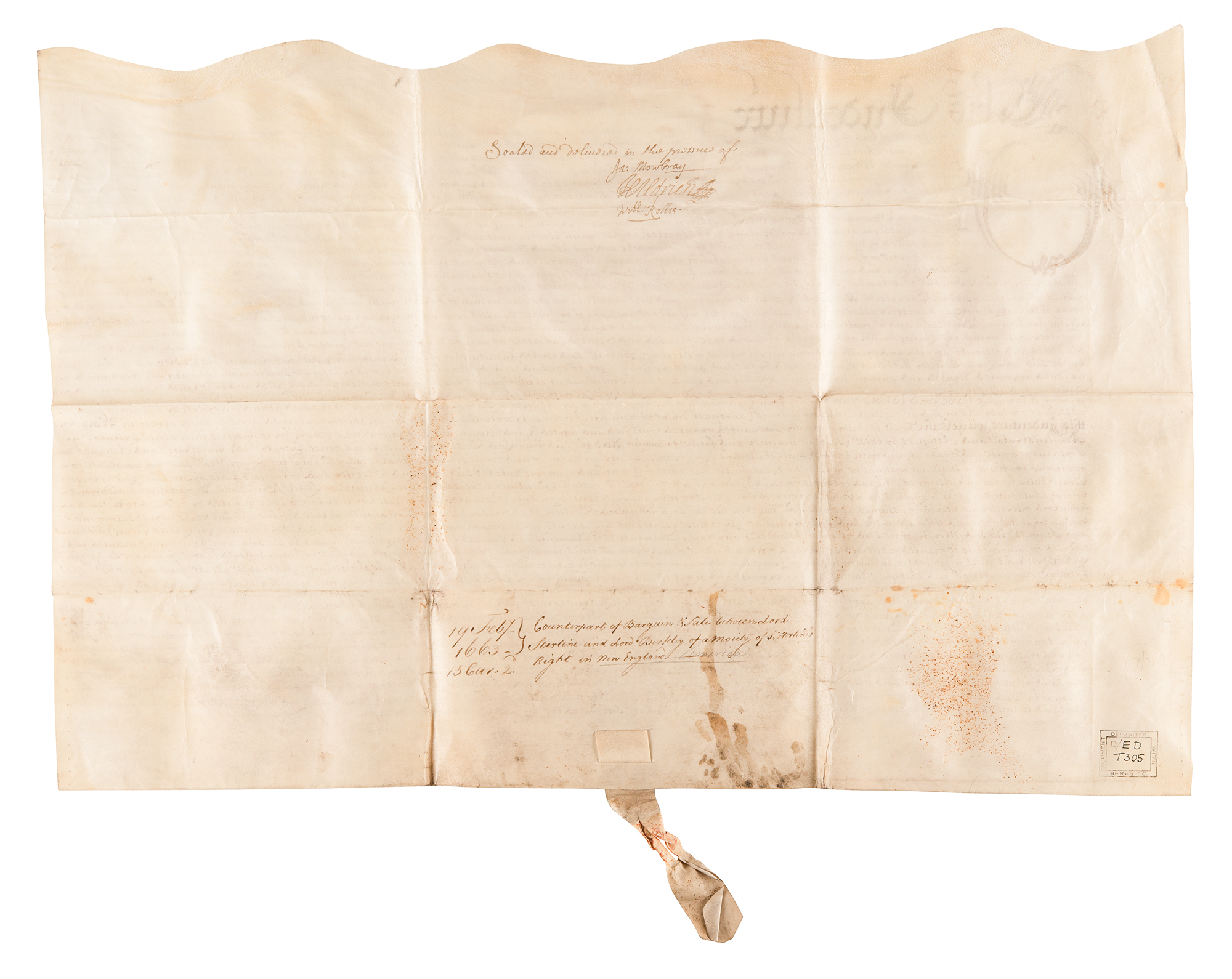
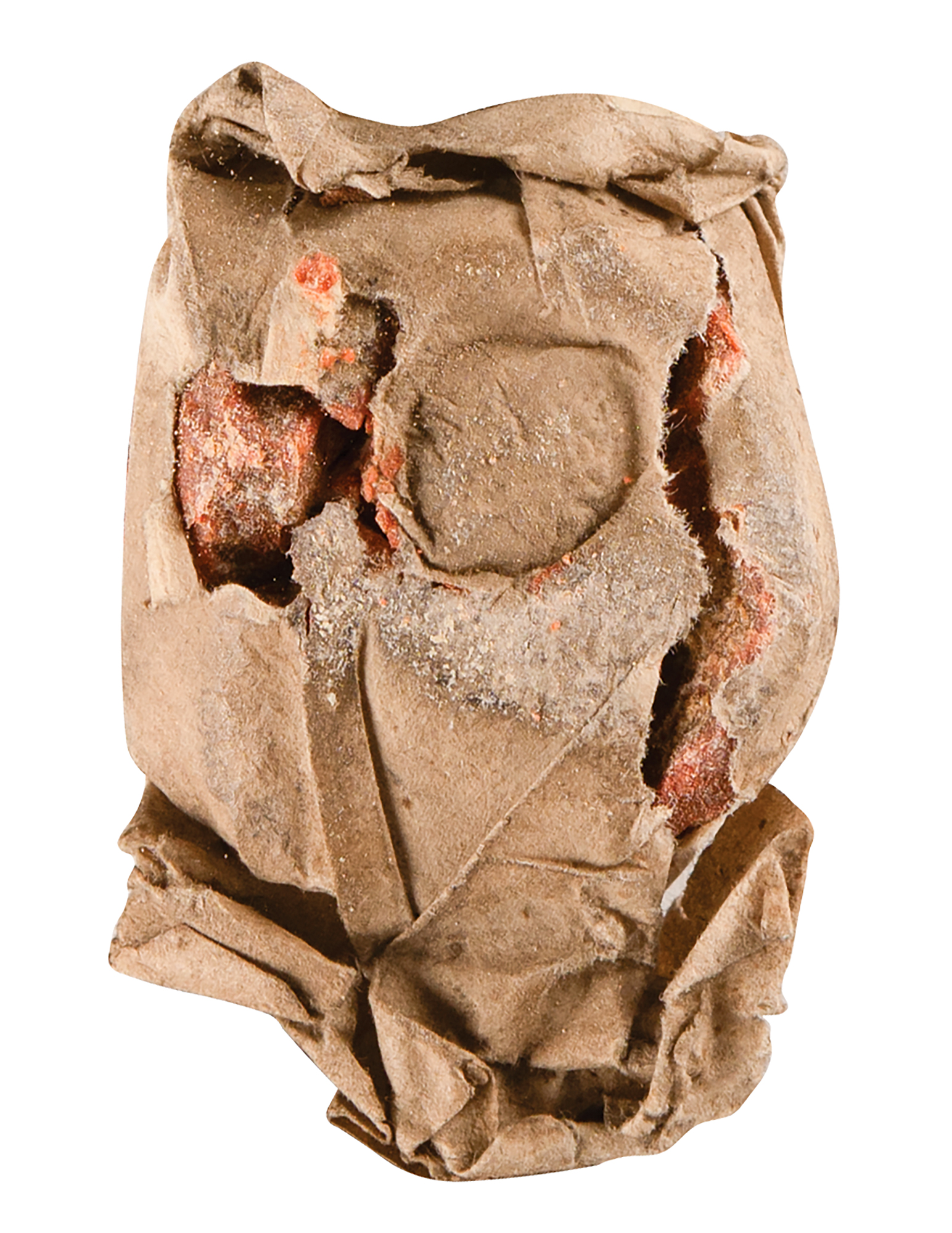
Vellum manuscript DS, signed “J. Berkeley,” one page, 24.5 x 16.5, February 19, 1663. Manuscript indenture of agreement between Lord John Berkeley and Henry Sterling, stating that Sterling sold, for £3500, one half part of "all that parte of Mayneland in New England beginning from St. Croix…and from thence extending along the Seacoast to a certaine place called Pemaqui… and also One Moyety of All that island or those Islands commonly called by the severall name or names of Mattowacks or Long Island scituate lyeing to the Westward of Cape Codd abutting upon the Mayneland between the said two Rivers there, knowne by the severall name of Conectecute and Hudson's River and conteyning in length from East to West the whole length of the Seacoast there, between the two said Rivers." Signed at the foot in ink by John Berkeley. In very good to fine condition, with the wax pendant seal detached but present, in a state of active, crumbling deterioration.
Sterling's claim to these territories traces back to 1635, when the heir of the 1st Earl of Sterling received a royal grant after the Council of New England surrendered its patent to the Crown. This grant encompassed a vast region in what is now eastern Maine—stretching between the St. Croix and Kennebec (then Sagadahoc) Rivers and northward to the St. Lawrence—and was designated the 'County of Canada.' The Earl was also granted Long Island, to be known as the 'Isle of Sterling.' The lands referenced in the present indenture clearly fall within this original grant.
While most grantees of 1635 failed to defend their claims, the 4th Earl of Sterling, who inherited the title in 1649, actively renewed the family’s petition following the Restoration, submitting a formal claim on May 31, 1661.
The matter grew more complex with a purported payment of £3,500 from Lord Berkeley to Sterling—an amount that may never have been paid. Contemporary reports suggest the transaction may have been orchestrated, perhaps with Berkeley’s cooperation, to secure compensation from the royal treasury. A 1689 report by the Lords Committee for Trade and Plantations recounts that around 1663, the Earl of Clarendon, acting for the Duke of York (later James II), negotiated with the Earl of Sterling for his rights to Long Island, promising the Earl £3,500 'as Lord Berkeley informed him.'
This arrangement likely included Sterling’s Maine territories as well. Indeed, on March 12, 1664, Charles II granted both the Maine lands and Long Island to his brother James—followed shortly thereafter by the British military expedition that seized New York from the Dutch.

