Sold For $26,173
*Includes Buyers Premium
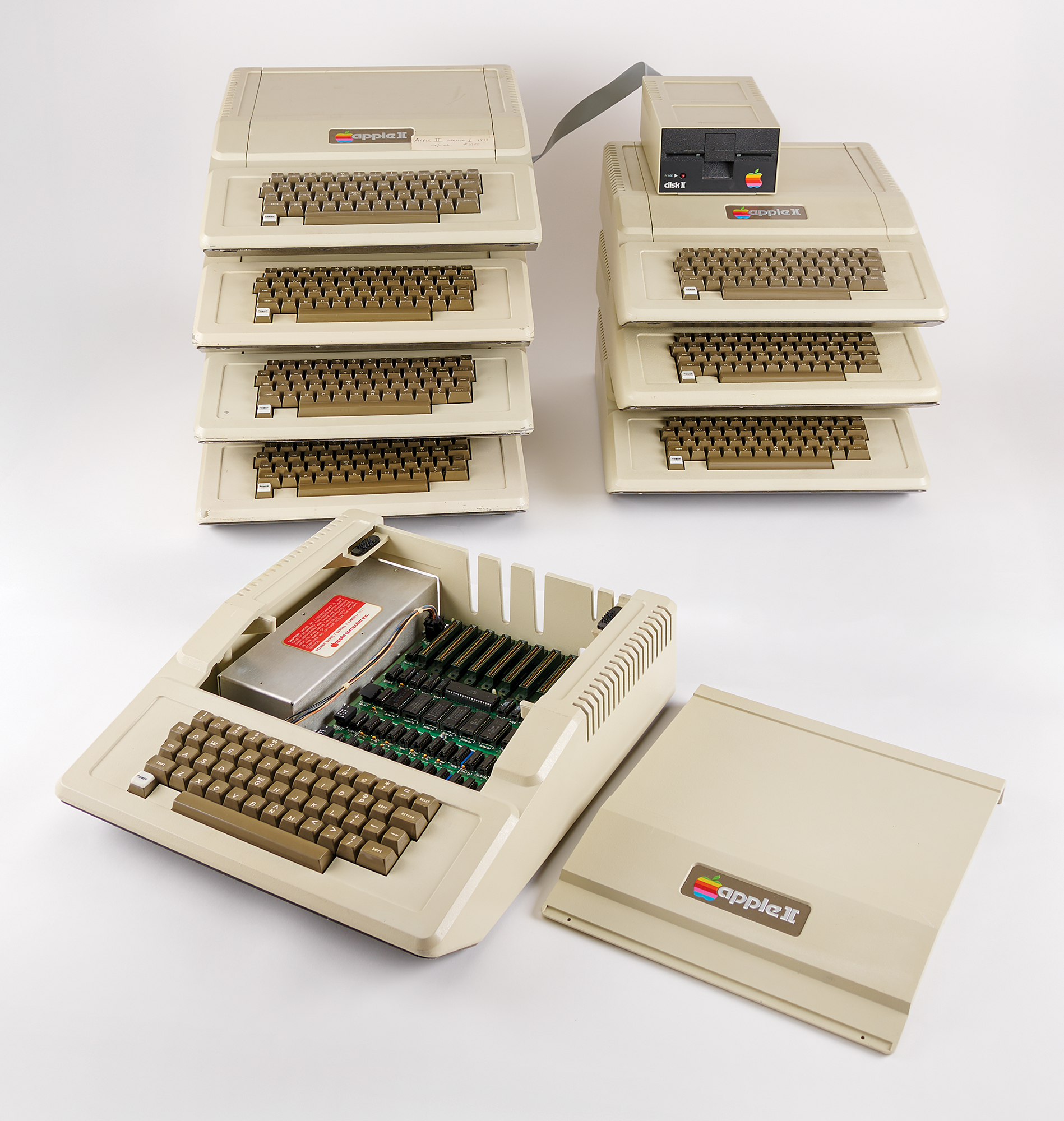
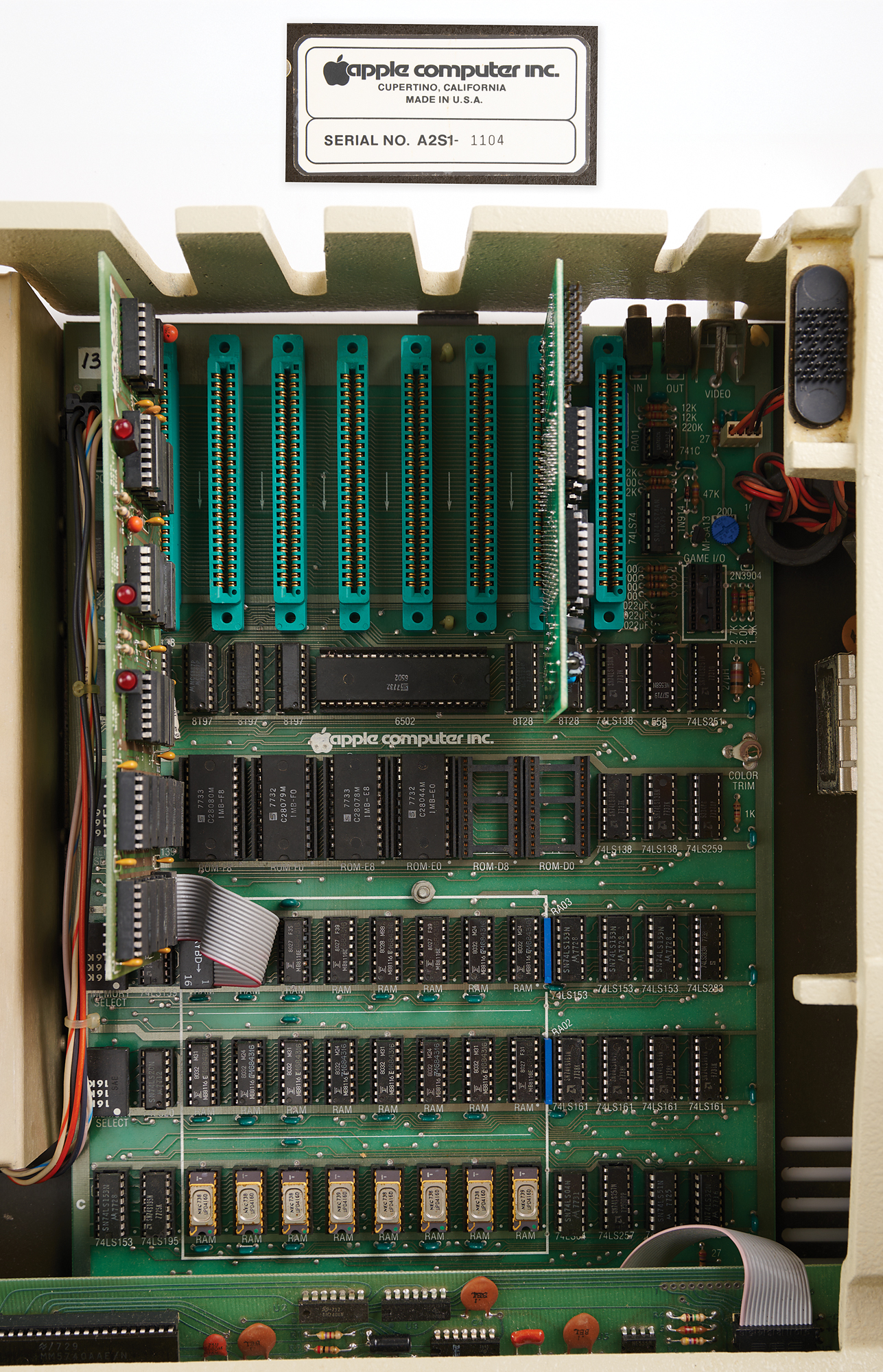
Amazing collection of eight very early Apple II computers in their standard vented cases, all carrying scarce Rev. 0 logic boards (green), featuring the "Apple Computer, Inc." logo with a copyright date of 1977. These scarce Rev. 0 boards are significant as the first iteration of the Apple II's motherboard from 1977, representing the earliest hardware designed for the groundbreaking computer—distinguished from later versions by characteristics like a large prototyping area, slightly different hi-res graphics provisions, and the absence of a power-on reset circuit—making them prized for their connection to the birth of personal computing. All boards are numbered in the rear corner in felt tip, as indicated below.
The computers are:
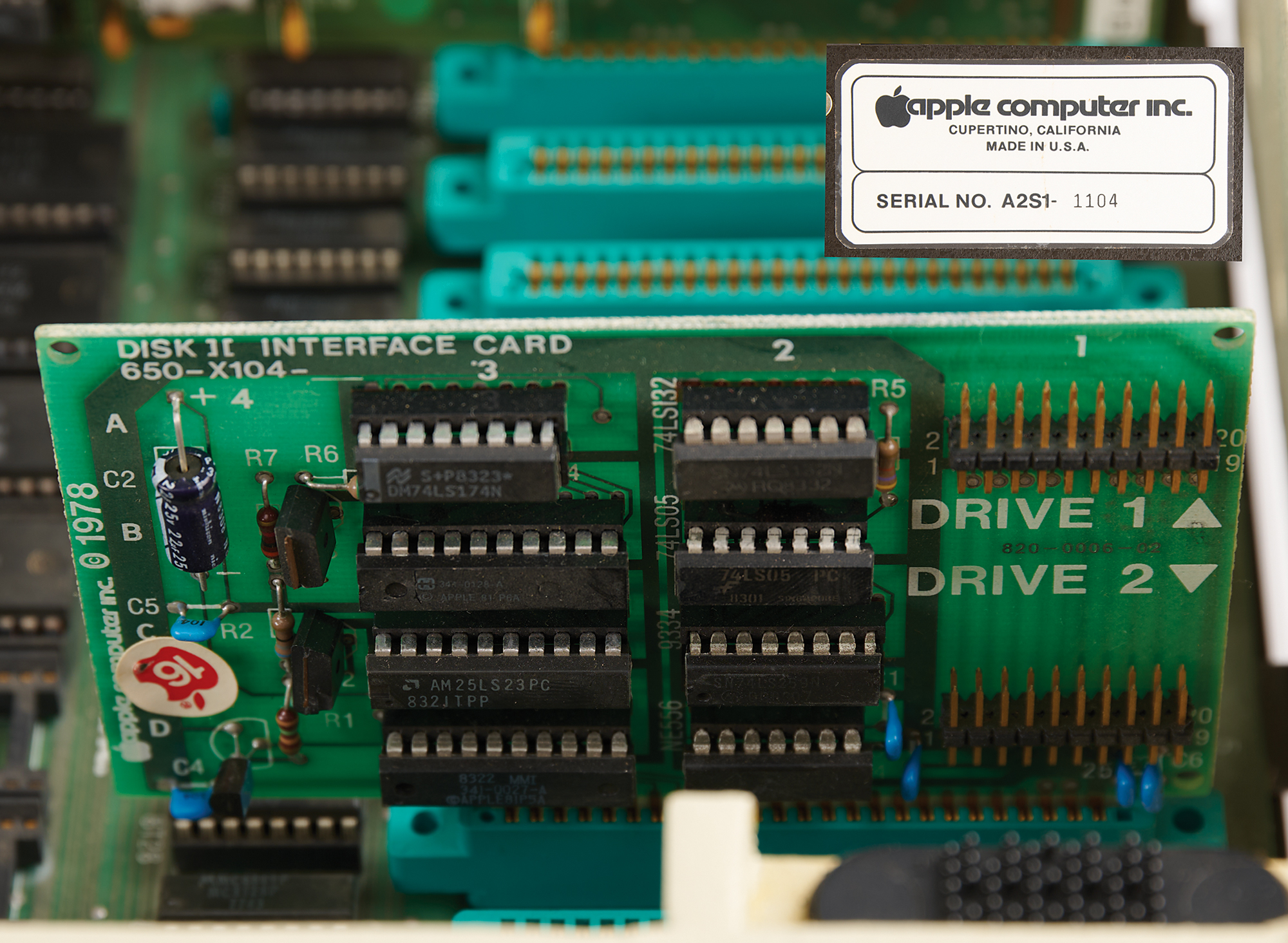
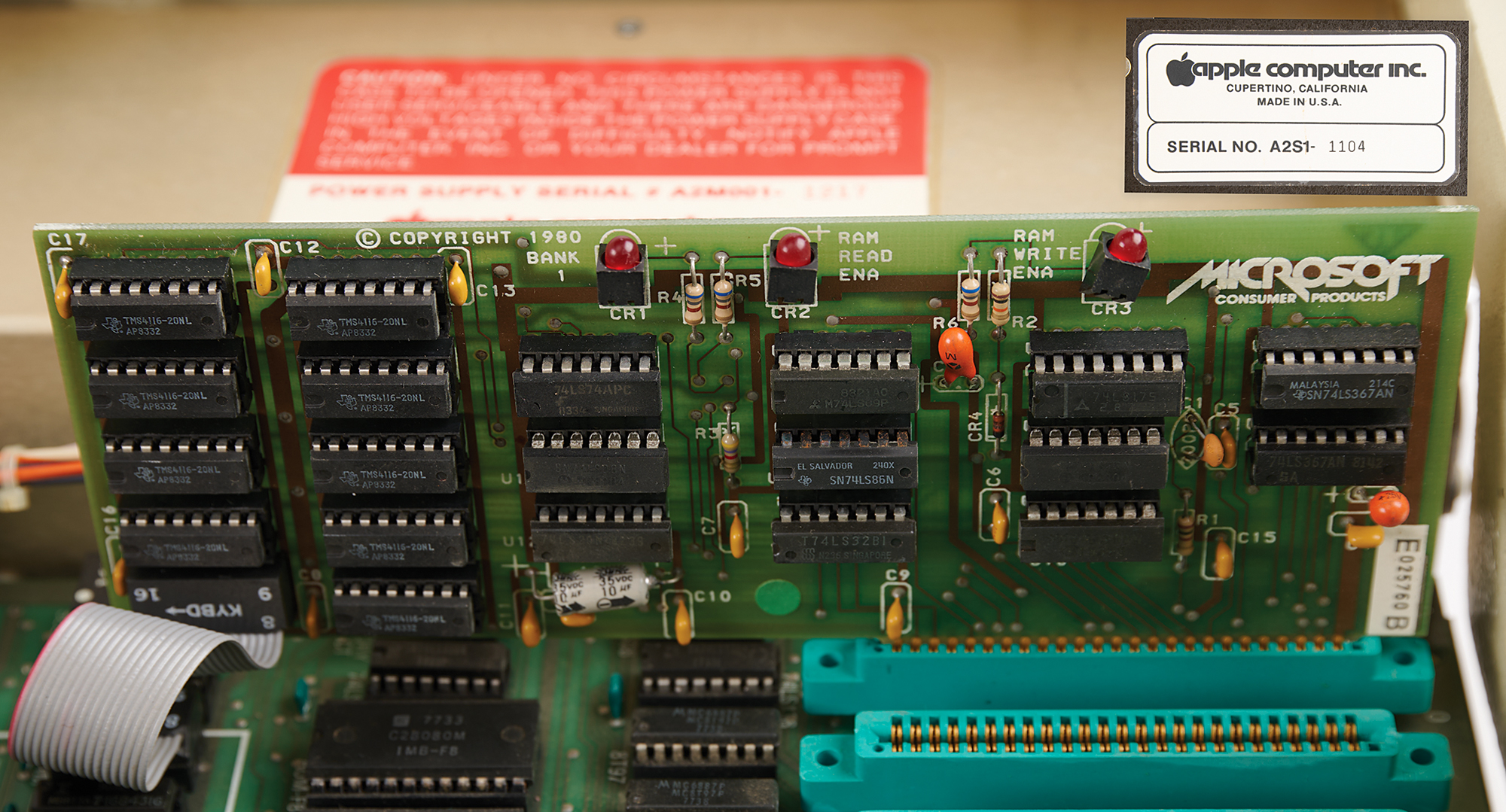
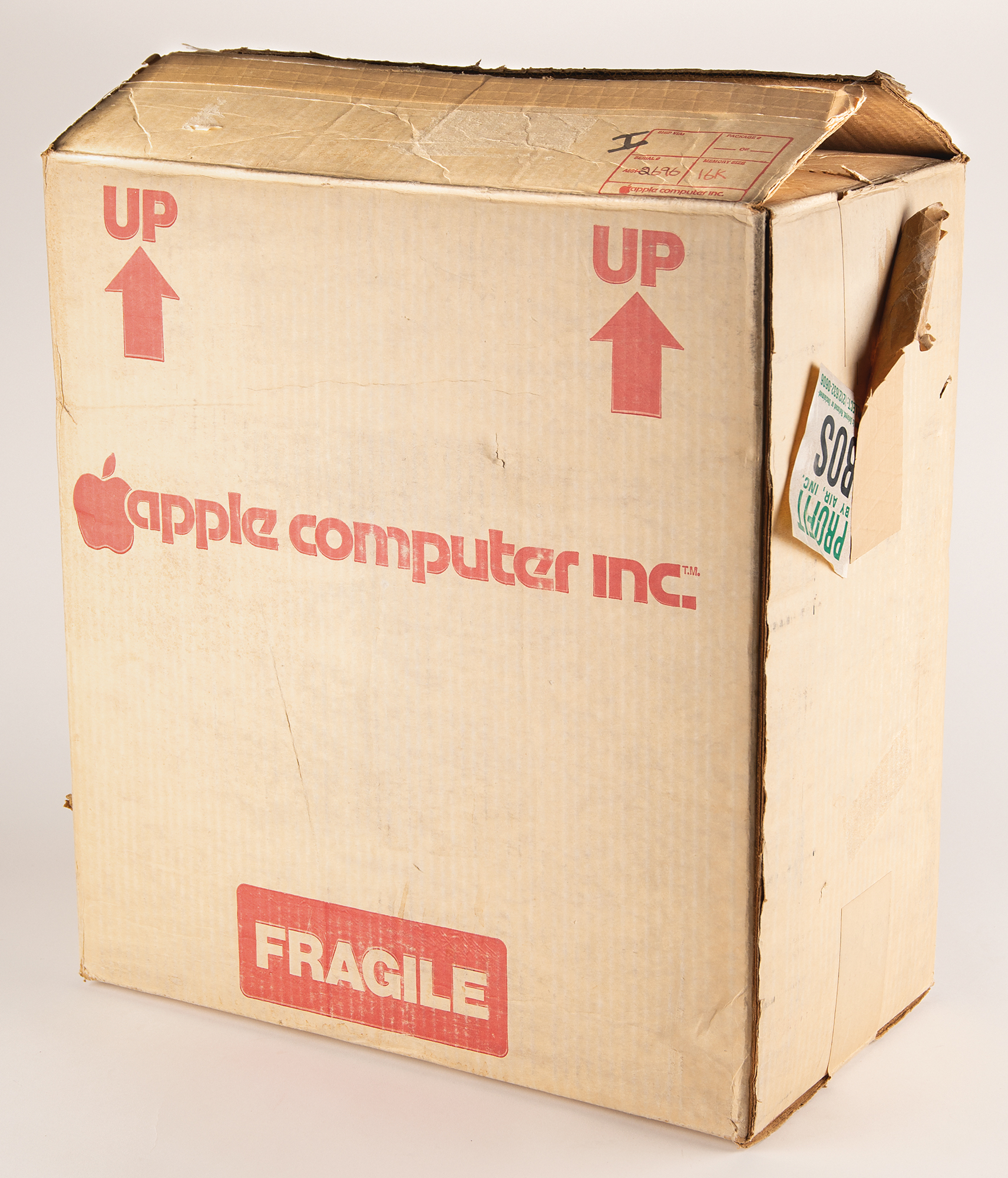
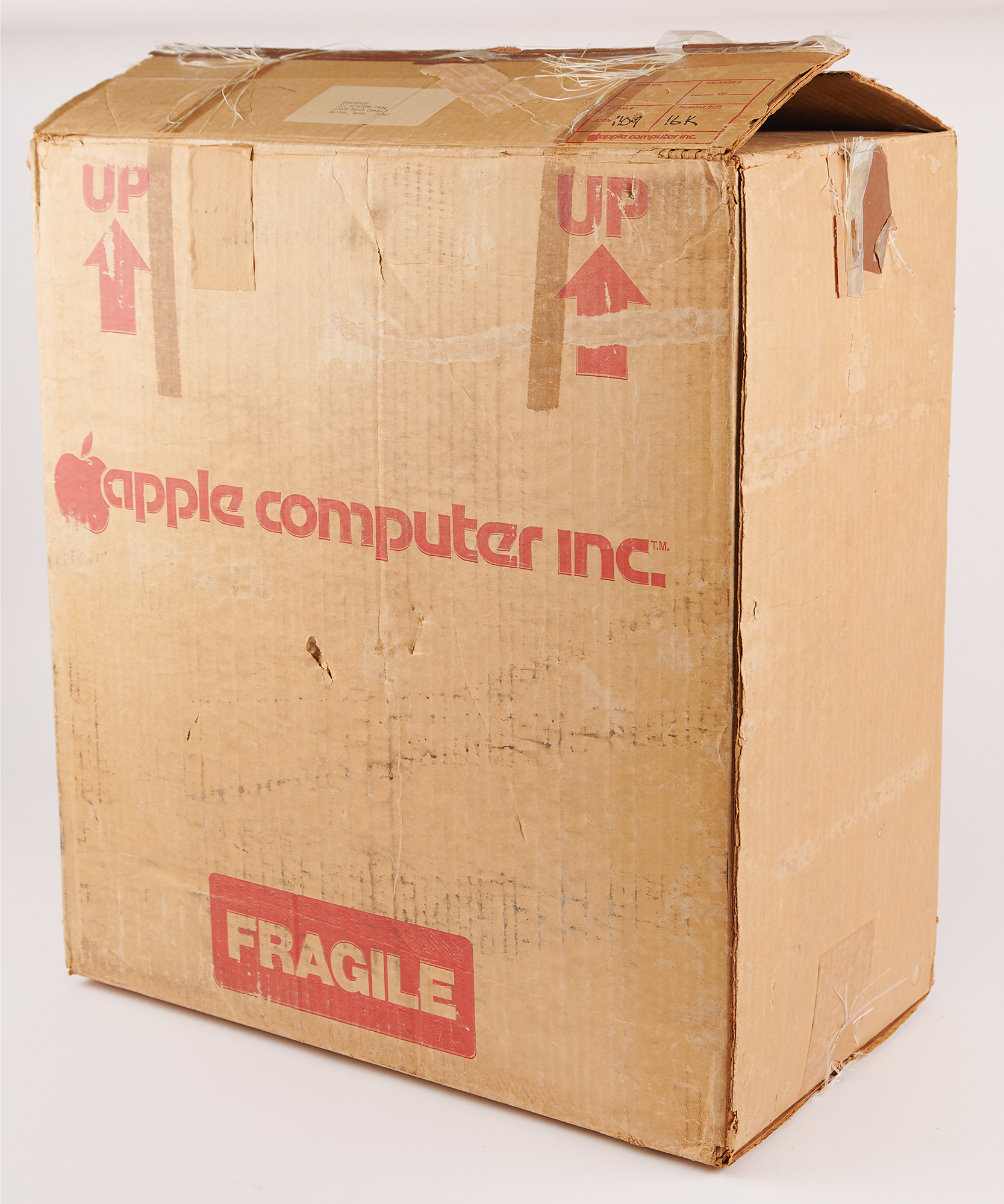
- Apple II Computer with Early Rev. 0 Board (Serial No. A2S1-1104) - Board #1834 - Disk II Interface and Microsoft Language Cards Installed - in original box, with power cord, two game paddles, and cables.
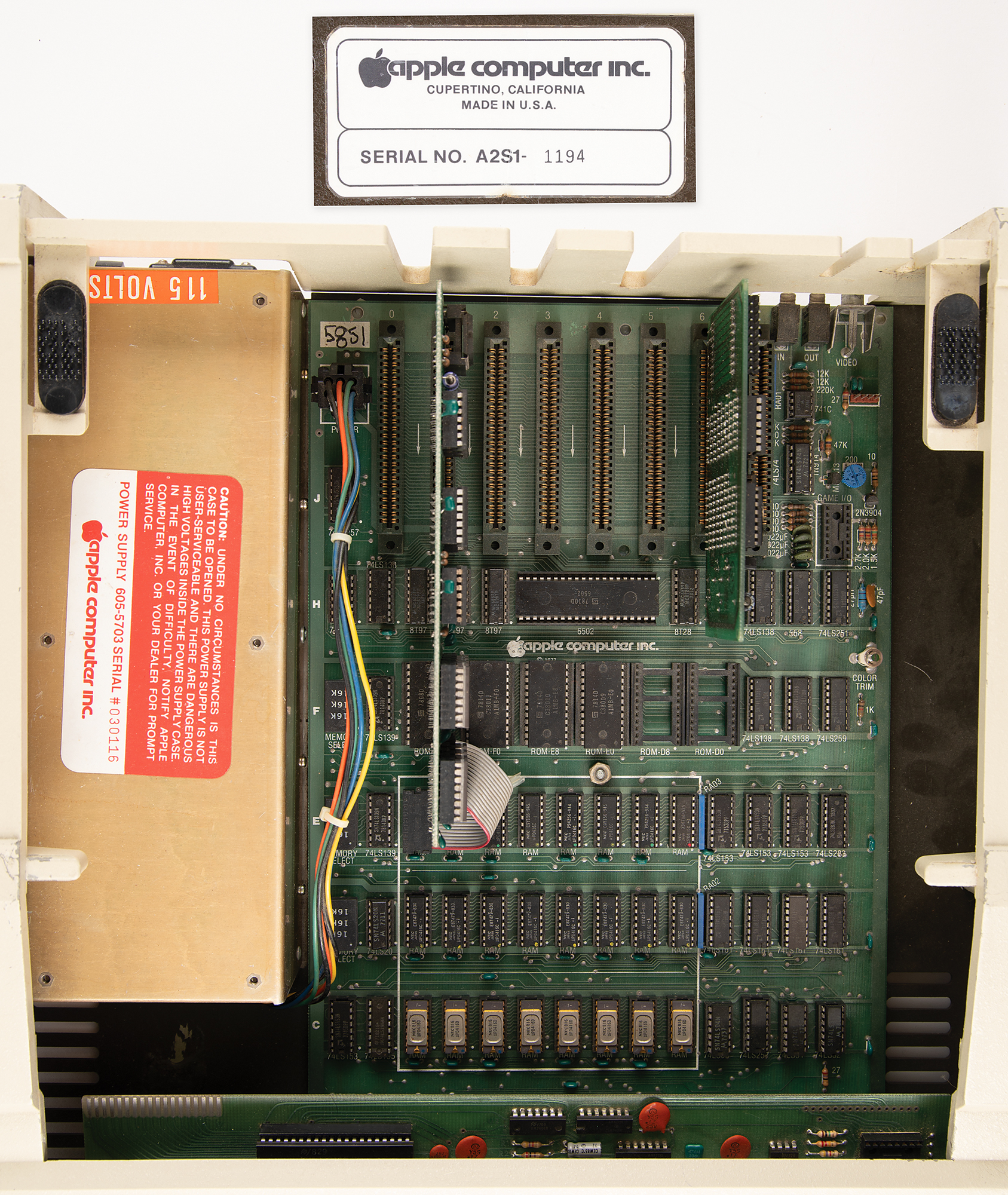
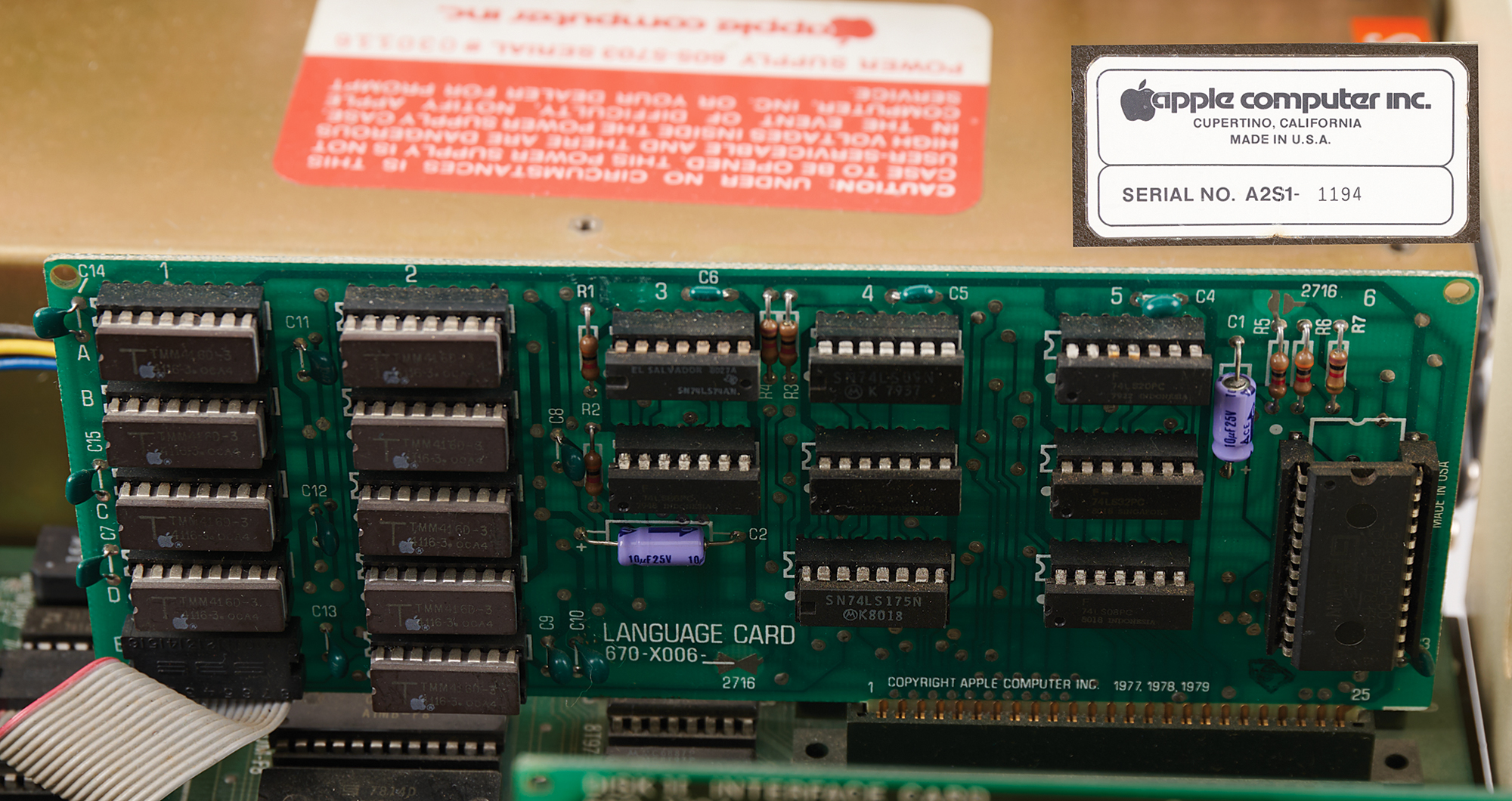
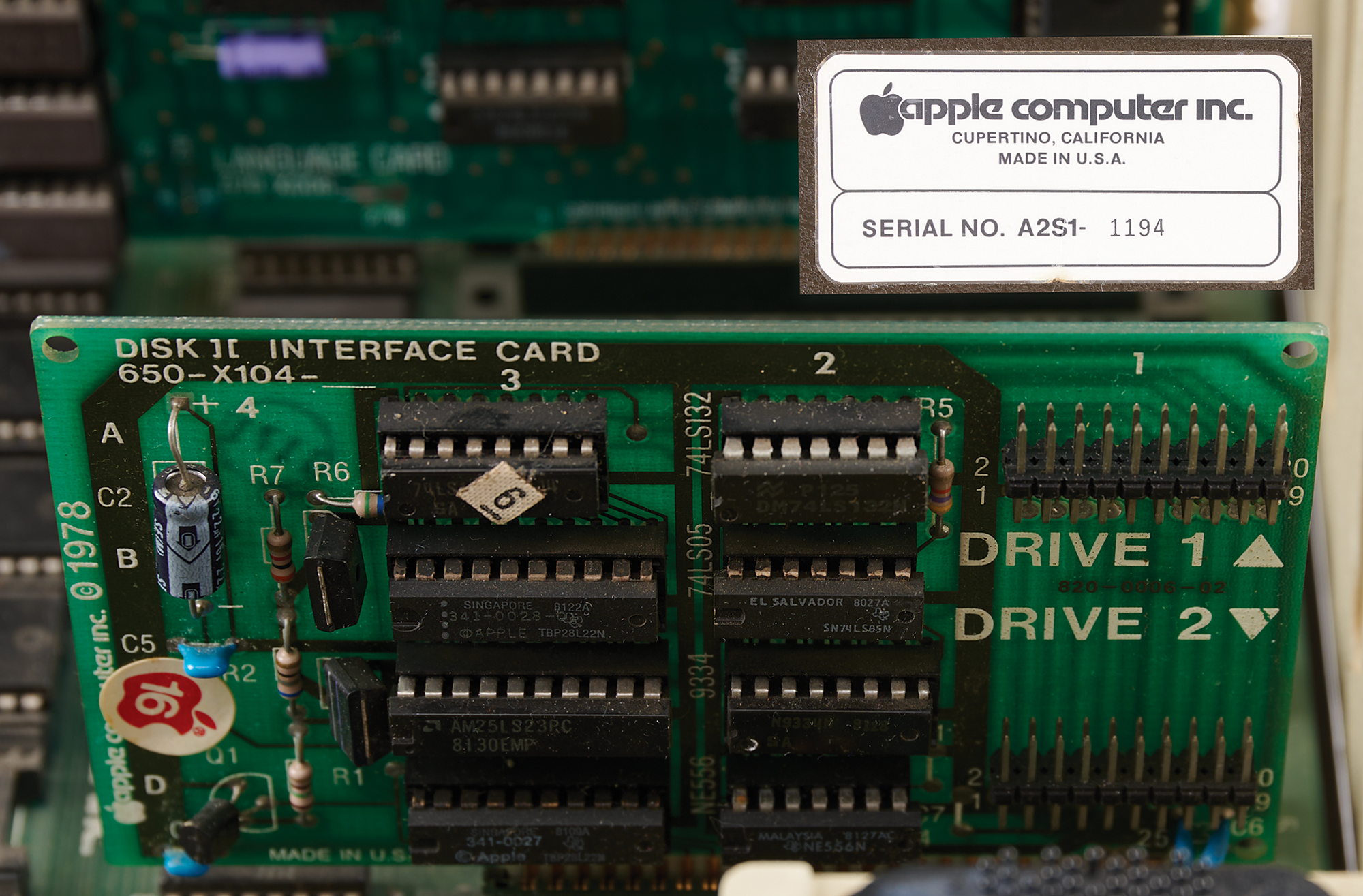
- Apple II Computer with Early Rev. 0 Board (Serial No. A2S1-1194) - Board #5851 - Disk II Interface and Language Cards Installed
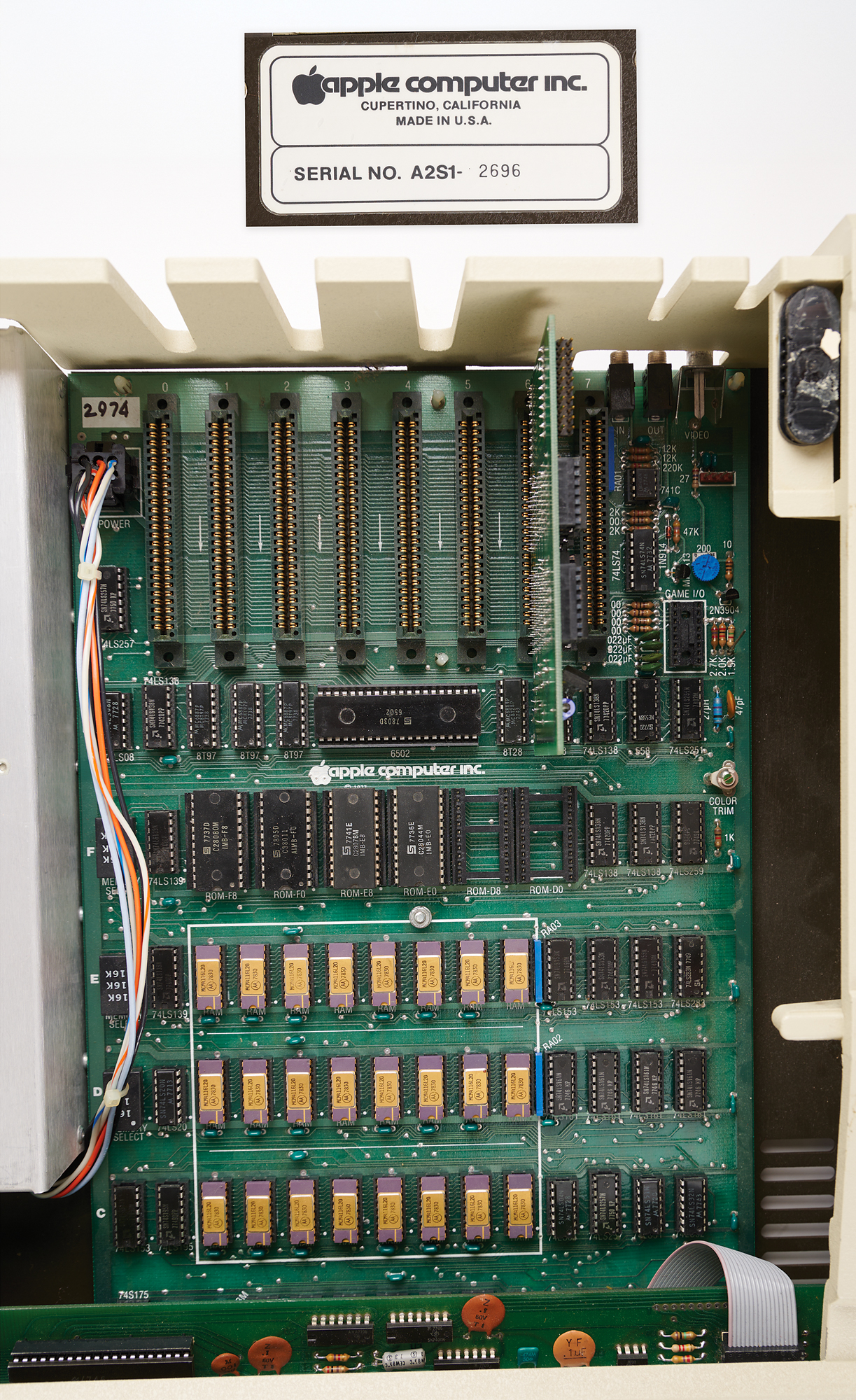
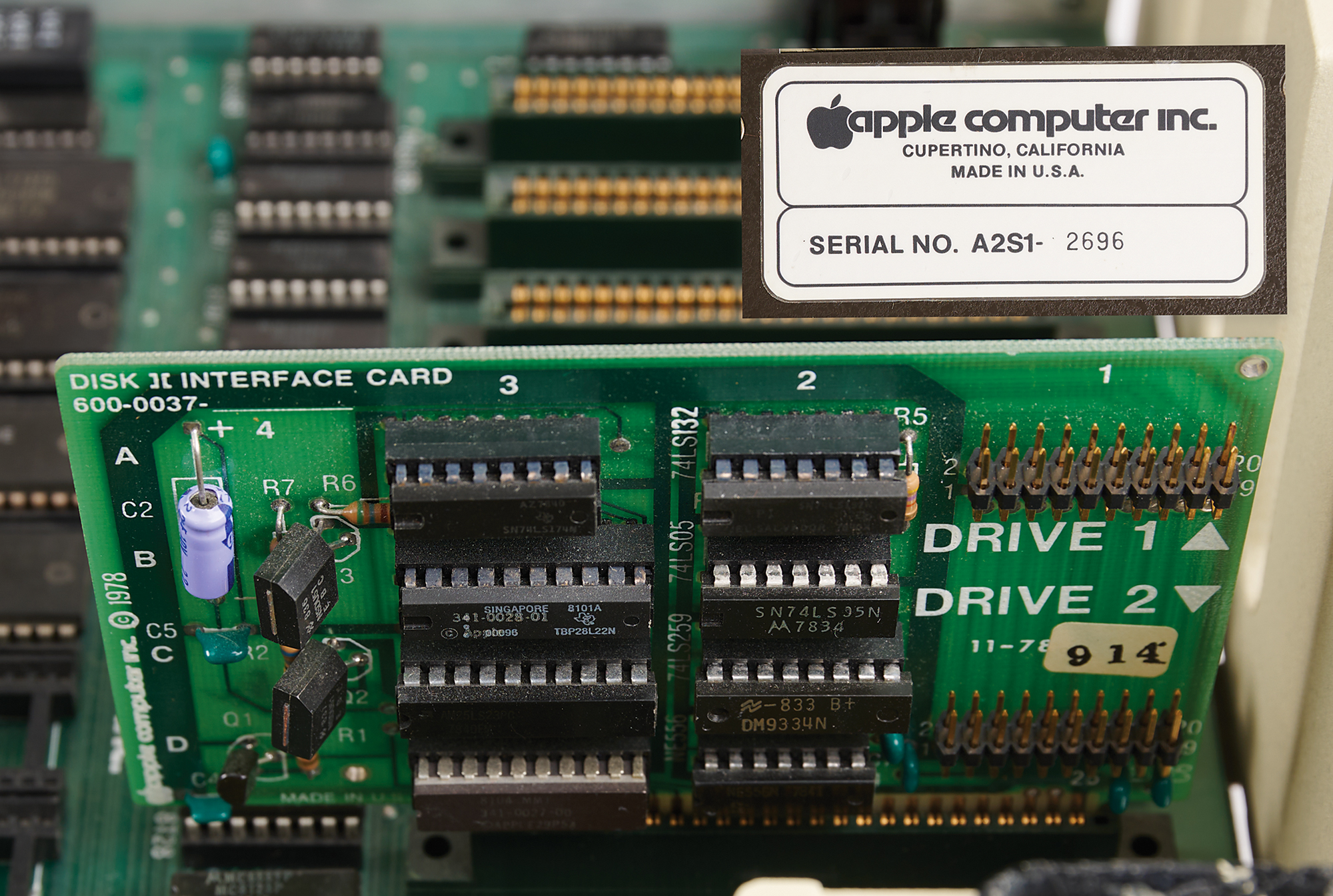
- Apple II Computer with Early Rev. 0 Board (Serial No. A2S1-2696) - Board #2974 - Disk II Interface Card Installed - in original box, with power cord, two game paddles, and cloth dust cover.
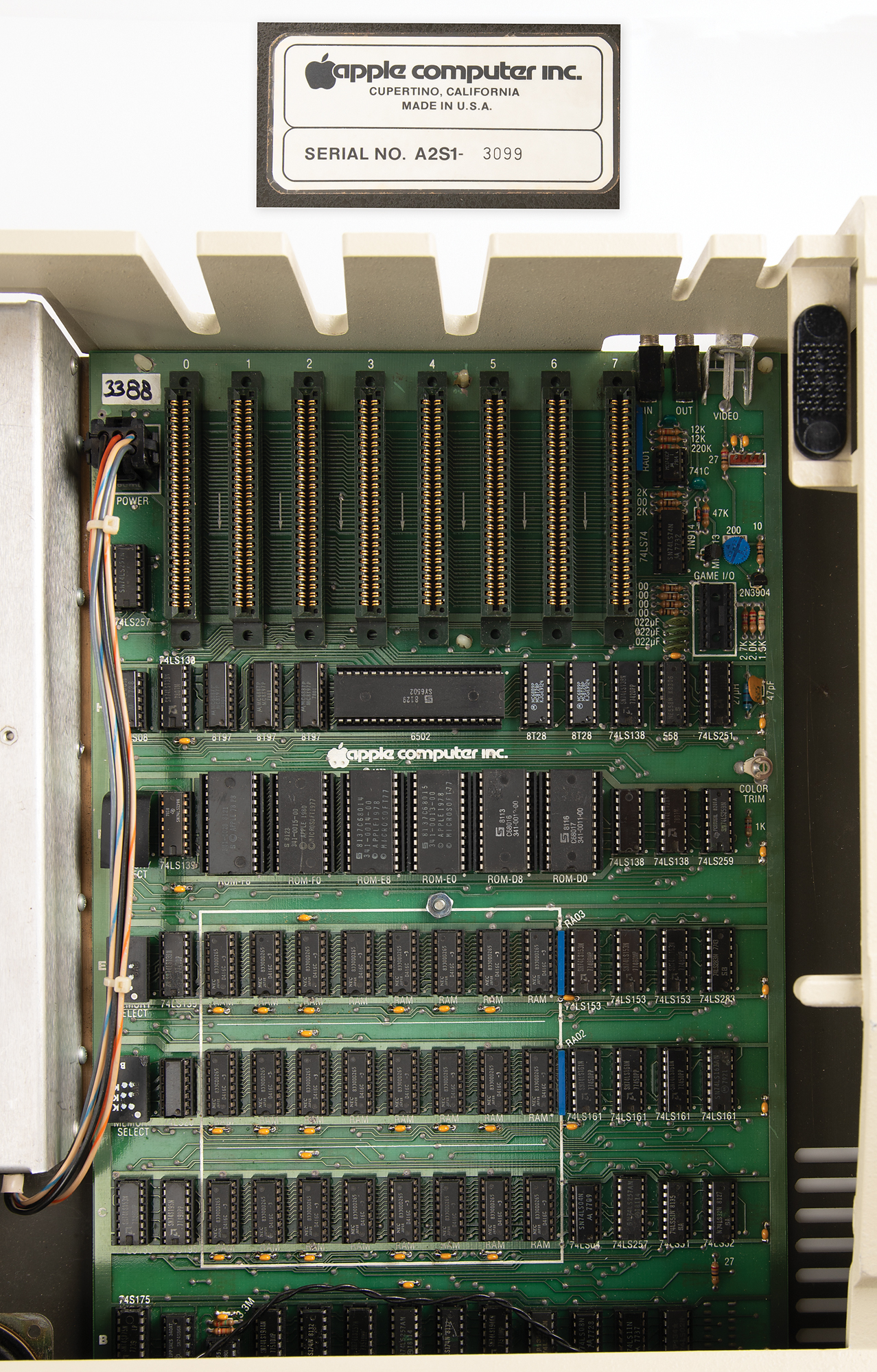
- Apple II Computer with Early Rev. 0 Board (Serial No. A2S1-3099) - Board #3388
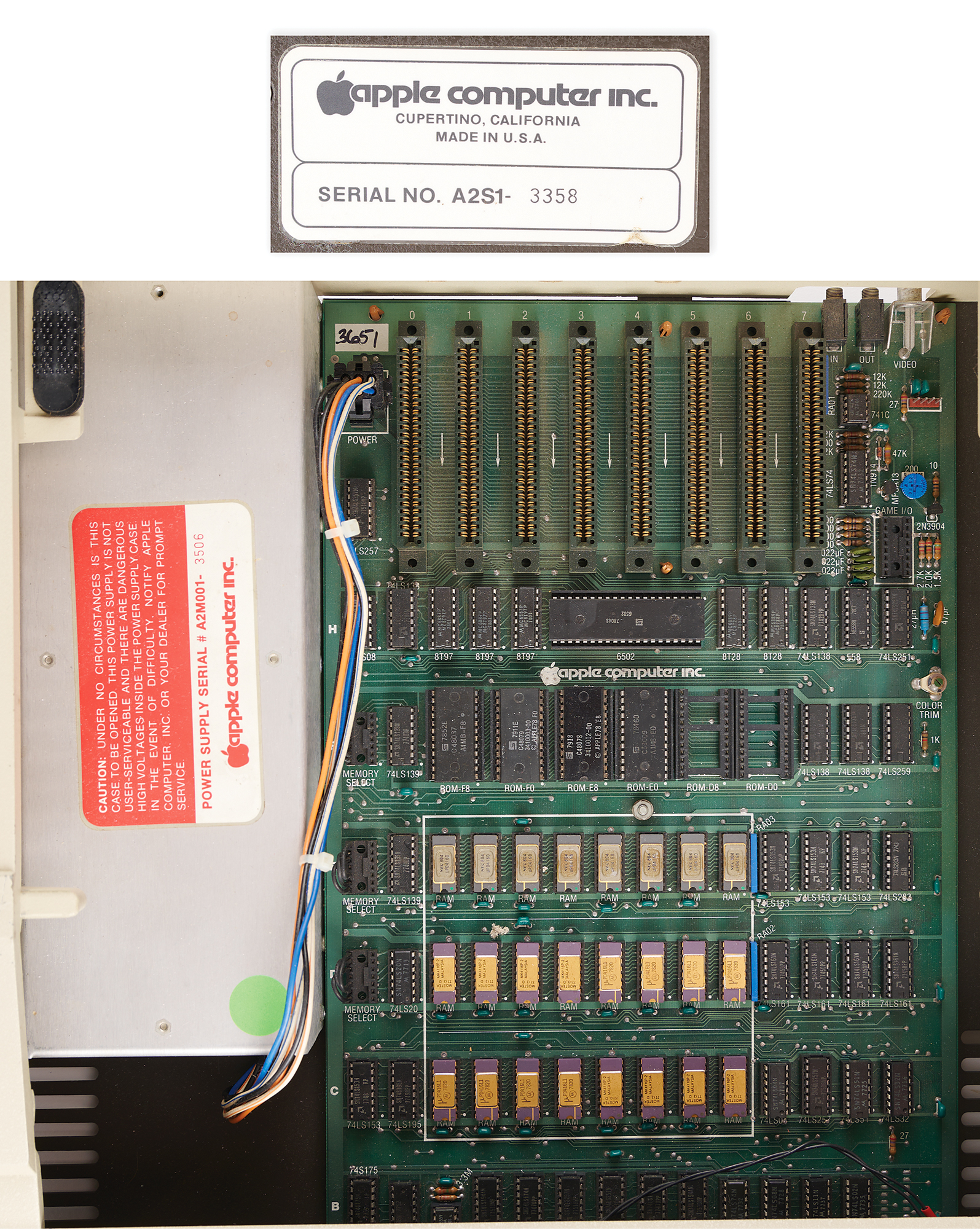
- Apple II Computer with Early Rev. 0 Board (Serial No. A2S1-3358) - Board #3651
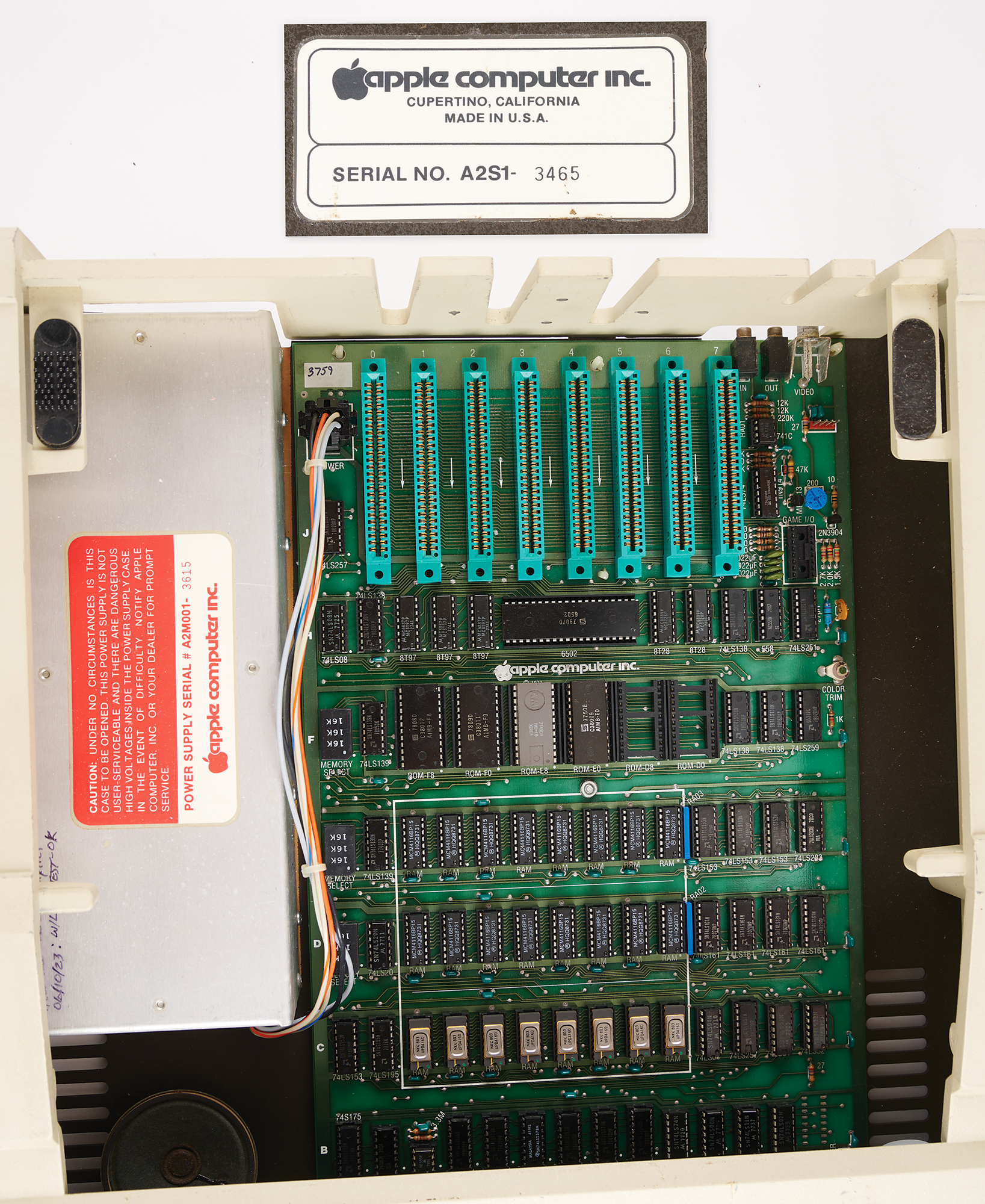
- Apple II Computer with Early Rev. 0 Board (Serial No. A2S1-3465) - Board #3759
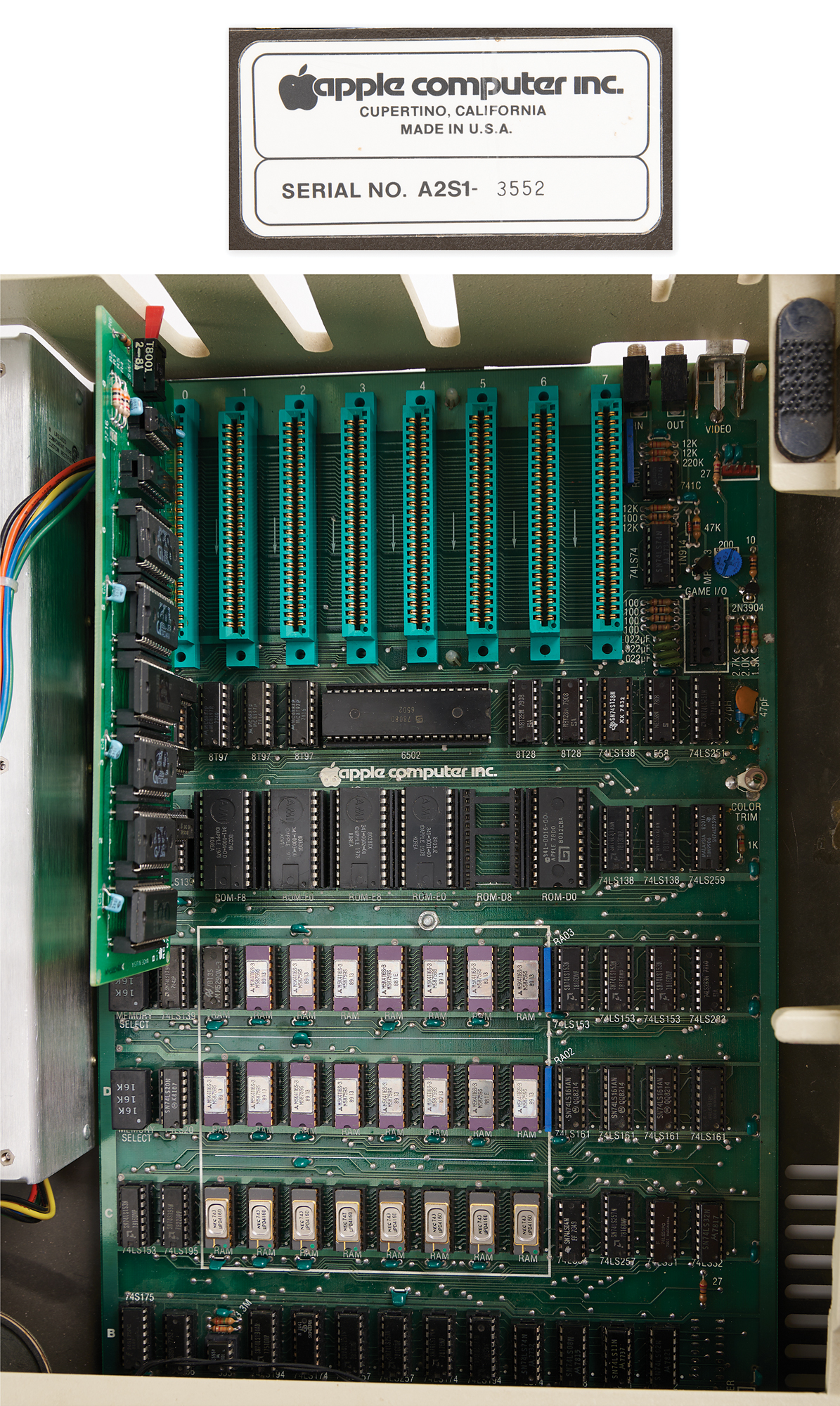
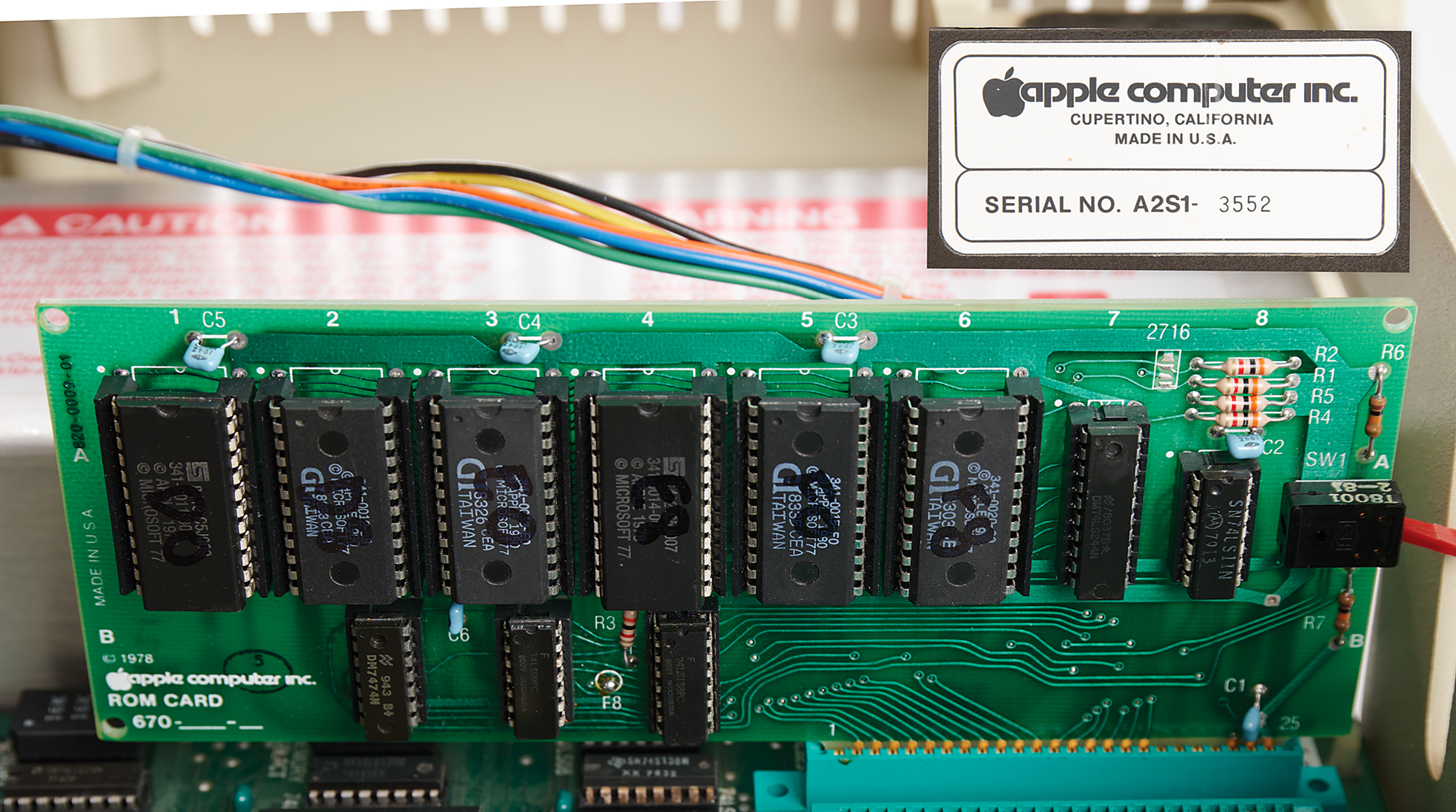
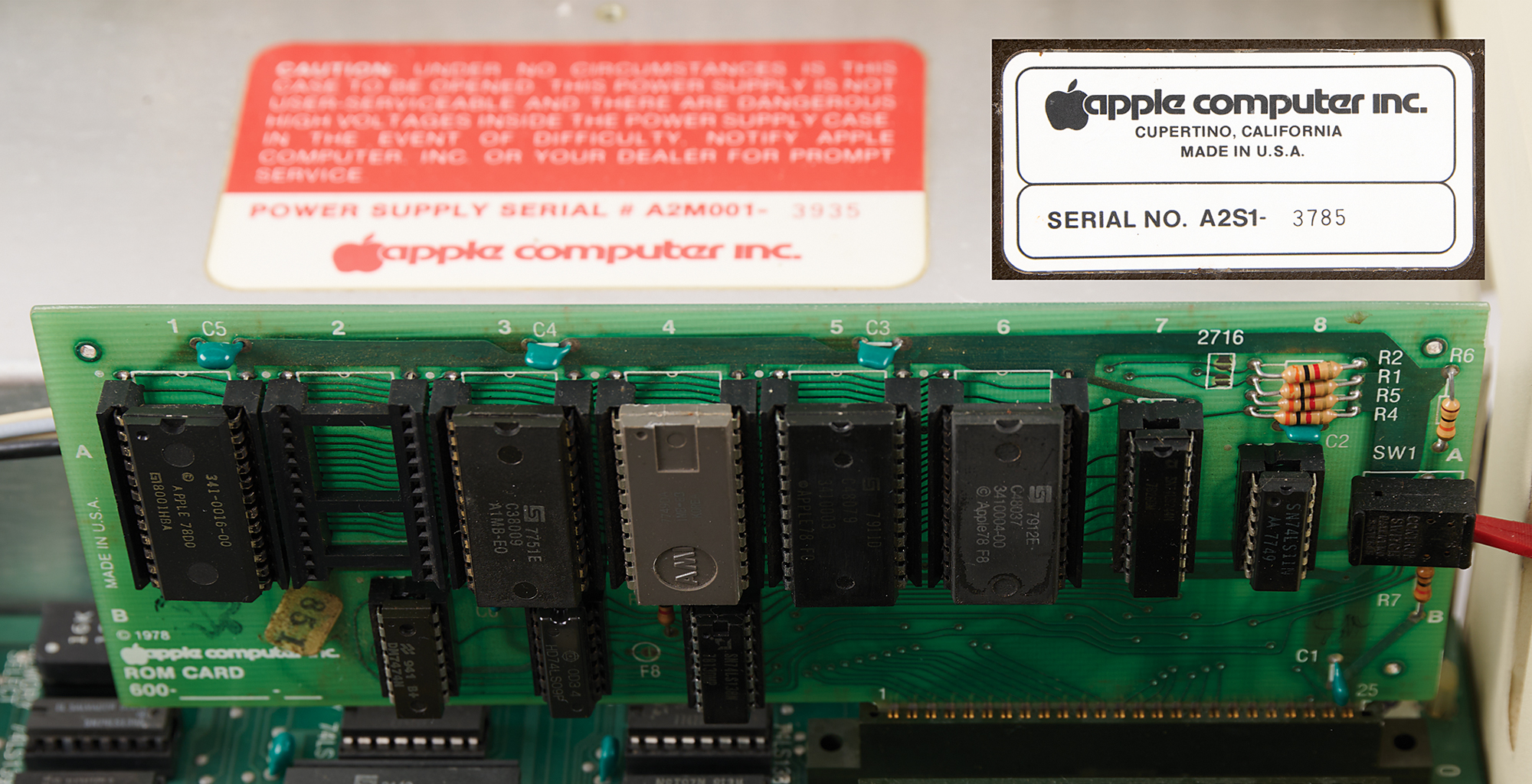
- Apple II Computer with Early Rev. 0 Board (Serial No. A2S1-3552) - Board #3854 - Apple ROM Card Installed
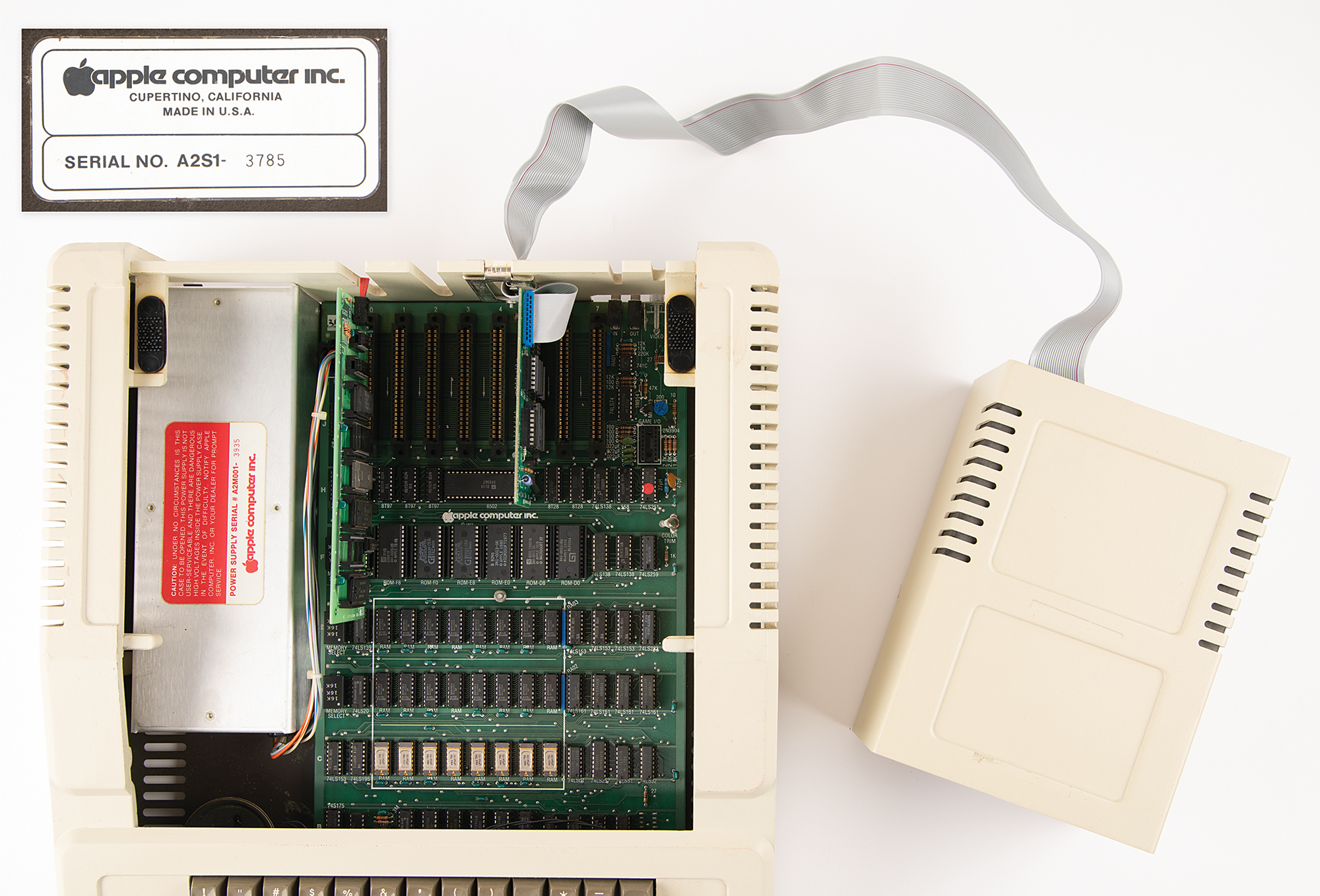
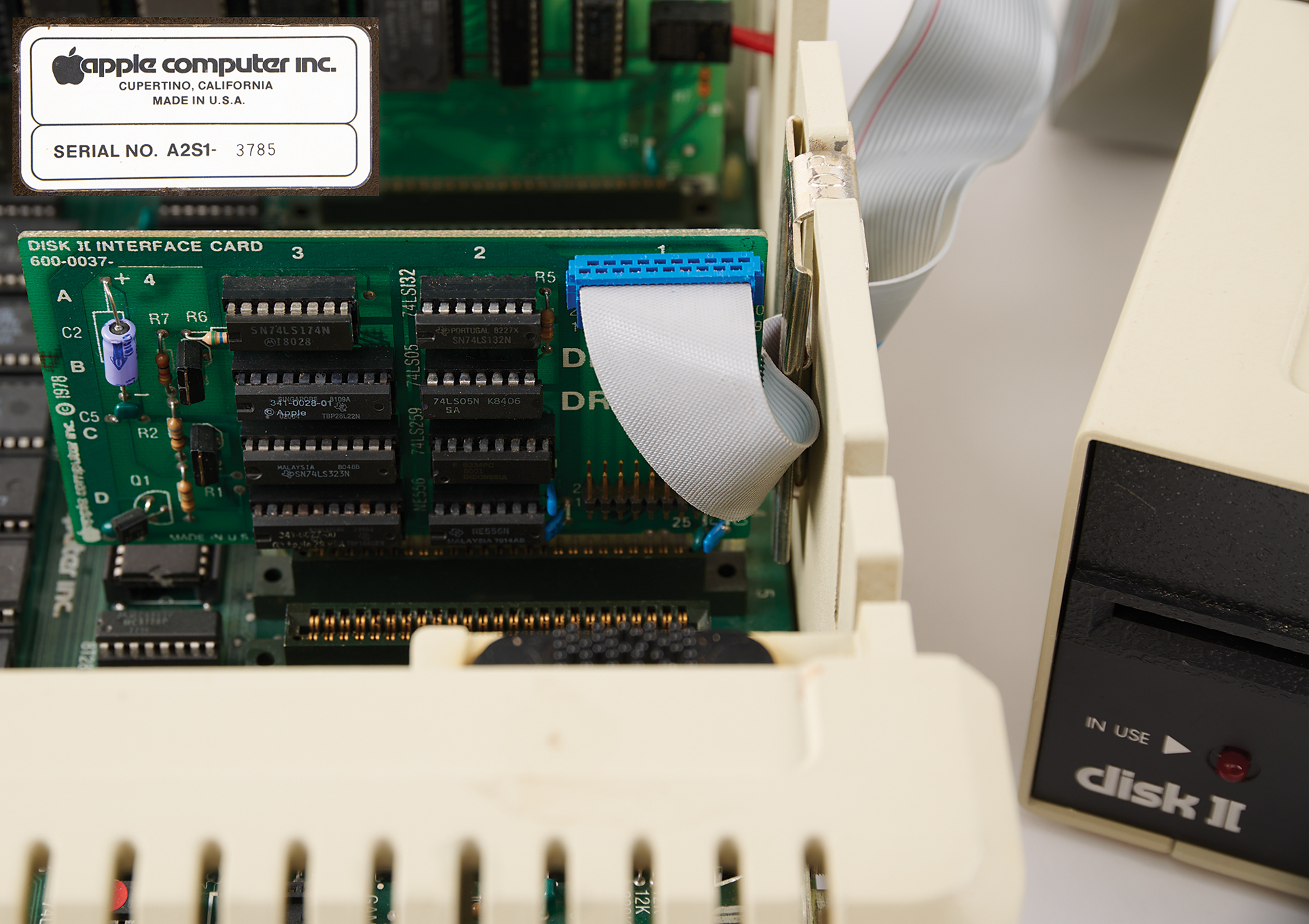
- Apple II Computer with Early Rev. 0 Board (Serial No. A2S1-3785) - Board #3518 - Disk II Interface and Apple ROM Cards Installed
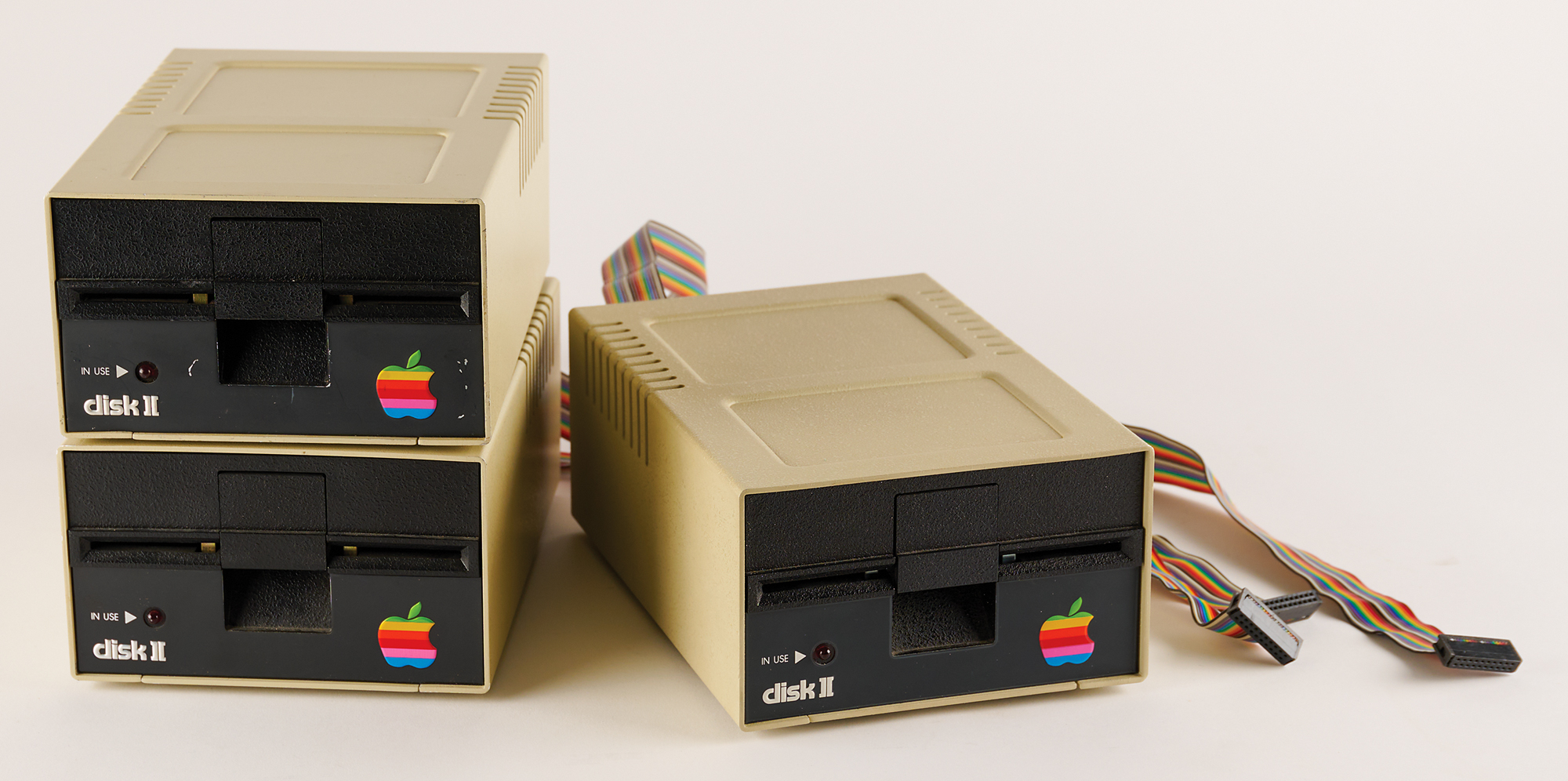
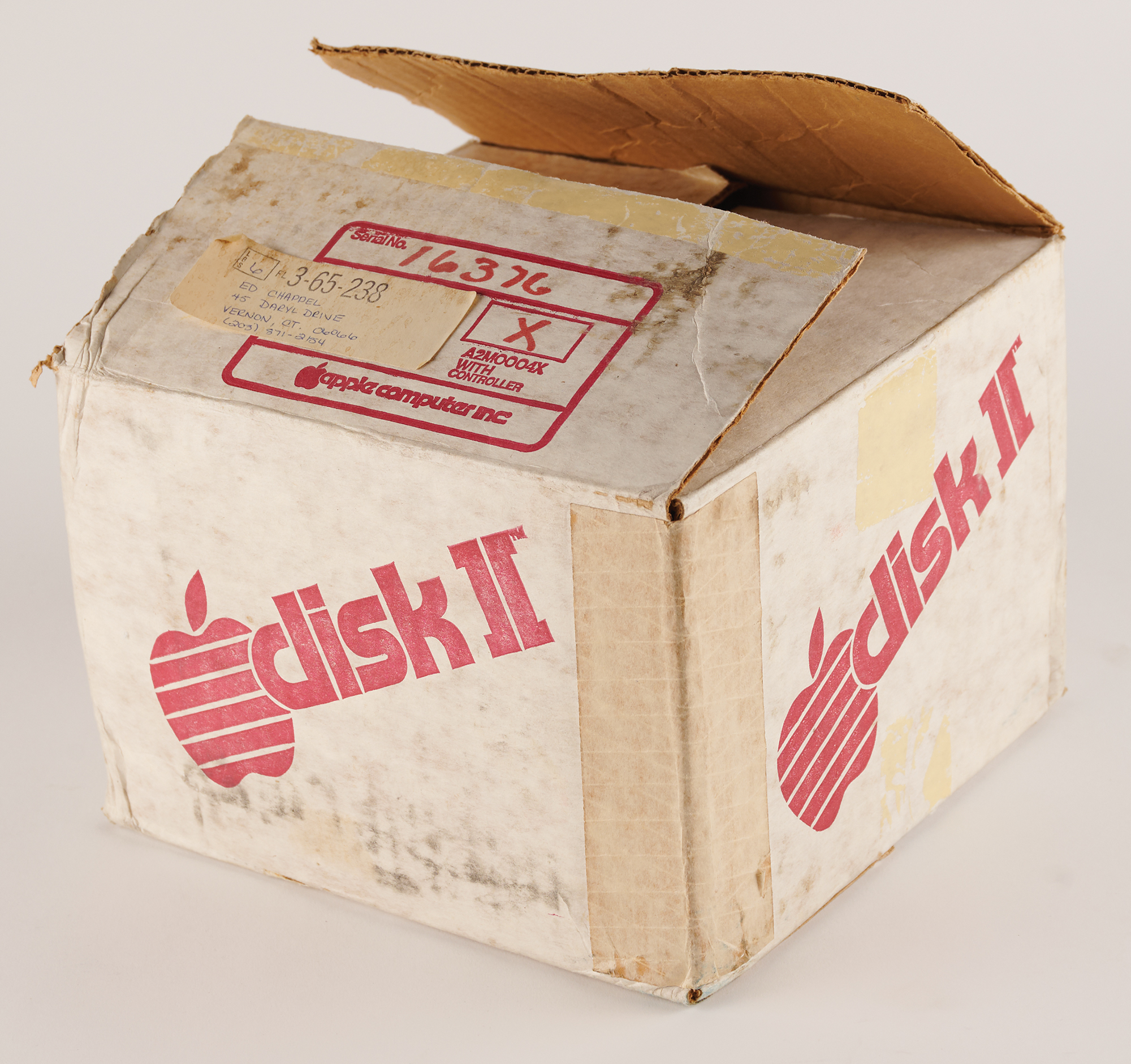
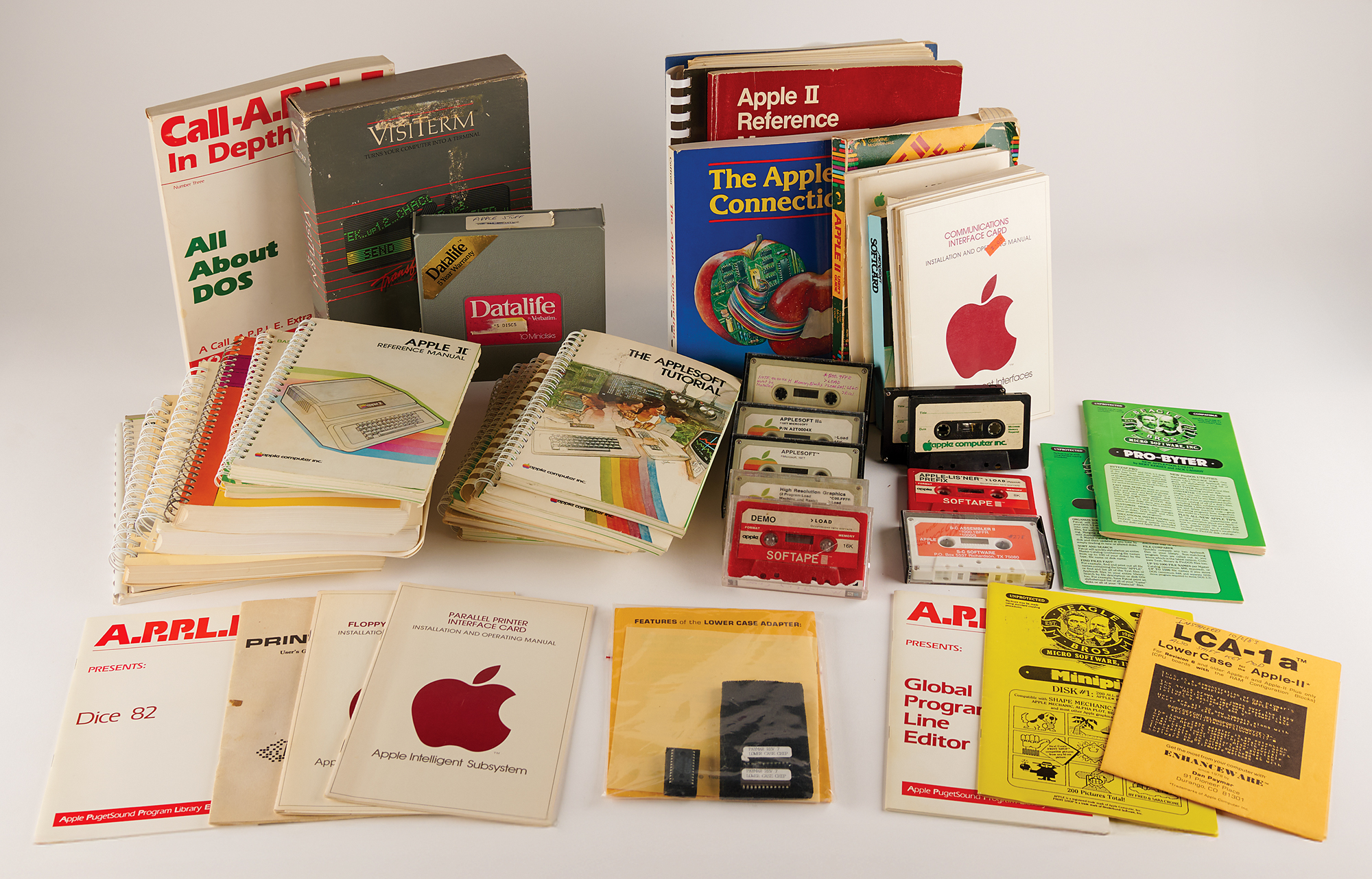
Also included are four Apple Disk II external floppy disk drives (one in its original box), plus a wealth of manuals, related literature, and software.
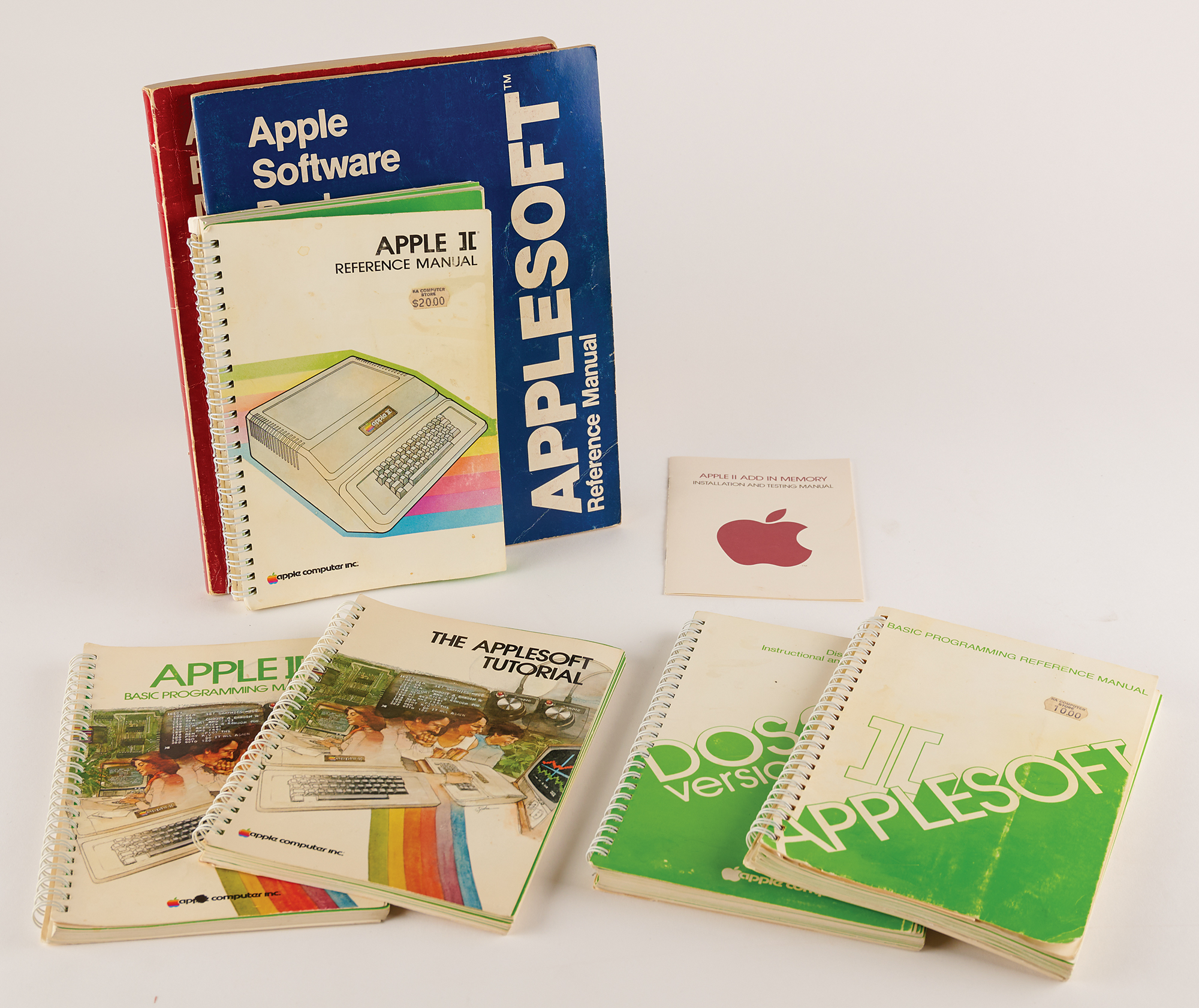
Manuals include: the 'Redbook' Apple II Reference Manual (January 1978); Apple II Reference Manual (spiral-bound); Apple II BASIC Programming Manual; Applesoft Reference Manual; Applesoft II BASIC Programming Reference Manual; The Applesoft Tutorial; DOS 3.2 Reference Manual; Apple II Add In Memory Installation and Testing Manual; Apple II User's Guide; and many others.
Software cassettes include: Apple-Lis'ner; S-C Assembler; Apple-Talker; Applesoft; Applesoft IIa; High Resolution Graphics; and a few unmarked tapes. Floppy disks include: System Master Diskette: DOS 3.1.1; DOS 3.3 System Master; DOS 3.3 Basics; VisiTerm; and various other copied system utilities.
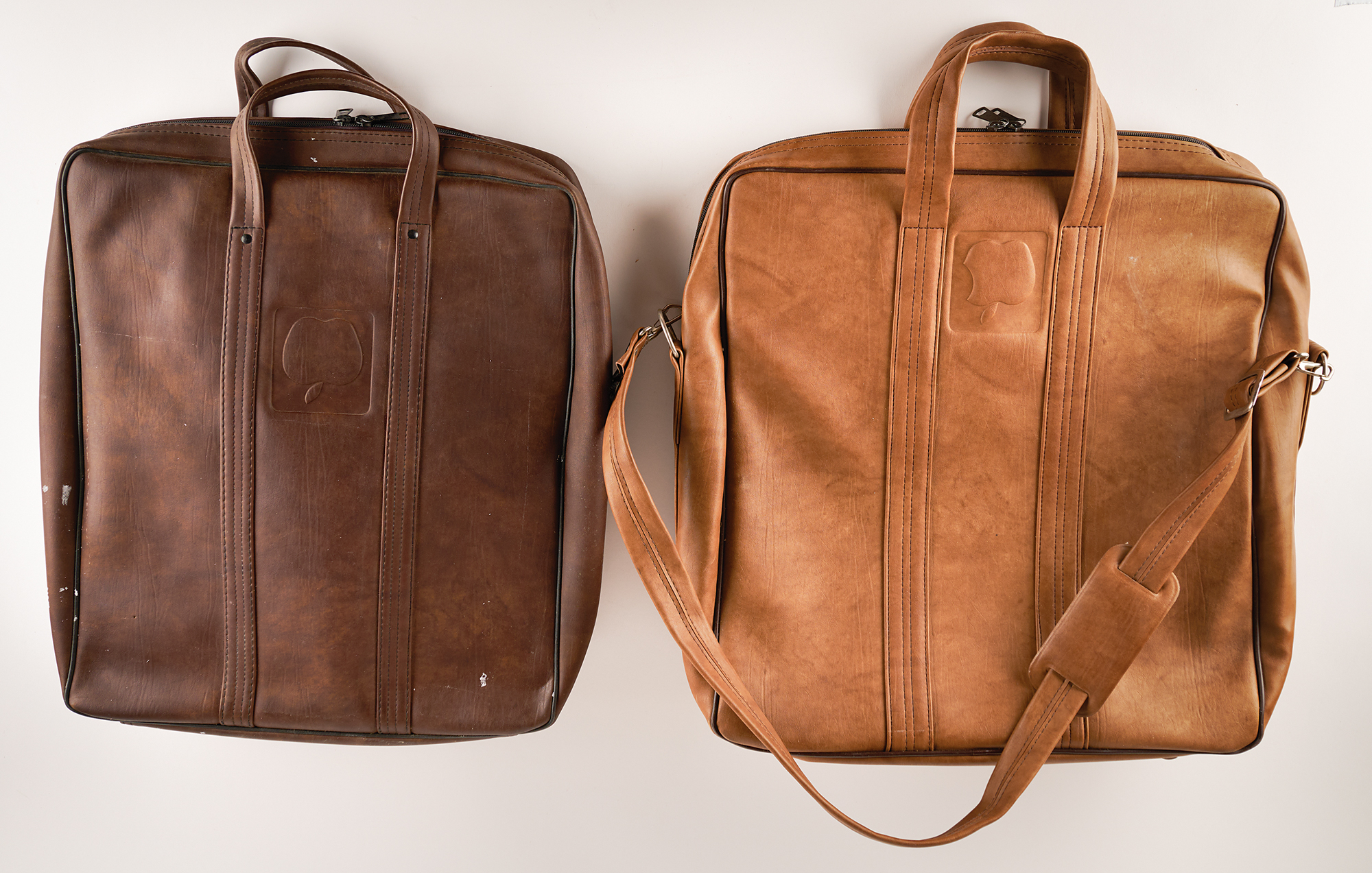
The computers are untested and in overall very good to fine cosmetic condition. Accompanied by two uncommon brown Apple II carrying bags with the Apple logo embossed on the front.
The early success of the Apple-1 in 1976 paved the way for the introduction of the Apple II in the spring of 1977. In Apple’s 1980 IPO prospectus, the company described its progress: ‘In April 1977 the Company introduced the Apple II computer mainframe which was similar to the Apple I but incorporated additional circuitry and a keyboard, and was packaged in a plastic housing.’ In other words, the Apple II built upon the Apple-1 to become an even more capable, more consumer-ready machine. Between 1977 and 1980, on the sales of the Apple II and its peripherals, accessories, and software, Apple Computer’s yearly revenue grew from $774,000 to $118 million, making it one of the great growth stories of Silicon Valley.

